
Balance sheets of PP tank production plants”
2026-09-12
Balance sheets of PP tank production plants: why 80% of projects fail due to calculation errors
In our practice of working with industrial customers from Russia and the CIS countries, we have repeatedly encountered a situation where a technically flawless project for the construction or modernization of a chemical storage line collapsed at the stage of approving the estimate. The reason almost always lay not in the cost of polypropylene itself, but in an incorrect balance sheet of the PP tank production plant. Many buyers and chief engineers mistakenly believe that the balance sheet is simply the sum of sheet metal and welding costs. In fact, the correct balance of PP tank factories must account for up to 40 hidden costs, from the logistics of large-scale structures to the shrinkage rate of the material during extrusion. If you are planning to purchase containers with a volume from 10 m³ to 5000 m³, ignoring these nuances will lead to a cash gap or, worse, to the supply of equipment that does not meet the requirements of GOST and the EAEU.
We have analyzed more than 200 production cycles over the past three years and identified critical points where the margins and reliability of the final product are lost. In this article, we will analyze the structure of real costs, show how to distinguish a dumping proposal from a technologically justified one, and give specific recommendations for creating technical specifications for a supplier. Our goal is for you to receive not just a “price per kilogram”, but a transparent project economy, protected from the risks of under-delivery and claims.
Material balance structure: where are the main costs hidden?
Any smart balance of PP tank manufacturing plants starts with a detailed specification of raw materials. Polypropylene (PP-H, PP-B, PP-R) is not a monolithic product with a fixed price. Depending on the required chemical resistance and operating temperature, the cost of the base granulate can vary by 2.5 times. For example, to store aggressive oxidizing agents at temperatures above 60°C, a copolymer with the addition of stabilizers is required, the price of which at exchange trading is significantly higher than a general-purpose homopolymer. An error in choosing the grade of material at the stage of forming the balance leads to the fact that the finished tank begins to deform or crack after just six months of operation.
The second critical component is the sheet utilization rate (Ki). Theoretically, a certain number of square meters of sheathing can be made from one ton of polypropylene sheet. However, in practice, the balance sheet of PP tank production plants necessarily includes cutting losses. When manufacturing containers of complex geometric shapes (for example, conical bottoms or sectional partitions), waste can reach 15-20%. Unscrupulous manufacturers often underestimate this figure in the commercial proposal in order to attract the client with a low input price, and then issue additional bills for “overconsumption of material” during the production process. We recommend requiring the supplier to unpack sheets in DXF format at the stage of signing the contract in order to verify the declared Ki.
The third element that is often overlooked by customers is welding consumables. The welding rod (electrode) must strictly correspond to the chemical composition of the base sheet. Using a rod with a different melt flow index (MFI) creates a stress zone in the weld that becomes a point of failure under load. In a properly compiled balance sheet for PP tank production plants, the weight of the welding rod is calculated based on the total length of the seams with a 10% margin for waste and trimmings. For a tank with a volume of 50 m³, the weight of the welding joint can be up to 150 kg, and ignoring this cost item distorts the real cost of the product by 5-7%.
Finally, we must not forget about fittings and reinforcing elements. Tubes, flanges, manholes and support rings are often made from the same PP, but require additional machining or injection molding. The balance sheet should clearly separate the cost of rolled sheets and the cost of finished shaped products. An attempt to save on the thickness of the reinforcing rings around the pipes is a common cause of leaks at the insertion points. We've seen cases where $200 in hardware savings resulted in $50,000 worth of product being lost due to leakage.
Labor costs and manufacturing technology: the influence of the human factor on price
When it comes to the balance sheet of PP tank production plants, the item “Payment” often causes the greatest disputes between the customer and the contractor. Unlike metal containers, where the process is 80% automated, the production of polypropylene containers remains a labor-intensive process that requires highly qualified extruder welders. Hot air and extrusion welding technology requires constant monitoring of flow temperature, rod feed speed and nozzle angle. One wrong movement by the operator can lead to lack of penetration, which cannot be detected visually without ultrasonic testing (UT).
The time spent on producing one square meter of surface directly depends on the thickness of the sheet and the complexity of the assembly. Welding a sheet 20 mm thick requires a multi-layer seam with preliminary cutting of the edges at an angle V or X. This increases the work time by 3-4 times compared to welding sheets 5 mm thick. In the balance sheet of factories producing PP tanks, this should be reflected through differentiated prices: a separate rate for straight seams, an increased rate for corner joints and a maximum rate for welding pipes and reinforcing bottoms. Averaging these rates leads to the fact that the manufacturer either inflates the overall price or tries to simplify the technology at the expense of quality.
Particular attention should be paid to the quality control stage. Certified manufacturers are required to hydrostatically test each tank prior to shipment. This process takes from 4 to 24 hours depending on the volume of the container and requires personnel to monitor the pressure and visually inspect the seams under load. In the balance sheet of PP tank factories, these hours must be paid. Attempts to exclude this item from the estimate indicate that the supplier plans to ship the product “as is,” shifting the risk of identifying defects to the customer during installation.
We encountered a case where a manufacturer decided to optimize the balance of PP tank production plants by reducing the cooling time of the welds before removing the fixing clamps. The result was massive deformation of the hull geometry in a batch of 12 tanks with a volume of 30 m³. Correcting the defects required a complete re-welding of the components, which increased the final cost of the project by 40% and delayed the launch of the facility by two months. This example clearly demonstrates that saving on process breaks and control operations on the balance sheet is a false economy leading to direct losses.
Logistics and installation: hidden costs that destroy the budget
The production of the tank is completed not in the workshop, but at the customer’s site. Therefore, a full balance sheet of PP tank production plants must include a logistics component. Large-volume polypropylene containers are often transported disassembled (sheet cutting) or semi-assembled (in sections), since the dimensions of the finished product exceed the permissible standards for road transport. The cost of delivering oversized cargo, obtaining permits, and operating crane equipment during loading and unloading are all significant expense items. Ignoring them in the initial estimate creates the illusion of a cheap product.
On-site installation is another challenging step. If the tank is supplied in sections, assembly work is required directly on the foundation. This involves the delivery of welding equipment, generators and a team of installers to the site. Working conditions on site often differ from those in the workshop: wind, dust, temperature changes negatively affect the quality of polypropylene welding. The balance sheet of factories producing PP tanks should include a complexity factor for installation work, taking into account the need to install temporary shelters (warmhouses) to protect the welding area from atmospheric influences.
The foundation also plays a critical role. Polypropylene has a high coefficient of linear expansion. When the temperature of the product or the environment changes, the volume of the tank may change by several centimeters. If the foundation is not properly prepared (evenness and absence of local stresses are not ensured), the tank body may develop cracks in the lower part. The costs of preparing the base, installing a sand cushion or a concrete slab with a smooth screed are often not included in the cost of the tank itself, but are a mandatory condition of the warranty. We recommend requiring a foundation drawing from the supplier along with a quotation to estimate these costs in advance.
In one of our projects, the client insisted on transporting the finished tanks themselves in order to save on the manufacturer's logistics. As a result, due to the incorrect slinging scheme and the lack of soft gaskets at the points of contact of the cables with the body, three containers received deep dents and microcracks in stress zones. Restoring the damaged areas required expensive repairs and retesting, which cost more than the professional hauling service the plant originally offered. This case confirms that the balance sheet of PP tank manufacturing plants must be comprehensive, covering the entire life cycle of the product until commissioning.
| Comparison parameter | Cheap segment (Dumping) | Premium segment (Factory standard) |
|---|---|---|
| Raw materials | Recycled granulate or mixture of brands without certificates | Primary virgin PP-H/PP-B with quality certificate and test reports |
| Welding | Manual extrusion without temperature control, visual inspection of seams | Automated lines + manual additional welding of complex units, ultrasonic inspection of 100% of seams |
| Geometry | Tolerances ±10 mm, case out-of-round possible | Tolerances ±2 mm, strict cylindricity, mandrel calibration |
| Warranty | 6-12 months, only for tightness | Up to 5 years, including retention of mechanical properties and chemical resistance |
| Documentation | Minimum product passport | Full package: strength calculations, EAC/GOST certificates, as-built diagrams |
Certification and compliance with EAEU standards
Work in the industrial market of Russia and the countries of the Customs Union is impossible without compliance with regulatory requirements. The balance sheet of a legal manufacturer's PP tank production plant necessarily includes certification costs. For containers operating under excess pressure or intended for storing hazardous substances, a Declaration of Conformity TR CU 032/2013 “On the safety of equipment operating under excess pressure” is required. The process of obtaining this document includes examination of design documentation, analysis of the state of production and testing of prototypes in an accredited laboratory.
The absence of the EAC marking on a product is grounds for prohibiting the operation of the facility by supervisory authorities (Rostekhnadzor, environmental services). Fines for using uncertified equipment can be many times greater than the cost of the container itself. In addition, banks and insurance companies often refuse to finance or insure facilities where equipment is installed without supporting safety documents. Therefore, seeing in the offer a price significantly lower than the market price, it is worth asking whether the cost of certification procedures is included in the balance sheet of factories producing PP tanks.
It is also important to take into account the requirements of industry standards, such as GOST 15150 (design for various climatic zones) and internal regulations of large oil and gas or chemical holdings. For example, to work in the Far North, polypropylene must have special additives that prevent brittleness at low temperatures. Verification of compliance with these requirements is included in the supplier audit. We recommend requesting copies of current certificates from the manufacturer and checking their status in the RosAccreditation register before concluding a contract.
In our practice, there was a case when a batch of tanks was detained at customs due to a discrepancy between the HS codes and the lack of correct declarations. Although the problem was resolved, equipment downtime and late delivery penalties amounted to a significant amount. This highlights the importance of PP tank factories' balance sheets taking into account not only the production costs, but also the administrative and legal costs of going to market.
An integrated approach to engineering solutions: the experience of Wuxi Kaisheng LLC
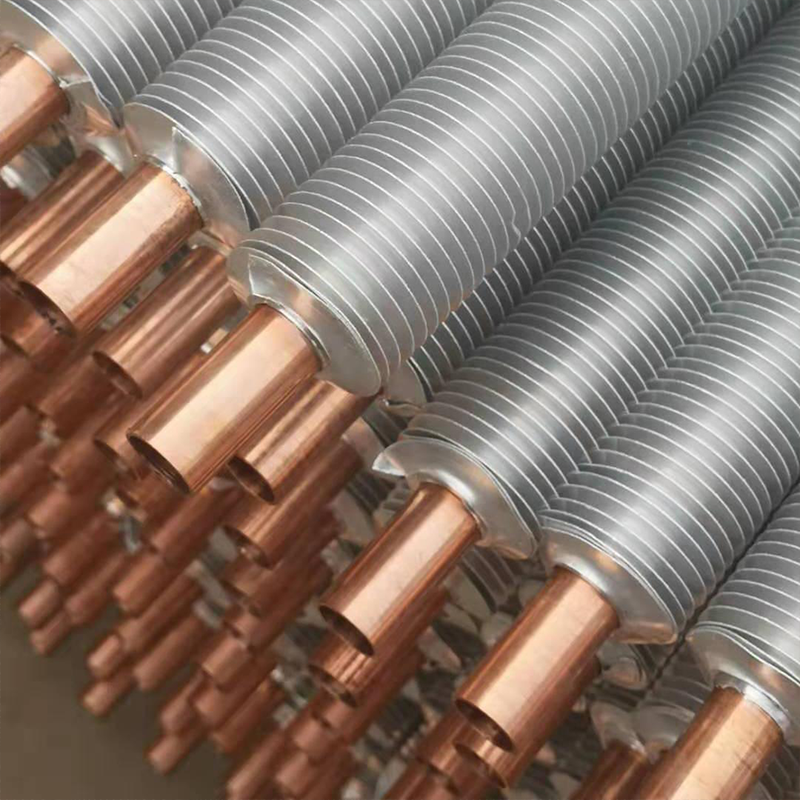
Understanding all the nuances of balance and production technology is critical for any serious player in the industrial equipment market. A striking example of a company that builds its work on the principles of transparency, deep engineering expertise and strict adherence to international standards isWuxi Kaisheng Electric Power and Petrochemical Equipment Co.,Ltd" Although the company's core focus is on the design and manufacture of high-tech heat transfer equipment (titanium shell-and-tube heat exchangers, ASME units, 316 stainless steel corrugated tube bundles, C46400 marine brass and N06625 alloys), their approach to costing and quality control is entirely consistent with the requirements described in this article for polypropylene tanks.
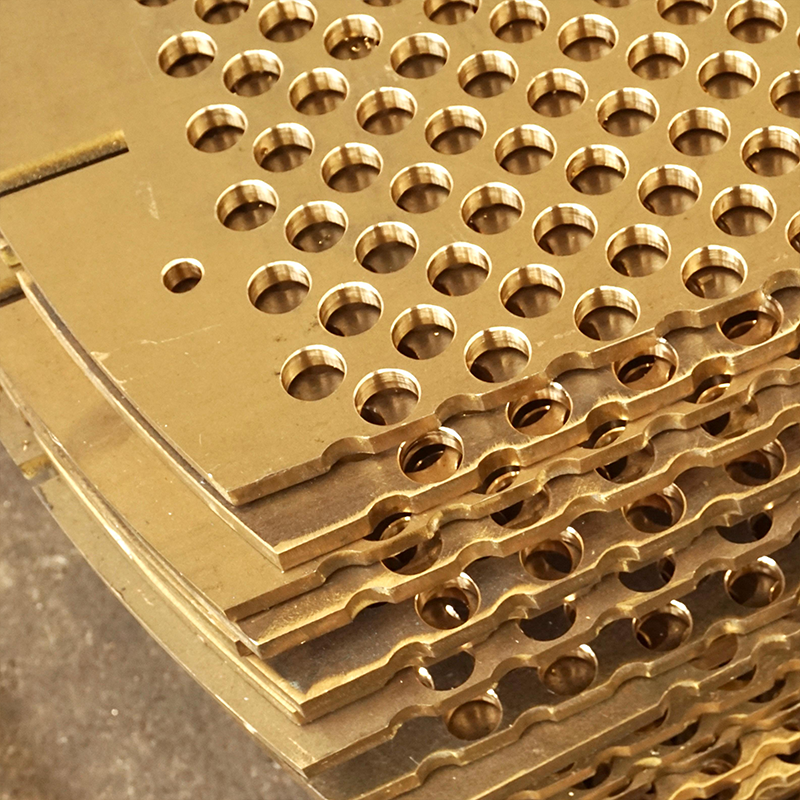
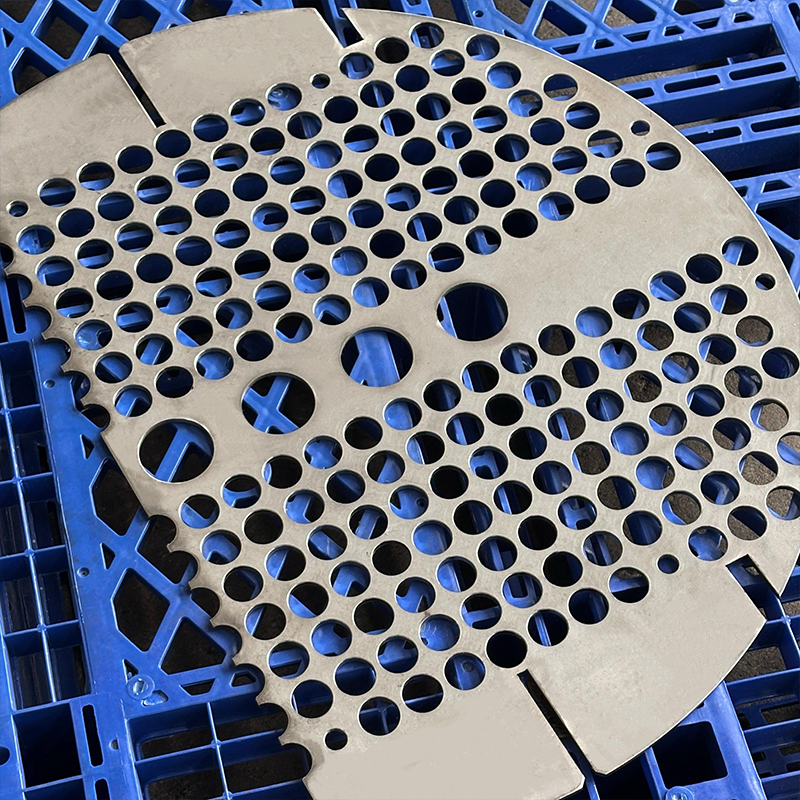
Wuxi Kaisheng specialists are well aware that in industries such as oil refining, petrochemicals and seawater desalination, it is impossible to skimp on materials and control. Their products, which include air coolers, recovery boilers and complex tube sheets made from various alloys (carbon steel, titanium, copper-nickel alloys), are certified to stringent PED and ASME standards. The same rigor must be applied when assessing the balance of PP tank factories. The company provides customized solutions where every component - from raw materials to final assembly - is thoroughly tested for corrosion resistance and resistance to high pressures and temperatures.
Wuxi Kaisheng's experience shows that a reliable partner does not hide its cost structure. On the contrary, he offers the customer a detailed justification for the choice of materials (whether exotic alloys for heat exchangers or special grades of polypropylene for aggressive environments) and manufacturing technologies. Stable equipment for customers around the world is the result of taking all risks into account, not just direct material costs. By following these principles, you minimize the likelihood of accidents and ensure the long life of your assets, whether it's a nickel alloy heat exchanger or a huge chemical storage tank.
How to check the fairness of the balance: a checklist for the buyer
To avoid surprises during the project implementation, we have developed an algorithm for checking commercial proposals. The first step is to request a detailed bill of materials. It should indicate not just “PP sheet”, but a specific brand (for example, Boralec HE 348 RT), thickness with tolerance (for example, 10 mm ±0.3 mm) and the manufacturer of the raw materials. If a supplier refuses to disclose this data, citing trade secrets, this is a red flag. The transparent balance sheet of PP tank factories does not contain any secrets regarding the origin of the base material.
The second step is labor intensity analysis. Compare the stated production time with the standards. Manufacturing a tank with a volume of 100 m³ from a 20 mm sheet cannot physically take 3 days, taking into account the time for welding, cooling and control. Unrealistically tight deadlines indicate that PP tank factories are not taking quality control steps into account or are planning on using unskilled labor.
The third step is to check the terms of payment and guarantees. An honest manufacturer is ready to provide a guarantee for tightness and mechanical integrity for a period of at least 24 months, subject to operating conditions. The presence of a clause on post-warranty service and the possibility of supplying spare parts (pipes, covers) also characterizes the reliability of the partner. Avoid contracts where the guarantee is limited to the moment of signing the acceptance certificate without load testing.
And the last but important point is reputation. Request the contact information of the last three clients for whom similar containers were manufactured. Call them and find out how the tank behaved in the first year or two of operation. Were there any leaks? How quickly did the plant respond to comments? Real reviews often speak more than any certificates. The balance sheet of PP tank manufacturing plants must be supported by a history of successful implementations.
Frequently Asked Questions
What is the service life of polypropylene tanks if used correctly?
If the temperature conditions are observed (up to 80-90°C for PP-H) and there are no mechanical overloads, the service life of high-quality tanks is 20-30 years. The key factor is UV protection (for outdoor installation) and the correct choice of material grade for a specific chemical environment. We recommend conducting an annual visual inspection and once every 5 years an instrumental control of the wall thickness.
Is it possible to repair polypropylene containers yourself?
Minor damage (scratches, small cracks) can be repaired using a repair kit and a heat gun, but for through damage or cracks in the seam areas, qualified extrusion welding is required. Self-repair without following technology often leads to crack propagation. For serious damage, it is better to call the manufacturer's specialists.
What is the difference between PP-H, PP-B and PP-R for tanks?
PP-H (homopolymer) has maximum chemical resistance and rigidity, ideal for aggressive environments. PP-B (block copolymer) has increased impact strength at low temperatures, suitable for outdoor installation in winter. PP-R (random copolymer) is more often used for hot water piping, but less often for large industrial tanks due to its lower rigidity. The choice depends on the specific task.
Is a special permit from Rostechnadzor required for operation?
If the tank operates under atmospheric pressure, permission from Rostechnadzor is usually not required; a declaration of conformity is sufficient. However, if the container is intended to operate under excess pressure (above 0.07 MPa) or to store particularly hazardous substances, registration with Rostekhnadzor is required. The manufacturer must provide a complete set of documents for registration.
How are large tanks delivered?
Containers with a volume of up to 20-30 m³ are often transported assembled on trawls. Larger objects are transported disassembled (sheet cutting) or in sections that are assembled and welded directly at the customer’s site. The delivery method is selected based on economic feasibility and road restrictions.
Conclusion: Invest in reliability, not low price
To summarize, we can say that a well-drafted PP tank plant balance sheet is not just a financial document, but a map of the risks of your project. It shows where the manufacturer has saved on quality and where it has invested in durability. In the long term, buying a cheap tank without taking into account all the technological nuances costs many times more due to downtime, repairs and possible environmental fines.
We encourage you to take a balanced approach to choosing a supplier, analyzing not only the final figure in the estimate, but also its structure. Demand transparency, check certifications and don't be afraid to ask tough questions about production technology. Your safety and smooth production process depend on the quality of every weld and every balance detail. The experience of companies such as Wuxi Kaisheng LLC proves that adherence to high standards and attention to detail is the only true path to sustainable development in industry.
If you need assistance in auditing a technical specification or would like to receive a detailed commercial proposal with a breakdown of all cost items, contact us today. Our experts are ready to conduct a free analysis of your project and offer the optimal solution that meets all safety and economic efficiency standards.Explore our catalog of polypropylene tanksto familiarize yourself with standard solutions and product characteristics.