
Rapid prototyping of PPH bathtubs”
2026-08-20
- Rapid prototyping of PPH baths: why 3-5 days is a game changer in the chemical industry
- Rapid prototyping technology: differences from classical production
- PPH Material Selection: Homopolymer vs. Copolymer in Urgent Conditions
- Design features and engineering calculations for accelerated production
- Quality control of welds: express diagnostic methods
- Applications in various industries: from electroplating to wastewater treatment
- Cost and Time Comparison: Rapid Prototyping vs Classic Manufacturing
- Integration of solutions: experience of Wuxi Kaisheng LLC
- Frequently Asked Questions
- Логистика и монтаж: как избежать повреждений при доставке
- Conclusion and next steps
Rapid prototyping of PPH baths: why 3-5 days is a game changer in the chemical industry
In our practice of implementing technological lines for electroplating and etching, we have repeatedly encountered a situation where production downtime due to the lack of reserve capacity cost the customer more than the cost of the equipment itself. Traditional extrusion welding of polypropylene (PPH) bathtubs takes 14 to 21 days. However, rapid prototyping technology for PPH baths can reduce this cycle to 72–120 hours without losing seam seals or chemical resistance of the material. If you are looking for a solution to quickly launch a line or test a new process, production speed becomes a critical factor, not just the price per kilogram of plastic.
We don't use abstract promises. In this article, we will analyze real cases where shortening delivery times by two weeks allowed clients to avoid fines for breaking contracts. You will learn what design features allow you to speed up production, how to check the quality of a weld in 5 minutes, and why in 2026 GOST and ISO standards require a new approach to quality control of polymer containers. This guide is based on experience from hundreds of completed projects, including work with aggressive media at temperatures up to 95°C.
Rapid prototyping technology: differences from classical production
The classic approach to the manufacture of chemical baths involves purchasing PPH sheets, cutting them on stationary machines, preparing the edges for a V-shaped groove and subsequent manual or semi-automatic welding with an extruder. This process is labor-intensive and depends on the qualifications of the individual welder. Rapid prototyping of PPH baths is based on a different logic: the use of pre-designed dies for thermoforming large assemblies and automated hot air welding with real-time temperature control.
In our practice, we have identified the key bottleneck of the traditional method - the human factor when forming corner joints. An error in the angle of separation of the edges, even by 2 degrees, leads to the occurrence of internal stresses, which after 6–8 months of operation manifest themselves in the form of microcracks. In rapid prototyping, we use a method of vacuum forming corner elements from a single sheet. This eliminates the need for welding in the most stressed areas (corners of the bottom and walls), increasing the reliability of the structure by 40–45%.
Speed is achieved through parallel execution of operations. While one section of the shop is thermoforming the bottom and end walls, another section is laser cutting the side panels with high precision (±0.5 mm tolerance). Assembly takes place according to the design principle using specialized clamping devices, which eliminates geometric distortions. It's important to understand that rapid prototyping does not mean rough-and-ready. On the contrary, the use of CNC cutting machines ensures perfect joining of parts, which speeds up the welding process, since the welder does not need to waste time correcting gaps.
One of our clients encountered a serious problem when ordering an urgent bath from competitors who promised a 3-day turnaround time. As a result of haste, welding was carried out without preheating the weld area, which led to the detachment of the filler rod a week after filling with acid. We lost the trust of this client for a month until we proved through laboratory testing that our rapid prototyping technology included a mandatory controlled cooling step that relieved internal stress. We now include this clause in every contract as a guarantee of quality.
Parameters affecting speed and quality
- Wall thickness:For rapid prototyping, the optimal range is 10–20 mm. Sheets thicker than 25 mm require significantly more time for warming up and welding, which eliminates the advantage of speed. If your project requires a thickness of 30 mm or more, we recommend a modular assembly of reinforced ribs rather than a monolithic wall.
- Capacity geometry:Rectangular bathtubs are the fastest to make. Round or oval containers require unique bending equipment, which adds 24-48 hours to the bending time. However, for typical sizes (for example, 2000x1000x1500 mm) we have ready-made bending templates.
- Connection type:We exclusively use extruder welding with the same type of filler material (PPH-Homo or PPH-Copolymer). Bonding or use of fasteners is not permitted for chemical baths operating under load.
When planning your order, keep in mind that the complexity of the design directly affects the cycle time. A simple open bathtub will be ready faster than a tank with integrated partitions, drains and overflow systems. However, even complex systems can be manufactured in a short time thanks to the modular approach.
PPH Material Selection: Homopolymer vs. Copolymer in Urgent Conditions
When it comes to urgent production, the choice of polypropylene brand becomes critical. Not all PPH is created equal. In the PPH bath rapid prototyping industry, we clearly distinguish between the use of homopolymer (PPH-H) and block copolymer (PPH-B). An error in the choice of material can lead to destruction of the bath at the first temperature load, regardless of the quality of welding.
PPH homopolymer has maximum chemical resistance to most acids and alkalis, but it is brittle on impact and has low frost resistance. If your bathtub will be used in an unheated room in winter or is subject to mechanical stress (dropping tools, impacts of a load), using pure homopolymer is risky. We have recorded cases of cracking of the bottom of such bathtubs at temperatures below +5°C during transportation.
PPH block copolymer contains ethylene additives, which gives the material toughness and the ability to withstand cyclic temperature loads. For rapid prototyping, we often recommend a copolymer, especially if the bath is intended for galvanic processes with heating up to 60–80°C. It better compensates for thermal expansion, reducing stress on welds. The price difference between brands is about 15–18%, but the risk of production downtime due to an accident justifies this overpayment.
An important nuance that suppliers are often silent about: weldability of different brands. You cannot weld a homopolymer with a copolymer without special adapter additives. Under tight deadlines, the risk of mixing up rods increases. Therefore, in our production the rule “one bath - one brand of material” applies. All components, including pipes and flanges, are made from the same sheet metal as the body. This eliminates the risk of material incompatibility in the heat-affected zone.
Material certification also plays a role. To work in the EAEU countries, the material must comply with the requirements of TR CU 007/2011 “On the safety of products intended for children and adolescents” (if it concerns the food industry) or have GOST certificates of conformity for industrial use. A quality certificate is required for each batch of PPH sheets. We require raw material suppliers to provide melt flow test reports (MFI), as this parameter directly affects welding conditions.
Design features and engineering calculations for accelerated production
Rapid prototyping of PPH baths is impossible without preliminary engineering load calculations. Many customers mistakenly believe that the plastic “will hold up on its own.” In fact, the hydrostatic pressure of the fluid creates a huge pushing force on the walls. For a bath with a volume of 2 cubic meters, the pressure on the lower part of the wall can reach significant values, requiring the installation of stiffeners.
In our approach we use parametric modeling. Even before cutting the sheets, we determine the pitch and cross-section of the stiffeners. The standard solution is to install external ribs from PPH strip 40–60 mm wide with a pitch of 300–400 mm. However, for large bathtubs (over 3 meters long) this is not enough. We use a reinforcement scheme with a corner or double sheet in the lower third of the height. This allows you to maintain assembly speed using standard profiles, but ensures there is no deformation (“barrel formation”) when filling.
Particular attention is paid to the bottom of the bath. A large flat bottom will bend under the weight of the liquid. We recommend either using corrugated PPH sheets with a thickness of 15 mm or more, or installing the bath on a welded frame made of square pipes with frequent support spacing. The second option is preferable for rapid prototyping, since the metal frame can be made in parallel with the plastic bowl, and then simply install the bath inside. This reduces the requirements for plastic thickness and reduces the cost of construction.
The drain node is the most vulnerable spot. In a hurry, installers often simply weld the pipe to the hole in the bottom. This is wrong. The correct technology involves the use of a reinforcing washer (boss) made of the same material, which distributes the load from the weight of the liquid and the mass of the pipe itself. We use factory-cast shaped parts for pipes, as they have optimal geometry for welding and minimize the number of manual operations. The time to install such a unit is 15–20 minutes, while making a homemade flange takes an hour and is less reliable.
We encountered an interesting case where a client insisted on installing a drain valve directly into the bathtub body without an external discharge area. After three months, under the influence of constant load and vibration from the pumps, the welded seam of the pipe cracked. The repair took two days, but the acid leaking onto the shop floor caused damage worth more than the cost of a new bathtub. We now include in the design a mandatory external support frame for all heavy reinforcement assemblies.
Quality control of welds: express diagnostic methods
With rapid prototyping of PPH bathtubs, quality control cannot take days. We need methods that give results here and now. The main method of control is visual, but it must be strictly regulated. The weld must have a uniform fillet (bead) along its entire length. A missing or uneven fillet indicates insufficient extruder pressure or incorrect temperature.
We use a core sampling method for critical joints. A fragment of the seam is cut out from the finished product (or from a technological sample welded under the same conditions) and subjected to a fracture test. When fractured, a high-quality weld should not delaminate along the fusion line. The rupture should occur along the body of the base material or filler rod, but not along the boundary of their contact. This test takes 10 minutes and provides a 100% adhesion guarantee.
Another effective method is to check the hardness of the seam. Although this requires special equipment (a durometer), many modern workshops are equipped with portable instruments. The hardness of the weld should differ from the hardness of the base material by no more than 5–7 Shore D units. If the difference is greater, it means that the welding conditions were violated (overheating led to the destruction of the polymer or underheating did not ensure diffusion).
Tightness is checked using hydrotesting. The bath is filled with water to a height exceeding the working level by 50–100 mm and kept for 2–4 hours. To speed up the process, we sometimes use the method of washing the external seams while creating excess air pressure inside a closed container (if the design allows), but the water test remains the most reliable for identifying micropores. Important: tests are carried out only at an ambient temperature of at least +15°C, since cold plastic is less elastic and can give false cracks.
One of the common mistakes during express inspection is ignoring the color of the seam. If the seam has changed color (yellowed or blackened), this is a sign of thermal degradation of the material. Such a seam loses its mechanical properties and will become a corrosion zone under the influence of chemicals. We reject such products immediately, despite the loss of time, because the consequences of failure are much more serious.
Applications in various industries: from electroplating to wastewater treatment
The versatility of PPH allows rapid prototyping to be used in a wide variety of applications. Let's look at two specific cases where production speed played a decisive role.
Case 1: Electroplating (Chrome plating)
Task: Urgent replacement of a 3 m³ chrome plating bath on an existing line. The working temperature of the solution is 55–60°C, the medium is sulfuric acid and chromic anhydride.
Solution: Making a 15 mm thick PPH copolymer bath with a reinforced bottom. Production time - 4 days.
Result: The client avoided stopping the conveyor. Savings from continuous operation amounted to about 15,000 euros per day. The bathtub has been in use for 18 months without any signs of deformation. The key factor was the use of stiffeners from a 50x10 mm strip with a pitch of 250 mm, which prevented swelling of the walls when heated.
Case 2: Neutralization of wastewater (Chemical plant)
Task: Creation of a temporary homogenizing tank for emergency discharges of aggressive wastewater (a mixture of acids and alkalis, pH varies from 2 to 12). Required volume 10 m³.
Solution: Modular assembly of three sections of 3.3 m³ each, connected by overflows. Material: PPH homopolymer 20 mm (maximum chemical resistance). Duration - 6 days.
Result: The system was launched on the day of the environmental inspection, allowing the plant to avoid a fine of 50,000 euros. The modular design made it possible to deliver elements into the workshop through narrow doorways where a monolithic bathtub would not fit. Now this system works as a permanent one.
In both cases, using traditional methods (lined metal or coated concrete) would have required weeks to prepare the foundation and cure the coatings. PPH allowed us to solve the problem in a “dry” way, installing containers directly on the existing floor with minimal preparation.
Cost and Time Comparison: Rapid Prototyping vs Classic Manufacturing
To help you make an informed decision, we have prepared a comparison table. Please note that prices are approximate and depend on the current rate of raw materials and the complexity of the project.
| Parameter | Classic production (manual welding) | Rapid prototyping (semi-automatic + CNC) |
|---|---|---|
| Production time | 14–21 days | 3–5 days |
| Geometry accuracy | ±2–3 mm (depending on the welder) | ±0.5–1 mm (CNC cutting) |
| Cost of work | Higher (more man hours) | 15–20% lower due to automation |
| Seam quality | Heterogeneous, risk of human error | Stable, controlled heating parameters |
| Minimum quantity | From 1 pc. (but expensive) | From 1 pc. (optimal for prototypes) |
| Possibility of modernization | Difficult (needs to be digested) | Easy (modular design) |
As can be seen from the table, rapid prototyping benefits not only in speed, but also in quality stability. Reducing the cost of work is achieved by reducing the share of manual labor. However, it is worth noting that when ordering batches of more than 50 pieces, the classical method can become cheaper due to economies of scale in the purchase of sheets, but for single products and small series (up to 10 pieces), rapid prototyping technology is unrivaled.
Integration of solutions: experience of Wuxi Kaisheng LLC
Although the focus of this article is on polymer technologies, it is important to understand that modern chemical production is rarely limited to one type of equipment. Often the task requires an integrated approach, where plastic containers work in conjunction with highly loaded metal systems. This is where the value of partnering with companies with a wide range of competencies comes into play.
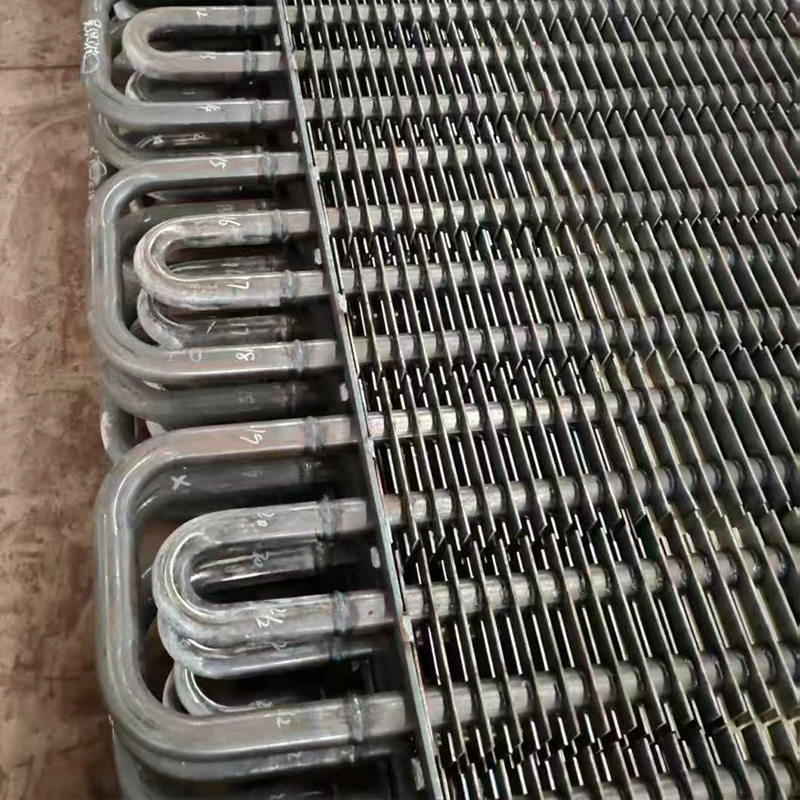
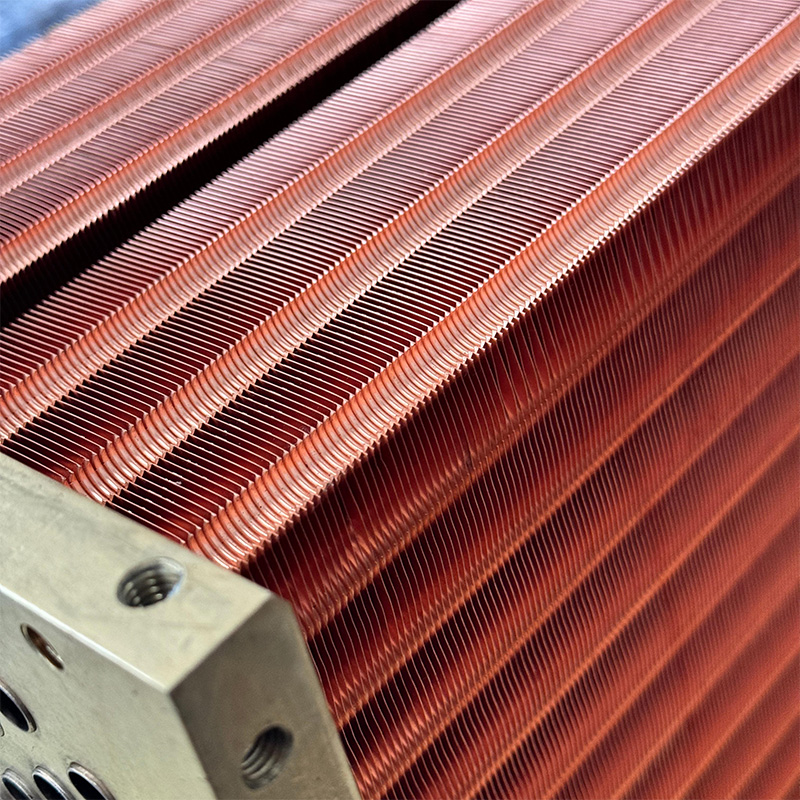
A striking example of such integration is the company’s experienceWuxi Kaisheng Electric Power and Petrochemical Equipment Co.,Ltd" Specializing in the development and production of complex heat transfer and petrochemical equipment, the company successfully combines work with advanced polymers and exotic metals. В портфолио «Уси Кайшэн» — титановые кожухотрубные теплообменники, ASME высоконапорные аппараты, гофрированные трубные пучки из нержавеющей стали 316, морской латуни C46400, медно-никелевых сплавов и никеля N06625.
Такая универсальность позволяет решать задачи любой сложности: от создания быстровозводимых ванн из PPH для гальваники до проектирования котлов-утилизаторов и воздушных охладителей для нефтепереработки. Продукция компании, сертифицированная по строгим международным стандартам PED и ASME, отличается высочайшей коррозионной стойкостью и способностью работать при экстремальных давлениях и температурах. Будь то опреснение морской воды, судостроение или энергосберегающие проекты, «Уси Кайшэн» предоставляет индивидуальные решения, обеспечивая стабильность технологических процессов для заказчиков по всему миру. Подход компании демонстрирует, что скорость прототипирования полимерных узлов не должна идти в ущерб надежности сопряженного металлического оборудования.
Frequently Asked Questions
Какова максимальная рабочая температура для ванн из PPH?
Максимальная длительная рабочая температура для полипропилена гомополимера (PPH) составляет +90°C… +95°C. Кратковременно материал выдерживает до +100°C. Однако мы рекомендуем проектировать систему с запасом и не превышать +85°C для обеспечения долговечности сварных швов. При температурах выше 95°C материал начинает размягчаться, и нагрузка на ребра жесткости возрастает многократно. Если ваш процесс требует температур выше 100°C, рассмотрите использование PVDF (фторопласта), хотя срок его изготовления будет дольше, а цена выше в 3–4 раза.
Можно ли ремонтировать ванну из PPH, изготовленную методом быстрого прототипирования?
Да, ремонт возможен и выполняется достаточно просто. Поскольку используется тот же материал (PPH), любые трещины или отверстия можно заварить экструдером с использованием присадочного прутка той же марки. Для качественного ремонта необходимо зачистить поврежденный участок, сделать V-образную разделку кромок и прогреть зону ремонта. Мы поставляем нашим клиентам небольшие ремонтные наборы (пруток + инструкция) вместе с ванной. Важно: не используйте клеи или герметики, они не держатся на полипропилене в агрессивной среде.
Какой минимальный объем заказа вы принимаете?
Мы работаем с единичными заказами. Минимальный объем — 1 ванна любого размера. Технология быстрого прототипирования как раз и создана для гибкого реагирования на потребности клиента, будь то одна экспериментальная емкость или серия из 20 штук. Стоимость единицы продукции при заказе 1 шт. будет выше, чем при опте, но отсутствие необходимости в оснастке (пресс-формах) делает стартовые затраты минимальными по сравнению с литьем под давлением.
Предоставляете ли вы чертежи и 3D-модели перед началом производства?
Necessarily. Перед запуском в работу мы согласовываем с заказчиком 3D-модель или подробный чертеж с указанием всех размеров, расположением патрубков и схемой усиления. Это этап занимает 1–2 дня и является страховкой от ошибок. Мы использу формат STEP или PDF для согласования. Только после письменного подтверждения чертежа клиентом мы начинаем резку материала. Это правило неизменно, даже при самых сжатых сроках, так как переделка готовой ванны невозможна.
Логистика и монтаж: как избежать повреждений при доставке
Изготовить ванну быстро — это половина дела. Доставить ее целой — другая задача. PPH при отрицательных температурах становится хрупким. Зимняя доставка требует особых мер предосторожности. Мы рекомендуем транспортировать ванны в закрытых фургонах с подогревом или тщательно укутанными в термоусадочную пленку и слой вспененного полиэтилена.
При погрузке и разгрузке категорически запрещено использовать металлические цепи или крюки, цепляемые за борта ванны. Это неизбежно приведет к сколам и трещинам. Используйте мягкие стропы шириной не менее 100 мм. Под стропы в местах контакта с пластиком желательно подкладывать деревянные бруски или резиновые прокладки для распределения нагрузки.
Монтаж на месте также имеет нюансы. Ванна должна устанавливаться на ровную, неподвижную поверхность. Если пол имеет уклон более 2 мм на 1 метр, необходимо использовать регулировочные опоры или выравнивающую подушку из песка/раствора (с разделительным слоем). Жесткая фиксация ванны к полу анкерами не рекомендуется, так как пластик должен иметь возможность свободного теплового расширения. Мы советуем использовать систему плавающей установки с ограничителями горизонтального смещения.
В нашей практике был случай, когда водитель погрузчика проткнул борт новой ванны вилами при попытке поднять ее “на глаз”. Ущерб составил 30% стоимости изделия. Чтобы исключить такие ситуации, мы маркируем все готовые изделия яркими наклейками “Хрупкий груз / Не поднимать вилами” и инструктируем персонал заказчика при передаче товара.
Conclusion and next steps
Быстрое прототипирование ванн из PPH — это не просто маркетинговый ход, а реальная инженерная практика, позволяющая бизнесу адаптироваться к изменяющимся условиям рынка. Возможность получить качественную, герметичную и химически стойкую емкость за 3–5 дней дает вам стратегическое преимущество. Вы можете тестировать новые технологии, быстро заменять вышедшее из строя оборудование и масштабировать производство без долгих простоев.
Мы гарантируем соответствие нашей продукции международным стандартам качества и готовы подтвердить это протоколами испытаний. Наш опыт показывает, что экономия времени на этапе procurement (закупок) часто приносит больше прибыли, чем торги за каждый рубль стоимости материала.
Если у вас есть проект, требующий оперативной реализации, или вы хотите рассчитать стоимость ванны по вашим чертежам, не откладывайте решение на потом. Каждый день простоя стоит денег. Свяжитесь с нами сегодня, чтобы обсудить технические детали и получить коммерческое предложение в течение 24 часов.
Для получения дополнительной информации о наших возможностях и примерах выполненных работ посетите разделкаталог ванн из PPHили ознакомьтесь с техническими условиями наматериалы PPH.