
explosion protection for the oil and gas industry: cabinets
2026-07-26
- Critical requirements for explosion protection of cabinets in the oil and gas industry
- Choosing the type of explosion protection: why there is no “universal solution”
- Housing materials: the battle between weight, cost and corrosion resistance
- Climatic design and thermal design: hidden threats to electronics
- Certification and compliance with standards: how to avoid problems with regulatory authorities
- Typical installation and operation errors leading to loss of explosion protection
- How to correctly draw up technical specifications and choose a supplier
- Frequently Asked Questions
- Conclusion and next steps
Critical requirements for explosion protection of cabinets in the oil and gas industry
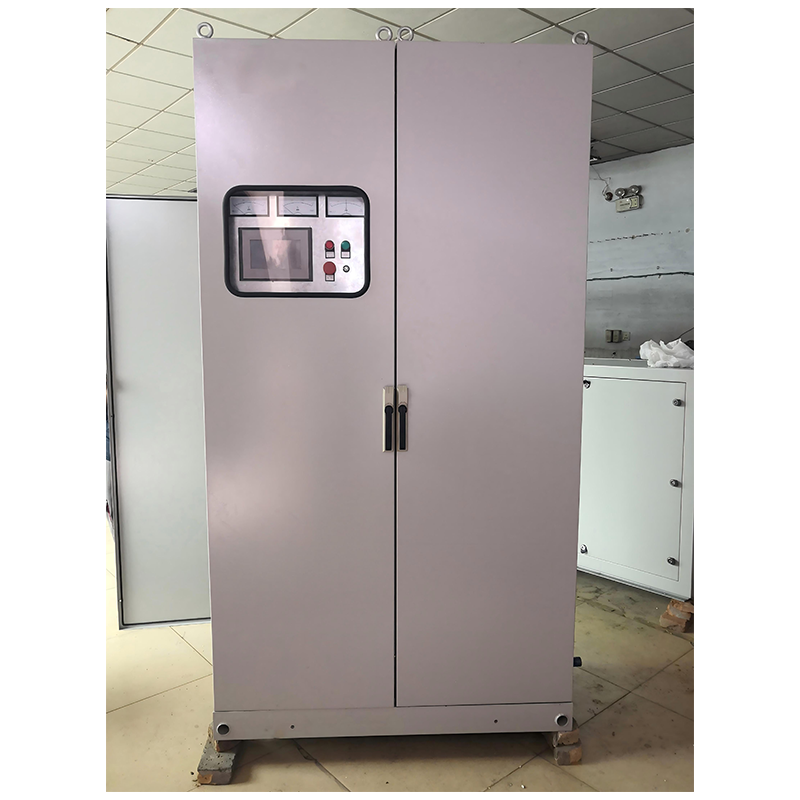
Explosion protection for the oil and gas industry: cabinets are not just a metal case with a seal, but a complex engineering system on which the lives of personnel and the continuity of hydrocarbon production depend. In our practice, we have repeatedly encountered situations where an attempt to save money on certification or the wrong choice of Ex protection type led to the shutdown of entire production lines after the first inspection by Rostechnadzor. The reality is this: standard industrial cabinets in zones of class 0, 1 or 2 (according to GOST 30852.9-2002 / IEC 60079) will not work, and their installation is a direct violation of federal regulations.
We work with projects where the ambient temperature drops to -60°C in winter in Yakutia or rises to +55°C in processing plants in hot climates. Under such conditions, ordinary plastic cracks, and rubber seals become tanned, losing their tightness. Our engineering team has developed an approach based on in-depth analysis of real-world operating conditions, not just catalog data. We've seen condensation inside a cabinet cause a short circuit after three months of operation because the manufacturer forgot the drain valves or miscalculated the dew point. This article is written for chief engineers and buyers who are tired of marketing promises and need technical facts to make decisions.
Choosing the type of explosion protection: why there is no “universal solution”
The mistaken belief that one type of enclosure is suitable for all risk areas costs companies millions of rubles in fines and downtime. Explosion protection for the oil and gas industry: cabinets must strictly comply with the classification of the area where the equipment will be installed. We divide solutions into three main categories, each of which has its own strict limitations and applications.
Flameproof enclosure (Ex d). This is the most common type for power equipment. The principle of operation is simple: if an explosion occurs inside the housing, the walls must withstand the pressure of the flame and cool the gases escaping through the threaded connections so as not to ignite the atmosphere outside. In our projects we use this type for motor starters for pumping stations. However, there is a nuance: the weight of such a cabinet can reach 400 kg, which requires a reinforced foundation. One of our customers in Tatarstan encountered a problem when they ordered Ex d cabinets for a lightweight tool panel. The result was cost overruns on installation and maintenance difficulties due to the weight of the cover. The rule is simple: use Ex d only where there is a real possibility of high energy sparking.
Intrinsically safe circuit (Ex i). This method is ideal for instrumentation and automation systems. Here, protection is achieved by limiting the electrical energy in the circuit to a level insufficient to cause ignition. Ex e (increased reliability) cabinets are often used in conjunction with intrinsic safety barriers. The advantage is obvious: you can open the cabinet lid under voltage (subject to following procedures), since there are no ignition sources inside. But there is a limitation: this method is not suitable for high-power power circuits above several amperes. We recommend this circuit for distribution boxes of pressure and temperature sensors in wells.
Filling the enclosure with inert gas or purging (Ex p). A solution for difficult cases where there is equipment inside the cabinet that is not itself explosion-proof (for example, standard frequency converters or industrial computers). The system constantly maintains excess pressure of clean air or nitrogen inside the housing. If the pressure drops, the power is automatically turned off. It's expensive and difficult to maintain, but sometimes it's the only option. In a project on Sakhalin, we applied this technology to a server room next to a gas pipeline. There was no alternative, since ready-made explosion-proof server cabinets of the required size were not available on the market.
When choosing, always check your property's zoning map. Don’t rely on the supplier’s words “this will fit everywhere.” Request a test report specifically for your Ex marking. The next step is to determine the housing material based on the chemical aggressiveness of the environment.
Housing materials: the battle between weight, cost and corrosion resistance
The choice of material is a compromise between mechanical strength, chemical resistance and project budget. In the oil and gas sector, we most often work with three options: aluminum alloys, stainless steel and composite materials. Each of them dictates its own rules for installation and operation.
Aluminum alloys (for example, AK12ch or equivalents according to international standards) remain the gold standard for most applications. They are lightweight, dissipate heat well and have sufficient strength. However, there is a critical point that is often forgotten: aluminum can spark upon impact. Therefore, areas with light fractions of hydrocarbons require special coating or the use of alloys with low magnesium and copper content. We conducted tests where a regular aluminum cabinet sparked when a tool was dropped from a height of 1 meter. For such cases, we require manufacturers to apply a polymer coating with a thickness of at least 80 microns. This increases the cost by 15%, but removes the risks during certification.
Stainless steel (grades 304/316L) is required where high humidity, hydrogen sulfide (H2S) or seawater are present. There are practically no alternatives to steel on offshore platforms. The main enemy here is pitting corrosion. Cheap steel begins to rust after six months of operation in an aggressive atmosphere. We insist on using AISI 316L steel with electropolished surface. The smooth surface does not accumulate dirt and is easier to clean. The disadvantage of steel cabinets is weight and price. They are 2.5-3 times heavier than their aluminum counterparts. When designing overpasses, this creates an additional load that must be taken into account at the commissioning stage.
Composite materials (fiberglass, polyester resins) are gaining popularity due to their complete corrosion resistance and lightness. They do not conduct current and do not spark when struck. This is an ideal option for chemical production and oil treatment plants (OPN), where vapors of acids and alkalis are constantly present. But composites have a weak point - aging under the influence of ultraviolet radiation and low heat resistance. In our practice, there was a case when a plastic cabinet in an open area in the Astrakhan region was deformed in the summer at a temperature of +45°C in the shade, which broke the tightness of the seals. If you choose a composite, make sure that the composition contains UV stabilizers, and the temperature range is specified with a margin.
Don't skimp on the quality of seals. Even the most expensive casing is useless if the rubber turns into crumbs within a year. Require silicone or fluoroelastomer (Viton) seals that remain flexible from -60°C to +200°C. Check the rubber compound certificate - this is an often overlooked document in audits.
Climatic design and thermal design: hidden threats to electronics
Russia is a country of extreme temperatures, and ignoring this factor leads to equipment failures. Explosion protection for the oil and gas industry: cabinets must guarantee the operation of internal components within the range of -60°C to +55°C (and higher in some regions). The problem is not only the cold, but also temperature changes that cause condensation.
Winter startup is the most stressful time for electronics. Capacitors lose capacity, LCD displays freeze, and batteries die instantly. The standard solution is to install heaters inside the cabinet. But there's a catch here: uneven heating creates hot spots that can destroy sensitive circuit boards. We use an algorithm for calculating heating power based on the volume of the cabinet and the minimum temperature of the region. The formula is simple, but requires precise input data. A calculation error of 20% leads to either underheating or overheating of processors.
The summer problem is overheating. The explosion-proof housing is sealed; it does not have ventilation in the usual sense. There is nowhere to put the heat from frequency converters or power supplies. The internal temperature can exceed the external temperature by 15-20 degrees. If the maximum temperature of a component is 60°C, and the case heats up to 70°C in the sun, the equipment will shut down due to an emergency. The solution is cooling radiators integrated into the housing wall, or explosion-proof air conditioning systems. We've seen projects where engineers simply installed regular fans, violating the IP66 protection rating. This is a gross violation. Use only certified air-to-air or air-to-water heat exchangers.
Condensation is the silent killer of electronics. It appears when there are daily temperature changes. Moisture settles on the boards, causing electromigration and short circuits. A mandatory requirement is the installation of automatic drainage valves (operational membranes). They release moisture out, but do not let water and gas in. In one of the projects in the north of the Tomsk region, the absence of such valves led to the formation of an ice coat inside the cabinet, which, when melted in the spring, flooded the terminal blocks. Lesson learned: drainage is required for all outdoor installations.
When ordering, be sure to indicate the climatic version in accordance with GOST 15150 (for example, UHL1 for cold climates). Do not believe the inscription “works under any conditions” without specific numbers in the product data sheet. Request a climate test report on the hot and cold chamber.
Certification and compliance with standards: how to avoid problems with regulatory authorities
In the oil and gas industry, paperwork is more important than hardware. Without the right package of documents, the most perfect cabinet becomes scrap metal. The conformity assessment system in Russia and the EAEU countries is built around the Technical Regulations TR CU 012/2011 “On the safety of equipment for work in explosive environments.”
The main document is the Certificate of Conformity or Declaration of Conformity (depending on the level of explosion protection). For equipment of categories 1 and 2 (zones 0, 1, 21, 22), a Certificate issued by an accredited body is required. Check the certificate number in the RosAccreditation register. We have come across fakes where the numbers were fictitious or belonged to other products. Please note the document's validity period and distribution area. Often manufacturers certify one model and sell another, slightly modified. This is illegal.
Ex marking is a product passport. It must be applied indelibly to the nameplate. Example of correct marking:II 2 G Ex db IIC T6 Gb IP66. Let's analyze it:
- II— equipment for surface installations (not for mines).
- 2G— equipment category (zone 1).
- Ex db— type of protection (explosion-proof enclosure).
- IIC- explosive mixture group (hydrogen, acetylene - the most stringent).
- T6— temperature class (maximum surface temperature no more than 85°C).
- Gb— explosion protection level “high”.
A mistake in one letter can cost the project a halt. For example, if the environment contains hydrogen sulfide, additional corrosion resistance labeling may be required. Or if the equipment is operating in an area with coal dust, a D (dust) marking is required.
International standards also play a role, especially for export projects. ATEX (European) and IECEx (international) certificates are highly valued, but to work in the Russian Federation they must be recognized under the EAEU agreements or recertified. We help clients go through this procedure, since it is impossible to directly use a European certificate in Russia without the mark of the EAEU body.
Request from the supplier a copy of the instruction manual (OM) in Russian, approved as part of the certificate. It should contain clear instructions for installation, grounding and maintenance. The absence of a manual is the basis for refusal to accept the object by technical supervision.
Typical installation and operation errors leading to loss of explosion protection
Even a certified cabinet loses its properties if installed incorrectly. Statistics show that 70% of incidents are not related to equipment defects, but to the human factor at the installation stage. We have highlighted the top mistakes that even experienced teams make.
Violation of shell integrity. The most common mistake is drilling additional holes in the case “on site” for cable entry. Any unauthorized opening destroys the concept of explosion-proofing. Cable entries (service glands) must be certified with the cabinet or have a compatible certificate. The thread must be fully wrapped, with a minimum of 5 threads engaged. Using FUM tape instead of a special explosion-proof thread lubricant is another violation. Lubricant prevents thread corrosion and facilitates dismantling without disturbing clearances.
Grounding problems. Explosion-proof equipment requires reliable grounding to remove static charge and leakage currents. Often installers connect the ground to the body paint or use a wire that is too thin. The contact must be metal-to-metal, cleaned to a shine, using toothed washers. The cross-section of the wire must correspond to the short-circuit currents. In the event of an explosion inside the cabinet, the current can be enormous and the weak wire will simply burn out, leaving the cabinet at potential.
Incorrectly tightened fasteners. The flameproof enclosure cover bolts must be tightened to a specified torque. Under-tightening will result in loss of tightness and an increase in the gap through which the flame will break through. Over-tightening may deform the flange or strip the threads. Use a torque wrench. We recommend marking the tightened bolts with a marker (check mark) to visually check their condition when walking around.
Ignoring service. Explosion protection does not last forever. Seals age, paint peels, threads rust. The regulation requires an annual inspection of the condition of the shell and replacement of seals every 3-5 years (depending on conditions). In our practice, there was a case when, after 7 years of operation, the cabinet lid simply did not open due to stuck bolts. I had to cut the body with a grinder, which is unacceptable in a working area. Apply thread grease regularly.
Instruct installers before starting work. Show them the difference between a regular seal and an explosion-proof seal. Explain why you should not throw a tool onto the lid. Production culture is more important than any technology.
| Comparison parameter | Budget solutions (China/Local assemblers) | Premium segment (Europe/Russian Federation full cycle plants) | Expert recommendation |
|---|---|---|---|
| Casting/welding quality | Often there are cavities, pores, and uneven surfaces. Needs improvement. | High surface cleanliness, X-ray or ultrasound control. | For zones 0 and 1 only premium. For zone 2, a budget is acceptable with a thorough entry check. |
| Certification | Often “gray” schemes, certificates for similar models, risk of cancellation. | Transparent test history, direct contracts with laboratories (VNIIVE, TsSVE). | Always check the certificate number in the register before paying the invoice. |
| Accessories | Cheap seals, unknown machine brands, risk of non-compliance Ex. | Use of ABB, Schneider, IEK (special series) components with a full package of documents. | Require a specification of all internal components indicating their Ex certifications. |
| Delivery time | Availability in warehouse or 2-3 weeks. But the risk of marriage is higher. | From 4 to 8 weeks to order. Custom engineering. | Allow time for production in advance. Urgent orders often lead to spoilage. |
| Price | 30-50% below the market. | Marketable or better through R&D and quality control. | Saving on the price of a cabinet can lead to losses of millions when the well is down. |
How to correctly draw up technical specifications and choose a supplier
The success of a procurement depends 80% on a well-written technical specification (TOR). Vague language gives the supplier the opportunity to offer you the cheapest and most inappropriate solution. We recommend including the following mandatory items in the TOR:
- Detailed description of the environment.Укажите не просто “нефтегаз”, а конкретные вещества: процентное содержание метана, наличие сероводорода, пыли, агрессивных паров. Это определит группу взрывоопасной смеси (IIA, IIB, IIC).
- Точная карта зон.Приложите чертеж с разметкой зон 0, 1, 2. Для каждой зоны укажите требуемую категорию оборудования (1G, 2G, 3G).
- Габаритные ограничения.Если шкаф должен вписаться в существующую эстакаду или контейнер, укажите максимальные размеры с точностью до миллиметра. Учтите зону обслуживания (открывание дверей).
- Thermal load.Перечислите все внутреннее оборудование с указанием тепловыделения (Вт). Это позволит поставщику рассчитать систему терморегуляции.
- Требования к кабельным вводам.Укажите количество, диаметр и тип кабелей (бронированный, небронированный, оптика). Тип сальников должен соответствовать типу кабеля.
- Specific requirements.Наличие смотровых окон, кнопок управления на двери, шунтирующих устройств, бирок маркировки.
При выборе поставщика задайте ему три проверочных вопроса. Первый: “Можете ли вы предоставить протокол типовых испытаний именно для этой модели?” Второй: “Какой у вас опыт поставки в мой регион климата?” Третий: “Что входит в гарантийное обслуживание и как быстро вы реагируете на аварийный вызов?”. Ответы покажут уровень компетенции компании. Избегайте посредников, которые не имеют своего конструкторского бюро. В случае проблемы они просто исчезнут.
Обратите внимание на послепродажную поддержку. Взрывозащищенное оборудование требует обслуживания. Есть ли у поставщика сервисная служба? Есть ли склад запчастей (уплотнителей, стекол, сальников)? Мы предпочитаем работать с заводами, которые готовы подписать договор на долгосрочное сервисное обслуживание.
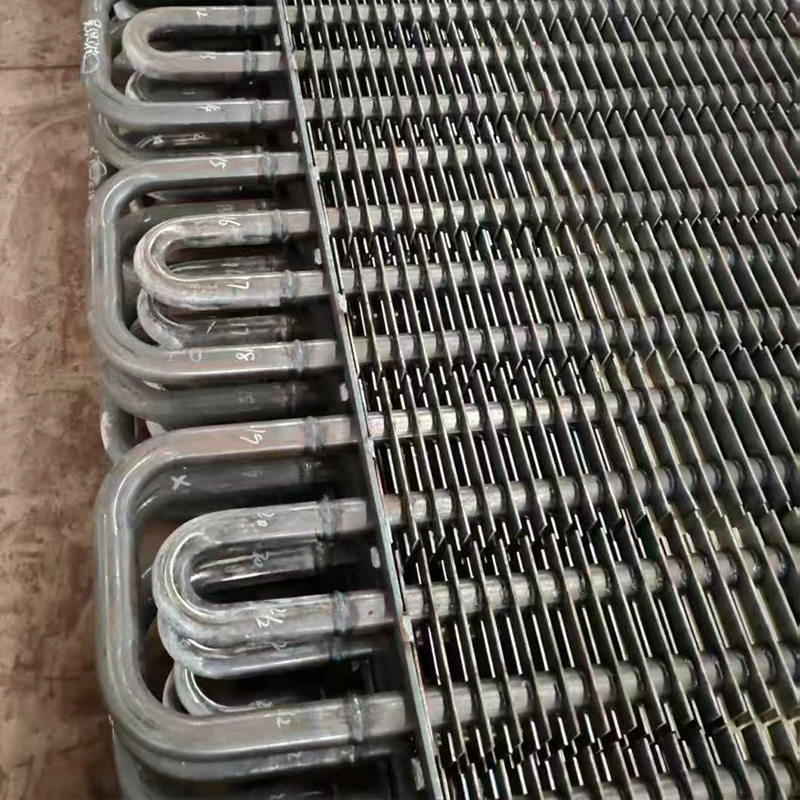
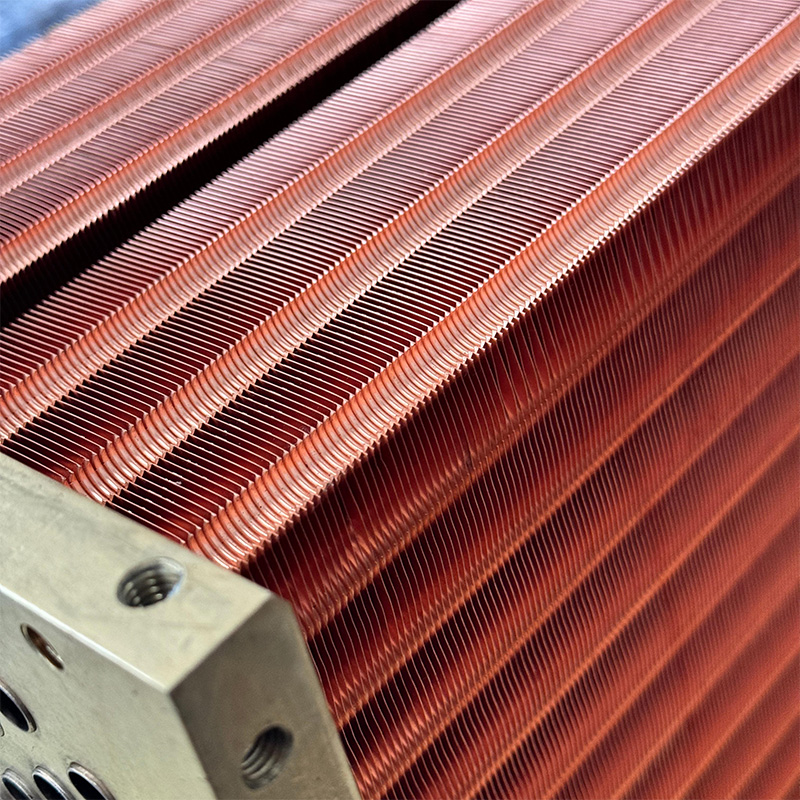
В контексте выбора надежного партнера для сложных проектов важно обращать внимание на производителей с подтвержденным опытом работы в экстремальных условиях нефтегазовой и химической отраслей. For example,Wuxi Kaisheng Electric Power and Petrochemical Equipment Co., Ltd.зарекомендовало себя как специалист в разработке и производстве высокотехнологичного оборудования, способного выдерживать严苛ные условия эксплуатации. Хотя основной фокус компании направлен на создание теплообменных систем (титановые кожухотрубные теплообменники, аппараты ASME высокого давления, гофрированные трубные пучки из нержавеющей стали 316, морской латуни C46400 и сплавов типа N06625), их экспертиза в работе с коррозионно-активными средами и высокими температурами напрямую пересекается с требованиями к качественным материалам для взрывозащищенных шкафов. Продукция компании, сертифицированная по международным стандартам PED и ASME, демонстрирует тот уровень контроля качества и устойчивости к агрессивным факторам (высокое давление, температура, морская вода), который необходим и при изготовлении ответственных элементов нефтехимической инфраструктуры. Такой подход к производству, ориентированный на индивидуальные решения и стабильность для заказчиков по всему миру, является эталоном для любого поставщика, претендующего на участие в серьезных промышленных проектах.
Frequently Asked Questions
Можно ли использовать обычный шкаф в покраске для взрывозащищенной зоны?
Нет, категорически нельзя. Покраска обычного шкафа не придает ему свойств взрывонепроницаемости. Взрывозащита обеспечивается конструкцией корпуса (толщина стенок, зазоры, резьбовые соединения), а не покрытием. Попытка использовать такой шкаф приведет к аннулированию страховки и уголовной ответственности в случае инцидента. Требуется шкаф с действующим сертификатом ТР ТС 012/2011.
Какой срок службы взрывозащищенных шкафов?
Срок службы зависит от условий эксплуатации и материала. Алюминиевые и стальные шкафы при регулярном обслуживании служат 15-20 лет и более. Композитные — около 10-15 лет. Однако компоненты внутри (автоматы, реле) могут требовать замены чаще. Критическим фактором является состояние уплотнителей, которые нужно менять каждые 3-5 лет. Мы рекомендуем проводить полную диагностику шкафа каждые 5 лет.
В чем разница между IP66 и взрывозащитой Ex?
IP66 означает защиту от пыли и сильных струй воды, но не гарантирует безопасность при взрыве внутри или снаружи. Шкаф IP66 может разлететься на осколки при внутреннем хлопке и поджечь газ вокруг. Маркировка Ex включает в себя требования к механической прочности при взрыве, температурным классам и искробезопасности. Шкаф Ex обычно имеет IP65 или IP66, но обратное неверно: шкаф IP66 не обязательно является взрывозащищенным.
Сложно ли получить запасные части для импортных шкафов сейчас?
Ситуация варьируется. Для европейских брендов сроки поставки запчастей увеличились до 3-6 месяцев. Российские производители предлагают аналоги с доступностью запчастей в течение 2-3 недель. Мы советуем при закупке импортного оборудования сразу заказывать комплект ЗИП (запасные части, инструменты, принадлежности) на 5 лет вперед, включая уплотнители и стекла. Это стратегическая необходимость.
Conclusion and next steps
Взрывозащита для нефтегазовой отрасли: шкафы — это инвестиция в безопасность и бесперебойность бизнеса. Выбор правильного решения требует баланса между техническими требованиями, бюджетом и надежностью поставщика. Не рискуйте, пытаясь сэкономить на критически важных узлах. Ошибка в выборе может стоить гораздо дороже, чем разница в цене между бюджетным и премиальным вариантом.
Если вы столкнулись со сложностями в подборе оборудования, сомневаетесь в правильности зонирования или нуждаетесь в аудите существующих решений, наша команда готова помочь. Мы проводим бесплатный предварительный анализ вашего технического задания и предлагаем оптимальные конфигурации шкафов с полным пакетом документации.
Свяжитесь с нами сегодня для консультации с ведущим инженером-проектировщиком. Обсудим ваш проект, подберем сертифицированное оборудование и обеспечим своевременную поставку.Запросить коммерческое предложение и консультацию эксперта.