
Dealer network of PE tank manufacturers”
2026-08-31
Dealer network of PE tank manufacturers: Criteria for choosing a reliable partner in 2026
Finding a reliabledealer network of PE tank manufacturers(polyethylene) is no longer just a matter of price per kilogram of plastic. In the context of tightening environmental standards and growing industrial safety requirements, a mistake when choosing a supplier of containers for storing aggressive media or drinking water can cost the company millions of rubles in losses due to downtime and emergency situations. We analyzed the market for polymer equipment suppliers and identified the key factors that distinguish professional distributors from ordinary resellers. This article is based on our fifteen years of experience in implementing liquid storage systems at industrial facilities in Russia and the CIS countries.
Our practice shows that 70% of problems with the operation of polyethylene containers arise not due to material defects, but due to incorrect selection of wall thickness or violation of installation technology, for which the supplier is responsible. If you are looking for a partner who can provide not just goods from a warehouse, but an engineering solution with a guarantee of compliance with GOST and international standards, this material will save you time and budget. Below we will analyze the technical nuances, hidden procurement risks and specific steps to verify the dealer.
Why the quality of raw materials determines the service life of the tank
The first thing you should pay attention to when interacting with anydealer network of PE tank manufacturers, is the origin and brand of polyethylene used. Many unscrupulous suppliers try to save money by using recycled materials or low-quality mixtures, disguising it as “high-strength polyethylene.” In our practice, there was a case when a client purchased a batch of vertical tanks with a volume of 50 m³ at an attractive price. After 18 months of operation, the container cracked at the bottom, which led to a leak of 40 tons of chemical reagent. Laboratory analysis showed that the density of the material was not as specified by PE-HD (high-density polyethylene), and the carbon black content was uneven, which reduced UV stability.
A reliable manufacturer will always use virgin granulate grades PE 80 or PE 100. These materials have a molecular structure that provides high stress cracking resistance (ESCR). For tanks intended for storing food or drinking water, it is critically important to have certificates confirming the migration safety of the material. The dealer must provide test reports indicating no release of harmful substances into the stored environment. Ignoring this parameter when purchasing containers for the food industry may lead to product recall and fines from Rospotrebnadzor.
Pay attention to the color of the product. High-quality black polyethylene contains 2-3% technically dispersed carbon black, which works as an effective stabilizer against ultraviolet radiation. If you see a gray or unevenly colored tank advertised as “black”, this is a sure sign of substandard raw materials. Transparent or colored outdoor containers must have special protection from solar radiation, otherwise their service life will be reduced from the estimated 50 years to 3-5 years. Ask the manager for a quality passport for each batch of raw materials - this is a basic test of the supplier’s transparency.
Rotational molding technology vs welded assembly: Which to choose?
When creating a request indealer network of PE tank manufacturersyou will inevitably encounter questions about the production method. Two technologies dominate the market: rotational molding (rotomolding) and extrusion welding of sheets. Understanding the differences between them is necessary to make an informed decision, since each technique has its own limitations in volume, form and operating conditions.
Rotational moldingallows you to create seamless products of complex geometric shapes. Molten polyethylene is evenly distributed over the inner surface of the rotating mold, creating a monolithic structure without weak areas. It is an ideal choice for containers up to 50,000 liters where high tightness and resistance to dynamic loads are required. The absence of welds eliminates the risk of leaks at joints, which is especially important when storing aggressive acids or alkalis. However, this technology is limited by the size of available molds and is less cost effective when producing very large tanks with custom dimensions.
Welded technologyinvolves the manufacture of a body from polyethylene sheets joined by extrusion welding. This approach allows the production of tanks of almost any volume and configuration, including rectangular tanks that effectively use the space of a workshop or warehouse. The key point here is the qualifications of welders and quality control of seams. In our practice, there have been cases where visual inspection did not reveal defects, but when the container was filled with water under pressure, the seam split apart. A professional manufacturer must hydrotest each welded tank before shipment and provide a test certificate.
| Comparison parameter | Rotational molding | Extrusion welding |
|---|---|---|
| Tightness | Absolute (seamless design) | Depends on the quality of the welds |
| Maximum volume | Up to 50 m³ (limited by shape) | Unlimited (prefabricated structures) |
| Product shape | Cylindrical, conical, complex | Any (rectangular, cylindrical) |
| Wall thickness | May vary in different areas | Uniform (uniform throughout the entire sheet) |
| Cost for small series | High (due to the cost of molds) | Low (flexible production) |
| Impact resistance | High (viscous structure) | Medium (risk of brittleness in the seam area) |
The choice between these technologies depends on the specific task. If you need a mobile container of standard volume for transportation or temporary storage, the rotoplast will be more reliable. For large-volume stationary storage facilities built into the process line, welded tanks are often a more efficient solution in terms of logistics and delivery costs. Ask your dealer for examples of completed projects for both types of products to assess their actual level of competence.
Engineering calculation of wall thickness and static pressure
One of the most common mistakes when purchasing polyethylene containers is choosing the wall thickness “by eye” or according to the principle “the thicker the better.” In fact, excessive wall thickness without proper reinforcement can lead to deformation of the product under its own weight, especially at high operating temperatures. Professionaldealer network of PE tank manufacturersis obliged to carry out engineering calculations based on the density of the liquid, the height of the column and the temperature of the medium.
The static pressure of the liquid increases in proportion to the height of the column. This means that the lower part of the tank experiences significantly more stress than the upper part. High-quality manufacturers use technology of gradient wall thickness: at the bottom it is maximum, and gradually decreases towards the neck. This allows you to optimize the weight and cost of the product without losing strength. If a supplier offers a tank with the same wall thickness over the entire height for volumes above 10 m³, this is a sign of a lack of engineering approach and a desire to save on material in critical areas.
The temperature coefficient also plays a decisive role. Polyethylene loses strength as the temperature rises. Standard tanks are designed to operate at temperatures up to +40°C. If your technology involves storing hot solutions (up to +60°C and above), it is necessary to increase the wall thickness or use special grades of polyethylene with increased heat resistance. Ignoring this factor leads to the fact that under load, the hot liquid causes creep of the material, and the container begins to expand irreversibly in the lower part (“barrel effect”).
Always check with your supplier to see if the specific gravity of your liquid is included in the calculation. Storing sulfuric acid (density ~1.84 g/cm³) creates almost twice the pressure on the walls than water. A tank that works great with water may burst after a month when filled with a heavy reagent if it was not designed specifically for this density. Request a design diagram or explanation for choosing the wall thickness for your specific case.
Certification and safety compliance
Working with industrial containers is regulated by strict regulations. A reliable partner represented by a dealer network must guarantee product compliance with current standards. In Russia and the EAEU countries, the main document is GOST, but many modern manufacturers also focus on European DIN or ISO standards, which indicates a high level of quality control.
For tanks in contact with drinking water, it is mandatory to have a sanitary-epidemiological certificate (SEZ) or a declaration of conformity with the Technical Regulations of the Customs Union (TR CU 010/2011 “On the safety of machinery and equipment”, TR CU 005/2011 “On the safety of packaging”). The absence of these documents makes the use of containers in water supply systems illegal and dangerous to human health. We have repeatedly encountered a situation where enterprises purchased cheap tanks without documents, and then spent huge sums on replacing them after the first inspection by regulatory authorities.
When it comes to storing hazardous chemicals, it is important to check for safety data sheets and material compatibility guidelines. Polyethylene has excellent chemical resistance to many environments, but there are exceptions (for example, strong oxidizing agents, some organic solvents). A responsible manufacturer will provide a chemical resistance chart and warn of possible risks. In addition, some types of equipment may require a certificate of compliance of the manufacturer's quality management system with ISO 9001, which confirms the stability of production processes.
When importing equipment or working on international projects, pay attention to the CE (for Europe) or EAC (for the Eurasian Union) marking. These marks are applied to the product only after passing a series of tests and confirmation of safety. The presence of such marking simplifies the object acceptance procedure and reduces risks during audits. Do not hesitate to request copies of certificates - an honest dealer is always open to checking documentation.
Logistics, installation and commissioning
Buying a tank is only half the battle. Delivery, unloading and proper installation are often stumbling blocks. Largedealer network of PE tank manufacturersusually offers comprehensive services, including delivery by specialized transport and installation supervision. An attempt to save money at these stages on your own often leads to damage to expensive equipment even before operation begins.
Large-volume polyethylene containers require special transportation conditions. They must not be tilted, thrown or pulled with slings directly behind the body. Soft slings of a certain length and width are used to distribute the load and not damage the geometry of the product. When delivering to the site, it is necessary to prepare a level area with a base that can support the full weight of the filled container. A concrete slab or compacted sand bed are the minimum requirements. Installing the tank on an uneven surface will lead to stress concentration at one point and subsequent destruction of the bottom.
Installation of shut-off valves and pipes also requires qualifications. Polyethylene has a high coefficient of linear expansion, so a rigid connection with metal pipes without expansion joints can lead to pipe breakage due to temperature changes. Professional installers use flange connections with the correct bolt torque and use damping gaskets. An error in the tightening torque (too loose and it will leak, too tight and the flange will deform) is a common cause of warranty claims.
We recommend ordering the installation supervision service even if you have your own construction team. A specialist from the manufacturing plant will control the key stages of installation and sign the commissioning certificate. This will relieve you of responsibility for possible installation errors and maintain the product warranty. In the supply agreement, clearly state the terms of liability for damage to cargo during transportation and installation - who bears the risks until the final act is signed.
Warranty and after-sales support
The warranty for polyethylene tanks varies from 1 year to 5 years or more, depending on the manufacturer and operating conditions. However, the very fact of the existence of a guarantee says little if the conditions for its provision are not clear. Carefully study the warranty card: which cases are recognized as warranty and which are not. Typically, the warranty does not cover damage caused by mechanical stress, improper installation, improper use, or storage of media incompatible with the material.
A reliable dealer network is available to offer extensive support, including periodic tank inspections, sediment removal and minor damage repairs. Polyethylene can be easily repaired using extrusion welding, but this must be done by specialists with the appropriate equipment. Self-repair using glues or unprofessional soldering often aggravates the situation, making further factory restoration impossible.
Please note that we have stocks of components and similar products. If your tank fails during the busy season, your supplier's ability to quickly replace it or supply parts will be critical to your business continuity. Find out in advance about the production time for custom products - during peak periods they can reach 4-6 weeks. Plan your purchases with this factor in mind to avoid downtime.
An integrated approach to equipping industrial facilities
Selecting a reliable container supplier often becomes part of a larger task to modernize the entire process cycle. Modern industrial enterprises strive to work with partners who can meet the needs not only for tanks, but also for related high-tech equipment. A striking example of such an integrated approach is the companyWuxi Kaisheng Electric Power and Petrochemical Equipment Co., Ltd..
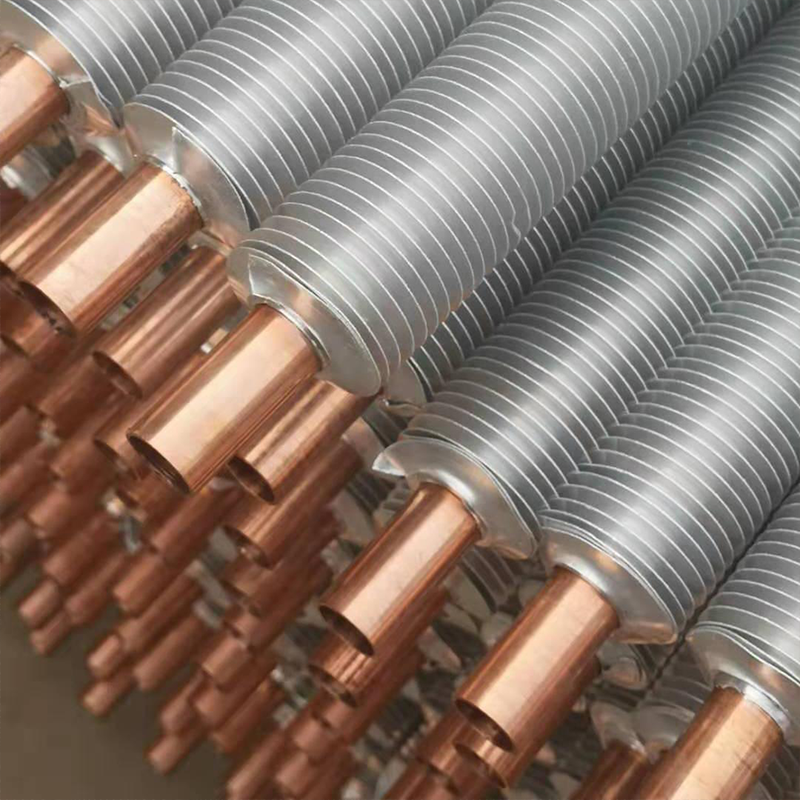
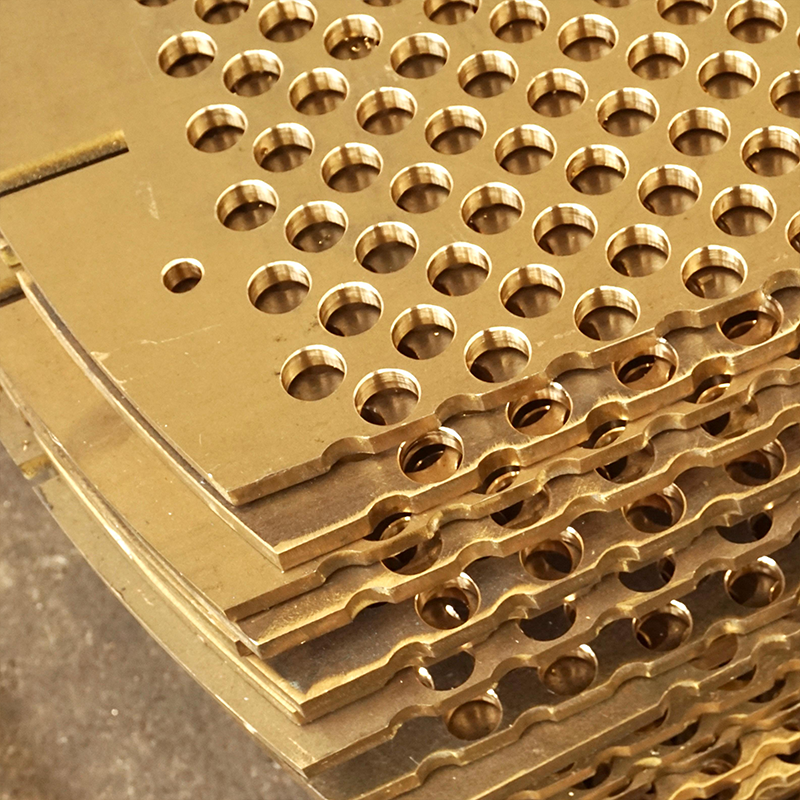
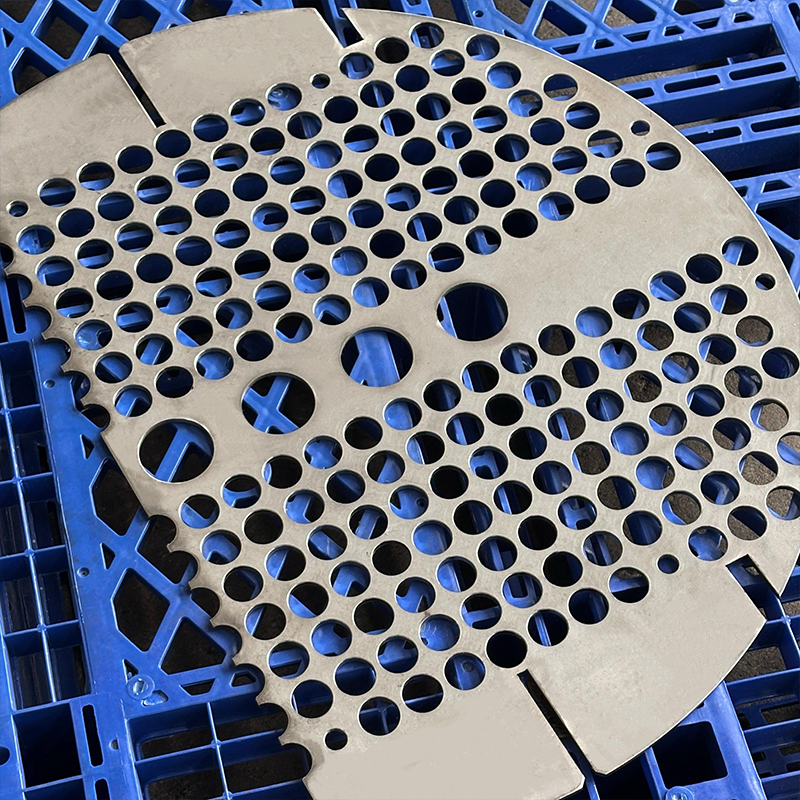
Specializing in the design and manufacture of heat transfer, power and petrochemical equipment, this organization demonstrates the level of engineering culture and quality control that we recommend looking for in suppliers of polyethylene tanks. The company's portfolio includes titanium shell-and-tube heat exchangers, ASME-standard high-pressure units, corrugated tube bundles made of 316 stainless steel, C46400 marine brass and N06625 nickel alloys, as well as air coolers and recovery boilers.
Products made from carbon steel, stainless steel, alloy steel, titanium, copper and nickel alloys are certified to strict international PED and ASME standards. This experience with materials requiring high corrosion resistance and resistance to extreme pressures and temperatures directly correlates with the quality requirements of tanks for corrosive environments. Companies like Wuxi Kaisheng, which provide customized solutions for the refining, chemical, water desalination and shipbuilding industries around the world, set the bar for reliability. Working with similar entities or dealers who share their quality philosophy ensures that your storage tanks are part of a seamless, trouble-free system rather than a weak link in the production chain.
Frequently Asked Questions
What is the maximum volume of a tank that can be made from polyethylene?
The technological capabilities of modern factories make it possible to produce welded tanks with a volume of up to 100,000 liters or more. For rotational molding, the limit is typically 50,000 liters due to oven and mold size limitations. If it is necessary to store large volumes, it is recommended to use a modular system of several containers connected by overflows, which increases the reliability of the system and simplifies maintenance.
Is it possible to store hot water in a regular polyethylene tank?
Standard PE-HD tanks are designed for temperatures up to +40°C. A short-term increase to +60°C is acceptable, but requires reducing the filling level or increasing the wall thickness. For permanent storage of media with temperatures above +60°C, it is necessary to use special modifications of polyethylene or provide thermal insulation and cooling systems. Violation of the temperature regime leads to a rapid loss of strength and deformation.
How to properly prepare the base for a vertical tank?
The base must be absolutely flat, horizontal and have a load-bearing capacity of at least 1.5 kg/cm² (with a margin). The ideal option is a monolithic concrete slab with a thickness of at least 150 mm with reinforcement. Installation on a compacted sand and gravel bed with a lining of geotextile or rubber mats to protect the bottom from abrasive wear is allowed. Installation on the ground, asphalt or uneven surfaces is strictly prohibited.
Is polyethylene compatible with hydrochloric acid?
Yes, high density polyethylene (PE-HD) has excellent resistance to hydrochloric acid of any concentration at temperatures up to +40°C. This is one of the most common applications of such tanks in the electroplating and chemical industries. However, for other acids (for example, nitric or chromic), compatibility must be checked individually using chemical resistance tables, since polyethylene can be destroyed by strong oxidizing agents.
What to do if a crack appears on the case?
Do not try to seal the crack with household sealants - this will not have a long-term effect. It is necessary to drain the contents, dry and degrease the damaged area. Repair of production It is welded by hot extrusion welding with a special filler rod made of the same material (PE). After repairs, hydrotests must be carried out. For complex damage, it is better to contact the manufacturer's service department to maintain the warranty on the rest of the product.
How to distinguish a professional dealer from an intermediary: Buyer's checklist
The market is saturated with offers, and choosing a reliable partner can be difficult. To minimize risks, use the following checklist when communicating with a potential supplier fromdealer network of PE tank manufacturers. These points will help you weed out fly-by-night companies and contact direct manufacturers or their authorized representatives.
- Availability of own production or direct contract:Request a video tour of the workshop or a dated photo of the production process. Intermediaries often cannot provide current photos of specific orders.
- Engineering support:The manager must ask you clarifying questions about liquid density, temperature, operating mode (constant/cyclic) before issuing an invoice. If they immediately tell you the price without technical details, this is an alarming sign.
- Documentation transparency:Willingness to provide certificates, quality passports, chemical resistance tables and sample contracts before payment.
- Reference list:Availability of completed projects in your industry. Ask for contacts of 2-3 clients to receive feedback on the quality of products and service.
- Warranty Policy:Clear and understandable terms of the guarantee specified in the contract, and not verbal promises “we are always responsible for our goods.”
- Logistics capabilities:Availability of our own fleet of vehicles or concluded contracts with reliable carriers specializing in oversized cargo.
In our practice, the most revealing test is the supplier’s response to a complex technical issue. A professional will begin to explain the nuances and offer solutions, perhaps even dissuading you from buying overly expensive equipment if it is not needed. The intermediary seller will simply agree to everything in order to close the deal faster. Trust those who demonstrate expertise and care about the long-term reliability of your facility.
Conclusion: Invest in Reliability, Not Just Buy Capacity
Choosing a partnerdealer network of PE tank manufacturersis a strategic decision that will impact the safety and efficiency of your operation for decades to come. Savings at the initial stage of procurement often result in repeated losses during operation due to accidents, downtime and unscheduled replacements. The market offers a wide range of solutions, but only a qualified approach to choosing a supplier, based on verification of technology, documentation and reputation, guarantees the success of the project.
We recommend not to rush into signing the contract. Take the time to audit potential partners, request quotes with detailed specifications, and compare them not only on price, but also on total cost of ownership (TCO). Consider service life, energy efficiency (if applicable), maintenance costs and potential risks. A properly selected polyethylene tank will become an inconspicuous but reliable link in your process chain, performing flawlessly year after year.
If you are ready to discuss the details of your project, receive a personalized quote and advice from our engineers, contact us today. We will help you choose the optimal solution that fully meets your technical requirements and budget.Contact us todayto receive a free audit of your liquid storage application.