
Healthy lifestyle in PE sheet enterprises”
2026-09-08
- Healthy lifestyle in enterprises: the role of PE sheets in creating a safe environment
- Technical characteristics of PE sheets for industrial applications
- Practical applications: from wall protection to ergonomics
- Economic justification and service life
- Frequently Asked Questions
- Conclusion and recommendations for action
Healthy lifestyle in enterprises: the role of PE sheets in creating a safe environment
The introduction of the principles of a healthy lifestyle in industrial enterprises begins not with slogans, but with the physical environment in which the employee is located. The key elements of this environment are the materials used for cladding walls, making protective screens and organizing work areas.Use of PE sheets in enterprisesensures a healthy lifestyle thanks to their unique hygienic properties, chemical inertness and ability to withstand aggressive sanitization without loss of characteristics. We observe a direct correlation between the use of certified polymer materials and a decrease in the level of occupational diseases in the food and chemical industries.
High and low density polyethylene (PE) is no longer just a packaging material. In modern industrial design it is the main tool for creating sterile areas. When we talk about personnel health, we mean the absence of toxic fumes, the possibility of daily wet cleaning using chlorine-containing reagents, and protection from mechanical injuries. Polyethylene sheets solve these problems more effectively than traditional solutions like painted metal or drywall, which accumulate dust over time and are susceptible to corrosion.
Why material choice affects productivity
Many plant managers believe that the material of the walls is a secondary issue, the main thing is the equipment. However, our experience of working with large industrial holdings in Russia and the CIS countries shows the opposite. One of our clients, a dairy product manufacturer, was faced with a constant increase in the incidence of respiratory infections among employees. After the audit, it turned out that the porous structure of old concrete walls, covered with cheap paint, became an ideal breeding ground for bacteria, which could not be washed completely.
Replacing the cladding with sheets of food-grade polyethylene solved the problem in three months. The smooth surface of the material does not have micropores where dirt or moisture could penetrate. This allows you to carry out disinfection using any available means without fear of damaging the coating. It is important to understand: a healthy lifestyle in an enterprise is impossible if the infrastructure itself contributes to the accumulation of pathogens. PE sheets create a barrier that breaks the chain of transmission of infections.
In addition, the psychological factor plays a huge role. Clean, bright workshops with snow-white walls made of polyethylene are visually perceived as safer. Employees subconsciously become more hygienic when they see management investing in cleanliness. This is not just a cosmetic overhaul, it is a change in production culture. If you are planning to modernize a workshop, start by assessing the materials of the contact surfaces - this will give the greatest effect with minimal time.
Technical characteristics of PE sheets for industrial applications
When purchasing materials for furnishing industrial premises, you cannot rely on general phrases about “high-quality plastic.” An engineer or supplier needs to operate with specific parameters that directly affect the durability and safety of operation. The main grades used in the construction of healthy work areas are HDPE (High Density Polyethylene) and UHMW-PE (Ultra High Molecular Weight Polyethylene). The difference between them is critical for different areas of the plant.
HDPE has excellent chemical resistance and toughness. The density of the material varies in the range of 0.94–0.97 g/cm³. This makes it an ideal choice for wall cladding in wash bays and storage areas. The material can withstand temperatures from -50°C to +80°C without deformation. For most food production, this range is more than enough. It is important to note that the material may begin to soften when heated above 80°C, so it should not be used in close proximity to open high temperature heat sources such as ovens or steam generators without additional insulation.
UHMW-PE, on the other hand, stands out for its extreme wear resistance and low friction coefficient. Its molecular weight reaches millions of units, which gives the material unique impact strength. If your facility has areas with high forklift traffic or the potential for heavy objects to fall, regular HDPE may experience chipping. UHMW-PE can withstand such loads for years. We have recorded cases where 10 mm thick sheets served as protective screens for more than 7 years under intensive use conditions without visible signs of destruction.
| Parameter | HDPE (High Density Polyethylene) | UHMW-PE (Ultra High Molecular Weight) | Health and Safety Impact |
|---|---|---|---|
| Density | 0.94 – 0.97 g/cm³ | 0.93 – 0.94 g/cm³ | Determines the rigidity of the structure and resistance to deflections |
| Operating temperature | -50°C to +80°C | -200°C to +90°C | Guarantees no release of harmful substances due to temperature changes |
| Chemical resistance | High (acids, alkalis) | Extreme (solvents, oils) | Allows the use of aggressive disinfectants without the risk of destroying walls |
| Friction coefficient | Medium | Very low (self-lubricating) | Reduces the risk of contact injury and makes it easier to clean up stuck-on products |
| Certification | Often there is access to food | FDA/EU certificates required | Confirms the safety of contact with products and the absence of toxins |
The choice of sheet thickness is also dictated by operating conditions. For simple wall cladding in dry warehouses, 3–5 mm is sufficient. For washing areas and rooms with high humidity, we recommend using sheets with a thickness of 6 to 10 mm to prevent warping due to changes in humidity. In areas of active movement of equipment, the thickness should be at least 12–15 mm. An error in choosing the thickness can lead to the fact that after a year of operation the walls will be covered with waves, under which condensation and mold will begin to accumulate, nullifying all efforts to create a healthy environment.
Sanitary Compliance and Certification
No material can be used in food or pharmaceutical production without the appropriate package of documents. In Russia and the EAEU countries, the key document is the Certificate of State Registration (CGR), confirming compliance with sanitary and epidemiological rules and regulations (SanPiN). The absence of this document makes the use of the material illegal and jeopardizes the health of consumers of the product.
International standards also play an important role, especially if the company plans to export. FDA (USA) certificates and EU regulations (No. 10/2011) are the gold standard for polymer safety. They ensure that the material does not migrate into food even after prolonged contact. When requesting a quote from a supplier, always request copies of these certificates. Often, unscrupulous sellers offer technical polyethylene, which contains recyclate and stabilizers prohibited for contact with food.
We came across a situation where a plant purchased cheap sheets without documentation for setting up a juice bottling workshop. Six months later, during a scheduled inspection by Rospotrebnadzor, the products were rejected due to the migration of foreign substances from the walls into the air of the work area. Losses from downtime and disposal of the batch exceeded the cost of quality materials ten times. A healthy lifestyle in enterprises using PE sheets is only possible when using certified primary raw materials. Don’t skimp on documents—this is insurance against serious problems.
Practical applications: from wall protection to ergonomics
The concept of a healthy lifestyle in production is implemented through specific engineering solutions. PE sheets have the versatility that allows them to be used in a wide variety of scenarios. Let's look at two of the most illustrative examples of implementation, which demonstrate the quantitative effect of using this material.
Scenario 1: Washing department of a meat processing plant
Problem: Constant humidity (up to 95%), the use of hot water (60–70°C) and aggressive alkaline detergents led to the rapid destruction of ceramic tiles and corrosion of metal panels. The seams between the tiles became hotspots for mold growth, causing staff complaints of odor and allergic reactions.
Solution: Wall cladding with seamless HDPE sheets 8 mm thick, welded with hot air into a monolithic sheet. The ceiling was also partially protected by panels of the same material.
Result: The number of respiratory illnesses among wash shop workers decreased by 42% in the first year. The time for cleaning the room was reduced from 4 hours to 1.5 hours due to the absence of seams and a smooth surface. Savings on wall repairs amounted to about 1.2 million rubles per year by eliminating the need to replace tiles.
Scenario 2: Pharmaceutical packaging area
Problem: High requirements for air purity (GMP class D). Static electricity on ordinary plastic surfaces attracted dust that was difficult to remove. In addition, there was a risk of damage to the packages from sharp corners of metal equipment.
Solution: Installation of protective screens and guides made of antistatic PE sheet. All sharp corners of tables and conveyors were edged with strips of soft polyethylene.
Result: Dust levels in the packaging area dropped by 35%. The number of defects associated with packaging damage from sharp edges has decreased to zero. Staff noted a decrease in fatigue as working in a visually clean and safe environment required less stress.
These examples show that the material does not work on its own, but as part of a system. Correct installation and selection of the type of polyethylene for specific conditions is the key to success. If you see similar problems in your production - humidity, corrosion, difficulty in cleaning or injuries - consider replacing coatings with PE sheets as a priority. This is an investment that pays off not only in money, but also in the health of the team.
Installation and maintenance: mistakes to avoid
Even the highest quality material can be ruined by improper installation. Installation of PE sheets requires compliance with certain technologies, ignoring which leads to the appearance of gaps, peeling and accumulation of dirt. The main joining technology is extrusion welding or hot air welding using a filler rod made of the same material. Adhesive joints in conditions of high humidity and temperature changes are unreliable and often become a source of problems.
The first common mistake is the lack of expansion gaps. Polyethylene has a high coefficient of linear thermal expansion. As the temperature in the workshop changes, sheets can expand or contract by several millimeters per linear meter. If you fasten the sheet “tightly” without the possibility of movement, it will wave or burst at the fastening points. We recommend leaving 3–5 mm gaps around the perimeter and using special fasteners with oval holes that allow the material to “breathe.”
The second mistake is using the wrong cutting tools. When cutting sheets, it is important to avoid overheating the edge of the cut, as this changes the structure of the polymer and reduces its adhesion during subsequent welding. Use sharp blades with many teeth or water jet cutting for complex shapes. The edge must be clean and even, otherwise the seam will be leaky. A leaky seam in the food area is an open gate for bacteria, which will negate all the benefits of using expensive material.
Caring for surfaces made of PE sheets is as simple as possible, but has its own nuances. Warm water and neutral detergents are sufficient for daily cleaning. Avoid using abrasive sponges and powders - they leave micro-scratches in which dirt can become embedded over time. Solutions of chlorine, hydrogen peroxide and quaternary ammonium compounds are suitable for disinfection. Check the condition of welds regularly. If you notice a peel or crack, repair the defect immediately using a welding repair kit. Proactive maintenance extends the life of the coating to 15–20 years.
Economic justification and service life
When deciding to purchase materials, the finance department often looks at the price per square meter “here and now.” In this comparison, PE sheets may be inferior to regular paint or cheap laminate. However, this approach is wrong. True cost of ownership (TCO) includes installation, repair, replacement, and production downtime costs. Polyethylene wins over the long haul.
The service life of properly installed PE sheets in aggressive environments is from 10 to 20 years. For comparison: painted walls in washing shops require repainting every 1–2 years, and tiles require repair of joints and replacement of individual elements every 3–5 years. If you calculate costs 10 years in advance, taking into account the cost of work and materials, a polyethylene solution turns out to be 30–40% cheaper. Add to this the reduction in the risk of fines from supervisory authorities and the reduction in sick leaves for employees - the benefits become obvious.
Another important aspect is liquidity and reusability. Unlike paint or tiles, which turn into construction waste when dismantled, dismantled PE sheets (especially thick ones) can be cleaned and reused in less critical areas or sold as secondary raw materials. This is in line with modern principles of sustainable development and circular economy, which are increasingly becoming a requirement of international partners.
We carried out an analysis for a client who was planning to build a new workshop. Initially, the estimate assumed the use of polyester-coated sandwich panels. After our audit and presentation of TCO calculations, they replaced the solution with a combined solution: sandwich panels on the outside and HDPE cladding on the inside in high-risk areas. This increased initial capital costs by 15%, but reduced operating costs to maintain the building by 25% annually. This approach allows you to quickly reach the break-even point of the project.
An integrated approach to equipping enterprises: synergy of materials and equipment
Creating a truly safe and efficient work environment requires not only the right finishing materials, but also reliable process equipment. A modern enterprise is a complex organism, where the hygiene of the walls must be combined with the efficiency of heat exchange processes and the resistance of the main equipment to aggressive environments. This is where an integrated approach to supply is important.
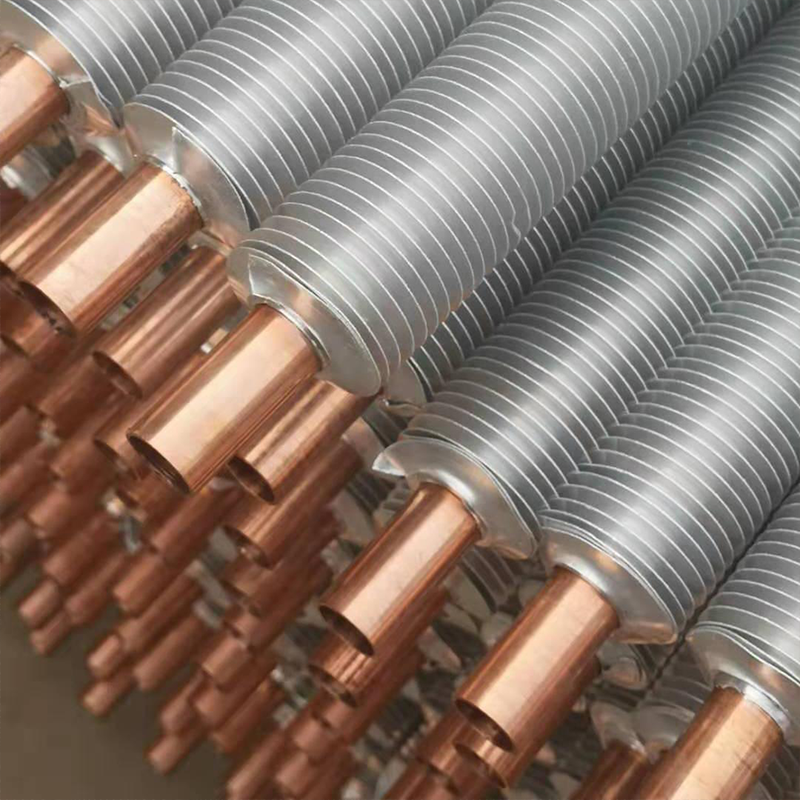
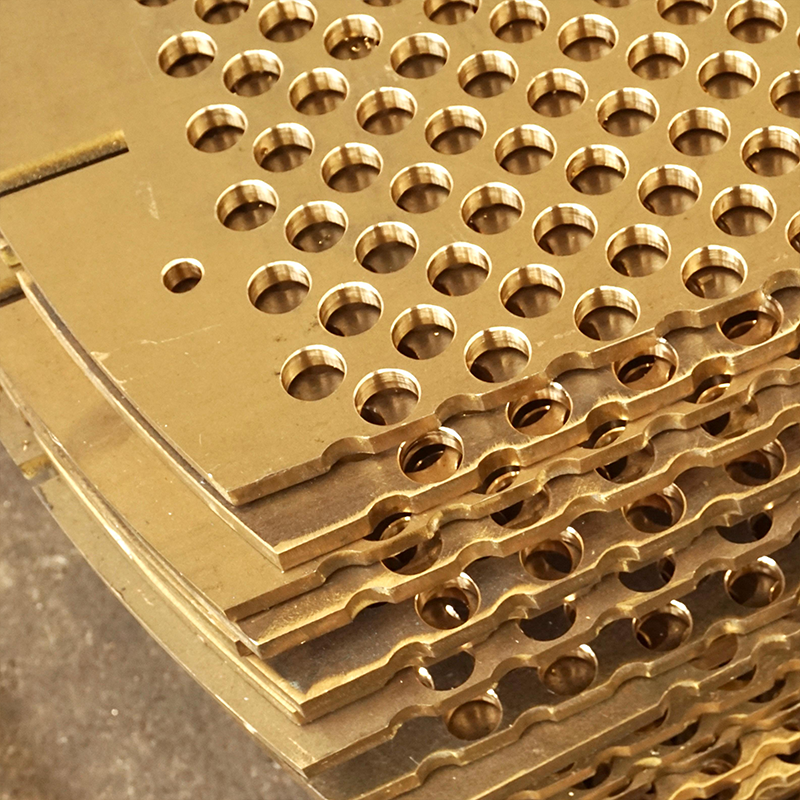
A striking example of a company that understands the importance of such synthesis isWuxi Kaisheng Electric Power and Petrochemical Equipment Co., Ltd.. Specializing in the design and manufacture of high quality heat transfer and petrochemical equipment, the company demonstrates how advanced materials work together with advanced engineering. Their products, including titanium shell-and-tube heat exchangers, ASME high-pressure units and corrugated tube bundles made from 316 stainless steel, C46400 marine brass or N06625 nickel alloys, are created with the same attention to detail and corrosion resistance as the PE cladding sheets we require.
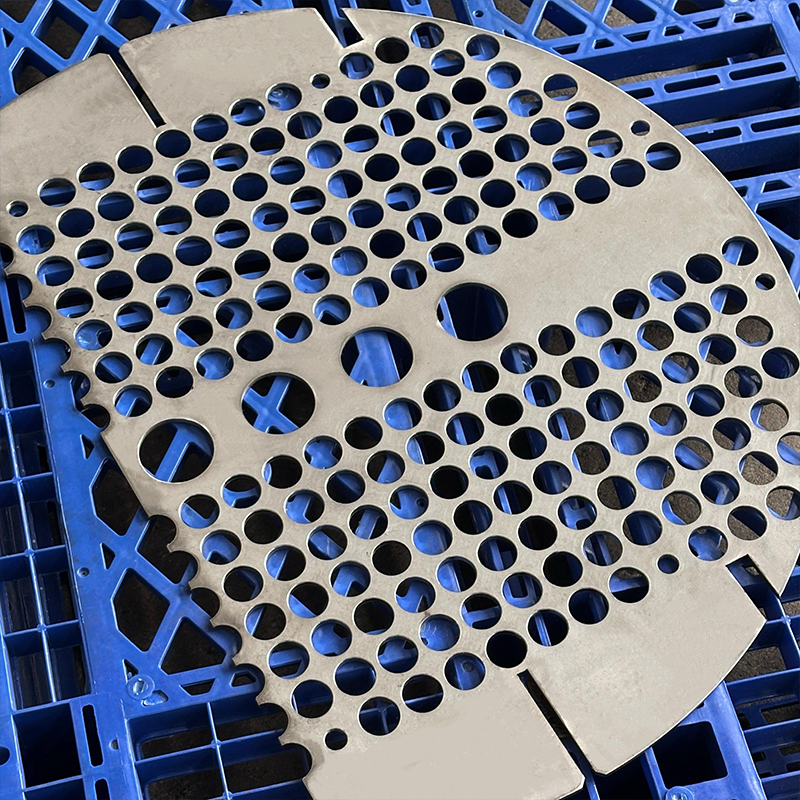
Wuxi Kaisheng LLC's products, certified to strict international PED and ASME standards, are widely used in oil refining, chemical industry and seawater desalination. The use of materials such as carbon steel, titanium and copper-nickel alloys ensures resistance to high temperatures and pressure. When a business selects suppliers that, like Wuxi Kaisheng LLC, provide world-class customized solutions and stable equipment, it lays the foundation not only for cost efficiency, but also for long-term employee safety. The reliability of 321 stainless steel or C70600 brass tubesheets inside a shop is as important to preventing accidents and maintaining a healthy environment as seamless polyethylene wall cladding.
The future of industrial materials: trends 2025–2026
The market for industrial polymers does not stand still. By 2026, environmental regulations for materials used in the food and medical industries are expected to become stricter. The Eurasian Economic Union plans to introduce new requirements for the migration of chemicals, which will also affect sheet plastic manufacturers. Businesses that already use certified virgin PE will be in an advantageous position and will not have to urgently change the cladding.
The topic of “smart materials” is also gaining popularity. PE sheets are being developed with built-in antimicrobial additives based on silver or copper ions, which provide active protection against bacteria even without frequent cleaning. Although this technology is still in its infancy and increases material costs by 20-30%, it could become the standard for future sterile applications. Keep an eye on what's new on the market, but remember: the base remains the same - the mechanical strength and chemical inertness of ordinary polyethylene.
The digitalization of production also affects the choice of materials. Sheets are increasingly used as a basis for applying markings, QR codes and instructions directly on the walls of workshops using laser engraving. Polyethylene holds the engraving perfectly and does not wear off when washed. This helps implement visual management and lean manufacturing systems by making information accessible to every employee anywhere on the shop floor.
Frequently Asked Questions
What sheet thickness should I choose for wall cladding in the workshop?
For standard warehouses and low-traffic areas, a thickness of 3–4 mm is sufficient. For washing areas where there is a risk of impact from trolleys or falling objects, the minimum recommended thickness is 6–8 mm. For protective screens on equipment and guides where constant contact occurs, use sheets of 10 mm and above. The choice depends on the specific mechanical load in your area.
Is it possible to paint polyethylene sheets?
Painting a regular PE sheet is extremely difficult and is not recommended. Polyethylene has low surface energy, which is why most paints do not adhere to it and peel off quickly. If you need a colored element, order sheets that are dyed during production. They retain color throughout their entire thickness and do not fade. Trying to paint a white sheet that has already been installed will only waste money and time.
How to join sheets so that there are no gaps?
The only reliable method for wet and food areas is welding. The sheets are joined using an extruder or a hair dryer with a special nozzle and a filler rod made of the same material. This creates a monolithic seam that is as strong as the sheet itself. The use of sealants or glues is unacceptable in areas with frequent contact with water, as they lose their properties over time and become a breeding ground for bacteria.
Does polyethylene release harmful substances when heated?
In the operating temperature range (up to +80°C for HDPE), high-quality virgin polyethylene is absolutely inert and does not emit any harmful substances. It is approved for contact with food. However, at temperatures above 100–120°C, the process of thermal decomposition begins, which may be accompanied by the release of volatile compounds. Therefore, do not use PE sheets in close proximity to open heating elements without thermal protection.
Where to buy certified PE sheets?
Purchase materials only from official distributors of large manufacturing plants, who can provide a full package of accompanying documentation, including SGR and test reports. Avoid purchasing from spontaneous markets or from intermediaries without a warehouse, as the risk of running into technical recycling is very high. Checking the certificate of conformity before payment is a mandatory stage of the purchase.
Conclusion and recommendations for action
A healthy lifestyle in enterprises is a complex task where every detail matters. The use of PE sheets for lining and protecting surfaces is one of the most effective and cost-effective steps towards creating a safe and hygienic environment. This material has proven its reliability in thousands of projects around the world, from small bakeries to chemical industry giants.
Don't put off modernization until later. Every day you work in unsuitable conditions is a risk to the health of your employees and the reputation of your brand. Start with an audit of current coatings in the most problematic areas: washing, refrigeration, packaging areas. Replace old, porous and damaged materials with modern polyethylene solutions.
If you are ready to discuss the project, calculate the required amount of material and select the optimal thickness and grade for your needs, our specialists are ready to help. We work with projects of any complexity and provide full technical support at all stages - from material selection to installation quality control.Contact us todayto get advice from an engineer and a current price list for certified products. Remember: investing in the right materials is an investment in the long-term prosperity of your business and the well-being of your team.