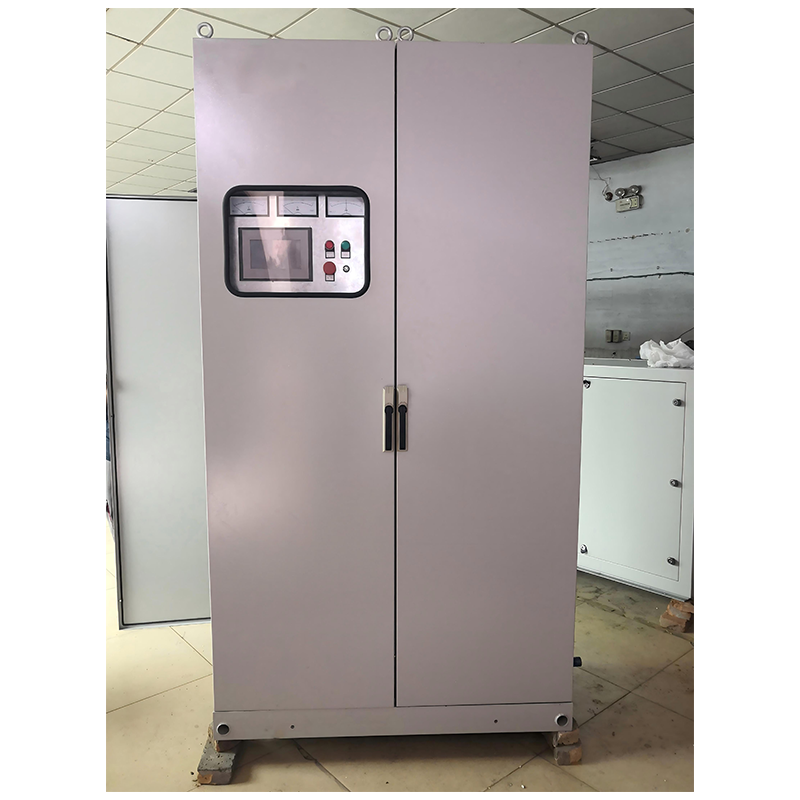

custom design of cabinet front panels
2026-07-25
- Why custom design of cabinet fronts is not just a “picture”, but an engineering task
- Development stages and technical requirements for the project
- Materials and surface treatment technologies
- Ergonomics and functional integration
- Typical mistakes when ordering and how to avoid them
- Стоимость и факторы ценообразования
- Логистика и упаковка кастомных изделий
- Frequently Asked Questions
- Conclusion and next steps
Why custom design of cabinet fronts is not just a “picture”, but an engineering task
Custom design of cabinet front panels solves three critical problems of an industrial facility: protection of equipment from aggressive environments, operator ergonomics, and compliance with the customer’s corporate style. Unlike standard solutions, custom panels take into account the actual layout of internal components, which reduces the risk of overheating by 15-20% and simplifies access for service. In our practice, we have repeatedly encountered a situation where a customer tried to save money at the facade design stage by choosing a standard door for a non-standard cabinet. The result was predictable: after six months of operation, the hinges became deformed due to uneven load, and the seal stopped providing IP54 tightness, which led to dust getting into sensitive electronics. The cost of fixing this error was three times the price of the original custom project.
The industrial aesthetics market in 2026 will dictate new rules. If previously the front panel was perceived solely as a protective screen, today it is an interface between man and machine. Modern standards require the integration of sensor elements, status indicators and even built-in ventilation systems directly into the door structure. When developing a unique design, we do not proceed from the desire to “make it beautiful,” but from the technical specifications, where every millimeter of cutout for a display or button is justified by a functional need. This requires a deep understanding of metalworking processes, the properties of polymer coatings and GOST or ISO requirements for industrial equipment.
The key difference between the professional approach is the consideration of scalability. An individual project must be reproducible. If you are ordering a batch of 50 cabinets for a distributed substation network, the front panel design must ensure that all units are identical. Any deviation in RAL paint shade or milling geometry is unacceptable. That is why the creation process begins not with a sketch, but with the choice of production technology, which will ensure the stability of the result during serial production. Below we will analyze in detail the stages of implementation of such projects, technical nuances and pitfalls that many suppliers are silent about.
Development stages and technical requirements for the project
The process of creating a custom front panel begins with an audit of the cabinet's interior. The mistake of many designers is that they design the facade based only on the overall dimensions of the body, ignoring the location of the mounting profiles and the installation depth of the components. Our methodology requires the mandatory taking of a 3D scan of the internal configuration or the use of accurate CAD models of the customer. At this stage, the usable area of the door is determined. It is important to understand: if frequency converters or powerful power supplies are installed inside the cabinet, the front panel cannot be blank. It is necessary to calculate the perforation area or install ventilation grilles while maintaining the IP protection class.
The second stage is the choice of material and type of construction. For most industrial applications, cold-rolled steel with a thickness of 1.5–2.0 mm remains the optimal solution. This parameter is critical: sheets thinner than 1.5 mm are subject to a “lens” effect when the temperature changes, which visually spoils the appearance of the product and disrupts the flatness of the seal. On the other hand, the use of steel with a thickness of more than 2.5 mm for doors less than 600 mm wide is not economically feasible and creates excessive load on the hinges. In special cases, for example for food production or chemical laboratories, we recommend AISI 304 stainless steel or aluminum alloys, but this requires separate cost and time calculations.
The third stage includes the development of a cutting map and programming of CNC machines. Here the accuracy of future holes for locks, handles and viewing windows is laid down. The positioning error should not exceed ±0.1 mm. We use laser cutting followed by bending on CNC presses, which allows us to obtain corners with a minimum rounding radius, creating a monolithic effect. Particular attention is paid to welding areas. In an individual design, it is often necessary to weld additional stiffeners or frames for glazing. These seams must be cleaned and puttied in such a way that after painting they are completely invisible. Violation of this technology leads to the appearance of a “web” of cracks in the paint after a year of operation.
The final step before launching into series is the creation of a prototype (prototype). This is a prerequisite for large parties. The prototype is tested for opening/closing (at least 5000 cycles), vibration test and climate tests. Only after confirming that the custom cabinet front design functions flawlessly in real-life conditions do we sign a certificate of readiness for mass production. Skipping this stage in order to speed up delivery is a direct path to complaints and the return of the entire batch of goods.
Quality standards and certification
Any industrial equipment exported or used in the Russian Federation and the EAEU must comply with strict standards. The main document regulating the requirements for electrical equipment enclosures is GOST 14254-2015 (analogous to international IEC 60529). It determines the degree of protection against access to hazardous parts and against the ingress of water. When ordering a custom design, you must clearly indicate the required IP rating. For example, IP54 means complete protection against dust and protection against splashing water from all directions. Reaching this level with a customized door is more difficult than with a standard one, since every additional hole (for a button, indication, cable entry) is a potential point of depressurization.
We are also guided by GOST 15150-67 when choosing climate control. If the cabinet is intended for installation in an unheated room or outdoors in Siberian conditions, the panel materials and coating must withstand temperatures down to -60°C. Ordinary powder paint becomes brittle in such frosts and chips upon impact. In such cases, we use special frost-resistant compounds or increase the thickness of the coating layer. In addition, to export to the countries of the Customs Union, you must have an EAC certificate, which confirms the safety of the product. The absence of this document may lead to delay of the cargo at customs and fines for the recipient.
Another important aspect is fire safety. The materials used for the manufacture of panels and their coating must have an appropriate fire hazard class (KM). In projects for the oil and gas industry or energy facilities, this requirement is controlled especially strictly. We provide a full package of accompanying documentation, including quality certificates for metal and certificates for paint and varnish coatings. This removes the risk from the customer when undergoing inspections by supervisory authorities. Remember, skimping on material certification may cost you your facility license.
Materials and surface treatment technologies
The choice of base material determines the durability and cost of the product. As mentioned, steel is the most common option. However, the concept of “steel” is too broad. SPCC (cold rolled) steel is suitable for standard conditions, but for high humidity environments it is better to use DX51D galvanized steel. The zinc coating creates a barrier protection against corrosion even in places where the paint is mechanically damaged. In our practice, there was a case when a client insisted on using ordinary black steel for cabinets in a galvanizing workshop. After 8 months, the panels began to rust from the inside, despite high-quality external painting. Aggressive vapors penetrated through microcracks in the mounting holes and destroyed the metal. The rework cost the customer an amount equal to triple the cost of the original galvanized order.
Aluminum is an alternative for lightweight structures and environments where weight matters. Aluminum panels do not rust, have better thermal conductivity, which is useful for passive cooling, and are easier to form into complex shapes. However, aluminum is softer than steel and dents more easily during transportation and installation. In addition, contact of the aluminum panel with the steel cabinet body without a special insulating gasket will cause electrochemical corrosion. This is a technical detail that is often forgotten by designers who focus only on appearance. We always include dielectric washers and gaskets in the delivery package to eliminate galvanic coupling.
Stainless steel (AISI 304, 316) is a premium solution for the food industry, pharmaceuticals and chemistry. It is resistant to acids, alkalis and frequent high pressure washing. The main challenge when working with stainless steel is maintaining its decorative properties. Any scratch on a mirrored or polished surface immediately catches the eye. Therefore, for such panels we recommend using textured surfaces (for example, “linen” coating), which hide minor defects in use. Sandblasting is also possible to obtain a matte, uniform texture.
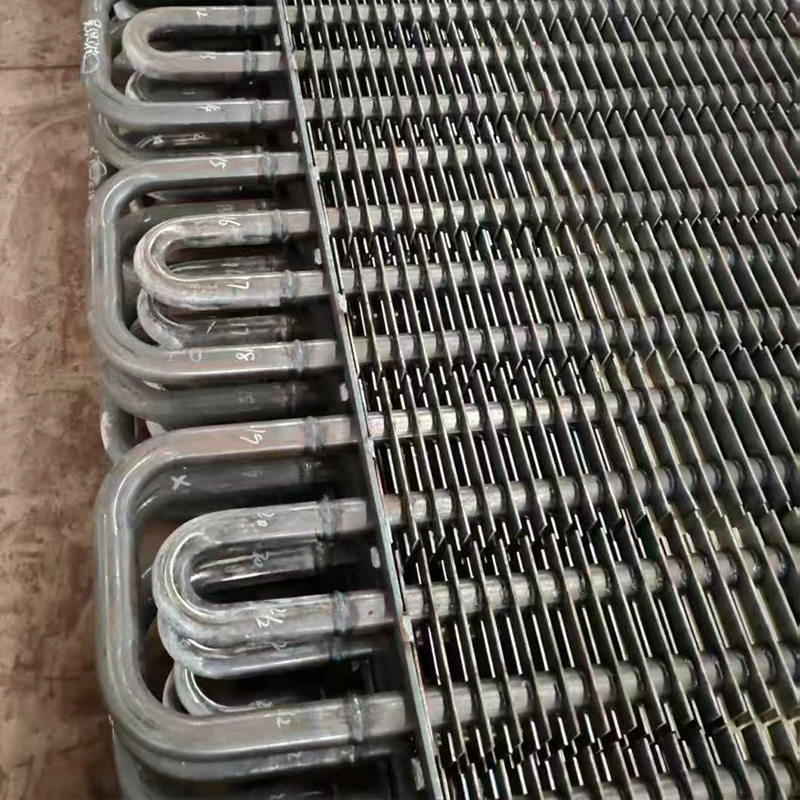
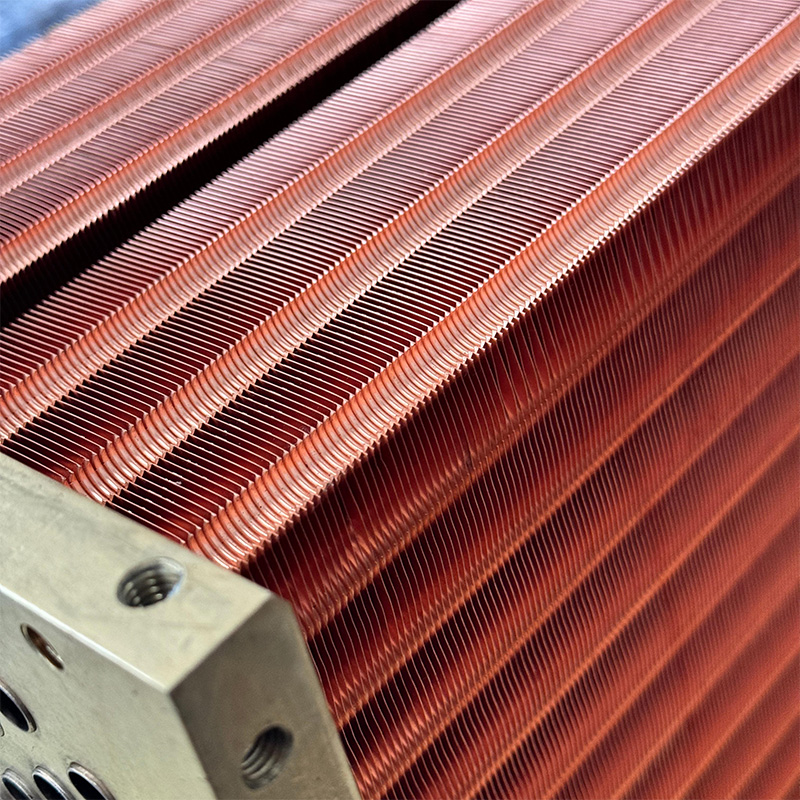
Complex alloys and specialized solutions occupy a special place in the production of critical equipment. CompanyWuxi Kaisheng Electric Power and Petrochemical Equipment Co., Ltd., as an expert in the design and production of high-tech products, demonstrates the importance of choosing the right material for extreme conditions. Specializing in the creation of heat transfer, electrical power and petrochemical equipment, the company has successfully used titanium alloys, C46400 marine brass, copper-nickel alloys and N06625 nickel alloys. Although Wuxi Kaisheng's primary focus is on the production of tube bundles, shell-and-tube heat exchangers and air coolers, their experience with ASME and PED certified materials directly correlates with the packaged equipment requirements for the petroleum refining, chemical and seawater desalination industries. High corrosion resistance and the ability to withstand extreme pressures and temperatures, which are the hallmark of Wuxi Kaisheng products, serve as a standard in the selection of materials for cabinets used in similar aggressive environments. When it comes to the reliability of shipbuilding equipment or energy-saving projects, the approach used by market leaders like Wuxi Kaisheng when working with alloy steels and non-ferrous metals becomes the basis for making the right engineering decisions in the field of containment manufacturing.
Coating technologies
Powder coating remains the gold standard for industrial cabinets. It provides high adhesion, resistance to impacts and chemicals. The most important parameter here is the layer thickness. The optimal range is 60–80 µm. A layer thinner than 50 microns does not guarantee coverage and protection against corrosion, and a layer thicker than 100 microns can lead to loss of elasticity and cracking during bending or thermal expansion. Our production uses an automated line with preliminary chemical surface preparation (degreasing, phosphating), which is the foundation for the durability of the coating. Without a high-quality phosphate sublayer, the paint will begin to flake off in flakes within a year.
To implement complex design ideas, such as imitation wood, stone or metal (antique, shagreen, metallic effect), special types of powder paints are used. However, it is worth considering that some effects require more careful control of the polymerization process in the oven. Uneven heating can ruin the texture. There are also restrictions on repairing such coatings in the field: if the panel is damaged during installation, it is almost impossible to locally restore the complex effect; the entire element will need to be replaced.
Liquid painting is used less frequently, mainly for large-sized products that do not fit in polymerization chambers, or when a specific color is required that is not available in the powder paint palette (for example, some shades from the RAL Classic or NCS catalog). Liquid paints allow you to achieve a smoother surface (class A), but they are less resistant to mechanical damage and require a longer drying time. The choice between powder and liquid is always a compromise between aesthetics, durability and logistics.
| Parameter | Cold rolled steel | Galvanized steel | Aluminum | Stainless steel |
|---|---|---|---|---|
| Cost | Low (baseline) | Average (+15-20%) | High (+40-60%) | Very high (+150-200%) |
| Corrosion resistance | Coated only | High (even without coating) | High (oxide film) | Maximum |
| Structure weight | Heavy | Heavy | Lightweight (3 times lighter than steel) | Heavy |
| Processing | Easy welding and bending | Welding requires seam protection | Complex welding, easy to bend | Complex processing, hard |
| Recommended Application | Dry rooms, offices | Production workshops, warehouses | Mobile complexes, lightweight structures | Food industry, chemistry, street |
Ergonomics and functional integration
Individual design of cabinet front panels is impossible without taking into account the human factor. The panel is the first thing the operator interacts with. The location of handles, locks, emergency buttons and displays must obey the laws of ergonomics. The standard height for installing controls is from 800 to 1600 mm from the floor level. If the cabinet is installed in a niche or under the ceiling, these zones are displaced. We conduct use case analysis: How often does the door open? Is it necessary to read instrument readings without opening the cabinet? Is accessing the emergency switch required with gloves?
One of the common problems is the installation of viewing windows. Customers often want to make the window as large as possible to view the inside of the cabinet. However, large glazing reduces the rigidity of the door. To compensate for this, you have to add internal stiffeners or use thicker glass (triplex), which increases weight and cost. The optimal ratio of glazing area to door area should not exceed 30-40% without additional frame reinforcement. We use polycarbonate or tempered glass with a thickness of at least 4 mm, fixed in a metal frame with a silicone seal.
Integrating ventilation systems into door design is another challenging task. It is often necessary to install filter fans or louvered grilles. In a custom project, we can hide these elements by making them part of a decorative perforation pattern. For example, a company logo, made using laser perforation, can simultaneously serve as an air intake. This not only improves the thermal conditions of the equipment, but also gives the product a unique corporate identity. It is important to calculate the aerodynamic resistance of such perforations so that the fans operate efficiently and are not overloaded.
Locking systems are also subject to customization. Instead of standard triangle keys, you can install electronic locks, code panels or biometric scanners. This requires preparing the seats and laying cables inside the door leaf. Cable channels must be designed so that the wires are not pinched when opened multiple times. We use spiral leads or chain cable managers that are designed to withstand tens of thousands of bending cycles. Ignoring this point leads to broken wires and failure of the lock electronics.
Typical mistakes when ordering and how to avoid them
The first and most common mistake is the lack of reference to a specific installation location. The client sends a beautiful render of the door, but does not indicate which niche it will be built into. As a result, during installation it turns out that the door does not open to its full angle due to a protruding pipe or wall nearby. Or the handle rests on the adjacent cabinet. The solution is simple: always provide the manufacturer with a drawing of the installation location indicating dimensional restrictions and opening zones. We are obliged to check this data at the project approval stage.
The second mistake is color mismatch. Заказчик выбирает цвет по экрану монитора или по вееру RAL, который лежал на складе 5 лет и выцвел. В итоге полученный товар отличается от ожиданий. Цвет воспринимается по-разному при искусственном и естественном освещении, на глянцевой и матовой поверхности. Правило железное: утверждайте цвет по физическому эталону (выкрасу), который производитель наносит на образец металла и отправляет вам почтой перед запуском основной партии. Только подпись на этом образце является гарантией того, что результат совпадет с ожиданием.
Третья ошибка — попытка совместить несовместимое в одном изделии. Например, требование сделать панель сверхтонкой (для эстетики) и сверхпрочной (для антивандальной защиты) при минимальном бюджете. Физика материалов неумолима: тонкий металл будет играть. В таких случаях мы честно говорим клиенту: «Либо мы увеличиваем толщину и добавляем ребра, либо меняем материал, либо снижаем требования к прочности». Попытка обмануть физику приводит к браку. Лучше заранее обсудить приоритеты: что важнее — внешний вид или неубиваемость?
Четвертая ошибка касается сроков. Индивидуальный проект нельзя сделать за 2 дня. Технологический цикл включает раскрой, гибку, сварку, зачистку, грунтовку, покраску, сушку и сборку. Каждая операция требует времени и контроля. Срочные заказы часто выполняются с нарушением технологии сушки краски, что ведет к дефектам. Планируйте заказ минимум за 3-4 недели до даты монтажа. Если срок горит, будьте готовы платить за сверхурочную работу и рискуйте качеством.
Стоимость и факторы ценообразования
Цена индивидуальной передней панели складывается из нескольких компонентов. Базовая стоимость металла зависит от биржевых котировок и толщины листа. Однако доля сырья в кон ечной цене кастомного изделия редко превышает 30%. Основную часть стоимости формирует трудоемкость. Лазерная резка сложного контура стоит дороже прямого реза. Гибка на 4-5 гибах требует переналадки станка и работы высококвалифицированного оператора. Сварка и зачистка швов — самый дорогой этап, так как это ручной труд, который сложно автоматизировать.
Покраска также влияет на цену. Один цвет в одной партии — это стандартная настройка линии. Если вы хотите две разные цвета на одной двери (например, контрастная рамка), это требует двойной окраски с маскировкой, что удваивает время пребывания изделия в малярном цехе. Нестандартные цвета (по образцу клиента) требуют колеровки отдельной партии краски, что влечет за собой минимальный заказ краски и затраты на ее утилизацию после работы.
Фурнитура — отдельная статья расходов. Использование брендовых петель (Rittal, Schneider Electric) и замков (Abloy, Camlock) повышает надежность, но и цену. Дешевая фурнитура может нивелировать все преимущества качественной панели: дверь провиснет через месяц, замок заклинит. Мы рекомендуем не экономить на фурнитуре, так как ее замена в будущем потребует демонтажа панели и повторной настройки, что дороже первоначальной экономии.
Оптимальный способ снизить стоимость без потери качества — стандартизация элементов внутри индивидуального проекта. Если вы заказываете 20 разных шкафов, постарайтесь унифицировать типы ручек, замков и размеров смотровых окон. Это позволит закупить фурнитуру оптом и сократить время наладки оборудования при производстве. Также выгоднее делать партии кратные листу металла, чтобы минимизировать отходы при раскрое.
Логистика и упаковка кастомных изделий
Индивидуальные панели часто имеют выступающие элементы (ручки, петли, декоративные накладки), которые уязвимы при транспортировке. A standard cardboard box will not work here. Мы используем деревянную обрешетку или усиленные паллеты с фиксацией изделия стяжными лентами. Углы защищаются пластиковыми или пенопластовыми накладками. Поверхность оклеивается защитной пленкой, которая снимается только после монтажа. Это предотвращает царапины при погрузочно-разгрузочных работах.
При экспорте важно учитывать вес и габариты для расчета таможенных пошлин и стоимости доставки. Металлические панели тяжелые, поэтому авиаперевозка обычно нерентабельна. Оптимальный вариант — ж/д или морской контейнер. При формировании груза мы группируем заказы так, чтобы максимально эффективно использовать пространство контейнера, снижая удельную стоимость доставки на единицу продукции. Все упаковочные материалы маркируются в соответствии с требованиями страны назначения.
В случае повреждения при перевозке страховка покрывает ущерб только при наличии правильно оформленных актов и фотофиксации упаковки до вскрытия. Поэтому мы инструктируем получателей: не выбрасывать упаковку до полного осмотра товара. Любой скол краски или вмятина должны быть зафиксированы в присутствии представителя транспортной компании. Наличие акта повреждения позволяет нам оперативно изготовить замену дефектной детали за свой счет.
Frequently Asked Questions
Какой минимальный тираж для заказа индивидуального дизайна?
Технически мы можем изготовить даже одну единственную панель. Однако экономически целесообразно начинать от 5 штук одного типоразмера. При единичном производстве стоимость наладки оборудования (программирование ЧПУ, настройка покрасочной линии) ложится на одно изделие, делая его цену запредельной. В партии от 5 шт. эти расходы распределяются, и цена становится адекватной рынку. Для прототипирования мы предлагаем услугу «быстрого прототипа» с упрощенной технологией, но она не подходит для финальной эксплуатации.
Можно ли изменить дизайн уже установленного шкафа?
Да, это распространенная практика при модернизации производственных линий. Мы снимаем размеры вашей существующей двери или корпуса, если оригинальная документация утеряна. Новая панель изготавливается с учетом старых крепежных отверстий, чтобы минимизировать доработку корпуса. Часто мы усиливаем конструкцию новой двери, добавляя ребра жесткости там, где старая была слабой. Единственное ограничение — если корпус шкафа сильно деформирован коррозией, проще заменить шкаф целиком, чем подгонять новую дверь под кривую раму.
Сколько времени занимает изготовление партии?
Стандартный срок производства партии до 50 единиц составляет 15-20 рабочих дней с момента утверждения чертежей и получения предоплаты. Этот срок включает закупку металла, обработку, покраску и сушку. Срочные заказы (до 7 дней) возможны с доплатой 30-50%, но только при условии наличия металла нужной толщины и цвета на складе. Сложные проекты с интегрированной электроникой или спецпокрытиями могут требовать до 30 дней. Точные сроки всегда фиксируются в договоре.
Гарантируете ли вы попадание в цвет RAL?
Мы гарантируем соответствие цвету RAL Classic в пределах допустимых допусков, установленных стандартом (Delta E< 1.5). Человеческий глаз может заметить разницу между двумя оттенками одного номера RAL от разных производителей краски или даже разных партий. Поэтому мы используем краски одного производителя и одной партии в рамках одного заказа. Для критичных проектов мы делаем контрольный выкрас на металле перед основной покраской. Абсолютного совпадения «пиксель в пиксель» с монитором гарантировать нельзя, так как экраны калибруются по-разному.
Что делать, если нужна панель сложной формы (радиусная, многогранная)?
Мы располагаем оборудованием для вальцовки металла и сложной гибки, что позволяет создавать радиусные двери и многогранные корпуса. Однако радиус гибки ограничен свойствами металла: слишком малый радиус приведет к трещинам на внешней стороне гиба. Минимальный внутренний радиус гибки для стали 2 мм составляет примерно 2-3 мм. Для сложных форм обязательно требуется 3D-моделирование и проверка развертки. Такие изделия стоят дороже из-за высокой трудоемкости и необходимости использования специальных оснасток.
Conclusion and next steps
Индивидуальный дизайн передних панелей шкафов — это инвестиция в имидж вашего продукта и надежность оборудования. Правильно спроектированная панель защищает инвестиции в электронику, облегчает работу персонала и выделяет ваше оборудование на фоне конкурентов. Не позволяйте типовым решениям ограничивать ваши инженерные замыслы. Современные технологии позволяют реализовать практически любую идею, соблюдая при этом строгие промышленные стандарты.
Если у вас есть проект, требующий нестандартного подхода, или вы столкнулись с проблемой, которую не могут решить готовые каталожные изделия, мы готовы помочь. Наши инженеры проведут бесплатный аудит вашей задачи и предложат оптимальное техническое решение. Мы работаем как с крупными интеграторами, так и с небольшими производственными компаниями, обеспечивая высокий уровень сервиса на любом объеме заказа.
Не откладывайте модернизацию на потом. Свяжитесь с нами сегодня, чтобы обсудить детали вашего проекта и получить предварительный расчет стоимости. Отправьте нам чертежи или эскизы, и мы вернемся с коммерческим предложением в течение 24 часов. Ваш идеальный шкаф начинается с правильной двери.
Узнайте больше о наших возможностях в разделеиндивидуальные решения для корпусовили ознакомьтесь с примерами выполненных работ в портфолио.