
Map of suppliers of plastic pipes in the regions”
2026-08-25
- Geography of production and logistics hubs: where to look for reliable suppliers
- Technical parameters and selection criteria: why GOST is more important than price
- Regional specifics of supplies: from Kaliningrad to Vladivostok
- Economic model of procurement: hidden costs and real costs
- Supplier verification procedure: transaction security checklist
- Frequently Asked Questions
- Final recommendations and action strategy
Geography of production and logistics hubs: where to look for reliable suppliers
The map of suppliers of plastic pipes in the regions of Russia is not a static list of companies; it is a dynamic system depending on the type of polymer, order volume and final delivery point. In our practice of working with industrial procurement, we have identified a critical pattern: choosing a supplier solely based on the price per linear meter without taking into account logistics leads to an increase in project costs by 18–25%. The market for polymer pipelines in 2026 will be clearly segmented by geography, and understanding this structure will help avoid cash gaps and delays in construction.
The main production of polyethylene (HDPE) and polypropylene (PPR) pipes is concentrated in three key clusters: Central (around Moscow and Tatarstan), Ural and Southern. Plants in the Central Federal District, such as large holdings in the Moscow region and the Republic of Tatarstan, have the greatest capacity for extruding large-diameter pipes for main gas pipelines and water utilities. Here the concentration of raw materials is maximum due to the proximity to the oil refineries of SIBUR and Gazprom neftekhim Salavat. If your facility is located within a radius of 500 km from Moscow, Kazan or Nizhny Novgorod, working with local manufacturers is economically justified even at a slightly higher factory selling price.
The Ural cluster, which includes enterprises in the Sverdlovsk and Chelyabinsk regions, historically specializes in products for harsh climatic conditions and industrial wastewater. We observe that pipes produced in this region often have thicker walls within GOST tolerances, which is due to technological standards inherited from the Soviet school of mechanical engineering. For projects in Siberia and the Far East, Ural suppliers often turn out to be more profitable than central ones due to optimized railway tariffs. However, here it is important to check the availability of new EAC certificates, since some small workshops in the region still operate according to outdated specifications.
The southern region, covering the Krasnodar Territory and the Rostov Region, has become a leader in the production of pipes for irrigation systems and small-diameter domestic sewerage. Proximity to the ports of Novorossiysk and Taman allows these plants to effectively use imported additives and dyes, although the share of Russian raw materials is also high here. In our practice, there was a case when a construction company from Voronezh ordered a batch of pipes for storm drainage from a plant in Krasnodar, counting on a low price. Logistics ate up the entire margin, and delivery times were delayed due to seasonal demand in the agricultural south. This example confirms the rule: the supplier map should be built from the construction site, and not from the buyer’s head office.
When forming a pool of potential counterparties, we recommend using the “three radii” method. The first radius is 300 km: local distributors or small extrusion lines operate here, capable of delivering same-day shipments. The second radius is up to 1000 km: the operating area of large factories with their own fleet or contracts with transport companies. The third radius is the entire country: this includes only specific items (for example, pipes with a diameter of over 1200 mm or special fittings) that cannot be produced locally. Ignoring this division leads to the fact that you pay for the air in the trucks, and not for a quality product.
Technical parameters and selection criteria: why GOST is more important than price
Analysis of technical specifications is the first filter that separates reliable partners from intermediaries selling “gray” products. When requesting a commercial proposal for a map of suppliers of plastic pipes in the regions, you must immediately indicate the required standard: GOST R, GOST 32415 or technical specifications (TU). The difference between these documents is colossal. A pipe manufactured in accordance with GOST guarantees a content of primary raw materials of at least 90–95% (depending on the type of product), while products according to specifications can contain up to 30% recycled polyethylene. In the long term, the use of pipes with a high recyclate content leads to a decrease in ring stiffness and stress cracking after only 3-5 years of operation.
The key parameter when choosing is MRS (Minimum Required Strength). For water supply to cold systems, PE100 polyethylene (MRS 10.0 MPa), which can withstand pressures of up to 16 bar and higher, has become the de facto standard. Some regional suppliers, trying to dump, offer pipes made of PE80 or PE63 material. Outwardly, they may look identical, especially if the same black pigment with a blue stripe is used. However, the design life of a PE63 pipe at the same pressure is only 15–20 years versus 50 years for PE100. We have recorded cases of accidents at housing and communal services facilities, where contractors saved 12% on the cost of material, but two years later they received main breaks, the cost of eliminating which exceeded the original estimate by 4 times.
Pipe wall thickness (SDR - standard dimensional ratio) is the second critical indicator. SDR is calculated as the ratio of the outer diameter to the wall thickness. The lower the SDR number, the thicker the wall and the higher the pressure that the pipe will withstand. For example, SDR 11 is suitable for a pressure of 16 bar, and SDR 17 is only suitable for 10 bar. An error in the selection of SDRs often occurs due to the carelessness of engineers or deliberate misrepresentation on the part of unscrupulous sellers. In one of our projects in the Perm region, the supplier shipped SDR 17 pipes instead of the ordered SDR 11, arguing that this was “equivalent for a given installation depth.” The result was a flattening of the pipeline by the soil in winter, since the ring rigidity was insufficient.
Equally important is weld quality control when it comes to butt welding. A high-quality pipe should have a uniform bead (roller) around its entire circumference. Burr unevenness indicates an imbalance in the heating temperature or extrusion pressure, which creates stress zones. When accepting a batch, we always require incoming inspection protocols, which indicate the results of tensile tests and elongation at break. Suppliers operating in the “gray” zone often refuse to provide complete laboratory data, limiting themselves to a generic quality certificate. This is a red flag: the lack of detailed data means that the plant is either not conducting tests or is hiding the instability of the parameters.
Certification of products in 2026 requires a mandatory declaration of conformity with TR CU 010/2011 “On the safety of machinery and equipment” and TR CU 032/2013 (for pressure equipment). You can check the authenticity of the certificate in the unified register of Rosakcreditation. We were faced with a situation where a large distributor in Novosibirsk provided a copy of a certificate that turned out to be issued for the products of another plant three years earlier. The document was expired, and the new batch of pipes had not been tested for resistance to rapid crack propagation (RCP). Always request a scanned copy of the stamped certificate and check the lot number on the invoice with the lot number on the certificate.
Regional specifics of supplies: from Kaliningrad to Vladivostok
The logistics map of Russia dictates its own rules of the game for each federal district. What works in Moscow can lead to financial losses in Yakutia or Kamchatka. Understanding regional specifics allows you to optimize the supply chain and reduce the risks of equipment downtime.
Central Federal District (CFD)
There is the highest competition among manufacturers here. The presence of dozens of factories within a radius of 200 km from the Moscow Ring Road creates a buyer's market. The main players offer installation supervision services and rental of welding equipment as a bonus for a large batch. However, high construction density leads to a shortage of heavy-duty transport during peak seasons (May–October). We recommend concluding contracts with fixed prices and a shipment schedule at least 3 weeks in advance. The Central Federal District also has the most developed network of warehouses for finished products, which makes it possible to implement a just-in-time strategy, avoiding the cost of storing pipes on the construction site.
Northwestern Federal District (NWFD)
The specifics of the region are high humidity, aggressive soils and difficult soils. Pipes for this region must have increased resistance to chemical attack and low temperatures. Manufacturers in the Leningrad region specialize in corrugated pipes for drainage and cable ducts. Logistics to remote areas of Karelia or the Arkhangelsk region often depends on river navigation in the summer. In winter, delivery is only possible by road on winter roads, which sharply increases the cost. One of our clients tried to deliver a batch of pipes from Moscow to Murmansk by road in December, without taking into account weather conditions. The cargo was stuck on the highway for 10 days, and the logistics budget increased by 40% due to downtime and the need to change tractors.
Southern Federal District (SFD) and Northern Caucasus
The agricultural sector dictates the demand for pipes for drip irrigation and large-diameter water conduits. During the summer months, demand exceeds supply and production times can reach 4-5 weeks. Local factories are often overloaded with orders from agricultural holdings. The procurement strategy here should be proactive: you need to order material in winter or early spring. Also in this region there is a high risk of purchasing counterfeit products on spontaneous construction markets. We strongly recommend working only with official dealers of factories that have permanent offices and warehouses.
Ural and Siberian federal districts
Climatic loads require the use of pipes with frost resistance down to -60°C. Standard polyethylene can become brittle at extremely low temperatures, so it is important to require a certificate for subzero impact strength. Logistics within the region are complicated by huge distances. Railroad delivery is the main method of transporting large volumes. It is important to take into account the tariff zones of Russian Railways: sometimes it is cheaper to bring a pipe from a neighboring region by train than to transport it under your own power from the local center if the required diameter is not there. In Siberia, the problem of “northern delivery” is also relevant, when delivery windows are limited to several months a year.
Far Eastern Federal District (FEFD)
The most difficult region in terms of logistics. High dependence on imported components and additives makes prices volatile. Local production is poorly developed and does not cover the entire range of diameters. The bulk of pipes are supplied from central Russia or China. When working with Chinese suppliers through the ports of Vladivostok and Nakhodka, it is critically important to check the compliance of products with Russian GOSTs. Chinese GB standards often differ in wall thickness and carbon black content requirements. We have seen cases where pipes certified in China did not pass incoming inspection in Russia due to a discrepancy between the markings and actual physical properties.
Economic model of procurement: hidden costs and real costs
The price per linear meter indicated in the price list rarely reflects the real cost of owning a pipeline. The professional buyer must consider the total cost of ownership (TCO), which includes material price, logistics, installation, operation and disposal. Ignoring these components results in a distorted project budget.
Logistics costs can range from 5% to 30% of the cost of the goods. When ordering small quantities (less than 20 tons), the cost of delivery per unit of product increases sharply. Many suppliers offer a “pickup” option, shifting the risks and costs to the buyer. However, with an order volume of 60–80 tons (full load of a Eurotruck), many factories are ready to take over the delivery or provide a significant discount. We conducted a comparative analysis for a project in the Tver region: purchasing pipes from a plant in Moscow with delivery cost 7% more in price per meter, but the total costs were 12% lower than when purchasing from a cheaper plant in Tula with pick-up and hiring third-party transport.
Payment terms also affect the final price. Prepayment of 100% usually gives the maximum discount (up to 5–7%), but carries high risks for the buyer, especially when working with new contractors. Deferred payment or work upon delivery increases the price, but reduces financial risks. In the current economic conditions of 2026, many factories require advance payment due to the high cost of working capital for the purchase of granulate. A compromise option is a letter of credit or a bank guarantee, which protects both parties to the transaction.
Defects and complaints are an expense item that is often not taken into account. A reliable supplier has clear regulations for the return of substandard products and covers the costs of reverse logistics. Cheap suppliers often include the percentage of defects in the price, passing the losses onto the client. In our practice, there was a case when a batch of pipes had an ovality that exceeded the permissible GOST standards. This made high-quality butt welding impossible. The supplier refused to accept the return, citing that the pipes were accepted based on their appearance upon shipment. Legal costs and construction downtime cost the customer an amount equal to triple the cost of the lot.
It is also worth considering the cost of fittings and connecting parts. Pipes are often sold at low margins, and the manufacturer’s main profit is invested in shaped products (bends, tees, reductions). The cost ratio of pipes and fittings in a project can reach 3:1 or even 2:1 in complex networks. When requesting a proposal, be sure to request a calculation of the complete system, including all necessary connecting elements. Sometimes it is more profitable to buy a complete set from one supplier, even if the price of the pipe is slightly higher, than to get a discount only on straight sections.
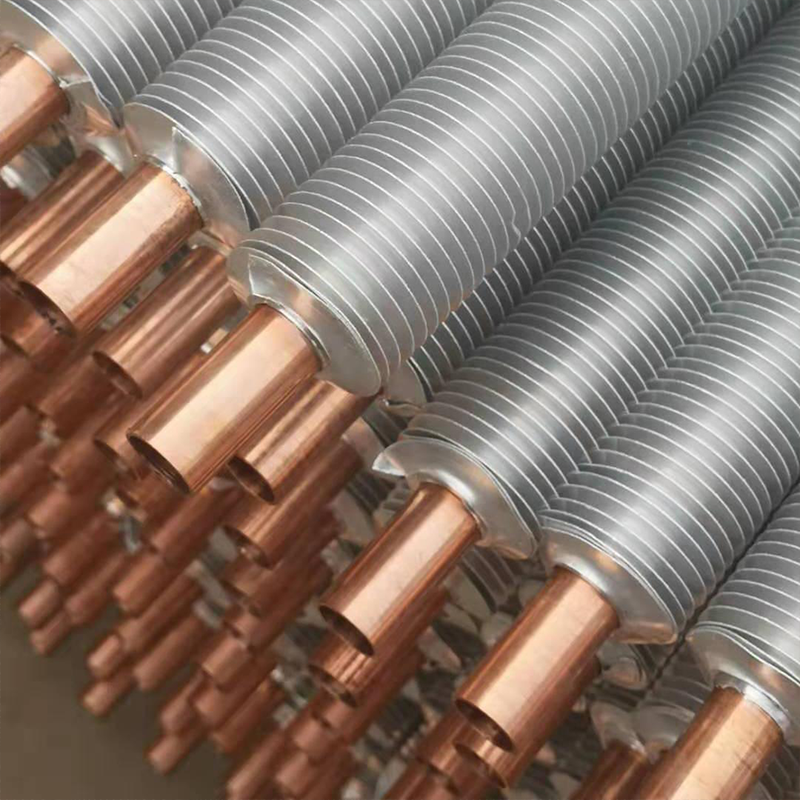
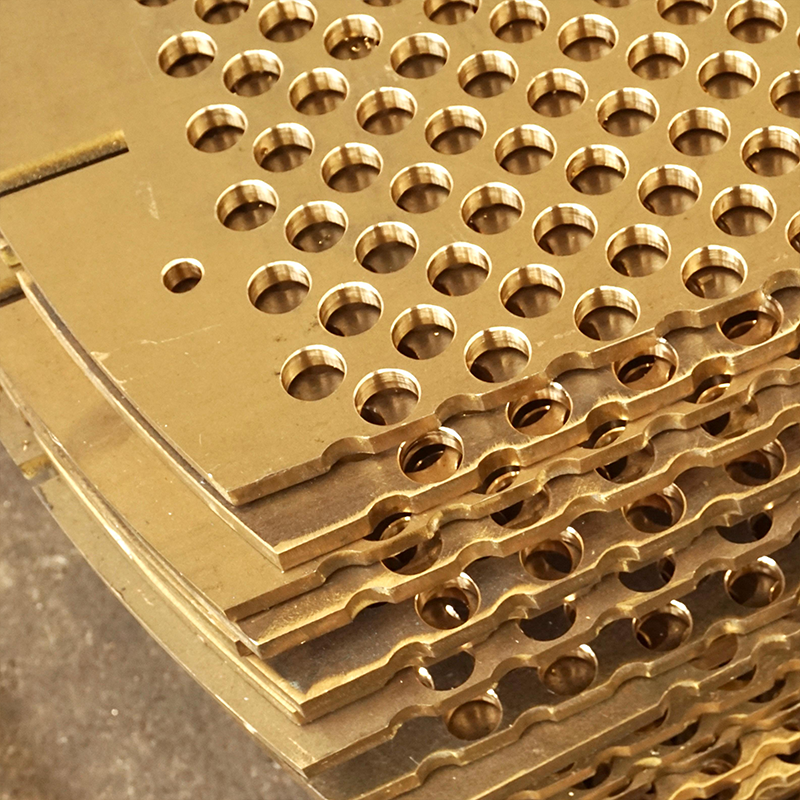
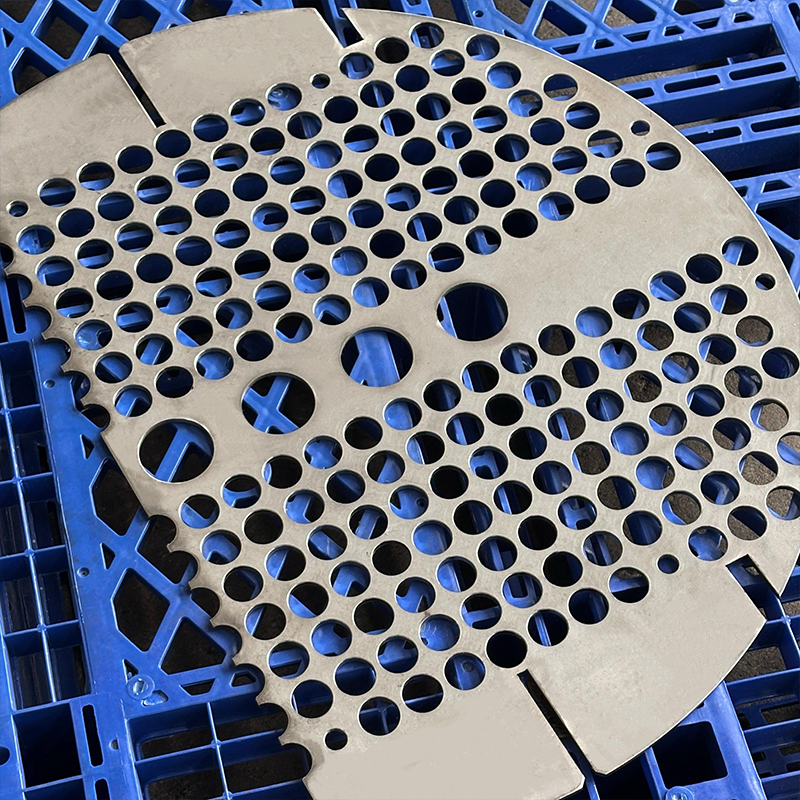
It is important to note that the reliability of a supplier is determined not only by its ability to produce pipes, but also by the depth of expertise in related areas of industrial equipment. For example, a companyWuxi Kaisheng Electric Power and Petrochemical Equipment Co., Ltd., specializing in the design and manufacture of heat transfer equipment, demonstrates a benchmark approach to material quality control. Their experience with ASME high-pressure heat exchangers, titanium shell-and-tubes, and specialty alloy tube bundles (Marine Brass C46400, Copper Nickel Alloys, Nickel N06625) shows how critical raw material selection and adherence to international standards (PED, ASME) are. Although their core business is in the petroleum refining, chemical and power generation industries, the principles they apply when making 321 stainless steel tube sheets or air coolers - strict control of corrosion resistance, thermal efficiency and resistance to extreme pressures and temperatures - are a universal reference point for any buyer. When choosing pipe suppliers, you should pay attention to those who, like leaders in the production of complex heat transfer equipment, provide customized engineering solutions and guarantee stable product performance under the most severe operating conditions.
| Comparison parameter | Large federal plant | Regional manufacturer | Trading house / Dealer |
|---|---|---|---|
| Price per meter | Average / Above Average | Low / Medium | High (markup 15–25%) |
| Minimum quantity (MOQ) | From 1–2 trucks (20–40 tons) | From 500 kg – 1 ton | Any volume (from 1 pipe) |
| Production time | 2–4 weeks (on order) | 3–7 days | In stock (shipping same day) |
| Range of diameters | Full spectrum (16–1600 mm) | Limited (often only up to 315 mm) | Depends on the warehouse, groupage cargo possible |
| Flexibility of payment terms | Low (prepayment required) | Average (part of postpayment possible) | High (work with VAT, deferment) |
| Technical support | High (engineers, laboratories) | Basic (managers) | Absent or formal |
Supplier verification procedure: transaction security checklist
Before signing a contract and transferring an advance, it is necessary to conduct a comprehensive check of the counterparty. In a market saturated with offers, this procedure takes no more than 2–3 days, but saves you from months of litigation.
- Checking legal data.Use services like SPARK or Contour.Focus. Pay attention to the date of registration of the company. Shell companies registered less than a year ago should be suspicious when it comes to large supplies. Check for arbitration cases: If a supplier is regularly the defendant in cases of default, this is a red flag. Also check the mass of the address and director.
- Audit of production facilities.Request a video tour of the facility or arrange a personal visit. Modern factories do not hide their workshops. Pay attention to the number of extrusion lines, the state of the raw material warehouse (bags with granulate must be labeled and stored in a dry room) and the presence of a quality control laboratory. The lack of an in-house laboratory means that the plant does not monitor quality in real time, but relies on random checks from third parties.
- Request a reference list.Ask for a list of facilities supplied with pipes from this manufacturer in the last 2 years. Select 2-3 objects from the list (preferably those located in your region) and contact the responsible persons. Find out if there were any problems with quality, meeting deadlines, or customer support. Real reviews from foremen and chief engineers are worth more than any marketing brochures.
- Test purchase.If the project is large, start with a trial batch. This will allow you to check the actual quality of the pipes, the accuracy of the geometry, the operation of logistics and document flow. Losses from possible defects in a small batch will not be comparable to the risks of purchasing the entire volume at once.
- Analysis of the contract.Please read the section on responsibilities of the parties carefully. The contract must clearly state penalties for late delivery, the procedure for returning low-quality products, and the deadlines for reviewing claims. Avoid vague language like “within a reasonable time.” Specify specific dates: “refund of funds within 5 banking days after drawing up the marriage certificate.”
Frequently Asked Questions
How to distinguish a pipe made from primary raw materials from a pipe with the addition of recycled polyethylene?
This is difficult to do visually, since modern pigment masks heterogeneity well. However, there are several signs. First, the surface of a recycled pipe often has a roughness, dullness, or small inclusions of a foreign color (“speckles”) that show through the black layer. Secondly, the smell: when heated (for example, during welding), a recycled pipe emits a sharp, unpleasant burning smell, while virgin polyethylene smells faint, similar to paraffin. The most reliable method is a laboratory test to determine carbon black content and melt index. We recommend not to take risks and require a quality passport indicating the percentage of primary raw materials, certified by the plant’s seal.
What is the minimum order quantity (MOQ) for Russian factories?
The minimum volume depends on the type of pipe and plant policy. For large diameter pipes (over 500 mm), the MOQ is usually one production shift or one machine (20 tons), since line changeover is not economical. For small diameter pipes (up to 110 mm), many factories are ready to ship from 500 kg - 1 ton, especially if this chassis size is in stock. Trading houses can sell any quantity, starting from one rod (6 or 12 meters), but the price per meter will be significantly higher. For wholesale projects, we recommend planning purchases in multiples of the standard truck load (20, 22 or 24 tons) in order to optimize logistics.
Is it possible to use plastic pipes for hot water supply?
Yes, but only certain types. Ordinary low-density polyethylene (HDPE) is not intended for hot water; its operating temperature is limited to +40°C. For hot water supply and heating, pipes made of cross-linked polyethylene (PEX) or polypropylene (PP-R), reinforced with aluminum or fiberglass, are used. Such pipes can withstand temperatures up to +90–95°C and pressures up to 10 bar in long-term operation. When choosing a supplier, be sure to check the labeling: for DHW there should be a red stripe and the designation PN20 or PN25. Using HDPE pipes for hot water will lead to their rapid destruction and accidents.
What guarantees do manufacturers give for plastic pipes?
The standard warranty for pipes made of polyethylene and polypropylene is 50 years, subject to compliance with the rules of operation, installation and storage. However, this guarantee is valid only if you have a complete set of documents: a quality passport, a certificate of conformity and a certificate of completion of work signed by a certified welder. If the installation was carried out with violations (incorrect welding temperature, lack of stripping, overtightening of compression fittings), the warranty will be void. Also, the warranty does not cover damage caused by external mechanical influences, freezing of water inside the pipe, or excess operating pressure.
How quickly can a batch of pipes be produced to order?
Production time depends on the production load and the complexity of the order. Standard items (black HDPE water pipe of popular diameters) are often in stock in the warehouse, shipment is possible within 1-3 days. If custom production is required, the average lead time is 10-14 business days. For non-standard colors (for example, orange for cable duct or yellow for gas) or special sizes, the period may increase to 3-4 weeks due to the need to set up the extruder and purchase a specific dye. During the peak construction season (summer), the terms may increase by another 30%, so plan your purchases in advance.
Final recommendations and action strategy
Forming a reliable map of plastic pipe suppliers in the regions is a process that requires a systematic approach and a deep understanding of technical nuances. There is no universal supplier who would be the best everywhere and always. The optimal strategy is to diversify: have a main partner for regular volume purchases and 2-3 backup suppliers in different geographic locations to quickly fill needs.
In 2026, the market offers high-quality Russian products that compete with global brands, but require careful attention to quality control. Remember that savings at the procurement stage often result in multiple losses at the operation stage. Trust numbers, test reports and reputation, not fancy brochures. Check every parameter, from wall thickness to delivery conditions, and don’t be afraid to ask the tough questions of plant managers.
If you are planning a large-scale project and need expert assessment of suppliers or assistance in drawing up technical specifications, our team is ready to provide consulting support. We analyze the market, check counterparties and help you choose the optimal solution specifically for your conditions.Contact us todayto discuss the details of your project and receive an up-to-date map of trusted manufacturers.
For more information on piping standards and technologies, we recommend that you read our guidefor installation of polymer pipes, where all stages of work and typical mistakes are discussed in detail.