
Stainless steel: production of precision castings - leader
2026-08-07
- Stainless Steel: Precision Castings Leading Industrial Transformation
- Technological process: from wax model to finished part
- Stainless steel grades and material selection for specific applications
- Cost-effectiveness and comparison with other methods
- Typical defects and methods for their prevention
- Certification and compliance with international standards
- Development prospects and trends for 2025-2026
- Frequently Asked Questions
- Отраслевая экспертиза: опыт ООО «Уси Кайшэн»
- Заключение: партнерство, основанное на качестве
Stainless Steel: Precision Castings Leading Industrial Transformation
In modern metallurgystainless steel: production of precision castings - leaderamong technologies providing critical components for the aerospace, energy and heavy engineering industries. We are seeing a fundamental shift: customers no longer accept trade-offs between geometric accuracy and corrosion resistance. While five years ago a tolerance of 0.1 mm was considered acceptable for most industrial applications, today the specifications have tightened to IT7-IT8, and surface finish requirements have reached Ra 0.8 µm and below without subsequent machining. Our team of metallurgical engineers daily faces requests for highly complex parts where traditional sand casting is simply not feasible due to model retrieval or unacceptable roughness.
Why has precision casting (lost wax process) become the clear choice for critical applications? The answer lies in the unique combination of the properties of stainless steel and the technological capabilities of wax models. We are talking about materials of the AISI 304, 316L, 17-4PH brands and their Russian analogues 08Х18Н10, 10Х17Н13М2Т, which must withstand aggressive environments at temperatures from cryogenic -196°C to heat-resistant +600°C. An error in the chemical composition of even 0.05% in carbon or sulfur content can lead to intergranular corrosion after six months of operation, which for our client means downtime of a line costing millions of rubles. In this article we will analyze real production cases, defect numbers and economic justifications that are hidden behind the dry terms of GOST and ISO.
Technological process: from wax model to finished part
The production of precision castings from stainless steel is not just pouring metal into a mold, but a high-precision chemical-thermal process, where each stage is controlled by metrological instruments. The basis of the method is to create an exact copy of the future part from a low-melting paraffin-stearin composition. Herein lies the first critical point that is often missed by those new to the industry: the linear expansion coefficient of the wax must be synchronized with the shrinkage of the particular grade of steel upon cooling. In our practice, we use software modeling of shrinkage for each batch, since the same grade of 316L steel from different suppliers of raw materials can produce a shrinkage variation of up to 0.3%, which for a part measuring 200 mm will result in defective dimensions.
After the wax nodes are assembled into blocks (trees), the process of forming the ceramic shell begins. This is a multi-stage operation of applying a suspension based on ethyl silicate or colloidal silica, followed by sprinkling with electrocorundum. The number of layers varies from 6 to 12 depending on the required casting wall thickness and metal mass. For stainless steels, which have high molten fluidity but are prone to gas saturation, mold permeability is critical. If the shell is too dense, the gases will not have time to escape, and we will get gas shells inside the body of the part. On the contrary, insufficient strength of the shell will lead to its destruction under the static pressure of the metal during pouring, especially if we are talking about thin-walled elements less than 2 mm thick.
Wax removal (dewaxing) is carried out in autoclaves under superheated steam pressure. Temperature is critical here: heating too quickly will cause the wax to expand explosively and destroy the fragile ceramic mold. We follow a strict temperature rise schedule, usually starting at 120°C and gradually increasing to 170°C over 4-6 hours. After this, the molds are calcined in ovens at temperatures up to 1000-1100°C. This stage not only removes residual carbon, but also forms the final strength of the mold before contact with the liquid metal. Calcination also activates the sintering of the ceramic material, creating a monolithic structure that can withstand the thermal shock of pouring steel at temperatures of about 1550-1600°C.
The metal is poured in vacuum induction furnaces. Vacuuming is necessary to remove dissolved gases (hydrogen, nitrogen, oxygen) from the stainless steel melt. The presence of these gases leads to porosity and reduced mechanical properties, especially toughness. The melting process is controlled by spectral analysis in real time: the operator sees deviations in alloying elements (chromium, nickel, molybdenum) and adjusts the composition by adding alloys directly in the crucible. Filling occurs either under the influence of gravity or using centrifugal forces to fill the thinnest sections of the mold. Centrifugal casting makes it possible to obtain parts with walls up to 0.5 mm thick, which is unattainable by other methods.
The final stage includes destruction of the ceramic shell, trimming of the gating system and finishing. For stainless steels, removal of ceramic residues often requires chemical etching in hydrofluoric acid solutions, since mechanical knockout can damage delicate casting elements. Heat treatment (hardening, tempering, aging) is carried out strictly according to regimes corresponding to the required strength class. For example, dispersion-hardening steel 17-4PH requires a complex aging cycle at 480-620°C to release strengthening phases. A violation of the temperature regime by even 10 degrees can lead to incomplete decomposition of the supersaturated solid solution and a loss of 20-30% of the declared hardness.
Critical Quality Control Parameters
Each stage of production is accompanied by incoming and outgoing control. We do not rely on random inspection when it comes to precision castings for critical applications. Spectral analysis is carried out for each cast, and the results are recorded in the quality certificate that accompanies the batch of castings. X-ray testing (RC) allows you to identify internal defects: pores, cracks, lack of fusion. Ultrasonic testing (UT) is used to detect delaminations in massive parts of castings. Hydraulic tests under pressure up to 50 MPa confirm the tightness of the housing parts. All these procedures are recorded in a digital protocol available to the customer.
Stainless steel grades and material selection for specific applications
The choice of stainless steel grade is dictated by the operating conditions of the future part. Choosing the wrong material is the most expensive mistake you can make during the design phase. Let's look at the main groups of alloys used in precision casting and their practical applications.
Austenitic steels (AISI 304, 316L, 08Х18Н10, 10Х17Н13М2Т).This is the most common group due to its excellent corrosion resistance and castability. 316L steel, containing 2-3% molybdenum, is essential in the chemical industry and marine environments where chlorides cause pitting corrosion in conventional chromium-nickel steels. We recommend this brand for pump bodies, valves and fittings operating in harsh environments. However, it is worth remembering the tendency of austenitic steels to segregate during slow cooling, which may require mandatory hardening after casting to restore the homogeneity of the structure.
Martensitic steels (AISI 410, 420, 20Х13, 30Х13).These alloys are chosen when high hardness and wear resistance combined with moderate corrosion resistance are required. Typical applications include turbine blades, knives, shafts, and valve parts. A peculiarity of casting martensitic steels is the need for strict control of the cooling rate after casting to prevent the formation of cracks. High carbon content increases hardness but reduces weldability and ductility. In our practice, we often encounter the customer’s requirement to obtain a hardness of HRC 45-50 immediately after heat treatment, which is only achievable if precise tempering conditions are observed.
Dispersion-hardening steels (17-4PH, 0Cr17Ni4Cu4Nb).This is the pinnacle of engineering in the field of stainless alloys. They combine high strength (yield strength up to 1000 MPa and above) with good corrosion resistance. The secret of their properties is their ability to harden during aging due to the release of fine particles of intermetallic compounds. Precision casting from 17-4PH allows the creation of complex parts for the aerospace industry, which previously had to be produced by machining from forgings, which led to huge metal losses (up to 60-70% in chips). Casting here provides benefits not only in material, but also in maintaining the directional structure of the fibers, which increases fatigue strength.
Heat-resistant steels and alloys.To operate at temperatures above 600°C, special alloys alloyed with silicon, aluminum and rare earth elements are used. They form a dense oxide film on the surface, protecting against further oxidation. Such castings are in demand in furnaces, internal combustion engines and power equipment. The main difficulty in casting them is the high viscosity of the melt and the tendency to form oxide inclusions, which require the use of special fluxes and filters when casting.
| Steel grade (Analog) | Main property | Typical Application | Limitations | Hardness (HB) |
|---|---|---|---|---|
| AISI 304 (08Х18Н10) | Versatile corrosion resistance | Food equipment, interior, general chemistry | Low resistance to chlorides | 150-180 |
| AISI 316L (10Х17Н13М2Т) | Resistance to acids and sea water | Marine fittings, pharmaceuticals, pulp and paper industry. | High cost of raw materials | 140-170 |
| AISI 410 (12Х13) | High hardness and wear resistance | Turbine blades, knives, fasteners | Average corrosion resistance | 200-250 (up to 45 HRC after maintenance) |
| 17-4PH (0Cr17Ni4Cu4Nb) | Ultra high strength | Aerospace, high pressure pump shafts | Complex heat treatment | 300-350 (up to 40 HRC) |
| AISI 310 (20Х23Н18) | Heat resistance up to 1100°C | Furnace elements, exhaust systems | Propensity for grain growth | 160-190 |
Cost-effectiveness and comparison with other methods
The question “why precision casting?” often comes down to economics. Yes, the cost of one casting using lost-wax technology is higher than sand casting. But if we consider the total cost of ownership of the part (Total Cost of Ownership), the picture changes radically. Let's look at the numbers. When manufacturing a complex stainless steel part by machining from rolled stock, the metal utilization factor (KIM) is only 0.2-0.3. That is, 70-80% of expensive material goes into chips. In addition, machine hours for processing complex surfaces are in the tens of hours.
Precision casting provides KIM up to 0.95. The close contour shape of the casting requires minimal machining, often only the seats and threads. For series of 100 pieces and above, the savings become obvious. But there is another aspect - the ability to combine several parts into one casting. We carried out a project for a pump manufacturer where instead of assembling a casing from three welded parts, a one-piece design was proposed. This eliminated welding seams - potential sources of corrosion, reduced the weight of the unit by 15% and eliminated the risk of leaks. The cost of manufacturing such a part by casting turned out to be 40% lower than the sum of the costs of manufacturing three separate parts and welding them with subsequent inspection of the seams.
Let's compare precision casting with lost wax casting in ceramic molds (a rougher method) and injection molding. High pressure die casting (HPDC) is suitable for non-ferrous alloys, but is still limited for steels due to high temperatures and mold erosion. Ceramic casting is cheaper, but the accuracy is lower (IT10-IT12 tolerances versus IT7-IT8 for precision), and the surface requires significant processing. For critical components, where tightness and absence of defects are important, precision casting remains the uncontested leader.
However, the method also has limitations. The maximum weight of one casting is usually limited to 50-100 kg due to the difficulty of making large wax models and the risk of deformation of the ceramic mold under the weight of the metal. For very large parts, casting in cold hardening mixtures (cold hardening mixtures) is often used, followed by mechanical processing. Also, the duration of the production preparation cycle (making molds for wax, developing technology) makes the method less profitable for single products, unless their complexity justifies the costs. In such cases, it is sometimes more expedient to use 3D printing of wax models, which reduces the preparation time from months to weeks, although it increases the cost of the model itself.
Typical defects and methods for their prevention
Even if all technologies are followed, marriage is possible. Understanding the nature of defects allows you to minimize risks. The most common defect isgas porosity. It occurs due to the saturation of the metal with gases during melting or the release of gases from the mold during pouring. The fight against it is carried out through high-quality vacuuming, drying of molds and the use of gas-permeable ceramic materials. In our practice, there was a case when a batch of castings for the food industry showed increased porosity. The investigation showed that the reason was a violation of the drying regime of the binder in the ceramic suspension due to a malfunction in the workshop’s climate chamber. The batch was rejected, and the client received compensation. This tutorial taught us how to duplicate critical humidity control sensors.
Underfilling- the second common problem. The metal does not fill the entire mold cavity, leaving voids in thin sections. Causes: low pouring temperature, low filling speed, mold too cold. The solution is to optimize the gating system, increase the temperature of the metal and mold, and use a vacuum or centrifugal force to aid filling. It is important to note that increasing the temperature of the metal beyond measure leads to grain growth and deterioration of mechanical properties, so a balance is needed.
Hot cracksoccur during the solidification process when the metal is in a brittle state and shrinkage encounters resistance from the mold or cores. For stainless steels with a wide crystallization range, this risk is especially high. Structural measures (matching radii, uniformity of sections) and technological measures (form compliance, timely removal of rods) help to avoid cracks. We always perform computer-aided solidification modeling (CAE) analysis on new parts to predict risk areas and adjust the gating system design or the part itself.
Inclusions(ceramic, slag) enter the casting from a collapsing mold or from a melt. Filtration of metal during pouring through ceramic mesh filters has become the standard for critical castings. Monitoring the cleanliness of the charge and furnace lining is also important.
Certification and compliance with international standards
Operating in a global market requires impeccable compliance with standards. For supplies to the countries of the Customs Union (EAEU), a certificate of compliance with technical regulations is required (TR CU 032/2013 “On the safety of equipment operating under excess pressure”, TR CU 010/2011 “On the safety of machinery and equipment”). EAC marking confirms the safety of products. For export to Europe and the USA, certificates according to ASTM, DIN, EN standards are required. Our melts are accompanied by 3.1 certificates according to EN 10204, which indicate the actual results of chemical and mechanical tests.
The company's quality management system is certified according to ISO 9001:2015. This is not just a piece of paper, but a really working process control tool. Every stage, from input of raw materials to shipment, is documented and tracked. For specific industries, such as nuclear energy or defense, additional licenses and approvals are required (for example, NAKS for welding, if the casting is subject to welding, or Rostechnadzor approvals). We understand that for our clients, the availability of a complete package of documents is as important as the quality of the casting itself, as this guarantees trouble-free acceptance control at their enterprise.
Source:Federal Agency for Technical Regulation and Metrology (Rosstandart)
Development prospects and trends for 2025-2026
The precision casting industry does not stand still. By 2026, demand for castings from superalloys and high-alloy stainless steels for hydrogen energy and new types of reactors is expected to increase. Additive manufacturing technologies (3D printing) are beginning to be integrated into the process of making wax models and even ceramic molds. Это позволяет создавать геометрию, ранее считавшуюся невыполнимой: внутренние каналы сложной формы, решетчатые структуры для облегчения веса при сохранении прочности.
Цифровизация производства выходит на новый уровень. Внедрение систем IoT позволяет мониторить состояние печей и оборудования в реальном времени, предсказывать необходимость обслуживания и предотвращать простои. Искусственный интеллект используется для анализа данных дефектоскопии и оптимизации режимов плавки. Прогнозируется, что к 2026 году доля отливок, прошедших полный цифровой контроль качества (от 3D-сканирования модели до рентгена готовой детали), превысит 80% в сегменте премиум-продукции.
Environmental requirements are becoming more stringent. Переход на экологически чистые связующие для керамических форм, утилизация отходов воска и керамики, снижение энергопотребления печей — все это становится конкурентным преимуществом. Компании, игнорирующие «зеленую» повестку, рискуют потерять контракты с крупными международными корпорациями, имеющими строгие ESG-политики.
Frequently Asked Questions
Какова минимальная партия для заказа прецизионных отливок?
Технологически возможно изготовить даже единичную отливку, особенно с использованием 3D-печати восковых моделей. Однако экономически целесообразный минимум обычно начинается от 10-20 штук для простых деталей и от 50-100 штук для сложных узлов, где стоимость оснастки (пресс-форм для воска) распределяется на большее количество изделий. Для опытных образцов и прототипов мы предлагаем специальные условия, позволяющие протестировать геометрию и материал перед запуском в серию.
Какие максимальные размеры отливок вы можете произвести?
Стандартный диапазон масс отливок — от 10 граммов до 50 килограммов. Габаритные размеры ограничиваются возможностями оборудования для прожига форм и заливки. Максимальный габарит обычно составляет около 400x400x400 мм. Для более крупных деталей рассматривается возможность стыковки нескольких отливок или использование комбинированных технологий (литье + сварка). Каждая задача оценивается индивидуально инженерами-технологами.
Как долго длится производственный цикл?
Срок изготовления зависит от сложности детали, объема партии и необходимости изготовления новой оснастки. Изготовление пресс-форм для воска занимает от 2 до 4 недель. Сам процесс литья и обработки партии из 100 штук обычно укладывается в 3-4 недели после готовности оснастки. Таким образом, общий срок выполнения первого заказа с нуля составляет 1,5-2 месяца. Для повторных заказов, когда оснастка уже готова, срок сокращается до 3-4 недель.
Можете ли вы выполнить полную механическую обработку отливок?
Да, наш производственный комплекс оснащен современными обрабатывающими центрами с ЧПУ. Мы предлагаем услугу «под ключ»: от литья заготовки до получения готовой детали с требуемыми допусками и чистотой поверхности. Это избавляет заказчика от необходимости искать подрядчиков на разные этапы и несет ответственность за конечный результат. Контроль размеров осуществляется на координатно-измерительных машинах (КИМ).
Какие гарантии вы предоставляете на продукцию?
Мы гарантируем соответствие отливок требованиям чертежа и технической спецификации. Все партии сопровождаются паспортом качества с результатами испытаний. Гарантийный срок устанавливается в договоре и обычно составляет 12-24 месяца с момента ввода в эксплуатацию, но не более 36 месяцев с даты отгрузки. В случае выявления скрытых дефектов, возникших по вине производителя, мы обязуемся заменить бракованную продукцию или возместить убытки в соответствии с законодательством.
Отраслевая экспертиза: опыт ООО «Уси Кайшэн»
Теоретические знания и технологические возможности находят свое наилучшее применение в реальных промышленных проектах. Ярким примером компании, успешно интегрирующей прецизионное литье в производство сложного оборудования, являетсяWuxi Kaisheng Electric Power and Petrochemical Equipment Co., Ltd.. Специализируясь на разработке и производстве теплообменного оборудования для нефтепереработки, нефтехимии и энергетики, компания демонстрирует, как высокое качество отливок напрямую влияет на надежность конечного продукта.
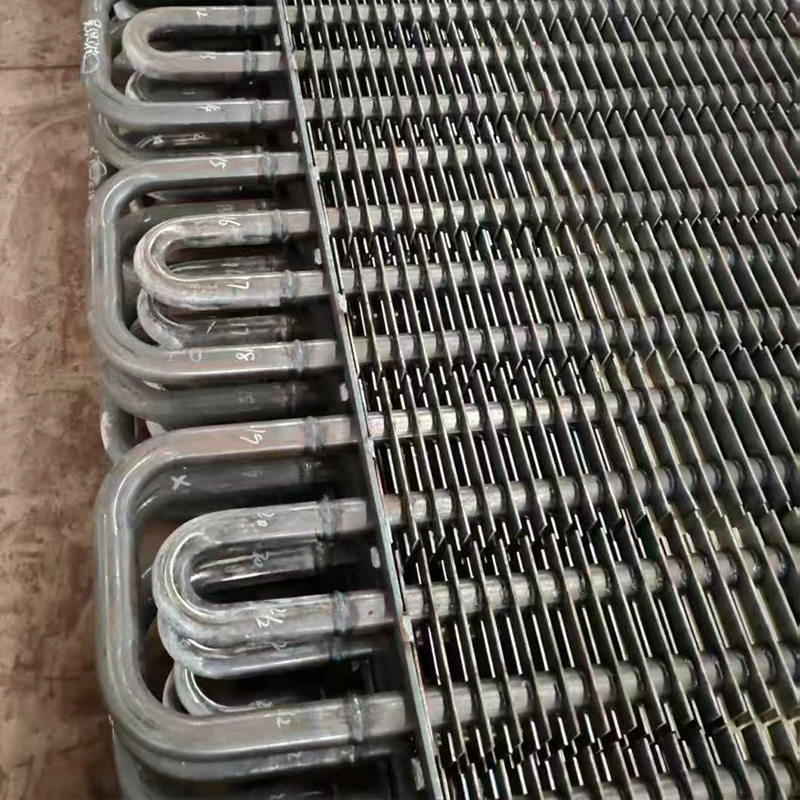
В ассортименте ООО «Уси Кайшэн» представлены титановые кожухотрубные теплообменники, ASME высоконапорные теплообменники, а также критически важные компоненты, такие как гофрированные трубные пучки из нержавеющей стали 316 и трубные решетки из стали 321. Именно здесь требования к прецизионному литью выходят на первый план: детали должны обладать исключительной коррозионной стойкостью в агрессивных средах (морская вода, кислоты) и выдерживать экстремальные давления и температуры. Использование сертифицированных по стандартам PED и ASME материалов, включая морскую латунь C46400, медно-никелевые сплавы C70600 и никелевые сплавы N06625, требует безупречного контроля качества на каждом этапе — от плавки до финишной обработки.
Опыт ООО «Уси Кайшэн» подтверждает, что успешное производство оборудования для опреснения морской воды, судостроения и энергосберегающих систем невозможно без партнерства с надежными поставщиками прецизионных отливок. Компания предоставляет индивидуальные решения для заказчиков по всему миру, доказывая, что сочетание передовых технологий литья и глубокой отраслевой экспертизы позволяет создавать оборудование, превосходящее самые строгие международные стандарты.
Заключение: партнерство, основанное на качестве
Выбор поставщика прецизионных отливок из нержавеющей стали — это стратегическое решение, влияющее на надежность вашего конечного продукта.Нержавеющая сталь: производство прецизионных отливок — лидерне только по технологическим возможностям, но и по способности решать нестандартные инженерные задачи. Мы не просто продаем металл в форме детали; мы предлагаем экспертизу, которая помогает оптимизировать конструкцию, снизить себестоимость и ускорить вывод продукта на рынок.
Наш опыт показывает, что успешный проект начинается с диалога. Обсудите вашу задачу с нашими технологами на ранней стадии проектирования. Мы подскажем, как изменить конструкцию для улучшения заполняемости формы, какую марку стали выбрать для ваших условий и как избежать потенциальных проблем при эксплуатации. Доверьте нам сложные задачи, и вы получите результат, превосходящий ожидания.
Готовы обсудить ваш проект?Contact us todayдля получения консультации и расчета стоимости. Наши специалисты подготовят коммерческое предложение с учетом всех ваших требований в течение 24 часов.
Также рекомендуем ознакомиться с нашим каталогом готовых решений:Прецизионные отливки из нержавеющей стали.