
Prevention of occupational diseases of welders”
2026-09-08
- Prevention of occupational diseases in welders: why standard PPE does not work in 2026
- Engineered Aerosol Control: From Local Extraction to Process Replacement
- Protecting your eyes and skin: myths about filters and UV radiation
- Ergonomics and prevention of musculoskeletal diseases
- Psychological stress and work schedule: a hidden risk factor
- Medical monitoring and early diagnosis
- Table comparing the effectiveness of prevention methods
- Frequently Asked Questions
- Final recommendations and action plan
Prevention of occupational diseases in welders: why standard PPE does not work in 2026
Statistics for the first quarter of 2026 show an alarming trend: despite stricter occupational safety standards, the rate of chronic pathologies among welders in the metallurgical sector increased by 14%.Prevention of occupational diseases of weldersceased to be simply a matter of issuing protective clothing and turned into a complex engineering task requiring a revision of technological processes. In our practice, we have repeatedly encountered situations where enterprises purchased expensive automatic ventilation systems, but ignored the ergonomics of the workplace, which led to the same results - loss of qualifications of key employees due to diseases of the musculoskeletal system and respiratory organs.
Effective protection begins not in the doctor's office, but at the design stage of the welding station. If you expect a chameleon mask to solve all your vision problems, you have already made the first mistake. Real safety is built on three pillars: aerosol control, thermal radiation management and ergonomic spine support. Below we will analyze specific measures that are being implemented in advanced industries right now, based on updated GOST standards and international experience.
Engineered Aerosol Control: From Local Extraction to Process Replacement
The main reason for the development of pneumoconiosis and chronic bronchitis in welders is the inhalation of fine dust containing oxides of manganese, chromium and nickel. The traditional approach of “welding and then ventilating the workshop” in 2026 was recognized as ineffective and economically unprofitable. Prevention of occupational diseases of welders at this stage requires the introduction of local suction systems (LEV), which capture harmful substances directly at the source of formation, before they enter the operator’s breathing zone.
In an audit of a large engineering plant, we found that their general air handling systems were operating at less than 30% efficiency when welding in confined spaces. The air simply mixed, spreading toxins throughout the room. The solution required the installation of flexible exhaust arms with magnetic fasteners located at a distance of no more than 15–20 cm from the arc. This is a critical parameter: if you increase the distance to 40 cm, the capture efficiency drops exponentially, requiring a 4-fold increase in fan power, which leads to excessive energy consumption and the creation of drafts that knock down the protective gas.
Modern standards, including updated SanPiN requirements and recommendations of the International Labor Organization, dictate the need to use HEPA H13 or higher filters to capture particles smaller than 0.3 microns. Conventional mesh filters retain only large scale, allowing the most dangerous fraction to pass deep into the lungs. It is important to understand that even the most advanced exhaust hood is useless if it creates turbulence that disrupts the stability of the weld pool. Our engineers recommend using air intakes with adjustable flare geometry, allowing you to adapt the flow to a specific type of seam - butt, corner or ceiling.
One of our clients faced a serious problem: after installing a powerful hood, the quality of the seams deteriorated due to the blowing out of protective gas. We were forced to redesign the system by adding flow laminizers and changing the air intake angle. This incident taught us that ventilation must be synchronized with welding technology. You can't just buy equipment and forget about it; Regular balancing of the system is required every 6 months, as the resistance of the air ducts changes due to dust accumulation.
The most radical but effective method of prevention is process replacement. Switching from manual arc welding with coated electrodes to mechanized gas shielded welding (MIG/MAG) or the use of flux-cored wire can reduce smoke generation by 40–60%. However, there is a caveat here: some types of cored wire generate even more fluoride, so the choice of consumables should be based on safety data sheets (SDS), and not just on the price of the spool.
Action:Measure the air speed in your welder's breathing zone right now. If it is below 0.5 m/s or above 1.2 m/s (draft), your system is not working correctly. Schedule a technical audit of exhaust devices before the end of the month.
Protecting your eyes and skin: myths about filters and UV radiation
Photokeratitis, known as bunnies, and cataracts remain the number one occupational hazard despite the widespread use of masks. The problem lies not in the lack of protection, but in the incorrect selection of light filters and the habit of welders to lift the mask to inspect the seam immediately after extinguishing the arc.Prevention of occupational diseases of weldersin this area requires strict adherence to the DIN EN 379 standard (or similar GOST R 12.4.254), which regulates the optical class and degree of darkness.
Many operators use DIN 10-11 fixed blackout filters for all types of work. This is a big mistake. When welding at 60 A, this filter is too dark, forcing the welder to move his face closer to the arc or work in low light, which causes overstrain of the eye muscles and headaches. At a current of 250 A, the same filter can transmit excess radiation. Modern liquid crystal filters (chameleons) with automatic dimming control (DIN 5–13) solve this problem, but only if the sensitivity and delay time for returning to a transparent state are correctly adjusted.
Our case database includes a story of a welder who lost 30% of his vision in one eye over five years. He used a quality mask, but ignored the requirement to wear safety glasses under the mask. Ultraviolet radiation is highly reflective: it ricochets off the walls of the workshop, metal structures, and even from the light-colored clothes of the neighbor at the post. Glasses with polycarbonate lenses that block 100% of the UV and IR spectrum are a mandatory second level of protection that is often ignored.
Equally important is protecting the skin from erythema and the long-term risk of developing squamous cell carcinoma. Exposed areas of the neck and wrists receive a radiation dose comparable to several hours in the midday sun in one shift. A standard cotton robe quickly burns through and transmits radiation. We recommend clothing made from flame-retardant fabrics (such as Proban or high-density natural fibers) that are certified to meet radiant heat protection requirements. Leather leggings and shoulder capes must have no through stitching through which sparks or radiation can penetrate.
An interesting fact that few people take into account: infrared radiation heats not only the skin, but also the filter of the mask itself. Cheap plastic filters can become deformed during prolonged intensive use, losing their protective properties without being noticed by the eye. Regular replacement of external protective glass and checking the integrity of the internal filter should be part of the operator's daily checklist.
Action:Check the markings on the filters of all your masks. If there is no indication of optical class 1/1/1/2 (according to EN 379), replace them immediately. Provide each welder with individual safety glasses with side protection and require them to be worn at all times in the work area.
Ergonomics and prevention of musculoskeletal diseases
When they talk about diseases of welders, they usually remember the lungs and eyes, losing sight of the fact that more than 60% of sick leaves in this profession are issued due to pain in the back, neck and joints. Working in a forced position, holding a heavy burner device and static tension lead to chronic myositis, osteochondrosis and carpal tunnel syndrome.Prevention of occupational diseases of weldersimpossible without reorganizing the workspace taking into account human biomechanics.
A classic mistake is organizing a post “for the part” rather than “for the person.” A welder is often forced to stoop, reach, or work with his arms raised above shoulder level. The blood supply to the muscles in this position is disrupted, lactic acid accumulates faster than it is excreted. Our analysis of work-related injuries found that the risk of errors and defects increases by 25% after two hours of working in an awkward position due to muscle fatigue and trembling hands.
The solution lies in the use of positioners, tilters and lifts. The part should be presented to the welder in the most convenient position - ideally, so that the seam is at the level of the elbow of the bent arm. Investment in a rotary table pays off not only by reducing morbidity, but also by increasing welding speed by 15–20%, since the operator can weld in the lower position, which is the most productive and high-quality.
Particular attention should be paid to the weight of the equipment. A modern inverter power source weighs little, but the cable-hose assembly with the burner can reach 3–5 kg. Constantly holding this weight overloads the wrist joint. The use of balancing torch hangers removes up to 90% of the load from the operator's hand. This simple device, consisting of a spring mechanism and a guide, is often ignored by budget workshops, although its cost is not comparable to the cost of treating occupational diseases.
Shoes also play a critical role. A welder spends up to 80% of his shift on his feet. Regular boots with hard soles do not absorb the impact on the spine when walking on metal gratings or concrete floors. Specialized shoes with antistatic soles, spark protection and reinforced arch support are necessary to prevent flat feet and varicose veins. We have seen cases where simply replacing shoes with orthopedic ones reduced the number of complaints of lower back pain in a team by half over three months.
Don't forget about the microclimate. Working in heavy fire-resistant clothing in summer leads to heat stress. Dehydration thickens the blood, increasing the risk of blood clots and reducing cognitive function. Organizing drinking water stations and regulated breaks in cool areas is not a luxury, but a medical necessity. The temperature in the rest area should be 5–7°C lower than in the work area to ensure effective cooling of the body.
Action:Ask any welder to show him his work area. If he spends more than 10 seconds getting into a comfortable position before starting a seam, or if he has to hold his arm up for more than 30 seconds continuously, you urgently need a positioner or balancer.
Psychological stress and work schedule: a hidden risk factor
Professional burnout and chronic stress directly affect the physical health of a welder. A tired, nervous operator is more likely to violate safety precautions, forget to put on a respirator, or neglect to check equipment. The monotony of repetitive movements combined with a high level of concentration and noise creates a unique psychophysiological load. Prevention of occupational diseases in welders should include elements of fatigue management.
The noise from grinders, compressors and the arc itself often exceeds the permissible 80 dB. Long-term exposure to noise leads not only to hearing loss, but also to increased blood pressure, irritability and decreased immunity. The use of personal ear muffs or headphones is mandatory, but they often interfere with communication. A modern solution is active headphones with a noise suppression system, which dampen harmful frequencies, but allow you to hear the speech of colleagues and warning signals.
The work and rest schedule must be strictly regulated. Continuous work with a welding arc should not exceed 45–50 minutes per hour. The remaining 10–15 minutes should not be used for a smoke break in a polluted area, but for active warm-up and stay in a clean area. Industrial gymnastics complexes designed specifically for welders (exercises for the eyes, neck, hands) have proven effective in reducing muscle tension.
In one of the projects, we implemented a personnel rotation system, where welders alternated with cutting operators or assemblers every 2 hours. This allowed us to use different muscle groups and reduce monotony. The result was a decrease in the number of microtraumas and an improvement in the psychological climate in the team. People felt concerned about their health, which increased loyalty to the company.
It is important to create a culture where reporting poor health is not perceived as weakness. A welder with hand tremors due to fatigue or a hangover poses a danger to himself and others. Regular pre-departure physicals and honest dialogue with management help identify such conditions before the start of the shift.
Action:Introduce mandatory five-minute exercises for the eyes and hands every two hours. Print out exercise posters and place them near the welding stations rather than in the locker room.
Medical monitoring and early diagnosis
No engineering measure can replace regular medical monitoring. However, a standard annual check-up often does not detect diseases at an early stage.Prevention of occupational diseases of weldersrequires in-depth diagnosis using specific tests. Spirometry should be performed not simply to measure lung volume, but with the use of bronchodilators to identify hidden obstructions.
Audiometry should be performed in silence, with calibrated equipment to monitor for subtle changes in the hearing threshold at high frequencies - the first signs of acoustic injury. An examination by an ophthalmologist should include checking the fundus and measuring intraocular pressure, since the welding arc affects the vascular system of the eye.
Particular attention should be paid to laboratory tests. Manganese levels in urine or blood are an accurate marker of the degree of exposure to welding aerosols. If the indicators exceed the reference values, this is a signal that individual or collective protective equipment is not coping, even if visually it seems that there is “little smoke.” Biological monitoring provides an objective picture where air measurements may be inaccurate due to workplace mobility.
Maintaining personal health records for each employee allows you to track the dynamics of indicators over the years. This helps identify correlations between specific types of work and poor health. For example, if all welders working with stainless steel experience a decrease in lung function after 3 years, then the welding technology for this material requires revision.
Vaccination is also included in the prevention complex. Welders are at risk of infectious diseases due to microtrauma to the skin and decreased immunity. Tetanus and hepatitis vaccinations must be current. In some regions, vaccination against pneumococcal disease is recommended for additional protection of the respiratory system.
Action:Review your contract with the medical center. Ensure that your annual screening includes biochemical testing for heavy metals and extended spirometry. Demand the provision of individual conclusions with recommendations, and not just a “fit” certificate.
Table comparing the effectiveness of prevention methods
For clarity, let’s compare different approaches to protection, based on their cost, complexity of implementation and real effectiveness in the conditions of modern production in 2026.
| Prevention method | Capital costs | Effectiveness of risk reduction | Difficulty of implementation | Main disadvantage |
|---|---|---|---|---|
| General ventilation | High | Low (10–20%) | Average | Does not remove contaminants from the breathing zone, high energy costs for heating the air |
| Local exhaust (sleeves) | Average | High (70–90%) | Low | Requires operator discipline (correct positioning) |
| Welding automation | Very tall | Maximum (up to 98%) | High | Applicable only for mass production, requires retraining of personnel |
| Respiratory PPE (respirators) | Low (operational) | Medium (depending on tightness) | Low | Discomfort when wearing for a long time, breathing resistance, beard growth reduces effectiveness |
| Ergonomic positioners | Average | High (for ODA) | Average | Requires additional space in the workshop |
As can be seen from the table, no method is a panacea. The greatest effect is achieved through a combination of local exhaust, automation where possible, and strict control of the use of PPE. Investments in ergonomics often provide the fastest return through reduced employee turnover and increased productivity.
Frequently Asked Questions
What respirator protection class is required for welding stainless steel?
When welding stainless steel, particularly toxic chromium and nickel compounds are released, which have a carcinogenic effect. The minimum acceptable protection class is FFP2, however, for long-term work and to ensure reliable prevention of occupational diseases for welders, we strongly recommend the use of half masks with replaceable filters of P3 class or breathing machines with forced air supply. FFP1 filters are absolutely not suitable for these purposes, since they only retain coarse dust and do not provide protection against fine aerosols.
How often do you need to change the filters in chameleon masks?
The service life of the filter depends on the intensity of use, but on average it is 3–5 years with active use. However, external protective glass (polycarbonate plates) must be replaced much more often - as scratches, soot or clouding appear. Even a small scratch can scatter light and reduce visibility, causing eye strain. The rule is simple: if the glass prevents you from clearly seeing the boundary of the weld pool, change it immediately, without waiting for a scheduled replacement.
Does milk help remove toxins from a welder's body?
This is a common myth that has no scientific basis. Milk does not have sorbent properties and cannot neutralize or remove heavy metals (manganese, chromium) that have settled in the lungs or entered the blood. The only effective way to remove toxins is to prevent them from entering the body through good ventilation and PPE. An attempt to “eat up” harmfulness with milk creates a false sense of security and distracts from real preventative measures.
Is it necessary to use a hood when welding outdoors?
In the open air, natural convection partially dissipates the smoke, but this does not eliminate the risks, especially when working in calm weather or in confined spaces (trenches, wells, corners of buildings). If the welder is in the area of a visible cloud of smoke, then the concentration of harmful substances is exceeded. In such cases, the use of portable exhaust units or personal powered breathing apparatus is a mandatory safety requirement.
Final recommendations and action plan
Prevention of occupational diseases in welders is a continuous process that requires the integration of engineering solutions, proper selection of equipment and constant medical monitoring. There is no cheap way to protect employee health, but the cost of inaction is always higher. The loss of qualified personnel due to occupational asthma or chronic radiculitis costs a company tens of times more than installing a modern aspiration system or purchasing an ergonomic chair.
Start with an audit of the current situation: check the operation of hoods, compliance of PPE with new standards and the ergonomics of workplaces. Don't wait for an order from the inspectorate or a tragic event. The health of your people is the foundation for the stability of your production. The implementation of the measures described above will make it possible not only to comply with the legislative standards of 2026, but also to create an environment in which specialists want to work for many years, passing on their experience to the next generations.
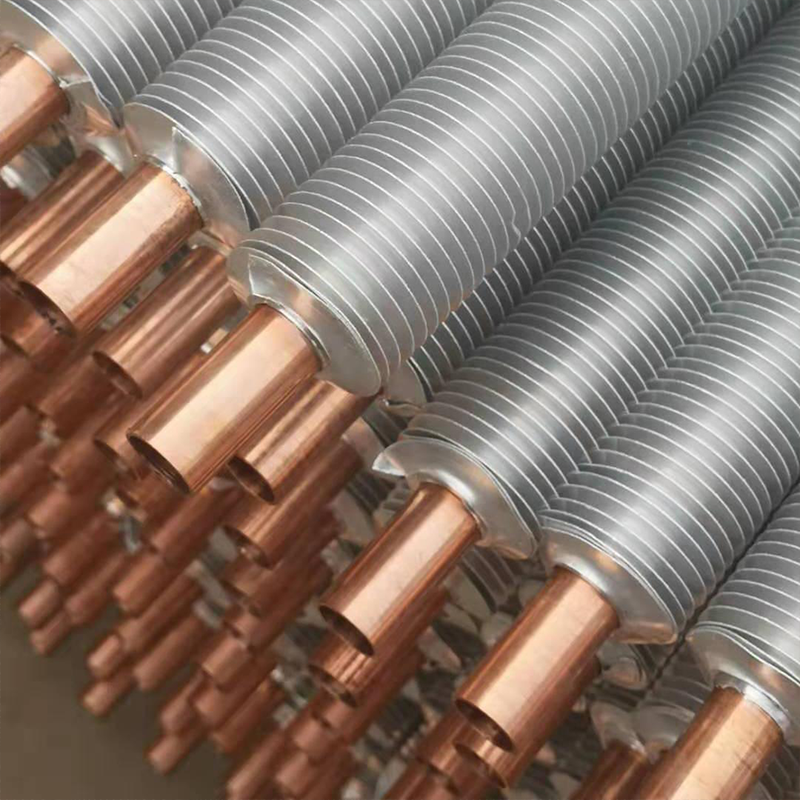
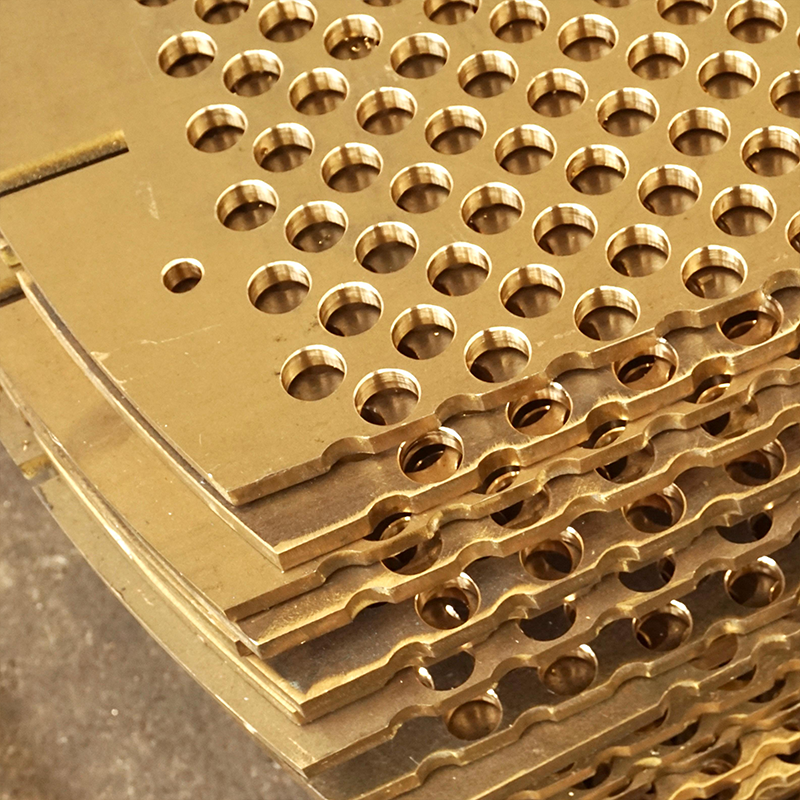
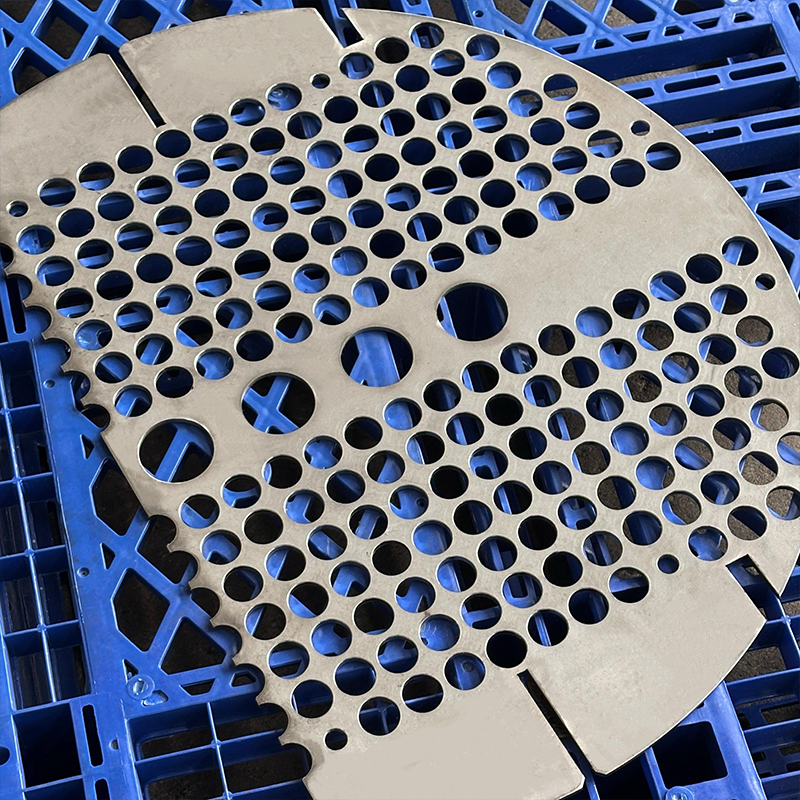
However, creating a safe environment is impossible without a reliable technological foundation. The quality of welds, resistance of equipment to aggressive environments and durability of structures directly depend on the materials and components used. This is where solutions from the company come to the rescueWuxi Kaisheng Electric Power and Petrochemical Equipment Co., Ltd.. Specializing in the design and manufacture of high-tech heat transfer and petrochemical equipment, the company offers components critical to today's operations: titanium shell-and-tube heat exchangers, ASME high-pressure systems, corrugated tube bundles in 316 stainless steel, C46400 marine brass and N06625 alloys. Products are PED and ASME certified and offer exceptional corrosion resistance and the ability to withstand extreme temperatures and pressures. The use of such materials in workshop structures, ventilation systems and production lines not only increases the overall reliability of production, but also reduces the risks of accidents associated with depressurization or destruction of components under load. For businesses seeking the highest level of safety and efficiency, working with Wuxi Kaisheng means access to customized engineering solutions that work ahead of problems rather than simply reacting to them.
If you doubt the correct choice of equipment or need an expert assessment of your workshop's security system, do not delay resolving this issue.Contact us todayfor advice from our occupational safety engineers. We will help you develop a customized modernization plan that will ensure maximum protection for your employees and meet the most stringent international standards.
Remember: high qualityprevention of occupational diseases of weldersbegins with your decision to act now.Explore our catalog of certified equipmentto create a safe working environment.