
Welding of polyethylene lining: quality requirements”
2026-08-11
- Critical requirements for welding polyethylene lining: why 90% of defects occur during the preparation phase
- Physico-chemical basis for combining polyethylene PE-HD and PE-LLD
- Extrusion welding technology: step-by-step algorithm and parameter control
- Butt welding of pipes and sheets: specifics of equipment and modes
- Quality control: non-destructive and destructive testing methods
- Typical mistakes and ways to prevent them in an industrial environment
- Influence of external factors and seasonality of work
- Personnel certification and compliance with international standards
- Комплексный подход к защите оборудования: роль металлических компонентов
- Frequently Asked Questions
- Conclusion and recommendations for choosing a contractor
Critical requirements for welding polyethylene lining: why 90% of defects occur during the preparation phase
The quality of the polyethylene lining weld determines the service life of the entire tank or pipeline, and in our practice we see that the majority of premature failures do not occur due to poor material, but due to a violation of the butt or extrusion welding technology. Heating temperature, upsetting pressure and cooling time are three parameters that cannot be controlled by eye, since a deviation of even 5°C can lead to the formation of a brittle zone of failure under load. We encountered a situation where a client lost 40 cubic meters of an aggressive chemical reagent three months after installation due to the fact that the welder skipped the step of cleaning the ends of the pipes from the oxide film. This article examines in detail the technical requirements of GOST and ISO for the welding process so that you can avoid such financial losses and ensure the tightness of the system for decades.
Physico-chemical basis for combining polyethylene PE-HD and PE-LLD
High-density polyethylene (PE-HD) and linear low-density polyethylene (PE-LLD) have different crystal structures, which directly affects the choice of welding mode and filler rod type. The molecular chains in PE-HD are more densely packed, requiring higher settling pressures to ensure diffusion of macromolecules across the interface, whereas PE-LLD is more viscous and prone to overheating when the heating element is at excessive temperature. In our laboratory, we conducted tensile tests on samples welded at different temperatures and found that the optimal range for PE-HD is 220 ± 10 ° C, exceeding which leads to thermal degradation of the polymer and a decrease in weld strength by 30-40%. Understanding melt rheology is critical: if the viscosity is too high, the material will not fill the micropores of the surface, creating channels for the penetration of aggressive media.
It is important to consider that different grades of polyethylene (for example, PE 80 and PE 100) have different minimum continuous resistance (MRS), and mixing these grades in one seam is strictly prohibited by standards. We have seen cases where contractors used PE 80 rod over PE 100 linings to save money, which resulted in delamination of the joint under cyclic loads in the first year of operation. The thermal conductivity coefficient of polyethylene is low, so heating must be uniform throughout the entire thickness of the wall, otherwise internal stresses will arise, which will manifest themselves in the form of cracks during thermal expansion of the container. Before starting work, always request a quality certificate for the lining material and filler rods, checking the lot number and melt flow indicators (MFI).
Extrusion welding technology: step-by-step algorithm and parameter control
Extrusion welding is the main method for installing large linings, and each step of this process must be carried out in strict sequence with parameters recorded in the work log. Violation of any step, be it edge preparation or bar feed speed, creates a weak link in the protective barrier that cannot be detected by visual inspection without destructive testing.
- Surface preparation and edge geometry.The surface of the base material and filler rod must be absolutely clean, dry and free of grease; Chlorine-based solvents should not be used as they may cause stress cracking. The edges of the lining sheets must be prepared for a V-shaped groove with an opening angle of 60-70 degrees, which provides sufficient space for the extruded material to penetrate into the depth of the seam. We recommend using specialized carbide-tipped cutters that remove chips rather than melt the material, leaving a smooth, lint-free surface. An error at this stage - the presence of moisture or dust in the welding zone - leads to the formation of pores and bubbles, which become centers of corrosion of the metal body under the lining.
- Extruder settings and air flow temperature.The melting temperature in the extruder barrel is usually set in the range of 240-260°C for PE-HD, but the key parameter is the temperature of the hot air supplied to the nozzle, which should be 280-320°C depending on the burner speed. The air flow has a dual function: it activates the surface of the base material, softening the top layer of polymer, and maintains the temperature of the extrudate until contact with the edge. In our practice, we encountered a case where the operator set the screw rotation speed too high, which led to insufficient time for the material to remain in the heating zone and the appearance of inhomogeneities in the structure of the seam. Always check the temperature with a thermocouple directly at the nozzle exit before starting long seams, as the machine’s display readings may have an error of up to 15°C.
- Tacking and formation of the root layer.Before the main filling of the seam, it is necessary to tack in increments of 150-200 mm, using a thin rod with a diameter of 3-4 mm to fix the sheets and prevent their displacement under the influence of thermal stresses. The root layer is applied with the obligatory penetration of the back side of the root (if available) or thoroughly filling the lower part of the cut with a nozzle pressing force of about 2-3 kg. Insufficient root penetration is the most common cause of leaks, since this is the area that experiences the maximum pressure of the liquid or gas. We recommend making control cuts every fifth meter of the root joint to ensure complete fusion of the materials and the absence of gaps between the lining sheets.
- Filling the seam using the layer-by-layer method.The main volume of the seam is filled in several passes (usually 2-4 layers depending on the wall thickness), and each subsequent layer is applied only after the previous one has cooled to a temperature of 60-80°C. Overheating of the underlying layers leads to their softening and deformation under the weight of the new extrudate, which causes subsidence of the seam and a change in its geometry. The burner movement should be uniform, without jerking, with a constant nozzle angle of 45 degrees to the seam plane to ensure symmetrical distribution of the material. It is important to ensure that the width of the bead exceeds the width of the groove by 2-3 mm on each side, creating a reinforcement of the seam that compensates for shrinkage of the material during cooling.
- Cooling and finishing.The weld should cool naturally in calm air; forced cooling with water or compressed air is strictly prohibited, as it causes a sharp temperature change and hardening of the surface layer, leading to cracks. After complete cooling (usually 15-20 minutes for seams with a thickness of 10 mm), the seam reinforcement is stripped flush with the main surface of the lining, if required by the technology for operating the container. We recommend visually inspecting every centimeter of the seam immediately after stripping, paying attention to the color: darkening of the polymer indicates overheating, and whitish stripes indicate insufficient mixing or oxidation. The final touch is to mark the seam with the date, welder number and welding parameters to ensure traceability.
Butt welding of pipes and sheets: specifics of equipment and modes
Butt welding using a heating tool (butt fusion) is the standard for joining pipe lining elements and geomembranes, providing a solid joint equal to the strength of the base material. The process is automated and depends on the accuracy of the hydraulic pressure and holding time, where the slightest deviation leads to rejection. The main requirement is ideal alignment of the elements being connected; a distortion of more than 10% of the wall thickness is unacceptable, since it creates an uneven distribution of stress in the seam. The table below shows comparative characteristics of the modes for various thicknesses, based on the DVS 2207-1 standard and our internal regulations.
| Wall thickness (mm) | Heating temperature (°C) | Upsetting pressure (MPa) | Holding time under pressure (min) | Cooling time (min) |
|---|---|---|---|---|
| 6 – 10 | 220 ± 5 | 0.15 – 0.20 | 4 – 6 | 6 – 8 |
| 11 – 20 | 225 ± 5 | 0.20 – 0.25 | 6 – 10 | 10 – 15 |
| 21 – 40 | 230 ± 5 | 0.25 – 0.30 | 10 – 15 | 15 – 25 |
| > 40 | 235 ± 5 | 0.30 – 0.35 | 15 – 20 | 25 – 40 |
The critical point is the removal of the burr (the roll of extruded material): the internal burr must be removed with a special knife immediately after joining, while the material is still plastic, but not before the completion of the upsetting stage. External burr can be removed after complete cooling, but its shape and size serve as an important indicator of the quality of the process: a symmetrical, even bead 2-4 mm high indicates correct pressure, while the absence of burr or its irregularity indicates insufficient heating or contamination of the ends. One of our clients encountered a problem when the automatic machine did not take into account the voltage drop in the network, which is why the temperature of the heating elements dropped by 20 degrees, and the seam turned out to be cold, despite observing the time intervals. Therefore, we insist on using devices with a function for recording welding parameters in the device’s memory, which allows us to prove compliance with the technology when accepting work.
Quality control: non-destructive and destructive testing methods
The quality control system for lining welds must be multi-level, starting with visual inspection and ending with laboratory testing of samples, since no method provides a 100% guarantee without an integrated approach. Visual inspection is carried out by the welder immediately after completion of the weld and includes checking the geometry, the presence of undercuts, pores, cracks and uniformity of reinforcement. However, the human eye is not able to see internal defects, such as lack of fusion or oxide inclusions, so a mandatory step is electrical spark testing (for conductive substrates) or vacuum testing (for double seams). The electric spark testing method makes it possible to detect through pores as small as 0.5 mm by passing the scanner over the seam with a voltage of 15-25 kV, but it requires a grounded metal body under the lining.
For critical components and acceptance tests, we use destructive testing methods, taking witness samples every 50 meters of a seam or a welder shift. The tensile test shows the strength of the joint: a high-quality seam should tear along the base material, and not along the fusion line, demonstrating a value of at least 80% of the strength of the original sheet. If a rupture occurs along the seam, this indicates a violation of the temperature regime or contamination of the surfaces. A 180-degree bend test is also carried out at a negative temperature (-20°C), which reveals the fragility of the material caused by overheating or aging of the polymer. In our practice, there was a case when a batch of filler rod had the wrong stabilizer added, and the seams crumbled when hit with a hammer, although visually they looked perfect - only mechanical tests made it possible to identify defects before the launch of the project.
Typical mistakes and ways to prevent them in an industrial environment
Analysis of hundreds of kilometers of welds allowed us to identify a number of system errors that are made even by experienced teams, often due to haste or inattention to environmental details. The most common mistake is ignoring air humidity and condensation on the metal surface; Welding on wet polyethylene is impossible, since water instantly evaporates upon contact with a hot tool, forming steam pockets in the body of the seam. The solution is simple, but labor-intensive: using heat guns to dry the welding area and working under a canopy at a relative humidity above 80%. Another common problem is using old, oxidized filler rod that has been stored in the sun; ultraviolet radiation destroys the surface layer of the polymer, making it unsuitable for welding without removing the outer layer 0.5-1 mm thick.
An incorrect choice of torch attack angle during extrusion welding results in hot air blowing past the contact zone without activating the base material, resulting in the rod simply sticking on top without forming a diffusion bond. We require our welders to constantly train on rough samples when conditions change (wind, temperature below +5°C), since cold wind blows away the heat flow, requiring an increase in the power of the machine or the installation of windbreaks. Another critical point is the welding speed: an attempt to speed up the process leads to the fact that the extruder does not have time to feed the material, and the welder pulls the torch, thinning the seam and creating the risk of rupture. Remember that productivity should not be achieved at the expense of quality, since the cost of repairing a leak in an existing acid tank is tens of times more than the cost of the entire welding job.
Influence of external factors and seasonality of work
Ambient temperature has a direct effect on the cooling kinetics of the weld and therefore its structural integrity; work at temperatures below +5°C requires special precautions described in the supplements to the standards. At low temperatures, polyethylene becomes stiffer, cooling time is reduced, which can lead to incomplete crystallization and high residual stresses. In such conditions, it is necessary to preheat the parts to be welded to +15...+20°C using infrared heaters and build greenhouses around the installation area. Summer heat above +35°C is also dangerous: prolonged exposure of the finished seam to a heated state under direct rays of the sun can cause creep of the material and deformation of the reinforcement geometry.
Wind load is the hidden enemy of quality welding, especially for the extrusion method, where hot air flow is critical to activating the surface. Even a light breeze of 3-5 m/s can bring down the temperature field, so the use of mobile windproof structures is a mandatory requirement at our facilities. We have seen cases where overnight temperature changes caused moisture to condense inside multi-layer linings if the seams were not properly sealed before the onset of cold weather. Planning the work schedule should take into account the weather forecast 3-5 days in advance to eliminate the risk of a fresh seam getting exposed to rain or sudden cold snap, which could freeze the crystallization process halfway.
Personnel certification and compliance with international standards
The qualifications of a polyethylene welder are the foundation of quality, and the presence of an international certificate (for example, according to the DVS 2212 or ISO 12118 system) should be a prerequisite for permission to work on site. The certification process includes not only a theoretical exam on the properties of polymers, but also practical welding of control samples, which undergo a full cycle of destructive tests in an accredited laboratory. It is important to understand that the certificate has a validity period (usually 2 years) and is tied to specific types of work (butt welding, extrusion) and thickness range; a welder certified for pipes with a diameter of 50 mm does not have the right to weld sheets 20 mm thick without additional certification. In our company, we keep a register of all current employee certificates and conduct internal skills audits every six months to eliminate the human factor.
Compliance with GOST R 54854-2011 (for the Russian Federation) or DIN 16963 (for Europe) standards ensures that the methods used are tested by time and science, but blindly following the standards without understanding the physics of the process is dangerous. Standards set the framework, but real life makes adjustments: non-standard corners, hard-to-reach places, complex container configurations require the welder to have engineering thinking and the ability to adapt the technology without violating its essence. We recommend that customers request not just copies of diplomas, but rather recent certification test reports of the welders who will be employed on their project to ensure that their skills are up to date. Доверие к профессионалу должно быть подкреплено документами, так как цена ошибки в промышленной футеровке измеряется экологическими штрафами и остановкой производства.
Комплексный подход к защите оборудования: роль металлических компонентов
Хотя данная статья фокусируется на технологии сварки полимерной футеровки, важно помнить, что долговечность всей системы зависит от синергии между защитным слоем и основным металлическим корпусом оборудования. Надежная футеровка бесполезна, если сама емкость или теплообменные элементы подвержены коррозии из-за некачественного металла или неправильного выбора сплава. Именно здесь ключевую роль играет поставщик основного оборудования.
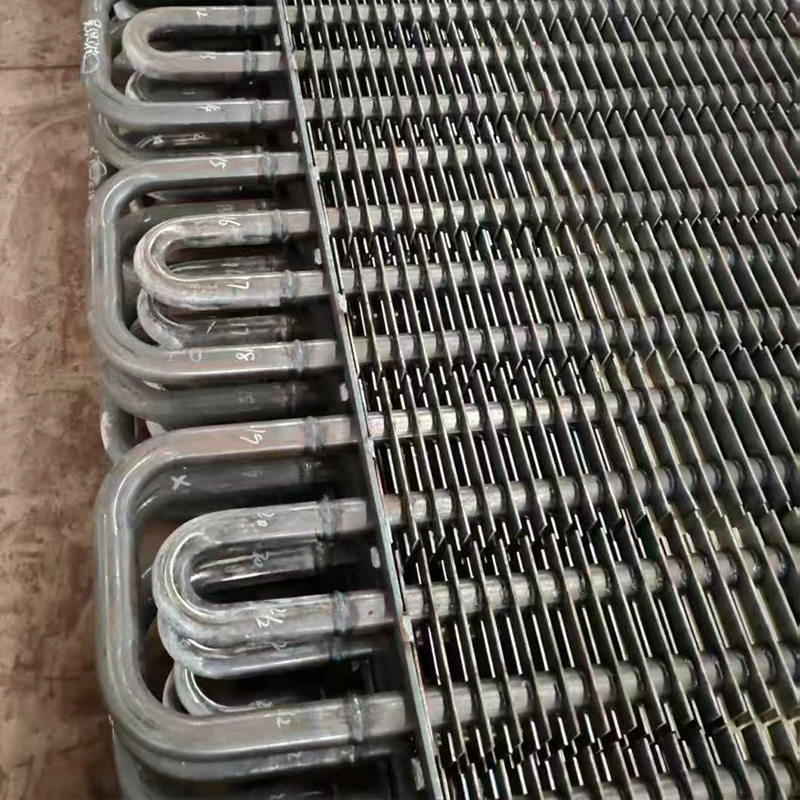
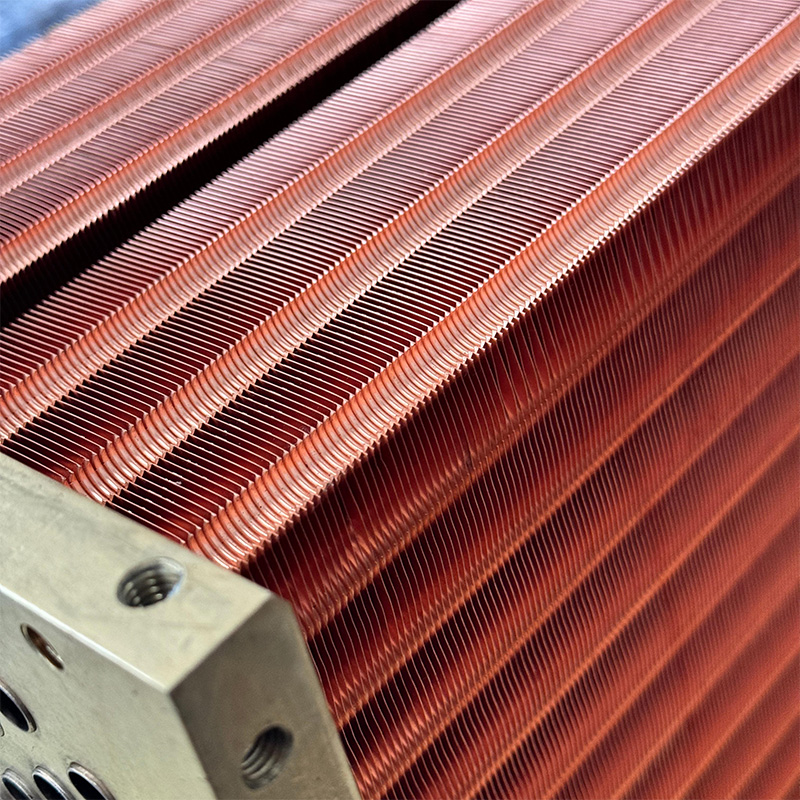
ООО «Уси Кайшэн Электроэнергетическое и Нефтехимическое Оборудование» специализируется на разработке и производстве высококачественных решений для агрессивных сред, идеально дополняющих процессы полимерной защиты. Компания производит титановые кожухотрубные теплообменники, аппараты ASME высокого давления, а также трубные пучки из нержавеющей стали 316, морской латуни C46400, медно-никелевых сплавов и никелевых сплавов N06625. Продукция сертифицирована по строгим международным стандартам PED и ASME, обладая исключительной коррозионной стойкостью и способностью выдерживать экстремальные температуры и давления.
Использование комплектующих от «Уси Кайшэн», таких как трубные решетки из стали 321 или латуни C70600, в сочетании с грамотно выполненной полиэтиленовой футеровкой, создает двойной барьер безопасности для нефтеперерабатывающих, химических и энергетических предприятий. Такой интегрированный подход — от выбора правильного металлического сплава до безупречной сварки полимерного слоя — гарантирует максимальный срок службы активов и минимизацию рисков аварийных остановок.
Frequently Asked Questions
Какова минимальная температура воздуха для проведения сварочных работ?
Согласно большинству технических регламентов, минимальная температура окружающего воздуха составляет +5°C. При температуре ниже этого порога необходимо использовать тепловые пушки для локального прогрева зоны сварки и сооружения временных укрытий (тепляков). Игнорирование этого требования приводит к быстрому остыванию шва, неполной кристаллизации и высокому риску образования трещин при эксплуатации.
Можно ли сваривать полиэтилен разных цветов?
Цвет пигмента не влияет на свариваемость, если оба материала изготовлены из одной марки сырья (например, PE 100) и имеют схожие показатели текучести расплава. Черный цвет обычно обусловлен добавлением сажи, которая является УФ-стабилизатором, тогда как другие цвета используют органические пигменты. Главное требование — совпадение химических свойств базового полимера, а не визуальное сходство.
Как проверить качество шва без дорогостоящего оборудования?
Простейший метод — визуальный осмотр на наличие равномерного валика грата и отсутствие пор, а также тест на адгезию с помощью специального крючка (для экструзионных швов), которым пытаются поддеть край шва с усилием. Более надежный способ — вырезка полоски из шва и ручной изгиб на 180 градусов: если шов ломается или белеет в месте изгиба, качество неудовлетворительное. Однако для официальной приемки необходимы протоколы электроискрового или вакуумного контроля.
Что делать, если обнаружен дефект в середине длинного шва?
Локальный ремонт возможен только при условии полной вырубки дефектного участка клиновидной фрезой с заходом на здоровый материал не менее 50 мм с каждой стороны. Затем производится заварка вырезанного сегмента новым прутком с соблюдением всех технологий послойного нанесения. Просто наложить заплатку сверху запрещено, так как это создаст ступеньку и зону концентрации напряжений, которая станет местом будущей протечки.
Сколько времени нужно ждать перед заполнением резервуара после сварки?
Минимальное время выдержки перед гидравлическими испытаниями или заполнением продуктом составляет 24 часа после завершения всех сварочных работ. Это необходимо для полной релаксации внутренних напряжений и окончательной стабилизации кристаллической структуры полимера. Преждевременное нагружение может вызвать деформацию еще не остывших окончательно швов и нарушение герметичности.
Conclusion and recommendations for choosing a contractor
Качество сварки футеровки из полиэтилена — это не просто эстетика шва, а гарантия экологической безопасности и долговечности вашего промышленного актива, где каждый миллиметр соединения работает под постоянной химической и механической нагрузкой. Соблюдение требований к температуре, давлению, подготовке поверхности и квалификации персонала является единственным путем избежать аварийных ситуаций и многомиллионных убытков. Мы убедились на собственном опыте, что экономия на контроле качества или привлечение неквалифицированных бригад всегда обходится дороже, чем грамотное выполнение работ с первого раза согласно строгим стандартам.
Если вы планируете монтаж или ремонт полимерной футеровки и хотите быть уверены в каждом сварном шве, а также нуждаетесь в надежном металлическом оборудовании для ваших процессов, обратитесь к нам за консультацией. Наша команда готова предоставить полный спектр услуг: от поставки сертифицированных теплообменников и компонентов от ООО «Уси Кайшэн» до аудита вашей технологии сварки и выполнения монтажных работ с предоставлением протоколов неразрушающего контроля.Contact us today, чтобы обсудить детали вашего проекта и получить расчет стоимости работ с гарантией качества на 5 лет.