Spiral wound PP tank: advantages of technology”
2026-08-08
- Spiral wound PP tank: technology advantages for industrial storage
- Manufacturing Technology: Why Spiral Winding is Superior to Sheet Welding
- Performance and chemical resistance
- Economic efficiency and payback period
- Applications: from electroplating to water treatment
- How to choose a reliable supplier: buyer's checklist
- Integrated solutions for the oil and gas and energy industries
- Frequently Asked Questions
- Conclusion and recommendations for implementation
Spiral wound PP tank: technology advantages for industrial storage
In the modern chemical and food industries, the issue of choosing containers for aggressive environments is especially acute.Spiral wound PP tank(polypropylene) has become the de facto standard for storing acids, alkalis and complex solutions due to its unique combination of chemical resistance and mechanical strength. Unlike traditional welded structures, spiral wound technology allows you to create seamless walls up to 10 meters high without horizontal joints, which often become points of failure. Our practice shows that the absence of transverse seams reduces the risk of leaks by 90% in the first five years of operation. If you are planning to modernize a reagent warehouse or build a new treatment plant, understanding the specifics of this technology will save you budget for repairs in the future.
Manufacturing Technology: Why Spiral Winding is Superior to Sheet Welding
The manufacturing process begins not with assembly, but with tape extrusion. Polypropylene tape with a width of 40 to 80 mm is fed onto a rotating mandrel at a strictly controlled angle. The key parameter here is the melting temperature in the contact zone, which should be 240–260°C. We have seen cases where suppliers save on heat by getting a “cold weld”. The result was predictable: after six months of operation under cyclic loads, the layers began to delaminate, and the container lost its tightness. In our production line, we use automated temperature control in 0.5 second increments to eliminate human error.
The main advantage of the method is the solidity of the structure. A traditional tank, welded from sheets, has many joints: vertical seams of the body, horizontal seams between the belts, a welded bottom and roof. Every weld is a potential area for corrosion or fatigue failure.Spiral wound PP tankformed as a single pipe. There are no horizontal seams at all. The vertical closure seam is performed only once along the entire height of the product. This radically changes the physics of stress distribution. When filled with liquid, the pressure is distributed evenly along the spiral, rather than concentrated in the corners of the sheets.
Wall thickness varies from 5 to 25 mm depending on the diameter and density of the product. It is important to understand: increasing the thickness in spiral technology does not require switching to more expensive sheet metal. We simply increase the number of layers or the width of the tape. This gives flexibility in design. For example, to store 98% sulfuric acid at 40°C, we recommend a 12mm wall with an additional PVDF (polyvinylidene fluoride) protective layer if there is a risk of abrasive wear. This combination of materials is impossible in classical sheet welding without complex and expensive adapters.
Quality control at the extrusion stage
Not every polypropylene is suitable for winding. The material must have a high melt flow index (MFI) while maintaining viscosity. We use PP-H (homopolymer) for neutral environments and PP-B (block copolymer) for conditions with low temperatures down to -20°C. A mistake in choosing a brand leads to brittle failure in winter. One of our customers in Siberia experienced a tank cracking at the first frost because the supplier used a cheap homopolymer instead of a copolymer. Losses amounted to more than 2 million rubles due to reagent spills and line downtime alone.
After winding, heat treatment is required. The tank is heated in the oven to 140°C and cooled slowly. This process relieves the internal stresses created during extrusion. Without annealing, the structure can become deformed ("sagging") under its own weight within a month. We carry out ultrasonic testing of every meter of seam. Any defect larger than 2 mm must be immediately overcooked. This is the standard that distinguishes a serious manufacturer from garage workshops.
Performance and chemical resistance
Polypropylene is inert to most inorganic acids, alkalis and salts. The table below shows the comparative durability of PP compared to other common container materials. Pay attention to concentration and temperature - these two factors determine the service life.
| Aggressive environment | Concentration (%) | Temperature (°C) | Durability PP-H | Recommendation |
|---|---|---|---|---|
| Sulfuric acid (H₂SO₄) | up to 98% | up to 60 | Excellent | Standard solution |
| Hydrochloric acid (HCl) | up to 37% | up to 50 | Excellent | UV protection required |
| Caustic soda (NaOH) | up to 50% | up to 80 | good | Consider thermal expansion |
| Nitric acid (HNO₃) | up to 70% | up to 40 | Limited | Use PP with additives or PVDF |
| Organic solvents | – | 20 | Low | Not recommended (swelling) |
Standard operating temperaturespiral wound PP tankranges from -20°C to +90°C. Short-term jumps to +100°C are acceptable, but lead to accelerated aging of the material. When designing, it is important to take into account the linear expansion coefficient of polypropylene, which is 10 times higher than that of steel. If such a container is rigidly fixed to the foundation without compensators, when heated it will simply burst or tear out the anchors. We always provide sliding supports and bellows expansion joints on the pipes. This is not an option, but a necessity.
UV stabilization is another critical point. Pure polypropylene deteriorates in sunlight in 2–3 years, becoming as fragile as glass. All of our outdoor tanks contain 2-3% carbon black or special stabilizers in the bulk of the material. This guarantees a service life of the shell of at least 15 years, even in southern climates. There is no point in stealing paint from the outside - the paint layer will peel off due to different temperature expansion, and the degradation process will go faster.
Mechanical strength and vacuum resistance
The cylindrical shape obtained by the winding method has high ring rigidity. However, polypropylene is a material with a low elastic modulus. For large volumes (over 50 m³) or when working under vacuum, reinforcement is required. We use two methods: increasing the wall thickness or installing external stiffeners from the same PP. The fins are welded automatically during the winding process, creating a single structure. It is cheaper and more durable than metal hoops, which can cause contact corrosion or damage to the plastic when tightened.
It is important to note the vacuum limitation. A standard PP tank can only withstand full vacuum if internally spaced or with a small diameter. If your technology involves pumping liquid from above without an air vent valve, the risk of the walls collapsing is very high. We encountered a situation where the operator forgot to open the vent, and the container collapsed like a house of cards in 10 seconds. Such structures cannot be restored. Always install vacuum valves.
Economic efficiency and payback period
For initial purchase pricespiral wound PP tankcan be 15–20% higher than its rotationally molded low-density polyethylene (HDPE) counterpart. However, comparing only the purchase price is a grave mistake. Rotary containers are limited in size (maximum about 30–40 m³ for quality products) and have uneven wall thickness. Spiral technology makes it possible to build containers with a volume of up to 500 m³ or more, maintaining the calculated wall thickness over the entire height. For large projects, this is the only technically viable thermoplastic solution.
The service life of a properly operated tank is 20–25 years. Lined steel tanks require liner replacement every 5 to 7 years. The cost of one re-laying of rubber or tiles is often equal to 40% of the cost of a new plastic container. In addition, production downtime during repairs costs the enterprise millions. Plastic requires no maintenance: there is no need to paint, check the thickness of the metal with ultrasound, or deal with rust. Pressure washing is all maintenance.
Logistics also plays a role. Large steel tanks are difficult to transport due to their size. Plastic spiral containers can be manufactured directly at the customer's site (mobile winding line) or transported in the form of compact coils of tape if we are talking about assembly on site. This reduces transport costs by 30–50%. For remote sites in the oil and gas sector or the mining industry, this becomes a decisive selection factor.
Applications: from electroplating to water treatment
Electroplating industry is one of the most demanding consumers. Here hot baths with acids and alkalis are used.Spiral wound PP tankIdeal for process tanks, degreasing and pickling baths. The temperature of solutions often reaches 60–70°C, which precludes the use of PVC, which softens at 50°C. Polypropylene holds its shape. We supplied batches of containers to a large automobile plant, where they have been operating around the clock for 8 years without signs of degradation.
Water treatment plants use such tanks to store coagulants (aluminum sulfate, ferric chloride) and flocculants. The aggressiveness of these reagents is low, but the volumes are huge. Tightness and the absence of seams are important here, since even a micro-leakage of the coagulant can contaminate the soil. The conical bottom, made using the winding method, ensures complete drainage of sediment without stagnant zones. This is critical for compliance with environmental standards SanPiN.
The food industry places demands on surface cleanliness. The inner wall of the spiral tank is smooth, without pores or cracks where bacteria could multiply. The material is certified for contact with food (complies with TR CU 005/2011 regulations). We produce containers for storing brines, whey, vegetable oils and alcohols. The ease of cleaning and the possibility of steam sterilization make them preferable to concrete or metal counterparts.
Specifics of installation on site
Installing a container seems like a simple task, but mistakes at this stage will negate all the benefits of the technology. The foundation must be a perfectly flat slab base made of concrete of a grade not lower than M300. The height difference should not exceed 5 mm over the entire diameter. If you place a heavy container on an uneven surface, local stress will arise, leading to cracks at the bottom. We require customers to conduct a geodetic survey of the foundation before starting work.
Pipe connections must be made through flanged connections using flexible gaskets (EPDM or Viton depending on the medium). Rigid welding of pipes is prohibited. Vibration from pumps will quickly destroy a rigid connection. The pipes are reinforced with overhead washers made of the same PP with a thickness of 20–30 mm. This distributes the load from the weight of the pipe and contents over a larger wall area.
How to choose a reliable supplier: buyer's checklist
The market is filled with offers, but the quality varies dramatically. To avoid buying a “disposable” container, ask your supplier the following questions. The first question is: “What raw materials do you work from?” Require certificates for granules (Borealis, Sabic, Basell). The use of recycled materials (regranulate) is unacceptable for chemical tanks. Recycled material provides unpredictable chemical resistance and reduced tensile strength.
Second question: “Do you have equipment for ultrasonic inspection of seams?” If the answer is “no” or “we check visually”, run away from such a contractor. It is visually impossible to see the lack of fusion inside the multilayer structure. Only ultrasound or x-ray (for thick walls) provide a guarantee. The third question concerns the warranty. An honest manufacturer provides a guarantee of at least 24 months for tightness and absence of delamination. A 6-month warranty indicates that the plant is aware of the weak points of its products.
Pay attention to the portfolio of completed projects. Ask for contacts of existing clients whose tanks have been in service for more than 5 years. Call them. Ask if there have been any repairs and how the plastic behaves in the cold. Real reviews are more important than any brochures. Our company is open to such inspections, as we are confident in the quality of ourspiral wound PP tanks. We understand that our reputation is built on the trouble-free operation of the client’s equipment.
Integrated solutions for the oil and gas and energy industries
Selecting the right storage equipment is often just one part of a larger industrial plant modernization task. Complex projects such as oil refining, petrochemical or power generation require the integration of different types of equipment that meet the highest standards of safety and efficiency. This is where the company comes into the pictureWuxi Kaisheng Electric Power and Petrochemical Equipment Co., Ltd..
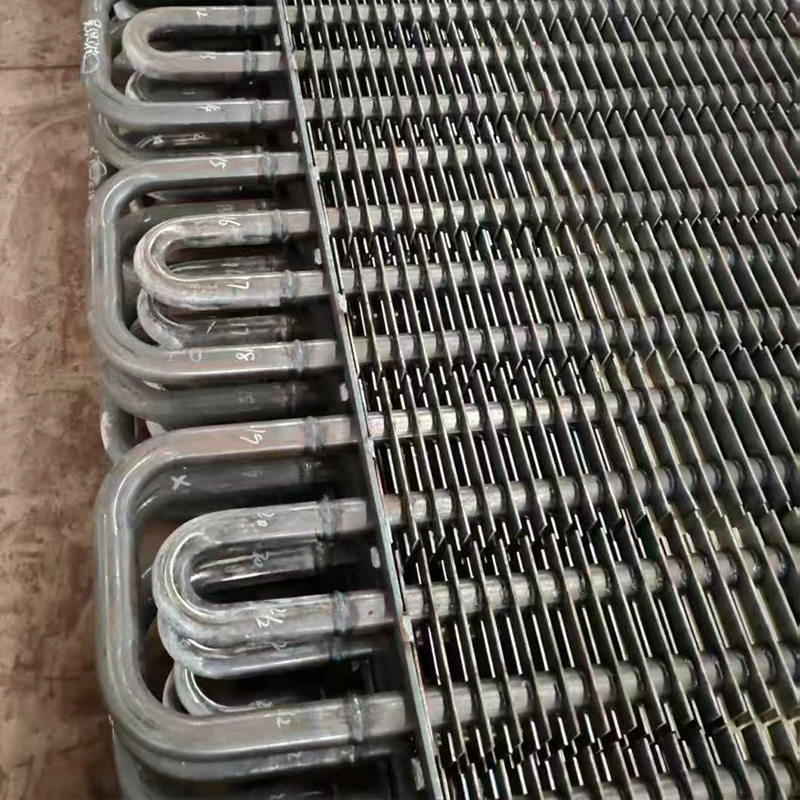
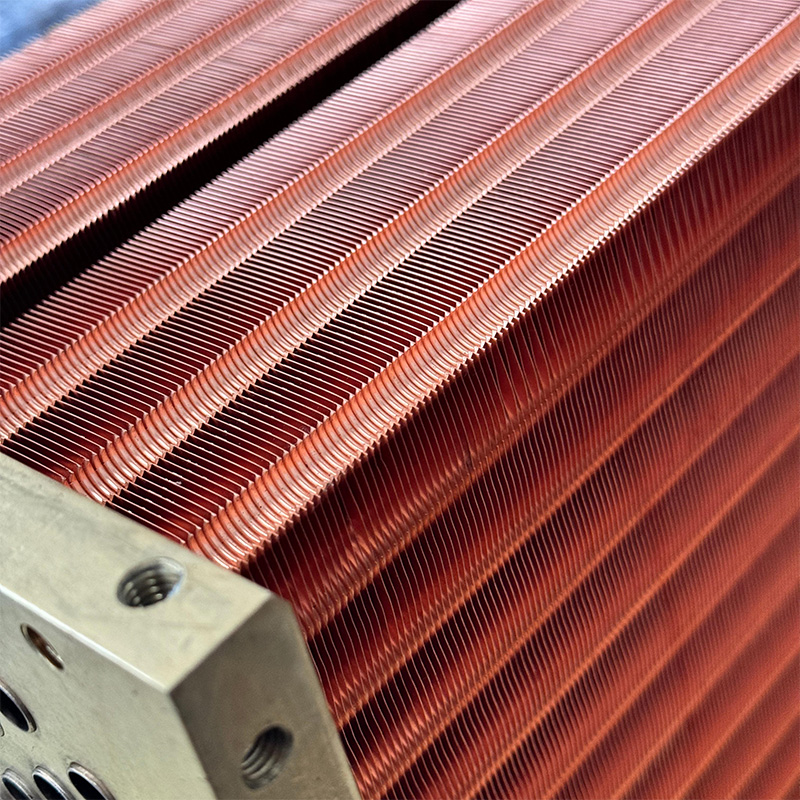
Specializing in the design and manufacture of advanced industrial solutions, Wuxi Kaisheng offers a wide range of high-quality equipment to complement storage systems. In addition to tanks, heat exchangers and waste heat boilers are critical elements of process chains. The company manufactures titanium shell-and-tube heat exchangers, ASME-standard high-pressure units, and corrugated tube bundles in 316 stainless steel, C46400 marine brass, C70600 copper-nickel alloys, and N06625 nickel alloys. Made from carbon steel, stainless steel, alloy steel, titanium and copper, these products are certified to international PED and ASME standards.
Wuxi Kaisheng products are characterized by exceptional corrosion resistance, thermal efficiency and the ability to operate under high pressure and extreme temperatures. Whether it is seawater desalination, shipbuilding or complex chemical processes, the company provides stable equipment and customized solutions to customers around the world. Combining rugged polypropylene storage systems with highly efficient heat exchange equipment from Wuxi Kaisheng creates the ideal infrastructure for modern industrial plants, providing long-term reliability and cost-effectiveness.
Frequently Asked Questions
What is the maximum volume of a spiral wound tank?
Technological limitations make it possible to produce containers with a volume of up to 1000 m³ or more. In practice, the most popular volumes are from 10 to 200 m³. For extremely large volumes (>500 m³), careful calculation of wind and snow loads, as well as reinforced reinforcement, is required. The diameter is usually limited by transport dimensions when delivering the finished product, but when installed on site, the diameter can reach 15–20 meters.
Is it possible to repair a damaged wall?
Yes, polypropylene is highly repairable. Mechanical damage (holes, scratches) are welded with an extruder using a filler rod made of the same material. It is important to clean the damaged area to a healthy layer and warm up the repair area. Chemical damage (deep corrosion) requires cutting out the area and installing a patch. Repairs do not affect the overall seal if performed by a qualified welder.
Can the tank withstand pressure?
A standard spiral-wound tank is atmospheric (operates under an excess pressure of no more than 0.05–0.1 bar). It is not intended to function as a pressure vessel. If the technology requires increased pressure, it is necessary to use a steel jacket or choose a different design. However, it confidently withstands short-term water hammer when filling due to the viscosity of the material.
How is winter operation carried out?
Polypropylene retains impact strength down to -20°C (for copolymers). At lower temperatures the material becomes brittle. In the northern regions (Yakutia, Far North), we recommend installing tanks in heated pavilions or using electrically heated thermal insulation. You cannot leave a container of water in the cold - the ice will expand and tear the walls, regardless of the material. Always drain the water or use antifreeze additives for technical purposes.
Conclusion and recommendations for implementation
Switching to plastic containers is a strategic decision to reduce operating costs.Spiral wound PP tankoffers the optimal balance between price, durability and safety. The technology eliminates the weak points characteristic of welded structures and provides flexibility in adaptation to the specific needs of the customer. Investments in quality polypropylene equipment pay off due to the absence of costs for anti-corrosion protection and repairs for decades.
Don't risk production safety to save money at the procurement stage. Дешевый резервуар может стать источником аварийной ситуации с серьезными экологическими и финансовыми последствиями. Выбирайте поставщиков с собственным производственным циклом, лабораторией контроля качества и опытом реализации сложных проектов. Наши инженеры готовы провести аудит ваших текущих потребностей и предложить индивидуальное решение, которое прослужит верой и правдой четверть века.
Если вы готовы обсудить параметры будущего резервуара или нуждаетесь в консультации по замене устаревших металлических емкостей, свяжитесь с нами сегодня. Мы подготовим технико-коммерческое предложение с детальным расчетом стоимости и сроков изготовления в течение 24 часов.Запросить расчет стоимости резервуараи получить консультацию ведущего технолога можно прямо сейчас.