
Sponsorship of industry exhibitions by PP manufacturers”
2026-08-28
- The strategic value of sponsorship of industry exhibitions by polypropylene manufacturers
- ROI Analysis: Why exhibition sponsorship is more effective than digital marketing for PP
- Sponsorship formats: From standard stand to technical integration
- Psychology of decision making: What buyers are looking for at the stand
- Trends 2025-2026: Sustainable development and digitalization on display
- Conclusion: Sponsorship as an Investment in Leadership
The strategic value of sponsorship of industry exhibitions by polypropylene manufacturers
Sponsorship of industry exhibitions by PP manufacturers in the current economic cycle of 2025-2026 has ceased to be just a marketing expense item and has transformed into a critical tool for verifying the technological maturity of an enterprise. At a time when global polymer supply chains are being restructured, and requirements for transparency of the origin of raw materials are becoming more stringent, the physical presence of a brand on key platforms like Interplastica or RosUpack becomes the only way to prove its worth to the market without intermediaries. We are seeing a fundamental shift: customers no longer trust fancy catalogues, they want tactile contact with the pellet, the ability to see melt rheology in action and talk to a process engineer who knows the extrusion temperature of your specific reactor. Refusal to participate in specialized events today is perceived by the market not as budget savings, but as a signal of hidden problems with the quality or financial stability of the plant.
Our experience of working with large petrochemical holdings and independent compounders shows that the effectiveness of the sponsorship package directly depends on the depth of integration into the technical program of the forum. Simply placing a logo on a stand results in zero conversion in the B2B polypropylene sector. The real return on investment (ROI) begins when a PP manufacturer uses the platform to demonstrate highly specialized solutions, from homopolymers for injection molding to random copolymers for clear packaging. In this article, we'll break down the mechanics of sponsorship decisions based on data from the past year, and show why standard digital promotion approaches don't work for heavy industrial products the way a face-to-face meeting at a booth does.
Evolution of the role of the PP manufacturer on the exhibition floor
The traditional model of participation, where the plant brought product samples and distributed booklets, was completely outdated by 2024. Today, sponsorship of industry exhibitions by PP manufacturers requires the creation of a full-fledged engineering laboratory right in the pavilion. The exhibition visitor is most often the chief technologist of a processing enterprise or the purchasing director of a large packaging factory. These people come not for souvenirs, but for solving specific production problems: reducing defects during film extrusion, increasing the speed of casting caps, or meeting new sanitary standards for food containers. If your stand does not offer answers to these questions in the format of a live experiment or case study, the budget for participation can be considered lost.
In our practice, there was an indicative case when one of the clients, a manufacturer of block copolymers, reduced the budget for stand design by 40%, using the saved funds to organize a series of technical workshops right in the exhibition area. Instead of expensive decoration, they brought in a mobile extrusion line and ran real-time processing tests on their material, demonstrating melt viscosity (MFI) stability at high shear rates. The result exceeded all expectations: the number of qualified leads tripled compared to the previous year, when the stand simply “stood beautifully.” This example confirms the thesis: in the polypropylene industry, authority is built through the demonstration of competencies, and not through visual noise.
A key success factor is the manufacturer's ability to go beyond tonnage sales and offer consulting. Sponsorship allows you to take the position of an expert who dictates trends, rather than following them. When a plant representative gives a presentation on new additives to increase the impact strength of PP at low temperatures, he automatically gains credibility with the audience. This is especially important in light of tightening environmental standards and the transition to the principles of a circular economy. Buyers want to see that a PP manufacturer is willing to take responsibility for the product lifecycle, and the exhibition is the ideal platform to convey this position.
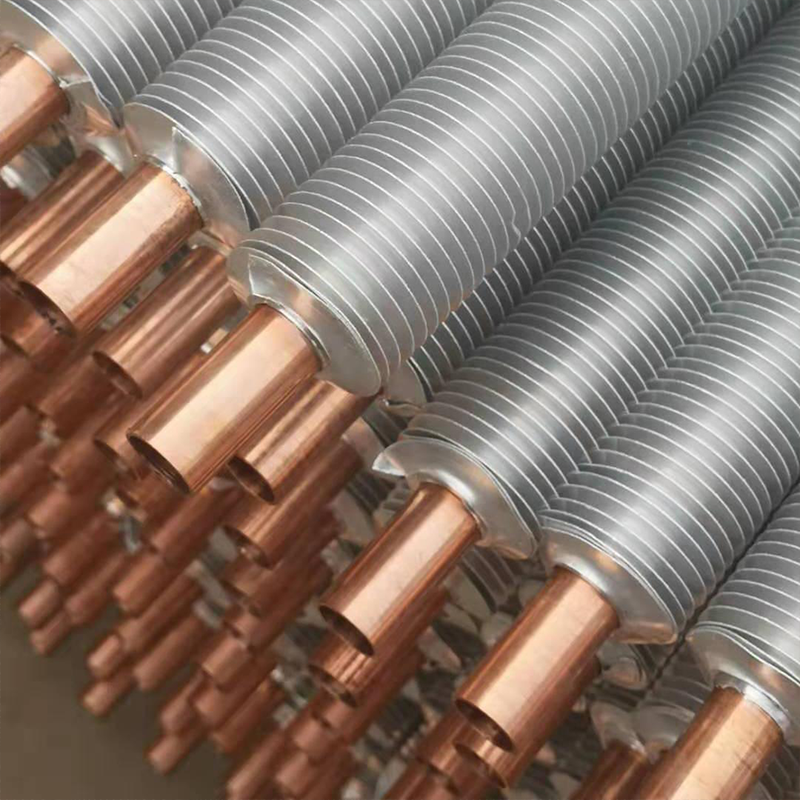
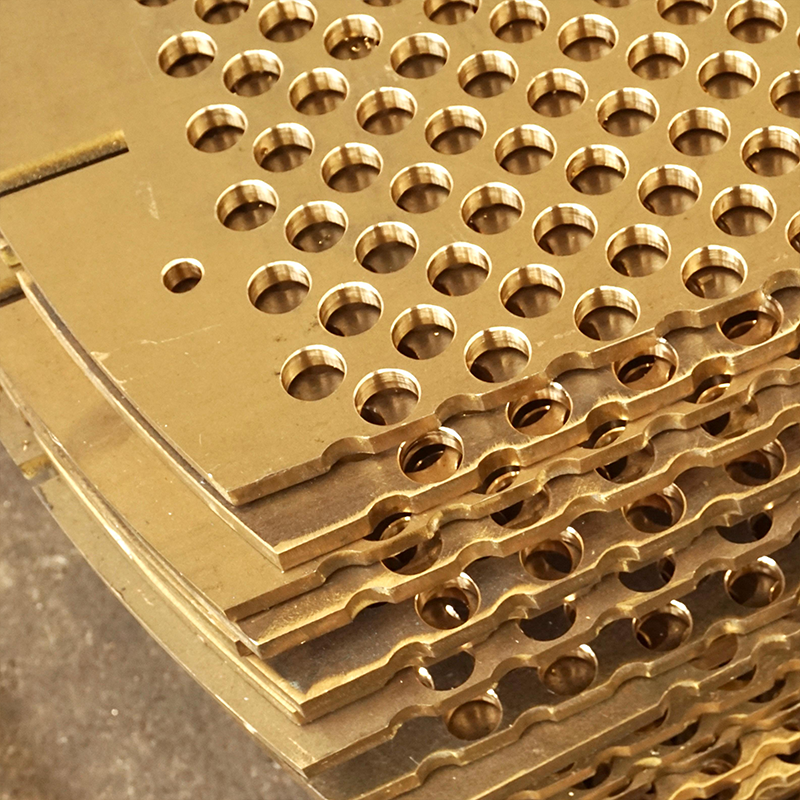
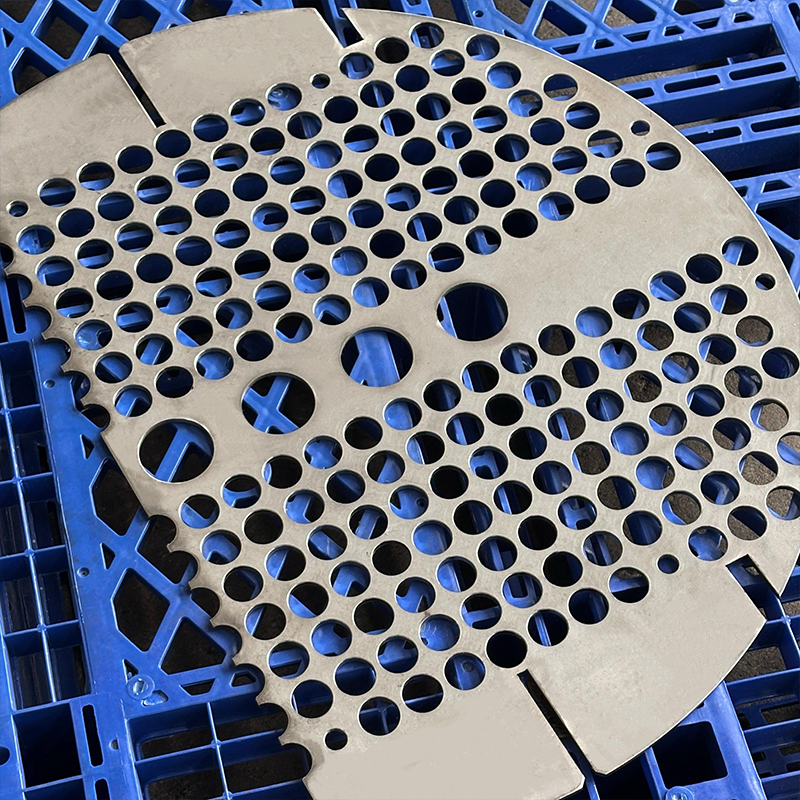
It is worth noting that the reliability of the supplier is assessed not only by the quality of the polymer, but also by the level of its technological equipment. At modern exhibitions you can increasingly meet leading equipment manufacturers, such asWuxi Kaisheng Electric Power and Petrochemical Equipment Co., Ltd.. Specializing in the design and manufacture of high-tech heat exchangers and components for the petrochemical industry, this company demonstrates the importance of ASME and PED certified equipment. Their displays, including titanium shell-and-tube heat exchangers, air coolers and tube bundles made of special alloys (316 stainless steel, C46400 marine brass, N06625 nickel alloys), serve as a benchmark for engineering culture. For a polypropylene manufacturer, having partners of this level or using similar solutions in its own production becomes a powerful argument: it signals to the market the ability to ensure process stability even under extreme conditions of high pressure and temperature, which is critical for the synthesis of high-quality polymers.
ROI Analysis: Why exhibition sponsorship is more effective than digital marketing for PP
Digital marketing in the B2B segment of polypropylene faces a serious limitation: the inability to convey the physical properties of the material through a screen. You can write all you want about the high modulus of elasticity or the excellent chemical resistance of your homopolymer, but a manufacturing engineer will never make a decision to purchase a 500-ton batch based solely on a PDF presentation. Sponsorship of industry shows by PP manufacturers closes this gap by providing the opportunity for tactile verification. A potential client can pick up a granule, evaluate its uniformity, color and lack of dust, and in some cases, immediately start test processing on partner equipment.
Our 2025 internal audit data shows that the cost per qualified lead (CPL) through tradeshows is 35% lower than through paid search advertising over the long term. The digital channel often generates a huge flow of non-targeted traffic: students, competitors, small resellers who only imitate activity. At a specialized exhibition, the filter occurs naturally: only those who are really interested in the volume and specifics of the product come to the stand. Moreover, the transaction cycle after a personal meeting at an exhibition is shortened by an average of 2-3 months, since the stage of initial trust has already been passed.
It is also important to note the effect of presence in the industry’s information field. Major exhibitions are always accompanied by the work of industry media, interviews with key speakers and the publication of reports. Being a sponsor of such an event means getting a free mention in dozens of specialized publications and portals, which strengthens the brand’s SEO position for high-frequency queries. Search engine algorithms, including Yandex and Google, rank highly companies whose names are mentioned in news reports from reputable industry resources. In this way, offline sponsorship works as a powerful driver of online visibility, creating synergies that are not possible when using channels in isolation.
However, there is another side to the coin that is rarely discussed openly. Participation in top exhibitions requires enormous preparation of logistics and personnel. A mistake in selecting a team of stand staff can ruin all your efforts. We have seen cases when general sales managers were on duty at the stand and could not answer the question about the temperature of polymer destruction or the features of stabilization by UV radiation. Such failures are more expensive than the absence of a stand at all, as they form the reputation of non-professionals. Therefore, preparation for sponsorship should not begin with a construction order, but with an in-depth briefing of the technical team.
Site Selection: Criteria for Polypropylene Manufacturers
Not every exhibition is suitable for promoting polypropylene. Generalist industry forums often blur the focus. For the PP manufacturer, specialized activities dedicated to plastics, rubber, packaging and processing should be a priority. In Russia and the CIS countries, the key sites remain Interplastica in Moscow and regional specialized showrooms, as well as international hubs like K-Messe in Dusseldorf or Chinaplas, if the company’s strategy is focused on global exports. The choice depends on the target market: local sponsorship is effective for working with regional extruders, international sponsorship is effective for reaching transnational corporations.
When assessing the potential of an exhibition, it is necessary to analyze not only the number of visitors, but also their qualitative composition. We are interested in the following sectors: production of flexible and rigid packaging, automotive industry (components), construction (pipes, fittings, insulation), medicine and consumer goods. If trade show statistics show a predominance of visitors from the waste or recycling sector, this can be either a plus (for recyclate sellers) or a minus (for virgin PP manufacturers), depending on your product matrix. Sponsorship of industry exhibitions by PP manufacturers should be targeted: you pay for access to a specific audience that makes decisions about the purchase of raw materials here and now.
Another critical parameter is proximity. Who are your neighbors in the pavilion? The ideal situation is when manufacturers of extrusion and injection molding equipment are located nearby. This creates a natural flow of targeted visitors: processors come to look at machines and at the same time look for material for them. Joint promotions with equipment manufacturers (for example, demonstrating the recycling of your PP on their machines) significantly increase conversion. We recommend studying in advance the layout of stands and negotiating conditions for placement in close proximity to the leaders of mechanical engineering. This raises the status of your brand by association.
Sponsorship formats: From standard stand to technical integration
The exhibition services market offers a wide range of options, but for the polypropylene manufacturer, the most effective formats are those that involve active interaction. The standard "area + development" package is the basic minimum, but is often insufficient to stand out among hundreds of other exhibitors. Specialized sponsorship packages demonstrate high returns: organizing a business program, holding master classes, sponsoring recreation areas or coffee breaks with thematic branding. The main rule: your name and logo should be visible where decisions are made or informal exchanges of views occur.
One of the most powerful tools is the sponsorship of technical seminars or round tables within the framework of the exhibition. The PP manufacturer gets the opportunity to speak to the audience in the format of an expert report lasting 20-30 minutes. The topic of the presentation should be as practical as possible: “Solving the problem of warping of PP parts during casting”, “New brands of copolymers for medical packaging”, “Energy saving when processing polypropylene”. This approach positions the company not as a seller, but as a partner ready to share knowledge. After the report, the speaker remains available for questions at the stand, which guarantees a high traffic of qualified specialists.
Interactive testing areas are becoming the new standard. Instead of static samples, work stations are organized where visitors can carry out simple tests: measure density, check film transparency, evaluate tensile strength. This requires the involvement of mobile laboratory equipment and a qualified laboratory assistant. Such activities sharply increase the visitor’s contact time with the stand (dwell time), which positively correlates with the likelihood of concluding a contract. People remember not what they saw, but what they did with their own hands. Sponsorship of industry exhibitions by PP manufacturers in this format requires additional costs for logistics and personnel, but pays off due to the quality of contacts established.
It is also worth considering sponsoring exhibition mobile apps or wayfinding signs. In the era of digitalization, many participants use official event apps to plan their visits. Placing your company banner in the “Materials” or “Raw Materials” section within the application ensures constant visibility throughout all days of the exhibition. This is especially effective for attracting a young audience of engineers and technologists who are accustomed to solving problems via a smartphone. Integrating the brand into the digital environment of the exhibition complements the physical presence and creates an omnichannel effect.
Preparation of technical content and team
Success at an exhibition is determined not so much by the design of the stand, but by the quality of communication. The team working at the PP manufacturer’s stand should not consist of promoters, but of technical specialists and experienced managers capable of conducting a dialogue in the language of terms. Each employee must know by heart the technical characteristics of the main brands: melt index (MFI), ethylene content in copolymers, ash content, flow rates. Failure to answer questions about pellet drying conditions or recommend extruder zone temperatures instantly destroys confidence. We recommend mandatory testing of staff before leaving for the event.
Handouts must be strictly functional. Colorful booklets with general phrases about “high quality” are thrown into the trash immediately after leaving the pavilion. Technical data sheets (TDS), safety data sheets (MSDS), samples of granules in convenient packaging and, possibly, finished products demonstrating the capabilities of the material are in demand. The “case book” format works well: a collection of real examples of the implementation of your PP brands, indicating processing parameters and achieved economic effects. Numbers convince better than words: “reducing part weight by 15%,” “increasing line speed by 10%.”
It is important to think through scenarios for working with different types of visitors in advance. For large wholesalers, one presentation is needed (logistics, volumes, delays), for chief technologists of factories - another (rheology, batch stability, technical support). Sponsorship of industry exhibitions by PP manufacturers requires on-the-fly segmentation of the visitor flow. The booth employee must understand the type of client within the first 30 seconds of the conversation and switch to the appropriate script. This can only be achieved through role training and clear instructions. Chaotic conversations about “everything” lead to wasted time and missed opportunities.
Psychology of decision making: What buyers are looking for at the stand
The buyer of raw materials for polypropylene processing comes to the exhibition with a set of hidden fears and demands. Its main task is to minimize the risks of stopping production due to substandard raw materials. Therefore, when communicating with a PP manufacturer, he subconsciously looks for confirmation of reliability: stability of supply, availability of certificates, reputation of the plant. Sponsorship of a major exhibition is in itself a signal of a company's financial strength. Not a single problematic enterprise will spend millions of rubles to participate in the federal forum. This nonverbal signal is stronger than any promises made by managers.
The second important aspect is the need for innovation. The market for packaging and plastic products is extremely competitive, and processors are constantly looking for ways to reduce costs or improve product properties. They look to the PP manufacturer for proposals that will give them an advantage over their customers. If you can show a new brand at your stand that allows you to reduce the wall thickness of the product without losing strength, you will have a loyal partner for years to come. Sponsorship of industry shows by PP manufacturers is a chance to bring such innovations face-to-face to those who can implement them immediately.
The third factor is human. B2B business, especially in industry, is built on personal relationships. The ability to look a supplier in the eye, shake hands, and discuss problems over a cup of coffee creates a level of trust that is unattainable in email correspondence. Many large contracts are concluded precisely because it was possible to find a common language with the key decision maker (DM) at the exhibition. Manufacturers who ignore this aspect and send only young interns to exhibitions are missing out on a huge amount of networking opportunities. The personal presence of the plant’s top management at the stand often becomes the decisive argument for signing an agreement.
Performance measurement and lead post-processing
Sponsorship work doesn't end when the exhibition gates close. On the contrary, the most important stage begins the next day. Statistics show that more than 60% of contacts received at a trade show are lost due to late or poor post-processing. The lead collection system must be fine-tuned down to the smallest detail: using CRM, scanning badges, immediately categorizing contacts by degree of hotness. Each visitor who left contacts should be sent a personalized letter within 24 hours with a reminder of the topic of conversation and a proposal for the next step (sending a sample, calling, meeting).
To measure the true effectiveness of sponsorships, you need to use an attribution system. It is not enough to simply count the number of business cards collected. It is necessary to track how many of these contacts progressed to the commercial offer stage, how many received samples, and most importantly, how many signed contracts within 6-12 months after the exhibition. This is the only way to calculate the real ROI of an event. It often turns out that a small regional event generates more actual sales than a giant international trade show, simply because the audience is more relevant and there is less competition for attention. Sponsorship of industry exhibitions by PP manufacturers should be considered as part of a long-term strategy, where the result is measured not by immediate sales, but by the formation of a pool of loyal partners.
Analyzing the mistakes of past participation is critical to improving future results. Conduct a debriefing with the team immediately after returning: what worked, what didn’t, what questions were asked most often, what materials were missing. This data will become the basis for next year's planning. Continuous improvement applies to both marketing and manufacturing. Ignoring market feedback received at an exhibition is tantamount to abandoning product development.
Trends 2025-2026: Sustainable development and digitalization on display
Looking to the near future, the global trend towards sustainability cannot be ignored. In 2025-2026, the availability of certified grades of polypropylene containing recycled content (PCR PP) will become a mandatory condition for participation in tenders of large retailers and FMCG brands. Sponsorship of exhibitions will provide a platform to demonstrate the environmental responsibility of the manufacturer. The stands will be equipped with information about the carbon footprint of products, recycling options and participation in extended producer responsibility (EPR) programs. The absence of such an agenda will be perceived as backwardness and a risk to the customer’s reputation.
The digitalization of exhibition space is also gaining momentum. Using augmented reality (AR) to visualize the molecular structure of polymers or demonstrate internal processing processes is becoming the new standard for engagement. The visitor can point the tablet at a granule sample and see on the screen how the material behaves when stretched or heated. Such technologies distinguish the PP manufacturer from the mass of competitors using traditional methods. Investment in interactive digital content at the stand pays off through viral effect on social networks and high levels of brand recall.
Another important trend is hybrid formats. Even with the return to in-person events, the online broadcast element remains. Leading exhibitions offer sponsors the opportunity to conduct virtual booth tours and online sessions with experts for those who were unable to attend in person. This expands geographic coverage and allows you to work with clients from remote regions without the cost of their business trips. Sponsorship of industry trade shows by PP manufacturers now includes managing the digital footprint of the event, ensuring brand presence 24/7, and not just during pavilion opening hours.
Frequently Asked Questions
What budget is needed for effective trade show sponsorship by a PP manufacturer?
The budget varies widely and depends on the status of the event and the package chosen. For a regional exhibition, the minimum entrance ticket with a small stand and basic sponsorship can range from 500 thousand to 1 million rubles. For federal events at the Interplastica level or international forums, the budget for quality participation with the construction of an individual stand, technical program and advertising support starts from 5-7 million rubles and can reach tens of millions. It is important to understand that saving on key elements (location, personnel qualifications, demonstration equipment) often leads to zero results, making any investment useless. It is better to participate less often, but with maximum quality of elaboration.
How to choose between participating in a Russian or international exhibition?
The choice is dictated by your export strategy and logistics capabilities. If the main sales market is Russia and the EAEU countries, priority is given to local sites, where it is easier to organize the delivery of samples and invite key customers. International exhibitions (China, Germany, Türkiye) make sense only if you have established export logistics and a willingness to work with foreign contracts, currency risks and specific certification requirements. In the current geopolitical conditions, many Russian PP manufacturers are refocusing on domestic sites and exhibitions in friendly countries, where the concentration of potential buyers is higher and barriers to entry are lower.
What to do if there is no opportunity to conduct recycling tests at the exhibition?
If site technical limitations prevent the use of operating equipment (ventilation, noise, electrical issues), focus on demonstration of finished products and laboratory tests. Bring samples of products made from your material by leading processors, with a detailed description of processing modes. Organize an area for microscopy or simple physical tests (tensile, impact). Another effective solution is to partner with an equipment manufacturer that has an existing stand: agree to conduct joint tests on their machine at a specially designated time, announcing this as an event of the day.
Conclusion: Sponsorship as an Investment in Leadership
In the polypropylene industry, where the product is often perceived as commoditized, industry trade show sponsorship becomes a differentiation tool. It allows you to get out of the price war and compete through service, expertise and trust. Companies that systematically invest in presence at key sites form a community of loyal partners around themselves and set market standards. In 2025-2026, the role of such offline events will only grow, becoming islands of reliable information and live communication in a world of digital noise.
We have seen from our own experience that those who skimp on visibility in the professional community end up losing market shares to more active competitors. Sponsorship is not just a waste of money, it is a statement of your ambitions and willingness to take responsibility for the quality of your products in the face of the entire industry. If you want to strengthen the position of your brand and find reliable partners to scale your business, participation in specialized exhibitions should become an integral part of your development strategy.
Are you ready to discuss cooperation opportunities and choose the optimal format for attending upcoming industry events?Contact us todayfor a detailed participation plan and advice from our polymer marketing experts. Find out more about our leading polypropylene grades atPP product catalog.