
Technical regulations for polyethylene products”
2026-09-14
- Why technical regulations for polyethylene products determine the success of the deal in 2026
- The structure of the regulatory framework: which regulations are really important for polyethylene
- Critical quality parameters: from molecular weight to crack growth rate
- Conformity confirmation procedure: declaration or certificate?
- Typical mistakes during import and production leading to defects
- Comparative analysis of requirements: Gas vs Water vs Sewerage
- The impact of the new environmental standards of 2026 on production
- Practical steps to legalize a batch of products
- Integrated solutions for the oil and gas and energy industries
- Frequently Asked Questions
Why technical regulations for polyethylene products determine the success of the deal in 2026
Technical regulations for polyethylene products are not just a bureaucratic formality, but a fundamental barrier to entry into the Eurasian Economic Union (EAEU) market, which in 2026 has become stricter than ever before. In our practice of working with dozens of production lines, we have observed cases where batches of pipes and fittings worth more than 50 million rubles were seized at customs or returned to the supplier solely because the labeling did not comply with the requirements of TR CU 004/2011 or the lack of an up-to-date test report according to new GOST methods. Ignoring these standards leads to direct financial losses and reputational risks, which cannot be compensated by the low price of raw materials. Understanding the structure of regulatory requirements allows purchasers and engineers to avoid downtime in construction and production, ensuring uninterrupted delivery of critical infrastructure components.
The current situation in the polymer market dictates new rules of the game: having a certificate of conformity has become a prerequisite for participation in government tenders and large industrial projects. We analyzed changes in legislation over the past year and identified key points of tension between manufacturers and regulatory authorities. This article was written by process engineers with 15 years of experience, who daily face the need to legalize polyethylene products in the face of increasingly stringent quality control. Here you will find not theoretical calculations, but specific algorithms of action, tested on real objects from main gas pipelines to internal water supply systems of high-rise buildings.
The structure of the regulatory framework: which regulations are really important for polyethylene
The basis for regulating the turnover of polymer products in the EAEU countries is the system of technical regulations of the Customs Union, which replaced outdated national standards with a single legal field. For polyethylene products, three main documents are of paramount importance, each of which covers a specific safety aspect. The first and most obvious is TR TS 004/2011 “On the safety of low-voltage equipment”, which, contrary to the name, often affects polyethylene cable ducts and insulating materials used in electrical engineering. However, the core of regulation for pipes, sheets and containers is TR CU 010/2011 “On the safety of machinery and equipment”, which applies to equipment operating under excess pressure, where polyethylene pipes are an integral part of the system.
TR CU 007/2011 “On the safety of products intended for children and adolescents” remains the most critical for our industry when it comes to plastic utensils or toys, but for the industrial segment the main document is the profile regulation establishing hygienic and mechanical requirements. In 2025-2026, regulatory authorities will pay special attention to the migration of harmful substances from polyethylene into contacting media, especially for drinking water supply pipes. Our experts note an increase in the number of refusals to issue declarations specifically based on the parameter of chemical resistance and durability under cyclic loads. Manufacturers who use recycled materials without proper purification are unable to pass laboratory tests using new, more sensitive methods for detecting volatile organic compounds.
It is important to understand the hierarchy of documents: technical regulations have the highest legal force, and interstate standards (GOST) serve as a tool for proving compliance with these regulations. The use of standards becomes voluntary only if the manufacturer has developed its own technical specifications (TS) that provide a level of safety no lower than that required by the regulations. In practice, 95% of successful certifications are based on strict compliance with GOST R 52134 for pressure pipes and GOST R 50838 for gas pipelines. Violation of this “Regulations + Standard” combination is the most common reason for the cancellation of permits during unscheduled inspections of RosAccreditation.
We recommend that before commencing production or import, an audit of the technical documentation is carried out to ensure that the reference standards are up to date. It often happens that a plant operates according to GOST standards of 2010, while changes have been made to the text of the regulations requiring the use of the 2024 or 2025 editions. This gap leads to the fact that products that perfectly comply with the old standard are automatically recognized as unsafe according to the new criteria. Check the current versions of standards in the Rosstandart information system to avoid a situation where finished products cannot be legalized.
Critical quality parameters: from molecular weight to crack growth rate
When assessing the compliance of polyethylene products with technical regulations, engineers focus on a number of physical and mechanical indicators that directly affect the service life of the product under real operating conditions. The central parameter is the minimum continuous strength (MRS), which classifies the material into grades PE80 and PE100. In our practice, we encountered a situation where the supplier declared the PE100 class, but independent tests showed characteristics corresponding only to PE63, which, at an operating pressure of 10 atmospheres, led to a pipeline rupture after 18 months instead of the guaranteed 50 years. This was due to the use of a cheap catalyst during polymerization, which reduced the uniformity of the molecular structure.
The second critical factor that is often overlooked by purchasers is Slow Crack Growth (SCG) resistance. It is this parameter that determines the ability of the pipe to withstand point loads from stones in the trench or uneven settlement of the soil. Technical regulations require testing using the Full Notch Creep Test (FNCT) method, the time before failure of the sample must be at least 8760 hours under certain conditions. We have seen cases where pipes that successfully passed hydraulic tests at the factory were destroyed during installation due to low resistance to crack propagation caused by improper extrusion mode and internal stresses in the product wall.
Thermal stability and carbon black content are critical for polyethylene intended for outdoor use, especially in gas networks. According to the requirements, the soot content must be in a strict range of 2.0–2.5%, and the dispersion of the soot must be high to provide uniform UV protection. Deviation in any direction leads to catastrophic consequences: an excess of soot reduces the impact strength of the material, making the pipe brittle in the cold, and a deficiency leads to photodestruction of the polymer and loss of strength in the first years of operation. Laboratories must check this parameter using thermal analysis, and any discrepancy is grounds for rejecting the entire batch.
Hygiene indicators for drinking water pipes include tests for the migration of chemicals into water at different temperatures. Regulations set maximum permissible concentrations (MACs) for phenol, formaldehyde and heavy metals that may be released from stabilizers or dyes. In 2026, chromatography techniques have become so sensitive that they can detect trace amounts of contaminants that were previously considered harmless. Manufacturers who skimp on high-quality pigments for color marking (blue stripe for water, yellow stripe for gas) risk receiving a positive migration test result, which automatically blocks access of products to housing and communal services facilities.
Be sure to ask the supplier not just a certificate, but a complete test report with a decoding of all the above-mentioned parameters. Often the certificate will include the general phrase “complies with requirements,” but without specific MRS numbers and FNCT results, this document does not guarantee durability. Compare the protocol data with your facility's design requirements: if the design involves operating in sub-zero temperatures, ensure that the cold resistance rating is confirmed by testing at -40°C or below, rather than the standard +20°C.
Conformity confirmation procedure: declaration or certificate?
The choice of the form of confirmation of conformity depends on the type of product and its field of application, and an error at this stage can lead to the document being invalidated. For most types of polyethylene pipes used in utility networks (water supply, sewerage, heating), it is possible to issue a declaration of conformity based on the manufacturer’s own evidence or protocols from an accredited laboratory. However, for pipes intended to transport gaseous fuels under pressure, as well as for products in contact with drinking water in centralized water supply systems, mandatory third-party certification is required with the participation of a testing laboratory and production inspection control.
The process of obtaining a certificate begins with the selection of samples, which must be carried out according to strict rules: a representative of the certification body personally goes to the warehouse or production site, packs the samples and seals them to prevent substitution. In our practice, there was a case when a batch of pipes was rejected because the samples were selected by the manufacturer himself and delivered to the laboratory without the accompaniment of an expert, which violated the identification procedure. After selection, the samples undergo a full cycle of tests in a laboratory accredited in the national system, and test reports must be documented in the unified EAEU register with a unique number assigned.
Analysis of production status is an integral part of the certification scheme, especially for serial production. Experts evaluate the quality management system, the availability of incoming inspection of raw materials, the calibration of measuring instruments and the qualifications of personnel. If production is located outside the EAEU, for example, in China or Turkey, inspection control can be carried out remotely or with the involvement of accredited partners, but the documentation requirements remain unchanged. The manufacturer is required to provide a process sheet, raw material specifications and internal testing reports for each batch. The lack of a full-fledged system for tracking raw materials from granules to finished pipes often becomes an obstacle to obtaining a certificate.
The validity period of the certificate varies from one year to five years, depending on the chosen scheme and the results of the production analysis. A certificate for serial production valid for 5 years requires annual inspection control, during which samples are repeatedly taken and compliance with production conditions is checked. The declaration of conformity is registered for a period of up to 5 years, but responsibility for the accuracy of the data lies entirely with the applicant. If inconsistencies are identified during market surveillance, the declarant is obliged to immediately suspend production of products and withdraw the declaration, otherwise he will face large fines and disqualification.
Before submitting your application, ensure that your partner laboratory has a valid accreditation certificate for the exact test methods required for your type of polyethylene. A common mistake is the use of protocols issued by laboratories whose certificates have expired or lack the required scope of accreditation. Such documents are not accepted by the registration authorities, and the whole process has to be started all over again, wasting time and money. Check the status of the laboratory in the RosAccreditation register or a similar register in the host country.
Typical mistakes during import and production leading to defects
One of the most common problems is the non-compliance of labeling with the requirements of technical regulations, which seems like a trifle, but in practice leads to a ban on the sale of products. The marking must contain the name of the manufacturer, trademark, material designation (PE80, PE100), dimensional parameters (SDR, diameter, wall thickness), date of manufacture and batch number. We encountered a situation where a large distributor received a fine for the fact that the pipes were not marked “for drinking water” in Russian, although all physical parameters were normal. The requirements for the readability and durability of markings are also strict: they should not be erased during transportation and storage in the open air.
Using unsuitable raw materials or mixing different grades of polyethylene in one extrusion line is a gross violation of technological discipline. Manufacturers sometimes try to reduce the cost of products by adding regranulate of unknown origin or mixing PE100 with cheaper PE80. Such actions lead to heterogeneity in the structure of the pipe wall, which sharply reduces its resistance to rapid crack propagation (RCP). When tested for impact strength, such pipes show a scatter of results beyond the tolerance limits, and the entire batch must be discarded. Control of input raw materials using IR spectrometry should be a mandatory procedure for each bag of granules.
Violation of temperature conditions for storage and transportation of finished products is also classified as non-compliance, especially for large-diameter pipes. Polyethylene is sensitive to overheating: storing coils or pipes in the sun without shelter in the summer can lead to deformation and a decrease in strength characteristics due to irreversible changes in the structure of the polymer. Regulations require compliance with temperature conditions and protection from UV radiation. We have recorded cases where pipes that had been lying in an open area over the summer without a cover lost up to 15% of their strength, which was revealed only during subsequent hydraulic tests at the facility.
An incorrect choice of connection method can also cause system failure, even if the pipes themselves are certified. Technical regulations require the use of only those welding methods (butt welding, electrofusion) that are recommended by the material manufacturer and confirmed by compatibility tests. The use of cheap Chinese welding machines without temperature and pressure calibration leads to the formation of cold seams that collapse under load. Installation instructions must be supplied with the product, and the absence of such instructions in Russian is a violation of consumer rights and regulatory requirements.
Implement a system of incoming control of each batch of raw materials with mandatory testing of the melt flow index (MFI). A spread in MFR of more than 20% of the nominal value indicates instability of the polymerization process and threatens problems during extrusion. Regularly audit your warehouse premises for compliance with temperature and humidity conditions, recording data in logs. These simple measures will prevent 80% of problems associated with complaints about the quality of finished products.
Comparative analysis of requirements: Gas vs Water vs Sewerage
Various applications of polyethylene products impose specific requirements within the framework of general technical regulations, and understanding these differences is critical to the correct choice of material. Below is a detailed table comparing key parameters for the three main uses, based on current 2026 regulations.
| Comparison parameter | Gas supply (GOST R 50838) | Water supply (GOST R 52134) | Pressure sewer |
|---|---|---|---|
| Material grade | PE100 only, black with yellow stripes | PE80 or PE100, black with blue stripes or completely blue | Mainly PE100, orange or gray color |
| Resistance to rapid crack growth (RCP) | Mandatory test according to ISO 13478, critical pressure > 10 bar | Recommended for diameters > 250 mm, not always necessary for small diameters | Required for pressure systems, less stringent requirements than gas |
| Soot content | Strictly 2.0–2.5%, high dispersion | 2.0–2.5% for black pipes, no soot for colored pipes | Depends on the color, other stabilizers are used for orange pipes |
| Hygienic requirements | No influence on gas composition, tightness | Strict control of substance migration, compliance with SanPiN | Minimum requirements, the main thing is chemical resistance to effluents |
| Safety factor | High (usually at least 2.5–3.0 due to explosiveness) | Average (1.25–1.6 depending on the operating class) | Low, designed for water hammer |
The table shows that gas pipes have the most stringent safety requirements, especially in terms of preventing rapid destruction. The use of water pipes for gas supply is strictly prohibited, even if they have the same diameter and SDR, since the difference in material requirements and quality control is too great. On the contrary, the use of gas pipes for water is technically possible, but is not economically feasible due to their high cost and redundant characteristics. For sewer systems, the key factor is the chemical aggressiveness of the environment, so resistance to surfactants and solvents is more important here than long-term strength at high pressure.
When designing networks, always choose a material with a margin of strength class, especially if the route runs in areas with high seismic activity or difficult geological conditions. For critical components, we recommend using pipes made of PE100-RC (Resistance to Crack), which have increased resistance to point loads. This solution is a little more expensive, but eliminates the risk of accidents, the cost of eliminating which is many times greater than the savings on materials.
The impact of the new environmental standards of 2026 on production
In 2026, new environmental requirements regarding the carbon footprint of polymer products and their recyclability came into force. Technical regulations now require an indication of the percentage of recycled content, if used, and a guarantee of its safety. Manufacturers who previously freely added up to 30% regranulate to products for non-pressure systems are now required to undergo additional certification of these raw materials. This led to an increase in production costs and a revision of recipes by many factories towards the use of only high-quality virgin polyethylene.
Energy efficiency standards for the pipe production process itself have also been tightened. Factories are required to implement energy consumption and emissions monitoring systems, data from which may be requested during inspections. Products produced on outdated equipment with high energy consumption may be included in the “green stop list” of large developers working according to sustainable development standards. This creates a new vector of competition, where manufacturers with a modern fleet of extruders and a heat recovery system gain an advantage.
Product packaging has also come under the radar of regulators: the use of non-recyclable plastic films for packaging coils is being limited. Manufacturers are switching to paper packaging or biodegradable materials, which affects logistics and the cost of the final product. Ignoring these trends may lead to the fact that your products will simply not be allowed to participate in tenders of state corporations that have taken a course towards greening procurement.
Start auditing your production for compliance with new eco-standards now, without waiting for mandatory implementation. The introduction of separate collection of production waste and optimization of energy consumption will become your competitive advantage when working with large federal customers. Prepare an environmental passport for your products, which will transparently indicate all the environmental impact parameters.
Practical steps to legalize a batch of products
To successfully bring products to market, it is necessary to follow a clear algorithm of actions that minimizes the risks of failure. The first step is to conduct a preliminary examination of technical documentation and samples in an independent laboratory. This will allow hidden defects to be identified before the official certification procedure begins. The second step is to select a certification body with an impeccable reputation and valid accreditation specifically for your product group. The third step is to prepare the production site for inspection, including organizing quality control logs and calibrating equipment.
The fourth step is to select samples and conduct tests with the presence of an expert. It is important to personally monitor the selection process to ensure that the sample is representative. The fifth step is to analyze the received protocols and register a declaration or obtain a certificate. After registering the document, it is necessary to apply markings to the products in strict accordance with the requirements of the regulations. Only after all these stages have been completed, the product is considered legal and ready for sale.
Do not try to save money at the laboratory testing stage by using “gray” schemes or purchasing ready-made protocols. The system of interdepartmental interaction in the EAEU makes it possible to instantly identify counterfeit documents, and the consequences for business can be fatal. Trust only accredited laboratories with a transparent work history.
Integrated solutions for the oil and gas and energy industries
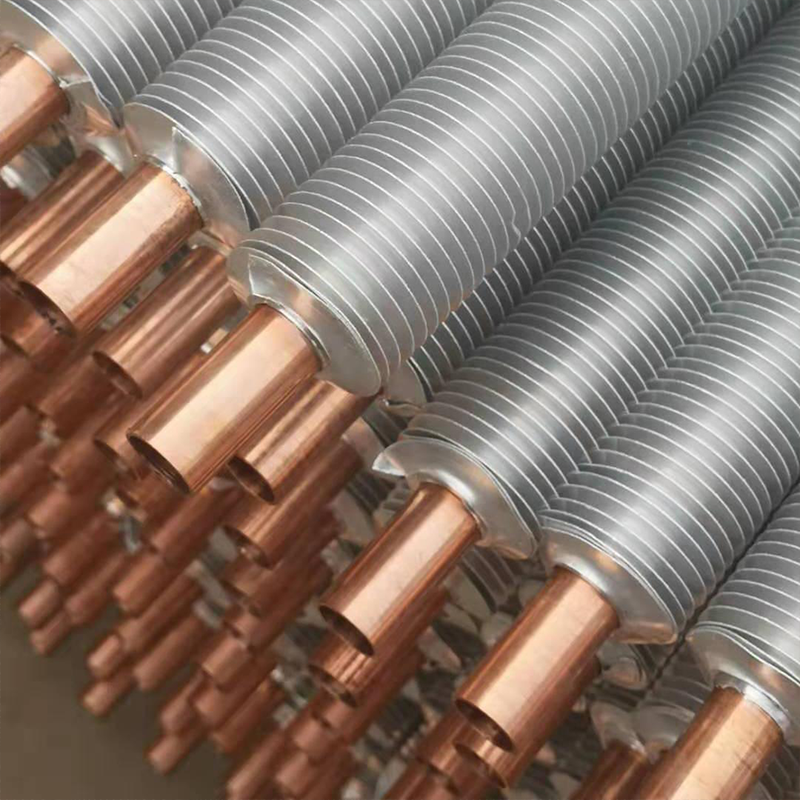
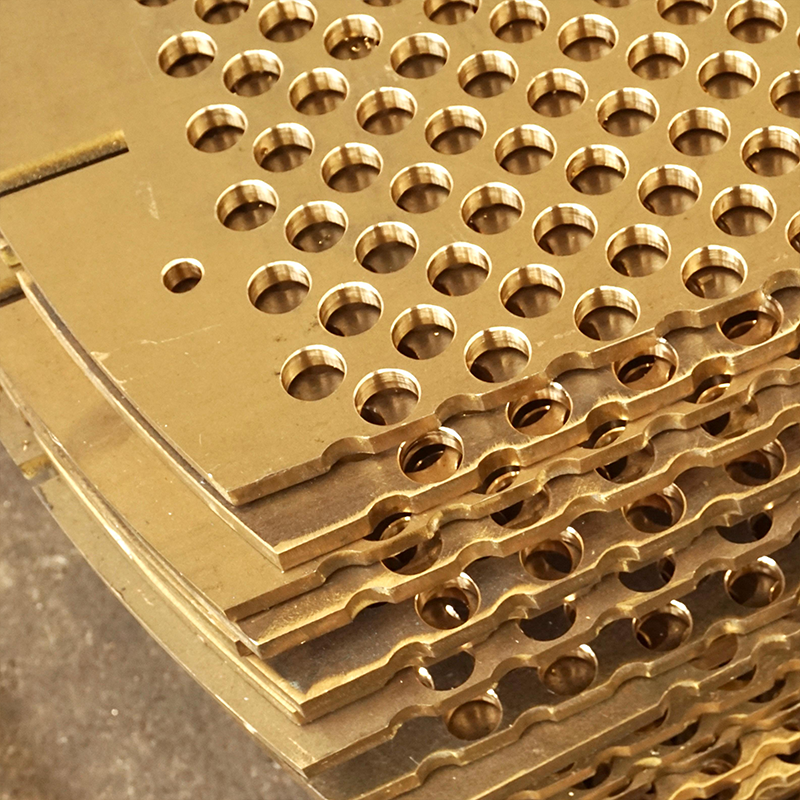
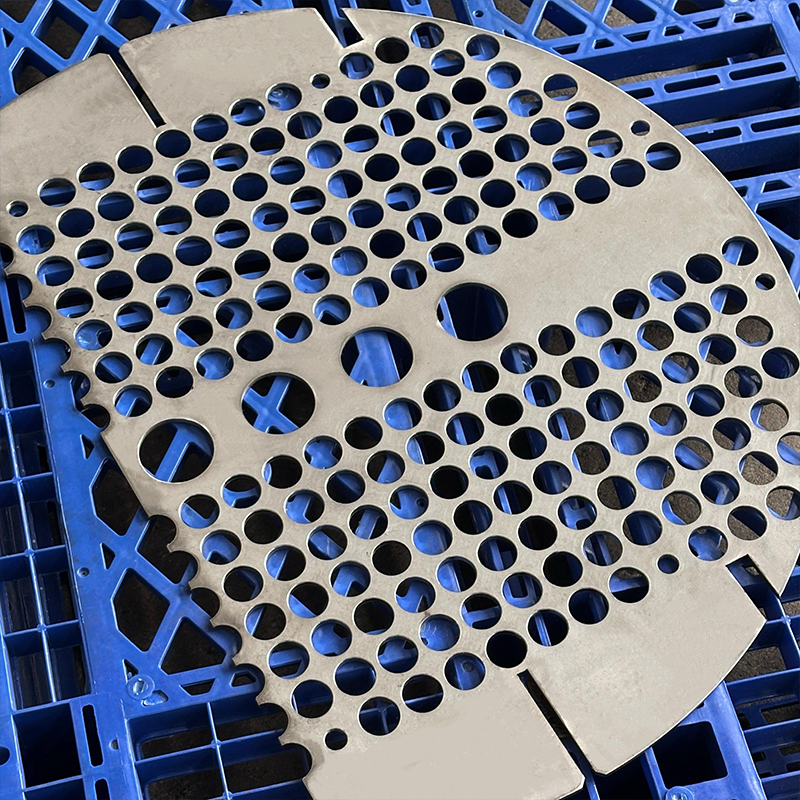
Compliance with technical regulations becomes especially critical when integrating polymer systems into complex industrial complexes, where the reliability of each component determines the safety of the entire process. In this context, it is important to note the company's experienceWuxi Kaisheng Electric Power and Petrochemical Equipment Co., Ltd., which specializes in the development and production of high-tech equipment for oil refining, petrochemicals and energy. While the company's primary focus is on heat transfer equipment (titanium shell-and-tube heat exchangers, air coolers, waste heat boilers) and specialty alloy components (316 stainless steel, C46400 marine brass, N06625 nickel alloys), their approach to quality and certification serves as a benchmark for the entire industry.
Wuxi Kaisheng LLC products, certified to international ASME and PED standards, demonstrate the highest corrosion resistance and resistance to extreme pressures and temperatures. This experience in creating reliable solutions for aggressive environments directly correlates with the requirements placed on polyethylene pipes today in similar operating conditions. The company provides customized solutions to customers around the world, emphasizing that regardless of the material - be it a complex metal alloy or an advanced polymer - the foundation for success is strict regulatory compliance and deep quality control at every stage of production. Partnering with professionals like Wuxi Kaisheng LLC ensures that your infrastructure projects are equipped with equipment that can withstand the toughest challenges of today's industry.
Frequently Asked Questions
Can one certificate be used for pipes of different diameters?
Yes, this is possible if all the pipes are made from the same material (the same brand of polyethylene), using the same technology and using the same production equipment. In this case, they are combined into one group of homogeneous products. However, if the grade of raw material changes (for example, from PE80 to PE100) or the production technology (extrusion versus casting), a separate conformity assessment will be required. In our practice, we always recommend including in the certificate the entire range of diameters that are planned for production in order to avoid repeated procedures when expanding the range.
How long will it take to get certified in 2026?
The standard period for obtaining a certificate for serial production ranges from 14 to 30 working days, depending on the workload of the laboratory and the need for on-site inspection. Drawing up a declaration of conformity can take from 3 to 7 days if ready-made test reports are available. Expedited procedures are possible, but they are more expensive and require perfect documentation in advance. Take these deadlines into account when planning deliveries so as not to disrupt construction schedules.
What to do if the products are manufactured outside the EAEU?
A foreign manufacturer must authorize a representative on the territory of the EAEU, who will act as an applicant on its behalf. This representative is jointly and severally responsible for product compliance with regulatory requirements. The certification procedure for import is similar to the internal one, but requires the provision of additional documents: a contract, an invoice and evidence of the authority of the representative. Without a resident of the EAEU, legal import and sale of polyethylene products is impossible.
Is GOST mandatory?
GOST itself is a voluntary standard, but it becomes mandatory if it is referenced in technical regulations or in a supply contract. In fact, compliance with current GOSTs is the easiest and most reliable way to prove compliance with the requirements of the regulations. Refusal to apply GOST is possible only if you have your own technical conditions (TU), which have been registered and provide an equal or higher level of safety.
Understanding and complying with the requirementstechnical regulations for polyethylene products, is the only guarantor of the long-term success of your business in the construction and industrial sectors. We are ready to help you go all the way from raw material audit to obtaining the final certificate, minimizing risks and costs. Don't let bureaucratic nuances slow down the development of your project - ensure the reliability and legality of your products today.
Certification of polymer pipes and fittings | Laboratory testing of polyethylene
Contact us today for advice on whether your products comply with current EAEU standards.