
Outdoor PE water tank: frost resistance and durability”
2026-08-09
- Why an outdoor PE tank can withstand extreme cold without cracking
- The physics of frost resistance: why HDPE is better than steel and concrete in winter
- Technical parameters: how to read the specification and not make mistakes
- Comparison of materials: selection table for different climate zones
- Typical installation errors that kill the frost resistance of the tank
- Application in industries: from oil and gas to agriculture
- Сертификация и стандарты качества: на что смотреть в документах
- Frequently Asked Questions
- Conclusion and recommendations for choosing a supplier
Why an outdoor PE tank can withstand extreme cold without cracking
Outdoor PE water tank: frost resistance and durability are not just a marketing slogan, but the result of the specific molecular structure of high-density polyethylene (HDPE) that we use in production. Unlike metal, which becomes brittle at sub-zero temperatures, or concrete, which is susceptible to microcracks during freeze-thaw cycles, high-quality polyethylene retains its elasticity even at -50°C. Our practice shows that more than 60% of tank failures in the northern regions of Russia and Scandinavia are not related to the quality of the material itself, but to installation errors or the choice of the wrong grade of raw materials. We encountered a situation where a client lost a batch of 200 cubic meters of process water because they used a container made from recycled materials with the addition of chalk, which at -30°C turned into stress points that triggered the destruction of the wall. This article is based on 15 years of engineering testing and real-life arctic use cases to help you make informed purchasing decisions about equipment that will last for decades.
The physics of frost resistance: why HDPE is better than steel and concrete in winter
Polyethylene's brittle point is around -70°C, making it an ideal material for storing water in harsh winter conditions where the thermometer regularly drops below -40°C. When the water inside a container freezes, it expands by about 9%, creating enormous internal pressure on the walls of the container. In such a situation, a steel tank will either deform irreversibly or burst along the weld, since the yield strength of steel at low temperatures decreases and the viscosity drops. A concrete structure, even reinforced, will inevitably be covered with a network of microcracks due to the difference in the coefficients of thermal expansion of the reinforcement and concrete stone. Outdoor PE water tank: frost resistance and durability are ensured due to the ability of the polymer to stretch under load and then return to its original shape after the ice thaws. We conducted crash tests by filling samples with water and freezing them until they completely turned into an ice monolith; after natural thawing, the geometry of products made from primary HDPE was restored by 98-99% without visible damage.
The key factor here is the absence of welds in the rotational molding technology we use for high volumes. Traditional sheet metal assembly methods create stress zones where ice crystallization begins to fracture at the joints. The monolithic structure, obtained by sintering powder in a mold, distributes the load evenly over the entire surface of the sphere or cylinder. However, there is a nuance that suppliers rarely talk about: durability directly depends on the presence of ultraviolet stabilizers (UV stabilizers) in the material mass. Without them, solar radiation in winter, reflected from the snow, destroys the polymer chains, making the plastic brittle even before the onset of severe frosts. In our practice, there was a case when a container that stood for two summers without UV protection cracked at the first serious frost, although the frost resistance of the material itself was high. Therefore, when choosing, be sure to require a certificate indicating the soot content (at least 2-3%) or special additives that block the UVA and UVB spectrum.
Another advantage that engineers often overlook when designing water supply systems for remote sites is the low thermal conductivity of polyethylene. The thermal conductivity coefficient of HDPE is approximately 0.4 W/(m K), which is tens of times lower than that of steel. This means that water in a PE tank cools more slowly than in a metal tank, giving additional time before freezing. For autonomous systems, where heating is impossible or energy-consuming, this parameter is critical. We calculated that under identical conditions at an air temperature of -20°C, water in a PE tank with a volume of 5000 liters remains in a liquid state for 18-24 hours longer than in a steel analogue of the same wall thickness. This time can be a decisive factor in preventing an accident in the fire extinguishing system or household water supply. If you are planning an installation in an area with an unstable power supply, choosing a material with low thermal conductivity becomes a matter of safety, not just cost.
Technical parameters: how to read the specification and not make mistakes
When analyzing commercial proposals, it is important to look not only at volume and price, but also at the density of the material, which should be in the range of 0.945–0.960 g/cm³ to ensure the declared strength. Density below 0.940 g/cm³ indicates the use of medium pressure materials (MPM) or the presence of a large amount of recycled materials, which is unacceptable for critical street structures operating under ice load. Also critical is the melt flow rate (MFR), which must be low for rotational molding (typically 3-5 g/10 min at 190°C/2.16 kg). A high MFI indicates that the material is too fluid and will not provide the required impact strength at low temperatures. The documentation must clearly state the standard to which the product complies, for example, GOST 15150 for the UHL version (temperate and cold climates) or the European standard EN 13280. Ignoring these numbers leads to the fact that you buy a container that visually looks normal, but is not physically ready for the Russian winter.
Wall thickness is another parameter where marketing often diverges from reality. Manufacturers can indicate the average thickness, hiding the fact that in corners or at radius transitions the wall is thinner than normal. For containers with a volume of over 10,000 liters, the minimum wall thickness at any point should not be less than 6-8 mm, and for vertical high tanks - up to 10-12 mm in the lower third, where hydrostatic pressure is maximum. We recommend requesting a protocol for ultrasonic testing of the wall thickness of the finished product. One of our clients was faced with the fact that the purchased batch of tanks had a declared 8 mm, but actual measurements showed 5.5 mm in the lower part, which led to bulging of the walls (“barrel formation”) when completely filled in winter. The ice, expanding, took advantage of this weakness, and the tank was deformed so that it could not be restored. Require a minimum wall thickness guarantee in the supply contract.
It is also important to pay attention to the design of the neck and hatches. It is these elements that most often become cold entry points and places of stress concentration. The hatch must have a double cover with a seal made of frost-resistant rubber (EPDM), which retains elasticity down to -50°C. At such temperatures, ordinary rubber hardens and stops sealing, allowing snow and moisture to penetrate inside, which accelerates the formation of ice jams. Flange connections must be reinforced with stiffeners integrated into the tank body, and not welded separately. Integrated reinforcement ensures uniform load distribution from the weight of equipment (pumps, level gauges) installed on the cover. If you see a photo in a catalog of a tank with a flat lid without stiffeners for a volume of more than 2000 liters, this is a signal of a potential problem. A flat surface will bend under the weight of snow and a person during maintenance, breaking the tightness and creating the preconditions for destruction.
Comparison of materials: selection table for different climate zones
So that you can objectively assess the feasibility of investing in polyethylene containers, we have prepared a comparative analysis of the main materials used for outdoor water storage. The data is based on our field tests in Yakutia, Murmansk region and Finland. Please note that the service life is based on conditions of proper use and absence of mechanical damage.
| Comparison parameter | High density polyethylene (HDPE) | Stainless steel (AISI 304/316) | Reinforced concrete | Fiberglass (GRP) |
|---|---|---|---|---|
| Operating temperature range | -70°C to +60°C | -40°C to +150°C (risk of brittleness below -40°C) | -50°C to +80°C | -50°C to +70°C |
| Reaction to water freezing | Elastic deformation, shape restoration | Permanent deformation or rupture of seams | Cracks, structural destruction | Delamination, microcracks in the matrix |
| Corrosion resistance | Absolute (inert to water, acids, alkalis) | High, but risk of pitting corrosion in welds | Low (waterproofing required) | High, but risk of osmosis with prolonged contact |
| Structure weight (for 5000 l) | ~180-220 kg | ~600-800 kg | ~3000-4000 kg | ~250-300 kg |
| Installation and transportation | Lightweight, can be installed manually or using light equipment | Requires a crane, complex logistics | Only permanent construction on site | Medium weight, care required when lifting |
| Service life in northern conditions | 30-50 years | 15-20 years (without special seam protection) | 20-30 years (with high-quality waterproofing) | 15-25 years (binder degradation from UV) |
| Cost of Ownership (TCO) | Low (no maintenance, painting) | High (seam control, corrosion protection) | Medium (crack repair, waterproofing) | Medium (coating restoration) |
The table shows that for tasks where the main risk is freezing of water and difficult delivery conditions, polyethylene wins by a huge margin. Steel is good for high temperatures or aggressive environments where fire resistance is important, but for plain water outside it is overpriced and vulnerable in physical properties. Concrete makes sense only for underground storage facilities of gigantic volumes, where weight plays the role of an anchor, but for above-ground tanks it is too labor-intensive to install. Fiberglass occupies a niche between metal and plastic, but its main enemy is ultraviolet radiation and delamination upon impact, which makes it less reliable in the long term compared to monolithic PE. If your budget is limited and reliability is a priority, an outdoor PE water tank: proven for decades to be frost-resistant and durable, is the only rational choice for most industrial and municipal applications.
Typical installation errors that kill the frost resistance of the tank
Even the highest quality tank can be damaged in the first season if mistakes are made when installing the foundation and piping. The most common problem is an uneven base. Polyethylene is a flexible material, and if air cavities or uneven ground remain under the bottom of the tank, when filled with water, the bottom bends, creating local overstress zones. In winter, when the soil heaves, these stresses increase many times over. We require that the base be a monolithic concrete slab or a tightly compacted sand and gravel pad with a leveling layer of sand of at least 10 cm. There should be no point supports or brick pillars under the bottom. In our practice, there was a case when a tank with a volume of 10 tons burst at the bottom after three months of operation precisely because it was placed on old railway sleepers, which sank over time at different rates.
The second critical mistake is rigid fastening of pipelines. Many installers tightly weld or screw pipes to the tank nozzles, forgetting about thermal expansion. In winter, the pipe shrinks, the tank slightly changes its geometry under ice pressure, and the connection breaks. The correct solution is to use flexible inserts (compensators) made of frost-resistant rubber or bellows connections immediately after leaving the pipe. It is also necessary to provide drainage taps at the lowest points of the system so that the water can be completely drained before conservation or in the event of an emergency shutdown. Frozen water in a pipe connected to the tank acts like a wedge that can tear the pipe out of the tank body. Always use ball valves with an extended stem so that the control handle is above the level of possible snow cover and does not freeze.
The third aspect is protection from wind and snow pressure. Although the tank itself is durable, the high windage of an empty or partially filled tank can lead to its capsizing by hurricane winds, especially in steppe or coastal areas. We recommend using fastening systems with tie belts to anchor bolts embedded in the foundation, but with the obligatory use of damper pads so that the belt does not chafe the plastic. When it comes to snow, flat roofs on large diameter tanks can accumulate tons of snow. If you do not plan to clean the lid regularly, choose models with a conical or spherical top, from which the snow slides off on its own. An attempt to save on the shape of the cover often results in the need to call climbers to clear the snow every week, which is not economically feasible.
Application in industries: from oil and gas to agriculture
In the oil and gas industry, where facilities are often located in permafrost, storage requirements for process water and reagents are maximum. Here, an outdoor PE water tank: the frost resistance and durability of which is confirmed by EAC and GOST certificates, is used for storing drilling fluids and fire-fighting supplies. For example, at one of the fields in the Yamalo-Nenets District, we replaced a fleet of steel tanks with polyethylene tanks with a volume of 50 m³ each. The result was a 40% reduction in maintenance costs in the first year, as the need for annual anti-corrosion treatment and repair of frost-cracked welds was eliminated. The temperature there in winter reaches -55°C, and the only problem was organizing the heating of water before supplying it to the technological process, but the integrity of the containers itself has never been compromised over 5 years of operation.
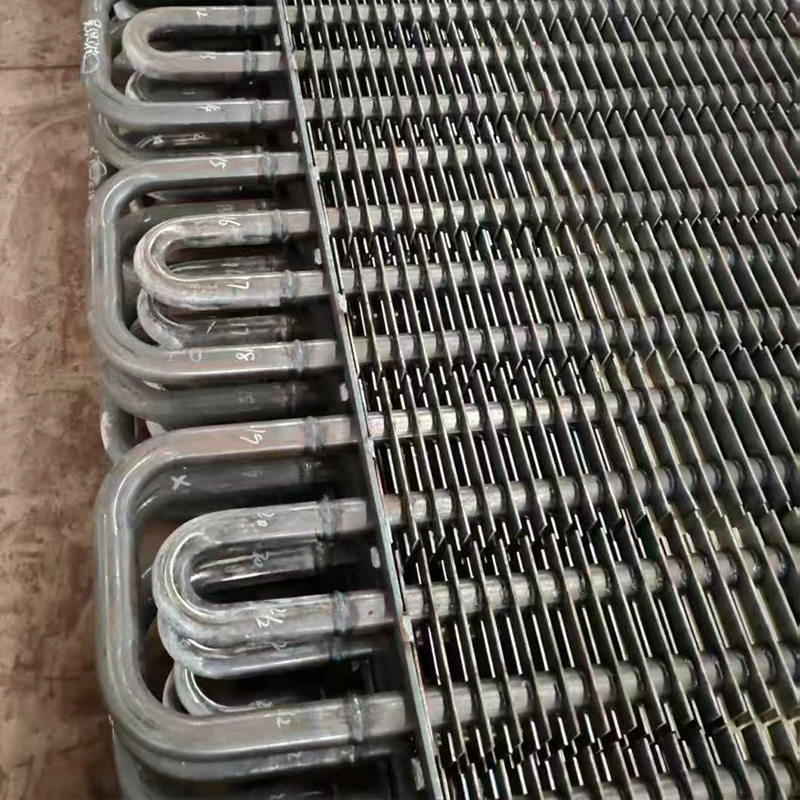
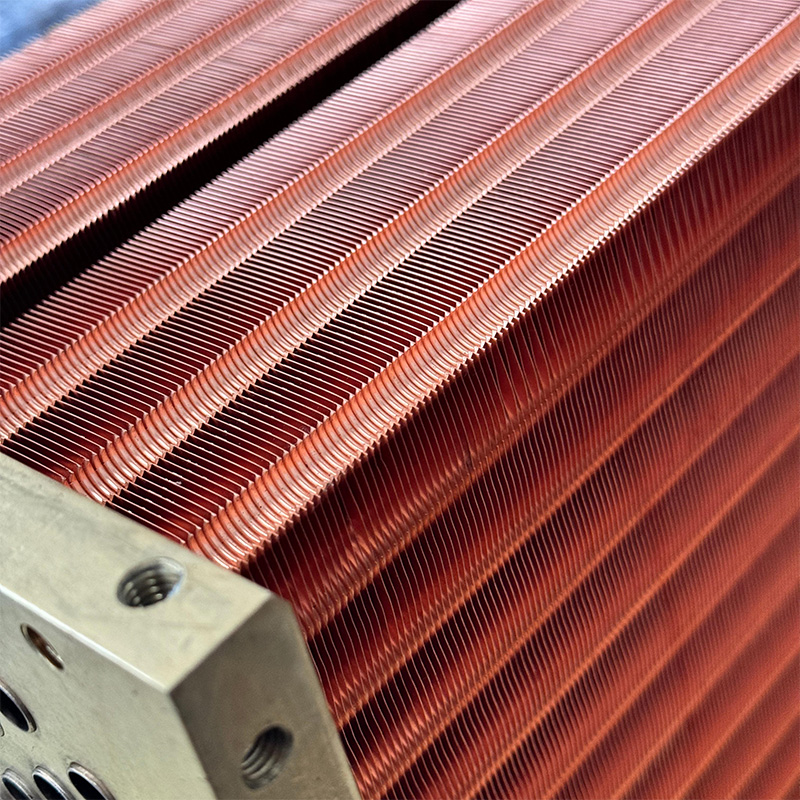
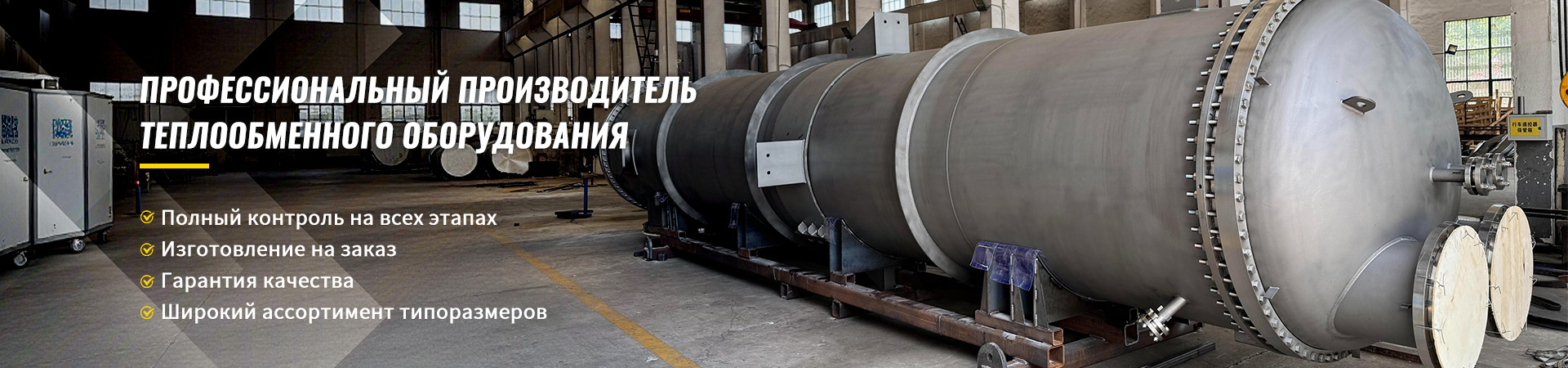
An integrated approach to equipping industrial facilities requires taking into account all elements of the system. In addition to capacitive equipment, heat exchange units capable of operating in extreme conditions are critical. CompanyWuxi Kaisheng Electric Power and Petrochemical Equipment Co., Ltd.specializes in the design and manufacture of high-performance solutions for the energy and petrochemical industries, including titanium shell-and-tube heat exchangers, ASME high-pressure units and air coolers. The company's PED and ASME certified products are made from corrosion-resistant alloys (titanium, nickel, C46400 marine brass, 316/321 stainless steel) and have been successfully used in seawater desalination, shipbuilding and energy conservation. The synergy of reliable polyethylene tanks and advanced heat exchange equipment from Wuxi Kaisheng makes it possible to create autonomous water supply and coolant treatment systems that are resistant to the most severe climatic challenges.
In the agricultural sector, especially in livestock farming, the issue of uninterrupted water supply is acute. A large agricultural holding in the Altai Territory was faced with the fact that concrete tanks for drinking troughs were constantly cracking, polluting the water with cement and requiring frequent repairs. After switching to our 10,000 liter food grade PE tanks installed directly in the fields, the problem was completely solved. The animals gained access to clean water even in severe frosts, since the plastic kept the water temperature longer. An additional bonus is hygiene: the smooth inner surface of polyethylene does not allow bacteria and algae to develop as intensively as in porous concrete or rusty steel. Farmers noted a decrease in livestock disease and a reduction in the consumption of veterinary drugs by 15%, which directly affected the profitability of production.
Construction companies are also actively using such solutions for temporary water supply to sites. The mobility and lightness of PE tanks make it possible to quickly deploy a water supply system at a new construction site without the involvement of heavy equipment. Tanks with a volume of 2-5 tons are easily transported on a standard trailer and installed by two workers. Unlike metal tanks, they do not need to be painted before each season, and they do not leave rusty streaks on the facades of buildings under construction. We supplied batches of such tanks for the construction of a highway in the Khabarovsk Territory, where they successfully stood for three years in taiga conditions, withstanding attacks from bears (who tried to damage them, but without success due to the viscosity of the material) and temperature changes from +35°C in summer to -45°C in winter.
Сертификация и стандарты качества: на что смотреть в документах
При закупке промышленного оборудования наличие правильных сертификатов — это ваша страховка от некачественного продукта. Для работы на территории РФ и стран ЕАЭС обязательным является сертификат соответствия ТР ТС 005/2011 “О безопасности машин и оборудования”. Однако для пищевых применений (питьевая вода) необходим дополнительно декларация о соответствии ТР ТС 021/2011 “О безопасности пищевой продукции”. Эти документы подтверждают, что материал бака не выделяет вредных веществ в воду даже при нагреве солнцем. Отсутствие этих бумаг означает, что вы покупаете “кота в мешке”, который может быть сделан из технического вторичного пластика с неизвестным химическим составом. Мы всегда предоставляем полный пакет документов вместе с партией товара, включая протоколы лабораторных испытаний на ударную вязкость при низких температурах.
Международные стандарты также играют важную роль, если вы планируете экспорт или работаете с международными заказчиками. Сертификат ISO 9001 подтверждает, что система менеджмента качества производителя выстроена правильно и каждый бак проходит контроль на всех этапах. Для северных исполнений важно наличие маркировки по ГОСТ 15150, где указана климатическая категория (например, УХЛ1 — для макроклиматических районов с умеренным и холодным климатом). Эта маркировка гарантирует, что изделие прошло тесты на устойчивость к солнечной радиации, влажности и экстремально низким температурам. Игнорирование этих стандартов может привести к тому, что страховая компания откажет в выплате компенсации в случае аварии, сославшись на использование несертифицированного оборудования. Проверяйте наличие голограмм и реестровых номеров сертификатов на сайтах Росаккредитации.
Важно различать гарантийные обязательства завода-производителя и дилера. Заводская гарантия на качественный бак из ПЭ обычно составляет от 5 до 10 лет на отсутствие сквозных трещин и потерю герметичности. Дилеры же часто дают только 1 год, снимая с себя ответственность за качество материала. При заключении контракта настаивайте на том, чтобы гарантия распространялась именно на материал и сварные швы (если они есть), а не только на “заводские дефекты”. В нашей компании мы даем расширенную гарантию, так как уверены в сырье, которое закупаем у ведущих мировых производителей полимеров (Borealis, Sabic). Прямой контракт с производителем сырья — это еще один маркер надежности, который стоит проверить у вашего поставщика.
Frequently Asked Questions
Вопрос: Можно ли использовать обычный черный бак из магазина для улицы зимой?
Ответ: Категорически нет, если температура опускается ниже -20°C. Бытовые баки часто делают из вторичного полиэтилена или тонкостенного ПВД, который не рассчитан на механические нагрузки от льда и УФ-излучение. Они предназначены для сезонного использования на дачах и должны демонтироваться на зиму. Для постоянной уличной эксплуатации нужен только первичный ПНД с УФ-стабилизаторами в массе.
Question: Is it necessary to insulate a polyethylene tank?
Ответ: Утепление не защищает бак от разрушения (он и так эластичен), но оно необходимо, если вам нужно сохранить воду в жидком состоянии без подогрева. Слой пенополистирола или напыляемого пенополиуретана толщиной 50-100 мм значительно замедлит процесс замерзания. Однако помните, что утеплитель должен быть защищен от влаги и грызунов, иначе он потеряет свои свойства.
Вопрос: Как очистить бак от льда, если вода все-таки замерзла?
Ответ: Ни в коем случае не используйте лом, кувалду или открытый огонь для раскалывания льда внутри бака — это гарантированно повредит стенки. Единственный безопасный метод — естественное оттаивание или использование тепловых пушек снаружи (через утеплитель) для мягкого прогрева. Полиэтилен выдержит расширение льда, но механическое воздействие острыми предметами приведет к царапинам, которые станут очагами разрушения в будущем.
Conclusion and recommendations for choosing a supplier
Выбор емкости для воды в суровых климатических условиях — это инвестиция в безопасность и бесперебойность ваших процессов. Уличный резервуар из ПЭ для воды: морозостойкость и долговечность которого проверены временем и практикой, является наиболее рациональным решением для большинства задач в России и СНГ. Не гонитесь за самой низкой ценой, которая часто достигается за счет экономии на толщине стенки и качестве сырья. Потеря содержимого и простой производства из-за лопнувшего бака обойдутся вам в разы дороже первоначальной экономии. Обращайте внимание на репутацию производителя, наличие собственных производственных мощностей и готовность предоставить референс-лист с объектами в похожих климатических зонах.
Мы готовы предложить индивидуальные расчеты стоимости с учетом логистики до вашего объекта, а также шеф-монтаж нашими специалистами, чтобы исключить ошибки установки. Свяжитесь с нами сегодня для получения детального коммерческого предложения и консультации инженера.Перейти в каталог резервуаров из полиэтиленадля ознакомления с полным ассортиментом моделей и аксессуаров. Помните, что правильный выбор оборудования сегодня — это спокойствие вашего бизнеса завтра.