
Sustainable development in the corporate strategy of PP plants”
2026-09-15
- Sustainable development in the corporate strategy of PP factories: from marketing to real savings
- Technological fundamentals: how to implement sustainable development in the strategy of PP plants
- Integration of Recycled Raw Materials: Challenges and Solutions
- Business case and ROI
- Practical steps to implement your strategy today
- Conclusion
Sustainable development in the corporate strategy of PP factories: from marketing to real savings
The introduction of sustainable development principles into the corporate strategy of polypropylene (PP) production plants today is not just a tribute to environmental fashion, but a strict economic necessity for survival in the global market. We are seeing companies that ignore the carbon footprint of their products lose contracts with European and North American brands that demand supply chain transparency.Sustainable development in the corporate strategy of PP factoriesmeans a transition from simple reduction of emissions to a complete restructuring of technological cycles: the introduction of closed water supply loops, the use of high-quality secondary raw materials and the optimization of energy consumption of extruders. In our practice, we have seen how failure to modernize heat recovery systems led to a loss of up to 15% of product margins when energy prices rose in 2025.
This article is based on the analysis of real production lines with a capacity of 20 to 100 thousand tons per year. We will not use abstract slogans. Instead, we will look at specific technical solutions, certification standards (ISO 14001, ISCC PLUS) and financial models that turn environmental responsibilities into competitive advantage. Whether you are making decisions about purchasing equipment or developing a business strategy, this data will help you avoid mistakes that cost millions of rubles.
Why old production models no longer work
The traditional PP plant model, focused solely on output and minimizing capital expenditures (CAPEX), faced insurmountable barriers in 2024-2026. Regulatory pressure from governments and end-consumer demands have changed the rules of the game. Now the key parameter is not only the price per ton of granulate, but also its “green passport”.
In our audit of one of the large enterprises in Central Russia, we identified a critical problem: an outdated gas emissions purification system allowed compliance with MPC standards, but did not provide the necessary product purity for food packaging. The client lost a tender for the supply of granulate for the production of bottles, since the buyer required confirmation of the absence of migration of harmful substances, which is directly related to the quality of filtration and stability of the process. This shows that ecology and product quality are inseparable.
Modern strategy requires the integration of three elements:
- Circular Economy:Use of post-industrial waste (PIR) and post-consumer waste (PCR) without loss of mechanical properties.
- Energy efficiency:Reducing specific energy consumption per kilogram of product below 0.35 kWh/kg.
- Data Transparency:Real-time digital monitoring of CO2 emissions to automatically generate reports for stakeholders.
Ignoring any of these points creates risks of downtime and penalties. For example, new tax mechanisms in several EU countries are already introducing duties on imports of plastics with a high carbon footprint. Factories that have not adapted their strategy find themselves in a price range where their products become uncompetitive even with low raw material costs.
Technological fundamentals: how to implement sustainable development in the strategy of PP plants
The transition to sustainable production begins not with the purchase of certificates, but with a deep modernization of the technological core.Sustainable development in the corporate strategy of PP factoriesrequires a revision of the operating parameters of extrusion equipment and raw material preparation systems. Many managers mistakenly believe that it is enough to install filters on the pipe. In fact, the main losses and contamination occur within the process of melting and homogenization of the polymer.
The key element is the high shear twin screw extruder. Our tests show that the use of screws with a geometry optimized for the processing of secondary raw materials can increase the proportion of regranulate in the mixture to 40-50% without a critical drop in the melt flow index (MFI). However, there is a caveat here: such augers require more precise temperature control by zone. A setting error of just 5°C can lead to polymer degradation and yellowing, making the batch a failure.
The most important aspect is the degassing system. When recycled PP is processed, a significant amount of volatile compounds is released. Standard single-stage vacuum systems often fail to remove odors and monomer residues. We recommend implementing multi-stage degassing systems with active carbon filters or scrubbers. This not only improves the organoleptic properties of the granulate, but also reduces the load on the atmosphere, which is critical for passing environmental inspections.
Another critical parameter is melt filtration. To obtain premium granules, it is necessary to use mesh filters with a mesh size of at least 120 microns (mesh 120), and ideally, self-cleaning continuous filters. This allows you to capture microimpurities that can become crystallization centers and reduce the impact strength of the finished product. In one case we analyzed, the use of insufficiently fine filtration resulted in film rupture on the customer's line at extrusion speeds above 150 m/min. Losses amounted to more than 2 million rubles due to complaints and stoppage of the buyer's line.
Energy management as a pillar of strategy
Energy accounts for up to 25-30% of the operating expenses (OPEX) of a polypropylene plant. Therefore, any sustainability strategy must begin with an energy audit. Simply replacing motors with efficiency class IE3 or IE4 provides savings of only 3-5%. A real breakthrough is only possible with an integrated approach that includes advanced solutions in the field of heat transfer.
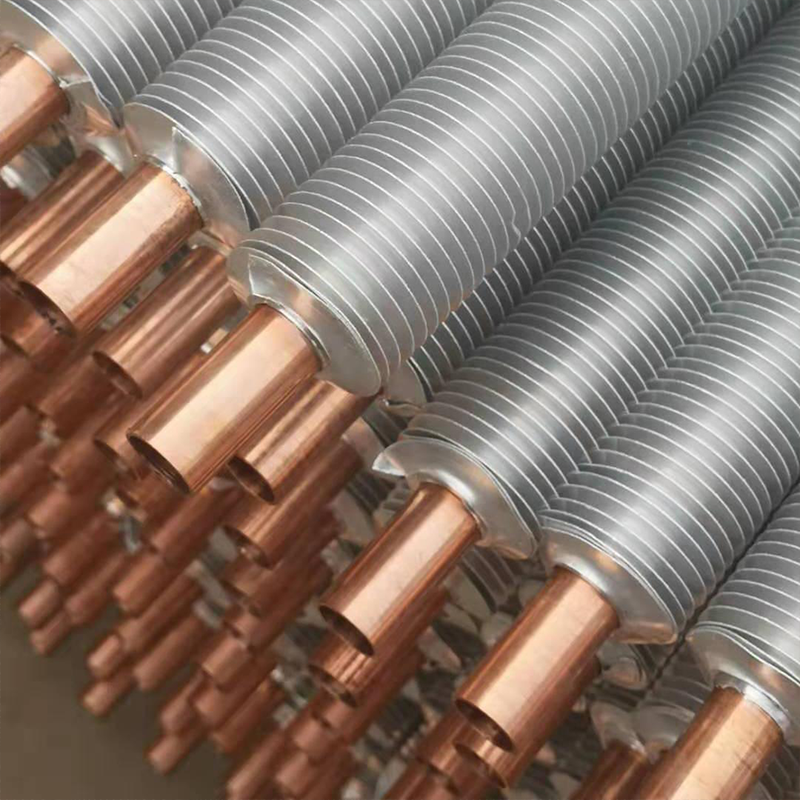
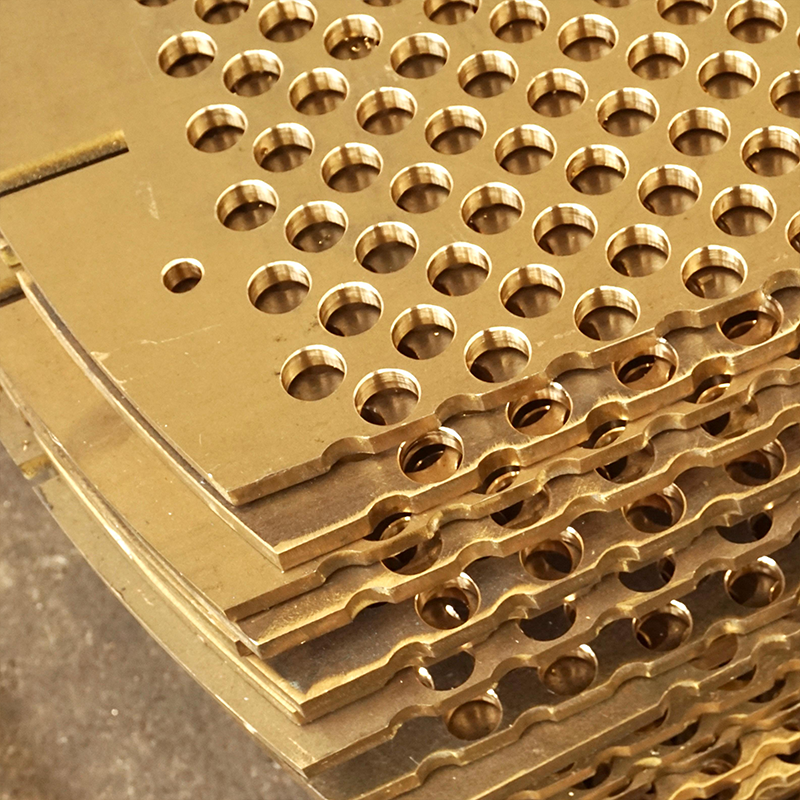
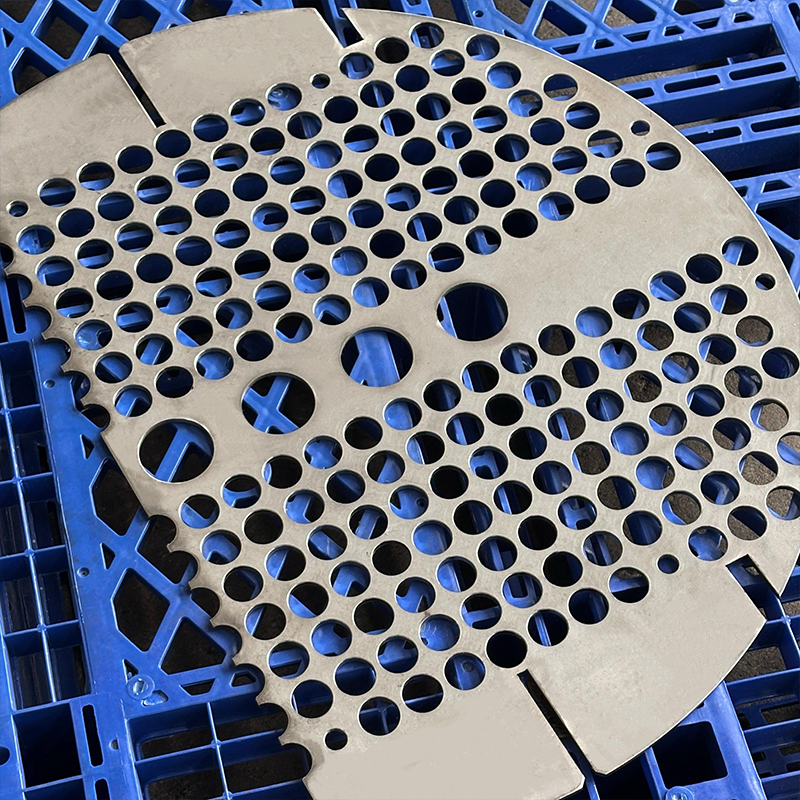
The first thing you need to pay attention to is heat recovery. Extruders generate enormous amounts of thermal energy, which is typically dissipated into the shop through cooling systems. Installation of highly efficient heat exchangers on the cooling circuits of cylinders and gearboxes allows you to obtain hot water at temperatures up to 80-90°C. This is where choosing a reliable equipment supplier is critical. For example, a companyWuxi Kaisheng Electric Power and Petrochemical Equipment Co., Ltd.specializes in the development and production of just such solutions: from titanium shell-and-tube heat exchangers to devices made of nickel alloys N06625 and marine brass C46400. Their ASME and PED certified products offer exceptional corrosion resistance and thermal efficiency, enabling closed recovery cycles even in harsh petrochemical and desalination environments.
The introduction of such systems from leading manufacturers, such as Wuxi Kaisheng, makes it possible not only to recover heat, but also to use it to heat raw materials before feeding them into a bunker or to heat administrative buildings. In our calculations for a plant with a capacity of 30,000 tons per year, the use of modern heat exchangers reduces heating and raw material preparation costs by 18%, providing a quick return on investment.
The second important element is intelligent drive control. Variable frequency drives (VFDs) must be tuned to not just maintain speed, but to optimize torque based on melt viscosity. Adaptive control algorithms make it possible to reduce current consumption at times when the load on the screw drops, for example, when changing a batch of raw materials. We have recorded cases where incorrect settings of PID regulators on frequency generators led to excessive energy consumption of up to 12% per shift.
The third aspect is lighting and auxiliary systems. Switching to LED lighting with occupancy sensors in warehouse areas and using energy-efficient compressors for pneumatic systems provides a quick return on investment (ROI of less than 18 months). However, the main thing is the culture of consumption. The implementation of an energy metering system for each unit makes it possible to detect anomalies in real time. If the granulator engine begins to consume 5% more than normal without changing the recipe, this is a signal of a possible bearing failure or contamination of the auger, which allows you to move from scheduled preventive maintenance to condition-based repair.
Integration of Recycled Raw Materials: Challenges and Solutions
Recycling is the most challenging element of the strategy. The market is saturated with offers of “eco-granulate”, but the quality varies dramatically.Sustainable development in the corporate strategy of PP factoriesinvolves the creation of our own incoming quality control laboratory and strict specifications for scrap suppliers. You can’t just buy crushed powder and put it into an extruder.
The main problem of recycled polypropylene is the instability of rheological properties and the presence of impurities (paper, metal, other types of plastics PE, PET). To solve this problem, a multi-stage raw material preparation system is needed. It should include:
- Separation:Using NIR (near infrared) sorters to separate PP from other polymers with an accuracy of 98%.
- Washing and drying:Removing adhesives, labels and moisture. Residual moisture content above 0.05% leads to hydrolytic destruction of the polymer during processing.
- Homogenization:Thorough mixing of fractions to equalize MFI.
We have encountered a situation where a batch of granulate certified as “food contact” by the supplier contained traces of solvents due to insufficient degassing. This led to the recall of a batch of packaging from the end customer and legal action. To avoid such risks, the strategy should include mandatory testing of each batch of incoming raw materials for volatile organic compounds (VOCs) and heavy metals.
Technologically, the solution lies in the field of compounding. The addition of special stabilizers and modifiers allows you to restore the molecular structure of the degraded polymer. Primary and secondary processing antioxidants (e.g., phenolic and phosphite) protect the polymer from further degradation during processing. The right package of additives can increase the impact strength of the regranulate by 30-40%, bringing its properties closer to the primary polymer. However, the selection of a recipe is an empirical process that requires dozens of experiments. There is no universal solution: what works for film will not work for injection molding.
Certification and standards: the language of trust
Without proven standards, sustainability claims remain mere words. To enter international markets, PP plants must strive to obtain ISCC PLUS (International Sustainability and Carbon Certification) or UL ECV (Environmental Claim Validation) certificates. These standards require traceability of raw materials from source to finished product (Mass Balance approach).
The certification process is complex and requires documentary evidence of each stage. Auditors check not only the availability of equipment, but also accounting documents, invoices, and weighing logs. One error in mass balance may result in certification suspension. In our practice, there was a case when a plant lost its ISCC status due to a discrepancy between the data in the ERP system and the actual balances in the warehouse. Recovery took 6 months, during which the company lost key customers in Germany.
Compliance with sanitary and hygienic standards is also important. For use in the food industry, a declaration of conformity with EU regulations No. 10/2011 or similar EAEU standards is required. This requires migration tests to confirm that substances from packaging do not pass into food in quantities exceeding maximum permissible concentrations.
| Comparison parameter | Primary PP | Regranulate PP (High quality) | Impact on strategy |
|---|---|---|---|
| Raw material cost | High (depends on oil) | 20-35% lower than primary | Reducing costs, protecting against oil market volatility |
| Carbon footprint | High (extraction + cracking) | 60-70% lower | Possibility of selling products with a “green” premium, meeting quotas |
| MFI stability | Very high (±0.5) | Average (±2.0 – 3.0) | Requires more flexible equipment settings and qualified personnel |
| Smell/Color | None / Natural | Possible slight odor/Greyish tint | Limits use in clear packaging, requires masking or coloring |
| Certification | Standard (ISO, GOST) | ISCC, GRS, food approvals required | Additional audit costs but access to premium segments |
Business case and ROI
Many plant owners perceive sustainability as an expense. This is a fundamental mistake. When done well, environmental investments pay off through lower transaction costs and access to new markets. Let's do the math using a specific example of a plant with a capacity of 20,000 tons per year.
Suppose a company invests 50 million rubles in modernizing a line: installing frequency drives, a heat recovery system based on highly efficient heat exchangers and improved filtration.
1.Energy Saving:Reduced consumption from 0.45 to 0.35 kWh/kg. With a tariff of 6 rubles/kWh and a volume of 20,000 tons, the savings will be: 20,000,000 kg * 0.1 kWh * 6 rubles = 12 million rubles per year.
2.Gas savings (heating/drying):Due to heat recovery using modern equipment, savings of about 4 million rubles per year.
3.Product premiumization:The ability to sell granules with an ISCC certificate at 5% higher than the market price. With a margin of 10,000 rubles/ton, the additional profit will be 10 million rubles.
Total annual benefit: 26 million rubles. The payback period is less than 2 years. After this, the net profit of the enterprise grows in proportion to production volumes. In addition, the risk of fines for exceeding emissions, which in some regions can reach hundreds of thousands of rubles for each day of violation, is reduced.
However, there are also hidden costs. Training staff to work with new equipment and complex recipes takes time and money. Staff turnover in this sector is high, and the loss of a qualified technologist can set a project back by six months. Therefore, part of the strategy should be aimed at retaining competencies within the company through a motivation system tied to performance indicators (KPIs) for energy saving and quality.
Implementation risk management
Any transformation carries risks. The biggest one is technological. Trying to immediately introduce 50% recycled material into a line designed for virgin polymer is almost guaranteed to result in broken metering pump gears or clogged dies. We recommend the principle of “small steps”. Start with 5-10% additive, conduct a full diagnostic of the equipment, check the quality of the granulate, and only then increase the proportion.
The second risk is reputational. Claims of “100% environmentally friendly” without verification are easily debunked by independent laboratories. Greenwashing is punishable by law in many jurisdictions and destroys the trust of partners forever. Be honest: if your product contains 30% recycled content, write so. Transparency is valued more than perfect but false numbers.
The third risk is the supply chain. Dependence on one supplier of secondary raw materials is dangerous. The quality of scrap can change at any time. The strategy should include diversification of sources of raw materials and the creation of buffer stocks of proven material. It is also useful to have your own scrap pre-treatment facilities to control the input parameter.
Practical steps to implement your strategy today
Don't wait for regulators to force you into compliance with harsh fines. Be proactive. Here is the algorithm of actions for the management of the PP plant for the next quarter:
- Conduct an energy audit.Invite independent experts to measure the actual energy consumption of each line node. You will be surprised how much energy is wasted. Use thermal cameras to look for heat leaks.
- Analyze the raw material base.Test recycled PP fractions available on the market. Enter into long-term contracts with suppliers who are willing to guarantee the stability of the composition. Start experimenting with small additives.
- Prepare documentation.Begin collecting data for future ISCC or equivalent certification. Put things in order in accounting for materials. Without numbers there is no strategy.
- Train your team.Technologists and operators must understand why we are doing this. Explain to them the connection between temperature setting, product quality, and company profit.
- Communicate with clients.Ask your customers what environmental requirements their customers have. You may already need a certificate that you didn't know about.
Remember that equipment is just a tool. Success depends on people and processes. In our practice, the weakest link was often not the technology, but the lack of clear maintenance regulations. A filter that is changed not according to pressure, but “on a schedule once a week,” may be clogged as early as Tuesday, and will be changed on Friday. Three days of working on a dirty filter means three days of high pressure, engine overheating and polymer degradation. Automate controls where possible.
The future of the industry: what awaits us in 2026-2030
Trends point to stricter requirements. The introduction of Digital Product Passports in the EU is expected, where the entire life history of a product will be encrypted. Blockchain technologies can become the standard for tracking the origin of raw materials. Factories that do not digitize their processes now will find themselves invisible to large international customers.
There is also a growing demand for biodegradable modifications of PP and bio-based polymers. Although it is a niche segment, its growth rate is outpacing traditional plastic. Investments in R&D in this direction can become insurance against a future decline in demand for traditional petroleum products.
Market consolidation is another prediction. Small players that are unable to invest in green technologies will be forced out or absorbed by large holdings. Scale allows high certification and R&D costs to be spread over large volumes of products, reducing unit costs.
Conclusion
Sustainable development in the corporate strategy of PP factoriesis the path from survival to leadership. This is not a one-time event, but a continuous process of improvement that requires discipline, investment and the courage to change established practices. Those who start this path today will dictate market conditions tomorrow. Those who remain in the past will become suppliers of raw materials for those who know how to create value.
We are ready to share our experience in modernizing lines and help you develop a roadmap to sustainable production. Don't let missed opportunities cause future losses. Analyzing your current situation and developing a strategy is the first step you can take right now.
For a detailed audit of your production line and advice on implementing sustainability standardscontact our engineers today. We will help you turn environmental challenges into growth opportunities for your business.