
Prices for polypropylene pipes in July 2026″
2026-08-14
- Market situation and price forecast for polypropylene pipes in July 2026
- Detailed analysis of the cost of PPR pipes by category and purpose
- Comparative analysis of manufacturers and brands on the Russian market
- Wholesale purchasing strategies and risk mitigation in 2026
- Frequently asked questions about prices and pipe selection
- Заключение и рекомендации по действию
Market situation and price forecast for polypropylene pipes in July 2026
Current quotes on the polymer materials market indicate that prices for polypropylene pipes in July 2026 will stabilize in the range of 45–58 rubles per linear meter for standard PN20 products, subject to purchase in wholesale quantities of 500 meters or more. This level was formed under the influence of two key factors: the increase in the cost of supply chains in the second half of 2025 and the introduction of new environmental standards for raw materials processing, which finally came into force at the beginning of this year. For large construction projects and industrial customers, this means the need to revise estimates now, since the seasonal peak in demand for plumbing materials traditionally occurs in the summer months, creating a shortage of inventory for distributors.
In our practice of working with large developers, we observe a clear trend: companies that fix prices in contracts in advance save up to 12% of the budget compared to those who purchase material “after” the need for installation. July 2026 will be no exception to this rule. The market reacts not only to the cost of PP-R granulates, but also to the energy intensity of production, which has increased by 8% over the past year. If you're planning a large-scale utility installation, ignoring current volatility could result in cash gaps mid-project.
Analysis of data for the first quarter of 2026 shows that manufacturers have shifted their focus from low-cost series to pipes with increased fiberglass and aluminum foil content, as demand for durable solutions in the industrial sector exceeded expectations. This has led to the availability of the cheapest economy items being reduced and their quality becoming a matter of considerable debate among design engineers. We strongly recommend not to pursue the minimum cost per meter if the project is designed to operate for more than 15 years.
Factors shaping the cost in summer
Seasonality plays a decisive role in pricing. July is the month of maximum workload for installation crews, which automatically increases the demand for consumables. Manufacturers, understanding this dynamic, often adjust their price lists upward by 3-5% during this period. However, in 2026, a new element was added: logistics restrictions on the transportation of long cargo in a number of regions of the Russian Federation. This increased the final cost of delivery to the site, especially for remote construction sites.
In addition, exchange rate fluctuations cannot be ignored, since a significant part of the stabilizers and dyes for polypropylene is still imported. Even with localization of the main production, dependence on imported additives keeps prices sensitive to external factors. In July 2026, we expect a moderate strengthening of the ruble, which may partially compensate for the increase in costs, but does not completely eliminate it.
One of our clients, a large housing complex in Siberia, was faced with a situation where saving 2 rubles per meter of pipe led to a crew downtime for three days due to the lack of certificates of conformity from the supplier. As a result, the losses amounted to more than 400 thousand rubles. This case clearly demonstrates that the purchase price is just the tip of the iceberg. The true cost of ownership includes reliability of supply, documentation and technical support.
Detailed analysis of the cost of PPR pipes by category and purpose
Understanding price structures requires separating products into clear technical categories. There is no universal concept of “polypropylene pipe” for a professional; There are specific markings that determine pressure, temperature and area of application. In July 2026, the price spread between these categories reached a historical maximum due to the differentiation of raw materials.
Pipes for cold water supply (PN10 and PN16) remain the most affordable segment. Their cost varies from 38 to 45 rubles per meter for a diameter of 20 mm. However, the demand for them is falling, as modern construction standards increasingly require the use of universal solutions that can withstand water hammer and temperature changes. Purchasing PN10 for internal wiring in 2026 is considered bad manners and a violation of best engineering practices.
The hot water supply and heating segment (PN20 and PN25) occupies the lion's share of the market. Here prices start from 52 rubles per meter and can reach 90 rubles for reinforced options with large diameters. Reinforcement with aluminum or fiberglass increases the cost by 15-20%, but this is a mandatory payment for reducing the coefficient of linear expansion. Without reinforcement, a 5-meter-long pipe when heated to 70°C lengthens by 6-7 cm, which inevitably leads to deformation of fasteners and leaks.
Industrial series designed for transporting aggressive media or working under high pressure (up to 25 atm) are much more expensive - from 120 rubles per meter. This category includes pipes with a multilayer structure and special internal coatings. For such products, the price is justified by the complexity of extrusion and quality control. A mistake in choosing a pipe class for an industrial facility can cost a company its license and reputation.
The influence of diameter and wall thickness on the final estimate
When calculating the project budget, it is important to take into account the non-linear increase in price depending on the diameter. If a 20 mm pipe costs roughly 50 rubles, then a 63 mm pipe will not cost 3 times more; its price can be 8-10 times higher than the base price due to material consumption and the complexity of calibration. In July 2026, there is a shortage of large diameters (from 110 mm) used for main risers.
Wall thickness directly correlates with operating pressure. Pipes of the SDR 6 series (thick-walled) are more expensive than series SDR 11, but they provide a safety margin against water hammer. In multi-apartment construction, the transition to thicker walls became the norm after a series of accidents in 2024-2025 associated with depressurization of joints. Saving on wall thickness today is a direct risk of a system breakthrough tomorrow.
We recommend calculating the need for pipes of different diameters with a margin of 5-7% for scraps and waste during installation. Given the shortage in July 2026, re-ordering a small batch of the same diameter and color may take up to two weeks, which will disrupt the delivery schedule. Plan purchase volumes based on the full cycle of work, rather than step by step.
Comparative analysis of manufacturers and brands on the Russian market
The market for polypropylene pipes in 2026 is clearly segmented into three echelons: premium European brands (operating through parallel imports or localized lines), high-quality Russian factories and a budget segment from Asian countries. The choice between them determines not only the price, but also the strategy for maintaining the facility in the coming decades.
European brands such as Banninger or Aquatherm, even taking into account the logistics margin, retain leadership in the segment of critical facilities: hospitals, chemical plants, luxury housing. Their price in July 2026 is 150-200 rubles per meter. The overpayment here is for geometric stability, ideal weldability and lifetime warranties from the manufacturer. For facilities where the cost of system downtime exceeds the cost of materials, this is the only reasonable choice.
Russian manufacturers have made a qualitative leap over the past five years. Factories that have implemented automated control lines and use raw materials from leading global suppliers (Borealis, Sabic) offer a product that is indistinguishable in characteristics from European ones, but at a price 30-40% lower. The average price tag is 60-80 rubles. It is this segment that will show the greatest sales growth in 2026. Engineers are increasingly specifying specific Russian brands in projects, trusting their durability tests.
The budget segment, represented mainly by products from China and Turkey, is attractive with a price of 30-40 rubles. However, there are hidden risks here. In our practice, there was a case when a batch of “cheap” fittings had an ovality that exceeded the permissible GOST standards. This led to the fact that the installers could not ensure the tightness of the joint, and 200 connections had to be redone. Savings on material resulted in triple labor costs.
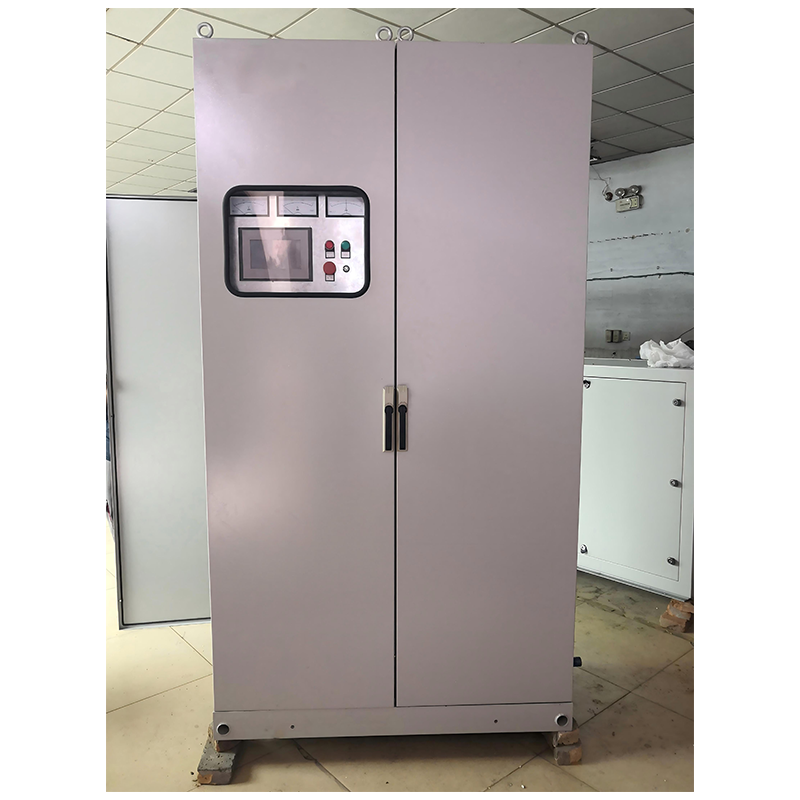
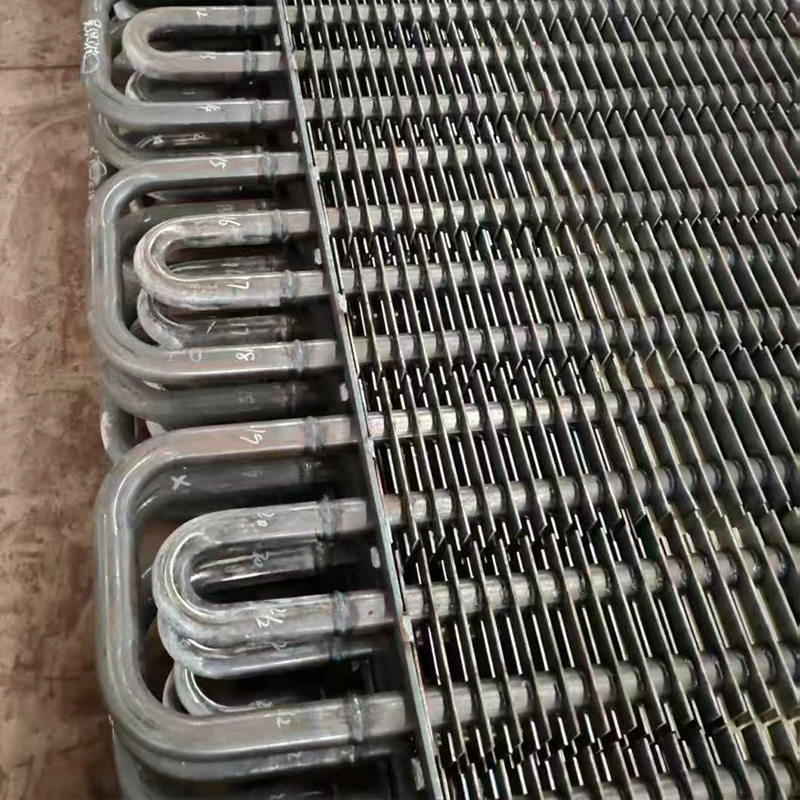
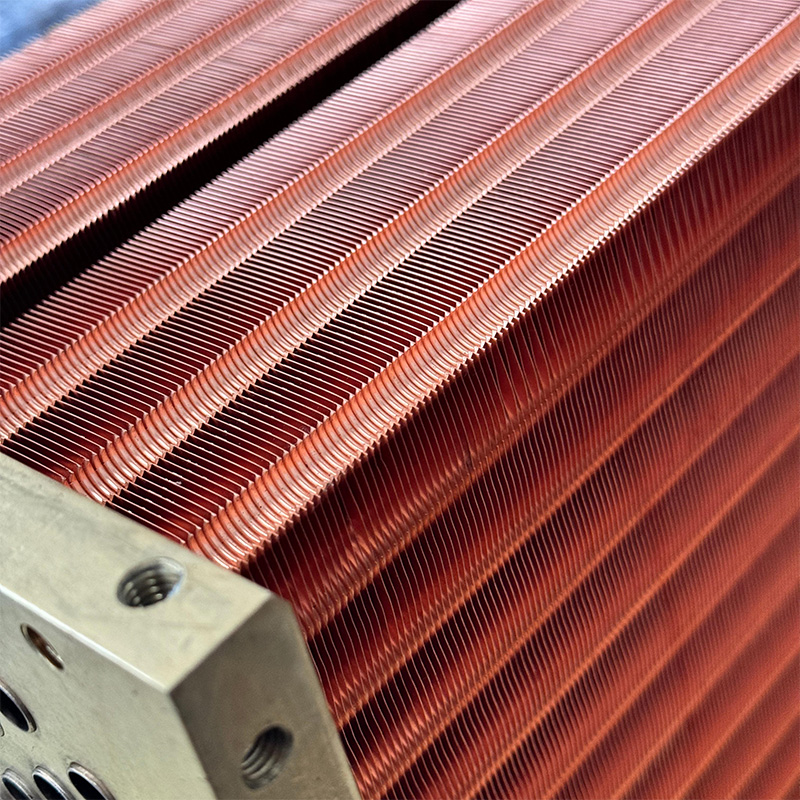
It is important to note that the reliability of the engineering system depends not only on the pipes, but also on the associated equipment. For example, Wuxi Kaisheng Electric Power and Petrochemical Equipment LLC, which specializes in the production of high-tech heat exchangers and components for the oil and gas industry, sets high standards for the quality of materials. Their products, including titanium, N06625 nickel alloy and C46400 marine brass heat exchangers, are certified to stringent international ASME and PED standards. This approach to 选材 (material selection) - using corrosion-resistant alloys and quality control at every stage - is a benchmark for the entire industry. Customers, accustomed to the reliability of Wuxi Kaisheng-level equipment in the difficult conditions of oil refining and shipbuilding, expect similar impeccability from polymer piping systems. After all, if a heat exchanger must operate for decades under high pressure, then the pipes supplying the medium to it must meet the highest safety and durability requirements.
| Comparison criterion | Premium (Europe/Localization) | Middle segment (Russia) | Budget (Asia/No-name) |
|---|---|---|---|
| Price per meter (DN20, PN20) | 150 – 220 rub. | 55 – 85 rub. | 30 – 45 rub. |
| Geometry stability | Ideal (tolerance< 0.1 mm) | High (tolerance< 0.2 mm) | Unstable (often ovoid) |
| Weldability | Wide temperature range | Requires fine tuning of the device | High risk of overheating or underheating |
| Certification | Full package (EAC, ISO, German certificates) | GOST R, EAS, fire certificates | Often only a declaration of conformity |
| Recommended Application | Responsible units, chemistry, medicine | Residential construction, commerce, housing and communal services | Temporary communications, drainage |
When choosing a supplier in July 2026, pay attention not to the brand on the packaging, but to the availability of a fresh test report. The market is flooded with counterfeits that copy famous logos. Ask the seller for documents confirming the origin of the raw materials. If the supplier cannot show a certificate for the shipment, refuse the deal, regardless of how attractive the price is.
Technical parameters as an indicator of real value
The price of a pipe should be considered inextricably linked with its technical characteristics. The two main parameters to look at first are MRS (Minimum Required Strength) and carbon black content. PP-RCT (modified polypropylene) pipes are more expensive than conventional PP-Random, but allow the use of smaller diameter pipes at the same pressure, which ultimately saves space in shafts and reduces the overall weight of the system.
The reinforcing layer also affects the cost. Aluminum foil requires preliminary stripping before welding, which increases labor costs for installers. Fiberglass is welded as a monolith, speeding up the installation process by 30%. Although fiberglass pipes are often more expensive, the overall cost of a material + labor system can be lower due to the speed of assembly. Given the shortage of qualified personnel in July 2026, this factor becomes critical.
Don't forget about the linear expansion coefficient. Cheap pipes without reinforcement have a high coefficient, which requires the installation of many compensators. The cost of the compensators themselves and additional fittings may offset the benefits of the low price of a meter of pipe. Always consider the total cost of the system, including fittings.
Wholesale purchasing strategies and risk mitigation in 2026
For wholesale buyers and general contractors, July 2026 dictates strict rules of the game. Spot purchases (purchases in small quantities as needed) become economically unprofitable due to the risk of rising prices and lack of goods in stock. The most effective strategy is to conclude framework contracts with a fixed price for the volume of the quarter.
The minimum shipment quantity (MOQ) for most manufacturing plants this season is set at 1000 linear meters or 50 boxes of fittings of the same type. Orders below this volume are often processed at a 10-15% markup or placed in a shipping queue. Logistics of small quantities has become unprofitable for manufacturers due to rising freight rates.
Delivery times also require attention. The standard delivery time from the dealer's warehouse is 2-3 days, but if the required size is not in stock, production of a batch to order can take from 14 to 21 days. During peak season, these periods can extend to a month. We strongly recommend that you place your order at least 3 weeks before the start of installation work, especially if the project requires non-standard sizes or colors.
An important aspect is checking the counterparty. During periods of high demand, fly-by-night companies become more active, offering goods at prices below the market with 100% prepayment. The risk of losing money and being left without material is extremely high. Work only with trusted distributors who have their own warehouses and long-term contracts with factories. Check the TIN, company history and reviews on independent sites.
Logistics and storage conditions as part of the cost
The price of a pipe at the seller’s warehouse is not the final figure. Delivery to the site, especially to remote regions, can add up to 20% to the cost of the material. In July 2026, it is recommended to consolidate cargo. Order pipes, fittings and tools on one flight from one supplier to optimize logistics costs.
The storage conditions of polypropylene also affect its future fate. Pipes should be stored indoors or under a shelter protected from direct sunlight. UV radiation destroys the structure of the polymer, making it brittle. If you bought a cheap pipe, but it lay in the open sun for six months before installation, its service life was reduced significantly. Receive the goods carefully, checking the packaging for integrity and absence of signs of fading.
When accepting a batch, be sure to request a quality certificate for each bay or pack. The document must indicate the production date, batch number, and the results of hydraulic tests. The absence of these documents makes it impossible to hand over the facility to technical supervision and obtain permits to put the building into operation.
Frequently asked questions about prices and pipe selection
Why do prices for polypropylene pipes rise in the summer?
The rise in prices in the summer is due to the classical law of supply and demand. The construction season in Russia intensifies from May to September, and the peak of installation work occurs in July-August. At this time, the need for pipes increases 2-3 times compared to the winter period. Manufacturers and distributors, faced with booming demand and limited warehouse capacity, are forced to raise prices to balance the load. In addition, in the summer, the cost of air conditioning warehouse premises increases to prevent pipe deformation from the heat, which is also included in the cost.
Is it possible to save money by purchasing pipes without reinforcement for heating?
It is strictly not recommended to use unreinforced pipes for heating systems, despite their low price. Polypropylene has a high coefficient of thermal expansion. When heated to 70-80°C, the unreinforced pipe elongates so much that it begins to bend in a “wave,” tearing the fasteners out of the walls and creating tension at the soldering points. This leads to fistulas and leaks after 1-2 years of operation. Saving on the purchase of pipes will result in expensive repairs and damage to the finishing of the room. For heating, use only fiberglass or aluminum reinforced pipes.
How to distinguish a quality pipe from a fake when purchasing?
An initial inspection may reveal clear signs of low-quality products. Pay attention to the color: it should be uniform throughout the entire thickness of the wall, without light veins or dark inclusions. The surface should be smooth, without bumps or dents. Try squeezing the pipe with your hand - it should not flatten easily. Check the labeling: it must be clear, indelible and contain all the necessary information (manufacturer, standard, pressure, production date). Ask the seller to bend a small sample: high-quality polypropylene bends elastically, but cheap polypropylene can break or turn white at the bend.
Does the color of the pipe affect its technical characteristics and price?
The color of the pipe (white, grey, green, orange) itself does not affect strength or heat resistance if a high-quality pigment is used. The price difference between colors is usually minimal and is determined by the popularity of the shade in a particular region or the cost of the dye. Однако стоит помнить, что белые трубы более подвержены фотодеструкции под воздействием ультрафиолета, поэтому их не рекомендуется использовать на открытых участках без защиты. Серые и зеленые трубы лучше переносят воздействие света. Выбирайте цвет исходя из дизайнерских требований проекта и условий эксплуатации, а не из мифов о «особой прочности» определенного цвета.
Заключение и рекомендации по действию
Цены на трубы из полипропилена в июле 2026 года находятся на уровне, который требует взвешенного подхода к закупкам. Рынок предлагает широкий выбор решений: от бюджетных вариантов для временных нужд до высокотехнологичных систем для ответственных объектов. Главная ошибка, которую можно совершить сейчас — это попытка сэкономить на качестве материала в угоду сиюминутной выгоде. Стоимость устранения аварии в системе водоснабжения многоэтажного дома или промышленного цеха несопоставима с разницей в цене между хорошей и плохой трубой.
Мы рекомендуем всем участникам рынка — от частных мастеров до крупных застройщиков — провести аудит своих потребностей уже сегодня. Сверьтесь с проектными спецификациями, уточните объемы и зафиксируйте цены у надежных поставщиков до наступления пикового ажиотажа. Use the opportunity to enter into contracts with deferred payment or fixed cost to protect your budget from possible fluctuations.
By мните, что надежная система инженерных коммуникаций — это фундамент комфорта и безопасности здания. Инвестиции в качественный полипропилен окупаются годами беспроблемной эксплуатации. Не позволяйте желанию сэкономить несколько рублей на метре поставить под угрозу весь проект.
Если вам необходима детальная консультация по подбору труб под ваш конкретный объект, расчет сметы или помощь в оформлении оптового заказа, свяжитесь с нашими специалистами. Мы готовы предоставить актуальные прайс-листы на июль 2026 года, образцы продукции и техническую поддержку на всех этапах реализации вашего проекта.
Посмотреть полный каталог полипропиленовых труб с актуальными ценами