
Energy efficiency of PE tank production”
2026-08-19
- Why the energy efficiency of PE tank production determines your profits
- Physics of the process: where exactly is energy lost during rotational molding
- Comparative analysis of heating technologies: gas versus electricity
- Innovative solutions to improve energy efficiency
- The influence of raw material quality on the energy balance
- Practical steps to audit and reduce costs
- Frequently Asked Questions
- Заключение: Энергоэффективность как стратегическое преимущество
Why the energy efficiency of PE tank production determines your profits
Energy efficiency in the production of PE tanks is not just a buzzword in sustainability reports, but a direct lever for controlling the cost of the final product. In our practice of working with rotational molding plants, we have repeatedly encountered a situation where the difference in energy consumption per kilogram of finished product was up to 35% between old and modern lines. For a manufacturer producing 50 tons of products per month, this means a difference of tens of thousands of rubles in net profit or, conversely, losses. Many workshop owners mistakenly believe that the main energy consumption occurs only in the heating stage of the furnace, ignoring cooling losses and the operation of auxiliary equipment. The reality is that cycle optimization requires a systematic approach, where every degree of temperature and every second of the cycle affects the final electricity bill.
We analyzed data from more than 20 production sites in Russia and the CIS countries for the period 2024-2025. The results showed that the implementation of modern heat recovery systems and precise temperature control can reduce specific energy consumption from a typical 1.8 kWh/kg to 1.1 kWh/kg for low-density polyethylene. These are not theoretical calculations, but actual indicators recorded by meters at operating enterprises. If you are planning to purchase equipment or upgrade your existing fleet, understanding these numbers is critical to calculating the payback period of your investment. Ignoring the issue of energy efficiency today is tantamount to voluntarily giving up competitiveness tomorrow.
Physics of the process: where exactly is energy lost during rotational molding
To manage costs, you need to understand the physics of the process. The production of polyethylene tanks using rotational molding consists of three main stages: heating, sintering (melting) and cooling. At each of these stages, specific energy losses occur that often go unnoticed by operators.
The heating stage is the most energy-intensive. Here gas burners or electric heating elements should raise the temperature of the mold with the powder inside to a value of about 300-320°C. The problem is that traditional stoves have a low heat transfer coefficient. A significant part of the heat is spent not on heating the metal of the mold, but on heating the air inside the furnace chamber and through the walls of the furnace itself into the surrounding space. In our practice, there was a case when a client complained about high gas consumption. During a thermal imaging inspection, we found that the furnace insulation was damaged in three places, resulting in a loss of up to 15% of thermal energy. After the repair, fuel consumption decreased instantly, without changing production technology.
The cooling stage is often underestimated. After leaving the oven, the mold must be cooled to release temperature (usually 60-80°C). Traditional methods use blowing fans or water spray. Fans consume a significant amount of electricity, especially if they run at full power the entire cycle. Moreover, ineffective cooling results in increased overall cycle time. If the pan takes 5 minutes longer to cool than necessary, the oven is taking too much time and you cannot start the next batch. Multiply these 5 minutes by the number of cycles per day, and you get lost machine hours and wasted energy to keep the furnace idling.
Ancillary equipment also contributes. Mold rotation systems (two-axis rotation), powder dosing systems, and pneumatic compressors all consume energy. Rotation motors are often selected with excess power “just in case,” which leads to operation with a low load factor and unnecessary electricity consumption. We recommend conducting an audit of installed equipment at least once a year to identify such hidden sources of losses.
Key parameters influencing consumption
- Product wall thickness:Increasing the wall thickness from 4 mm to 6 mm requires not just a proportional increase in heating time, but an exponential increase in energy costs due to the low thermal conductivity of polyethylene. Heat must penetrate the entire mass of the material, and the thicker the wall, the longer this process.
- Mold design:Shapes with complex geometry, deep stiffening ribs or internal niches require more time for uniform heating. Uneven heating forces operators to increase overall cycle time to ensure the coldest areas are cooked, causing other areas to overheat and waste energy.
- Raw material type:Different grades of polyethylene (PE80, PE100, cross-linked PE) have different melting points and melt viscosity. Using raw materials with a higher melting point without adjusting the furnace operating mode will lead to direct waste of fuel or electricity.
Comparative analysis of heating technologies: gas versus electricity
The choice of heat source is one of the most important decisions when designing a new production facility or modernizing an old one. Let's compare the two main options used in the PE tank industry.
| Comparison criterion | Gas heating | Electric heating |
|---|---|---|
| Energy cost (conventional units) | Low (in the presence of main gas) | High (tariffs for industry) |
| Heat transfer efficiency | 60-75% (depending on burner and insulation) | 95-98% (direct heating by heating elements or IR) |
| Temperature control accuracy | Average (inertia of gas burners) | High (fast response of PID controllers) |
| Heat distribution in the oven | Requires a complex hot air recirculation system | More uniform with proper placement of heating elements |
| Environmental friendliness and emissions | There are CO2 and NOx emissions, ventilation is required | No local emissions |
| Infrastructure dependency | Critical dependence on the gas main | Dependence on power grids and power limits |
Gas heating is traditionally considered a more economical option due to the low cost per cubic meter of gas compared to a kilowatt hour of electricity. However, this benefit is offset if the efficiency of the furnace is low. Old gas furnaces without recovery systems can lose up to 40% of their energy through exhaust gases. Modern gas burners with flame modulation and automatic control of the air/gas ratio can significantly improve the situation, but they require qualified maintenance.
Electric heating, despite its high kWh cost, offers unrivaled precision. The ability to zone temperature control (when different parts of the oven are heated at different intensities) allows you to optimize the cycle for a specific mold. For example, the bottom of a large tank can be heated more intensely than the top, preventing overheating and reducing overall cycle time. In regions where electricity rates are relatively low or there are night benefits, electric furnaces may be more profitable than gas furnaces by reducing waste and cycle time.
Our experience shows that for small and medium-sized production (up to 3-4 furnaces) electricity is often preferable due to the ease of installation and the absence of the need to coordinate gas projects. For large continuous cycle plants, gas remains king, but only if advanced heat recovery systems are used.
Innovative solutions to improve energy efficiency
The market for rotational molding equipment does not stand still. Manufacturers offer a number of solutions aimed specifically at reducing energy consumption. Implementing these technologies may seem expensive at first, but payback calculations often show periods of less than 18 months.
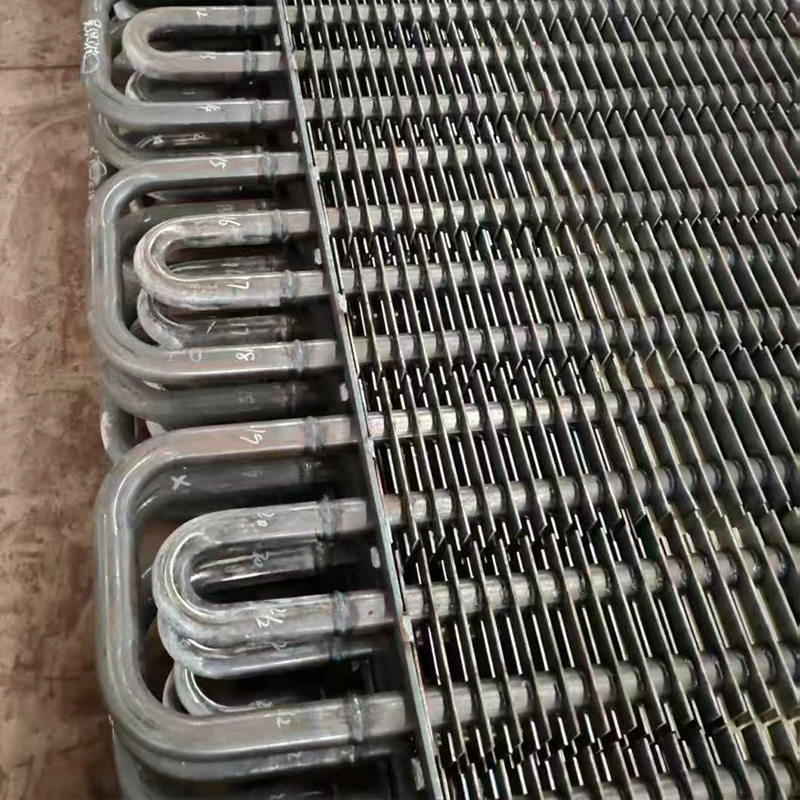
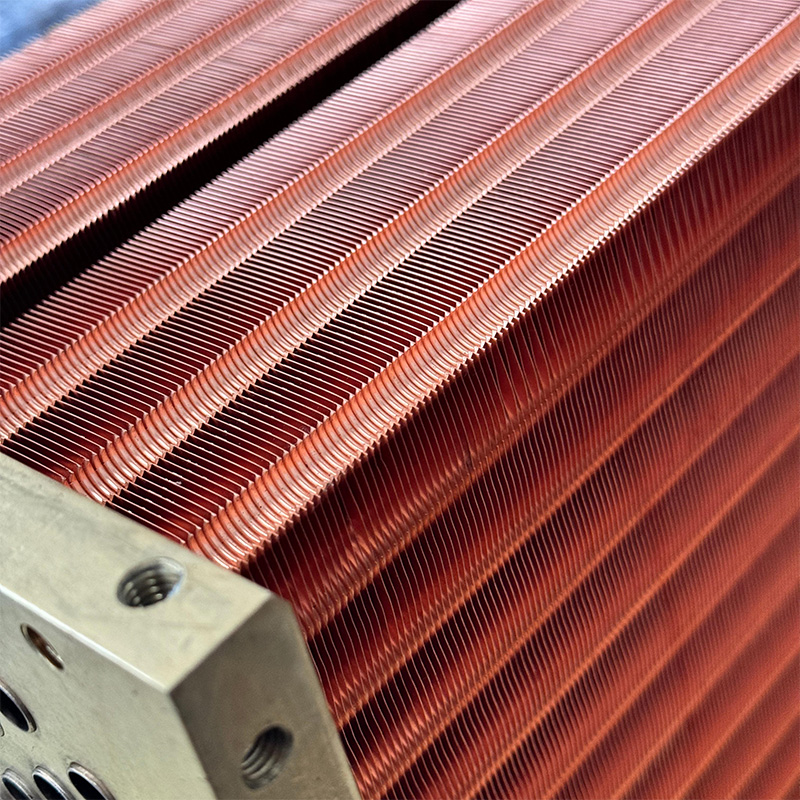
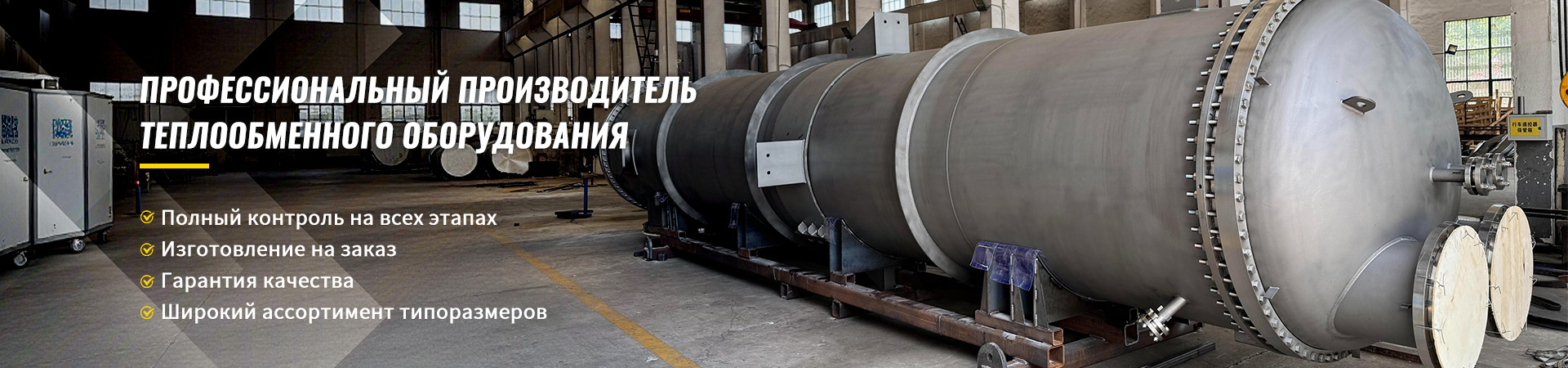
Heat recovery systems.This is the most effective way to increase the efficiency of a gas furnace. The principle is simple: hot exhaust gases, which would normally simply be released into the atmosphere, pass through a heat exchanger. In this heat exchanger they heat fresh air, which is then fed into the oven chamber or used to preheat the molds before loading. This is where choosing quality heat transfer equipment is critical. CompanyWuxi Kaisheng Electric Power and Petrochemical Equipment Co., Ltd., which specializes in the design and production of high-efficiency heat exchangers, offers solutions that are ideal for such applications. Their products, including titanium shell-and-tube heat exchangers and 316 stainless steel models, are ASME and PED certified, providing maximum corrosion resistance and thermal efficiency even in harsh environments. The introduction of such systems allows you to return up to 30% of thermal energy back into the process. One of our clients in Tatarstan installed a similar system on their septic tank production line. Result: gas consumption dropped by 22%, and the time it took for the furnace to reach operating mode was reduced by 15 minutes.
Improved furnace insulation.The use of modern ceramic fibers instead of traditional brick or mineral wool can significantly reduce heat loss through the walls of the furnace. Ceramic modules have a lower heat capacity, which means the oven heats up faster and cools down faster when stopped. This is especially important for production facilities with partial load or frequent changes in assortment. Reducing the temperature of the outer surface of the furnace from 60°C to 35°C is not only a comfort for workers, but also a direct saving of money.
Intelligent control systems (IoT).Modern controllers can analyze thermocouple data in real time and adapt the heating profile on the fly. If the system sees that the mold has warmed up faster than expected (for example, due to a thinner wall or a different brand of powder), it automatically reduces the fuel supply or turns off some of the heating elements. This eliminates the human factor and prevents overheating. In addition, such systems allow for detailed accounting of energy consumption for each cycle, identifying anomalies.
Cooling optimization.Instead of constant blowing with powerful fans, you can use water mist cooling systems. Microscopic drops of water evaporate on the surface of the mold, absorbing enormous amounts of heat due to phase change. This allows you to reduce cooling time by 20-30% with significantly lower power consumption by fans. It is only important to control the quality of the water to avoid scale on the forms. For cooling systems operating with seawater or chemicals, the reliability of heat exchange units is a priority. Wuxi Kaisheng solutions, such as C46400 marine brass or copper-nickel alloy tube bundles, ensure longevity and stability of secondary cooling systems, minimizing the risk of downtime due to corrosion.
The influence of raw material quality on the energy balance
Often tank manufacturers focus on the equipment and forget about the raw materials. However, the properties of polyethylene powder directly affect energy costs. Not all PE is created equal in terms of recycling.
The key parameter is bulk density and granulometry. Powder with the optimal particle size (usually 35 mesh) flows better and is distributed more evenly throughout the mold. This ensures fast and uniform heating. If the powder is too coarse or has an irregular particle shape, it will sinter less easily, requiring more time in the high temperature zone. We conducted tests with two brands of PE from the same manufacturer, but from different batches. The cycle time difference was 4 minutes per product due to differences in powder flow. Over the course of a shift, this results in the loss of several cycles and hundreds of kilowatt-hours.
The presence of secondary raw materials (recyclate) also changes the picture. Adding regrind can reduce the cost of the material, but often requires temperature adjustments. Recycled polyethylene may have a different viscosity and degradation temperature. Uncontrolled addition of recyclate without adjusting the furnace leads either to underheating (defects) or to an attempt to compensate for this by increasing the temperature (excessive energy consumption). Our advice: always test a new batch of raw materials in trial cycles, recording energy consumption parameters, before launching it into the main series.
It's also worth mentioning supplements. UV stabilizers, flame retardants and other modifiers can affect the thermal conductivity of the melt. Some special additives promote faster sintering, which indirectly helps save energy. Consult raw material suppliers not only on price per kg, but also on processing recommendations for energy efficiency.
Practical steps to audit and reduce costs
How to start saving today? You don't have to buy a new stove right away. There are a number of organizational and technical measures that can be implemented quickly and with minimal investment.
- Conduct an energy audit.Install separate electricity and gas meters for each furnace. Without data you are blind. You need to know the basic level of consumption: how many kWh or m³ of gas is consumed per cycle, per kilogram of the finished product. Only with these numbers can the effectiveness of any subsequent changes be assessed. Record data for a week of work as usual.
- Optimize your work schedule.The oven consumes energy even in standby mode (temperature maintenance). If you have breaks between shifts or downtime of more than 30 minutes, consider lowering the oven temperature (standby mode) instead of maintaining full operating temperature. Modern burners and heating elements can quickly bring the stove back into operation. Calculations show that even 20 minutes of idle time at full temperature can cost more than subsequent heating.
- Check seals and insulation.Go around all the stoves with a thermal imager or just carefully inspect the doors, hatches and panel joints. Any gap is a leak of expensive heat. Replacing the sealing cords on the oven doors is a cheap operation that can have a noticeable effect. Also check the condition of the insulation on the pipelines (if there is steam or hot water for other needs).
- Train your staff.The furnace operator plays a key role. The human factor often leads to reinsurance: “it’s better to let it warm up one more time than to have a defect.” Explain to operators the relationship between cycle time, temperature and company profit. Introduce motivation for maintaining optimal regimes and reducing specific energy consumption. Sometimes simply setting timers or changing the order in which forms are loaded can have an effect.
- Schedule forms to load.Try to group orders so that shapes of similar mass and geometry burn in one cycle. Mixing very light and very heavy forms in one batch forces you to choose an average, often suboptimal mode, leading to excessive energy consumption for light products or waste in heavy ones. The ideal load is the maximum use of oven volume while maintaining uniform heating.
Frequently Asked Questions
What is the normal energy consumption per 1 kg of PE product?
For modern rotational molding lines, the range of 1.1 – 1.4 kWh of electricity or 0.12 – 0.15 m³ of natural gas per 1 kg of finished product is considered normal. If your readings are higher than 1.6 kWh/kg or 0.18 m³/kg, this is a signal of process inefficiency. The reasons may be old furnace insulation, suboptimal heating conditions, or the use of raw materials with poor fluidity. We recommend performing a comparison test with reference values for your equipment type.
Does installing a heat recovery system pay for itself?
Yes, in most cases the payback period is from 12 to 24 months. The period depends on the current production load and energy prices. For enterprises operating in 2-3 shifts, the payback period will be closer to a year. The system not only saves fuel, but also increases the temperature stability in the furnace, which has a positive effect on the quality of products. Before purchasing, be sure to request an ROI calculation from your equipment supplier based on your actual consumption data. При выборе компонентов для такой системы, таких как теплообменники из никелевых сплавов N06625 или котлы-утилизаторы, важно обращаться к проверенным производителям, таким как «Уси Кайшэн», чтобы гарантировать долгий срок службы и заявленную эффективность.
Можно ли использовать солнечную энергию для производства резервуаров?
Технически это возможно, особенно для электрических печей. Установка фотоэлектрических панелей на крыше цеха может покрыть значительную часть потребностей в электроэнергии, особенно в летний период. Однако учитывая высокий пиковый спрос печей в момент нагрева, потребуется система накопления энергии или работа в гибридном режиме с сетью. Для газовых печей солнечная энергия может использоваться только для питания вспомогательного оборудования (вентиляторы, приводы). Это долгосрочная инвестиция, которая требует тщательного инженерного проекта, но она отлично работает на имидж “зеленого” производителя.
Влияет ли цвет формы на энергопотребление?
Да, влияет, но незначительно по сравнению с другими факторами. Темные формы поглощают больше лучистой энергии (если используются ИК-нагреватели или газовые горелки с открытым пламенем), чем светлые или полированные. Однако в конвективных печах (где нагрев идет горячим воздухом) этот эффект минимален. Гораздо важнее состояние поверхности формы: окисление, нагар или загрязнения ухудшают теплопередачу. Регулярная очистка форм важнее, чем выбор их цвета.
Заключение: Энергоэффективность как стратегическое преимущество
В условиях растущих тарифов на энергоносители и ужесточения экологических норм, энергоэффективность производства резервуаров из PE перестает быть вопросом технической оптимизации и становится вопросом выживания бизнеса. Компании, которые игнорируют потенциал экономии, рискуют потерять маржу и отстать от конкурентов, внедривших современные технологии.
Путь к эффективному производству лежит через комплекс мер: от выбора правильного оборудования и сырья до обучения персонала и внедрения систем мониторинга. Каждый процент сэкономленной энергии — это чистая прибыль. Начните с малого: проведите аудит, устраните очевидные утечки, настройте режимы. Затем переходите к более серьезным инвестициям в модернизацию, выбирая надежных партнеров для поставки ключевых компонентов, таких как высокоэффективные теплообменники.
Если вы хотите узнать больше о том, как оптимизировать ваше производство или подобрать оборудование с наилучшими показателями энергоэффективности,contact us today. Наши эксперты готовы провести консультацию и предложить решения, адаптированные под ваши задачи. Также рекомендуем ознакомиться с нашим материалом отехнических характеристиках резервуаров из полиэтилена, чтобы глубже понять взаимосвязь свойств материала и процесса производства.