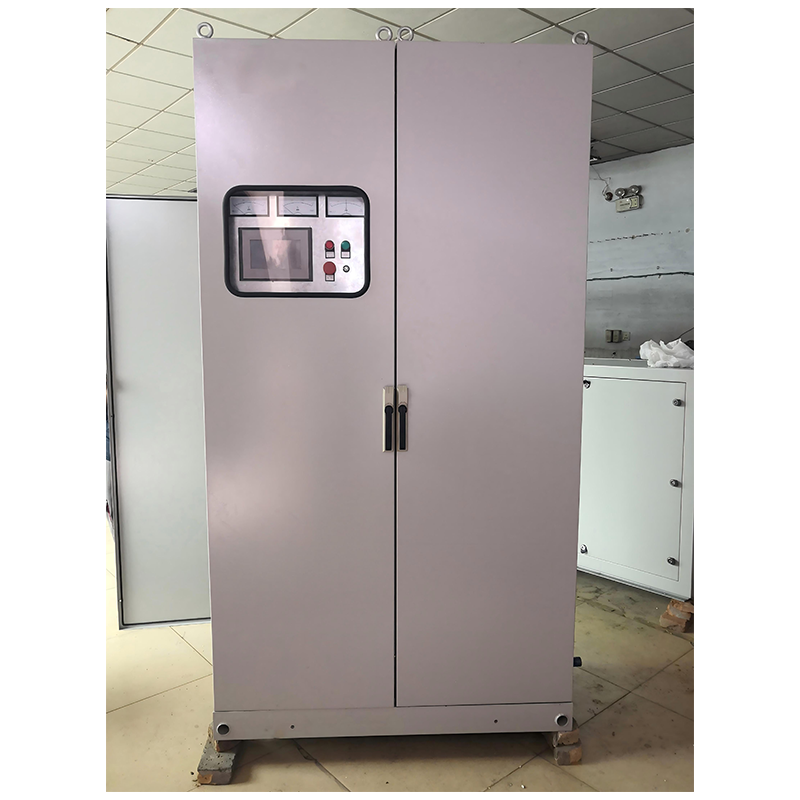

OEM production of input cabinets for developers
2026-07-24
- Why OEM production of walk-in cabinets has become a critical factor for developers in 2026
- Technical requirements and specifications: what you need to know before starting production
- OEM economics: comparison of costs and terms with local assemblers
- Quality control and certification: guarantees of compliance with GOST and EAS
- Step-by-step algorithm for launching an OEM production project
- Frequently asked questions (FAQ)
- Заключение: стратегический выбор в пользу надежности и эффективности
Why OEM production of walk-in cabinets has become a critical factor for developers in 2026
In our practice of working with large development projects, we observe a clear trend: the transition toOEM производство шкафов ввода для застройщиковhas ceased to be just a way to save money and has become a matter of meeting strict deadlines for the delivery of objects. In 2026, as demands for energy efficiency and security in residential communities peak, off-the-shelf solutions from retail brands are often too expensive or inflexible. Builders can no longer wait 8-10 weeks for delivery of typical equipment; they need cabinets tailored to the specific architecture of the panel room, with a unique layout and labeling, ready for installation in 3-4 weeks.
We were faced with a situation where one of our clients in Moscow lost more than 4 million rubles due to the downtime of a team of electricians waiting for standard cabinets to be completed on site. The problem was that the project changed at the foundation pit stage, and the supplier refused to change the configuration of already produced equipment without a huge additional payment. This is where the OEM (Original Equipment Manufacturer) model comes into play. This is not just “sticking your logo on.” This is a complete redesign of a product to the customer’s technical specifications (TS), where the manufacturing plant takes responsibility for compliance with all GOST and PUE standards, while maintaining control over costs.
For a developer, choosing an OEM production partner means getting a product that fits perfectly into the allocated space, has the required degree of protection (IP54, IP65) and is equipped with components from exactly those brands that are approved by the estimate. In this article, we will look at how to structure the ordering process, what technical parameters are critical, and why modern production in OEM format today outperforms local assemblers in terms of price/quality/time ratio.
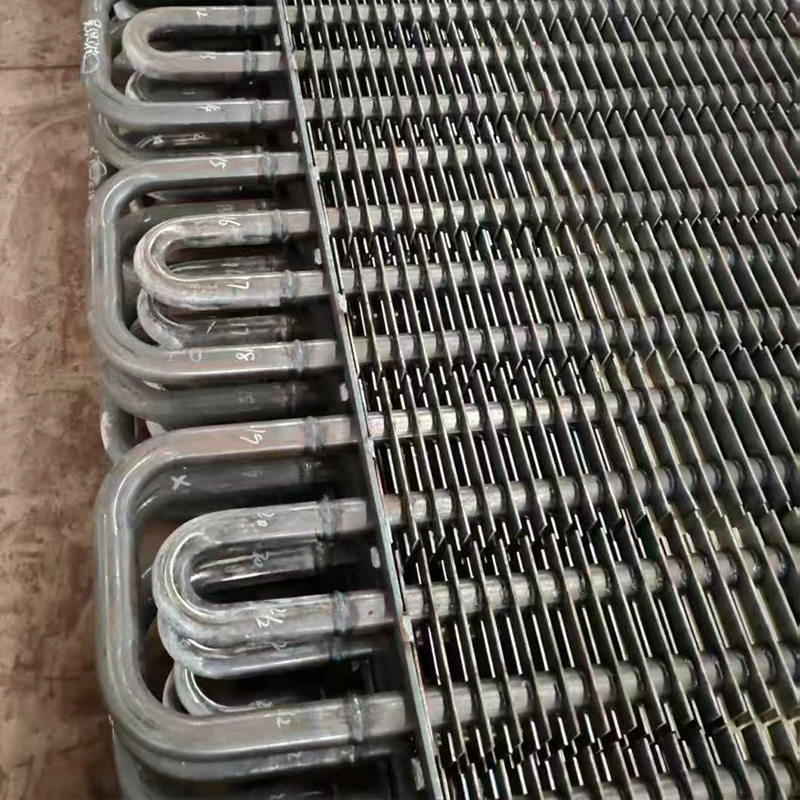
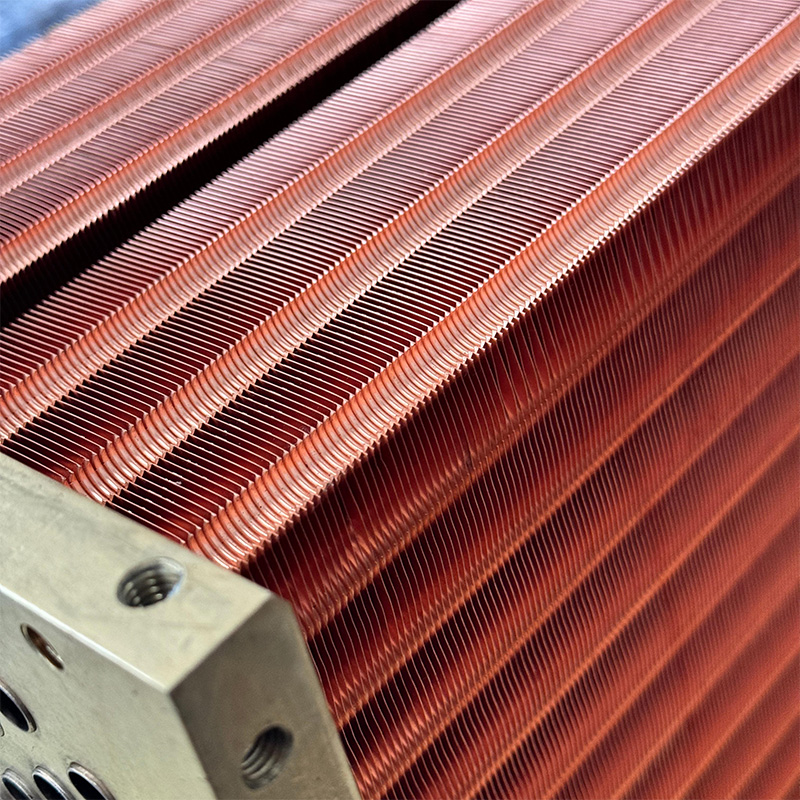
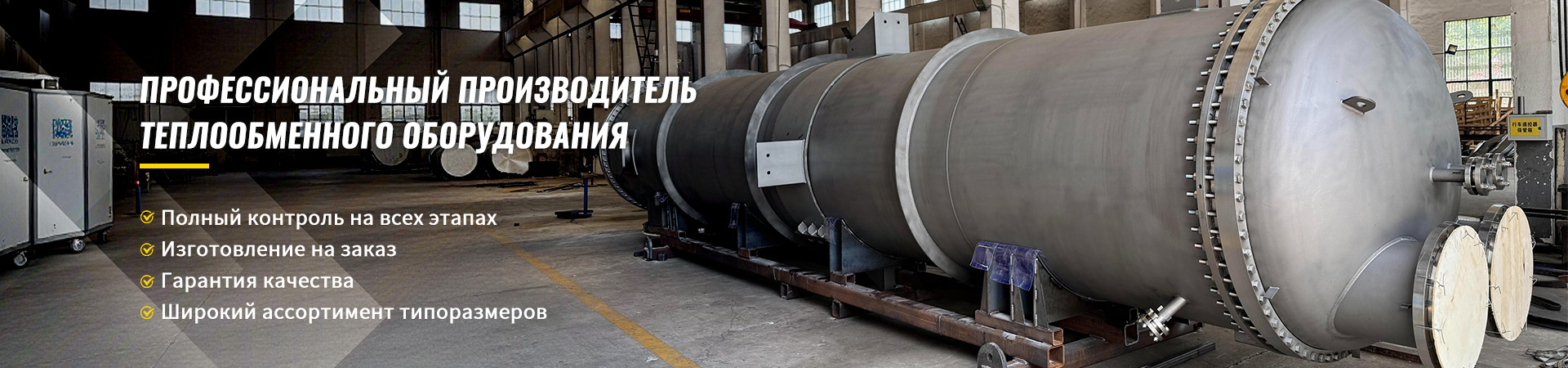
A striking example of this approach is the companyWuxi Kaisheng Electric Power and Petrochemical Equipment Co., Ltd.. Although the company has historically specialized in complex heat transfer equipment for the oil and gas industry - producing titanium shell-and-tube heat exchangers, ASME equipment and exotic alloy components (nickel, copper-nickel alloys) - its production base is uniquely suited to the challenges of the energy sector. High quality standards certified by PED and ASME, experience in working with highly corrosion-resistant materials and the ability to implement customized engineering solutions have allowed the company to successfully scale its expertise to the electrical equipment market. Today, Wuxi Kaisheng offers developers not just metal housings, but high-tech solutions where welding accuracy, coating quality and structural reliability meet the levels required in the most aggressive industrial environments, which guarantees the durability of incoming cabinets in any operating conditions of residential complexes.
Technical requirements and specifications: what you need to know before starting production
The beginning of any project for the manufacture of input distribution devices (IDUs) begins not with a drawing, but with a clear understanding of the loads and operating conditions. When we are talking about mass construction, errors in calculations at the cabinet design stage can lead to catastrophic consequences during the operation of the entire residential area. The main parameters that must be recorded in the technical specifications for the OEM plant include rated current, short circuit level (Icw), degree of protection and climatic design.
The rated current of the input circuit breaker is the heart of your cabinet. For modern mid-rise residential complexes, we most often work with ranges from 250 A to 630 A, but for high-rise buildings these figures can reach 1600 A and higher. It is important to understand: the choice of rating affects not only the cost of switching equipment, but also the dimensions of the cabinet itself and the cross-section of the busbar. In our practice, there was a case when, due to an error in the design, the current was underestimated by one step. The result was regular operation of the thermal release during peak load hours, which led to massive complaints from residents and an expensive replacement of the introductory unit six months after the building was commissioned.
Short circuit current (Icw) is a parameter that is often ignored in the pursuit of low price, and this is a fatal mistake. According to GOST R 51732-2014, input devices must withstand short-circuit currents for a certain time (usually 1 second) without destruction. For general purpose networks, the minimum requirement is often 20 kA or 35 kA, but near transformer substations this may require amplification of up to 50 kA. If your OEM partner offers a cabinet with an Icw lower than required, explaining that it is “sufficient for household needs,” stop negotiations immediately. In the event of a real short circuit, such a cabinet can explode, posing a threat to the lives of personnel and the integrity of the building.
Climatic modification and degree of protection (IP) determine exactly where the cabinet will be located. For the interior of apartment buildings, the standard is IP31 or IP41, which protects against fingers and condensation drops. However, for input nodes located in technical undergrounds with high humidity or in separate buildings on the street, a minimum of IP54, and often IP65, is required. The quality of the door seals and cable entries is critical here. We recommend that you require leak test certificates from the manufacturer, since a visual inspection does not always reveal assembly defects, which will only appear in winter due to temperature changes.
The case material and type of coating also play a role in durability. The metal thickness must be at least 1.5 mm for wall cabinets and 2.0 mm for floor structures. The use of polymer powder paint is mandatory - it provides protection against corrosion and mechanical damage better than traditional enamel. In the specifications for the factory, be sure to indicate the RAL color (most often RAL 7035 light gray) so that all cabinets in the series have a consistent look. Failure to comply with these parameters will lead to the fact that after 2-3 years of operation, traces of rust will appear on the housings, which will become a problem when the object is accepted by supervisory authorities.
Action:Before sending a request for a commercial proposal, collect single-line diagrams of all typical components of your project and create a table with the required current ratings and degrees of protection. This will reduce the time required to coordinate the technical part with the plant by 40%.
OEM economics: comparison of costs and terms with local assemblers
The main question that every purchasing director asks is: “Why should we order production from specialized plants if there are local assembly shops nearby?” The answer lies in the cost structure and scalability of processes. Local assemblers often work according to the “bought components - assembled - sold” scheme. Their margins are based on the markup for work and logistics of components within the country. In the conditions of 2026, when prices for copper and electrical steel remain high, and logistics shoulders within the Russian Federation have lengthened, the cost of local assembly has increased by 25–30% compared to the period of 2023.
Modern OEM manufacturing, including businesses like Wuxi Kaisheng, operates on a different model. Factories purchase metal, plastic and components in huge quantities, receiving discounts that are not available to small businesses. In addition, automation of painting and laser cutting lines in large factories reaches a level at which the human factor is reduced to a minimum, and the speed of metal processing is 3–4 times higher than in semi-automatic workshops. As a result, even taking into account delivery and customs clearance, the final cost of the input cabinet is 15–20% lower than its Russian counterpart with an identical set of components (for example, when using CHINT or DKC automatic machines).
However, the biggest benefit for the developer is not the unit price, but the predictability of timing and the ability to scale. Imagine the situation: you need 500 cabinets for a new microdistrict. A local manufacturer, having limited space and the number of welding stations, will be able to produce 20–30 pieces per week. Delivery time extends to 4–5 months. A large OEM plant, having received an order for 500 units, launches a separate production line. Thanks to parallel operations (cutting, bending, welding, painting, assembly flow), they are able to ship 80-100 cabinets per week. The total duration of the contract is reduced to 6–7 weeks.
Let's look at a specific example from our experience. A developer in Yekaterinburg compared two proposals for the supply of 120 VRU-1 cabinets. A local company offered a price of 85,000 rubles per unit with a period of 10 weeks. A partner with a modern production cycle offered 68,000 rubles (with delivery to Moscow) with a period of 5 weeks for production plus 3 weeks for logistics. The total savings amounted to more than 2 million rubles, and the equipment arrived at the site a month ahead of schedule, which made it possible to begin commissioning work earlier and put the house into operation. In construction, time is money, and speeding up the cycle pays off any logistical risks.
However, the model has its own nuances. The main risk is currency fluctuations and changes in supply chains. To mitigate this risk, we recommend fixing the exchange rate in the contract at the time of signing or using ruble contracts with partners who have accounts in Russian banks. It is also important to plan logistics in advance: sea delivery is cheaper, but longer (35–45 days), while rail delivery through Kazakhstan takes 18–22 days. For urgent projects, a difference of 2 weeks can be critical, so route selection should be part of the procurement strategy.
Action:Request from potential suppliers a detailed production schedule (Gantt chart) indicating the stages of batch readiness. Compare not only the end date, but also the possibility of shipment in parts (batches of 20–30 pieces) to speed up installation at different construction sites.
Quality control and certification: guarantees of compliance with GOST and EAS
Skepticism about product quality is still common, but it is often based on the experience of buying cheap consumer products rather than industrial equipment. In the B2B segment, especially when working with serious OEM factories, the quality control (QC) system is often stricter than at many local enterprises. The key difference is the presence of a certified laboratory directly on the premises of the plant. Before shipping each batch of input cabinets, mandatory tests are carried out: checking insulation resistance, testing with high voltage, checking the functionality of mechanical interlocks and measuring the tightening torque of contacts.
To operate on the Russian market, any electrical equipment must have a certificate of conformity with TR CU 004/2011 “On the safety of low-voltage equipment” and the EAC circulation mark. A reliable OEM partner does not just provide a copy of the certificate, but includes a specific customer in the appendix to the certificate or draws up a declaration for serial production under your brand. This legally establishes your responsibility as the owner of the brand, but also gives you complete control over the product. We strongly recommend avoiding schemes where the plant proposes to use a “foreign” certificate, since at the very first inspection by Rostechnadzor this will lead to fines and suspension of operation of the facility.
An important aspect is compliance with GOST standards. Many factories are accustomed to working according to IEC standards or national standards of the country of origin. Although they are similar in many ways, there are differences in the requirements for labeling, tire color indication and design. For example, in Russia, the zero bus (N) should be indicated in blue, and ground (PE) - yellow-green. A professional OEM manufacturer for the Russian market has separate instructions for assemblers, regulating strict compliance with Russian color coding and PUE (Electrical Installation Rules) requirements.
How do we control quality remotely? The best practice is to engage independent inspection agencies (for example, SGS, Bureau Veritas or specialized Russian firms) to carry out pre-shipment inspection. The inspector comes to the plant, selects random samples from the finished batch and conducts an inspection according to the checklist agreed upon with you. He checks the geometry of the cabinet, the quality of the welds, the correct installation with a torque wrench, and the presence of all tags and passports. The cost of such a service is about $300–500, but it insures you against getting defective, the correction of which on site would cost tens of times more. In our practice, there was a case when an inspection revealed a batch of cabinets with incorrectly installed door hinges. The batch was returned for revision at the factory, which saved the customer weeks of downtime.
It's also worth paying attention to the components inside the cabinet. OEM manufacturing allows you to choose the brand of components. You can specify the installation of automatic machines and RCDs of well-known international brands (Schneider, ABB, Siemens) or high-quality analogues that have all the necessary certificates for the Russian Federation. The main thing is to specify in the contract specific articles and requirements for the presence of holograms and security marks on each product in order to avoid the risk of counterfeiting.
Action:Include a clause in the contract regarding mandatory Third Party Inspection before paying the final tranche. Require the provision of photo and video reports from high-voltage testing for each batch.
| Comparison parameter | Local assembly (Russia/CIS) | OEM Manufacturing (Specialized Factories) | Advantage for the developer |
|---|---|---|---|
| Case cost | High (expensive metal, energy, manual work) | Low (production scale, automation) | Budget savings of up to 20% on metal structures |
| Batch production time >100 pcs. | 8–12 weeks (limited capacity) | 4–6 weeks (in-line production) | Acceleration of project delivery and reduction of financial risks |
| Configuration flexibility | Medium (difficult to change equipment frequently) | High (fast changeover of CNC machines) | Possibility of adaptation to changes in the project without large additional payments |
| Quality control | Personal presence is possible, but expensive | Inspection agency required (effective and cheap) | Objective quality assessment by an independent expert |
| Certification | It's easier to get a local certificate | Registration of TR CU through a representative is required | With the right approach - full compliance with the legislation of the Russian Federation |
| Logistics | Fast delivery by road | Long delivery (railway or sea), customs clearance | The need to plan time reserves (buffer 3-4 weeks) |
Step-by-step algorithm for launching an OEM production project
The success of introducing imported equipment depends on a clearly structured interaction process. Chaotic requests and lack of technical documentation lead to delays and errors. Below is a proven algorithm of actions that allows you to minimize risks and receive the product on time.
- Preparation of technical specifications (TOR) and single-line diagrams.This is the foundation of the entire project. You must provide the plant not just with “wish lists,” but with professionally prepared documents. The technical specifications must indicate: dimensional restrictions (height, width, depth), cable entry points (top/bottom, hole diameter), arrangement of devices, types of machines used, requirements for painting and marking. An error at this stage, for example, incorrectly specified diameter of the cable entries, will lead to the fact that the cables simply will not fit into the cabinet on site. Take the time to have your schematics reviewed by a design engineer before submitting.
- Partner selection and opportunity audit.Don't rely only on the price on the price list. Request from the plant a portfolio of similar projects (reference list), photographs of production lines and copies of ISO 9001 certificates. Ideally, if the plant has experience working with Russian clients and international standards (ASME, PED), which indicates a high level of production culture. Ask for a video conference with a workshop demonstration. Обратите внимание на чистоту в зоне сборки и наличие стенда для тестирования готовых изделий. Если завод не может показать работающий испытательный стенд — это красный флаг.
- Согласование образца (Prototype Approval).Никогда не запускайте массовое производство без утверждения опытного образца. Закажите изготовление одного шкафа в полной комплектации. Этот образец будет эталоном качества для всей партии. Проверьте его лично или через инспектора: плавность хода дверей, четкость надписей, усилие на рукоятках автоматов, качество контактных соединений. Внесите правки в конструкторскую документацию на основе тестов образца. Только после письменного подтверждения «Образец утвержден» завод имеет право запускать серию.
- Производство и промежуточный контроль.На этапе производства требуйте еженедельных отчетов с фотографиями прогресса. Для крупных партий целесообразно провести инспекцию на этапе 50% готовности (проверка каркасов и покраски) и финальную инспекцию готовой продукции. Это позволяет выявить отклонения на ранней стадии. Например, если цвет краски отличается от эталона, это можно исправить до упаковки, а не получать претензию от заказчика на стройплощадке.
- Логистика, таможня и приемка.Заранее определите базис поставки (Incoterms). Для застройщиков наиболее удобен вариант DDP (Delivery Duty Paid) до склада в России, когда поставщик берет на себя все таможенные вопросы. Однако часто выгоднее работать по FCA или FOB и нанимать собственного брокера. При приемке партии сверяйте количество мест, целостность упаковки и наличие сопроводительной документации (паспорта, сертификаты, инструкции на русском языке). Выборочная проверка 5–10% шкафов из партии на соответст вие утвержденному образцу обязательна.
Важное замечание: не пытайтесь сэкономить на этапе разработки конструкторской документации. Дешевле заплатить инженеру за грамотный чертеж, чем переделывать партию шкафов из-за того, что шины не состыковались. В нашем опыте были случаи, когда экономия $200 на проектировании приводила к потерям в $5000 на переделке и логистике.
Action:Создайте единую папку проекта с актуальными версиями всех чертежей и спецификаций, доступную и вашей команде, и поставщику. Любое изменение должно фиксироваться дополнительным соглашением с новой датой версии документа.
Frequently asked questions (FAQ)
Каков минимальный объем заказа (MOQ) для OEM-производства шкафов ввода?
Для большинства серьезных заводов минимальный объем заказа составляет от 10 до 20 штук одинаковой конфигурации. Это обусловлено экономической целесообразностью настройки оборудования и закупки материалов. Однако, если вам нужно меньше единиц, многие производители готовы выполнить заказ, но стоимость единицы продукции будет выше из-за отсутствия эффекта масштаба. В некоторых случаях возможно объединение разных модификаций в один заказ общим объемом от 30–50 штук, что позволяет сохранить оптовую цену. Мы рекомендуем планировать закупки укрупненными партиями, чтобы получить лучшие условия.
Можно ли нанести наш логотип и бренд на шкафы?
Да, это стандартная процедура для OEM-производства. Вы можете разместить свой логотип методом шелкографии, лазерной гравировки или наклейки из пленки на дверцах шкафов. Также возможно изготовление шильдов с индивидуальными данными (название вашей компании, серийный номер, дата выпуска, технические параметры). Единственное требование — предоставить логотип в векторном формате (AI, EPS, PDF) высокого разрешения. Обычно нанесение бренда включено в стоимость при заказе партии, но для мелких серий может взиматься небольшая плата за подготовку трафарета.
Как гарантируется совместимость компонентов с российскими сетями?
Совместимость обеспечивается двумя путями. Во-первых, вы сами указываете в спецификации марки и модели автоматических выключателей, реле и счетчиков, которые сертифицированы в РФ (например, IEK, EKF, CHINT с русским паспортом). Во-вторых, завод-производитель собирает схему строго по предоставленной вами однолинейной схеме, которая уже прошла экспертизу в российском проектном бюро. Завод выступает исполнителем сборки, а ответственность за схемотехнику несет проектировщик. Мы всегда рекомендуем включать в контракт пункт о том, что сборка ведется в полном соответствии с ПУЭ и ГОСТ Р 51732.
Что делать, если при приемке обнаружен брак?
Процедура работы с браком должна быть четко прописана в контракте. Стандартная практика: при обнаружении скрытых дефектов или повреждений при транспортировке составляется акт с фотофиксацией. Если брак производственный (некачественная сварка, дефект покраски, неработающий механизм), поставщик обязан бесплатно заменить дефектные узлы или весь шкаф за свой счет. Для минимизации рисков мы настаиваем на удержании 5–10% суммы контракта до окончательной приемки партии на складе покупателя. Это служит финансовой гарантией для оперативного решения проблем.
Сколько времени занимает доставка в регионы России?
Сроки зависят от выбранного способа транспортировки и географии доставки. Железнодорожная доставка до центральных регионов (Москва, Екатеринбург, Новосибирск) занимает в среднем 18–25 дней с момента отгрузки с завода. Морская доставка до портов Дальнего Востока с последующей перевалкой на Ж/Д может занять 35–45 дней, но она дешевле для тяжелых и негабаритных грузов. Автомобильная доставка используется реже из-за высокой стоимости, но может быть актуальна для срочных небольших партий. Всегда закладывайте дополнительный буфер в 7–10 дней на таможенное оформление и возможные задержки на границе.
Заключение: стратегический выбор в пользу надежности и эффективности
Переход наOEM производство шкафов ввода для застройщиков— это не просто смена поставщика, это изменение подхода к управлению строительным проектом. В условиях современного рынка, где маржинальность строительства снижается, а требования к качеству растут, способность контролировать каждый элемент цепочки создания стоимости становится конкурентным преимуществом. Сотрудничество с проверенными партнерами, обладающими опытом в высокотехнологичных отраслях (как нефтегазовая или энергетика), позволяет получить продукт европейского уровня качества по оптимальной цене, соблюдая при этом все нормы российского законодательства.
Мы убедились на сотнях реализованных проектов, что ключ к успеху лежит в детальном планировании, прозрачной коммуникации и жестком контроле качества на каждом этапе. Не бойтесь сложных схем работы с импортом — при наличии надежного партнера они становятся рутиной, приносящей значительную финансовую выгоду. Ваши объекты deserve лучшего оборудования, а ваш бизнес — максимальной эффективности затрат.
Готовы обсудить детали вашего следующего проекта и рассчитать точную стоимость партии? Наша команда инженеров готова проанализировать ваши однолинейные схемы и предложить оптимальное решение в течение 24 часов.
Contact us todayдля получения бесплатной консультации и расчета стоимости OEM-производства под ваши задачи.