
Automatic winding line for PP tanks”
2026-08-21
- Automatic PP tank winding line: technical parameters and selection criteria
- Design and operating principle of spiral winding equipment
- Technical characteristics and comparison of winding line models
- Applications in various industries and cases
- Installation process, commissioning and typical errors
- Economic efficiency and payback calculation
- Compliance with international standards and certification
- Frequently Asked Questions
- Conclusion and recommendations for choosing a supplier
Automatic PP tank winding line: technical parameters and selection criteria
The selection of equipment for the production of polypropylene containers begins with an analysis of the performance and positioning accuracy of the extruder.Automatic PP Tank Winding Lineis not just a machine, but a complex system where every millimeter of movement of the welding head affects the tightness of the future product. In our practice, we have observed cases where saving 15% on the cost of the drive led to 30% of the batch being rejected due to uneven weld penetration at speeds above 4 meters per minute. The real cost of owning such equipment consists of the purchase price, energy consumption, maintenance costs and defect rates. For enterprises planning to produce containers with a volume of 500 to 50,000 liters, the key factor is the ability to quickly change over to different diameters without long downtime.
The market offers CNC-controlled solutions that allow for complex winding paths, including conical sections and custom-shaped bottoms. Standard models typically operate in an extrusion temperature range of 220°C to 260°C, which is critical for handling PP-H homopolymer and PP-B copolymer. An error in choosing the temperature regime, even by 5 degrees, can lead to destruction of the material or, conversely, to insufficient adhesion of the layers. We recommend paying attention to automatic roll gap compensation systems, since the wall thickness often varies within ±0.5 mm depending on the melt viscosity.
The efficiency of the line directly depends on the synchronization of the rotation of the mandrel and the feed speed of the belt. Modern controllers provide accuracy up to 0.1 mm, which allows you to create multilayer structures with or without reinforcement. If your task is the production of chemical tanks operating under pressure, the requirement for the quality of the weld increases many times over. The seam must withstand the same loads as the base material, which is achieved only with an ideal match between the roller pressure and heating temperature parameters. Ignoring this aspect leads to delamination of the walls during operation, especially under cyclic loads.
Design and operating principle of spiral winding equipment
The basis of any line is an extrusion module, which melts polypropylene granules and forms a continuous tape of a given width. The width of the tape usually varies from 40 to 120 mm, which determines the winding pitch and, therefore, the number of welds per unit height of the tank. Fewer seams reduce the likelihood of defects, but require a more powerful mandrel drive to ensure even material distribution. In our projects we often use 80mm wide tapes as an optimal balance between production speed and structural strength.
The molding system consists of a movable carriage that moves along the axis of a rotating mandrel. The carriage carries the extruder, pressure rollers and a cooling system. The critical element is the clamping mechanism, which provides pressure in the range of 0.2 to 0.6 MPa. Pressure that is too high forces the melt out of the weld zone, forming a bead and weakening the joint, while pressure that is too low leaves air pockets. One of our clients encountered the problem of microcracks in the seams precisely because of the wear of the pneumatic clamping cylinders, which reduced the pressure by 15% below the calculated value.
The mandrel (mandrel) is a collapsible structure that allows you to remove the finished product after cooling. The diameter of the mandrel is selected to match the internal diameter of the tank, taking into account the shrinkage of the material, which for polypropylene is about 1.5-2.0%. Using the wrong mandrel results in the finished tank either not being removed or having an oval shape after dismantling. For large containers with a diameter of more than 3 meters, segmented mandrels with hydraulic opening are used, which speeds up the finished product removal cycle by 40%.
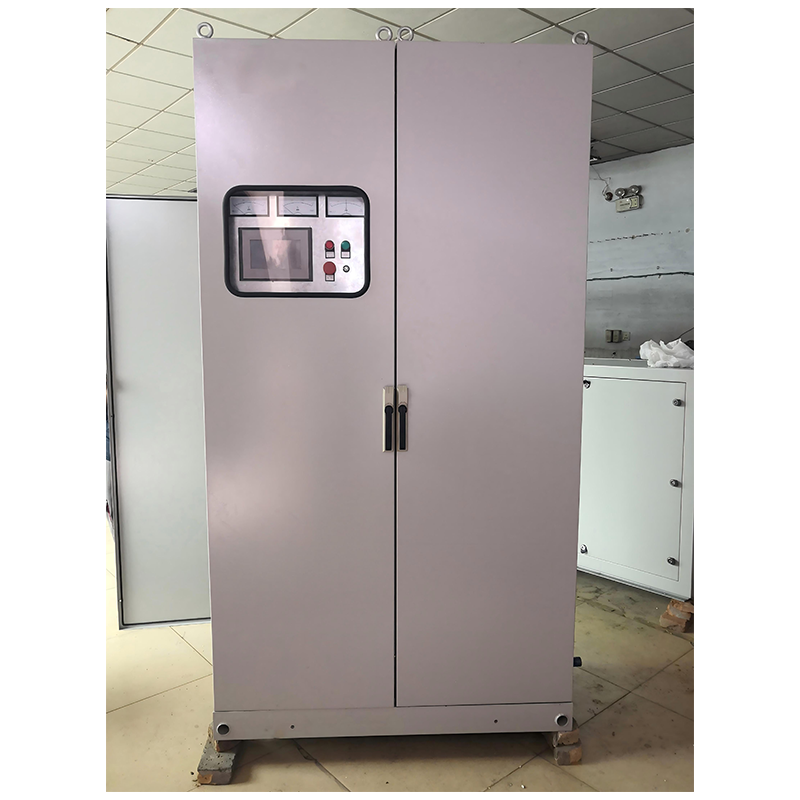
The control system integrates data from temperature, pressure and position sensors. The operator sets the production recipe, including rotation speed, carriage lift speed and temperature of the extruder zones. Advanced lines are equipped with real-time seam visual inspection systems that automatically adjust parameters when deviations are detected. This is especially important when working with secondary raw materials, the properties of which can vary within one batch. Without such a system, the risk of substandard production increases in proportion to the heterogeneity of the raw materials.
Key components and their impact on product quality
- Extruder screw pair:The degree of homogenization of the melt depends on the geometry of the screw. For PP, screws with a Maddock type mixing zone are recommended, providing a melt temperature with a spread of no more than ±3°C over the entire cross-section of the belt.
- Mandrel rotation drive:Must provide constant torque even when the winding diameter (taper) changes. The use of servo motors allows the linear winding speed to be synchronized regardless of the current radius.
- Cooling system:Air or water cooling of the seam immediately after pressing fixes the crystalline structure of the polymer. Insufficient cooling leads to deformation of the tank under its own weight even at the production stage.
- Edge cutting unit:Automatic trimming of the strip edges before feeding into the extruder removes the oxidized layer, ensuring the cleanliness of the welded surfaces. Neglecting this stage reduces the strength of the connection by 20-25%.
Technical characteristics and comparison of winding line models
When choosing equipment, it is necessary to compare not only the declared performance, but also the real capabilities of working with different brands of plastic. Below is a comparison of three typical line configurations common on the market, with an emphasis on the parameters that affect the final cost of production.
| Parameter | Basic model (Economy) | Standard model (Optima) | Premium model (High precision) |
|---|---|---|---|
| Tank diameter | 500 – 3000 mm | 800 – 5000 mm | 1000 – 10000 mm |
| Maximum height | up to 2500 mm | up to 4000 mm | up to 8000 mm (with sectional winding) |
| Winding speed | 1.5 – 3.0 m/min | 2.0 – 5.0 m/min | 3.0 – 7.0 m/min |
| Positioning accuracy | ±1.0 mm | ±0.5 mm | ±0.1 mm |
| Management | PLC + Touch Panel (Basic) | PLC Siemens/Omron + SCADA | Industrial PC + Adaptive Control |
| Extruder power | 15 – 22 kW | 30 – 45 kW | 55 – 90 kW (twin screw) |
| Possibility of winding cones | No (cylinders only) | Yes (manual setting) | Yes (automatic trajectory calculation) |
| Certification | CE (basic) | CE, ISO 9001 | CE, EAC, GOST, UL (optional) |
Basic models are suitable for small workshops producing standard water tanks or simple technical containers. Their main drawback is their lack of flexibility: changing the diameter requires mechanical readjustment of the limiters, which takes up to 4 hours. Standard models are the workhorses of most plants, offering a balance between price and functionality. They enable the production of chemical tanks with guaranteed seam quality thanks to stable temperature control.
Premium lines are required for the production of large tanks with complex shapes, for example, for the mining industry or wastewater treatment plants. The possibility of sectional winding allows you to create containers with a height of more than 4 meters, which cannot be transported in assembled form. Automatic compensation for diameter changes eliminates the human factor in the production of conical reducers. Investments in such equipment pay off due to the ability to fulfill unique orders that competitors cannot fulfill with simple equipment.
An important parameter is also the type of extruder. Single-screw extruders are cheaper and easier to maintain, but are less capable of processing recycled materials. Twin screw units installed on top lines provide better additive dispersion and extrusion stability, which is critical when using PP recyclate. The choice between them should be based on your feedstock strategy: if you plan to use 100% virgin granulate, the single screw option will be sufficient.
Applications in various industries and cases
The scope of application of tanks made by the spiral winding method is extremely wide, but the requirements for equipment in each case differ radically. Understanding the specifics of the industry helps to set up the line correctly and avoid complaints from the customer.
Chemical industry and electroplating
Electroplating shops use pickling and anodizing baths, which are constantly in contact with aggressive acids and alkalis at elevated temperatures (up to 60-80°C). The chemical resistance of the seam is critical here. We worked with a customer producing chrome plating baths where absolute tightness was required. Using a line with insufficient temperature control resulted in spiral leaks after 3 months of operation. The solution required switching to a line with precision control of the temperature of the welding zone and the use of a special filler rod made of the same material as the tape.
To store sulfuric acid with a concentration above 70%, the use of stabilized polypropylene is required. The line must ensure monolithic fusion of the layers so that the acid does not penetrate into the micropores between the turns. In such cases, the winding speed is artificially reduced to 2.5 m/min to increase the heat treatment time of the seam. Energy consumption increases by 15%, but this is an inevitable price to pay for safety.
Oil refining and petrochemistry: the role of high-tech equipment
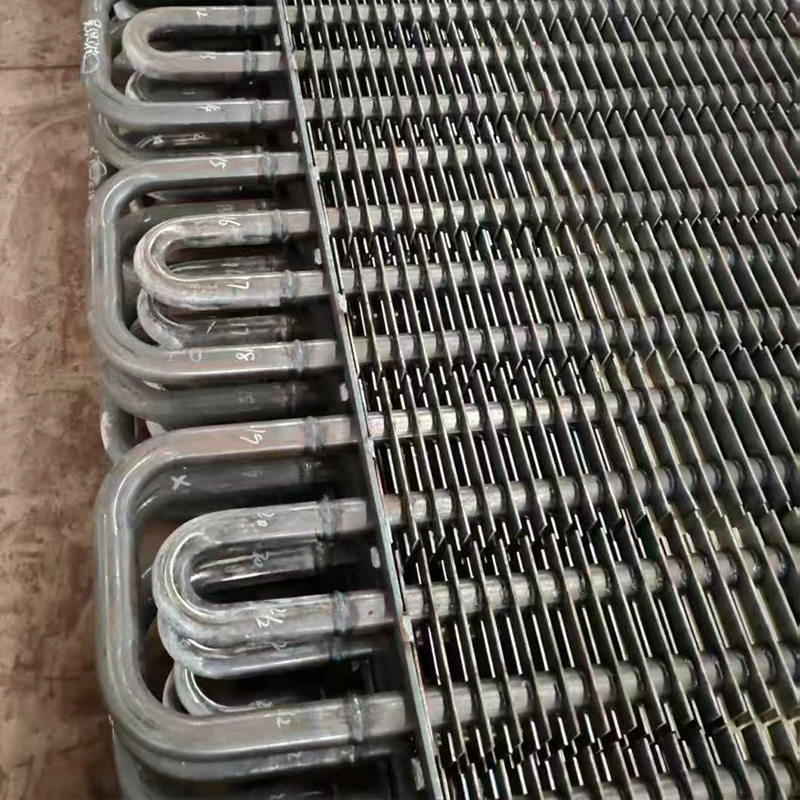
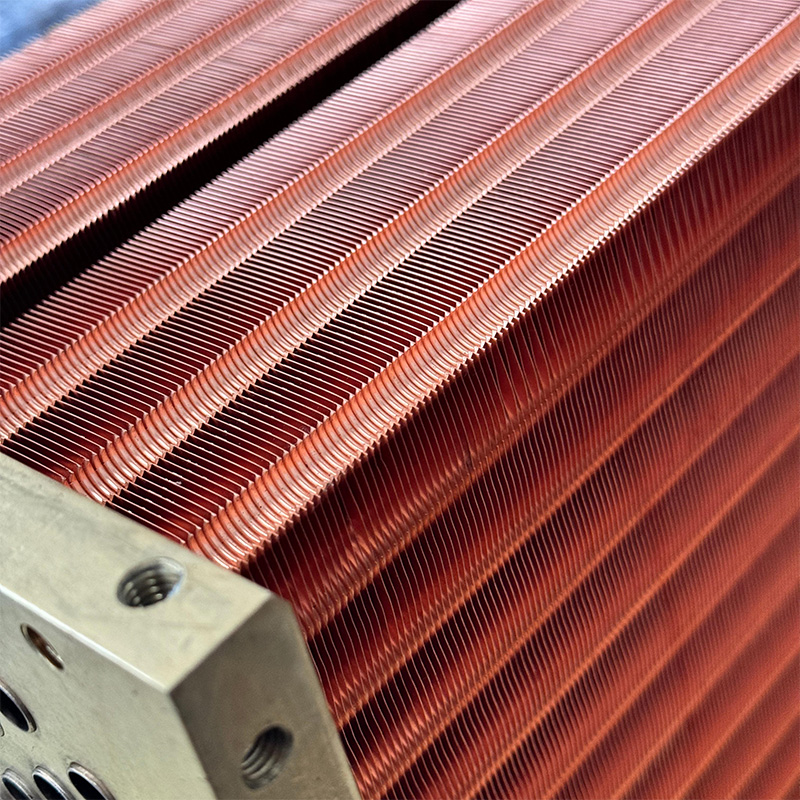
In the oil refining and petrochemical sectors, the requirements for equipment reliability reach their maximum. Here, polypropylene tanks often act as part of complex technological chains, adjacent to high-pressure heat exchangers and waste heat boilers. It is in this environment that the benefits of integrating solutions from leading manufacturers such asWuxi Kaisheng Electric Power and Petrochemical Equipment Co., Ltd.. Specializing in the design and manufacture of critical components - from titanium shell-and-tube heat exchangers to air coolers and tube bundles made from N06625 and C46400 alloys - the company has developed unique expertise in creating systems that withstand extreme pressures and corrosive environments.
Certified to stringent international ASME and PED standards, Wuxi Kaisheng's products demonstrate the same quality approach required when selecting tank winding lines. When it comes to storing aggressive petroleum products or working in seawater desalination plants, even microscopic welding defects are unacceptable. The company's experience in working with stainless steels 316 and 321, copper-nickel alloys and titanium confirms that the reliability of the final product is laid down at the stage of choosing production technologies. The use of automated lines capable of providing the same high degree of parameter control as in the manufacture of high-pressure heat exchangers is becoming standard for modern petrochemical plants. Wuxi Kaisheng's global supply experience shows that customized engineering solutions and equipment stability are the key to keeping plants running smoothly in the harshest environments.
Water treatment and agriculture
Wastewater treatment tanks often have huge volumes (up to 100 m³) and operate at atmospheric pressure. The main requirement here is structural rigidity and resistance to ultraviolet radiation. Manufacturers often add carbon black (2-3%) to the mass to protect against UV radiation. This changes the rheological properties of the melt, requiring adjustments to the screw profile and temperature zones. On one of the lines, we encountered the fact that the black pigment was clogging the filters of the mesh bag faster than usual, causing pressure surges. Installing an automatic filter changing system solved the problem and allowed continuous operation for up to 48 hours.
In agriculture, containers for storing liquid fertilizers and silage are popular. They are often manufactured directly at the installation site (winding on site), since transporting finished containers with a diameter of 4-5 meters is not economically feasible. Mobile winding lines must be compact and energy efficient. An important aspect is working in field conditions: the equipment must be protected from dust and environmental temperature changes, which affect the cooling rate of the seam.
Food industry
For food products (wine, juice, milk), food grade PP containers are used that comply with FDA or EU 10/2011 standards. The surface of the seam must be smooth, without pores or sagging, to prevent the growth of bacteria. This requires the use of polished pinch rollers and thorough cleaning of the extruder before changing colors or batches. Any remnants of old material are unacceptable. Line changeover time for food production increases by 30% due to washing and sanitary inspection procedures, which must be taken into account when planning loading.
Installation process, commissioning and typical errors
Successful operation of the line depends 50% on the quality of installation and initial setup. Even the most expensive equipment will produce defects if it is installed on an uneven floor or is not properly grounded.
- Foundation preparation and leveling.The line must be installed on a concrete base with a thickness of at least 200 mm. The use of a laser level is mandatory: frame misalignment of more than 2 mm per linear meter will lead to beating of the mandrel and uneven wall thickness.Common mistake:ignoring vibration isolation, which leads to the transfer of vibration from the engines to the frame and deterioration of the quality of the seam.
- Connecting power systems.A stable voltage with a tolerance of no more than ±5% is required. Voltage surges can damage heaters or cause CNC malfunctions. It is mandatory to use a separate grounding loop with a resistance of less than 4 ohms.Attention:Incorrect phasing when connecting three-phase motors can change the direction of rotation of the auger, which will lead to an emergency.
- Calibration of temperature sensors.Before starting, it is necessary to check the readings of the sensors on the remote control with the readings of a reference thermometer inserted into the melt zone. A difference of more than 5°C requires recalibration of the controller. Inaccurate data leads to overheating or underheating of the material.
- Setting the winding geometry.Perform a cold winding test (without extrusion) to check the carriage path. Make sure that the winding pitch matches the width of the tape with the required overlap (usually 10-15%). Check that the movement of the carriage is parallel to the axis of the mandrel.
- First start and control of the seam.Start extrusion at minimum speed. Obtain the first seam sample, cut it and check it with a macro section. The fusion zone must be at least 80% of the tape thickness. Adjust the pinch roller pressure and temperature if necessary.
After successful completion of all stages, a commissioning protocol is drawn up. Operators are trained directly on the equipment, practicing recipe changes and actions in emergency situations. It is important to remember that polypropylene releases volatile substances when overheated, so the ventilation system in the workshop must ensure an air exchange rate of at least 3 times per hour.
Economic efficiency and payback calculation
Investments in an automatic winding line are justified with a production volume of 50 tons of products per year. Manual welding of large containers is labor-intensive and highly dependent on the qualifications of the welder, while automation stabilizes costs. Let's consider the cost structure of one kilogram of a finished tank.
Raw materials account for about 60-70% of costs. Using the line allows you to effectively use secondary granulate in the inner layer of the wall, reducing material costs by 20-25% without loss of strength. The energy consumption of a modern line is approximately 0.4-0.6 kWh per 1 kg of product, which is low for polymer processing. The wage fund is reduced by 3-4 times compared to manual production of the same volume: one line is serviced by 1-2 operators instead of a team of 4-5 welders.
The payback period for equipment greatly depends on the load. When working one shift (8 hours) and 70% load, the return on investment takes 18-24 months. Переход на круглосуточный режим работы (3 смены) сокращает этот срок до 10-14 месяцев за счет амортизации постоянных издержек на больший объем выпуска. Дополнительным фактором экономии является снижение процента брака. На автоматической линии он обычно не превышает 1-2%, тогда как при ручной сварке может достигать 5-7% из-за человеческого фактора.
Не стоит забывать о ликвидности оборудования. Качественные линии намотки сохраняют остаточную стоимость до 60% даже после 5 лет активной эксплуатации, что делает их привлекательным активом для баланса предприятия. Рынок б/у оборудования для переработки пластмасс в СНГ достаточно активен, и продать линию можно быстрее, чем специализированный станок для узких задач.
Compliance with international standards and certification
Для выхода на внешние рынки или работы с крупными государственными заказами оборудование и продукция должны соответствовать ряду стандартов. Само наличие сертификата у станка не гарантирует качество изделий, но подтверждает безопасность процесса производства.
Сертификация CE (Conformité Européenne) обязательна для поставок в Европу. Она касается в первую очередь электробезопасности, защиты движущихся частей и уровня шума. Машины без маркировки CE могут быть задержаны на таможне. В странах ЕАЭС требуется декларация соответствия техническим регламентам ТР ТС 010/2011 «О безопасности машин и оборудования». Это включает проверку заземления, аварийных стопов и защитных кожухов.
Что касается самой продукции, то для резервуаров, контактирующих с питьевой водой, необходимо гигиеническое заключение. Материал PP должен иметь сертификат соответствия санитарным нормам. Для химических емкостей часто запрашивают паспорт качества с указанием результатов испытаний шва на разрыв и изгиб. Наличие у производителя оборудования сертификата ISO 9001 говорит о налаженной системе контроля качества при сборке станков, что косвенно влияет на надежность поставляемых линий. Аналогично тому, как компания «Уси Кайшэн» обеспечивает соответствие своей продукции стандартам ASME и PED для работы под высоким давлением, производители линий намотки должны гарантировать соблюдение всех норм безопасности для своих клиентов.
В России и Беларуси также действуют ГОСТы на методы испытания сварных соединений термопластов (например, ГОСТ 26277-84). Оборудование должно позволять вырезать образцы для таких испытаний без повреждения основного изделия. Современные линии предусматривают возможность намотки тестовых образцов («свидетелей») одновременно с основным изделием, что упрощает процедуру входного контроля качества.
Frequently Asked Questions
Какова максимальная толщина стенки, которую может обеспечить линия?
Стандартные автоматические линии намотки позволяют получать стенку толщиной от 3 мм до 40 мм за один проход. Однако наиболее технологичным и прочным считается диапазон от 5 до 20 мм. Толщины свыше 25 мм требуют либо многослойной намотки с промежуточным охлаждением, что увеличивает время цикла, либо использования специальных широкощелевых головок. Следует учитывать, что при увеличении толщины время остывания изделия растет экспоненциально, что снижает общую производительность линии в штуках в смену.
Можно ли производить на одной линии резервуары разных диаметров?
Да, это одно из главных преимуществ технологии. Диапазон диаметров ограничен конструкцией рамы и длиной консоли каретки. Обычно одна машина перекрывает диапазон от минимального (например, 800 мм) до максимального (например, 4000 мм). Переход на другой диаметр требует замены оправки и внесения новых параметров в программу ЧПУ. Процесс переналадки занимает от 30 минут до 2 часов в зависимости от сложности конструкции оправки и опыта оператора. Никаких механических замен редукторов или двигателей при этом не требуется.
Какое сырье лучше использовать: первичное или вторичное?
Оптимальным решением является комбинированный подход. Внешний и внутренний слои, отвечающие за химическую стойкость и товарный вид, рекомендуется делать из первичного полипропилена. Средние слои (армирующие) можно выполнять из качественного вторичного гранулята (рециклата) той же марки. Это снижает себестоимость изделия на 15-20% без ущерба для эксплуатационных характеристик. Линии с двухшнековыми экструдерами лучше справляются с переработкой вторичного сырья благодаря более интенсивному смешиванию.
Требуется ли специальное помещение для установки линии?
Да, помещение должно быть отапливаемым, так как работа с полипропиленом при температуре ниже +15°C затрудняет процесс остывания и кристаллизации шва, что может привести к деформациям. Высота потолков должна превышать высоту самого высокого производимого резервуара плюс 1.5 метра для удобства монтажа и обслуживания (обычно от 5 до 8 метров). Площадь участка под линию зависит от максимальной длины изделия и зоны складирования готовой продукции, но минимальная рекомендуемая площадь — 100 м² для линии среднего класса.
Conclusion and recommendations for choosing a supplier
Автоматическая линия намотки резервуаров PP является высокопроизводительным инструментом, способным трансформировать производство емкостей из кустарного в индустриальное. Ключ к успеху лежит не в покупке самого дешевого станка, а в выборе конфигурации, идеально подходящей под ваши задачи по номенклатуре и объемам. Помните, что экономия на системе управления или качестве приводов сегодня обернется потерями на браке и простоях завтра.
При принятии решения запросите у поставщика список действующих клиентов и по возможности посетите производство, где уже работает аналогичное оборудование. Pay attention to the availability of spare parts: heaters, heating elements, bearings and electronic components should be standard and easily replaceable. Избегайте уникальных решений, которые привязывают вас к одному сервисному центру. Как и в случае с выбором поставщика сложного теплообменного оборудования, где репутация и соответствие стандартам (ASME, PED) играют решающую роль, доверие к производителю линий намотки строится на доказанном качестве и способности предоставлять индивидуальные инженерные решения.
Мы готовы предоставить детальную консультацию по подбору оборудования под ваш бизнес-план, включая расчет окупаемости и технико-экономическое обоснование. Наша команда инженеров поможет адаптировать стандартную линию под специфические требования вашего производства.
Contact us todayдля получения коммерческого предложения и каталога моделей. Также рекомендуем ознакомиться с нашим разделомтехнология производства резервуаров из полипропиленадля углубленного понимания процесса.