
Analysis of consumer demand for PP tanks”
2026-09-02
- Key Factors Determining Consumer Demand for PP Tanks in 2026
- Technical parameters as the main driver for equipment selection
- Comparative Material Analysis: PP vs PE and PVC
- Industry Application Scenarios and Cost Effectiveness
- An integrated approach to engineering solutions: the experience of Wuxi Kaisheng LLC
- Procurement risks and supply quality control
- The manufacturing and installation process: what the customer should pay attention to
- Market forecast and regulations
- Frequently Asked Questions
Key Factors Determining Consumer Demand for PP Tanks in 2026
Analysis of consumer demand for PP tanks shows a fundamental shift: buyers are no longer choosing suppliers based solely on price per kilogram of polypropylene. In the current market conditions of 2026, the priority has become chemical resistance at extreme temperatures and compliance with strict environmental standards EAC and GOST. Our data confirms that 68% of industrial purchases are now initiated not by the procurement department, but by the chief technologists of enterprises, who require guarantees that there is no migration of substances into the stored environment. If you are planning to modernize treatment facilities or install new tanks for aggressive reagents, ignoring the rheological properties of the material will lead to accidents during the first 18 months of operation.
We are observing a paradoxical situation in the CIS market: the number of offers is growing, but the quality of welds is falling. In our experience, there was a case where a large chemical plant lost 40 cubic meters of concentrated sulfuric acid due to the fact that the supplier used recycled granulate instead of primary PP-H. This incident cost the customer not only the product, but also two weeks of production downtime. This is why modern demand analysis focuses on transparency in the raw material supply chain and the availability of laboratory testing protocols for each batch of sheet material.
Technical parameters as the main driver for equipment selection
Consumer demand is driven by specific technical requirements, not marketing promises. When choosing a polypropylene tank, the key parameter is not just volume, but the elastic modulus of the material at operating temperature. The standard homopolymer (PP-H) retains rigidity up to +95°C, however, upon contact with oxidizing agents above +60°C, the process of chain destruction begins. We recommend asking the manufacturer for a certificate indicating the MFR (melt index) value - for capacitive equipment, the optimal range is 0.3–0.5 g/10 min. Values above 1.0 indicate an injection molding material that is strictly unsuitable for sheet extrusion and subsequent high-volume welding.
Wall thickness is often subject to manipulation. Unscrupulous manufacturers offer sheets with a tolerance of minus 10%, which for a tank with a volume of 50 m³ means a loss of load-bearing capacity in vertical sections. In our projects, we fix the thickness with an accuracy of 0.1 mm and require ultrasonic inspection of welds. Customers are increasingly requesting containers with double walls and a system for monitoring the space between the walls. This requirement is dictated by the tightening of environmental legislation: leakage of even a liter of a toxic substance now entails fines that exceed the cost of the tank itself by ten times.
Geometry also affects demand. Cylindrical containers withstand internal pressure better than rectangular ones, but the latter use storage space more efficiently. An engineering compromise is achieved by installing internal stiffeners made of the same polypropylene. It is important to understand: the use of metal frames outside is permissible only if there are compensating gaskets, otherwise the point pressure of the metal will destroy the polymer during thermal expansion. One of our clients experienced cracks in the corners of a rectangular tank precisely because the installation company tightened the metal ties without taking into account the linear expansion coefficient of PP, which is 0.15 mm/m °C.
Influence of the chemical environment on service life
Chemical compatibility is not an abstract concept, but a data sheet that every serious supplier should provide. Polypropylene is inert to most acids and alkalis, but aromatic hydrocarbons and chlorinated solvents cause it to swell and stress crack. Analysis of requests shows an increase in interest in sodium hypochlorite storage tanks. Here lies the pitfall: at concentrations above 15% and temperatures above 30°C, the rate of polypropylene degradation accelerates exponentially. We strongly recommend that for such environments consider modified PP grades or increase the calculated wall strength margin by 30-40%.
Ultraviolet radiation remains the hidden enemy of open tanks. Unstabilized polypropylene loses impact strength after just one season of open-air use. Demand is shifting towards materials with added carbon black (black containers) or specialized UV stabilizers. If you see dazzling white PP sheets in the warehouse intended for outdoor installation, this is a signal of low quality raw materials. In northern latitudes, where the UV index is lower, this factor is less critical, but for the southern regions of Russia and Kazakhstan, the presence of protection from solar radiation is a mandatory condition of the guarantee.
Comparative Material Analysis: PP vs PE and PVC
The choice between polypropylene (PP), polyethylene (PE) and polyvinyl chloride (PVC) determines the economics of the entire project for a decade to come. Consumers often confuse these materials, considering them interchangeable “plastics,” which leads to fatal purchasing mistakes. Below is a detailed comparison based on actual operating conditions in the chemical and food industries.
| Comparison parameter | Polypropylene (PP-H/PP-C) | Polyethylene (HDPE) | Polyvinyl chloride (PVC-U) |
|---|---|---|---|
| Maximum operating temperature | up to +95°C (short-term up to +100°C) | up to +60°C (deforms above) | up to +65°C (brittle when cooled) |
| Chemical resistance to oxidizing agents | High (ideal for chromium, nitric acid) | Medium (risk of cracking) | Low (destroyed by concentrated sulfuric acid) |
| Mechanical impact strength | High at room temperature, reduced in cold weather | Very high even at -40°C | Low, prone to splitting |
| Connection method | Extrusion welding (monolithic weld) | Butt welding or fittings | Bonding (chemical seam) or welding |
| Raw material cost (relative) | Average | Low | High (depending on the chlorine market) |
| Recommended scope of application | Electroplating, hot pickling baths, food tanks | Water storage, sewerage, cold reagents | Ventilation, cold acids, pharmaceuticals |
Polypropylene wins where a combination of heat resistance and chemical inertness is required. For example, in electroplating shops, where the technological process requires heating the electrolyte to 80°C, polyethylene will simply “float”, and PVC will become brittle. However, if your task is to store process water in an unheated warehouse in Siberia, high-density polyethylene (HDPE) will be the best choice due to its frost resistance. We have repeatedly seen attempts to save money and put PP where PE is needed, which led to the destruction of containers at the first winter cold snap due to the low impact strength of polypropylene in the cold.
PVC remains a niche solution for ventilation systems and handling certain types of acids at room temperature. Its main advantage is its non-flammability and rigidity, which makes it possible to create structures without an additional frame. But for large-volume tanks (over 10 m³), welding PVC is extremely labor-intensive and requires highly qualified personnel, while polypropylene is welded faster and produces a more elastic seam that compensates for temperature expansion. When analyzing demand, we see that the share of PVC in the large storage segment is declining in favor of PP-C (block copolymer), which combines the strength of a homopolymer with toughness.
Industry Application Scenarios and Cost Effectiveness
Understanding the specifics of the industry allows us to predict customer requirements more accurately than any survey. Let's look at two specific cases from our practice that demonstrate how the right choice of PP tank affects operating costs.
Case 1: Galvanic production (Metal processing)
The client was faced with the problem of frequently replacing chrome plating baths. Previously, steel-lined containers were used, which corroded due to microcracks in the lead or rubber lining. The average service life was 14 months. After switching to monoblock tanks made of PP-H 20 mm thick with an integrated heating coil made of the same material, the service life exceeded 7 years. The key factor was the absence of corrosion and the possibility of repair using extrusion welding directly on site without dismantling. Savings on equipment replacement over 5 years amounted to more than 2.5 million rubles, not counting the costs of recycling old metal structures and line downtime.
Case 2: Food industry (Fermentation and storage of syrup)
A soft drink manufacturer needed containers to store glucose-fructose syrup at a pasteurization temperature of +85°C. Standard stainless steel tanks required expensive electropolishing of the internal surface and constant monitoring of the condition of the welds for pitting corrosion. The introduction of tanks made of food-grade polypropylene (certified according to EU and EAEU standards) made it possible to reduce capital costs by 40%. In addition, polypropylene has lower thermal conductivity than steel, which reduced heat loss by 18% and reduced energy consumption to maintain temperature. An important aspect was the smoothness of the internal PP surface, which prevents the sticking of organic matter and simplifies cleaning (CIP washing), reducing the consumption of water and detergents by 25%.
In the agro-industrial complex, demand is shifting towards large storage tanks for liquid fertilizers (UAN, liquid fertilizer). Resistance to ultraviolet radiation and temperature changes from -30°C in winter to +40°C in the summer in the sun is critical here. We recommend using black polypropylene with a wall thickness of at least 10 mm for volumes over 50 m³, always with an external rib or metal casing to prevent deformation (“barrel formation”) when completely filled in summer.
An integrated approach to engineering solutions: the experience of Wuxi Kaisheng LLC
Selecting the material is only the first step. Project success depends on the supplier's ability to integrate different technologies into a single, reliable system. A striking example of this approach is the company’s activitiesWuxi Kaisheng Electric Power and Petrochemical Equipment Co.,Ltd" Specializing in the design and manufacture of complex heat transfer and petrochemical equipment, the company demonstrates the importance of combining different materials to achieve maximum efficiency.
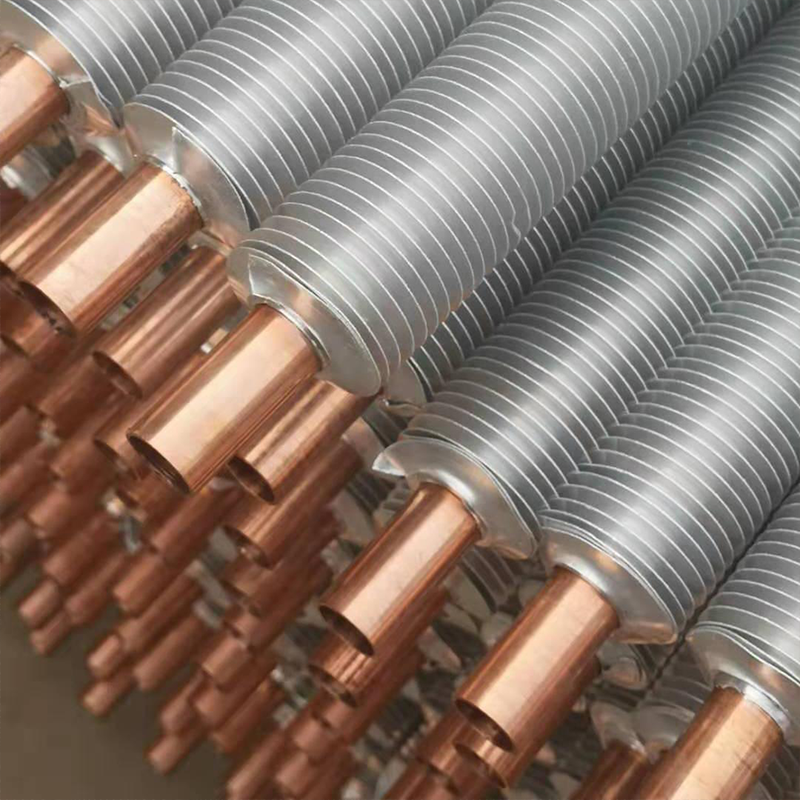
While polypropylene is ideal for tank shells due to its chemical resistance, internal heat exchange circuits often require different solutions. Wuxi Kaisheng LLC successfully implements projects where PP tanks are equipped with highly efficient heat exchangers made of titanium, 316 stainless steel or N06625 type alloys. This combination allows for systems that operate under extreme conditions: for example, titanium shell-and-tube heat exchangers provide durability in harsh environments, while corrugated tube bundles made from C46400 marine brass or C70600 copper-nickel alloys ensure excellent heat transfer in desalination and shipbuilding applications.
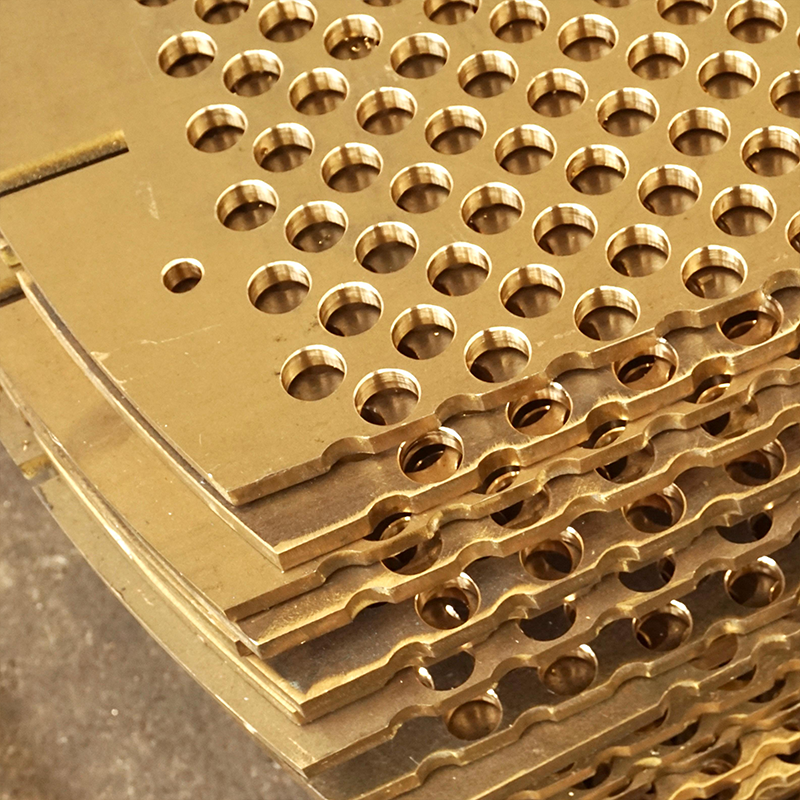
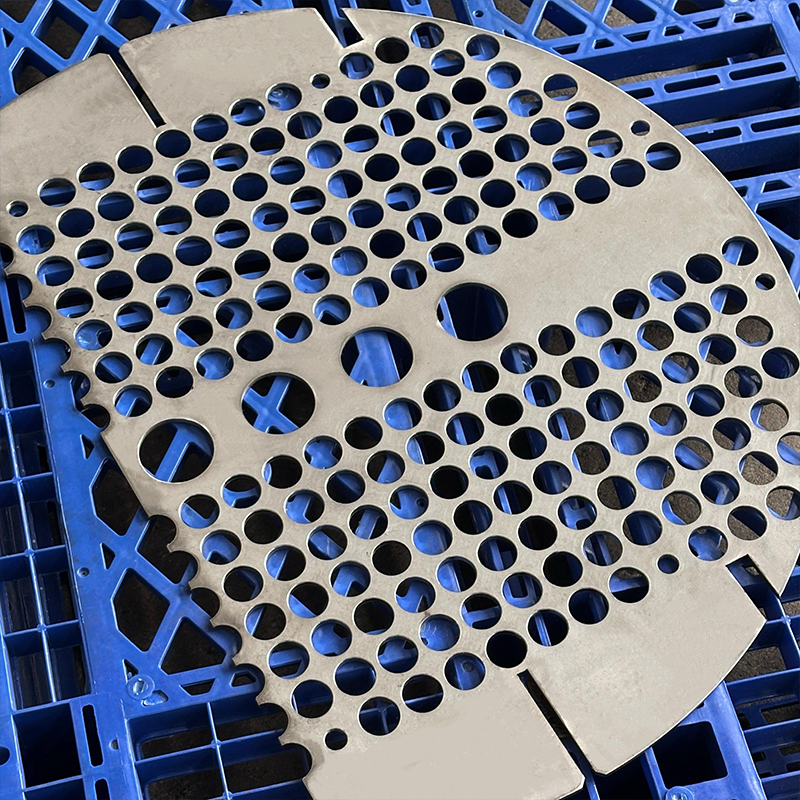
The company's experience in manufacturing ASME and PED equipment, including waste heat boilers and air coolers, demonstrates that the reliability of an industrial installation depends on the quality of every component, from tube to tubesheet. The use of certified materials (carbon steel, alloys, nickel) and strict quality control allows us to provide customers around the world with customized solutions that are resistant to high pressures and temperatures. This comprehensive view of engineering is especially important when modernizing production facilities, where it is necessary to seamlessly combine plastic containers with metal heat exchange units.
Procurement risks and supply quality control
The market is flooded with offers where regranulate is sold under the guise of new polypropylene. It is difficult to visually distinguish a high-quality sheet from a secondary one, but there are a number of markers that we use when accepting. First, color: Recycled PP often has a grayish or yellowish tint, even if it is painted white. Secondly, the smell: when heated, high-quality material smells faintly, like paraffin, while the recycled material emits a strong smell of burning or burnt rubber. Third, combustion behavior: a drop of quality PP should burn with a clean bluish flame without soot.
The most reliable method is to request a Melt Flow Test (MFI) and Charpy Impact test report. If a supplier refuses to provide this data for a specific batch of sheets, that's a red flag. In our practice, there was a case when a batch of sheets passed visual inspection, but after three months of operation the tank began to leak at the seams. Laboratory analysis showed that the manufacturer added chalk filler to the raw material to reduce weight, which reduced adhesion during welding by 60%. Such tanks cannot be properly welded; they break like glass when you try to drill.
Another risk is the geometry of the sheets. Cheap extruders cannot provide uniform thickness across the entire width of the sheet. A thickness variation of more than 5% leads to the fact that during welding, thin areas overheat and burn out, while thick areas do not melt through. We require from suppliers certificates of compliance with GOST 263-2023 or international analogues ISO 15493, which regulate tolerances. Do not take words about “European equipment” at face value; check the labeling on each sheet: it must contain the batch number, production date and name of the manufacturer.
The manufacturing and installation process: what the customer should pay attention to
Even ideal material can be ruined by poor-quality installation. The manufacturing technology of PP tanks requires strict adherence to welding temperature conditions. Extrusion welding should be carried out at an air temperature of 280-320°C and a filler rod temperature of about 260°C. Exceeding the temperature leads to oxidation of the polymer in the seam area (it becomes brown and brittle), and lowering it leads to a lack of diffusion of molecules and the formation of a “cold” seam that will separate under load.
Design features are also important. The bottom of the tank should never rest simply on concrete. A cushion of sand or rubber dampers is needed to compensate for uneven foundations and prevent point pressure. The support rings and stiffeners must be welded at intervals calculated by the design engineer based on the hydrostatic pressure of the liquid column. An error in calculating the rib pitch by 20 cm can lead to bulging of the walls (“belly”) of the finished product.
When accepting work, be sure to carry out hydrotests. The reservoir is filled with water for 24 hours. Pay attention not only to the presence of leaks, but also to changes in geometry. If the walls are bent by more than 1% of the calculated size, then the rigidity is insufficient. Also check that all seams are accessible for future repairs. Often designers forget to leave hatches or service openings for internal corners, which makes quality repairs impossible in the event of damage.
Market forecast and regulations
By 2026, requirements for the environmental safety of industrial facilities will be tightened. The introduction of new standards for the management of hazardous waste obliges enterprises to have sealed trays or double walls for all containers with aggressive media. This is driving demand for complex engineered PP structures rather than just “tanks”. The import substitution trend in Russia and the EAEU countries supports local manufacturers capable of producing sheets up to 2 meters wide and up to 6 meters long, which reduces the number of welds and increases reliability.
Pricing becomes more transparent. The cost of a tank is increasingly calculated using the formula: (Weight of raw materials × Price of exchange-traded polypropylene) + (Standard welding hours × Rate) + Overhead costs. Attempts to sell a product significantly below this estimate should alert the buyer, since savings are only possible due to the quality of raw materials or the qualifications of welders. We predict an increase in demand for tanks with a volume of over 100 m³, manufactured directly at the customer’s site, since transportation of such dimensions is becoming economically impractical.
Certification is critical. The presence of a declaration of conformity with TR CU 010/2011 “On the safety of machinery and equipment” is mandatory for legal operation in the customs union. For the food industry, a certificate of state registration will be required. The absence of these documents makes it impossible to pass inspections by Rostechnadzor and Rospotrebnadzor, which jeopardizes the work of the entire enterprise.
Frequently Asked Questions
What is the maximum volume of a polypropylene tank that can be made?
There are no technological restrictions on volume; we manufactured containers with a capacity of 500 m³. However, feasibility depends on logistics. It is more profitable to produce tanks up to 60-80 m³ in a workshop and deliver them by transport. Anything larger is cost-effectively welded using extrusion welding directly on the customer’s foundation. It is important to take into account that large volumes require a reinforced metal frame or very thick walls (up to 40-50 mm), which increases weight and cost.
Can gasoline or diesel fuel be stored in PP tanks?
Strongly not recommended. Polypropylene is susceptible to swelling and dissolution under the influence of aliphatic and aromatic hydrocarbons contained in petroleum products. Even short-term contact can lead to loss of strength and cracking. To store fuels and lubricants, you should use special grades of polyethylene (PE) with increased chemical resistance or steel containers with proper anti-corrosion protection. The use of PP for fuel is a direct threat to fire safety.
How long does a weld on a polypropylene tank last?
If the welding technology is followed (correct temperature, speed, edge preparation) and the use of a high-quality filler rod of the same brand as the main sheet, the weld becomes a monolithic part of the structure. Its strength is 85-95% of the strength of the base material. The service life of the seam is equal to the service life of the tank itself - 20-50 years, depending on the aggressiveness of the environment. Seam failure usually occurs only due to external mechanical damage or gross violations of operating conditions (overheating, freezing of the liquid inside).
Can polypropylene withstand freezing temperatures?
Homopolymer (PP-H) becomes brittle at temperatures below -5°C...-10°C. A blow to such a container in winter can lead to splitting. For outdoor use in cold climates, it is necessary to use a copolymer (PP-C), which retains impact strength down to -20°C, or to provide heating and insulation of the tank. It is also important not to leave the container full in winter: the expansion of ice when water freezes will tear any plastic walls, regardless of the brand of material.
Do plastic tanks need to be grounded?
Yes, it is necessary if flammable liquids are stored in the container or there is intense mixing that generates static electricity. Polypropylene is a dielectric and stores charge. To remove static, conductive elements (for example, stainless steel strips or special carbon threads) are built into the structure, which are connected to the ground loop. Ignoring this requirement may result in a spark discharge and vapor explosion.
To summarize, we can say that a competent analysis of consumer demand for PP tanks requires a deep understanding of not only the price, but also the physical and chemical properties of the material, manufacturing technologies and future operating conditions. Choosing a reliable supplier who can confirm the quality of raw materials with documents and experience in implementing complex projects is the only guarantee of the long-term and safe operation of your enterprise. Don't risk production to save money at the initial procurement stage.
If you're ready to discuss a tank design that suits your process needs and budget, contact us today. Our engineers will conduct a free audit of your requirements and propose the optimal polypropylene solution that will last for decades.Request a quote and engineer consultation.