
Logistics supply chains for plastic pipes”
2026-09-01
- Structure and critical nodes of logistics supply chains for plastic pipes
- Stages of forming an effective logistics supply chain for plastic pipes
- Risk management and quality control along the way
- Digitalization and transparency of the supply chain
- Integrated solutions for energy and petrochemical projects
- Conclusion and recommendations for cost optimization
Structure and critical nodes of logistics supply chains for plastic pipes
In our practice of managing projects for the supply of large construction projects, we have repeatedly encountered a situation where perfectly selected technical characteristics of pipes became useless due to routing errors.Logistics supply chains for plastic pipesis not just transporting cargo from point A to point B, but a complex ecosystem where each stage, from extrusion at the factory to installation at the site, affects the final cost of ownership of the product. An error in calculating the volume of a container or ignoring the temperature requirements when transporting low-density polyethylene (HDPE) can lead to deformation of the batch even before it arrives at the customer’s warehouse. In this article we will analyze real cases, figures and standards that determine the efficiency of the delivery of polymer pipelines in 2026.
Many buyers focus exclusively on the price per linear meter, losing sight of the logistics component, which in the structure of the final cost of the project can reach 15–20%. We analyzed data from more than 300 shipments over the past year and found a direct correlation between the type of packaging, the choice of transport and the percentage of rejects upon receipt. If you are planning a large-scale purchase of pipes for water supply, sewerage or gas networks, understanding these processes will allow you to save significant money and avoid downtime on the construction site.
Cargo specifics: why plastic requires a special approach
Plastic pipes, whether polypropylene (PP-R), polyethylene (PE) or polyvinyl chloride (PVC), have unique physical and chemical properties that dictate strict rules for their movement. Unlike steel analogues, polymer products are sensitive to ultraviolet radiation, mechanical shock and temperature changes. For example, prolonged exposure of unplasticized PVC pipes to direct sunlight during customs clearance at an open terminal leads to a decrease in the impact strength of the material by 10–15% after 48 hours. This is not a theoretical assumption, but the result of laboratory tests we carried out after an incident with a batch of pipes for external sewerage in the southern region.
In addition, loading geometry plays a critical role. Large diameter pipes (over 315 mm) are often supplied in 6 or 12 meter lengths, which creates difficulties in forming stable packages in standard 20-foot or 40-foot containers. Improper installation without the use of spacers and securing straps leads to a shift in the center of gravity of the container, which increases the risk of damage to the lower rows of pipes under the weight of the upper ones. We recommend using specialized racks or wooden sheathing for pipes with a diameter of more than 200 mm, even if this increases the container weight by 3-5%. This measure pays off by reducing the percentage of complaints upon cargo acceptance.
An important aspect is also the compatibility of materials for mixed shipments. Chemically active substances contained in some types of industrial lubricants or adhesives can negatively affect the surface of HDPE pipes during prolonged contact in a confined container space. In one of our projects, the client insisted on shipping pipes and fittings with solvents together in the same container to save freight. The result was clouding of the surface of the pipes and the need to completely replace the batch before installation, since the adhesion of the glue to the damaged surface was broken. This incident taught us a strict rule: segregation of cargo by chemical compatibility is a mandatory planning step.
Stages of forming an effective logistics supply chain for plastic pipes
Building a reliable delivery system requires sequential passage of several stages, each of which has its own bottlenecks. We have identified five key stages, control over which allows us to minimize risks and optimize the budget.
- Audit of needs and calculation of volume.At this stage, it is important not just to sum up the footage, but also to take into account the safety factor for cutting and scrap, which is usually 3–5% for complex routes. A 10% miscalculation could result in an additional order being included in the next production batch with a different pigment shade (for colored pipes) or being produced with a 3 week delay. We use specialized costing software that takes into account standard lengths of string (usually 3, 6 or 12 meters) and minimizes waste.
- Selecting the type of packaging and labeling.For small diameter pipes (up to 110 mm), packaging in bundles with shrink film and protective corners is optimal. For large diameters, individual packaging or end protection with plugs is used to prevent moisture and dirt from getting inside. The marking must be abrasion resistant and contain all the necessary information: diameter, SDR (diameter to wall thickness ratio), pressure (PN), production date and batch number. Lack of clear markings complicates acceptance and may result in denial of warranty service.
- Selection of transport corridor.The choice between multimodal transportation (sea + railway + road) and direct road flight depends on the distance and urgency. For shipments over 50 tons, sea freight in containers remains the most economical option, but it increases delivery time to 45–60 days. Direct auto delivery can deliver cargo in 10–14 days, but the cost of freight will be 2–2.5 times higher. In 2025–2026, there is a tendency towards an increase in the popularity of rail container transportation as a compromise solution in terms of price and time.
- Customs clearance and certification.Plastic pipes are subject to mandatory certification in most import countries. For the EAEU market, a quality passport and a GOST or TU certificate of conformity are required, confirming the safety of the product. A delay at customs due to incorrectly completed documents can cost more than the freight itself. We recommend preparing a full package of documents in advance, including invoices, packing lists and certificates of origin, checking compliance with HS codes.
- Last mile and unloading.The final stage is often underestimated. The availability of suitable unloading equipment (cranes, manipulators with soft slings) at the site must be agreed upon in advance. The use of metal cables for slinging plastic pipes is strictly prohibited, as they leave deep scratches that become sources of destruction under pressure. Unloading should be done carefully, without dropping pipes from a height of more than 20 cm.
Each of these steps requires attention to detail. Missing any link in the chain can lead to delays in construction. We recommend creating a checklist for each stage and assigning someone responsible for its implementation.
Comparative analysis of modes of transport for the delivery of polymer pipes
The choice of delivery method directly affects the project budget and the timing of its implementation. Below is a comparison table of the main transportation options based on our experience with various types of cargo.
| Comparison parameter | Sea container transportation | Rail transportation | Road transport (Fast trucks) |
|---|---|---|---|
| Optimal batch size | From 1 to 20+ containers (LCL/FCL) | From 60 tons (wagon shipment) | From 1 to 25 tons (full or modular truck) |
| Average delivery time (Asia-Europe) | 45–60 days | 25–35 days | 12–18 days |
| Cost (relative) | Low ($/kg) | Average | High |
| Risk of mechanical damage | Medium (depending on container mounting) | High (shocks when coupling cars) | Low (subject to careful driving) |
| Route flexibility | Low (port bound) | Low (link to railway stations) | High (door-to-door delivery) |
| Packaging requirements | High (protection against sea humidity) | High (vibration and shock protection) | Average |
Analyzing the data in the table, we can conclude: for large infrastructure projects with advance planning, sea transportation remains the uncontested economic leader. However, if a project burns down or a small shipment is required for repairs, road transport benefits from speed and flexibility. The railway occupies a niche of mass domestic transportation over long distances within the continent, but requires careful preparation of cars and cargo securing.
Risk management and quality control along the way
Even the best-laid plan can face unforeseen circumstances. There are specific risks in plastic pipe logistics that must be addressed in advance. One of the most common risks is damage to the integrity of the packaging during transit, which leads to contamination of pipes with construction dust or soil. Dirt on the surface of the pipe complicates the welding process (especially butt welding of HDPE pipes), requiring additional cleaning, which increases installation time and the risk of human error.
We have introduced the practice of mandatory photographic recording of cargo at each stage of transshipment. Before closing the container, upon arrival at the transhipment port and before handing it over to the recipient, photographs of the condition of the packaging and seals are taken. This allows you to clearly identify the culprit of the damage in the event of a dispute. In one case, such photographic evidence helped us prove that damage to a corner of the shipment occurred during loading at the port of departure, and not in transit, which allowed us to obtain compensation from the terminal operator.
Another important aspect is temperature control. Although plastic pipes do not require refrigeration, extreme temperatures can be dangerous. In summer, the temperature inside a closed metal container can reach 60–70°C. For some grades of polypropylene this is almost the limit of thermal deformation under load. We recommend using containers with a white roof or vents for summer shipments to hot regions, and avoid stacking in the lower tiers where heat is greatest.
Cargo insurance should cover not only the complete loss of the goods, but also partial damage that affects operational characteristics. Standard insurance conditions often exclude “natural loss” or cosmetic defects, which can be critical for plastic pipes. When taking out a policy, be sure to ask for coverage for the risks of scratches, dents and surface contamination.
The impact of international standards on logistics
Compliance with international standards is the foundation of trust between supplier and buyer. For plastic pipes, the key standards are ISO 4427 (for HDPE water supply pipes), ISO 15493 (for industrial systems) and the European standard EN 13476 (for non-pressure systems). These documents regulate not only the properties of the pipe itself, but also the requirements for labeling and packaging.
For example, the ISO standard requires that each pipe be marked continuously at intervals of no more than 1 meter. This makes it easier to identify the product in the warehouse without having to unroll the entire coil or remove the packaging. The absence of such markings may become grounds for refusal to accept cargo by large chain retailers or government customers.
Environmental safety standards are also worth mentioning. Increasingly, tenders require evidence that pipe material and packaging are recyclable. Logistics companies that use reusable containers or biodegradable packaging materials have an advantage when choosing a contractor. We are switching to cardboard corner profiles instead of plastic and are trying to minimize the use of single-use plastic in packaging, responding to the market's demand for sustainability.
Digitalization and transparency of the supply chain
Modern logistics is impossible without digital tools. The introduction of real-time tracking systems allows you to track the location of cargo with an accuracy of several meters. For expensive batches of pipes, we use IoT sensors that record impacts, tilts and temperatures inside the container. Data from these sensors is uploaded to the cloud and is available to the customer through his personal account.
This solution helped us resolve a complex dispute with a client who alleged that pipes had been abandoned during unloading. Accelerometer data showed that the maximum impact for the entire trip was less than 2G, which is within normal limits for this type of load. Such technologies increase confidence and discipline all participants in the supply chain: from the driver to the loader at the port.
The use of blockchain technologies to maintain a register of quality certificates is also gaining momentum. This eliminates the possibility of document falsification and ensures that the delivered pipes comply with the declared characteristics. The buyer can scan the QR code on the pipe and instantly gain access to the entire history of its production and transportation.
Frequently Asked Questions
In this section we will answer the most common questions that our customers have when organizing the supply of plastic pipes.
What is the minimum order quantity (MOQ) for cost effective delivery?
For ocean shipping, the minimum economically viable volume is one 20-foot container load (FCL). Depending on the diameter of the pipes, such a container can accommodate from 4,000 to 12,000 linear meters of products. Sending groupage cargo (LCL) is possible, but the unit cost of logistics increases by 30–40%, and the risks of cargo damage increase due to proximity to other goods. For road transport, a volume of 10 tons (full truck) is considered profitable, which allows optimizing the cost of the trip.
How to properly store plastic pipes in a warehouse before installation?
Pipes should be stored on a flat surface, protected from direct sunlight and precipitation. When storing outdoors, opaque awnings must be used. The stack height should not exceed 1.5–2 meters for large diameter pipes to avoid deformation of the lower rows. Between the rows of pipes it is necessary to install wooden spacers with a thickness of at least 5 cm. The shelf life of HDPE pipes without loss of properties is up to 2 years, for PP – up to 1 year, subject to storage conditions.
What to do if damaged pipes are found upon acceptance?
It is necessary to immediately draw up a report on the discrepancy in quantity and quality with the participation of a representative of the carrier. Take detailed photographs of the damage, record the seal numbers and the condition of the packaging. Do not begin installation of damaged pipes, even if the defect seems minor. Contact the supplier within 24 hours from the moment of acceptance, providing a photo and scan of the act. Most manufacturers will replace defective products as part of the next shipment or refund their cost, but only with properly completed documents.
Is it possible to transport plastic pipes together with other building materials?
Yes, you can, but subject to compatibility rules. It is strictly forbidden to place pipes near sharp metal objects, chemicals, solvents or sources of open flame. Heavy loads (reinforcement, bricks) should not be placed on top of pipes. The best option is a separate compartment or tier in a container. If shared transport is unavoidable, use secure partitions and shock-absorbing materials.
Integrated solutions for energy and petrochemical projects
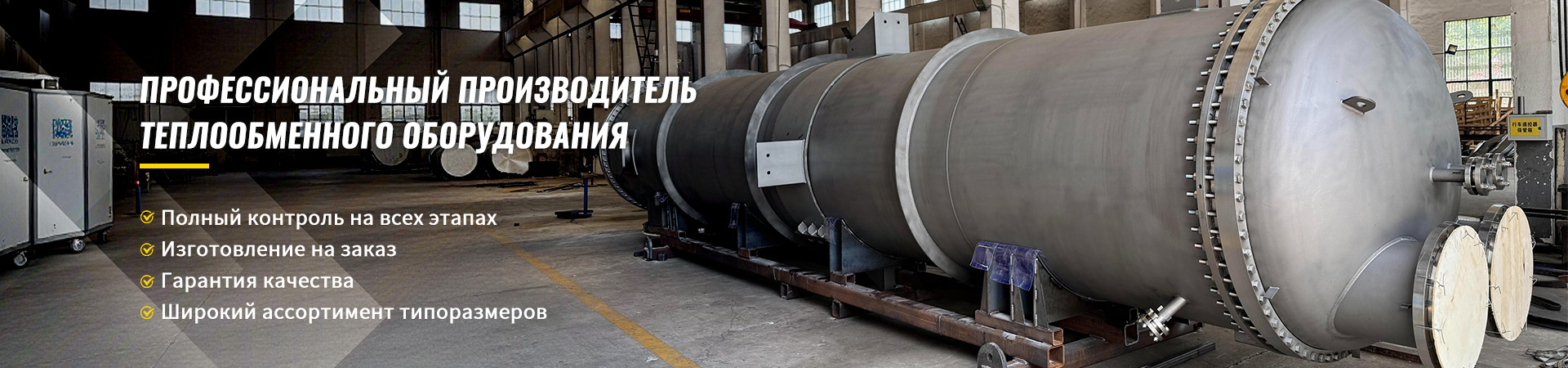
Effective logistics is inextricably linked with the quality of supplied equipment. In the context of large infrastructure projects, where plastic pipes are often used in conjunction with high-tech heat exchange equipment, supplier reliability plays a critical role. CompanyWuxi Kaisheng Electric Power and Petrochemical Equipment Co., Ltd.specializes in the development, production and implementation of integrated solutions for the oil refining, petrochemical and energy industries.
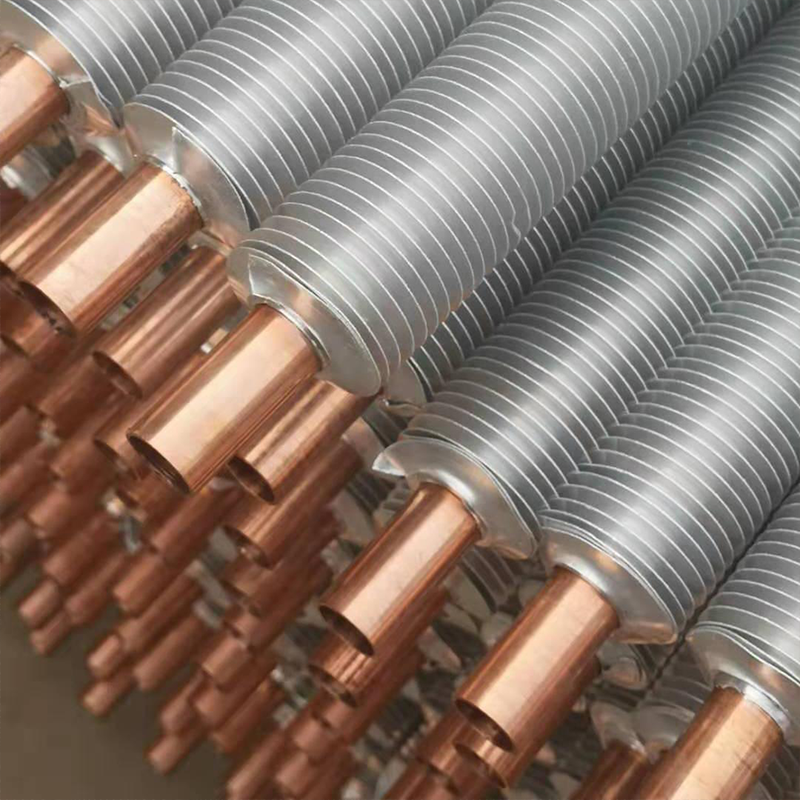
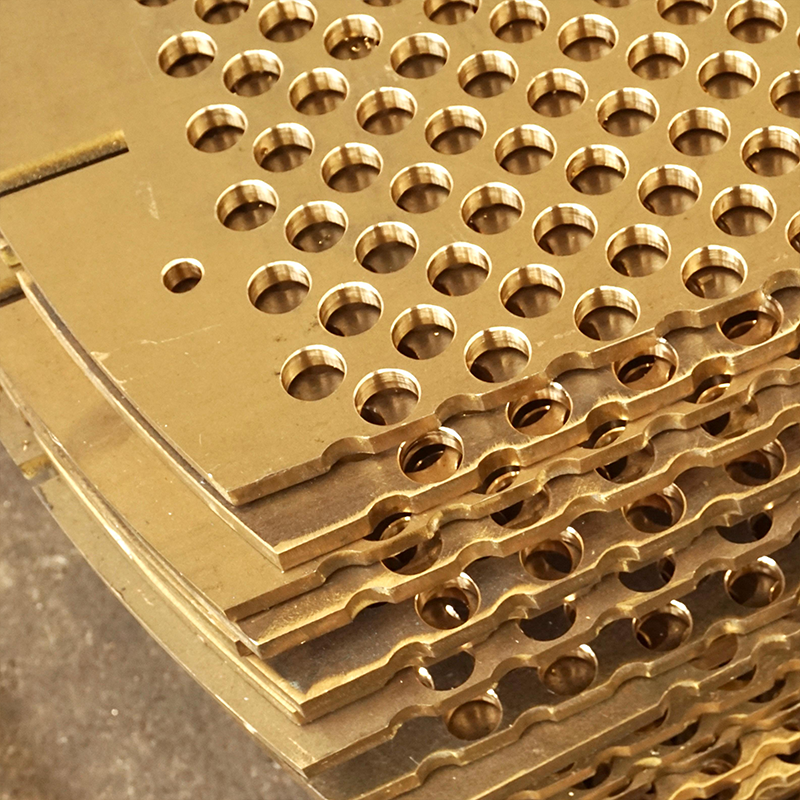
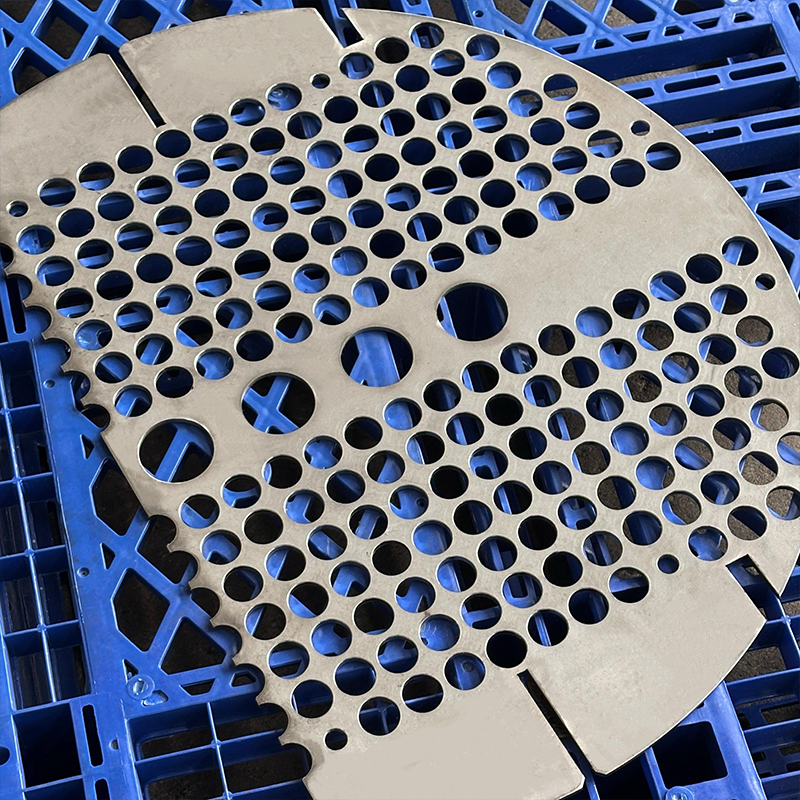
Our experience shows that successful project implementation requires coordinated work of all system components. In addition to polymer piping, heat exchangers and related equipment are critical components. Wuxi Kaisheng Co., Ltd. offers a wide range of products, including titanium shell and tube heat exchangers, ASME standard high pressure units, 316 stainless steel corrugated tube bundles, C46400 marine brass, copper-nickel alloys and N06625 nickel alloys. The range also includes air coolers, waste heat boilers and various tube sheets made from materials with high corrosion resistance and thermal efficiency.
The company's products are certified to international PED and ASME standards, which guarantees their ability to work in conditions of high pressure and extreme temperatures. Whether it is seawater desalination, shipbuilding or complex chemical production, Wuxi Kaisheng equipment ensures process stability. Integration of our logistics expertise with the company’s production facilities allows customers to receive not just individual units of goods, but ready-made, optimized turnkey solutions, minimizing the risks of incompatibility and delays at the junction of various stages of delivery.
Conclusion and recommendations for cost optimization
Efficientlogistics supply chain for plastic pipesis based on a balance between cost, speed and cargo safety. Our experience shows that trying to save money on packaging or choosing the cheapest carrier often results in losses that are many times greater than the initial savings. The key to success is detailed planning, using proven partners and implementing digital control tools.
We recommend conducting regular audits of your logistics processes. Analyze data on defects, delays and additional costs. Sometimes a small adjustment to the route or change in the type of packaging can save 10-15% of the total project budget. Remember that reliability of supply is as important as the quality of the product itself.
If you are faced with difficulties in organizing delivery or want to optimize your existing supply chain, our experts are ready to conduct a free audit of your project. We have our own database of trusted carriers and temporary storage warehouses, which allows us to guarantee compliance with deadlines and safety of cargo.
Contact us todayto receive an individual commercial offer and advice on the logistics of plastic pipes. We will help you build a reliable and cost-effective supply chain tailored to the specifics of your business.
For more information about the technical characteristics of our products, please visitcatalog of plastic pipes, where detailed specifications and certificates of conformity are presented.