
Outsourcing logistics for pipe manufacturers”
2026-08-26
- Why outsourcing logistics for pipe manufacturers is a critical survival factor in 2026
- Hidden risks of independent logistics in the pipe industry
- Key criteria for choosing a partner for pipe logistics outsourcing
- Economic model: comparison of costs of In-house and 3PL
- Technological integration process: from audit to first flight
- Specifics of international pipe transportation: customs and multimodality
- Case of success: Logistics of high-tech components for energy and petrochemicals
- Frequently asked questions (FAQ)
- Conclusion: A strategic step towards production growth
Why outsourcing logistics for pipe manufacturers is a critical survival factor in 2026
In our experience working with large pipe factories, we observe a clear trend: companies that try to manage a complex supply chain in-house lose up to 18% of margins due to ineffective planning and transport downtime.Outsourcing logistics for pipe manufacturersIt’s no longer just a way to save money on inventory—it’s a strategic tool to weather market volatility and a shortage of qualified drivers. When you transfer control of flows to a professional operator, you buy not just “transportation from point A to point B”, but guaranteed delivery for the project, compliance with temperature conditions when storing polymer coatings and legal protection of cargo.
The market situation has changed dramatically over the past two years. If previously a manufacturer could afford to maintain a staff of ten logisticians and a fleet of five tractors, today the cost of maintaining its own infrastructure eats up all profits. We have seen cases where a plant produced high-quality large-diameter pipes, but due to routing errors or the lack of specialized trawls, the cargo stood idle at the border for three weeks, which led to a fine from the customer and the termination of the contract. This is not a theoretical risk, but a real story of one of our clients, who then completely switched to the 3PL (Third-party logistics) model.
The purpose of this article is to analyze the mechanics of transferring logistics functions to a third-party provider specifically for the pipe industry. There are no general phrases about “efficiency” here. We talk about specific parameters: how to avoid damage to the anti-corrosion coating during loading, why standard trucks are not suitable for pipes 12 meters long, and how a certified partner can help you clear customs without delays. If you're deciding on your supply chain structure right now, the following sections will give you a checklist for evaluating potential partners.
Hidden risks of independent logistics in the pipe industry
Many production managers mistakenly believe that pipe logistics is similar to the transportation of any other metal structures. This is a fundamental mistake that costs companies millions of rubles every year. Pipes are a specific load that requires a unique approach to securing, packaging and selection of rolling stock. Unlike sheet metal or reinforcement, pipe assortments have a high tendency to deform if the load is improperly distributed, and the presence of external coatings (polymer, zinc, bitumen) imposes severe restrictions on slinging methods.
Consider the problem of cargo damage. When organizing transportation independently, manufacturers often use universal transport that is not equipped with special supports (saddles). As a result, the pipes rub against each other while driving, especially in areas with poor road surfaces. For pipes with PPU (polyurethane foam) insulation, even a microscopic scratch leads to a violation of the tightness of the thermal insulation and subsequent corrosion of the supporting pipe. One of our audits showed that the defect rate for delivery using our own transport is about 4-6%, while for specialized logistics operators this figure does not exceed 0.5% due to the use of certified fasteners and trained riggers.
The second critical aspect is personnel shortage. Finding a driver who knows how to properly distribute the weight of long cargo on the platform and knows the rules for securing pipes of different diameters in one trip is becoming increasingly difficult. Personnel turnover in transport departments of factories reaches 30% per year. Training a new employee takes from 2 to 4 months, and during this time the risks of errors are maximum. When you work with an outsourcer, you get access to a pool of drivers who transport only pipes every day and know all the nuances of routes from the Urals to the Far East.
Financial risks also cannot be ignored. Maintaining your own vehicle fleet requires huge capital investments: purchasing tractors, semi-trailers, pipe carriers, building covered warehouses for storing finished products, paying for fuel and lubricants, repairs and insurance. During periods of seasonal decline in demand, this fleet is idle, generating losses. Outsourcing converts these fixed costs (CAPEX) into variable costs (OPEX). You pay only for the tonnage actually transported. This gives you flexibility: during the peak season, you can scale transportation volumes three times per day without buying new cars, and during the low season, you can simply reduce the logistics budget.
Legal liability is another stumbling block. In the event of an accident involving its own transport, the manufacturer bears full responsibility to the customer for failure to meet delivery deadlines. If the cargo is insufficiently insured or the insurance company refuses to pay due to violations of transportation rules, the losses fall on the plant. A professional logistics operator assumes full financial responsibility for the cargo from the moment of acceptance to unloading, having cargo insurance contracts (cargo) for amounts exceeding the cost of a typical batch of pipes.
Recommendation:Conduct an internal audit of your logistics expenses over the past year. Divide them into direct (fuel and lubricants, salaries, depreciation) and indirect (downtime, defects, fines). Most likely, you will find that the real cost of transporting one ton of pipe on your own is 20-25% higher than the market rates of specialized operators.
Key criteria for choosing a partner for pipe logistics outsourcing
Choosing a logistics service provider is not a matter of bidding for the lowest price per kilometer. Dumping in this area almost always leads to the use of old vehicles, unqualified personnel and the lack of proper insurance. It is critical for a pipe manufacturer to find a partner who understands the specifics of the product. Below are the parameters we use when assessing the reliability of a contractor as part of our consulting practice.
Specialized rolling stock and equipment
The first thing you need to look at is the fleet of equipment. Conventional tilt semi-trailers are absolutely not suitable for most types of pipe products. You need a partner who owns or has long-term contracts to use:
- Pipe carriers with bunks:For transportation of large diameter pipes (from 530 mm and above) and long lengths (12 meters and more). It is important to have adjustable supports to prevent the load from rolling.
- Container ships and platforms:For export deliveries and multimodal transport. Having your own or rented 20- and 40-foot containers allows you to optimize the loading of shipping lines.
- Manipulators of various lifting capacities:From 7 to 25 tons. This is critical for unloading at sites where there are no stationary cranes. The carrier’s lack of a manipulator often leads to the machine being idle at the site for 1-2 days waiting for the crane, which doubles the cost of the flight.
- Specialized warehouse complexes:To store pipes, an area with a hard surface (concrete or asphalt) is required so that the pipes do not go into the ground. The presence of canopies is mandatory to protect insulated pipes from ultraviolet radiation and precipitation.
If a potential partner says that “we will find any car for your order,” this is a red flag. You need someone to say, “We have 15 units of specialized pipe carriers ready to ship tomorrow.”
Experience with regulatory framework and certification
The logistics of pipes, especially those intended for the oil and gas industry or main pipelines, is strictly regulated. The partner must know the requirements of GOST, SNiP and international standards. For example, when transporting pipes with factory insulation, it is necessary to observe the temperature conditions and laying rules to prevent damage to the protective layer. Violation of these rules may lead to the fact that the customer (especially large oil companies like Gazprom or Rosneft) simply will not accept the cargo at the facility.
A logistics company's certification of compliance with quality management systems, such as ISO 9001, is a mandatory minimum for working with serious industrial customers. Moreover, to work at hazardous production facilities, drivers and forwarders must have permits and undergo regular safety training. Check whether your partner has licenses to carry out transport activities and certificates of admission to international transportation if you are planning to export.
IT infrastructure and supply chain transparency
In 2026, logistics management without digital tools is impossible. You need not just a telephone connection with the driver, but a full-fledged TMS (Transportation Management System). A good outsourcer provides the client with a personal account, where the following is displayed in real time:
- Cargo location (GPS/GLONASS tracking with updates every 5-10 minutes).
- Status of documents (electronic technical specifications, certificates of work performed, photographic recording of loading/unloading).
- Estimated time of arrival (ETA) based on traffic and weather conditions.
- History of movements and archive of orders.
The lack of API integration with your ERP system (for example, 1C:Enterprise or SAP) creates a huge layer of manual work for your managers. Automatic data exchange between your accounting system and the logistics system eliminates the human factor when entering invoice numbers and shipment volumes.
Financial stability and insurance coverage
Check your potential partner's financial statements. The logistics market is low-margin, and companies with cash gaps often cancel flights without funds for fuel. Make sure your cargo insurance (Cargo) covers the full cost of the shipment, including lost profits and emergency response costs. Standard MTPL policies do not work here - they only cover damage to third parties, but not your cargo.
Action:Request a reference list (a list of current customers in the pipe industry) from three potential partners and contact two of them. Ask not about the general impression, but about specific cases: how problems were solved during force majeure, whether deadlines were met during peak seasons, what the real percentage of cargo damage was.
Economic model: comparison of costs of In-house and 3PL
To make an informed decision, you need to translate qualitative benefits into numbers. Let's build a comparative cost model for a hypothetical plant producing 5,000 tons of pipes per month. We will consider two models: maintaining your own logistics department and full outsourcing.
| Expense item | Own department (In-house) | Outsourcing (3PL) | Expert commentary |
|---|---|---|---|
| Vehicles | Purchase/leasing of 10 tractors + 20 semi-trailers. Depreciation, maintenance, tires. | 0 rub. (included in the transportation tariff) | CAPEX freezes working capital. A 3PL spreads the cost of a fleet across hundreds of customers. |
| Staff | Salary 15 drivers, 2 mechanics, 3 logisticians, 1 quality control department manager. Taxes, sick leave, vacations. | 0 rub. (managed by provider staff) | Hidden HR costs (search, training, turnover) can reach 20% of the payroll. |
| Warehouse infrastructure | Rent/maintenance of a site of 5000 m², property taxes, security, utilities. | Payment per pallet space or tonne day | During the seasonal downturn, you pay for empty seats. With 3PL, you only pay for the space you occupy. |
| Fuel and lubricants | Purchase at retail or wholesale prices. Risks of theft, control of consumption. | Included in the rate | Large logistics operators have discounts on fuel of up to 15% thanks to corporate cards. |
| Insurance and risks | CASCO/Cargo policy (expensive for a small fleet). Losses from downtime and defects are not always covered. | Included in the rate. Full coverage. | The risk is transferred to the shoulders of the provider. This is the most valuable part of the contract. |
| IT and dispatching | Purchase of software licenses, servers, salary of an IT specialist. | Access to the system is included in the service | Developing your own TMS costs millions of rubles and requires constant support. |
| Resulting flexibility | Low. It is difficult to quickly reduce or increase the fleet. | High. Scaling in 24 hours. | In a crisis, the ability to quickly reduce logistics costs saves a business. |
As can be seen from the table, the In-house model looks profitable only if there is 100% utilization of your own fleet 24/7, which in reality is unattainable due to seasonality and uneven orders. In our practice, the transition to outsourcing allowed clients to reduce total logistics costs by 12-18% in the first year, not counting the release of working capital previously frozen in equipment and warehouses.
It is important to note one nuance: the rate for transportation in the 3PL model will always be higher than the direct costs of gasoline and the driver’s salary in its own model. However, if you add hidden costs (depreciation, downtime, taxes, management), the picture changes. In addition, outsourcing allows you to fix the cost of transportation in a contract for a long period (for example, a year), protecting yourself from surges in fuel prices, while your own fleet directly depends on stock exchange quotes for diesel.
Conclusion:The economic efficiency of outsourcing grows in proportion to the complexity of logistics tasks. For simple pendulum transportation over short distances, your own transport can be justified. But for complex schemes involving railway, sea, storage and distribution across regions, outsourcing has no alternative.
Technological integration process: from audit to first flight
Switching to outsourcing is not just about signing a contract. This is a surgical operation to restructure the business processes of an enterprise. Mistakes at the implementation stage can paralyze shipments for several weeks. Based on our experience, successful integration goes through the following stages:
- In-depth audit of current processes.
At this stage, specialists from the logistics operator come to your plant and study all the details: how the application is formed, how weighing occurs, how the cargo is packaged, what documents accompany the shipment. We analyze bottlenecks: for example, if loading one vehicle takes 4 hours instead of the standard 45 minutes due to the slow operation of the workshop, not a single vehicle will be able to fulfill the plan. The result of this stage is a process map with identified efficiency reserves.
- Development of an individual logistics scheme.
A model is built based on the audit data. The optimal types of transport, routes, and transit points are determined. The required volume of storage capacity is calculated. At this point, we often suggest changing the packaging or palletizing method of the pipes to increase the load factor of the body by 10-15%. For example, the use of special metal frames allows you to safely load pipes of smaller diameter into the space between the pipes of the main row.
- Setting up IT integration and document flow.
This is the most technically difficult stage. Data exchange between your 1C and our TMS is configured. The forms of electronic invoices, acts and reports are agreed upon. An electronic document signing (EDS) procedure is being introduced, which speeds up the closing of periods from weeks to one day. It is important to determine in advance the rules of action in emergency situations: who makes the decision if the car breaks down on the way, how quickly a replacement is provided.
- Pilot run (Test Run).
We never switch all volumes at once. First, 10-20% of the flow is processed in the simplest direction. This allows you to check the operation of the “plant manager – 3PL dispatcher – driver” combination in combat conditions, identify shortcomings in the instructions and correct them. Only after successful completion of the pilot (usually 2-3 weeks) does a full transfer of volumes occur.
- Staff training and final launch.
Trainings are conducted for your storekeepers and quality control departments on interaction with new drivers and the rules for accepting/transferring cargo. KPIs (key performance indicators) for the logistics partner are approved: percentage of on-time deliveries, level of cargo safety, speed of processing applications. Regular monitoring of indicators begins.
A common mistake at stage #3 is trying to automate chaos. If your internal processes are not formalized, implementing a complex IT system will only speed up the receipt of erroneous data. Therefore, point No. 1 (audit) is the foundation of the entire project.
Tip:Require the potential partner to provide a detailed implementation schedule (Gantt chart) indicating the responsible persons on both sides. The absence of such a plan indicates the unsystematic approach of the performer.
Specifics of international pipe transportation: customs and multimodality
For manufacturers working for export, logistics become much more complicated.Outsourcing logistics for pipe manufacturersin the foreign trade segment includes not only physical movement, but also comprehensive customs clearance. Errors in the classification of the HS code can lead to cargo being delayed at the border for weeks and hefty fines being assessed.
A professional operator takes on the function of a customs representative. He knows the intricacies of pipe certification for different markets: EAC requirements for the EAEU countries, CE for Europe, API certificates for the American market. We have encountered situations where a batch of pipes was delayed due to markings on the ends that did not comply with the requirements of the destination country. An experienced logistician checks these parameters at the stage of preparing documents at the factory, preventing problems at the border.
Multimodal transportation (combination of rail, road and sea) is the standard for long distances. For example, delivery of pipes from Chelyabinsk to the port of Vladivostok for shipment to Southeast Asia. Synchronization of schedules is critical here. The railway runs on its own schedule, the ship on its own. The logistician’s task is to dock them so that the pipes do not lie in the waiting port for a week, generating demurrage (a fine for container demurrage). Specialized 3PL operators have their own offices in key ports and priority quotas with railway operators, which allows them to minimize connection windows.
In the context of sanctions pressure and changes in logistics corridors, the role of an expert partner is increasing. Knowledge of alternative routes through the CIS countries, the ability to work with new payment agents and insurers becomes a competitive advantage. It is extremely difficult and costly for the plant’s foreign trade department to independently monitor these changes.
Case of success: Logistics of high-tech components for energy and petrochemicals
A special category of risks is posed by the logistics of not just standard pipes, but high-tech products with complex geometry and special requirements for surface preservation. A striking example of effective management of such supply chains is the company’s experienceWuxi Kaisheng Electric Power and Petrochemical Equipment Co., Ltd..
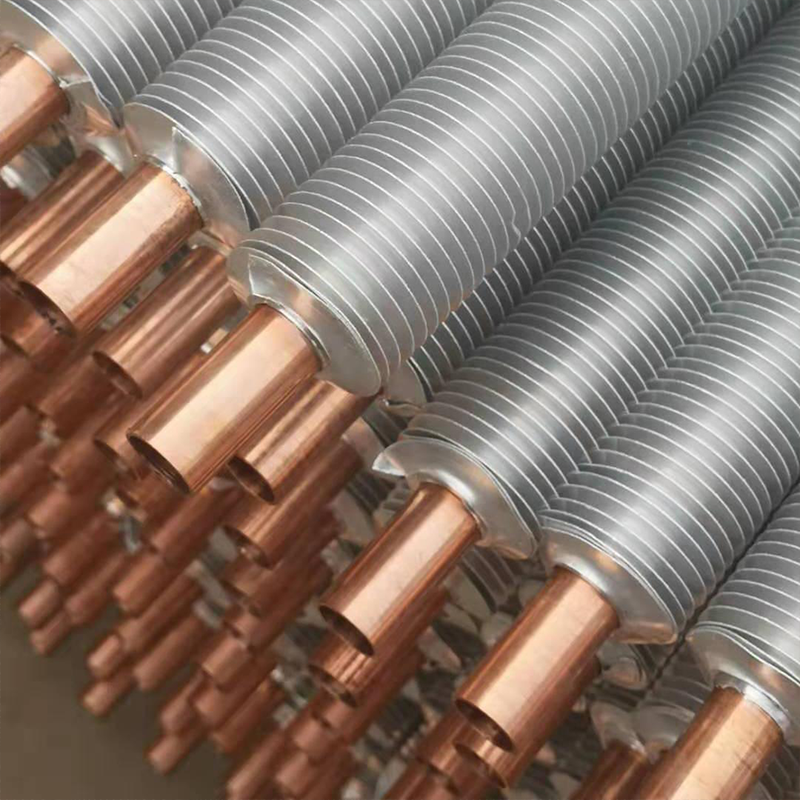
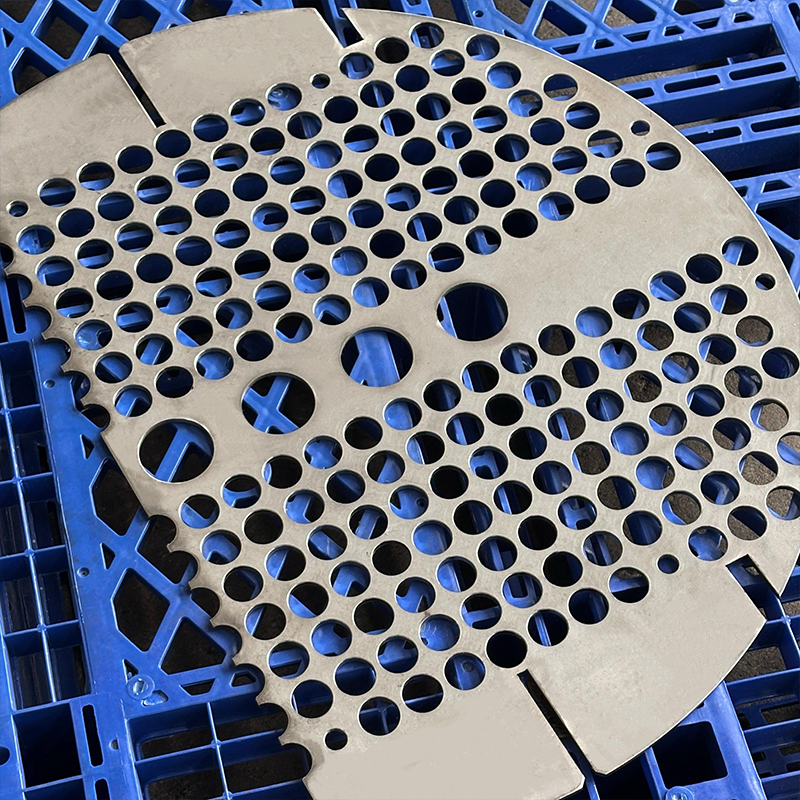
Specializing in the design and manufacture of heat exchange equipment for the global market, the company was faced with the need to supply highly damage-sensitive components: titanium shell-and-tube heat exchangers, 316 stainless steel and C46400 alloy corrugated tube bundles, as well as large air coolers and recovery boilers. Certified to stringent international ASME and PED standards, the products are designed to withstand the extreme conditions of petroleum refining, chemical processing and shipbuilding where any micro-crack or scratch on the surface of titanium or N06625 nickel alloy is unacceptable.
The task of the logistics partner in this case went far beyond simple transportation. It was necessary to provide:
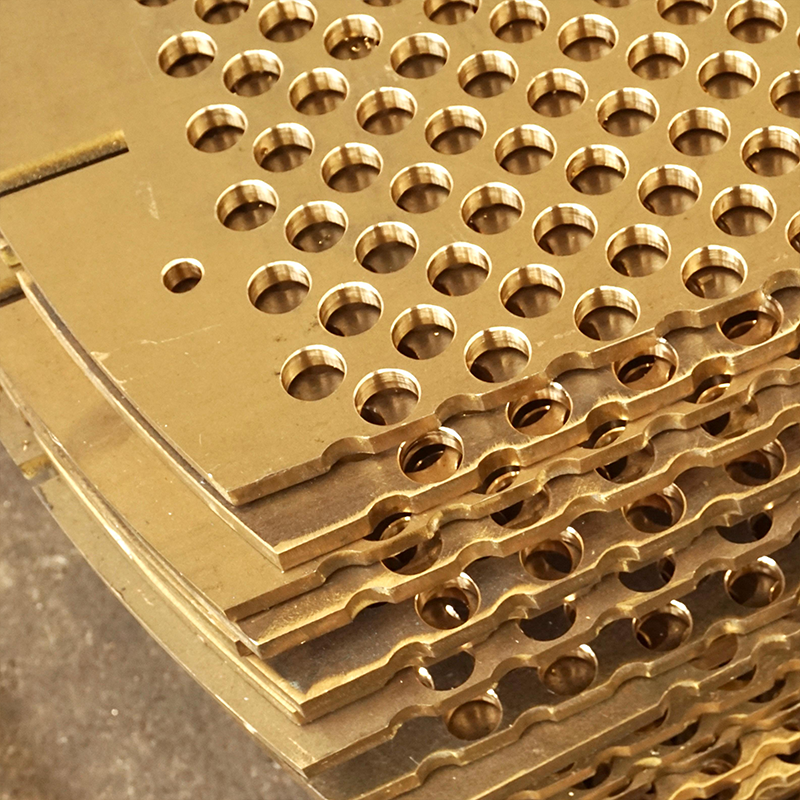
- Impeccable surface preservation:Transport of C46400 brass and C70600 copper-nickel alloy tube sheets requires exceptional protection from moisture, salts and mechanical stress, as these materials are often used in seawater desalination plants.
- Compliance with international packaging standards:For export to Europe and America, packaging that meets ISPM 15 requirements and customer specifications is required to avoid on-site rejection.
- Complex multimodal scheme:Shipping heavy-duty components (high-pressure heat exchangers) from a manufacturing center in China to sites around the world requires seamless integration of road, sea and sometimes rail transport.
Through cooperation with a professional logistics operator, Wuxi Kaisheng LLC was able to scale its supply, providing stable equipment to customers in the energy-saving and petrochemical industries. The company was able to focus on its engineering solutions and quality of carbon, stainless and alloy steel products, delegating all transportation risks to a reliable partner. This case confirms: the more complex and expensive the product, the more critical the role of specialized outsourcing in ensuring its safe delivery to the end consumer.
Frequently asked questions (FAQ)
1. Will I lose control over the cargo when outsourcing it?
No, you will have more control than you previously had. With your own logistics, you often don't know the exact location of the car until the driver calls himself. Professional outsourcing provides access to the monitoring system 24/7. You see the status of the cargo in real time, receive photo reports from each point of the route and arrival forecasts accurate to the hour. Control shifts from driver micromanagement to service performance management through SLA (Service Level Agreement).
2. What happens if the logistics company goes bankrupt in the middle of a contract?
This is a reasonable risk, which is reduced by working with large federal operators. The contract specifies penalties and guarantees of service continuity. Large players have a diversified fleet and financial reserves. In addition, the contract usually specifies the operator’s obligation to ensure the replacement of transport by subcontractors in the event of force majeure within 2-4 hours. We recommend checking the financial stability of the partner through open sources before signing.
3. Is it possible to outsource only part of the functions, for example, only a warehouse or only transport?
Yes, this is called partial outsourcing. You can leave transport management to yourself, but transfer warehouse operations (reception, storage, packaging) to professionals, or vice versa. However, the maximum economic effect is achieved with an integrated approach (management of the entire chain), as this allows you to optimize inventories and transport flows in a single window. Partial outsourcing often creates gaps where responsibility and information are lost.
4. How quickly can you start work after making a decision?
The minimum period for launching pilot transportation is 7-10 days. This time is necessary to conclude a contract, set up access to systems and instruct drivers. The complete transition of all volumes usually takes from 1 to 3 months, depending on the complexity of the current scheme and the need to rent additional warehouse space.
Conclusion: A strategic step towards production growth
The pipe market in 2026 does not forgive errors in efficiency. Competition has shifted from the plane of “who can produce cheaper” to the plane of “who can deliver more reliably and faster.”Outsourcing logistics for pipe manufacturersis not an expense item, but an investment in the stability of your business. By transferring non-core functions to experts, you free up resources for the main thing: developing production technologies, expanding the range and working with customers.
We have seen how factories that saved 5 rubles per kilometer of transportation lost millions in fines and loss of reputation. And we have seen how companies that chose a reliable partner (as in the case of high-tech equipment from Wuxi Kaisheng) increased the geography of supplies and entered new markets, confident that their cargo would arrive safely. The choice is yours: remain hostage to your own limitations or use the levers of professional logistics to scale.
Don't put off auditing your current logistics model. Every day of working according to old, ineffective schemes is lost profit. Contact us today to receive an estimate of savings for your business and discuss the terms of a pilot project. We are ready to share our expertise, which has helped dozens of manufacturers optimize their supply chains.
To receive detailed advice and calculate the cost of services, follow the link:Outsourcing Logistics for Pipe Manufacturers: A Complete Guide.