
Automation of warehouse for finished products PP”
2026-08-26
- Automation of finished goods warehouse PP: Reality instead of marketing promises
- Specifics of polypropylene storage and processing: Why standard solutions do not work
- System Architecture: From Extruder to Shipping Gate
- Equipment selection: Robots, conveyors and identification systems
- Digital ecosystem: WMS, ERP and predictive analytics
- Project Economics: ROI Calculation and Hidden Costs
- Frequently asked questions (FAQ)
- Step-by-step implementation plan: From audit to launch
- Infrastructure Reliability: The Role of Specialized Equipment
- Conclusion: The future of polypropylene warehouses
Automation of finished goods warehouse PP: Reality instead of marketing promises
System implementationautomation of finished products warehouse PP(polypropylene) is not just the purchase of robots or conveyors, but a fundamental restructuring of logistics processes to work with material that requires a specific approach to storage and shipment. In our practice, we have encountered situations where companies lost up to 15% of their margins due to the wrong choice of equipment for palletizing rolls or bags of granulate. Polypropylene is a bulky material, often lightweight, but at the same time critical for downstream production, where downtime is unacceptable. The purpose of this article is to analyze the technical nuances that most integrators ignore and provide a clear action plan for modernizing your warehouse, based on real cases, and not on theoretical calculations.
We will not tell you that “robots will replace people.” This is a simplification. The real challenge of automation in the PP segment is ensuring traceability of each batch, maintaining packaging geometry (especially for flexible Big Bag containers) and minimizing the human factor when forming mixed pallets. If you plan to scale up polypropylene production in 2025-2026, the current manual shipment scheme will become a bottleneck in just 6 months. Below we will analyze in detail the architecture of the solution, which works in conditions of high dust and heavy traffic.
Specifics of polypropylene storage and processing: Why standard solutions do not work
Polypropylene (PP) as a finished product most often arrives at the warehouse in three main formats: soft containers (Big Bags) weighing from 500 to 1000 kg, 25 kg bags on Euro pallets and large industrial rolls of film or fiber.Automation of PP finished products warehousemust take into account the physical and chemical properties of the material. Unlike metal or glass, polypropylene is susceptible to electrostatic buildup, is sensitive to point loads, and can deform if handled incorrectly.
One of the most common mistakes we observed when auditing chemical giants' warehouses was the use of standard forks to work with Big Bags. This leads to rupture of the slings or damage to the fabric of the container, which leads to spillage of the granulate. The losses are not only the cost of the product, but also the huge costs of cleaning the area, since small PP granules create the effect of “skating rinks” on the floor, making the movement of equipment dangerous. The correct system should use specialized traverses with adjustable paw angles and force sensors that turn off the grip if the pressure on the fabric is exceeded.
Another critical aspect is dust generation. When automatically reloading bags or filling containers, fine dust is generated. If the ventilation and aspiration system is not integrated into the algorithms for the operation of conveyor lines, the optical positioning sensors of the robots begin to fail. In one of our projects in Tatarstan, the client was faced with the fact that the palletizing robot stopped every 40 minutes due to “dirty optics.” The solution required installing air curtains directly in areas of height difference and changing the logic of the sensors to ultrasonic ones, which are less sensitive to suspended matter in the air.
Temperature also plays a role, although polypropylene is considered a stable material. In unheated warehouses in winter (typical for the regions of the Urals and Siberia), the polymer becomes more fragile. Mechanical grippers operating at summer force levels may damage packaging at temperatures below -10°C. Our recommendation: implement a climate monitoring system that automatically adjusts the compression force of the manipulators depending on the data from thermometers in the storage area. This is a simple software patch that saves tons of products from being defective.
For rolled products, end protection is critical. Automatic stackers must have a “soft landing” function and use suction cups or mechanical grips with rubber dampers to prevent pushing through the internal layers. Standard metal forks are strictly prohibited here. If you see a universal grip “for all types of cargo” in a commercial offer, know that this is not suitable for PP. Specialization is required for each type of container.
Key equipment requirements for PP
- Grip type:For Big Bag - traverses with 4 adjustable legs and protection against overlapping lines. For bags - layer-forming heads with the ability to rotate 90/180 degrees for tying rows.
- Material of contact parts:AISI 304 stainless steel or anodized aluminum to prevent sparking and corrosion. Rubber seals must be oil resistant and antistatic.
- Positioning accuracy:No worse than ±2 mm for joining with extruder conveyor lines to avoid bags getting stuck at transitions.
- IP protection:Minimum IP54 for electronics located in the loading area due to high concentrations of polymer dust.
Ignoring these specific requirements turns an expensive automation system into a source of constant emergency stops. Before signing a contract with an integrator, request a reference list with objects where they worked with polymers, and not with bricks or boxes.
System Architecture: From Extruder to Shipping Gate
Efficientautomation of finished products warehouse PPis built on the principle of continuous flow. Breaks in the chain between the production area (extrusion/granulation) and the storage area are the main culprits for lost productivity. Let's consider the typical architecture of a modern polypropylene warehouse, divided into functional zones.
Zone 1: Filling and palletizing line.This is where the primary packaging takes place. For granulate, weighing dispensers are used with an accuracy of ±0.5%. It is critical to synchronize the speed of filling machines with the speed of pallet feeding. If the palletizer is idle waiting for a pallet, the filling line is forced to stop or go into manual mode, which breaks the tightness of the circuit. We recommend using roller buffers with a capacity of at least 20 pallet spaces in front of the robot palletizer. This allows you to eliminate micro-downtime on the bottling line without stopping the entire process.
Zone 2: Transport system.The movement of formed pallets from the line to the warehouse is carried out either by chain conveyors or autonomous carts (AGV/AMR). For heavy loads (Big Bag), chain conveyors are more reliable, as they are less sensitive to the quality of the floor. However, for 25 kg bags, using an AGV gives greater flexibility when changing the warehouse topology. An important nuance: the joints between conveyor sections must be equipped with bag “jam” sensors. Soft PP packaging often catches on the slightest irregularities, causing jams that are difficult to detect visually due to the height of the equipment.
Zone 3: Storage area (AS/RS or shuttle systems).Shuttle pallet storage systems are ideal for polypropylene. They provide high placement density (up to 80% of warehouse volume utilization versus 45% for classic racks) and the FIFO (First In, First Out) principle, which is important for maintaining the shelf life of additives in composites. The height of the racks usually reaches 12-14 meters. Shuttles must have a function for automatically diagnosing battery charge and returning to charge without operator intervention. In our practice, there was a case when a frozen shuttle blocked an entire storage channel for 12 hours because the system could not correctly determine its coordinates after a power failure. Modern software should include algorithms for emergency cargo recovery.
Zone 4: Picking and shipping.The hardest part. Customer orders are rarely monolithic (only one type of PP). Most often you need to mix different brands, colors or types of packaging. This is where the depalletizing and mixed pallet re-forming area comes into play. Robots with a vision system scan the QR codes on each bag, check it against the order in the WMS and form a new layer. An error at this stage leads to complaints and product returns, which is extremely costly for chemical products due to the complexity of reverse logistics.
Integration of all these areas is impossible without a single warehouse management system (WMS) that communicates with the manufacturing execution system (MES) in real time. Data about the released batch should appear in the storage cell instantly, without manual entry by the storekeeper. A delay of even 5 minutes can lead to the system offering to ship products that have not yet physically reached the picking area.
Equipment selection: Robots, conveyors and identification systems
The market offers many solutions, but for problemsautomation of finished products warehouse PPyou need to choose equipment with a margin of safety and maintainability. Let's look at the key components and the pitfalls of choosing them.
Palletizing robots:
For working with 25 kg bags, articulated robots with a load capacity of 120-160 kg are optimal. Popular brands have their pros and cons. European models are distinguished by high precision and build quality, but the delivery time for spare parts in current conditions can reach 3-4 months. Chinese analogues have become significantly better over the past two years: their accuracy has increased, and their price is 30-40% lower. However, when choosing a Chinese manufacturer, be sure to require a service center in your region and a spare parts warehouse (gearboxes, servomotors). In one of the projects, we used a budget robot, whose axis controller failed after 8 months. Due to the lack of spare parts on site, the downtime was 3 weeks. Lesson: Saving on CAPEX can spell disaster on OPEX.
Conveyor systems:
The main working tool. For PP, two parameters are important: the type of belt surface and the drive power. Smooth PVC tapes are not suitable for bags of granulate on inclines of more than 15 degrees - they will roll down. A ribbon with chevrons or notches is required. Drives must be equipped with frequency converters for soft starting, so that a sharp jerk does not overturn an unstable pallet with a Big Bag. Also pay attention to the modular design. Sections 2-3 meters long allow you to quickly change the line configuration when expanding the range.
Identification systems (Auto-ID):
Without clear labeling, automation is dead. For polypropylene, thermal transfer labels are used that are resistant to abrasion and UV rays (if the warehouse has windows). Barcode scanners must be industrial grade (IP65). Pay special attention to reading the codes on the transparent stretch film that is used to wrap the pallets. Conventional lasers often produce flare. We need scanners with polarizing filters or imaging technology that can read code through several layers of film and from different angles. We tested various models and found that the angle of installation of the scanner relative to the movement of the pallet is critical: a deviation of more than 30 degrees reduces the percentage of successful reading to 70%.
| Comparison parameter | Classic forklifts | Shuttle systems (Radio Shuttle) | Stereo towers (AS/RS) |
|---|---|---|---|
| Storage Density | Low (requires a lot of travel) | High (deep storage) | Maximum (full height use) |
| Turnover rate | Medium (depending on the driver) | High (parallel operation of shuttles) | Medium/High (depending on the number of taps) |
| Applicability for PP Big Bag | Yes, but high risk of damage | Perfect (smooth movement) | Requires special traverse for crane |
| Implementation cost | Low | Average | High |
| Dependence on the human factor | Critical | Minimum | Missing |
When choosing between shuttles and stereo towers for polypropylene, we often lean towards shuttles. The reason is simple: they are more careful with the load due to the absence of vertical swings characteristic of high-altitude stacker cranes during acceleration and braking. For fragile PP packaging this is a decisive factor.
Digital ecosystem: WMS, ERP and predictive analytics
“Iron” without “brains” is just a pile of metal. Successfulautomation of finished products warehouse PP50% depends on software. Integration of WMS (Warehouse Management System) with an enterprise ERP system (for example, 1C, SAP) should be two-way and seamless.
The key function of a WMS for a chemical warehouse is batch and expiration date management. Polypropylene with various additives (stabilizers, dyes) has a different lifespan. The system should automatically block the shipment of batches that have a remaining shelf life less than that required by the customer (for example, less than 6 months). Moreover, the system must support tracking by serial numbers of each bag or container. In the event of a quality complaint, you must find out in seconds which extruder, on which shift and from which raw materials that particular batch was produced.
Predictive analytics is the next level of maturity. Modern systems collect telemetry from conveyor motors, robot gearboxes and shuttle batteries. By analyzing vibration and current consumption, machine learning algorithms can predict node failure 2 weeks before failure. This allows you to schedule maintenance over the weekend rather than having to stop shipping on Monday morning. In our experience, the implementation of such a system at a plastics plant allowed us to reduce unplanned equipment downtime by 35% in the first year of operation.
An important point is the operator interface. It should be intuitive, with large controls and color-coded status indications. Warehouse operators often work with gloves and in noisy environments. Touch screens must respond to gloved touches, and audio signals must be distinguishable from the background of operating equipment. We have seen systems where the error was displayed in small red text in the corner of the screen - operators simply did not notice the accident until a congestion occurred.
Project Economics: ROI Calculation and Hidden Costs
Investments in warehouse automation are significant. The cost of a comprehensive solution for an average PP plant varies from 50 million to 200 million rubles and more, depending on the degree of robotization. However, the calculation of return on investment (ROI) should be carried out not only on the basis of savings in the wage fund (payroll), which is a common mistake.
Main articles of economic efficiency:
- Reduced product losses.As mentioned earlier, damage to packaging during manual loading leads to direct losses. Automation reduces this indicator to a minimum. The savings here can amount to millions of rubles per year.
- Increased throughput.The automated warehouse operates 24/7 without lunch breaks or shifts. This allows more products to be shipped during peak seasons without adding more forklift drivers.
- Optimization of warehouse space.Due to compact storage (shuttles, high-rise racks), up to 40% of the space can be freed up. This is either savings on renting/constructing new workshops, or the opportunity to place additional production.
- Reducing insurance risks.Keeping people away from heavy equipment operating areas reduces the risk of injury, which directly impacts insurance premiums and company reputation.
Hidden costs that sellers are silent about:
- Preparing the floor.AGVs and narrow aisle vehicles require an extra-flat floor (Fmin tolerance 2 mm per 3 metres). Leveling an old concrete floor can cost as much as the navigation system itself.
- Licenses and software updates.Annual payments for WMS support can reach 10-15% of the cost of the software.
- Personnel training.Qualified robot maintenance engineers are expensive. You will either have to train your employees or enter into an expensive service contract.
The actual payback period for projects in the polymer processing industry is 3-5 years. Projects with an ROI of less than 3 years are rare and are usually associated with the replacement of obsolete, constantly breaking equipment. Don’t believe promises that “will pay off in a year” - this is a marketing trap.
Frequently asked questions (FAQ)
Is it possible to automate an old warehouse without major construction?
Yes, it is possible, but with limitations. If the ceiling height allows (minimum 6 meters), ground shuttle systems or racks for robotic carts can be installed. The main obstacle is the quality of the floor. If the height differences exceed 5 mm per 2 meters, the automation will work unstably. In such cases, we recommend local reconstruction of only work areas (driveways) and the use of equipment with increased suspension adaptability. Full automation “as is” without preparing the base will lead to constant accidents.
How does the system cope with different sizes of bags and containers?
Modern palletizing robots and conveyor lines are programmed to work with several standard sizes. In the WMS database, recipes (laying recipes) are created for each type of product (for example, a 25 kg bag, a 1 ton big bag, a roll). When an order is received, the system automatically reconfigures the equipment: changes the grip height, laying step and strapping pattern. Switching between modes takes from 30 seconds to 2 minutes. However, if the assortment changes too chaotically (more than 10 different standard sizes per hour), efficiency decreases. For such cases, it is better to use a hybrid scheme, where rare positions are processed manually.
What should I do if the power goes out while working?
All critical components of an automated warehouse must be connected to uninterruptible power supplies (UPS) or diesel generators. Robots and shuttles are equipped with a function to safely stop and maintain position. After power is restored, the system performs self-diagnosis and resumes operation from where it stopped. Conveyors have mechanical brakes that prevent reverse movement of the belt with load. The project necessarily includes an “emergency unloading” scenario, which allows you to manually (in semi-automatic mode) remove loads from the lines if energy restoration is delayed.
How difficult is it to maintain such a system in Russian winter conditions?
If the warehouse is not heated, a special design of the equipment is required. Bearings should be filled with frost-resistant grease, hydraulics (if any) should be filled with low-temperature grease, and electronic cabinets should be heated. Cables become rigid in the cold, so special frost-resistant sheaths (HL marking) are used. We recommend maintaining the temperature in the robot operating area at least +5°C, even if the storage area is cold. This is achieved by installing thermal curtains in openings or local heating of the working cell. Operation at -20°C is possible, but the service life of the mechanisms is reduced by 30-40%.
Step-by-step implementation plan: From audit to launch
Don't start by purchasing equipment. Start with process analysis. Here is a proven algorithm that we use in our projects:
- Technical audit and data collection.Measure the actual dimensions of the warehouse, the load-bearing capacity of the floor, and height differences. Collect shipment statistics for the last year: peaks, seasonality, average order bill, ratio of packaging types. Without these numbers, any project is guesswork.
- Concept development and simulation.A Digital Twin of the warehouse is created in front of the drawings. The program simulates cargo flows, identifies bottlenecks, and checks the logic of robot operation. At this stage, you can understand that the selected type of conveyor cannot cope with peak loads, and change the solution free of charge, and not after installation.
- Preparation of infrastructure.The longest stage. Construction of a new floor, laying of power cables, installation of metal shelving structures, installation of ventilation and lighting systems. At the same time, software development and server configuration are underway.
- Installation and commissioning (P&I).Mechanical installation, electrical connection, sensor calibration. This stage is accompanied by tests “dry” (without load) and “under load”. It is important to check all emergency scenarios: triggering of collision sensors, reaction to loss of communication, behavior at low voltage.
- Training and commissioning.Training not only for operators (to press buttons), but also for mechanics/electricians (diagnostics and repairs). Drawing up maintenance regulations. Only after signing a certificate of comprehensive testing (usually 72 hours of non-stop operation) is the system considered to be put into operation.
A mistake at any of these stages can set the project back months. The simulation stage is especially critical: many companies save on it, relying on the experience of the designer, but the human factor cannot calculate thousands of options for the interaction of elements the way a computer model does.
Infrastructure Reliability: The Role of Specialized Equipment
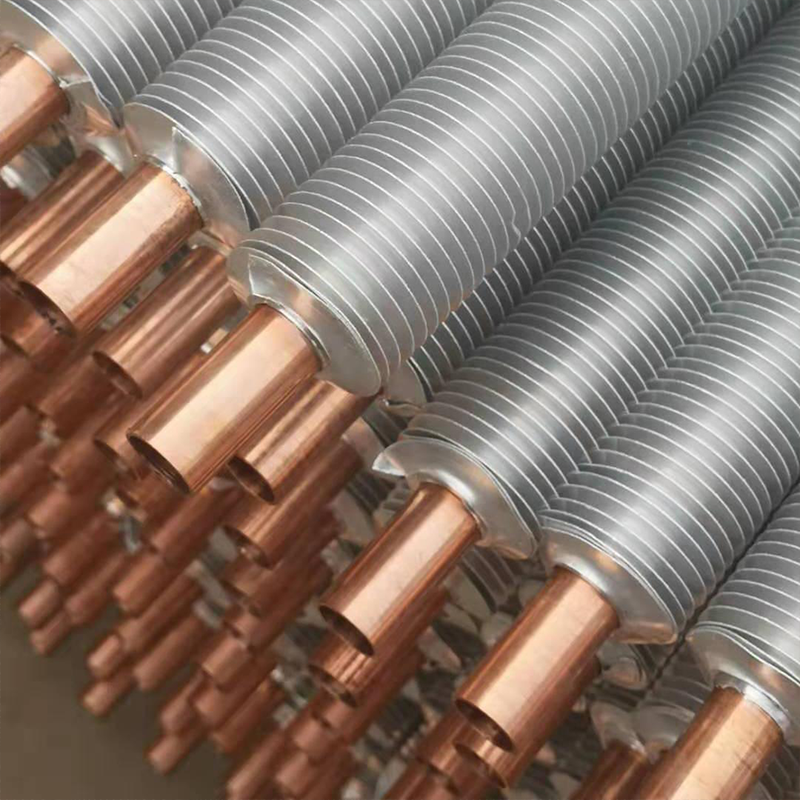
Although this article focuses on the logistics of finished products, it must not be forgotten that the efficiency of the entire cycle depends on the reliability of the main process equipment. Warehouse automation is pointless if the production line is idle due to failure of heat exchangers or power systems. This is where the approach of companies likeWuxi Kaisheng LLC, specializing in the development and production of highly reliable heat exchange, power and petrochemical equipment.
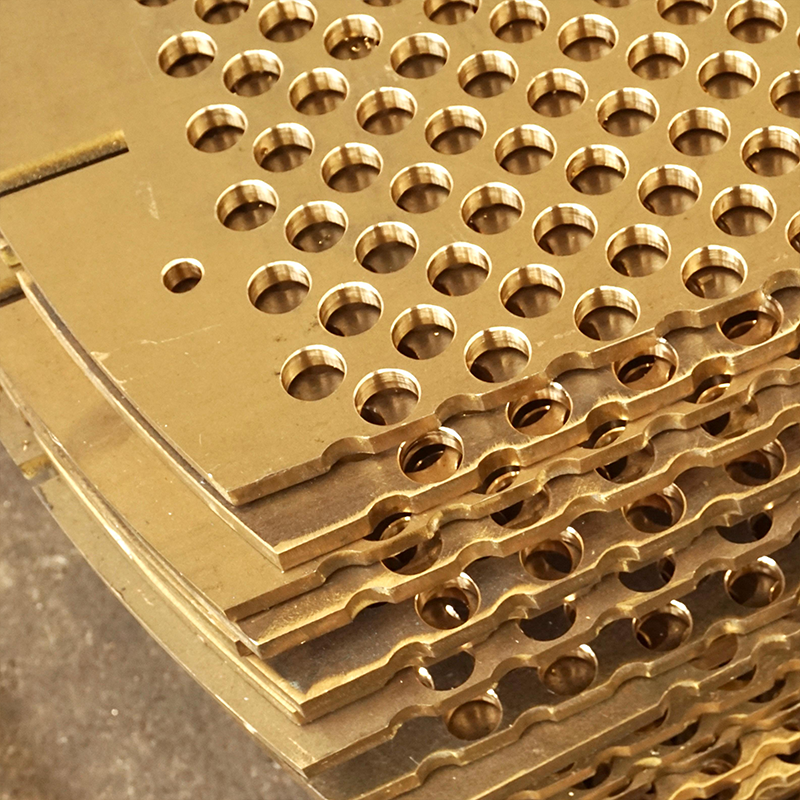
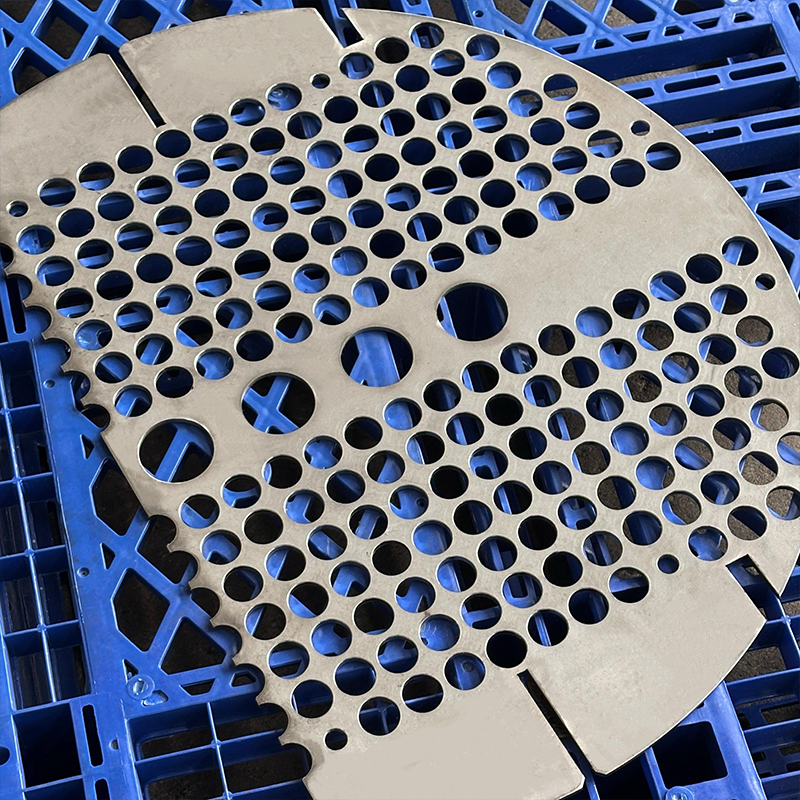
In the context of polypropylene production, where extrusion and granulation processes require strict temperature control, the quality of heat exchangers plays a critical role. Wuxi Kaisheng products, including titanium shell-and-tube heat exchangers, ASME high-pressure units and 316 stainless steel or C46400 marine brass bundles, provide the necessary corrosion resistance and thermal efficiency. The use of PED and ASME certified components made from N06625 alloys or copper-nickel compositions guarantees the stable operation of reactors and cooling systems even in aggressive environments.
The reliability of such solutions directly affects the rhythm of products arriving at the warehouse. The stable operation of energy-efficient waste heat boilers and air coolers avoids unplanned production shutdowns that could disrupt synchronization with the automated storage system. Thus, selecting quality capital equipment from trusted suppliers such as Wuxi Kaisheng is the foundation on which successful automation of the entire value chain is built - from raw materials to shipment of finished polypropylene.
Conclusion: The future of polypropylene warehouses
Automation of PP finished products warehouseceased to be a matter of prestige and became a matter of business survival. Growing production volumes, stricter requirements for quality and logistics, a shortage of qualified personnel - all these factors are pushing the industry towards complete robotization. Technologies of 2025-2026 make it possible to create flexible, scalable and reliable systems that pay off through comprehensive optimization, and not just through staff reduction.
The main conclusion of our experience: success does not depend on the brand of the robot, but on the depth of development of the technological process and the quality of integration. Don't be afraid of complex solutions, but demand proof of their performance on real objects. Polypropylene is a rewarding material for automation, if you approach the matter wisely and respect its specifics, while ensuring the reliability of the entire production cycle.
If you are planning to modernize your warehouse and want to avoid common mistakes, we are ready to conduct a preliminary express audit of your current situation. Our experts will help you assess the potential of automation specifically for your production.
Contact us todayfor consultation on automation projects for warehouses of polymer products.
We also recommend that you read our material aboutmodern polypropylene extrusion linesto ensure complete synchronization of production and logistics.