
Branding of PP tank manufacturing companies”
2026-09-03
- Why the branding of polypropylene tank factories determines the contract price
- Engineering transparency as the foundation of trust in the PP tank niche
- The influence of certification and standards on brand perception (GOST, ISO, EAC)
- Buyer psychology: how visual content reduces the fear of error
- Implementation cases: from galvanization to wastewater treatment plants
- Common mistakes in positioning manufacturing plants
- Brand development strategy for 2025-2026: trends and forecasts
- Frequently Asked Questions
- Conclusion: Investing in a brand as business insurance
Why the branding of polypropylene tank factories determines the contract price
In our practice of working with industrial customers from Russia and the CIS countries, we have repeatedly encountered a paradoxical situation: two factories offer containers made of polypropylene (PP) that are identical in chemical composition and wall thickness, but one is sold at a 30% markup, and the second has been in stock for months. The difference lies not in the physics of the material, but in the perception of the brand.Branding of PP Tank Companies- this is not just a logo on the website, it is a set of engineering evidence of reliability that reduces the buyer’s risks when signing a contract worth millions of rubles.
When a technical manager sees the manufacturer's name, he instantly assesses the likelihood that the container will leak in a year or deform under load. A weak brand is associated with the risk of production downtime, fines from environmental authorities and loss of reputation of the buyer himself. A strong brand, on the contrary, acts as a guarantor of compliance with GOST and technological discipline. In this article, we will look at how exactly trust in a manufacturer of capacitive equipment is formed, what mistakes factories make when positioning, and why technical marketing is more important than a pretty picture.
Engineering transparency as the foundation of trust in the PP tank niche
Polypropylene (PP-H, PP-B, PP-R) is a capricious material. Its weldability, UV resistance and linear expansion coefficient require strict control at every stage. The buyer of an industrial tank with a volume of 10 m³ to 100 m³ cannot visually check the quality of the seam as easily as the integrity of a steel tank. He has to trust the manufacturer. This is where the principle of “engineering transparency” comes into play.
We observed a case where a large chemical plant refused the cheapest offer, although the plastic sample passed laboratory tests. The reason for the refusal was simple: there were no photographs of the sheet extrusion and automatic welding process on the supplier’s website. The buyer concluded: “If they hide the workshop, it means there is no modern equipment there, and they brew it by hand.” As a result, the contract went to a competitor, who posted a video of the operation of Leister-type welding heads indicating temperature conditions.
To build a strong brand in the PP tank segment, it is necessary to demonstrate the following technical aspects:
- Raw material control:Indication of specific brands of granules (for example, Basell, Borealis, Sabic) with the attachment of quality certificates for each batch. This removes the issue of recycling plastic, which is unacceptable for aggressive environments.
- Welding technology:Demonstration of the use of automatic extruders and hot air guns with digital temperature control. Hand welding large containers is a red flag for the professional buyer.
- Constructive calculation:Publication of examples of strength calculations taking into account hydrostatic pressure and wind load. The brand should speak the language of engineers, not sales managers.
One of our clients, a manufacturer of tanks for plating lines, increased the conversion rate of their application by 45% simply by adding a “Quality Control Laboratory” section with photographs of tensile testing of samples. This action moved communication from the “price” plane to the “security” plane. Remember: in the B2B sector, the lack of information about the production process reads as an attempt to hide defects.
The influence of certification and standards on brand perception (GOST, ISO, EAC)
In the Russian and Eurasian industrial space, the abbreviations GOST, ISO and EAC are not just bureaucratic requirements, but markers of company survival. For a tank manufacturer brand, having up-to-date certificates is an entry ticket to tenders of large oil, gas and chemical holdings. The absence of a valid certificate of conformity TR CU 032/2013 “On the safety of equipment operating under excess pressure” automatically sends the company to the “garage workshop” segment, regardless of the actual quality of their products.
We analyzed more than 50 websites of manufacturers of plastic containers and identified an alarming trend: many post scans of certificates that expired 2-3 years ago. For an experienced chief engineer, this is a signal that the quality management system at the plant is not functioning or the company is working “in a gray area.” Such a brand loses trust instantly. A truly professional brand updates documentation proactively and makes it publicly available with clear expiration dates.
Key standards that must be integrated into your brand DNA:
- ISO 9001:2015:Confirms that enterprise management processes are stable. This is important for customers who need regular deliveries over 5-10 years.
- GOST R 57849-2017:Specific standard for vessels and apparatus made of polymer materials. A link to it in the technical documentation shows the deep expertise of the manufacturer.
- EAC Certificate (TR CU):Mandatory for customs clearance and legal operation in the territory of the Customs Union. Without it, large factories will not even consider a commercial offer.
It is important to understand the difference between a declaration and a certificate. The declaration is accepted by the manufacturer himself based on his own evidence, while the certificate is issued by an accredited body after testing in the laboratory. A brand that invests in full certification positions itself as a market leader. We have seen cases where the difference in price between certified and non-certified equipment reached 20%, and customers calmly paid this premium to avoid problems with Rostekhnadzor.
Don't forget about industry approvals. If your tanks are intended for the food industry, the brand must demonstrate compliance with sanitary standards and the presence of Rospotrebnadzor conclusions. For the pharmaceutical industry, experience in the validation of washing and sterilization is critical. Narrow specialization, confirmed by documents, works better than universality “we do everything for everyone.”
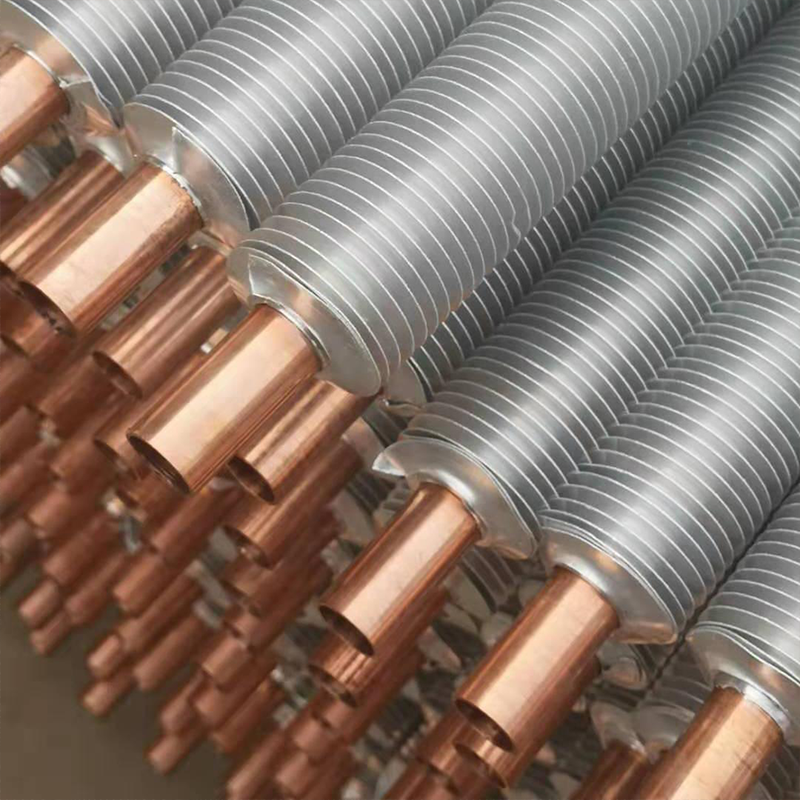
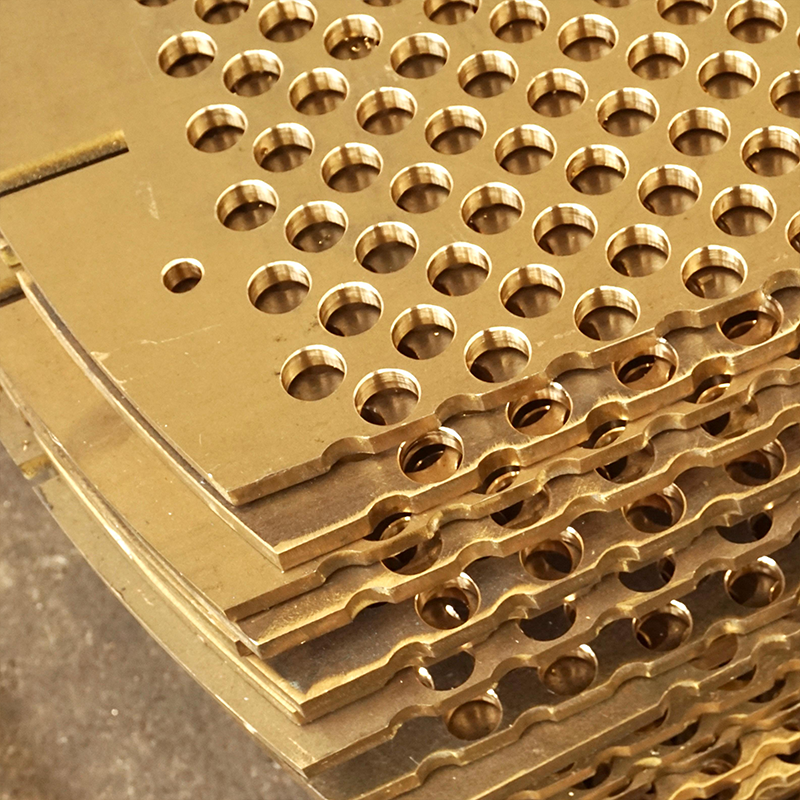
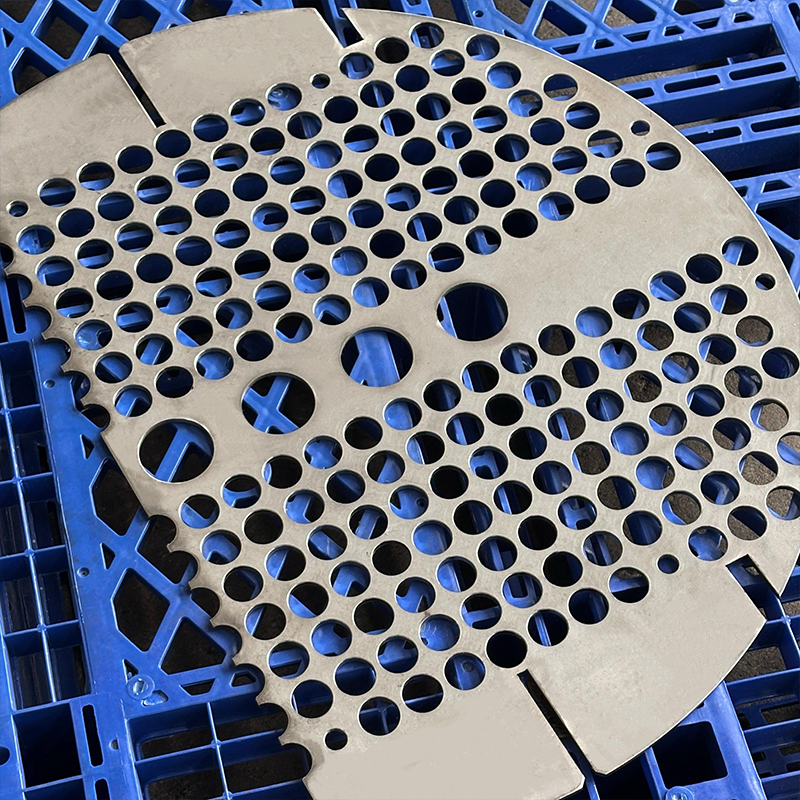
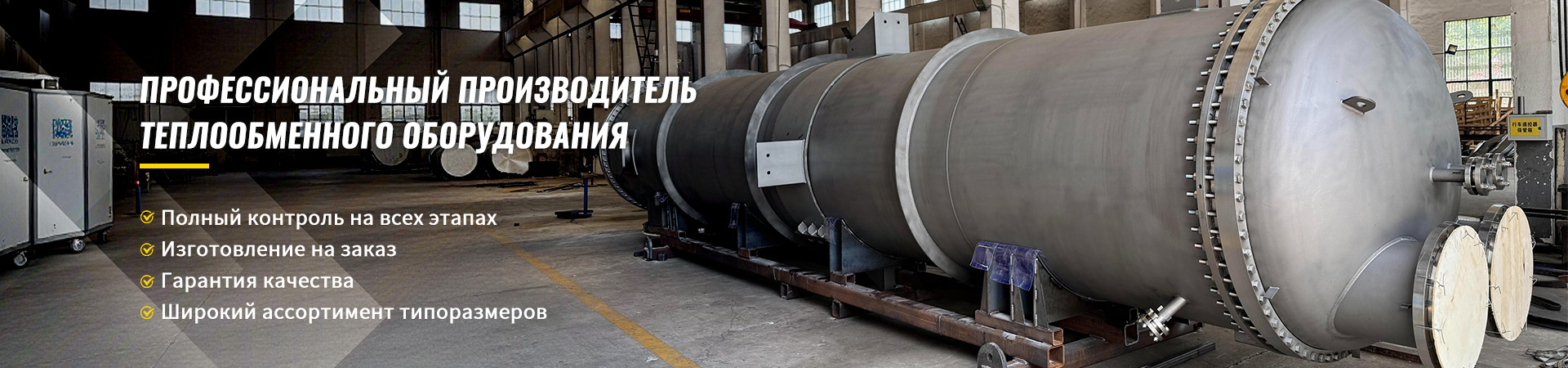
A striking example of this approach is the companyWuxi Kaisheng Electric Power and Petrochemical Equipment Co., Ltd.. Specializing in the development and production of complex heat transfer and petrochemical equipment, they rely on international quality standards. Their products, including titanium shell-and-tube heat exchangers and nickel alloy units, are certified to stringent ASME and Pressure Equipment Directive (PED) standards. This level of certification immediately signals to the customer the ability of the enterprise to work with high pressures, temperatures and aggressive environments, be it seawater desalination or oil refining. When a brand openly demonstrates compliance with global standards and uses materials like 316 stainless steel, C46400 marine brass or N06625 alloy, it automatically moves from the category of “local supplier” to the league of “global partners”, earning the trust of the most demanding industrial giants.
Buyer psychology: how visual content reduces the fear of error
Purchasing an industrial tank is stressful for the person in charge. An error in choosing a supplier can result in an accident, a spill of reagents, and criminal liability. Therefore, the main emotion that good branding controls is the reduction of anxiety. Visual content plays a crucial role here, often surpassing the impact of text descriptions.
A common mistake many factories make is using stock photos or 3D renderings instead of actual production shots. An experienced technologist will immediately distinguish ideal computer graphics from the reality of the workshop. Stock photos create the feeling of a “fly-by-night company” that does not produce anything, but only resells. Our analysis showed that sites with real, albeit not perfectly edited, photographs of welding stations retain the user’s attention 40% longer.
An effective visual branding strategy for a PP tank manufacturer includes:
- Photographic recording of stages:A series of photographs of one object: from sheet cutting to hydrotesting of the finished container. This proves the full production cycle.
- Frame scale:The presence of a person next to a huge tank helps to assess the actual dimensions of the product. Without this reference point, it is difficult to understand the scale of production.
- Details of nodes:Macro photography of welds, flange connections, hatches and pipes. The quality of execution of small parts is extrapolated by the buyer to the quality of the entire product.
- Geography of supplies:Map with marks of installed objects. Photos of tanks operating in harsh conditions (north, desert, aggressive workshops) serve as powerful social proof.
We worked with a company that started publishing marriage reports. Yes, they showed their mistakes and how they corrected them. The move sent shockwaves through marketers but led to increased confidence among CTOs. Transparency about possible risks and how to address them creates the image of an honest partner. In an industry where everyone is trying to look perfect, recognizing the human nature of production sets the brand apart as a mature player.
Video content is also becoming a must-have element. Short videos (30-60 seconds) showing the extruder welding process, testing a container with water, or loading it with a crane work better than long presentations. Video cannot be faked as easily as a photo, and it provides the dynamics needed to assess a team's competencies.
Implementation cases: from galvanization to wastewater treatment plants
Abstract promises of “high quality” do not work without reference to specific industries. A strong brand of a manufacturer of polypropylene tanks always segments its cases according to the type of problem being solved. A universal description “suitable for everything” blurs the focus and reduces expertise in the eyes of a narrow-profile customer.
Let's look at two diametrically opposed use cases that require different branding emphasis.
Scenario 1: Galvanic production.
The key factors here are heat resistance (up to 80-90°C) and resistance to concentrated acids and alkalis. The customer is afraid of corrosion and leaks, which can stop the line and lead to defective parts.
Example implementation:The manufacturer focused in its branding on the use of polypropylene copolymer (PP-B), which has increased impact strength at low temperatures and resistance to thermal cycling. The case contained the following data: “A 15 m³ tank for pickling in sulfuric acid operates for 4 years without signs of material degradation at a temperature of 65°C.” The results of ultrasonic testing of wall thickness after 2 years of operation were provided. This concrete numerical proof convinced a major auto manufacturer to award a contract for 20 bathtubs.
Scenario 2: Local wastewater treatment plants (WTP).
Here the volumes reach hundreds of cubic meters, and the main enemy is soil and groundwater pressure, as well as UV radiation from the sun. The customer is afraid of the container floating or the walls collapsing.
Example implementation:The brand focused on design solutions: stiffeners, anchor plates, correct zoning of compartments. The project description for the meat processing plant stated: “The 100 m³ tank is installed in an area of high groundwater level. A scheme for concreting the pit and anchoring the hull was used. The service life is predicted to be more than 50 years.” The emphasis was placed on engineering support for installation, and not just on selling the product. The client received not just a tank, but a turnkey solution to the sewage problem.
In both cases, successful branding was built around the customer's pain rather than the properties of the plastic. No one is interested in polypropylene in itself; I am interested in the uninterrupted operation of the galvanic line and the absence of fines from environmentalists. A brand that speaks the language of results will always outperform a brand that speaks the language of performance.
We recommend creating a library of cases, where each project is described according to its structure: Problem → Technical solution → Implemented parameters (temperature, environment, volume) → Result in numbers (years of work, savings). This structure allows a potential customer to quickly find relevant experience and apply it to their task.
Common mistakes in positioning manufacturing plants
Despite the obvious importance of reputation, many Russian and foreign manufacturers make systemic mistakes that hinder their growth and drive them into price wars. Market analysis shows that 70% of promotion failures are due to a lack of understanding of the specifics of a B2B buyer in heavy industry.
Mistake #1: Focusing on price instead of cost of ownership.
Many companies shout “Low prices!” as the main advantage. This attracts only the most unreliable customers who will demand discounts until the last minute. As a professional buyer knows, a cheap tank often means thin walls, skimping on fittings and no warranty. Proper branding should explain why the price is higher: “Our container costs 15% more because we use 10mm sheet instead of 8mm, which doubles the service life and eliminates the risk of repairs after a year.”
Mistake #2: Ignoring after-sales service.
Polypropylene containers require maintenance, repair of cracks, and replacement of seals. A brand that disappears after shipping loses repeat sales and referrals. Successful companies integrate the service “Installation supervision” and “Warranty service for 5 years” into their brand. Having your own service team ready to go to the site to weld damage is a powerful competitive advantage that should be highlighted on the main page of the site.
Mistake #3: Difficult navigation and lack of technical data.
The engineer wants to see drawings, load tables and specifications right away, not after registering and calling the manager. Sites that require “Get a Quote” to get basic information turn off qualified professionals. Openness of data is a sign of confidence in the product.
Mistake #4: Lack of geographic reference.
Logistics of oversized cargo (tanks) is complex and expensive. If the brand does not clearly indicate the shipping regions and the availability of warehouses or representative offices, a customer from Siberia or the Far East will be afraid to contact the Moscow plant due to the risks of damage during transportation. Indicating the experience of sending by rail or sea removes this objection.
Fixing these mistakes requires less an advertising budget and more a rethinking of your communications strategy. We need to shift the focus from “selling hardware” to “selling peace of mind and reliability.”
Brand development strategy for 2025-2026: trends and forecasts
The industrial equipment market is changing rapidly. What worked five years ago is no longer effective today. To remain a leader in the niche of polypropylene tank production, it is necessary to adapt to new realities. Forecasts for 2025-2026 indicate several key vectors for branding development.
Firstly, tightening environmental standards. The state is strengthening control over the storage of hazardous substances. The brand of the future must position its products as an element of environmental safety of the enterprise. Recycling of production waste, the use of energy-efficient equipment in the workshop, the carbon footprint of products - these topics will become important for large corporate customers reporting to the state and shareholders.
Secondly, digitalization and BIM modeling. The design of industrial facilities is increasingly moving into the digital environment. Manufacturers who can provide not just PDF drawings, but ready-made 3D models of their tanks for integration into overall plant BIM projects will have a tremendous advantage. This requires investment in IT competencies, but it pays off with the loyalty of design institutes.
Thirdly, import substitution and sovereignization of supply chains. In the context of sanctions and logistics gaps, the Russian market is focusing on domestic producers. The brand should emphasize independence from imported components or, conversely, the availability of reliable alternative supply channels for raw materials from friendly countries. The status of “Reliable Russian Manufacturer” is now one of the strongest drivers of choice.
Demand for modular and block solutions is also expected to increase. Factories that can offer not just a tank, but a ready-made technological station (pumps, pipelines, automatic equipment assembled on a frame) will occupy a higher marginal niche. In this case, branding should convey the competencies of a system integrator, and not just a manufacturer of metal-plastic structures.
We recommend starting now to audit your presence in the digital environment for compliance with these trends. Refreshing the portfolio, introducing new content formats and redefining the value proposition will help secure a leadership position in the next two years.
Frequently Asked Questions
What lifespan can you realistically expect from a polypropylene tank?
If the manufacturing technology and operating conditions are observed (no mechanical damage, compliance with temperature conditions), the service life of tanks made of virgin polypropylene ranges from 20 to 50 years. However, this indicator directly depends on the chemical environment. For aggressive acids at high temperatures, the service life can be reduced to 10-15 years. It is critical to conduct annual visual inspection and instrumental monitoring of wall thickness. Our practice shows that most premature failures are associated not with material degradation, but with violations of installation rules or mechanical stress during maintenance.
Is it possible to repair cracks in polypropylene containers?
Yes, polypropylene can be repaired using hot extrusion welding. This is one of the main advantages of the material over fiberglass or steel. However, repairs must be performed by qualified personnel using filler rod of the same grade as the base material. Self-repair with household soldering irons is unacceptable, as it leads to disruption of the structure of the seam and subsequent destruction. We recommend concluding a service agreement so that any defects are eliminated with a guarantee and recorded in the product passport.
What is the difference between PP-H, PP-B and PP-R for industrial tanks?
For industrial containers, the most commonly used homopolymer is PP-H (high chemical resistance, but brittle in the cold) and block copolymer PP-B (increased impact strength, resistance to thermal shock). PP-R is mainly used for piping systems and is less commonly used in the production of large tanks. The choice depends on the task: PP-H is optimal for hot acid baths, PP-B is required for containers used outside in winter or subject to water hammer. The wrong choice of plastic brand is a common cause of accidents, so trust the selection of material to the manufacturer’s engineers, and not to general descriptions on the Internet.
How are large-sized tanks delivered and installed?
Delivery is carried out by road or rail, depending on the dimensions. Containers with a volume of up to 50-60 m³ are often transported assembled. Larger structures are manufactured in transportable blocks (sections), which are assembled and welded directly at the customer’s site. Installation includes preparation of the base (concrete slab or sand bed), installation of blocks, welding of joints and hydrotesting. We provide installation supervision: our specialist supervises the work of the customer’s installation team or performs welding on his own, which guarantees the maintenance of the warranty.
Conclusion: Investing in a brand as business insurance
In the world of industrial production of polypropylene tanks, reputation is worth more than any advertising budget.Branding of PP Tank Companies- this is not a tribute to fashion, but a necessity for survival in conditions of high competition and growing safety requirements. The customer does not buy plastic, but the confidence that its production will not stop, and environmental standards will be met.
Companies that invest in transparency of processes, confirmation of qualifications with certificates and demonstration of real experience form a loyal community of partners around them. They emerge from price wars and dictate market conditions. If you want your plant to be associated with reliability and high quality, start transforming your brand today. Analyze your website, update your portfolio with real cases and rely on engineering expertise.
We are ready to help you develop a technical marketing strategy and promote your products in the markets of Russia and the CIS. Contact us today to audit your brand's current position and discuss ways to grow.