
Accounting for plastic pipe production”
2026-09-12
Specifics of accounting in plastic pipe production
Accounting in the production of plastic pipes is not just recording operations, but a complex cost management system, where the price of raw materials (polypropylene, polyethylene) dictates 70-80% of financial results. In our practice, we have repeatedly encountered situations where enterprises lost up to 15% of their margins due to incorrect distribution of overhead costs between batches of different diameters. If you run an extrusion shop, your main task is to track the movement of each ton of granulate from the warehouse to the finished coil or rod, taking into account process losses and recycling of secondary raw materials. Errors in this link lead to a distortion of the tax base and incorrect management decisions.
The Russian market for pipeline products in 2025-2026 will demonstrate high volatility in prices for polymer raw materials, which requires flexibility and efficiency from the accounting department. Standard accounting methods often fail here, since the extrusion technological process has its own unique features: a continuous cycle, dependence on the profile temperature, the need to mix primary and secondary raw materials. We will analyze specific techniques that allow us to minimize risks and ensure transparency of financial flows, based on real experience of implementation in existing industries.
Accounting for material costs and specifics of raw materials
The basis of production costs in the manufacture of plastic pipes is the cost of polymer raw materials. Here it is critically important to properly organize warehouse accounting and write-off of materials for production. Polypropylene (PP-R), low-density polyethylene (HDPE/PE) and polyvinyl chloride (PVC) have different density and shrinkage coefficients, which directly affects the calculation of the quantity of products produced from one ton of purchased material.
Unlike discrete manufacturing, where the number of parts can be accurately counted, in pipe extrusion the concept of “process yield” applies. In practice, this means that from 1000 kg of granulate, 985 kg of finished pipe can be obtained, and 15 kg will go into process losses (line adjustment, cutting ends, defects during startup). The accountant must clearly distinguish between standard losses and excess defects. If your losses exceed 2-3%, this is a signal of problems with equipment or the quality of raw materials, which should be immediately reflected in management reporting.
Particular attention should be paid to accounting for returnable waste. When producing PVC or HDPE pipes, it is often allowed to add crushed waste (recycled material) in a certain percentage to the primary raw material. Accounting for such “returns” should be carried out at the price of possible use, and not at the full cost of the purchase. In our practice, there was a case when a plant did not take into account returnable waste as a separate item, overestimating the cost of new batches by 8%. This resulted in the commercial department quoting uncompetitive prices and losing out on major tenders.
To correctly reflect costs, it is necessary to use the FIFO or weighted average cost method, but with a mandatory monthly inventory of balances on extruder hoppers. Granulate often remains in silos and bunkers, and if the actual residue measurement is not carried out, the effect of “virtual consumption” occurs when the material is written off in the program, but physically it still lies in the machine. This is a classic mistake that distorts the financial result of the month.
Recommendation:Implement a procedure for removing raw material residues in the extruder feed area on a daily basis and compare this data with the readings of the raw material counters on the line. This is the only way you will get a real picture of consumption.
Cost calculation and distribution of indirect costs
The most difficult part of accounting for pipe production is the allocation (distribution) of indirect costs. Electricity, depreciation of expensive extrusion lines, salaries of adjusters and repair personnel make up a significant share of the cost. The problem is that one line can produce pipes with a diameter of 20 mm for water supply, and an hour later - pipes with a diameter of 110 mm for sewerage. The consumption of energy and equipment resources in these cases is radically different.
The traditional approach, when all overhead costs are divided in proportion to the output volume in meters or kilograms, is erroneous. The production of thin-walled, small-diameter pipe requires less energy for heating and extrusion than the production of large-diameter, thick-walled pressure pipe. If you use an average coefficient, you will get a situation where small pipes are unreasonably expensive, and large pipes are cheap. This leads to distortion of the profitability of the product matrix.
We recommend using the cost distribution method based on machine hours, taking into account the profile complexity coefficient. To do this, it is necessary to take actual indicators of electricity consumption by each extruder per shift. Modern lines are equipped with meters that allow you to record the kWh consumption for each start. This data must be transmitted to the accounting department on a daily basis. Depreciation should also not be distributed evenly, but based on the actual load of the machine, especially if the declining balance method is used for new high-tech equipment.
A separate set of problems is associated with accounting for tools and equipment. Forming heads and calibrators are expensive consumables with a limited resource. Their cost should be depreciated in proportion to the number of meters of pipe of a particular standard size produced. In our practice, there have been cases when the cost of a new head with a diameter of 630 mm was completely written off for one batch, which caused a jump in costs in the reporting period. It is more correct to distribute this cost over the entire planned resource of the head (for example, 50,000 linear meters).
It is also important to consider packaging costs. Pipes can be supplied in coils, in bundles of rods of 4 or 6 meters, or in individual shrink film. The cost of packaging varies significantly. Accounting must have clear standards for the consumption of packaging materials for each unit of production. A deviation from the standard by more than 5% should serve as the basis for an internal investigation in the workshop.
Recommendation:Review the indirect cost allocation basis. Move from distribution “by weight” to distribution “by machine hours” with differentiation by equipment groups. This will give you the exact cost of each item.
Tax accounting and compliance with GOST and EAEU standards
The production of plastic pipes in Russia is strictly regulated by the technical regulations of the Customs Union (TR CU) and national GOST standards. Accounting must be synchronized with technical control requirements. Products that have not passed certification or do not meet the declared parameters (PN pressure, SDR) cannot be sold legally, which means that the costs of its production become a loss.
When forming the tax base for income tax, it is important to correctly classify the costs of certification and laboratory testing. Annual testing of samples in accredited centers and obtaining declarations of conformity are direct costs associated with production. However, disputes often arise with tax authorities regarding the costs of voluntary certification or testing of new types of products that have not yet been launched into series. To avoid additional charges, all expenses for R&D and testing must be documented in appropriate orders and acts.
In the context of importing raw materials (if you use imported additives, dyes or special granules), customs accounting is critical. HS codes for polymers and finished pipes differ, and errors in classification can lead to fines and additional duties. The accounting department should work closely with the foreign trade department, checking the correct application of VAT rates (often 20%, but there are nuances for certain types of medical or food pipes) and customs duties. In the context of sanctions pressure and changes in supply chains in 2025-2026, currency control and accounting for exchange rate differences come to the fore.
Particular attention should be paid to accounting for warranty obligations. Pipe manufacturers often provide a guarantee for their products (for example, 50 years of service for HDPE pipes, subject to operating conditions). Although this is a long period, the accountant must create reserves for possible warranty cases, especially if the claims statistics show an increase. This is a requirement of IFRS, which is increasingly being implemented into the Russian RAS standard for large enterprises. Ignoring this point can lead to overestimation of profits at the current moment and a sharp blow to finances in the future.
Source:Federal Agency for Technical Regulation and Metrology (Rosstandart)provides current requirements for labeling and certification of pipe products, which must be taken into account in the document flow.
Recommendation:Conduct an audit of contracts with suppliers of raw materials and certificates of product conformity. Make sure that all costs for quality assurance are correctly reflected in tax accounting as justified costs.
Accounting automation and integration with ERP systems
It is impossible to keep records of the production of plastic pipes in Excel or on paper in modern conditions. The volume of data generated by extrusion lines requires automated enterprise resource planning (ERP) systems. Integration of the accounting module with the production dispatch system (MES) allows you to receive data on product output in real time.
A key element of such a system is barcoding or RFID tags on each batch of raw materials and finished products. When an operator scans a bag of granulate before loading it into a hopper, the system automatically removes the material from the warehouse and assigns it to the work-in-process account of a specific order. Upon completion of extrusion, when the finished pipe is marked, the system records the output and transfers the costs to the finished product. This eliminates the human factor and manual input errors.
However, the implementation of such systems is fraught with risks. In our practice, there was a project where weight sensors on bins did not work correctly due to equipment vibration, transmitting false flow data to the system. The accounting department received a report on “excessive” consumption of raw materials, although in fact the material was simply hanging in the bunker. This highlights the importance of regularly checking your meters and setting filters in your software to filter out anomalous values.
The choice of software must take into account the specifics of the industry. Standard 1C:Enterprise configurations often require serious modification to take into account pipe serial numbers, batch mixing of raw materials and multi-stage process (mixing -> extrusion -> printing -> packaging). It is important that the system supports multi-level specifications and allows you to track the history of each coil or rod “from field to consumer.”
Another aspect of automation is electronic document management (EDF). Considering the large volumes of shipments (trucks with pipes), the transition to EDI with counterparties significantly speeds up the closing of periods and reduces the risk of losing primary documents. For export to the EAEU countries (Kazakhstan, Belarus), the use of EDI with marked goods becomes a mandatory requirement of regulators.
Recommendation:Don't try to automate everything at once. Start by implementing a raw material inventory module with integration of weighing equipment. This will give a quick effect in the form of reducing losses and increasing data accuracy.
Management analysis and profitability control
Accounting should not be limited to filing reports with the tax authorities. Its main value for the owner of a pipe production is the provision of data for making management decisions. Regular analysis of margins for each type of pipe, for each customer, and even for each shift allows you to identify bottlenecks in the business.
Use the ABC analysis method to evaluate assortment. It often turns out that 20% of pipe items bring 80% of the profit, and the remaining 80% of the product range operate at zero or negative rates, eating up production resources. For example, the production of non-standard pipes in small batches requires frequent line changeovers, which sharply reduces productivity and increases the share of fixed costs per unit of production. Without detailed accounting, these losses are masked by the overall profit from bulk positions.
An important tool is to calculate the break-even point for each extrusion line. Knowing the fixed costs (rent, salaries, depreciation) and variable costs per meter of pipe, you can determine the minimum loading volume required to cover costs. During periods of seasonal decline in demand (for example, in winter for external sewerage), this indicator helps make a decision: to work at a loss while maintaining the team, or to mothball the line.
Control of accounts receivable in the construction industry, where pipes are purchased, has its own specifics. Payment deferrals can reach 60-90 days. The accounting department must strictly monitor payment deadlines and initiate work with debtors before a critical delay occurs. Creating reserves for doubtful debts is a mandatory procedure to protect the company's balance sheet.
We are seeing a trend where successful factories are implementing a KPI system for shift supervisors and foremen, tying their bonus not only to gross output, but also to the percentage of defects and raw material savings. Data for calculating such KPIs can only be provided by a properly configured production accounting system.
Recommendation:Implement monthly protection of plan-fact analysis for workshops. Discuss not only the numbers, but also the reasons for deviations, turning financial statements into a performance management tool.
Frequently Asked Questions
How to correctly write off technological losses during pipe extrusion?
Technological losses are written off within the approved standards, which are calculated by the plant's technologists and are fixed in the accounting policy. The standards depend on the type of raw material, pipe diameter and frequency of changeovers. Typically, the acceptable loss level is 1.5-3% by weight of the loaded raw material. Write-off is carried out by an act based on data from production reports. If actual losses exceed the norm, the difference is written off to the perpetrators or to financial results as an excess defect, which requires documentary substantiation of the reasons (accident, low quality of raw materials).
Is it possible to count secondary raw materials (crushed material) as a full-fledged material?
No, recyclable materials obtained from own waste are accounted for as returnable waste at a reduced estimated value. It does not have the same price as virgin granulate. When using crushed grain in a mixture with primary raw materials, its cost is included in the cost of a new batch in proportion to the share of participation. If you buy recycled granulate from third-party suppliers, it is accounted for as regular raw materials, but at a purchase price that is usually lower than the virgin material. It is important to keep separate records of batches with different percentages of recyclables, as this affects the quality and selling price of the finished pipe.
What documents are required to confirm the quality of pipes during inspections?
To confirm the quality and legality of production, you must have: a quality passport for each batch of products, protocols for incoming control of raw materials, logs for monitoring extrusion parameters (temperature, speed), test reports for finished products (for hydraulic pressure, elongation at break). A copy of the CU TR declaration of conformity is also required. The accounting department must store copies of these documents along with delivery notes, as they confirm the validity of costs and the legality of the sale of goods.
How to take into account the rental of production premises in the cost of pipes?
Rent is classified as indirect costs and is distributed between types of products in proportion to the selected base (most often, the area occupied by equipment for the production of a given type of pipe, or the volume of products produced in monetary terms). If the premises are used exclusively for pipe production, the entire rental amount is included in the production cost. If the building contains office space or finished goods warehouses, the rent must be divided into industrial and commercial parts using the occupancy ratio.
What to do if the price of polypropylene rose sharply in the middle of the month?
When there is a sharp change in raw material prices, it is recommended to use the average cost method of estimating inventory disposals to smooth out the fluctuations. However, for management accounting it is better to use the FIFO method in order to see the real cost of replacing raw materials. In contracts with large customers, it is advisable to provide for a floating price formula linked to stock exchange quotations for polymers or producer price indices. This will allow the risks of rising prices to be transferred to the buyer and protect the profitability of the business.
Conclusion and next steps
Properly structured accounting in the production of plastic pipes is the foundation for the financial stability of an enterprise in conditions of high competition and volatility in the raw materials market. The transition from simple recording of facts to in-depth cost analysis, integration with production systems and strict control of standards make it possible to identify hidden reserves of profit. Remember that every ton of granulate saved and every ruble of overhead expenses correctly allocated directly affects your net income.
Don't wait for an audit to get your books in order. Start by analyzing the current cost structure and checking whether the standards for writing off raw materials correspond to real technological processes. If you feel that your current accounting system does not provide a complete picture of what is happening on the shop floor, this is a signal to act.
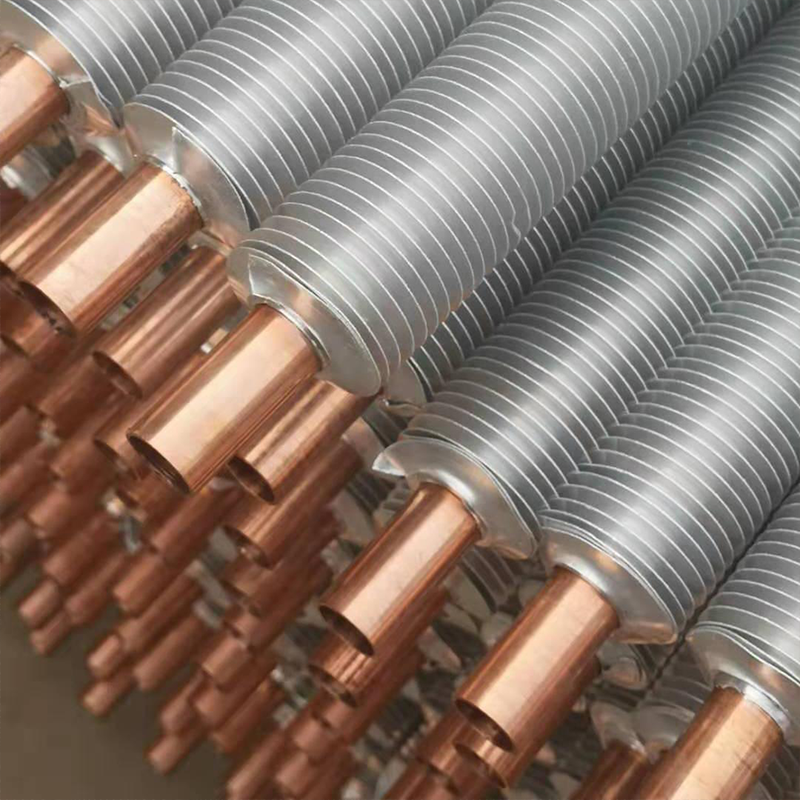
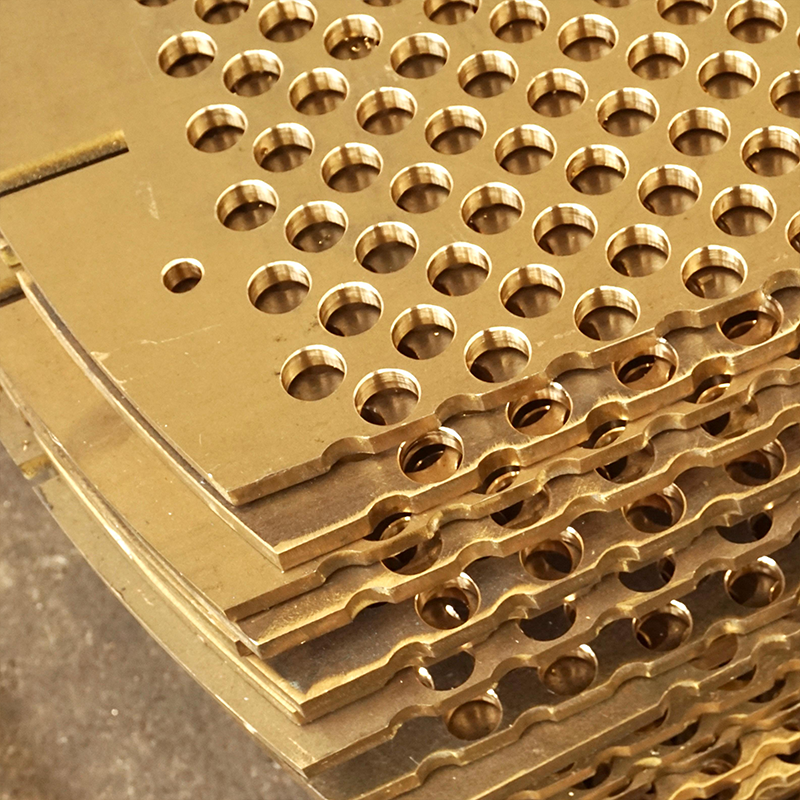
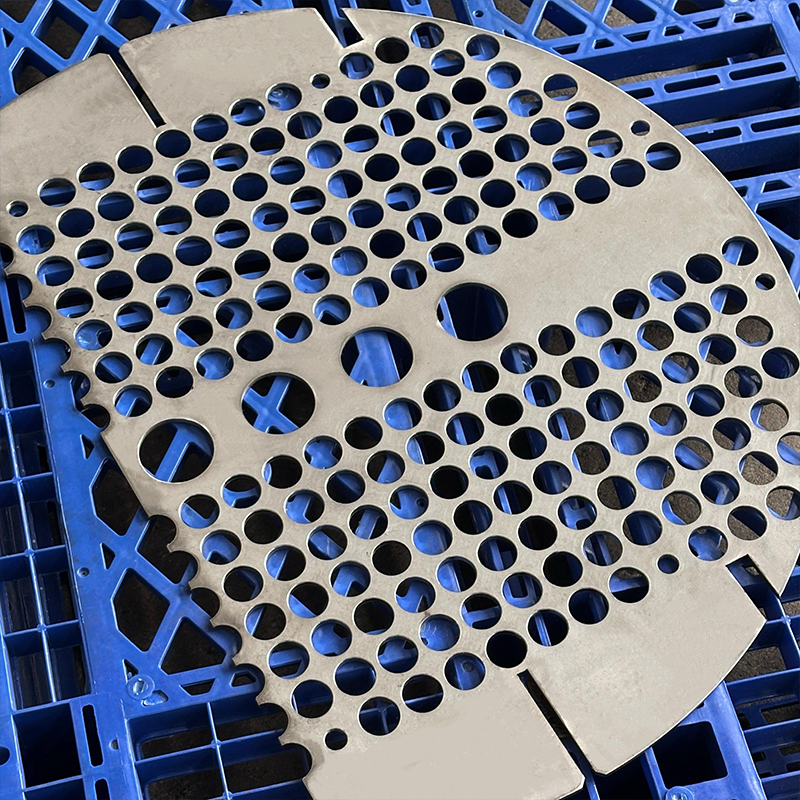
Effective accounting requires not only internal discipline, but also an understanding of global industry standards, especially if your company operates in related high-tech industries. Experience of market leaders such asWuxi Kaisheng Electric Power and Petrochemical Equipment Co., Ltd., shows how critical precision is in managing materials and costs. Specializing in the design and manufacture of complex heat transfer equipment (titanium shell-and-tube heat exchangers, ASME units, 316 stainless steel and N06625 alloy corrugated tube bundles), this company successfully applies stringent accounting standards to products operating in high pressure and corrosive environments. Their approach to quality control and costing for PED and ASME certified products is an excellent example of how deep integration of accounting with manufacturing processes ensures reliability and competitiveness, even in complex sectors such as oil refining, chemicals and shipbuilding.
For advice on optimizing accounting in your production or implementing specialized solutions, contact us today. We will help you set up processes so that accounting becomes your reliable partner in business development, based on the best practices used by leading industrial enterprises.
Find out more about our services for the industrial sector:Comprehensive audit of production accounting.