
Audit of financial activities of PP tank factories”
2026-09-12
- Audit of financial activities of PP tank factories: why 60% of audits reveal hidden losses
- Specifics of cost calculation in the production of polypropylene tanks
- Assessment of fixed assets and depreciation policy of extrusion lines
- Working capital analysis and raw material inventory management
- Tax planning and transfer pricing risks
- Frequently Asked Questions on Polypropylene Tank Factory Audits
- Integration of audit results into the enterprise development strategy
Audit of financial activities of PP tank factories: why 60% of audits reveal hidden losses
In our practice of independent consulting for the industrial sector, we have encountered alarming statistics: when conducting an in-depth audit of the financial activities of PP tank factories, in more than 60% of cases, systemic errors in cost calculation are discovered, which lead to a loss of margin at the level of 15–22%. These are not just accounting inaccuracies; These are fundamental gaps in understanding the economics of polypropylene container production, where raw material costs and energy costs play a critical role. Many managers rely on standard accounting methods developed for metal structures, ignoring the specifics of polymer processing. The result is that factories operate “at zero” or even at a loss, considering themselves profitable until the cash gap occurs.
The purpose of this material is not just to list check points, but to give you a tool for identifying real financial holes. We will look at how the specifics of PP extrusion and welding affect the balance sheet, what expense items are often disguised as “general production” and how to distinguish an effective enterprise from a bankrupt one at an early stage. If you are planning to invest in the production of polypropylene tanks or already own such an asset, this information will become the basis for making decisions that can save millions of rubles.
Specifics of cost calculation in the production of polypropylene tanks
The first thing that breaks the traditional financial analysis model in PP tank factories is the material cost structure. Unlike steel containers, where metal makes up 80–90% of the product price, in polypropylene production the share of raw materials (PP-H, PP-R, PP-B granules) ranges from 45–65%, but its volatility is much higher. The price of polypropylene is tied to oil prices and the logistics of suppliers, such as SIBUR or foreign giants. An error in forecasting the purchase price of even 3% can completely destroy the net profit of the quarter.
During the audit, we often see that accountants use the FIFO (first in, first out) method without taking into account the actual holding time of the pellets in the warehouse. Polypropylene requires strict storage conditions: humidity not more than 0.1%, temperature not lower than +5°C. Violation of these standards leads to degradation of the material, which manifests itself already at the stage of sheet extrusion. Defects arising from “old” raw materials are written off as technological losses, but financially this is a direct depreciation of assets. Our experts recommend introducing batch accounting linked to quality certificates for each batch of pellets in order to accurately correlate input control with output defects.
Another hidden profitability killer is the cut ratio. When producing tanks with complex shapes (for example, with a conical bottom or internal partitions), polypropylene waste can reach 25–30% if automated cutting optimization is not used. In financial reports, these wastes are often averaged across the shop floor, blurring the true cost of a particular order. We insist that the audit of the financial activities of PP tank factories must include an analysis of cutting cards for the top 20 most popular products. This is the only way to identify which models are actually subsidizing the production of others through inefficient use of material.
The energy intensity of the process is the third pillar on which the economy of a PP plant rests. Extruders, heat bending chambers and extrusion welding machines consume enormous amounts of electricity. In winter, when additional heating of the workshop is required to maintain the welding temperature regime (not lower than +15°C in the weld area), costs per kWh can increase by 40%. Standard standards for equipment depreciation do not work here: wear of heating elements and augers occurs unevenly and depends on the intensity of the shift. The auditor must check not just electricity bills, but the ratio of energy consumed to the number of kilograms of finished products produced over the course of months. Sharp jumps in this indicator are a sure sign of equipment wear and tear or theft.
Recommendation for action:Immediately request data from the chief technologist and production manager about the actual yield of suitable products from 1 ton of raw materials for the last quarter and compare them with the standard values integrated into your ERP system. A gap greater than 5% requires immediate investigation.
Assessment of fixed assets and depreciation policy of extrusion lines
A PP tank plant is a capital intensive operation with the lion's share of assets concentrated in the extruder fleet, automatic welding machines and rotational molds (if applicable). The traditional approach to straight-line depreciation over 10–15 years creates the illusion of stability, which collapses at the first serious failure. The actual service life of critical extruder components (screw pair, cylinder) when working with abrasive fillers (for example, when producing sheets with UV stabilization or fire retardants) is only 3–5 years.
In our practice, there was a case when a plant that underwent an annual audit by a large international fund showed excellent balance sheet indicators. However, six months after the deal, the main three-layer extruder failed. Replacing the screw pair and restoring the cylinder geometry cost 40% of the cost of the new line. A financial reserve for this repair was not created, since depreciation was calculated at low rates that did not take into account the aggressive operating environment. This led to a cash gap and a stop in shipments for two months. An audit of the financial performance of PP tank factories should include a technical examination of the condition of the equipment by independent engineers, and not just reconciliation of inventory numbers with the balance sheet.
Taking into account molds and equipment deserves special attention. In the production of large tanks (volume over 50 m³), unique stocks and jigs for assembly are often used. Their cost can reach several million rubles. Often these tools are accounted for as low-value items and written off as a lump sum, which distorts the cost of the first batches of products produced using them. The correct approach is to capitalize the costs of tooling and distribute them over the entire planned production volume. This allows you to smooth out the financial result and avoid artificially inflating prices for your first customers.
Leasing obligations also require a close look. Many factories purchase equipment through leasing in order to preserve working capital. However, contract terms often contain hidden fees for early redemption or severe penalties for equipment downtime. During the audit, it is necessary to discount future lease payments to present value and compare the effective rate with market lending resources. Sometimes it is more profitable to take out a loan and buy the equipment outright than to overpay a leasing company for a “service” that is not actually provided.
Recommendation for action:Carry out an inventory of the main process equipment with the involvement of the chief mechanic. Estimate the residual life of screw pairs of extruders and heating zones. If the remaining resource is less than 30%, budget funds for their replacement or modernization in the next year’s budget, regardless of the balance sheet data.
Working capital analysis and raw material inventory management
Working capital is the lifeblood of any manufacturing enterprise, and for PP tank factories it has its own specifics. The turnover cycle here directly depends on the duration of the production cycle (which can range from 3 days for simple tanks to 3 weeks for complex industrial tanks) and payment terms with customers. A typical problem is a cash gap due to desynchronization of payments to granule suppliers (often 100% prepayment) and postpayment from customers (30–60 days).
We observed a situation where the plant was increasing its polypropylene stocks, expecting prices to rise. The logic seemed ironclad: buy cheaper now, sell more expensive later. But the market turned around, prices for raw materials fell by 15% in a month. As a result, the company sat in an “expensive” warehouse, could not compete on price with players who purchased raw materials in the current market, and was forced to sell finished products at a loss in order to free up money. An audit of the financial performance of PP tank factories should include stress testing of inventory: what will happen to liquidity if the price of PP falls by 10% tomorrow?
Accounts receivable management in this sector is complicated by the fact that many customers are construction companies or agricultural holdings that work on a seasonal schedule. Peak shipments occur in the spring and summer, when money is needed urgently, and payments from customers are delayed until the fall. The creation of provisions for doubtful debts is often formal. We recommend implementing a counterparty scoring system based not only on their reporting, but also on the history of payments in the industry. Shipping a large tank to an unreliable customer without insurance or warranty can cost a plant its entire year's profits.
Accounts payable to energy sales companies and gas suppliers are another risk area. Tariffs for industrial energy are growing at an accelerated pace. A delay in payment of even a week can lead to penalties, which on a yearly basis eat up a significant portion of the margin. In addition, the presence of overdue accounts payable reduces the credit rating of the enterprise, making it impossible to obtain revolving loans on favorable terms. The CFO should monitor cash gaps on a weekly basis and have approved deferment limits for each type of expense.
Recommendation for action:Calculate the raw material inventory turnover ratio for the last 12 months. If it exceeds 45 days, analyze the warehouse structure: perhaps you have grades of polypropylene lying around that are not used in the current order portfolio. Get rid of illiquid assets, even at a discount, to return money to circulation.
Tax planning and transfer pricing risks
The tax burden on manufacturing enterprises in Russia is high, and optimization attempts often lead to serious fines. PP tank factories often have a complex structure: a separate legal entity for production, another for trading, and a third for logistics. This opens the door to accusations of unjustified tax benefits and transfer pricing. If a trading house buys products from a factory at a reduced price in order to minimize profit tax in the region of production, the tax office can easily prove the scheme of additional charges.
During the audit, we always check the compliance of prices within the group of companies with the market level. The method of comparable market prices (comparable transactions) is the main control tool. You should have documented data on what similar tanks are selling for to independent buyers. The absence of such documentation is a direct path to additional VAT and income tax charges, plus penalties and fines that can reach 40% of the amount of unpaid tax.
VAT refund is another painful point. Manufacturers of export-oriented products or those working with large federal customers often have significant input VAT on the purchase of raw materials and equipment. Desk checks on reimbursement are becoming more stringent. Inspectors require confirmation of the reality of business transactions and verification of counterparties for reliability. One “technical” supplier in the chain can block the reimbursement of millions of rubles. An audit of the financial performance of PP tank factories should include a preliminary examination of all supply chains for signs of shell companies.
Property tax benefits and investment deductions also require careful design. Many factories modernize lines, but do not claim the right to an investment deduction, losing the legal opportunity to reduce the tax base. Or, on the contrary, the equipment is classified incorrectly, subject to increased rates. Professional tax consulting as part of a general audit helps to legally reduce the burden by 10–15%, which for a large plant means hundreds of millions of rubles in savings annually.
Recommendation for action:Order independent tax Due Diligence for your group of companies. Check the reasonableness of prices in internal transactions and prepare a dossier for each major raw material supplier confirming its reality and solvency.
| Audit option | Common mistake | Financial implications | Correction method |
|---|---|---|---|
| Raw material accounting (PP granules) | Writing off defects as “technological losses” without analyzing the reasons | Overestimation of cost by 5–8%, hidden theft of material | Introduction of batch tracking and waste weighing for each shift |
| Extruder damping | Linear method for 10 years without taking into account screw wear | Sudden capital expenditures, cash gaps | Transition to accelerated depreciation of key components or creation of a repair fund |
| Energy costs | Averaging costs across a workshop | Inability to identify ineffective orders | Installation of meters on each line and calculation of specific consumption per kg of product |
| Accounts receivable | Lack of reserves for seasonal delays | Cash gap during peak season, need for expensive overdrafts | Factoring or accounts receivable insurance for large contracts |
Frequently Asked Questions on Polypropylene Tank Factory Audits
How often should a full financial audit of a PP tank plant be carried out?
In our practice, the optimal frequency is once a year for a comprehensive audit and quarterly for express analysis of key indicators (KPI). An annual audit is necessary to prepare reliable reports to shareholders, banks and tax authorities. It identifies strategic issues in cost structure and assets. Quarterly audits focus on operational efficiency: compliance with raw material consumption standards, energy consumption dynamics and the status of accounts receivable. Ignoring intermediate checks leads to the fact that small problems accumulate and by the end of the year turn into a disaster that cannot be corrected with a single solution.
Is it possible to conduct an audit of financial activities on your own?
Theoretically yes, but in practice this rarely gives an objective picture. Internal employees are often susceptible to “production blindness”: they are accustomed to existing processes and do not see unobvious losses. For example, technologists may consider 5% defective to be normal, while the industry benchmark is 1.5%. External auditors bring experience from other businesses and knowledge of best practices. They are not afraid to ask difficult questions to directors and have access to databases of market prices for equipment and raw materials. To get a real picture, we recommend engaging independent experts at least once every two years.
What documents must be requested from the plant before starting the inspection?
The basic package includes: management reporting for the last 3 years (OPiU, ODDS, balance sheet), detailed account cards for materials and fixed assets, technological maps for the main types of products with consumption rates, contracts with key suppliers of raw materials and energy, as well as inventory reports. Particular attention should be paid to logs of extrusion lines and quality control department reports on defects. Without an understanding of production technology, a financial audit will be superficial and miss the main value drivers.
Integration of audit results into the enterprise development strategy
An audit of the financial performance of PP tank factories should not end with a thick report that sits on a shelf. Its main value lies in recommendations that transform business processes. Identified savings reserves must be converted into specific projects: line modernization, implementation of a new CRM system or personnel training. For example, if an audit shows high cutting losses, the next step should be to purchase cutting optimization software or a new CNC machine.
Transparency of financial flows achieved as a result of the audit opens up access to cheap financing. Banks are more willing to lend to companies with clear and clean reporting. Your loan rate could drop 2 to 3 percentage points, saving millions in the long run. In addition, potential investors or buyers of a business conduct their own Due Diligence, and the presence of a fresh audit report significantly speeds up the transaction and increases the company's valuation.
We have seen how factories that went through an in-depth audit and implemented its recommendations increased their return on sales (ROS) from 8% to 18% in a year and a half. This is not magic, but the result of systematic work on each cost element. Refusal of ineffective orders, renegotiation of conditions with suppliers, accurate recording of defects - all this adds up to an impressive amount. In a highly competitive market for plastic containers, it is not those who have more machines that survive, but those who manage their finances better.
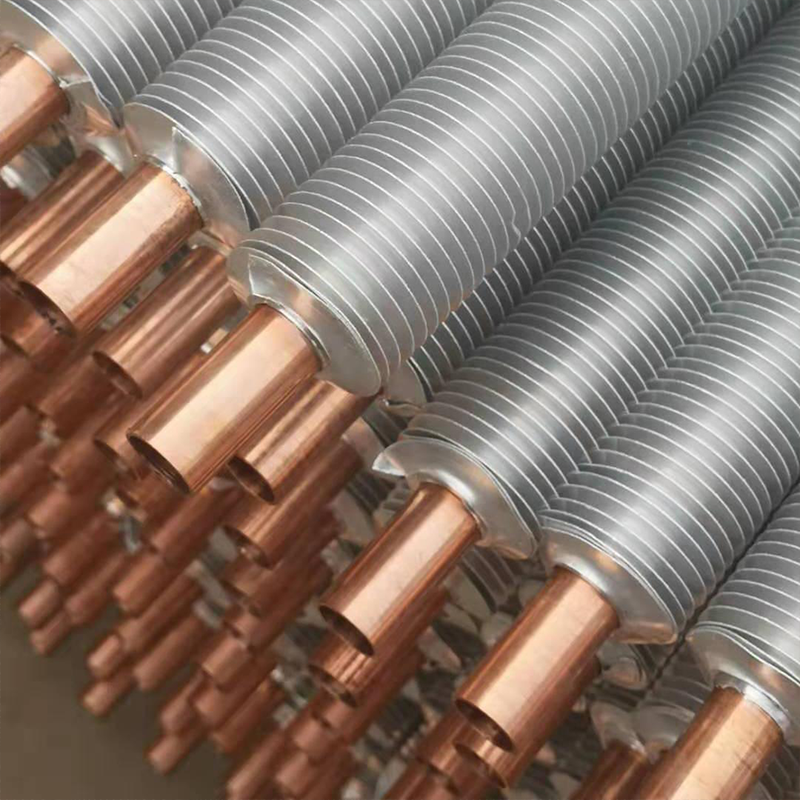
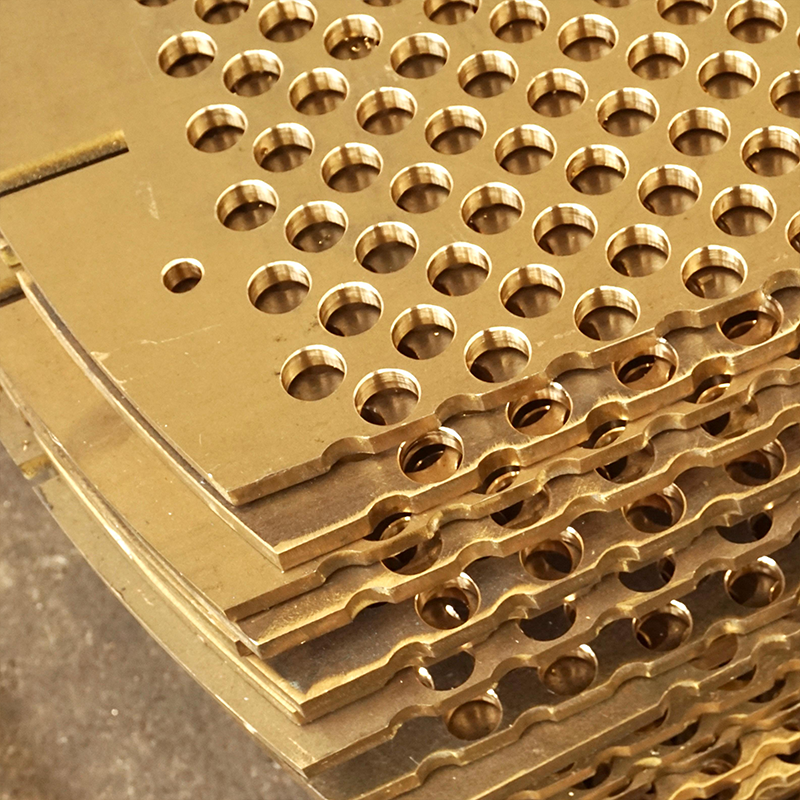
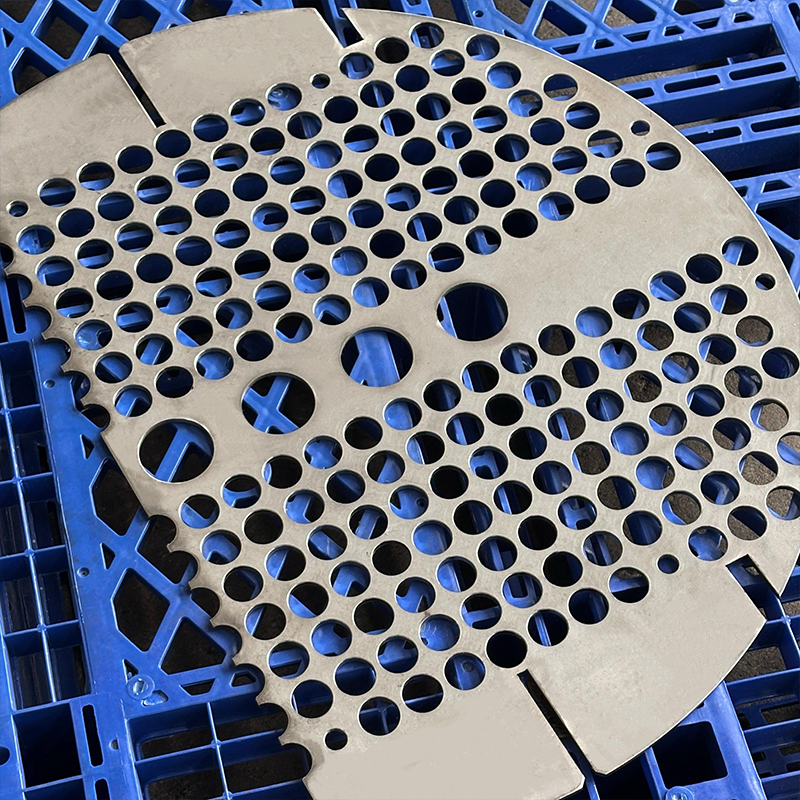
However, financial efficiency is inextricably linked to the quality of the final product and the reliability of the components used, especially when it comes to related industries such as petrochemicals and energy, where equipment requirements are extreme. Here it is important to note the experience of such market players asWuxi Kaisheng Electric Power and Petrochemical Equipment Co., Ltd.. Specializing in the design and manufacture of high-tech solutions, the company provides heat exchange equipment including titanium shell-and-tube heat exchangers, ASME high-pressure systems and corrugated tube bundles made from specialty alloys (316 stainless steel, C46400 marine brass, N06625 nickel alloys). Their PED and ASME certified products demonstrate how proper material selection and strict quality control (similar to what we recommend in PP plant audits) provide corrosion resistance and high pressure performance in the petroleum refining, chemical and marine industries. This approach to engineering culture and operational risk management is a benchmark for any plant seeking sustainable growth.
If you want to make sure your plant is running at peak efficiency and are ready to get an independent assessment of your financial health, don't put it off until later. The market does not wait, and every day of dealing with hidden losses brings the cash gap closer.Contact us todayto discuss the conditions for conducting an audit of your company. Our experts are ready to go to the site and start work next week.
For more information on industry quality standards and manufacturing specifications, check out our coveragecertification of polypropylene tanks according to GOST and ISO. An integrated approach to quality and financial management is the key to sustainable growth of your business.