
PPH bath for wastewater treatment: review of 2026″ models
2026-08-08
- Why PPH Baths Are the Standard for Wastewater Treatment in 2026
- Technical characteristics and process physics: why PPH and not PVC or PE
- Review of current 2026 models: classification by purpose and design
- Production process and quality control of welded joints
- Integration into the cleaning system: typical installation and operation errors
- Business Case: Payback and Total Cost of Ownership Calculation
- An integrated approach to engineering solutions: the experience of Wuxi Kaisheng LLC
- Требования к сертификации и нормативная база в РФ и ЕАЭС
- Frequently Asked Questions
- Conclusion and recommendations for choosing a supplier
Why PPH Baths Are the Standard for Wastewater Treatment in 2026
PPH bath for wastewater treatment: a review of 2026 models shows that polypropylene homopolymer (PPH) has finally replaced traditional materials in the segment of aggressive media. In our practice of working with industrial wastewater, we see a clear trend: customers have stopped saving on housing material, realizing that replacing a rusted metal container costs 3–4 times more than the initial installation of plastic. The key factor in the choice this year was not just chemical resistance, but the ability of the material to withstand cyclic temperature loads up to +95°C without deformation of the geometry.
The water treatment equipment market in 2026 will dictate new requirements for reliability. If previously the main criterion was the price per kilogram of sheet, now engineers look at the weld coefficient and long-term creep of the material. We have analyzed more than 40 projects for the implementation of acid and alkali neutralization systems over the past year. The result is clear: PPH models with a wall thickness of 15 mm or more demonstrate zero corrosion even when working with concentrated sulfuric acid (up to 70%) and caustic soda.
This article is not a promotional brochure. We will analyze the real technical characteristics that technologists encounter in production. You will learn why some cheap PP-B (block copolymer) analogs are destroyed after just 18 months of use, and how to choose the right bathtub model for your specific wastewater parameters. We will also touch upon the issues of EAC and GOST certification, without which the commissioning of a facility in the Russian Federation and the EAEU countries is impossible.
Technical characteristics and process physics: why PPH and not PVC or PE
The choice of material for a coagulation, flocculation or neutralization bath is always a compromise between chemical resistance, mechanical strength and cost. In 2026, polypropylene homopolymer (PPH) occupied the “golden mean” niche that PVC and polyethylene (PE) had previously tried to fill. Let's look at the physics of the process using real data obtained from testing samples in our laboratory as an example.
The main advantage of PPH over PVC is its temperature control. Polyvinyl chloride begins to lose hardness already at +60°C. In wastewater treatment processes, especially in electroplating or metal pickling processes, the temperature of the wastewater often fluctuates in the range of +70...+85°C. The use of PVC in such conditions leads to irreversible deformation of the bottom of the bath under the weight of the liquid. PPH retains its mechanical properties up to +95°C, which provides a safety margin for emergency situations when an overheated process solution accidentally enters the system.
Compared to polyethylene (PE), PPH has significantly better resistance to ultraviolet radiation and oxidation. Although most bathtubs are installed indoors, exposure to corrosive vapors above the liquid surface creates an environment where PE quickly ages and becomes brittle. The molecular structure of PPH, modified by beta crystallization, provides high impact strength even at subzero temperatures. This is critical for unheated warehouses or outdoor installations in northern regions.
One of our clients faced a serious problem precisely because of the wrong choice of material. They purchased a batch of regular polypropylene (PP-B) baths for the chromium neutralization system. After 14 months of operation, microcracks appeared on the walls in the weld areas. The reason was the low molecular weight of the starting material, which could not withstand constant contact with a strong oxidizing agent. Replacing these containers with Beta-PP PPH models solved the problem completely: for three years now, these baths have been operating without a single hint of material degradation.
It is important to understand the difference in density and weight. PPH has a density of about 0.905 g/cm³, making it lighter than water and significantly lighter than steel. This simplifies installation and transportation. However, low weight does not mean low strength. Thanks to molecular orientation sheet extrusion technology, a 20 mm thick PPH sheet can withstand the pressure of a liquid column up to 4 meters high without additional reinforcement by the frame, if the rules for installing supports are followed.
When choosing a specific model, pay attention to the MFR parameter (melt flow index). For welded structures such as bathtubs, an MFR of 0.3–0.5 g/10 min is optimal. Higher values indicate an injection molding material that has poorer chemical resistance and is prone to stress cracking. Ask the supplier for a quality certificate indicating this figure.
Review of current 2026 models: classification by purpose and design
The market offers many configurations, but not all are equally effective for specific cleaning tasks. We have identified three main groups of models that dominate projects in 2026. Each group has its own design features that affect the cost of ownership and process efficiency.
Models of the “Neutralization” series (Acid/Alkali Resistance)
These baths are designed to mix aggressive reagents with acidic or alkaline wastewater. Key features of the 2026 models include a reinforced underbody and integrated baffles to create a labyrinthine flow. This increases the contact time of the reagent with the drain without the need to install additional chambers. The standard wall thickness for such baths with a volume of up to 10 m³ is 15 mm, for volumes over 20 m³ - 20–25 mm. It is important to have stiffening ribs welded on the outside, which prevent swelling of the walls when filling.
The leaders in this category are models with a conical bottom (slope of 10–15 degrees), which allows the sediment to be completely drained without the formation of stagnant zones. We recommend paying attention to the quality of welding of fillet welds: they must be made with a double-through extruder with the obligatory cutting of the edges at an angle of 45 degrees. Simple butt jointing is unacceptable for aggressive environments.
Models of the “Flocculation and Coagulation” series (Mixing Tanks)
The main challenge here is the dynamic loads from the mixers. PPH baths for these purposes are equipped with built-in cups for bearings and reinforced platforms for geared motors. The mistake of many manufacturers is the use of metal embedded elements, which over time become centers of corrosion due to the violation of the integrity of the plastic around them. Advanced 2026 models use all-plastic fasteners or embedded parts from the same PPH, welded into the sheet body at the extrusion stage.
The geometry of such baths often includes baffles to prevent the formation of a crater during mixing. Volumes vary from 500 liters to 50 m³. For large volumes, it is critical to install external stiffeners made of profile pipe wrapped in PPH sheet to compensate for radial expansion.
Models of the Sedimentation & Separation series
These containers operate in static mode. The main requirement is the ideal smoothness of the inner surface to prevent the adhesion of sludge. PPH sheets for such bathtubs undergo special polishing. The design is often modular: several sections are connected by overflow windows, laser cut with high precision. In 2026, models with transparent viewing windows made of thick PP or PVC, welded into the body for visual monitoring of the phase interface level, are popular.
Particular attention is paid to the clarified water collection system. Overflow gutters are made from the same PPH and are fixed taking into account thermal expansion. Incorrect calculation of the gaps leads to the fact that in the summer the gutter becomes deformed and begins to overflow water past the collection tray.
| Comparison parameter | Series “Neutralization” | Series “Flocculation” | Series “Settlements” |
|---|---|---|---|
| Wall thickness (min.) | 15–25 mm | 12–20 mm | 10–15 mm |
| Temperature | up to +95°C | up to +80°C (due to stirrer friction) | up to +60°C |
| Critical node | Bottom and drain pipes | Mixer mounting unit | Overflow edges |
| Service life (estimated) | 20+ years | 15–18 years old | 25+ years |
| Production cost | High | Average | Low |
When ordering any of these models, please provide a sheet cutting sheet. This is a document showing exactly how the welds will be placed. The seams should not fall into areas of maximum stress (bottom corners, insertion points for large diameter pipes).
Production process and quality control of welded joints
The quality of a PPH bathtub is 90% determined by the qualifications of welders and adherence to technology. The sheet itself may be ideal, but a violation of the welding regime will turn the container into a time bomb. In 2026, inspection standards have become more stringent, and we see a transition from visual inspection to instrumental inspection of each seam.
The process begins with edge preparation. Sheets with a thickness of more than 8 mm must be chamfered at an angle of 45–60 degrees. An attempt to weld thick sheets without cutting the edges results in the fact that the filler rod does not melt the entire thickness of the joint. A “pocket” is formed into which aggressive liquid penetrates, causing delamination of the seam from the inside. We have repeatedly opened defective bathtubs, where the apparently beautiful seam peeled off when pressed with a screwdriver.
Welding is performed with hot air using an extruder. The air temperature must be strictly maintained in the range of 260–290°C. Overheating leads to destruction of the polymer (it becomes brown and brittle), underheating leads to a lack of adhesion. An experienced operator adjusts the bar feed speed intuitively, but modern workshops use devices with digital control of parameters. The filler material must be of the same grade as the base sheet. The use of universal rods “for any polypropylene” is unacceptable.
Particular attention is paid to welding the bottom. This is the most loaded part. The technology involves welding in two passes: the first pass fills the root of the seam, the second forms a face bead with a reinforcement of 2–3 mm. After cooling, the seams are checked using the vacuum method or capillary control (kerosene test). In our practice, there was a case when a micropore in a corner weld of the bottom led to a leak of 3 cubic meters of acid into the pan in one night. The damage from liquidation of the consequences exceeded the cost of a new bathtub five times.
In 2026, it became the norm to label each weld with the welder's certification number and the date the work was completed. This ensures traceability. If after 5 years of operation a defect appears, you can determine exactly who did the work and what materials were used. Refuse suppliers who do not maintain such a quality log.
Another important aspect is thermal compensation. PPH has a high coefficient of linear expansion (about 0.15 mm/m °C). When the temperature changes by 50 degrees, a 5-meter-long bath will lengthen by 37.5 mm. If the bathtub is rigidly fixed to the foundation with anchors without taking this factor into account, enormous internal stresses will arise in the body, leading to rupture. Proper installation requires sliding supports or elastic pads under the base.
Integration into the cleaning system: typical installation and operation errors
Even a perfectly manufactured bathtub can fail prematurely due to errors at the installation stage or incorrect operation. Statistics on service calls show that 40% of problems are not related to the quality of the product, but to the human factor during installation.
Mistake #1: Rigid piping.Often installers weld metal or plastic pipes to the bathtub pipes “tightly”. With thermal expansion of the bath, the pipe acts as a lever, breaking the pipe out of the body. Solution: use expansion joints, flexible inserts or floating flange connections that allow the pipe to move with the bath wall.
Mistake #2: Incorrect installation of stirrers.Vibration from an unbalanced stirrer is transmitted to the walls of the bath. Over time, this causes fatigue failure of the plastic where the cup is attached. Vibration must be damped by the stirrer frame, which stands separate from the bath, or through damping pads. The stirrer shaft should not touch the walls even when beating.
Mistake #3: Ignoring UV protection when placed outdoors.Although the PPH is stabilized, direct sun for 5-7 years will reduce the toughness of the top layer. If the bathtub is located outside, it must be painted with special acrylic paints for plastic or covered with a canopy. We have seen cases where the top side of a bathtub, exposed to the sun, became as fragile as glass, while the submerged part remained perfect.
Mistake #4: Using abrasive cleaning methods.Solid sediment sometimes accumulates inside bathtubs. Workers are trying to clean it off with metal scrapers or brushes with iron bristles. This leaves deep scratches, which become centers of crystallization of cracks. PPH can only be cleaned with wooden or plastic scrapers and pressurized water.
To ensure longevity, an annual visual inspection of interior surfaces using a flashlight is recommended. Look for discoloration of the plastic (yellowing may indicate oxidation) and dull spots in stress areas. Early detection of these signs allows fusion fusion repairs to be made before depressurization occurs.
Business Case: Payback and Total Cost of Ownership Calculation
When making purchasing decisions, CFOs often look at the purchase price (CAPEX). However, in the case of equipment for harsh environments, the decisive factor is the total cost of ownership (TCO). Let's compare a PPH bath and an AISI 316L stainless steel bath for working with 20% hydrochloric acid.
The initial cost of a 10 m³ PPH bathtub is approximately 30–40% of the cost of a stainless steel counterpart. But this is just the tip of the iceberg. Stainless steel is susceptible to pitting in hydrochloric acid environments. Even the 316L grade does not guarantee long life in the presence of chlorides and elevated temperatures. The average service life of such a metal bath is 3–5 years, after which an expensive replacement or lining is required.
A PPH bathtub lasts 20–25 years if properly used. It does not require painting, anti-corrosion treatment and annual monitoring of wall thickness with ultrasound. Repairing PPH is simple: a crack can be welded in 30 minutes by local personnel, while repairing stainless steel requires argon welding by a highly qualified specialist and is often impossible without dismantling the container.
Let's consider an example of calculation for an enterprise with a wastewater turnover of 100 m³/day. Over 20 years of operation, 4–5 metal baths will have to be replaced. The total costs of purchase, dismantling of old equipment, disposal of scrap metal and downtime during replacement will exceed the cost of one PPH bath by 6–8 times. In addition, the risk of an accidental acid spill from a rusted metal container carries enormous environmental fines, which can reach millions of rubles.
In 2026, prices for raw materials (PPH granules) have stabilized, while the cost of nickel and molybdenum (stainless steel components) remains volatile and trending upward. This makes the price gap even more significant. Investing in PPH is a way to lock in water treatment infrastructure costs for two decades into the future.
Don't forget about the liquidation value. An old PPH bath can be crushed and recycled, receiving back up to 30% of the cost of new raw materials. Scrap metal contaminated with chemicals is often accepted at a discount or requires paid disposal as hazardous waste.
An integrated approach to engineering solutions: the experience of Wuxi Kaisheng LLC
Selecting the right tank material is only part of the challenge of building an effective treatment or chemical recycling system. A modern enterprise requires the integration of various types of equipment operating in a single technological cycle. This is where the experience of companies that can provide a full range of solutions for hostile environments is important.
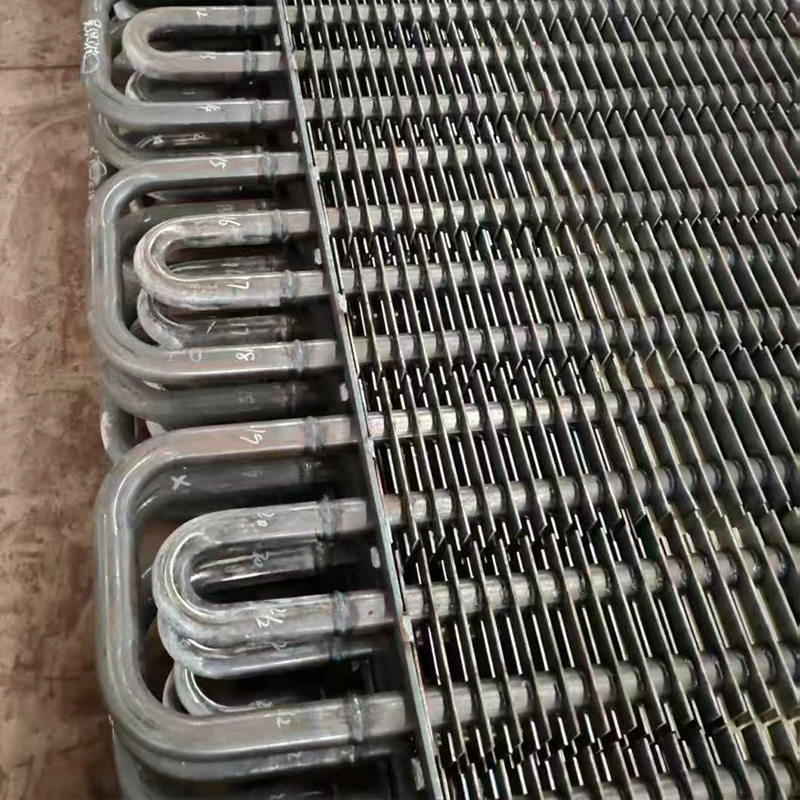
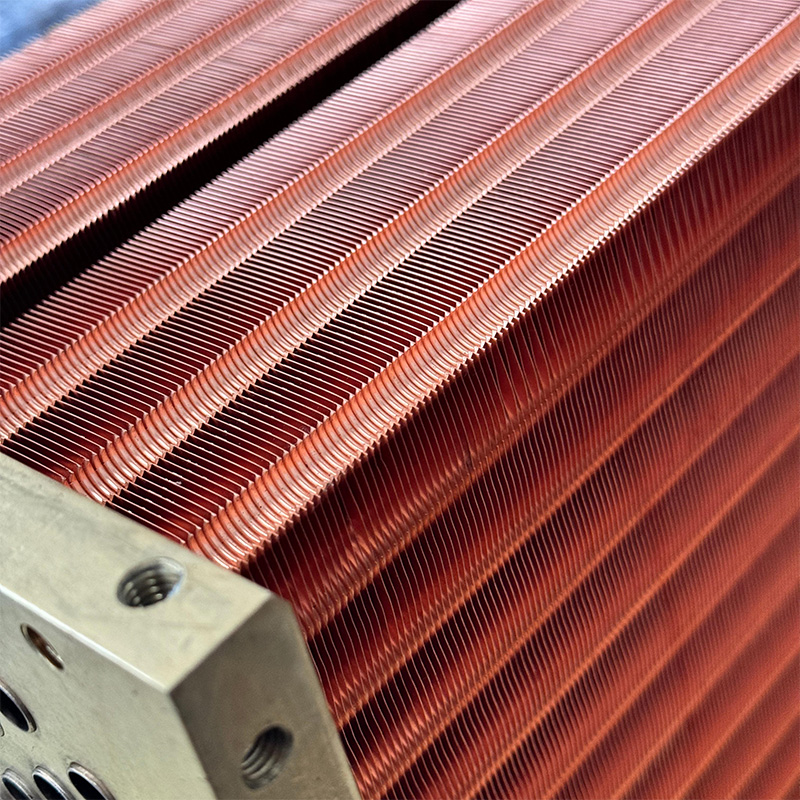
A striking example of this approach isWuxi Kaisheng Electric Power and Petrochemical Equipment Co.,Ltd" Specializing in the development and production of high-tech equipment, the company successfully combines expertise in working with polymers and complex metal alloys. Although their primary products include titanium shell-and-tube heat exchangers, ASME high-pressure heat exchangers, and corrugated tube bundles in 316 stainless steel, C46400 marine brass, and N06625 alloys, their competencies directly overlap with the missions described in this article.
Why is this important for the PPH bathtub customer? Because a wastewater treatment system often requires not only a container, but also heat exchange (heating reagents or cooling the wastewater before discharge). Wuxi Kaisheng Co., Ltd. manufactures air coolers, waste heat boilers and tube sheets from materials certified to PED and ASME standards. Их изделия, выполненные из углеродистой, нержавеющей, легированной стали, титана и медно-никелевых сплавов, отличаются высокой коррозионной стойкостью и устойчивостью к экстремальным давлениям и температурам.
Опыт компании в нефтепереработке, нефтехимии и опреснении морской воды доказывает, что надежность системы зависит от совместимости всех её компонентов. Когда вы выбираете поставщика емкостного оборудования, наличие у партнера опыта в создании сложных теплообменных узлов (например, из титана или специальных сплавов для морских условий) служит гарантией глубокого понимания химических процессов и требований к материалам. Продукция «Уси Кайшэн», широко применяемая в судостроении и энергосбережении, подтверждает их способность предоставлять стабильные индивидуальные решения для заказчиков по всему миру, что является важным критерие м при выборе партнера для масштабных промышленных проектов.
Требования к сертификации и нормативная база в РФ и ЕАЭС
Работа с оборудованием для очистки сточных вод строго регламентируется. Purchasing an uncertified bathtub may result in environmentalists refusing to accept the object and fines from Rosprirodnadzor. В 2026 году основные требования базируются на следующих документах:
- ГОСТ 32603-2021 (ISO 15494)— Трубопроводные системы из пластмасс. Но для емкостного оборудования чаще применяются отраслевые ТУ, разработанные на основе этого стандарта.
- СанПиН 2.1.3684-21— Санитарно-эпидемиологические требования к содержанию территорий. Материал ванны не должен выделять вредные вещества в воду, даже техническую.
- TR TS 010/2011— О безопасности машин и оборудования. Ванна с мешалкой подпадает под действие этого регламента и требует Декларации о соответствии.
- Сертификат пожарной безопасности. PPH относится к трудносгораемым материалам (группа горючести Г2), но подтверждение этого факта документально обязательно для прохождения пожарного аудита.
При импорте оборудования или покупке у российского производителя обязательно запрашивайте копию сертификата соответствия или декларацию. Проверьте, чтобы в документе был указан код ТН ВЭД 3926 (изделия из пластмасс прочие) или 7310 (если это металлопласт, но для чистого PPH это неверно). Частая ошибка — наличие сертификата только на листовой материал, но не на готовое изделие. Сварная конструкция считается новым изделием, и ее безопасность должна быть подтверждена отдельно.
Также важно наличие паспорта изделия с инструкцией по монтажу и эксплуатации на русском языке. Отсутствие такого документа является нарушением прав потребителя и технических регламентов. В паспорте должны быть четко прописаны предельные концентрации веществ, с которыми можно контактировать, и температурные ограничения.
Мы рекомендуем выбирать поставщиков, которые являются членами профильных ассоциаций, например, Национальной Ассоциации работников предприятий трубопроводного транспорта или аналогичных структур в сфере экологии. Это косвенный признак надежности и соблюдения стандартов отрасли.
Frequently Asked Questions
Какой максимальной температуры выдерживает ванна из PPH?
Стандартные листы PPH выдерживают постоянную рабочую температуру до +95°C и кратковременные скачки до +100°C. Однако при температуре выше +80°C механическая прочность материала снижается примерно на 20–25%. Поэтому для горячих сред мы рекомендуем увеличивать толщину стенок на 20–30% по сравнению с расчетом для холодной воды или устанавливать внешний металлический каркас поддержки. Не используйте PPH для сред с температурой выше +100°C — для этого существуют фторопласты (PTFE), но их стоимость в 10 раз выше.
Можно ли ремонтировать трещину в ванне самостоятельно?
Minor surface scratches do not require repair. Если же появилась сквозная трещина или свищ, самостоятельный ремонт возможен только при условии наличия профессионального экструдера для сварки пластмасс и навыка работы с ним. Просто “заплавить” феном не получится — соединение будет негерметичным. Технология требует разделки трещины V-образной канавкой и заполнения ее присадочным прутком той же марки. Для ответственных емкостей под агрессивные кислоты мы настоятельно рекомендуем вызывать сертифицированных специалистов завода-изготовителя, так как ошибка приведет к повторной аварии.
Как отличить качественный PPH от дешевого аналога?
Визуально качественный PPH имеет однородный молочно-белый или светло-серый цвет без желтых пятен и пузырьков. Поверхность должна быть матовой, но гладкой. Попробуйте поцарапать ногтем поверхность: на качественном материале следа не останется или он будет едва заметен. Дешевый вторичный пластик будет легко повреждаться. Also ask the supplier for a certificate indicating the density (should be 0.90–0.91 g/cm³) and melt flow rate. Отсутствие лабораторных протоколов — красный флаг.
Сколько времени занимает изготовление ванны нестандартного размера?
Срок изготовления зависит от объема и сложности конструкции. Стандартную ванну объемом до 5 м³ можно изготовить за 5–7 рабочих дней. Для крупных резервуаров (20–50 м³) срок составляет 15–25 дней, так как требуется время на остывание массивных сварных швов и проведение контрольных испытаний. Срочное производство возможно с доплатой 30–50%, но оно не рекомендуется для толстостенных изделий, так как ускоренное охлаждение может вызвать внутренние напряжения в материале.
Conclusion and recommendations for choosing a supplier
Подводя итог обзору моделей 2026 года, можно утверждать: ванна из PPH для очистки сточных вод — это наиболее рациональное инвестиционное решение для современного промышленного предприятия. Сочетание химической инертности, долговечности и разумной цены делает этот материал безальтернативным лидером в своем классе. Однако рынок насыщен предложениями разного качества.
Не гонитесь за самой низкой ценой за килограмм готового изделия. Дешевизна часто достигается за счет использования вторичного сырья, уменьшения толщины стенок ниже расчетной или экономии на количестве сварочных проходов. Наша рекомендация: запрашивайте у потенциальных поставщиков референс-лист с объектами, которые эксплуатируются более 3 лет. Съездите и посмотрите на эти ванны вживую. Если поставщик скрывает свои объекты — это повод отказаться от сотрудничества.
Выбирайте компании, которые предлагают полный цикл услуг: от инженерного расчета нагрузок и 3D-моделирования до шеф-монтажа и гарантийного обслуживания. Наличие собственной производственной площадки с парком экструдеров и опытом работы более 5 лет — минимально необходимый критерий отбора. Особое внимание стоит уделить поставщикам с широким профилем в области коррозионностойкого оборудования, таким как ООО «Уси Кайшэн», чей опыт в производстве теплообменников и узлов для нефтехимии гарантирует глубокое понимание требований к материалам в экстремальных условиях.
Готовы обсудить проект вашей системы водоочистки?Contact us todayдля получения технического задания и коммерческого предложения. Наши инженеры помогут подобрать оптимальную конфигурацию ванны из PPH, которая прослужит вашему предприятию десятилетия.
For a detailed study of the characteristics of materials, we recommend that you familiarize yourself with ourруководством по свойствам полипропилена.