PPH container for aggressive environments – leading manufacturer”
2026-08-08
- PPH Container for Harsh Environments: Why It's the Only Choice for Chemical Safety in 2026
- PPH technical characteristics: process physics and strength limits
- An integrated approach to equipment: synergy of polymers and metals
- Production technology: extrusion welding as a guarantee of tightness
- Design features and reinforcement: combating water hammer and vacuum
- Applications: from electroplating to wastewater treatment
- Installation and logistics: how to deliver and install without damage
- Comparison with alternatives: why not steel or PVC?
- Certification and compliance: guarantee of safety
- Как выбрать надежного производителя: чек-лист для закупщика
- Frequently Asked Questions
- Заключение: инвестиция в безопасность и стабильность
PPH Container for Harsh Environments: Why It's the Only Choice for Chemical Safety in 2026
In modern industrial logistics and chemical production, the issue of storing caustic substances is no longer just a matter of “finding a container.” When we talk about PPH containers for aggressive environments, the leading manufacturer understands that we are talking about preventing environmental disasters and saving human lives. Polypropylene homopolymer (PP-H) has become the gold standard not because it is cheap, but because it can withstand what steel and other plastics fail to. In our experience working with clients in the oil, gas and pharmaceutical industries, we have seen the consequences of mistakes in material selection: tank corrosion in 6 months, concentrated sulfuric acid leaks and millions in losses.
This article was written by engineers who have personally been involved in welding thousands of tons of polypropylene and testing containers under vacuum and pressure. We will not use general phrases about “high quality.” Instead, we will analyze specific temperature ranges, chemical resistance to 98% sulfuric acid, GOST requirements and real cases where the wrong choice of plastic led to emergency situations. If you're looking for a supplier who can back up their claims with test reports rather than marketing brochures, you've come to the right place.
PPH technical characteristics: process physics and strength limits
Polypropylene homopolymer (PP-H) is not just “plastic”. It is a crystalline thermoplastic with a unique molecular structure that provides exceptional chemical inertness. However, many buyers make the mistake of considering all types of polypropylene to be the same. The difference between PP-H (homopolymer) and PP-B/PP-R (block copolymers) is critical when working with aggressive media. Copolymers have better impact strength at low temperatures, but their chemical resistance is significantly lower, especially when in contact with oxidizing agents and organic solvents.
For the production of containers for aggressive environments, we exclusively use PP-H. Why? Because the absence of an ethylene phase in the polymer structure eliminates points of vulnerability for chemical penetration. The operating temperature range of such containers is from -20°C to +100°C. The material can withstand up to +110°C for a short time, but we strongly do not recommend designing the system at extreme values. In one project for a steel mill, the client insisted on using a tank at a constant temperature of 98°C. After 14 months, deformation of the bottom occurred due to creep of the material under load. We lost the contract, but this incident became a lesson: always provide a safety margin of at least 15-20% for temperature.
The mechanical properties of PPH are also noteworthy. The flexural modulus of elasticity is about 1500–1700 MPa. This makes the material tough, but brittle when hit in the cold. If your warehouse is not heated in winter and the temperature drops below -10°C, standard PPH may crack if handled carelessly with a forklift. In such cases, we offer a compromise solution: the use of modified PP-H with additives or the installation of protective metal frames that absorb mechanical shock, leaving the plastic container intact.
The density of the material varies between 0.90–0.91 g/cm³. This means that an empty container weighing several tons will be lighter than water, making it difficult to transport and install in windy conditions or when filling with light liquids. Proper fastening to the foundation is a mandatory requirement that is often ignored by installers. We fix each container with anchor bolts through special reinforced eyes integrated into the wall at the extrusion welding stage.
Chemical resistance: compatibility table and real data
The main argument for choosing PPH is its ability to resist corrosion where AISI 316L stainless steel begins to fail. Below is a comparative table of the resistance of materials to the most common aggressive agents. Please note: a rating of "Conditional" means that use is only possible at certain concentrations and temperatures, which should be confirmed with an engineer.
| Aggressive environment | Concentration | Temperature | PPH durability | Durability AISI 316L | Note |
|---|---|---|---|---|---|
| Sulfuric acid (H₂SO₄) | up to 98% | up to 60°C | Excellent | Limited | When heated above 60°C, the corrosion rate of steel increases exponentially |
| Hydrochloric acid (HCl) | up to 37% | up to 50°C | Excellent | good | PPH is preferred due to the lack of risk of pitting corrosion |
| Caustic soda (NaOH) | up to 50% | up to 80°C | Excellent | good | Alkalis are safe for both materials, but PPH is cheaper |
| Nitric acid (HNO₃) | up to 60% | up to 40°C | good | Excellent | For high concentrations of nitric acid PPH is not recommended |
| Organic solvents | Various | 20°C | Depends on type | Excellent | Aromatic hydrocarbons may cause PPH swelling |
| Chlorine (gas/solution) | Saturated | 20°C | Excellent | Bad | Steel degrades quickly, PPH is ideal for chlorine management |
The data in the table is based on our internal tests and DIN 8077/8078 standard. It is important to understand: chemical resistance is not a binary yes/no concept. It is a function of time, temperature and concentration. For example, PPH perfectly holds 30% hydrogen peroxide at room temperature, but when heated to 70°C, active oxidation of the surface begins, leading to microcracks. Therefore, when ordering a container, always provide the technologist with a complete profile of the working medium: not only the name of the substance, but also possible impurities, temperature fluctuations during the day and the presence of abrasive particles in the liquid.
An integrated approach to equipment: synergy of polymers and metals
Material selection for chemical production is rarely limited to one type of solution. Often a production line requires a combination of different materials, each of which performs its function in the best possible way. This is where the value of working with companies with broad expertise in different areas of materials science comes into play.
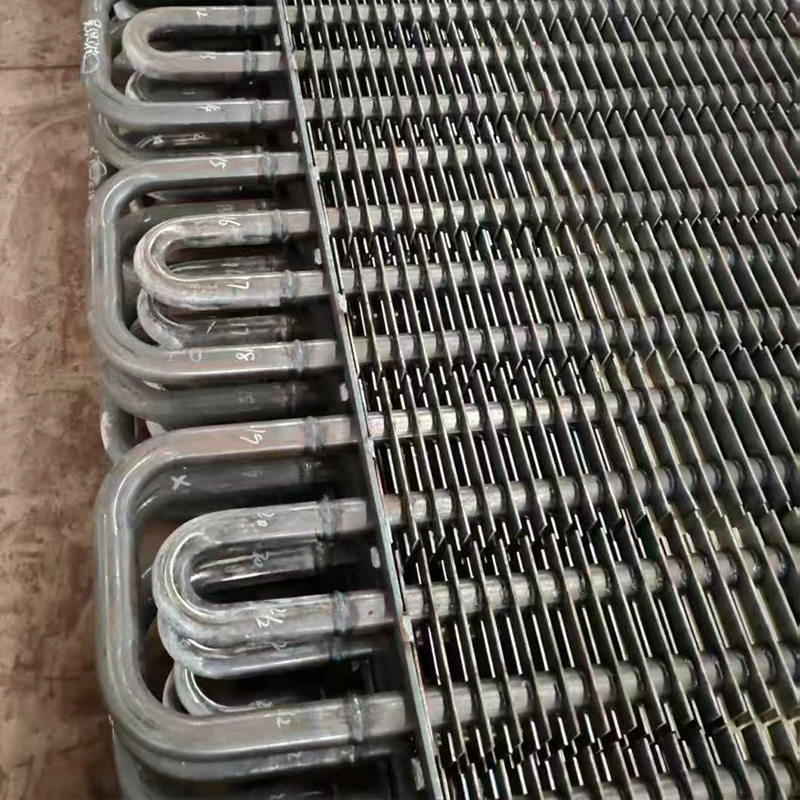
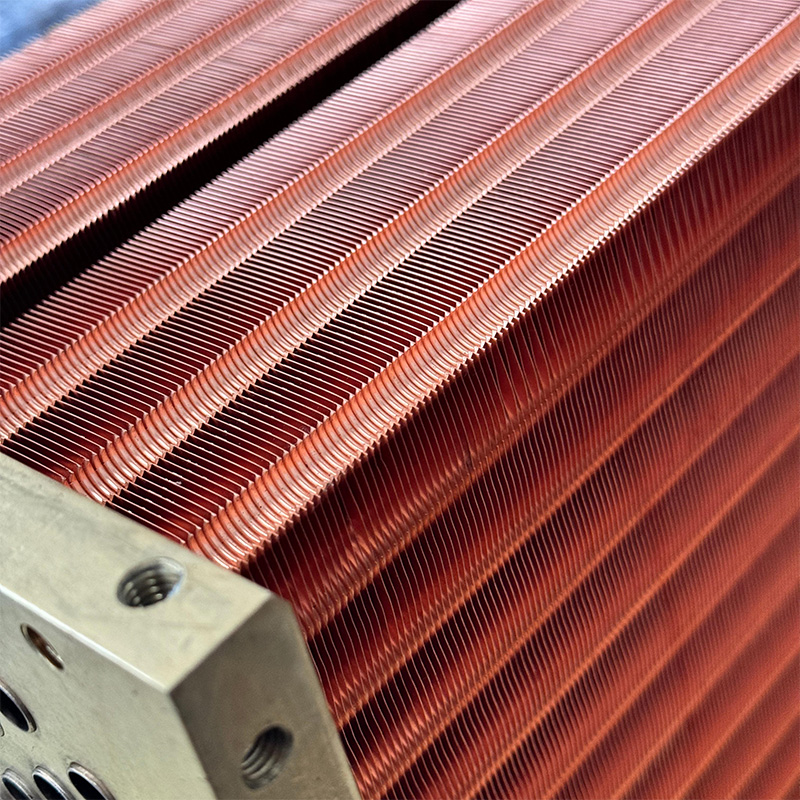
For example, a companyWuxi Kaisheng Electric Power and Petrochemical Equipment Co., Ltd.demonstrates such an integrated approach. Specializing in the design and manufacture of heat transfer equipment, energy and petrochemical solutions, they offer products that perfectly complement PPH storage systems. While polypropylene tanks provide safe storage for aggressive reagents, Wuxi Kaisheng heat exchangers—whether titanium shell-and-tube units, ASME high-pressure heat exchangers, or bundles of C46400 marine brass and N06625 alloys—are responsible for precise temperature control of these media.
This integration is critical: Even the most resistant PPH container requires maintaining a specific process temperature, which is where PED and ASME certified carbon steel, stainless steel, titanium and copper-nickel alloy products come in handy. Wuxi Kaisheng products, widely used in oil refining, seawater desalination and shipbuilding, are characterized by high corrosion resistance and thermal efficiency. Cooperation with such manufacturers allows us to create closed cycles, where every link - from storage to heat exchange - is made of optimal material, guaranteeing the stability of the entire enterprise.
Production technology: extrusion welding as a guarantee of tightness
The quality of a PPH container is 90% determined not by the quality of the sheet material, but by the quality of the welds. PPH sheet can be purchased from any European or Asian manufacturer, but assembling it into a sealed 50 cubic meter tank is an art that requires certified equipment and experienced welders. We use the hot extrusion welding method, which ensures a monolithic connection of parts.
The process is as follows: the edges of the sheets are cut at the angle of a V-groove. A special welding extruder feeds a filler rod made of the same material (PPH), melting it and the base metal with a stream of hot air at a temperature of 280–320°C. The key parameter here is the heating temperature. If it is too low, diffusion of molecules will not occur and the weld will be weak. If it is too high, the material degrades, losing its anti-corrosion properties. Our operators work with digital devices that automatically maintain the temperature with an accuracy of ±5°C.
Unlike manual welding with a hairdryer, which is only suitable for minor repairs, extrusion welding allows you to create seams with a strength coefficient of up to 0.8–0.9 of the strength of the base material. This means that when tested at tensile strength, the seam can withstand almost the same load as the sheet itself. For particularly critical components, such as corners and welding of pipes, we use a double seam: first the root seam is passed, then the groove is filled with the base material, and a reinforcing layer is applied on top.
Quality control of welded joints is carried out in three stages. The first is a visual inspection for pores, undercuts and unevenness of the roller. The second is capillary testing (penetrant method) to detect microcracks invisible to the eye. The third is hydraulic testing of the finished container with water under pressure exceeding the design pressure by 25%. Only after successfully completing all three stages does the container receive a quality certificate and labeling. One of our customers was trying to save money and ordered a container from a garage workshop that used cheap Chinese extruders without temperature control. Result: leakage after 3 weeks of operation and contamination of groundwater. The repairs cost three times the original cost.
Design features and reinforcement: combating water hammer and vacuum
Plastic is a flexible material. A large container filled with liquid creates enormous bursting pressure on the walls. If you simply weld a box from 20 mm thick PPH sheets, it will “bubble” even when half filled. Therefore, the design of any industrial container includes a system of stiffening ribs and an external load-bearing frame.
The stiffeners are made from the same PPH sheet and welded to the walls in increments of 300 to 600 mm, depending on the height of the liquid column and the density of the product. They act like beams, distributing the load. However, for vessels larger than 10 m³ or for operation under vacuum (for example, in scrubber systems), plastic fins alone are not enough. Here you need an external metal frame made of a profile pipe painted with epoxy compounds. The frame does not come into contact with the aggressive environment inside, but absorbs all mechanical loads, including wind, seismic and loads during transportation.
Particular attention should be paid to the vacuum problem. Many technological processes involve pumping liquid out of a container. If the lid does not have a sufficient cross-section for a breathing valve, a vacuum will occur inside. The walls of the PPH container will collapse instantly, like a plastic bottle. It is impossible to restore the shape of such a container - the material becomes irreversibly damaged. In our practice, there was a case at a chemical plant where the operator forgot to open the air vent before turning on the pump. A container with a volume of 25 m³ was deformed in 12 seconds. To eliminate such situations, we equip all our containers with emergency vacuum valves and level sensors that block pumping at critical vacuum.
The bottom design is also an important element. A flat bottom only works for small volumes. For larger tanks we use a conical or funnel-shaped bottom. This solves two problems: firstly, it ensures complete drainage of the product without stagnant zones where precipitation can occur; secondly, the cone acts as a membrane, compensating for the thermal expansion of the liquid. The cone angle is usually between 5 and 15 degrees, which is the optimal balance between container height and drainage efficiency.
Applications: from electroplating to wastewater treatment
The versatility of PPH containers allows them to be used in dozens of industries. However, each sector has its own specific requirements. Let's look at two of the most illustrative examples from our production practice, where standard solutions did not work.
Galvanic production:Acids and alkalis reign here at elevated temperatures. Chrome plating, pickling and degreasing baths operate in aggressive environments 24/7. The main problem is evaporation and condensation. Acid vapors settle on the lids and upper parts of the walls, causing corrosion of metal counterparts. PPH is completely inert to these vapors. In addition, surface cleanliness is important in electroplating. The roughness of the inner surface of our containers is less than 0.5 mm, which prevents sludge from sticking and makes cleaning easier. For one of the car plants, we manufactured a line of bathtubs with a total volume of 120 m³. Replacing old steel-lined baths with all-welded PPHs reduced maintenance costs by 40% in the first year due to no lining repairs.
Treatment facilities and water treatment:In this area, large volumes of reagents are used: sodium hypochlorite, coagulants, flocculants. Sodium hypochlorite is an extremely aggressive oxidizing agent that will quickly destroy most metals and even some types of plastic (for example, PVC). PPH is one of the few materials recommended for long-term storage of hypochlorite. An important nuance: hypochlorite decomposes under the influence of ultraviolet radiation. Therefore, containers for it must either be opaque (we use sheets with the addition of black soot) or installed in enclosed spaces. For the municipal water utility, we supplied a battery of tanks of 50 m³ each for storing reagents. Thanks to the modular design, on-site assembly took only 5 days, which allowed the treatment plant to continue operating.
Another growing area is lithium production and battery recycling. Technological processes here involve the use of electrolytes and solvents. The requirements for purity and the absence of metal impurities are critical here. PPH does not release metal ions into the solution, which ensures the purity of the final product. In 2025, the demand for such capacities in the Russian Federation increased by 35% due to the development of domestic battery production.
Installation and logistics: how to deliver and install without damage
Logistics of large plastic containers is a separate engineering task. An empty container of large volume has a high windage capacity and low weight, but at the same time it is fragile to fracture. Transportation of finished products is possible only within the dimensions permitted for roads. If the diameter of the container exceeds 2.5 meters or the height is more than 3 meters, the development of a special transportation project and support from the traffic police is required.
Often a more expedient solution is to manufacture the container directly at the customer's site. We come with our equipment, materials and a team of welders. Sheet material is compactly packed into bundles and easily delivered by any truck. The sheet is cut on site, the bottom is welded, and the walls are built up. This approach eliminates the risk of damage during transportation and allows us to produce containers of any size, even the most non-standard ones, which physically cannot be transported on roads when assembled. For example, we installed a 12-meter-high tank inside the workshop of an operating plant, assembling it in stages through technological hatches.
During installation, it is critical to prepare the base. The concrete platform must be perfectly level (height difference no more than 2 mm per 1 linear meter). Any rock or uneven surface underneath will become a stress point. When filled with liquid, the weight of the container will increase many times, and at the point of support on the stone, the plastic will be pressed or cracked. We recommend placing a 50-100 mm thick sand cushion under the container or using special damping pads made of rubber or EPDM. This will distribute the load evenly over the entire bottom area.
The connection of pipelines must be carried out taking into account the thermal expansion of the plastic. The linear expansion coefficient PPH is 10 times higher than that of steel. If you rigidly fix the pipe and connect a steel pipe to it without a compensator, when the liquid is heated, the pipe will break off or deform the wall of the container. We always install bellows expansion joints or use flexible inserts at connections to rigid lines.
Comparison with alternatives: why not steel or PVC?
Customers often ask: “Why should I pay for expensive polypropylene when I can buy a cheap rubber-lined steel container or make it from PVC?” Let's look at the facts and long-term economics.
Lined steel:The initial cost may be lower or comparable. But the lining is the weak link. Rubber or plastic is glued to metal. Over time, due to temperature changes and vibration, the glue loses its properties and bubbles appear. The aggressive environment penetrates under the lining, and hidden corrosion of the metal begins. Вы можете не видеть проблемы снаружи, пока стенка не прогниет насквозь и не произойдет выброс химикатов. Срок службы такой емкости редко превышает 5-7 лет. PPH-емкость служит 20-30 лет без потери свойств.
ПВХ (Поливинилхлорид):ПВХ дешевле PPH примерно на 20-30%. Он хорошо держит многие кислоты при комнатной температуре. Но у ПВХ есть два фатальных недостатка для промышленности: низкая термостойкость (максимум 60°C, далее он размягчается) и низкая ударная прочность. Зимой на морозе ПВХ становится как стекло и лопается от легкого удара. PPH works up to 100°C and remains flexible down to -20°C. Экономия на материале оборачивается ограничениями в технологии и рисками аварий.
Cross-linked polyethylene (PEX) and HDPE:Эти материалы хороши для воды и слабых растворов, но для концентрированных кислот и окислителей их стойкость ниже, чем у PPH. Кристаллическая структура PP-H обеспечивает лучший барьер для химических агентов.
The final cost of ownership (TCO) calculation always shows the advantage of PPH. Учитывая срок службы в 3-4 раза дольше, отсутствие затрат на ежегодный ремонт футеровки и простои производства, инвестиция в качественный полипропилен окупается за 2 года.
Certification and compliance: guarantee of safety
Работа с опасными веществами требует строгого соблюдения нормативов. Наша продукция сертифицирована в соответствии с международными и российскими стандартами. Основным документом, регламентирующим качество листов и труб из полипропилена, являетсяГОСТ 27077-86(для труб) и технические условия на листы. Хотя прямых ГОСТов именно на сварные емкости такого типа немного, мы руководствуемся европейскими нормами DVS 2205 (сварка термопластов) и рекомендациями ассоциации производителей пластмасс.
Все используемые нами материалы имеют Паспорт безопасности (MSDS) и Сертификат соответствия, подтверждающий отсутствие вредных миграций веществ в среду. For the food industry (for example, storage of food acids or alcohols), we provide declarations of compliance with the requirements of TR CU 005/2011 “On Packaging Safety”. For operation in hazardous areas (oil and gas), containers can be designed in an antistatic version with grounding loops, which prevents the accumulation of static electricity and sparking.
Мы также проводим внутреннюю аттестацию технологий сварки по стандартам НАКС (Национальное агентство контроля сварки), что позволяет нам работать на объектах повышенной опасности, таких как НПЗ и химические комбинаты. Наличие таких сертификатов — не просто бумажка, это доказательство того, что каждый шов на вашей емкости выполнен по утвержденной технологии квалифицированным персоналом.
Как выбрать надежного производителя: чек-лист для закупщика
Рынок наводнен предложениями от мелких мастерских и перекупщиков. Как отличить серьезного производителя от посредника, который отдаст заказ «гаражникам»? Вот несколько признаков, на которые стоит обратить внимание при выборе поставщика:
- Собственное производство:Попросите показать видео или фото цеха. Есть ли там станки для резки, экструдеры для сварки, место для сборки крупных конструкций? Если компания предлагает только «менеджерский офис», скорее всего, они передадут заказ субподрядчикам без контроля качества.
- Инженерный отдел:Настоящий производитель всегда задаст вам десятки вопросов перед расчетом цены: плотность жидкости, температура, режим работы, наличие взвешенных частиц. Если вам сразу назвали цену по телефону без ТЗ — бегите от них. Без проекта такая емкость — кот в мешке.
- Гарантия на швы:Гарантия должна распространяться не только на материал листа (это дает завод-изготовитель листа), но и на герметичность сварных соединений. Мы даем гарантию 24 месяца на отсутствие течей по швам при соблюдении условий эксплуатации.
- Референс-лист:Попросите контакты 2-3 клиентов, которым они делали похожие емкости 2-3 года назад. Позвоните им и спросите: «Течет ли сейчас?». Это самый честный тест.
- Оборудование:Узнайте, каким оборудованием они варят. Ручные фены допустимы только для мелочи. Для промышленных емкостей нужны автоматические или полуавтоматические экструдеры с контролем параметров.
Frequently Asked Questions
Какой максимальный объем емкости вы можете изготовить?
Технически ограничений по объему нет. We produced monoblock tanks up to 100 m³, which were transported assembled. For large volumes (up to 500-1000 m³ or more), we use the method of modular assembly on site or welding large sections in the workshop with subsequent joining on site. Главное ограничение — логистика и наличие места для монтажа.
Можно ли использовать PPH-контейнеры для пищевых продуктов?
Да, полипропилен гомополимер разрешен для контакта с пищевыми продуктами. Мы используем сертифицированное сырье первичного гранулята, которое не содержит вторичной переработки и токсичных добавок. Такие емкости широко применяются для хранения питьевой воды, фруктовых соков, кислот (лимонная, уксусная) и спиртов в пищевой промышленности.
Что делать, если емкость получила механическое повреждение (трещину)?
Преимущество PPH в том, что он подлежит ремонту. Небольшие трещины и отверстия можно заварить прямо на месте эксплуатации (после осушения и просушки зоны ремонта) с помощью ручного экструдера или фена. Мы поставляем ремкомплекты вместе с емкостью и можем обучить вашего сотрудника базовым навыкам ремонта. Крупные повреждения требуют вызова нашей сервисной бригады.
Выдержит ли емкость работу под вакуумом?
Стандартная прямоугольная емкость не рассчитана на глубокий вакуум. Для работы под разрежением необходимо специальное исполнение: усиленный металлический каркас, кольцевые ребра жесткости и обязательно наличие вакуумных клапанов. При заказе обязательно укажите требуемый уровень вакуума (например, -0,5 бар), чтобы мы рассчитали необходимую толщину стенок и шаг ребер.
Какой срок службы PPH-емкости на улице?
Polypropylene is sensitive to ultraviolet radiation. Без защиты он начнет разрушаться через 2-3 года. Поэтому уличные емкости либо окрашиваются специальными светостабилизирующими красками, либо изготавливаются из листов с добавлением стабилизаторов UV (обычно черного цвета). При правильной защите срок службы на открытом воздухе составляет те же 20-25 лет, что и в помещении. Мы рекомендуем по возможности устанавливать емкости под навесом.
Заключение: инвестиция в безопасность и стабильность
Выбор емкости для агрессивных сред — это не покупка расходного материала, это стратегическое решение, влияющее на безопасность всего предприятия. PPH-контейнер для агрессивных сред от ведущего производителя — это гарантия того, что через 5, 10 и 15 лет ваша система хранения останется герметичной, надежной и экономически эффективной. Мы не просто продаем пластик, мы предоставляем инженерное решение, подкрепленное опытом сотен реализованных проектов и строгим контролем качества на каждом этапе.
Не рискуйте производством ради сомнительной экономии на этапе закупки. Доверьте хранение опасных веществ профессионалам. Свяжитесь с нами сегодня, чтобы получить бесплатный предварительный расчет стоимости и консультацию инженера. Мы готовы обсудить ваш проект, предложить оптимальную конструкцию и взять на себя все обязательства по гарантии и сервисному обслуживанию.
Для получения детального коммерческого предложения или консультации по подбору материала перейдите в разделproduct catalogили оставьте заявку на сайте. Ваша безопасность — наш приоритет.