
Vertical large volume PE tank price”
2026-08-14
- Factors determining the price of a large-volume vertical PE tank
- Comparative Analysis: Solid Tank vs Welded Construction
- Critical mistakes when choosing a supplier and calculating costs
- Technical characteristics and quality standards
- Logistics and installation of large containers
- Integrated solutions for the oil, gas and energy industries
- Почему стоит заказать производство в России
- Как рассчитать точную стоимость и оформить заказ
- Frequently Asked Questions
Factors determining the price of a large-volume vertical PE tank
The cost of a large-volume vertical polyethylene (PE) tank directly depends on the weight of the raw materials, the complexity of the injection mold and the requirements for chemical resistance, and not just on the declared displacement. In our practice of working with industrial customers from Russia and the CIS countries, we observe that an attempt to save on wall thickness or polyethylene class leads to deformation of the container after 18–24 months of operation under load. The market is oversaturated with offers where the price seems attractive, but hides the use of recycled granulate or a violation of rotational molding technology. For containers ranging from 5,000 to 50,000 liters, the key pricing parameter is not just volume, but the height to diameter ratio and the presence of additional structural elements such as reinforced flanges or built-in baffles. We analyzed more than 200 projects for installing large storage systems and found that the final cost of ownership (TCO) of cheap analogues often exceeds the cost of premium solutions due to frequent repairs and production downtime.
When requesting a quote forвертикальный резервуар из PE большого объема, buyers often focus solely on the number on the price list, ignoring the material specification. This is a fundamental mistake. The price is based on the cost of primary low-density polyethylene (HDPE), which accounts for up to 70% of the cost of the product. Fluctuations in exchange prices for oil and polymer raw materials instantly affect the cost of finished products. In addition, for large volumes (over 10 m³), the logistics arm and delivery method become critically important, since transportation of oversized cargo requires special permission and equipment. In this article, we will analyze the real components of the estimate so that you can distinguish a high-quality engineering solution from a cheap risk.
The influence of material density and production technology on cost
The main price driver is the type of polymer used. To store aggressive chemical media, food products or process water, different grades of polyethylene are required. Using PE 80 instead of PE 100 can reduce the price by 15-20%, but will also reduce the life of the pressure vessel and reduce resistance to stress cracking. In our production line we use only primary granulate from European and Korean manufacturers that meets ISO 9001 standards and sanitary standards of the Russian Federation. Some competitors offer “budget” options by adding up to 30% recycled materials. Externally, such a tank looks identical, but its molecular structure is damaged, which makes it fragile at low temperatures typical of the Russian winter.
Rotational molding technology (rotational casting) allows you to create seamless structures of any complexity, but the cost of equipment and energy consumption for heating large molds are high. For tanks with a volume of 20,000 - 50,000 liters, the time for one heating and cooling cycle can reach 6-8 hours. Any violation of the temperature regime leads to defects, the risks of which are included in the price by the manufacturer. Cheap analogues are often produced by welding polyethylene sheets. Although the initial cost of this solution is lower, the presence of welds creates stress zones where the likelihood of leakage increases exponentially over time. We recommend choosing solid-cast vertical tanks for any critical tasks where system downtime is unacceptable.
Design features and their contribution to the final estimate
Tank geometry plays a decisive role in pricing. The vertical design saves space in a warehouse or production workshop, but requires reinforcement of the walls to prevent the “barrel effect” when completely filled. The higher the tank with the same volume, the thicker the walls should be in the lower third of the body. This increases material consumption by 25–40% compared to horizontal counterparts of the same capacity. Our engineers calculate the wall thickness individually for each project, taking into account the density of the stored liquid. For example, sulfuric acid requires a greater thickness and a special grade of PE than ordinary water, which directly affects the price.
The presence of additional options also determines the cost. Fittings, drain valves, inspection hatches, ladders and service platforms all require a separate mold or manual modification. The integration of level sensors, heating systems or stirrers turns a standard container into a complex technological unit. It is important to note that the installation of reinforcing rings on large vertical tanks is a mandatory measure and not an option. The absence of such rings leads to bulging of the walls and loss of geometric stability. In our projects, we always include the calculation of static loads in the cost to guarantee safe operation.
Comparative Analysis: Solid Tank vs Welded Construction
The choice between a one-piece rotationally molded tank and a welded polyethylene sheet construction often becomes a stumbling block when setting a budget. Many buyers choose welded containers because of their apparent cheapness, without understanding the long-term risks. Let's look at the technical and economic differences between these two approaches in detail, based on our test data and operational experience.
One-piece tanks are created in one mold without a single seam. This ensures uniform stress distribution throughout the body. Welded structures are assembled from separate sheets connected by extrusion welding. Even with ideal seam quality, the heat-affected zone remains the weakest point. Under cyclic loads (filling and emptying), it is the seams that are at greatest risk of failure. For large volumes (>10 m³), the risk of deformation of the welded structure is much higher, which requires the installation of a powerful external metal frame, which eliminates the initial savings.
| Comparison parameter | Solid Tank (Rotational Molding) | Welded construction (PE sheet) |
|---|---|---|
| Tightness | 100% guaranteed no leaks, no seams | Depends on the qualifications of the welder, the risk of microcracks in the seams |
| Service life | 20–30 years with proper use | 7–12 years, then replacement or repair of seams is required |
| Impact resistance | High due to material viscosity and absence of stress zones | Low in the seam area, high probability of chipping during installation |
| Chemical resistance | Identical over the entire surface of the body | Seams may have a modified structure and less durability |
| Production cost | 30–50% higher due to mold cost and cycle time | Below, especially for custom sizes and small series |
| Possibility of repair | Difficult, requires special technologies | Easier, you can repair local damage |
| Suitable for large volumes | Optimally up to 50,000 liters (requires powerful equipment) | It is possible to produce any dimensions, but a frame is needed |
The table shows that for tasks where reliability and durability are important (storage of reagents, food products, fire water supplies), the one-piece option is the uncontested leader. Welded structures have the right to exist only in cases where a uniquely shaped tank is required that cannot be manufactured using the rotational method, or when the budget is strictly limited and the service life is planned to be short. However, if you recalculate the cost of ownership taking into account possible accidents and replacements, the price difference quickly disappears.
We were faced with a situation where a client purchased a batch of welded tanks with a volume of 15 m³ for storing industrial alcohol. After 9 months of operation, three containers began to leak along the lower horizontal seam. The reason lay in the fatigue of the seam material due to vibration of the pumping equipment. Replacing the containers and disposing of the spilled product cost the customer three times more than the original price difference between the welded and solid cast options. This case convinced us of the need to honestly warn customers about the risks of choosing low-cost alternatives for critical applications.
Critical mistakes when choosing a supplier and calculating costs
Request“large volume vertical PE tank price”search engines produce hundreds of offers, but not all of them correspond to the real needs of an industrial enterprise. One of the most common mistakes is focusing on the price per liter of volume without taking into account the wall thickness. Unscrupulous manufacturers may indicate a volume of 10,000 liters, but produce a container with a wall of 4 mm instead of the required 6–8 mm. Such a tank will “play” when filled, which will lead to rapid aging of the plastic and rupture in the places where the fittings are attached.
The second mistake is ignoring the temperature conditions of operation. Polyethylene changes its properties at extreme temperatures. When storing hot liquids (above +40°C), the load-bearing capacity of PE decreases. If the manufacturer did not take this into account when calculating the wall thickness and did not include a safety factor, the tank may become deformed (“float”) already in the first month of summer. We always require customers to clarify the maximum ambient temperature in order to adjust the specification. Sometimes these applications require the use of cross-linked polyethylene (PEX) or additional external cooling, which changes the price structure.
The third problem is the lack of certification and quality certificates. There are many “garage” products on the market that have not passed laboratory tests for migration of substances and mechanical strength. For food production and pharmaceuticals, the use of uncertified containers risks fines and loss of license. The presence of a GOST certificate of conformity or TR CU declarations is a mandatory requirement that must be reflected in the contract. Reviewing the supplier's documents should be the first step before signing a contract.
The fourth mistake concerns the foundation and foundation preparation. Often customers believe that a plastic tank can simply be placed on the ground or asphalt. This is unacceptable for large vertical tanks. A perfectly flat concrete platform or sand cushion with protective geotextile is required. Uneven soil settlement will lead to tank misalignment, local stresses and eventual rupture. We include recommendations for substrate preparation in our quotation, as incorrect installation will void any warranty on the product.
Real case: Consequences of incorrect load calculation
One of our partners in the Moscow region ordered a batch of vertical tanks with a volume of 25 m³ for collecting stormwater. To reduce the price, they chose a supplier who offered a container with the smallest possible wall thickness and no internal stiffeners. In winter, with severe frosts and incomplete filling, the upper part of the tank collapsed due to the vacuum that arose when pumping out the liquid without opening the air valve. The plastic became brittle in the cold and could not withstand the pressure drop. The losses included not only the cost of the tanks themselves, but also the costs of eliminating the spill and cleaning the area. This case highlights the importance of a comprehensive engineering approach rather than simply purchasing a “plastic barrel.”
Technical characteristics and quality standards
When evaluating a proposal forвертикальный резервуар из PE большого объема, it is necessary to pay attention to specific technical parameters, and not just to general words about “high quality”. Below is a list of key characteristics that determine the class of a product and its suitability for industrial applications.
- Material:Food grade low pressure polyethylene (HDPE) grades PE 80 or PE 100. The density of the material must be at least 0.94–0.96 g/cm³. This guarantees high chemical inertness and mechanical strength.
- Wall thickness:Depends on the volume and height of the liquid column. For volumes of 5–10 m³ the thickness is usually 4–6 mm, for 10–20 m³ – 6–8 mm, for 20–50 m³ – 8–12 mm or more. Bottom reinforcement is required.
- Temperature range:Standard operating range is -40°C to +60°C. Heating up to +80°C is allowed for a short time, but with recalculation of the permissible load.
- UV stabilization:For outdoor installation, the material must contain ultraviolet stabilizers (soot or special additives) to prevent degradation of the polymer under the sun. Service life without loss of properties is up to 20 years.
- Equipment:Fittings (pipes) can be integrated into the tank body during casting (most reliable) or welded later. Monolithic fittings are preferable. Diameters from DN25 to DN200 and more.
- Certification:Compliance with sanitary and epidemiological requirements for contact with drinking water (for food needs) and fire certificates (when used in fire extinguishing systems).
It is important to understand that the color of the tank also matters. Black bins are better protected from UV radiation due to their soot content, but they get hotter in the sun, which can affect the temperature of the stored product. Blue, white or green tanks are more aesthetically pleasing and heat up less, but require higher quality stabilizers for long life outdoors. We offer various color solutions depending on the client’s task, but we always warn about the nuances of thermoregulation.
Logistics and installation of large containers
The price of a high-volume vertical tank does not end at delivery from the factory. Transportation and installation make up a significant portion of the project budget. Containers with a volume of more than 10–12 m³ often fall into the category of oversized cargo, which requires the development of special fastening schemes and obtaining permits for transportation. Violation of transportation rules (for example, tightening slings directly over the body without soft pads) can lead to the appearance of microcracks, which will only appear under load.
Installation of a vertical tank requires the use of special equipment - truck cranes with a lifting capacity of 5 to 25 tons, depending on the weight of the full tank. The weight of an empty tank with a volume of 20 m³ can reach 800–1000 kg, and when filled it can reach 20 tons. Errors in slinging can lead to capsizing or deformation of the neck. We recommend using soft textile slings with a width of at least 200 mm and installing spacers inside the tank when lifting, if the design provides for this.
The connection of communications must be made using flexible inserts or compensators so that vibration from pumps and pipes is not transmitted to the tank body. A rigid connection of pipes to a plastic tank is a sure way to destroy the fitting. It is also necessary to provide an overflow and ventilation system to avoid excess pressure or vacuum when pumping and pumping out liquid. Our specialists are ready to supervise installation or provide detailed installation instructions to eliminate the human factor.
Integrated solutions for the oil, gas and energy industries
In today's industrial environment, there is rarely a need for just one type of equipment. Most often, the storage of chemicals, oil or water is part of a complex process requiring heat exchange, cleaning and pressure control. This is where an integrated approach to supplying an enterprise is important.
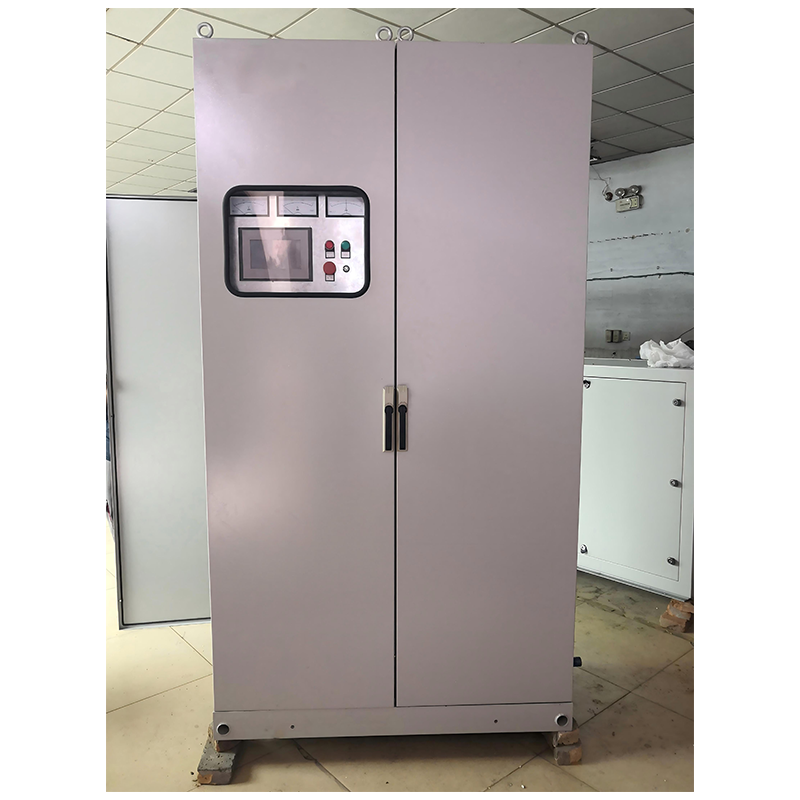
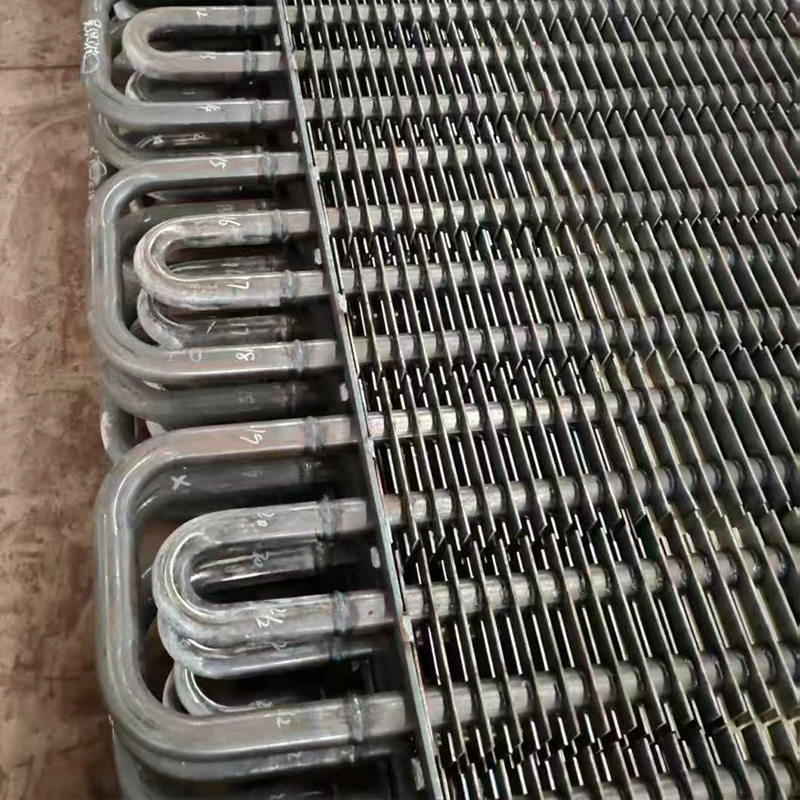
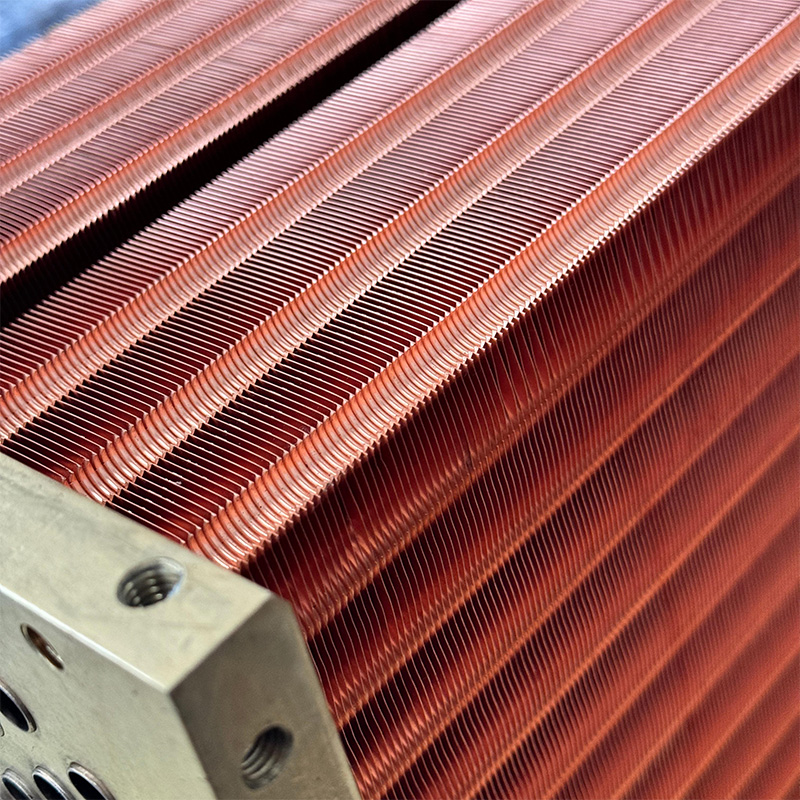
Our strategic partner, companyWuxi Kaisheng Electric Power and Petrochemical Equipment Co., Ltd., specializes in the development and production of high-tech equipment for the oil and gas, chemical and energy industries. While we provide reliable storage of liquids in polyethylene tanks, Wuxi Kaisheng specialists solve the problems of heat transfer and high-pressure operation. Their portfolio includes titanium shell-and-tube heat exchangers, ASME high-pressure units, 316 stainless steel corrugated tube bundles, C46400 marine brass, copper-nickel alloys and N06625 nickel alloys. The company also produces air coolers, recovery boilers and various components such as tube sheets made of 321 steel and other corrosion-resistant materials.
Синергия наших решений позволяет заказчикам получать полностью укомплектованные узлы: от емкости для хранения агрессивной среды до системы ее подогрева или охлаждения с использованием оборудования «Уси Кайшэн». Продукция партнера сертифицирована по международным стандартам PED и ASME, отличается исключительной коррозионной стойкостью и эффективностью даже в экстремальных условиях. Будь то опреснение морской воды, судостроение или сложные процессы нефтепереработки, совместное применение наших резервуаров и их теплообменного оборудования гарантирует стабильность технологического цикла и снижение общих затрат на владение инфраструктурой.
Почему стоит заказать производство в России
В текущих экономических условиях вопрос импортозамещения стоит особенно остро. Ранее рынок крупных пластиковых емкостей был занят европейскими брендами, но сейчас логистические цепочки разорваны, а сроки поставки из-за рубежа исчисляются месяцами. Российские производители, использующие современное оборудование и качественное сырье, способны закрыть эту потребность быстрее и дешевле. Локальное производство означает отсутствие таможенных пошлин, прозрачную гарантию и возможность оперативного сервисного обслуживания.
Наша компания обладает собственным парком ротационных машин, позволяющим изготавливать резервуары объемом до 50 000 литров в одну форму. Мы контролируем весь цикл: от входного контроля гранулята до отгрузки готового изделия. Гибкость производства позволяет нам вносить изменения в конструкцию под конкретные нужды заказчика: менять расположение штуцеров, добавлять перегородки, усиливать дно или интегрировать системы подогрева. Это уровень сервиса, недоступный при покупке стандартных импортных товаров со склада.
Кроме того, работая с российским производителем, вы получаете полную юридическую защиту и документы, принятые надзорными органами РФ. Все наши изделия сопровождаются паспортами качества, сертификатами соответствия и инструкциями на русском языке. Это упрощает процедуру приемки объекта и прохождения проверок. Мы понимаем специфику российского климата и условий эксплуатации, поэтому наши изделия адаптированы к реалиям от Калининграда до Камчатки.
Как рассчитать точную стоимость и оформить заказ
Чтобы получить актуальную цену навертикальный резервуар из PE большого объема, недостаточно просто посмотреть прайс-лист. Каждый проект уникален. Для точного расчета нам потребуется следующая информация от вас:
- Объем резервуара:Необходимый полезный объем в литрах или кубометрах.
- Тип хранимой жидкости:Вода, кислота, щелочь, пищевое сырье, ГСМ? От этого зависит выбор марки полиэтилена.
- Температура среды:Минимальная и максимальная температура хранения.
- Operating conditions:Помещение или улица? Наличие прямого солнечного света?
- Конфигурация штуцеров:Количество, диаметр, расположение (снизу, сбоку, сверху). Нужны ли фланцы?
- Дополнительные опции:Люки, лестницы, площадки, датчики уровня, обогрев.
- Адрес доставки:Для расчета логистики.
После получения этих данных наши инженеры подготовят чертеж и коммерческое предложение в течение 24 часов. Мы не используем скрытых наценок и четко прописываем стоимость каждого элемента. При заказе партии от 5 штук действуют оптовые скидки. Также мы предоставляем рассрочку платежа для постоянных клиентов и крупных промышленных предприятий.
Не откладывайте решение вопроса надежного хранения на потом. Поломка неподходящей емкости может остановить весь производственный процесс. Доверьте задачу профессионалам с 15-летним опытом в отрасли. Мы гарантируем качество, соблюдение сроков и техническую поддержку на всех этапах жизненного цикла изделия.
Frequently Asked Questions
Какой максимальный объем вертикального резервуара вы можете изготовить?
Наши производственные мощности позволяют изготавливать цельнолитые вертикальные резервуары объемом до 50 000 литров (50 м³) в одной форме. Для объемов свыше этой цифры мы предлагаем модульные решения или сварные конструкции с внешним металлокаркасом, сохраняя при этом высокие стандарты качества. Однако для большинства промышленных задач (пожарные запасы, очистные сооружения, склады реагентов) объема в 20–30 м³ бывает достаточно, и такие емкости являются наиболее оптимальными по соотношению цены и надежности.
Можно ли хранить в таких резервуарах агрессивные химикаты?
Да, полиэтилен низкого давления (ПНД) обладает исключительной химической стойкостью к большинству кислот, щелочей и солей. Мы успешно поставляем емкости для хранения серной кислоты, каустической соды, гипохлорита натрия и других агрессивных сред. Однако для каждого конкретного вещества требуется подбор определенной плотности материала и толщины стенки. Пожалуйста, предоставьте паспорт безопасности вещества (MSDS) нашему технологу, чтобы мы могли гарантировать совместимость и долгий срок службы резервуара.
Какой срок гарантии вы предоставляете на продукцию?
Стандартная гарантия на наши цельнолитые резервуары составляет 3 года с момента отгрузки. При соблюдении условий эксплуатации (правильный фундамент, отсутствие перегрузок, соответствие температурному режиму) реальный срок службы изделий превышает 20 лет. Гарантия не распространяется на механические повреждения, полученные в результате неправильного монтажа, транспортировки или воздействия внешних факторов, не указанных в техническом задании (например, пожар, вандализм).
Возможно ли изготовление резервуара нестандартного цвета?
Базовые цвета (черный, синий, белый, зеленый) всегда есть в наличии или производятся в короткие сроки. Изготовление резервуара индивидуального цвета возможно при заказе партии от 10 штук, так как это требует остановки линии и промывки оборудования для смены пигмента. Для единичных заказов мы можем предложить окраску специальными составами для пластика post-factum, но это может повлиять на гарантийные обязательства в части УФ-защиты.
Нужно ли утеплять резервуар для использования зимой?
Сам по себе полиэтилен является теплоизолятором, но он не подогревает содержимое. Если вам необходимо хранить жидкость незамерзающей или поддерживать определенную температуру, стандартного корпуса недостаточно. Мы предлагаем установку электрических тэнов, паровых рубашек или размещение резервуара в утепленном павильоне (кессоне). В некоторых случаях достаточно использования погружных нагревателей. Конкретное решение зависит от задачи и бюджета.
Выбор правильного поставщика — это инвестиция в стабильность вашего бизнеса. Don't risk quality for dubious savings. Свяжитесь с нами сегодня для получения бесплатной консультации и расчета стоимости вашего проекта. Мы поможем подобрать оптимальное решение, которое прослужит десятилетия.