
Frost-resistant vertical PE tank for outdoors”
2026-08-14
- What makes a vertical PE tank truly frost-resistant for outdoor use?
- Specifications and material selection for extreme conditions
- Design features and protection against winter loads
- Comparison of materials: PE vs metal and fiberglass
- Professional approach: experience of Wuxi Kaisheng LLC
- Rules for installation and operation in winter
- Certification and compliance with GOST and ISO standards
- Frequently Asked Questions
- Итоговые рекомендации и следующий шаг
What makes a vertical PE tank truly frost-resistant for outdoor use?
A frost-resistant vertical PE tank for the outdoors is not just a plastic barrel, but a complex engineering structure that can withstand cyclic loads at temperatures down to -40°C without losing its tightness. In our practice, we have seen dozens of cases where ordinary polyethylene containers cracked in the first winter due to improper selection of material or ignoring the linear expansion coefficient. The key difference between a true outdoor solution is the use of specialized raw materials (PE-HD with the addition of carbon black and stabilizers) and rotational molding technology, which creates a seamless structure. If you plan to store water, technical fluids or chemicals outdoors in the Russian climate, standard household tanks will not suit you - they are designed for room temperature or seasonal use in warm regions.
We often come across the misconception that any black tank is automatically frost-resistant. Color is important for UV protection, but it does not guarantee resistance to embrittlement at low temperatures. A true professional tank must meet strict tolerances for toughness and stress cracking resistance. In this article, we will analyze the technical nuances that distinguish a high-quality industrial product from a cheap analogue, and will help you avoid mistakes that can cost expensive repairs or loss of contents.
Specifications and material selection for extreme conditions
Choosing the right polyethylene is 80% of the success of operating a tank in winter. For outdoor use in northern latitudes, we exclusively use high-density polyethylene (PE-HD), modified with carbon black in bulk. It's not just surface coloring; the carbon black is distributed throughout the entire volume of the wall, creating molecular protection against damage by ultraviolet radiation and increasing tensile strength. Regular food-grade polyethylene (PE-LD), from which many cheap tanks are made, becomes as fragile as glass at temperatures below -20°C. Hitting the snow with a shovel or simply expanding the frozen water inside leads to catastrophic consequences.
Wall thickness plays a critical role, but it is important not to overdo it. A wall that is too thick without proper cooling during the manufacturing process creates internal stresses that become the source of cracks. Our tanks are manufactured with wall thicknesses from 4 mm to 12 mm depending on the volume, with local reinforcement applied in areas of greatest load (bottom and neck). We control this parameter with an ultrasonic thickness gauge at each stage, since even a deviation of 0.5 mm can reduce the product life by 30%.
An important parameter is the MFI (melt fluidity index). For frost-resistant containers, we select raw materials with low MFI (usually 4-6 g/10 min), which ensures high melt viscosity and, as a result, better impact strength of the finished product. Cheap manufacturers often use recycled or high MFI material to speed up the production cycle, which dramatically reduces the longevity of the tank. In our practice, there was a case when a client purchased a batch of tanks from competitors, and after two months of operation at -25°C, 15% of the tanks developed cracks along the welds of the pipes precisely because of low-quality raw materials.
Resistance to chemical reagents also depends on the type of polymer. If you plan to store antifreeze, salt solutions or industrial oils, make sure the material has adequate chemical resistance. Polyethylene is inert to most aggressive environments, but some organic solvents can cause swelling of the walls, which, in combination with frost, leads to deformation. We conduct compatibility tests for every new type of fluid our customers request to ensure there are no risks.
When choosing a volume, consider the law of physics: when water freezes, it expands by 9%. A vertical tank must have a structural safety margin or an expansion compensation system. Our “Arctic” series models have a special bottom geometry and stiffening ribs that act as shock absorbers when ice expands, preventing hull rupture. This is not a marketing ploy, but the result of many years of testing in climate chambers.
Design features and protection against winter loads
The geometry of a vertical tank directly affects its ability to withstand snow and wind loads, as well as internal ice pressure. A flat bottom is the worst solution for outdoors, as it sag under the weight of liquid and ice, creating stress points. We use a conical or convex bottom that evenly distributes the load on the soil or foundation. In addition, this shape promotes self-cleaning of sediment and prevents water from stagnating in corners, where it can freeze and damage the structure.
Stiffening ribs are another element that cannot be ignored. For large volumes (from 2000 liters), the smooth wall will act as a membrane and deform when the temperature changes. Our tanks are equipped with a system of annular and vertical fins that are formed simultaneously with the body. This increases the rigidity of the structure by 3-4 times without a significant increase in weight. It is important that the ribs are smooth, without sharp corners, since it is in places where there is a sharp transition in thickness that cracks most often occur.
The cover and access hatch require special attention. Standard screw caps often freeze to the neck, making it impossible to open them in winter without the risk of breaking the thread. We use flange connections with rubber seals made of frost-resistant rubber (EPDM), which remain elastic down to -50°C. We also recommend installing overflow and ventilation pipes with heating elements or insulation to prevent the formation of ice plugs that can rupture the tank from the inside.
Inlet and outlet connections must be hot-welded into the housing and not glued or mechanically inserted. Any adhesive joint will inevitably lose its tightness during cyclic freezing and thawing. In our products, all fittings are soldered into the body of the tank during the molding process, creating a monolithic structure. We only use pipes made of the same material as the tank itself so that the coefficient of thermal expansion is identical. Differences in expansion between different plastics are a common cause of leaks at joints.
For outdoor installations, wind resistance is critical. An empty vertical tank with a large volume acts like a sail. We provide special eyes for attaching guy wires or anchor platforms at the base. Ignoring this requirement led to the fact that one of our clients in Siberia had an empty tank with a volume of 5 cubic meters torn off by the wind and thrown 10 meters away, damaging neighboring buildings. Correct fastening takes 15 minutes, but saves you from serious damage.
Comparison of materials: PE vs metal and fiberglass
When choosing outdoor containers, customers often hesitate between polyethylene, steel and fiberglass. Each material has its own advantages, but for the storage of water and neutral liquids in changing climates, polyethylene often wins due to a combination of factors. Let's take a closer look at why this is so, using data from real projects.
| Comparison parameter | Polyethylene (PE) | Stainless steel | Fiberglass (FRP) |
|---|---|---|---|
| Frost resistance | High. Maintains elasticity down to -40°C. It does not crack when ice expands due to its elasticity. | Average. Metal becomes brittle in the cold. Welds are risk areas. High-quality insulation is required. | Low/Medium. Depends on the resin. Impacts in the cold may result in chipping and delamination. |
| Corrosion resistance | Absolute. Does not rust, does not oxidize. Ideal for aggressive environments and clean water. | High (for stainless steel), but pitting corrosion in welds is possible. Black steel requires painting. | High. But if the outer layer is damaged, moisture can penetrate and destroy the structure. |
| Weight and installation | Lightweight. Installation is possible manually or using light equipment. Does not require a strong foundation. | Heavy. Requires a crane and a reinforced foundation. High logistics costs. | Average. Fragile during transportation. Requires care during installation. |
| Cost of ownership | Low. Does not require maintenance, painting, or replacement of anodes. Service life 20+ years. | High. Expensive purchase + maintenance of insulation and corrosion protection. | Average. Repairs are difficult and expensive. Replacement is often required if serious damage occurs. |
| Hygiene | High. The smooth surface does not accumulate bacteria. Easy to clean. | High. But the roughness of welds can become a breeding ground for microorganisms. | Average. Depends on the quality of the gelcoat. Over time, the surface may become dull. |
Polyethylene benefits from its ability to “breathe” and adapt to temperature expansions. A steel tank, even the most expensive one, in severe frost can develop a microcrack in the heat-affected zone of the weld, which cannot be visually noticed until it leaks. Fiberglass is good for chemical tanks with specific shapes, but for standard water storage applications it is redundant and less repairable in the field.
However, there are situations where metal is preferable. For example, if liquids are required to be stored at temperatures above +80°C, the polyethylene will begin to soften. Or if absolute impermeability to high pressure gases is required. But for 95% of outdoor storage tasks for water, fuel or technical fluids in the temperature range from -40°C to +60°C, a vertical PE tank is the best choice in terms of price/quality/durability ratio.
We recommend choosing polyethylene if your priority is reliability without constant maintenance. If the budget is not limited and work at extremely high temperatures is required, it is worth considering steel with high-quality insulation. But remember that the insulation on a steel tank is a weak point that needs to be regularly checked and repaired, while PE itself is an insulator.
Professional approach: experience of Wuxi Kaisheng LLC
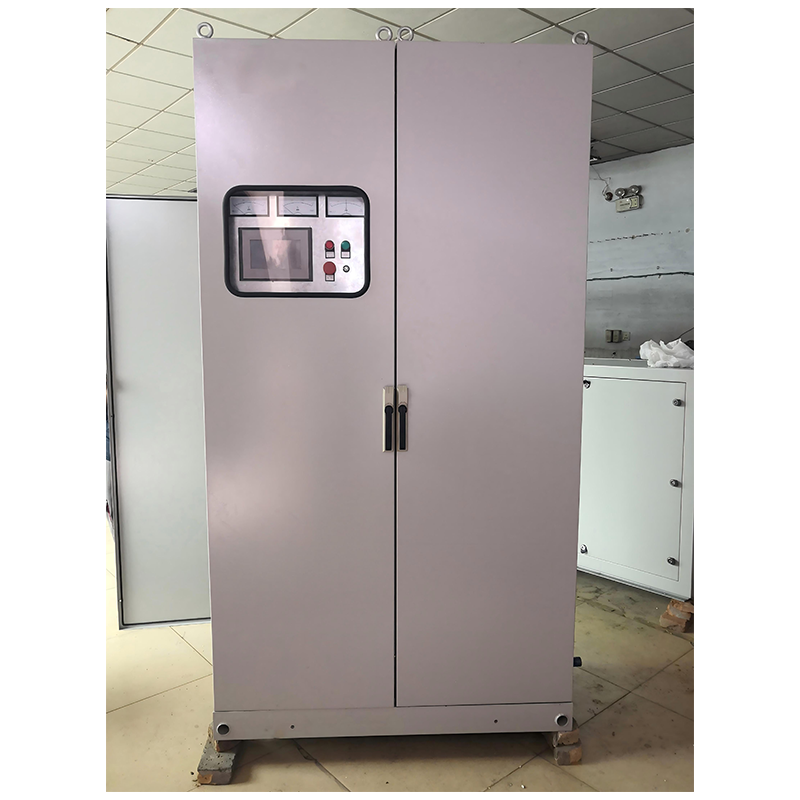
Understanding the intricacies of working with materials under extreme conditions is what distinguishes a reliable supplier from a simple seller. Our partner, companyWuxi Kaisheng Electric Power and Petrochemical Equipment Co.,Ltd", brings decades of expertise in developing and manufacturing high-performance equipment for the most demanding industries. Specializing in heat exchange systems, power generation, and petrochemical infrastructure, they have mastered the art of material science under extreme pressure and temperature variations.
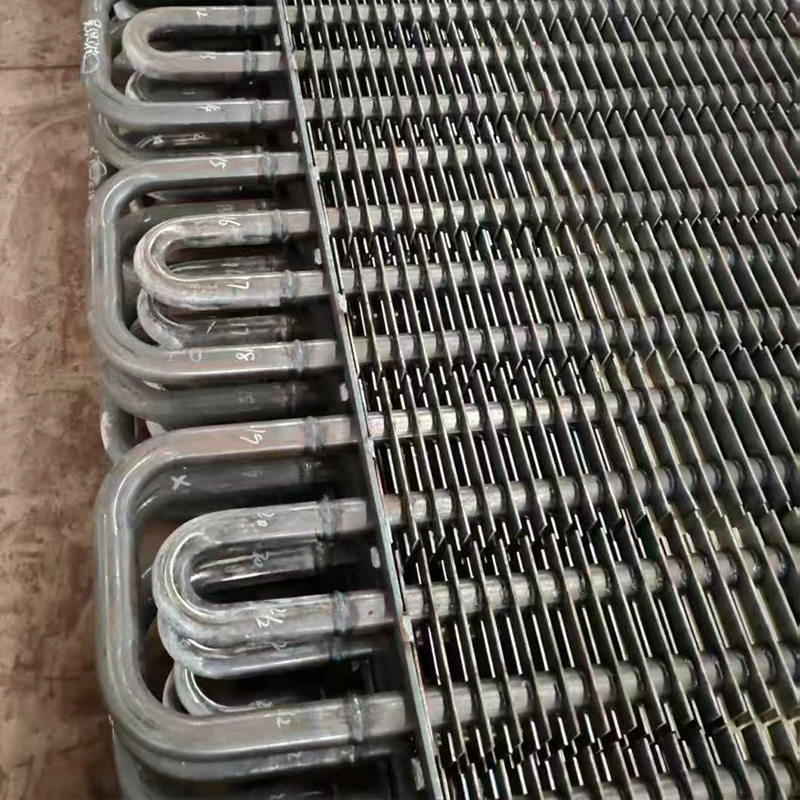
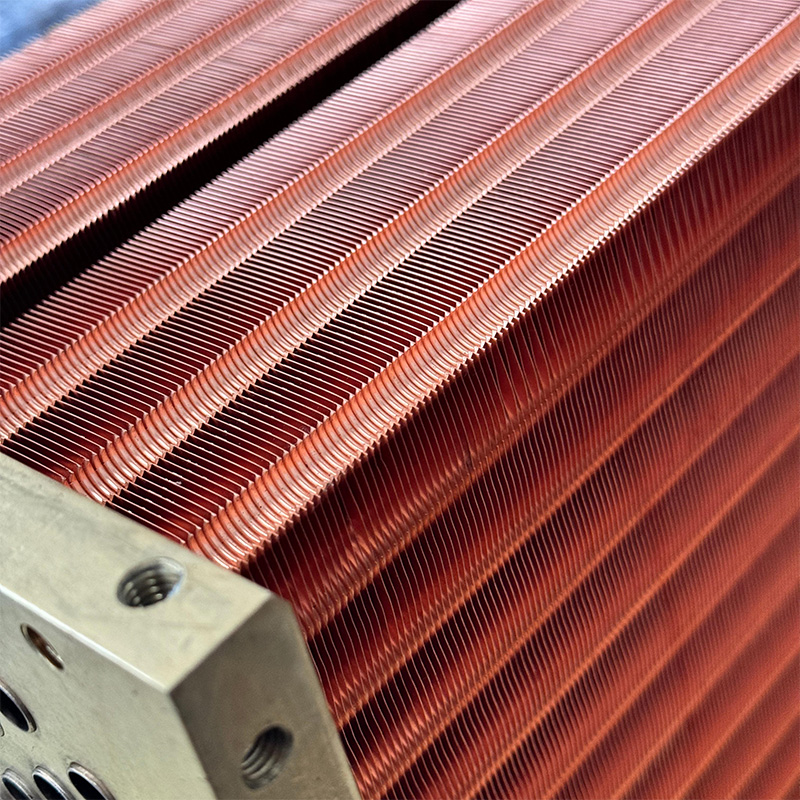
While Wuxi Kaisheng's primary focus lies in the production of complex metal equipment—from titanium shell-and-tube heat exchangers and ASME high-pressure apparatus to waste heat boilers and air coolers—their deep expertise in corrosion resistance and alloy handling (316 stainless steel, C46400 marine brass, N06625 nickel alloys) directly impacts quality of complete storage solutions. Product certification to international PED and ASME standards confirms their commitment to the highest standards of safety and durability.
This engineering background allows us to offer customers not just individual tanks, but complete systems where polyethylene tanks are harmoniously integrated with metal heat exchange units and pipeline fittings. Wuxi Kaisheng's experience in shipbuilding, seawater desalination and oil refining proves that regardless of whether a polymer or a special alloy is used, the key to success lies in strict quality control and adaptation of technology to specific operating conditions. We apply the same principles of careful material selection and performance testing used in petrochemical equipment to the production of our frost-resistant tanks, providing you with world-class reliability.
Rules for installation and operation in winter
Even the highest quality frost-resistant tank can be damaged by improper installation. Installation errors do not appear immediately, but after the first season of operation, when the warranty can already be challenged by the manufacturer. First rule: never install the tank directly on frozen soil or concrete without a damping pad. The hard surface transfers all vibrations and pressure points to the bottom of the tank, leading to cracks.
Preparation of the base should include a layer of sand at least 10-15 cm thick, carefully compacted and leveled. We recommend laying sheet material (for example, rubber mats or thick linoleum) on top of the sand, which will prevent direct contact of the plastic with abrasive particles. Skewing the base by more than 2 degrees is unacceptable - this creates an uneven load on the walls, which increases when filled with liquid.
Winter operation requires a special approach to the filling level. If the tank is used seasonally and left outside during the winter, it should either be completely emptied and dried, or filled to the top, leaving minimal air space. An empty tank may be compressed by snow or deformed by the wind. A partially filled tank is the riskiest option: the ice that forms on the surface presses against the walls, and the free space at the top allows the ice to expand downwards, creating enormous hydraulic pressure.
Insulation of pipelines is more important than insulation of the tank itself. Polyethylene has low thermal conductivity and cools slowly, but thin pipes freeze instantly. Use a heating cable with an automatic thermostat on all external pipe sections. We have seen cases where customers insulated the tank itself with casings, leaving the pipes open, which led to rupture precisely at the connection points. The insulation must be continuous from the bottom of the tank to the point of entry into the building.
Regular inspection during the winter is mandatory. Check the condition of fasteners and braces after heavy snowfalls. Snow on the roof of the tank is an additional load of hundreds of kilograms. Clean the top of the tank from snow in a timely manner, using soft brushes so as not to scratch the protective layer. Scratches in the cold can become centers of crystallization of cracks.
Certification and compliance with GOST and ISO standards
There are many offers on the industrial equipment market, but not all of them correspond to the declared characteristics. The presence of certificates is not just a piece of paper, but confirmation that the products have passed independent tests. To work in Russia and the EAEU countries, it is critical to have a TR CU (Technical Regulations of the Customs Union) certificate of conformity. This document guarantees that the material is safe and meets the declared properties.
Our tanks are certified according to GOST 15150-69 (UHL version - moderate and cold climate), which confirms their performance in the temperature range from -60°C to +40°C. This is not a formality: tests are carried out in climatic chambers, where samples are subjected to cyclic freezing and shock loads. Products without such a certificate are most likely made from raw materials not intended for the north.
We also focus on the international standards ISO 9001 in the quality management system and ISO 14001 in terms of environmental safety. Polyethylene used in production must be approved for contact with drinking water (sanitary and epidemiological certificate). This is important even if you store process water, as it ensures that no toxic substances are released into the environment when the tank is destroyed.
When requesting a quote, always request copies of certificates. Pay attention to their validity period and area of distribution. Manufacturers often provide a certificate for raw materials, but not for the finished product, which is a substitution of concepts. Production technology can violate the properties of certified raw materials, so it is the certificate for the final product - a vertical tank - that is important.
The absence of markings on the tank body is an alarming sign. According to the standards, each product must be indelibly marked indicating the production date, volume, type of material and batch number. This allows you to track production history and make claims if a manufacturing defect is detected. We apply such markings using a laser method that is not erased for years under the influence of sun and snow.
Frequently Asked Questions
Какой максимальный объем морозостойкого резервуара вы можете изготовить?
Технология ротационного формования позволяет нам производить цельные вертикальные резервуары объемом до 50 000 литров. Однако для уличной установки в условиях сильных ветров и снеговых нагрузок мы рекомендуем ограничивать объем одной секции 10 000 – 15 000 литрами. Большие объемы целесообразно собирать в батареи из нескольких емкостей, соединенных переливами. Это повышает надежность системы: повреждение одной емкости не приведет к потере всего запаса жидкости, и такие модули проще транспортировать и монтировать на объекте.
Можно ли закопать морозостойкий бак из PE в землю?
Да, наши резервуары подходят для подземной установки, но требуется специальная подготовка. Вертикальный бак не рассчитан на высокое внешнее давление грунта, поэтому при закапывании необходимо соблюдать технологию обсыпки песком и устройства бетонной рубашки или защитной шахты. Просто засыпать бак землей нельзя — грунт раздавит его. Для подземного хранения мы рекомендуем использовать горизонтальные модели или специализированные вертикальные емкости с усиленными ребрами жесткости, предназначенные именно для монтажа в грунт.
Как долго служит резервуар на открытом солнце и морозе?
Срок службы нашего морозостойкого резервуара при эксплуатации на улице составляет не менее 20 лет. Это подтверждено ускоренными испытаниями на старение под УФ-излучением и термоциклированием. Ключевым фактором является наличие стабилизаторов в составе полиэтилена. Дешевые баки без стабилизаторов начинают разрушаться уже через 3-5 лет: пластик становится белесым, хрупким и покрывается сетью микротрещин. Наши черные баки сохраняют свои свойства десятилетиями, так как сажа является самым эффективным УФ-стабилизатором.
Выдержит ли бак удар лопатой при очистке от снега?
Материал PE-HD обладает высокой ударной вязкостью, но преднамеренные удары острыми предметами на сильном морозе могут повредить поверхность. Мы не рекомендуем использовать металлические лопаты для чистки снега непосредственно с корпуса бака. Лучше использовать деревянные или пластиковые скребки. Если же случайный удар произошел, полиэтилен поддается ремонту методом экструзионной сварки даже зимой, при условии предварительного прогревания зоны повреждения. Это преимущество перед стеклом или металлом, где ремонт сложнее.
Нужно ли подогревать бак зимой?
Сам по себе бак в подогреве не нуждается, если он правильно установлен и эксплуатируется. Полиэтилен обладает хорошими теплоизоляционными свойствами, и вода в нем остывает медленно. Подогрев требуется только для трубопроводной арматуры и зон водозабора, чтобы предотвратить образование ледяных пробок. Установка греющего кабеля на патрубки и использование терморегулятора — достаточная мера. Полный подогрев объема жидкости энергетически нецелесообразен и может привести к перегреву стенок бака в точке контакта с нагревателем.
Итоговые рекомендации и следующий шаг
Выбор морозостойкого вертикального резервуара из PE для улицы — это инвестиция в надежность вашего бизнеса или хозяйства. Экономия на качестве материала или игнорирование правил монтажа может привести к потерям, многократно превышающим стоимость самого бака. Мы предлагаем не просто продажу емкости, а комплексное решение: подбор модели под ваши задачи, доставку, шеф-монтаж и гарантийное обслуживание, опираясь на лучшие практики инженерного дела.
Наш опыт показывает, что правильная консультация на этапе проектирования экономит до 30% бюджета за счет исключения лишних опций и предотвращения ошибок. Не рискуйте, покупая “кота в мешке” на рынке. Доверьте хранение ваших ресурсов профессионалам, которые понимают специфику российского климата и имеют доступ к технологиям мирового класса.
Если вы готовы обсудить детали проекта или получить расчет стоимости с учетом доставки в ваш регион, свяжитесь с нашими инженерами. Мы подготовим индивидуальное коммерческое предложение с техническими чертежами и сроками изготовления в течение 24 часов.
Посмотреть полный каталог вертикальных резервуаровorсвязаться с отделом продажfor consultation.