
Vertical PE tank with maintenance hatch”
2026-08-12
Vertical PE tank with service hatch: selection criteria for industrial applications
Choosing a container that can withstand aggressive environments and mechanical stress for decades begins with understanding the structure of the material. A vertical PE tank with a service hatch is not just a plastic barrel, but an engineering structure where every millimeter of the wall is designed for a specific pressure and chemical effect. In our practice, we have repeatedly encountered situations where customers skimped on wall thickness or type of polyethylene, which led to deformation of the housing after 18 months of operation under the load of full filling. A properly selected vertical PE tank with a service hatch eliminates the risk of leaks and provides safe access for personnel to inspect internal surfaces without the need to dismantle pipelines.
The industrial equipment market in 2025-2026 dictates strict requirements for materials. Low-density polyethylene (HDPE) has become the de facto standard for storing water, reagents and food products due to its inertness. However, the presence of an inspection hatch introduces additional requirements for the design: the area around the neck is a point of stress concentration. If the manufacturer does not reinforce this area with stiffeners or an additional layer of material, this is where cracking will begin. We analyzed more than 200 cases of failure of containers with a volume of 5 to 50 cubic meters and identified a direct correlation between the quality of the hatch molding and the service life of the product.
Technical parameters that determine the reliability of the design
When requesting a quote for a vertical PE tank with service hatch, most sales managers only focus on volume. This is a fundamental mistake. Volume is only one variable in the reliability equation. Material density, safety factor and bottom geometry are critical. The density of polyethylene should be in the range of 0.94–0.96 g/cm³. The use of a material with a lower density (for example, 0.92 g/cm³, characteristic of LDPE) will lead to creep of the material under its own weight of the liquid at column heights of more than 2 meters.
The wall thickness cannot be the same throughout the entire height of the tank. The pressure gradient requires that the bottom third of the container have a wall 20-30% thicker than the top. Standard factory solutions often ignore this rule, offering uniform thickness to simplify production. As a result, the lower part swells (“barreling”), which creates excess tension in the bottom welding zone. Our engineers recommend asking for a specification that specifies wall thickness at three points: neck, midsection and bottom. The difference must be justified by calculation of hydrostatic pressure.
The design of the service hatch deserves special attention. The hole diameter is usually 400, 500 or 600 mm. For vertical tanks with a volume over 10 m³, the minimum diameter must be 500 mm to allow entry by a person wearing protective equipment. The hatch flange must be rotationally molded together with the body (monolithic design), and not welded separately. Welded hatches are a weak link: the weld is subject to shrinkage stresses and is often the site of initiation of stress corrosion cracking. Make sure the manhole cover has a UV-resistant EPDM or silicone seal, as standard rubber degrades quickly in the sun.
UV resistance is achieved by adding soot (carbon) to the mass of the material at the production stage. Black color is the most effective barrier against polymer degradation. Dyeing in other colors (blue, green, white) is possible, but requires the use of special stabilizers, which increase the cost of the product by 15-20%. If you choose a colored tank for installation in an outdoor area, request a certificate for the additives used. Without them, a vertical PE tank with a maintenance hatch will lose up to 40% of its impact strength after only 3 years of operation in the conditions of central Russia or the southern regions.
Manufacturing Methods Comparative Analysis: Rotational Molding vs. Welding
There are two main technologies on the market for manufacturing large containers: rotational molding (rotational) and welding of sheet materials. Understanding the differences between them is critical to making the right purchasing decision, as these methods provide fundamentally different performance characteristics.
| Comparison parameter | Rotational molding | Extrusion Welding |
|---|---|---|
| Hull integrity | Monolithic construction without seams. The possibility of leaks in the tank body is eliminated. | The presence of multiple welds. Every seam is a potential point of failure due to thermal deformation. |
| Geometry accuracy | High dimensional repeatability. Hatches and pipes are formed in molds, ensuring perfect alignment. | Depends on the qualifications of the welder. Distortions of the flanges are possible, which complicates the installation of pipelines. |
| Internal stresses | Minimum residual stresses due to slow cooling in the oven. | High local stresses in the heat-affected zone of the weld, increasing the risk of cracking. |
| Cost for small series | The high cost of molds makes unit production expensive. | Economically beneficial for piece products of non-standard sizes. |
| Service life | 20-25 years subject to operating conditions. | 10-15 years, requires regular inspection of welds. |
For typical water, chemical or food storage applications, we highly recommend choosing rotational molding. No seams means no weak points. Welded structures have the right to exist only in cases where containers of a unique shape are required that cannot be manufactured in existing molds, or for volumes exceeding 100 m³, where transportation of a monolithic container is impossible. However, even in the case of large volumes, modular assembly from rotary sections is preferable to welding from sheets.
One of our clients in the Novosibirsk region was faced with the problem of destruction of the weld at the bottom of the tank in winter. The reason was that the welder used a filler rod of a different brand of polyethylene, incompatible with the base sheet. Visually, the seam looked of high quality, but at a temperature of -25°C the material in the joint area became brittle. A vertical PE tank with a service hatch, manufactured using the rotation method, is free of this risk, since the entire volume of the product is formed from one batch of raw materials in a closed cycle.
Applications in various industries: from water treatment to the chemical industry
The versatility of polyethylene allows a vertical PE tank with a service hatch to be used in a variety of applications, but the configuration requirements differ significantly. Let's look at two specific cases that demonstrate the need for an individual approach.
Case 1: Reverse osmosis and water treatment systems.
The key factor here is hygiene and the absence of secondary pollution. Containers for industrial and drinking water must have a smooth inner surface to prevent the formation of biofilm. The service hatch in this case is used not so much for human entry as for the installation of submersible pumps, level sensors and annual sanitization. For such tasks, we recommend tanks made of food grade polyethylene with certification of compliance with sanitary standards. An important nuance: the pipes must be located below the water level at least 100 mm from the bottom to avoid sediment being sucked into the pump. In one of the projects for a bottled water plant, we increased the diameter of the hatch to 600 mm, which allowed maintenance personnel to mechanically clean the bottom of lime deposits without using complex equipment. Maintenance time savings amounted to 4 hours for each procedure.
Case 2: Storage of aggressive reagents (acids, alkalis).
In the chemical industry, chemical resistance and safety come to the fore. A vertical PE tank with a service hatch for acids must be equipped with an additional protective tray or manufactured in a double casing (tank-in-tank system). The hatch in such systems is sealed especially carefully, often using double seals and pressure rings made of AISI 304 or 316 stainless steel. Storage temperature plays a critical role: for sulfuric acid with a concentration above 70%, the temperature should not exceed +20 ° C, otherwise the rate of diffusion of aggressive components into the polymer structure increases exponentially. We observed a case where storing hot lye (+60°C) in a standard tank led to the softening of the area around the hatch and its deformation under the weight of the heavy lid. Solving the problem required installing an external metal support frame and replacing the cover with a lightweight composite model.
Expanding the application to the agricultural sector, it is worth noting the need for UV protection for the storage of liquid fertilizers. Here, a vertical PE tank with a service hatch is often equipped with a measuring glass or a system of float indicators brought out through special sealed units in the wall. It is a mistake to install metal elements directly into contact with the fertilizer without insulation, which leads to electrochemical corrosion and contamination of the product.
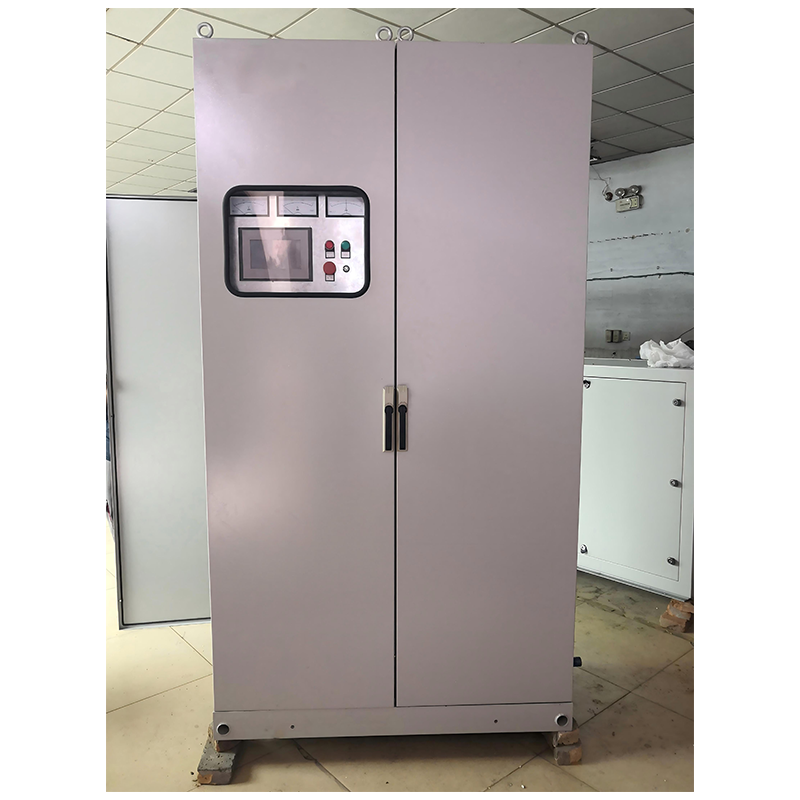
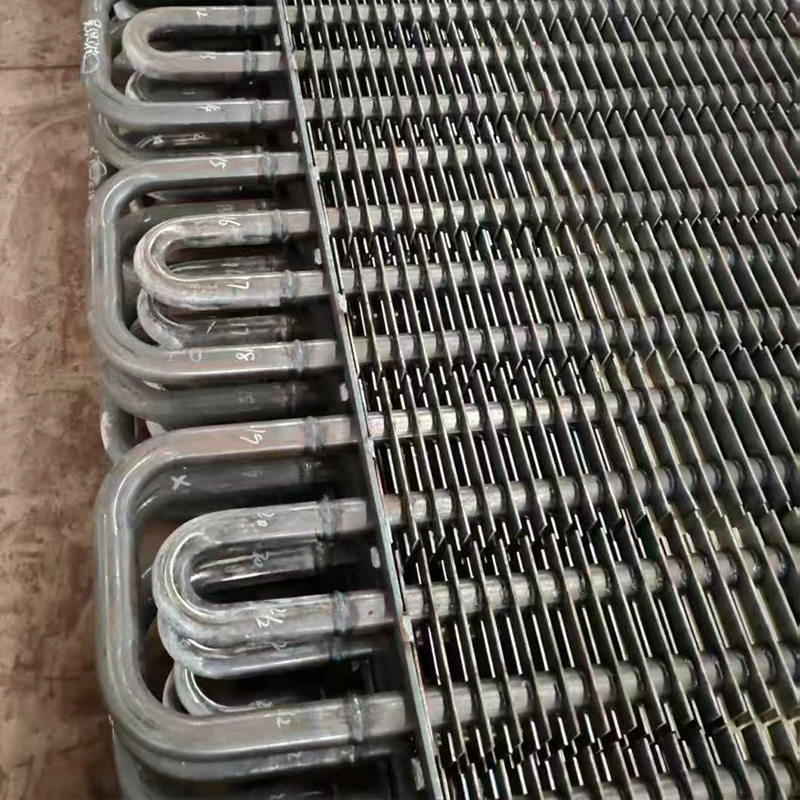
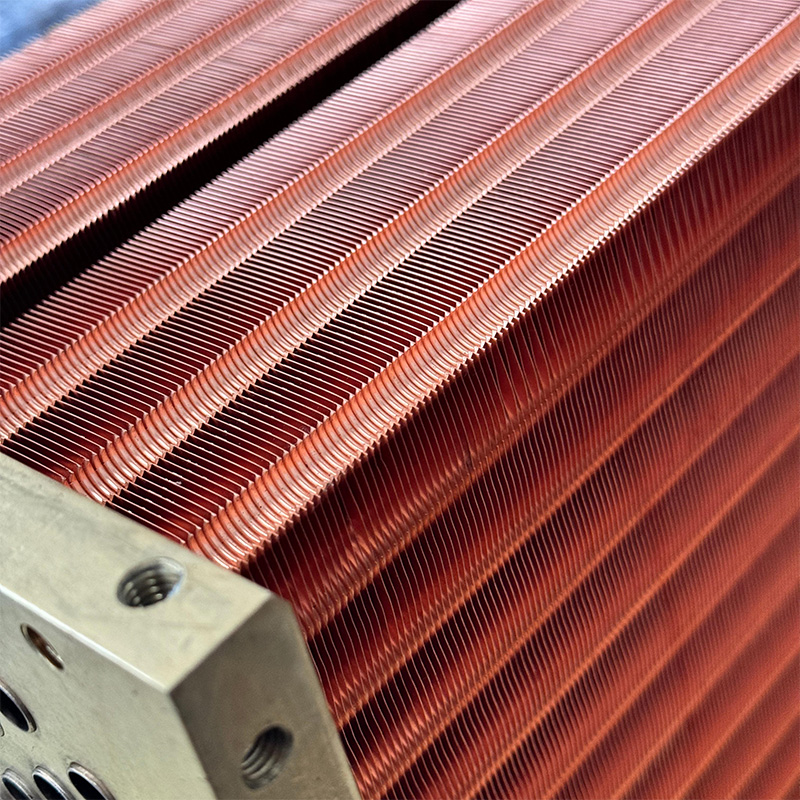
An integrated approach to solving industrial problems often requires the integration of various types of equipment. For example, a companyWuxi Kaisheng Electric Power and Petrochemical Equipment Co., Ltd., which specializes in the design and manufacture of high-performance heat exchangers and petrochemical equipment, emphasizes the importance of compatibility of all elements of the process chain. While their core products include titanium shell-and-tube heat exchangers, air coolers and waste heat boilers made from highly corrosion-resistant alloys (such as N06625 nickel or C46400 marine brass), the reliability principles they apply to their refinery and desalination applications are fully applicable to tank selection. Wuxi Kaisheng's ASME and PED certified equipment demonstrates that the longevity of a system depends on the quality of each component, be it the 321 stainless steel tube bundle or the polymer reagent storage tank. This systemic view guarantees the stability of processes in the energy, shipbuilding and chemical industries.
Installation and Operation: Step-by-Step Installation Guide
Even the highest quality tank will fail prematurely if installation rules are violated. Preparing the foundation is a stage that is most often ignored by builders, considering it to be of secondary importance. In fact, 60% of cases of subfloor damage are caused by improper foundation preparation.
- Preparing the base.The surface must be absolutely flat, horizontal and free of stones, reinforcement and debris. The permissible height difference should not exceed 5 mm over the entire support area. The ideal solution is a concrete slab of at least M200 grade or a compacted sand cushion with a thickness of at least 150 mm, followed by laying geotextiles.Common mistake:installing the tank directly on the ground or asphalt. The soil shrinks unevenly, creating high pressure points on the bottom, which leads to squeezing. Asphalt heats up to +60°C in summer, which can cause thermal deformation of the lower part of the container.
- Anchoring and fixation.The empty vertical PE tank with maintenance hatch has high windage and can be knocked over by strong winds. If the container is not constantly filled, it must be secured. Use soft polyester or nylon slings that wrap around the upper third of the body. It is strictly forbidden to use metal chains or cables without rubber gaskets - they will cut the plastic at the first wind load or thermal expansion. The fastening elements of the anchors must be laid in the foundation at the stage of its pouring.
- Connecting communications.All incoming and outgoing pipelines must have flexible inserts (compensators) at least 200 mm long before entering the tank. Polyethylene has a high coefficient of linear expansion (up to 2 mm per 1 meter with a temperature difference of 10°C). A rigid connection to metal pipes will cause the pipes to come off or the threads to break. When installing pipes, use conical seals and tighten the nuts only by hand or with a torque wrench, strictly observing the tightening torque. Over-tightening causes the flange to collapse and seal failure.
- Overfill and vacuum protection.Rapid filling or emptying may create excessive pressure or vacuum inside the container. Be sure to install a breather valve or ensure that the ventilation line is of sufficient size. A vacuum is dangerous because it can collapse the walls of the tank inward in a matter of seconds, especially if the liquid is pumped out by a powerful pump. We have seen cases where the lack of ventilation led to a complete loss of housing geometry, making further operation impossible.
- Initial inspection and commissioning.Before filling, perform a visual inspection of the interior surface through the service hatch. Make sure there are no foreign objects left by the installers. Filling should be done with water at a rate of no more than 1 meter of column height per hour, giving the material time to adapt to the load. After filling, check all connections for leaks. Only after a successful hydraulic test is the tank ready to handle the target product.
Procurement risks and supplier evaluation criteria
The market is saturated with offers, but the price often hides compromises in quality. When choosing a supplier from whom you plan to buy a vertical PE tank with a service hatch, ask questions that separate the professionals from the garage manufacturers.
First, request a quality certificate for raw materials. A conscientious manufacturer uses granules from well-known brands (for example, Sabic, Borealis, LG Chem) and is ready to provide certificates. The use of recycled polyethylene (recycled) reduces the cost by 30%, but catastrophically reduces the service life and chemical resistance. The secondary material contains microimpurities, which become centers of crystallization and points of initiation of destruction. In our practice, there was a case when a recyclate tank began to leak diesel fuel after six months, although visually it seemed intact.
Secondly, check the warranty terms. The standard warranty for high-quality rotary containers is 3-5 years, but the actual service life reaches 20 years. If a supplier only provides a 1-year warranty, this is a signal of uncertainty in their product. Availability of service is also important: is the supplier able to repair or replace components (manhole covers, seals) in 5-7 years? Plastic ages, seals become dull, and the ability to order original spare parts is critically important.
Product certification is another marker of reliability. To work in the customs union, it is necessary to have a TR CU declaration. For export deliveries or work with international companies, ISO 9001 certificates confirming the quality control system in production, or specific certificates for the food industry (FDA, EC 1935/2004) may be required. Lack of documentation can lead to problems when passing environmental inspections or accepting the facility by supervisory authorities.
Pay attention to the supplier's logistics capabilities. Transportation of large vertical containers requires special transport and proper fastening scheme. Unprofessional loading often leads to the appearance of microcracks in the hatch neck area, which only appear under load. A professional supplier delivers using its own transport or controls the loading process through its representatives.
Frequently Asked Questions
What is the maximum operating temperature for a PE vertical tank?
Standard low-density polyethylene (HDPE) retains its mechanical properties in the range from -40°C to +60°C. A short-term increase in temperature to +80°C is acceptable, but leads to a decrease in the permissible internal pressure. To store hot media (above +60°C), it is necessary to use special modifications of polyethylene or provide external cooling. Exceeding the temperature threshold leads to irreversible deformation and loss of strength.
Is it possible to store gasoline or solvents in such a tank?
No, this is absolutely not recommended. Полиэтилен проницаем для легких углеводородов и ароматических растворителей. Бензин, керосин, толуол и многие другие органические растворители будут постепенно просачиваться через стенки резервуара, создавая пожароопасную ситуацию снаружи и теряя продукт внутри. Для таких сред используются емкости из сшитого полиэтилена (PEX) или сталь с специальной футеровкой. Вертикальный резервуар из PE с люком обслуживания предназначен для водных растворов, кислот, щелочей и пищевых жидкостей.
Как часто нужно проверять состояние люка обслуживания?
Рекомендуемая периодичность осмотра — не реже одного раза в год. Осмотр включает проверку целостности уплотнительной резины, отсутствие трещин на фланце и легкость открывания/закрывания крышки. Если резервуар эксплуатируется в условиях агрессивных паров или прямого солнечного излучения, частоту осмотров следует увеличить до двух раз в год. Своевременная замена уплотнителя стоит копейки по сравнению с ликвидацией разлива химикатов.
Возможно ли изготовление резервуара нестандартного цвета?
Да, производители предлагают окрашивание в массе при заказе партии от определенного количества (обычно от 5-10 штук одного цвета) или нанесение покрытия. Однако стоит помнить, что черный цвет обеспечивает наилучшую защиту от УФ-излучения. Другие цвета требуют введения дополнительных стабилизаторов, что удорожает изделие. Для уличной установки мы рекомендуем выбирать черный корпус с возможной внешней окраской в нужный цвет специальными красками для пластика, либо использовать готовые пигментированные варианты от завода.
Conclusion and recommendations for choosing
Инвестиция в качественный вертикальный резервуар из PE с люком обслуживания — это вклад в бесперебойность ваших технологических процессов на десятилетия вперед. Экономия на начальном этапе часто оборачивается многократными затратами на ремонт, замену и ликвидацию последствий аварий. Выбирайте поставщиков, которые готовы предоставить техническую документацию, используют первичное сырье и применяют технологию ротационного формования. Учитывайте специфику вашей среды, температурный режим и условия монтажа.
Не забывайте, что правильный монтаж и регулярное обслуживание продлевают жизнь оборудованию больше, чем любые сверхпрочные материалы. Обеспечьте ровное основание, правильную обвязку и защиту от внешних факторов. Если у вас остались сомнения в подборе конфигурации или необходимости усиления конструкции для специфических задач, лучше проконсультироваться с инженерами производителя до момента оформления заказа.
Мы готовы помочь вам подобрать оптимальное решение, которое точно соответствует вашим техническим требованиям и бюджету. Свяжитесь с нами сегодня для получения детального расчета и консультации по вашему проекту. Наш опыт в сфере промышленных емкостей гарантирует, что вы получите надежное оборудование, проверенное в реальных условиях эксплуатации.Посмотреть полный каталог вертикальных резервуаровили перейти в разделиндивидуального изготовлениядля обсуждения нестандартных задач.