
Vertical PP tank with sealed lid”
2026-08-10
- Vertical PP tank with sealed lid: technical parameters and choice for industry
- Sealed lid design: engineering solutions against evaporation
- Calculation of wall thickness and static loads
- Certification and safety compliance
- Economic justification and payback period
- Conclusion and recommendations for choosing a supplier
Vertical PP tank with sealed lid: technical parameters and choice for industry
Choosing a container for aggressive environments is not just a purchase of equipment, but an investment in the safety of the entire production cycle.Вертикальный резервуар из PP с крышкой герметичнойrepresents a critical component in chemical storage systems, where the slightest leak of vapors or liquids can lead to a line shutdown or an environmental penalty. In our practice, we have encountered situations where saving 15% on the cost of a lid seal led to the loss of expensive raw materials due to evaporation in the first three months of operation. It was not by chance that we chose polypropylene (PP) as the main material: its chemical resistance to acids and alkalis at temperatures up to +90°C is superior to many analogues, but only if the seam welding technology is followed.
The market is overflowing with offers where ordinary tanks with a cap without a vacuum valve are sold under the guise of “sealed” containers. Real tightness is achieved only by an integrated approach: the use of fluoroplastic (PTFE) or EPDM seals, reinforced stiffeners on the cover to prevent deformation under pressure and precise calibration of service hatches. If you plan to store volatile compounds such as hydrochloric acid or organic solvents, a standard screw cap will not provide the required level of protection. We recommend immediately requesting a gas permeability test report from the supplier rather than relying on assurances from managers.
Why Polypropylene (PP) Remains the Standard for Chemical Storage
Polypropylene homopolymer (PP-H) and copolymer (PP-B) dominate the chemical packaging segment due to its unique price-corrosion resistance ratio. Unlike AISI 316L stainless steel, which is susceptible to pitting in high chloride environments, PP is inert to most inorganic acids up to 70%. However, it is important to understand the differences between brands of plastic. For vertical tanks with a volume of over 5 cubic meters, we exclusively use PP-H sheets with a molecular weight that provides impact strength at temperatures as low as -20°C. The use of recycled materials, which is often offered by unscrupulous manufacturers, reduces the service life of the product from 15 years to 3-4 years due to the rapid aging of the material under UV radiation.
The heat resistance of PP allows for hot cleaning of containers with steam without the risk of deformation, which is critical for the pharmaceutical and food industries, where sanitation requirements are regulated by GMP standards. But here lies a hidden risk: the coefficient of linear expansion of polypropylene is 10 times higher than that of steel. When designing a high vertical tank, it is necessary to install expansion joints in the piping. One of our clients in the Leningrad region encountered a pipe rupture after six months of work precisely because the installers rigidly fixed the pipe to the wall of the tank, ignoring thermal expansion when filled with hot liquid (+60°C). This led to stress concentration in the weld zone and subsequent cracking.
Chemical compatibility should be checked not according to general tables, but for a specific task. For example, although PP is resistant to sulfuric acid, it can be degraded by certain oxidizing agents at elevated temperatures. We always require the customer to provide the exact composition of the medium, including the percentage of impurities, before confirming the possibility of using a specific brand of polypropylene. For storing strong oxidizing agents, it is sometimes more advisable to consider the option of lining or using PVDF, despite the increase in cost by 2-2.5 times.
Sealed lid design: engineering solutions against evaporation
The most vulnerable point of any container is the interface between the body and the lid.Вертикальный резервуар из PP с крышкой герметичнойmust be equipped with a sealing system capable of withstanding not only the static pressure of the liquid column, but also dynamic loads when level and temperature change. A simple rubber gasket placed in a groove is often insufficient for volatile substances. In our projects, we use a double sealing circuit: a main PTFE foam ring that compensates for flange unevenness, and an additional silicone ring for final sealing. This scheme was tested at real nitric acid storage facilities, showing zero mass loss over 12 months of monitoring.
The lid of the vertical tank experiences significant mechanical stress. When the tank volume is more than 10 m³, the lid area becomes large, and under the influence of its own weight or snow load (for outdoor installation), the center may sag. To avoid this, we use a radial-ring system of stiffeners welded to the inside of the cover. The fin spacing is calculated individually depending on the diameter of the tank and the expected excess pressure. Ignoring this calculation leads to the fact that after the first winter the lid loses its geometry, the seal no longer fits evenly, and the tightness is broken. It is almost impossible to restore the shape of deformed polypropylene - the entire upper part must be replaced.
An important design element is the breathing valve system. A completely “blind” lid is dangerous: when pumping out liquid, a vacuum is created inside, which can collapse the walls of the tank, and when heated in the sun, excess pressure can rip off the lid. We integrate pressure/vacuum combination valves with a water seal or spring adjustment mechanism into the design. This allows the pressure in the gas space to be maintained in the range of -0.02 to +0.05 bar, which is sufficient to prevent vapor emissions, but is safe for the integrity of the housing. The adjustment of these valves must be carried out by qualified personnel, as incorrect installation of the spring may result in permanent venting of the medium to the atmosphere.
Production methods: extrusion welding vs seamless molding
The quality of the welds determines the reliability of the entire product. There are two main approaches to the production of large vertical PP tanks: sheet welding and rotational molding (seamless method). Welded containers allow you to create structures of almost any size and configuration, since the size is limited only by the dimensions of the vehicle. However, every linear meter of a seam is a potential leak point. The quality of welding depends on the human factor: extruder temperature, rod feed speed and nozzle angle. We use automated welding heads with real-time temperature control to minimize the risk of human error. However, even with perfect welding, the heat-affected zone remains a zone of reduced chemical resistance compared to the base material.
Seamless tanks made by rotational molding do not have this disadvantage. The molecular structure of the material remains uniform throughout the entire thickness of the wall, which eliminates the risk of seam delamination. Such containers are ideal for storing highly pure reagents or food products, where even microscopic gaps are unacceptable. However, the technology has size limitations: the diameter of such tanks rarely exceeds 3-4 meters due to limitations of production equipment. In addition, the wall thickness in seamless containers is often uneven (thinner in corners and transitions), which requires careful control during acceptance. For our projects with a volume of up to 5 m³, we often recommend rotational molding, and for industrial storage facilities with a volume of 20-50 m³ - high-quality sheet welding with mandatory non-destructive testing of seams.
Quality control of seams should include not only visual inspection, but also testing for dye penetration (penetration testing) or ultrasonic flaw detection for critical components. In our practice, there was a case when a visually ideal seam turned out to be porous inside due to the use of a wet welding rod. This was revealed only after a month of operation, when a micro-crack occurred under load. Therefore, we insist that the customer accepts the work only after submitting a hydrotest certificate carried out with water for at least 24 hours at a pressure exceeding the working pressure by 20%.
Calculation of wall thickness and static loads
Errors in calculating wall thickness are one of the most common causes of accidents during the operation of polymer containers. Many suppliers use simplified tables that do not take into account the density of a particular liquid. A vertical PP tank with a sealed lid, designed for water (density 1 g/cm³), may not withstand the load when filled with sulfuric acid solution (density 1.84 g/cm³). Hydrostatic pressure increases linearly with the height of the liquid column, so the lower rings of the vertical tank experience maximum load. We use the calculation method according to DIN 50876 or similar European standards, where the wall thickness varies from bottom to neck (variable thickness). This allows you to optimize the weight of the structure without losing strength.
For tanks with a height of more than 2 meters, the presence of external stiffening rings or the use of a frame structure is mandatory. Polypropylene has the property of creep: under constant load it slowly deforms over time. Without proper reinforcement, a cylindrical tank can turn into a barrel (“swell”) at the bottom after just a year of operation. We provide a safety margin of at least 1.5 to the operating pressure, also taking into account possible hydraulic shocks during rapid filling. Ignoring the creep factor led to one of our partners losing a batch of 10 containers, which were so deformed that they no longer fit into the prepared technological niches.
The load on the bottom of the tank also requires attention. A flat bottom with a large diameter without reinforcement will bend under the weight of the liquid. We recommend using a conical or domed bottom for gravity drainage, or reinforcing the flat bottom with powerful profiles from the same PP. If the tank is installed on a foundation, it is necessary to ensure uniform distribution of the load. Point supports can lead to local stresses and cracking of the bottom. In a project for a chemical plant in Kazakhstan, we used a system of distribution cushions made of sand and crushed stone under a geomembrane, which eliminated point pressure on the bottom of a 40 m³ tank.
Fittings and integration into the production line
The tightness of the system depends not only on the body, but also on the quality of the mortise fittings. Branch pipes, level gauges, hatches and mixers must be integrated into the housing in compliance with all technologies. The most reliable method is to weld the pipes with reinforcement with overlay rings (reinforcing washers) on both sides of the wall. This relieves stress from the main seam and prevents the pipe from breaking out when connecting heavy pipes. Threaded connections in polypropylene are not reliable at high pressures, so we recommend using PN10 or PN16 flange connections with a PTFE seal.
The level control system in sealed tanks requires a special approach. Magnetic float level gauges are standard, but installation requires a through hole in the cover or wall, which creates an additional risk of leakage. An alternative is non-contact radar or capacitive sensors mounted on top through a special flange. They do not come into contact with the product and do not require breaking the seal at the bottom of the tank. However, when choosing a sensor, you need to take into account the dielectric constant of the medium and the possibility of condensation forming on the antenna, which can distort the readings.
Service hatches must have quick-release mechanisms with reliable clamping. Screw clamps often sour from aggressive fumes, so we switch to cam locks made of stainless steel or polypropylene with a metal core. The size of the hatch should allow not only visual inspection, but also access for mechanized cleaning or repair of internal equipment. A standard DN400 hatch is often too small for an adult in a protective suit to work comfortably, so for tanks with a volume of 10 m³ or more we recommend installing a DN500 or DN600 hatch.
| Comparison parameter | Welded Tank (PP Sheet) | Seamless Tank (Rotational Molding) |
|---|---|---|
| Maximum volume | Up to 100 m³ or more (limited by logistics) | Typically up to 10-15 m³ (limited by equipment) |
| Presence of seams | Yes (vertical and horizontal seams) | None (monolithic design) |
| Chemical resistance of seams | Just below the base material (heat treatment zone) | Identical to base material |
| Geometric accuracy | High (controlled by equipment) | Medium (deviations in wall thickness are possible) |
| Cost for small volumes (<5 m³) | Higher (labor intensity of manual welding) | Below (process automation) |
| Maintainability | High (you can weld the crack) | Low (difficult to select material for repair) |
Certification and safety compliance
When working with hazardous substances, having certificates is not a formality, but a legal requirement. For the Russian market and the EAEU countries, the key document is the declaration of conformity with TR CU 032/2013 “On the safety of equipment operating under excess pressure.” Although many plastic containers operate at atmospheric pressure, if they are equipped with a sealed lid and vent valves, they may be subject to this regulation at a certain pressure-volume product. We prepare all necessary documentation, including a pressure vessel passport, if required by the project.
For exports to Europe, CE marking and PED (Pressure Equipment Directive) compliance are critical. Our tanks undergo conformity assessment according to module H (full production quality assurance). This includes an audit of our production by an independent notified body. Having an ISO 9001 certificate does not in itself replace product certification, but it does confirm the stability of processes. Clients from the oil and gas sector often require additional ATEX certification for equipment installed in hazardous areas. Although polypropylene itself does not spark, electrically conductive elements (sensors, stirrers) must be designed accordingly.
Hygiene certificates are required for the food and pharmaceutical industries. PP material must be FDA approved (USA) or comply with EC Regulation 1935/2004 (EC). We provide migration certificates confirming that upon contact with food products (milk, juices, alcohols) no harmful substances are transferred into the plastic. It is important to remember that the color of the additive must also be certified. The use of a technical pigment to color a food tank is unacceptable, since heavy metals in the dye can migrate into the product.
An integrated approach to solving petrochemical and energy problems
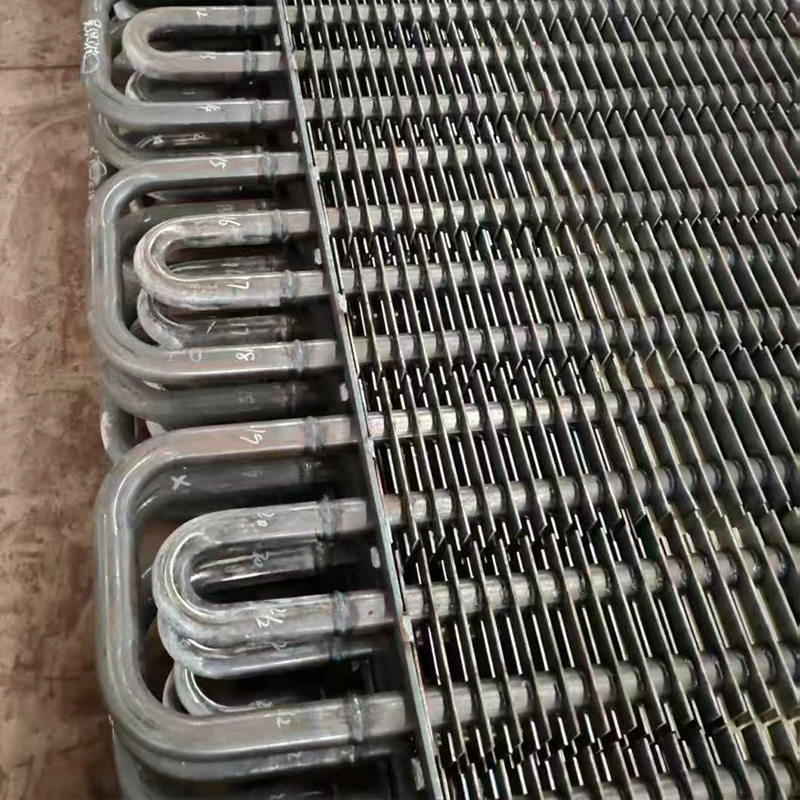
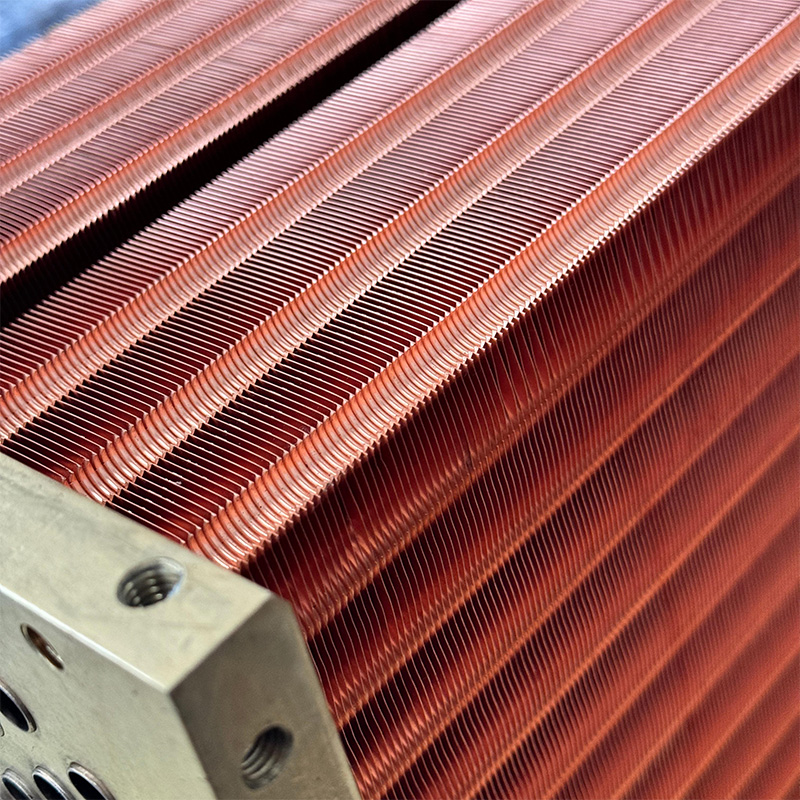
Selecting the right tank is only part of a complex engineering challenge. Often, the storage of reagents is closely related to heat exchange and media preparation processes that require high-tech equipment. In this context, it is important to turn to suppliers with broad expertise not only in the field of capacitive equipment, but also in related areas. For example, a companyWuxi Kaisheng Electric Power and Petrochemical Equipment Co., Ltd.specializes in the development and production of integrated solutions for the oil refining, chemical industry and energy. In addition to tanks, the company produces ASME high-pressure heat exchangers, titanium shell-and-tube units, and corrugated tube bundles in 316 stainless steel, C46400 marine brass, and N06625 type alloys. Such a wide range of competencies allows customers to receive coordinated solutions: from storage systems for aggressive media to heating or cooling units made of corrosion-resistant materials (titanium, copper-nickel alloys, alloy steels) and certified according to international standards PED and ASME. Integration of equipment from one reliable manufacturer simplifies logistics, ensures compatibility of components and increases the overall reliability of the production line.
Logistics and installation: hidden risks of transportation
Полипропиленовые резервуары большого объема обладают высокой парусностью и низкой жесткостью при пустом состоянии. Транспортировка вертикального бака без специальной оснастки часто приводит к повреждению днища или деформации горловины. Мы используем специальные стальные каркасы-поддоны, которые распределяют нагрузку от стропов по всему периметру днища. Запрещено поднимать резервуар за патрубки или края крышки — это гарантированно приведет к отрыву элементов. При погрузке в контейнер необходимо фиксировать бак распорками, чтобы исключить смещение при торможении транспорта.
Монтаж на месте требует подготовки основания. Фундамент должен быть идеально ровным (перепад высот не более 2 мм на 1 метр длины) и гладким. Бетонная стяжка должна набрать полную прочность, иначе остаточная влажность бетона может вызвать щелочную коррозию нижней части бака (хотя PP устойчив, длительных контактов с высокощелочной средой свежего бетона лучше избегать). Мы рекомендуем укладывать между бетоном и днищем демпфирующую прокладку из резины или EPDM толщиной 5-10 мм. Это компенсирует мелкие неровности и снижает вибрационную нагрузку.
Подключение трубопроводов должно выполняться с использованием гибких вставок или компенсаторов. Жесткая связка “труба-бак” передаст все вибрации от насосов на корпус резервуара, что приведет к усталостному разрушению сварных швов в районе патрубков. В нашей практике был случай, когда мощный циркуляционный насос вызвал резонансные колебания в трубопроводе, которые за два месяца расшатали вварной патрубок диаметром 100 мм. Установка вибровставки из армированного шланга решила проблему полностью.
Economic justification and payback period
Первоначальная стоимость вертикального резервуара из PP может показаться выше, чем у простых металлических баков без покрытия, но TCO (совокупная стоимость владения) говорит в пользу полипропилена. Металлические емкости требуют регулярной антикоррозийной обработки, замены анодной защиты и частых ремонтов. Срок службы окрашенной стали в агрессивной среде редко превышает 5-7 лет. Полипропиленовый резервуар служит 15-20 лет без необходимости покраски или дополнительной защиты. Расчет показывает, что уже на 6-й год эксплуатации PP-емкость становится выгоднее стальной за счет отсутствия затрат на обслуживание.
Герметичность крышки напрямую влияет на экономику процесса. Потери дорогостоящих реагентов через испарение могут составлять до 3-5% от объема в год для открытых или плохо закрытых емкостей. Для предприятия, потребляющего 100 тонн кислоты в год, это десятки тысяч долларов убытков. Инвестиция в качественную герметичную крышку с дыхательными клапанами окупается за счет сохранения продукта обычно в течение первого года работы. Кроме того, снижается экологический налог за выбросы загрязняющих веществ в атмосферу.
Утилизация полипропилена в конце жизненного цикла также имеет экономический смысл. PP подлежит 100% вторичной переработке. В то время как демонтированный стеклопластик или композитные материалы часто приходится захоранивать как опасные отходы, старый полипропиленовый бак можно сдать на переработку и получить скидку на покупку нового оборудования. Некоторые производители, включая нас, предлагают программу Trade-in, принимая старые емкости в зачет стоимости новых.
Frequently Asked Questions
Какова максимальная рабочая температура для резервуара из PP?
Стандартный полипропилен (PP-H) сохраняет свои механические свойства при температурах до +90°C. Кратковременно допускается нагрев до +100°C, но при этом снижается допустимое рабочее давление. Для сред с температурой выше +90°C мы рекомендуем использовать модифицированный полипропилен (PP-RCT) или переходить на PVDF, который выдерживает до +140°C. Превышение температурного лимита ведет к размягчению материала и потере геометрической формы.
Можно ли установить такой резервуар на улице в условиях российского климата?
Да, это возможно, но с обязательными условиями. Полипропилен чувствителен к ультрафиолету, поэтому корпус должен содержать стабилизаторы UV (обычно это сажа, придающая черный цвет, или специальные добавки). Также необходимо учитывать снеговую нагрузку на крышку. Мы усиливаем крышки уличных резервуаров дополнительными ребрами и рекомендуем устанавливать обогрев дыхательных клапанов зимой, чтобы предотвратить их замерзание и образование ледяных пробок.
Как проверить герметичность крышки после монтажа?
Самый простой метод — визуальный осмотр швов и прокладок после заполнения водой. Для более точной проверки летучих сред используется метод обмыливания стыков при создании небольшого избыточного давления воздухом (0.02-0.03 бар). Появление пузырей указывает на место утечки. Профессиональный метод включает использование газоанализаторов вокруг периметра крышки при заполнении бака рабочей жидкостью.
Возможна ли установка мешалки в герметичную крышку?
Да, мы изготавливаем крышки с усиленными фланцами под приводы мешалок. Важно правильно рассчитать нагрузку на вал и обеспечить герметичность проходного узла (сальника или магнитной муфты). Магнитная муфта предпочтительнее для герметичных систем, так как она исключает необходимость скользящего уплотнения, проходящего сквозь крышку, тем самым устраняя потенциальный канал утечки.
Какой срок изготовления стандартного резервуара объемом 10 м³?
Стандартный срок производства составляет 10-14 рабочих дней с момента утверждения чертежей и внесения предоплаты. Этот срок включает раскрой листа, сварку, установку фурнитуры и проведение гидроиспытаний. Срочное изготовление возможно за 5-7 дней с доплатой за сверхурочную работу сварочного поста, но это зависит от текущей загрузки производства.
Conclusion and recommendations for choosing a supplier
Выбор емкости для хранения химических веществ — это баланс между ценой, безопасностью и долговечностью.Вертикальный резервуар из PP с крышкой герметичнойявляется оптимальным решением для большинства задач современной промышленности, предлагая непревзойденную коррозионную стойкость и разумную стоимость владения. Однако рынок неоднороден: качество изделий может различаться в разы в зависимости от используемого сырья и квалификации сварщиков. Не гонитесь за самой низкой ценой за килограмм изделия — часто это признак использования вторичного пластика или экономии на толщине стенок.
Мы рекомендуем запрашивать у поставщика образцы сварных швов для визуальной оценки и обязательно указывать в спецификации требование к использованию первичного сырья известных европейских или российских брендов (например, Borouge, Sabic, Polymertef). Убедитесь, что производитель готов предоставить гарантийные обязательства не только на отсутствие течей, но и на сохранение геометрических размеров в течение всего срока службы. Правильно спроектированный и изготовленный резервуар станет надежным звеном вашего производства на десятилетия, обеспечивая бесперебойную работу и соблюдение экологических норм.
Если вы готовы обсудить детали вашего проекта, рассчитать стоимость с учетом доставки и монтажа или получить консультацию инженера по подбору материала под вашу конкретную среду, свяжитесь с нами сегодня. Мы проведем бесплатный аудит ваших требований и предложим технически обоснованное решение, которое прослужит долго.Посмотреть полный каталог резервуаров из полипропиленадля ознакомления с типовыми конфигурациями и опциями.