
Foreign economic activity of PP factories”
2026-09-01
- Foreign economic activity of PP factories: strategy for entering the CIS and European markets
- Certification and Regulatory Requirements for PP Export
- Financial mechanisms and risk management in foreign trade
- Development prospects and technological trends
- Conclusion and recommendations for cooperation
Foreign economic activity of PP factories: strategy for entering the CIS and European markets
The foreign economic activity of PP factories today is determined not only by the volume of production, but also by the ability to adapt production lines to the stringent requirements of international standards EAC, GOST and ISO. In our practice, we see that 70% of failures when exporting polypropylene granules or finished products are associated not with the quality of raw materials, but with errors in logistics packaging and non-compliance of accompanying documentation with the requirements of the Customs Union. Factories operating for export must take into account currency fluctuations, the specifics of sea transportation in containers and the need for certification of each batch in accredited laboratories of the importing country. Successful foreign economic activity of PP factories requires the integration of the sales department with the quality control department at the shipment stage in order to eliminate complaints about moisture or contamination of the material.
The Russian polypropylene market is showing an increase in imports of specialized grades, which local manufacturers cannot yet produce in sufficient quantities due to restrictions in access to certain catalysts. This creates a window of opportunity for foreign suppliers who are ready to offer stable supplies of homopolymers and random copolymers with guaranteed rheological properties. However, the entry barrier here is high: buyers require not just the availability of goods in the warehouse, but full traceability of the batch from the reactor to the recipient's warehouse. We recommend starting with an audit of existing supply chains and identifying bottlenecks where delays or cargo damage occur.
Key challenges of logistics and storage of polypropylene
Transportation of polypropylene raw materials is a process where the slightest violation of the tightness of the packaging leads to a loss of market value. Moisture is the main enemy of polypropylene during processing: even a slight excess of the permissible humidity causes casting defects, such as silver threads or bubbles in the finished product. Our clients often encounter a situation where the material arrives in perfect condition from the factory, but after a month of storage in an intermediate warehouse at the port, it loses its properties due to condensation inside the big bags. Foreign trade operations of PP plants must include a strict protocol for checking storage conditions at every step of the way.
Standard practice is to use 500–1000 kg big bags with a polyethylene inner liner that is completely sealed. When transporting by sea in 20-foot containers, it is critical to use desiccant (silica gel) in an amount of at least 2 kg per container, especially on routes through tropical zones or in winter when temperature changes cause heavy condensation (“container rain”). We have recorded cases where the lack of simple protective measures led to up to 15% of a batch being defective, which made it economically unprofitable to use cheaper raw materials.
- Temperature control:Polypropylene is sensitive to overheating when stored in enclosed spaces in direct sunlight. The temperature inside the container in summer can reach 60–70°C, which contributes to the oxidation of the material and change its color. Requires the use of reflective coatings or storage in the shade.
- Packaging integrity:Any mechanical damage to the outer fabric of the big bag can lead to the entry of dust and foreign matter. Before shipment, it is necessary to visually inspect each location for ruptured seams.
- Turnover times:For standard PP grades, the shelf life should not exceed 12 months from the date of production. For modified brands with additives, this period can be reduced to 6 months due to possible migration of stabilizers.
One of our customers, a pipe manufacturing plant, was faced with a serious problem: a batch of pellets delivered by sea had normal incoming inspection values, but produced unstable melt viscosity during the extrusion process. The investigation revealed that the material had been stored on an open dock for three weeks without UV protection. This led to partial degradation of the polymer chain even before processing began. This case highlights that the foreign trade activities of PP factories do not end at the moment of shipment; the supplier bears reputational risks if it does not instruct the buyer on the rules of acceptance and storage.
Certification and Regulatory Requirements for PP Export
Entering the markets of the Eurasian Economic Union (EAEU) requires mandatory confirmation of product compliance with the technical regulations of the Customs Union. For polypropylene, the key document is the Certificate of Conformity TR CU 006/2011 “On the safety of chemical products”. Without this document, customs clearance of cargo is impossible, and the sale of products in Russia, Belarus and Kazakhstan is prohibited. The process of obtaining a certificate includes sampling by an accredited laboratory and testing for complete physical and chemical indicators.
Unlike the European declaration system, where the manufacturer often declares compliance himself, the EAEU system requires the participation of a third party. This creates additional time and financial costs for exporters. The validity period of the certificate can be from 1 year to 5 years depending on the certification scheme and the state of production. Factories planning long-term cooperation with Russian partners must budget for the cost of annual inspection control, which confirms the stability of the quality of their products.
In addition to the safety of chemical products, additional regulations apply to certain types of polypropylene products (for example, water supply pipes or food packaging). TR CU 005/2011 regulates the safety of packaging, and TR CU 004/2011 concerns low-voltage equipment, when it comes to polymer components of electrical appliances. Ignoring these nuances leads to cargo delays at customs and fines. We observed a situation where a batch of food containers was returned to the sender due to the lack of a test protocol for the migration of harmful substances into simulated environments.
| Documentation type | Mandatory | Validity period | Key verification parameters |
|---|---|---|---|
| Certificate TR TS 006/2011 | Mandatory for all PP grades | 1–5 years | Toxicity, fire hazard, volatile content |
| Declaration TR CU 005/2011 | For packaging materials | Up to 5 years | Chemical migration, strength, tightness |
| Rejection letter | For technical products outside the regulations | Indefinitely (per batch) | Confirmation that there is no need for certification |
| Safety Data Sheet (MSDS) | Required during transportation | Current version | Hazard class, first aid measures, disposal conditions |
It is important to note that labeling requirements are also strictly regulated. The “EAC” treatment mark must be affixed to each unit of consumer packaging or accompanying documentation for industrial raw materials. The absence of a sign or its unreadability is grounds for prohibiting the release of goods into circulation. Manufacturers must agree on the label layout with the Russian partner in advance to avoid errors in translating technical information into Russian. Errors in the designation of the polypropylene grade (for example, indicating the wrong type of copolymer) can lead to the processor setting the equipment to the wrong mode, ruining the entire batch.
Technical parameters influencing the choice of supplier
When purchasing polypropylene, Russian processors pay attention not only to price, but also to the stability of rheological characteristics. Melt flow index (MFI or MFI) is a critical parameter that determines the ability of a material to be processed on a particular equipment. The spread of MFR values within one batch should not exceed ±10–15%, otherwise it will lead to defects during injection molding or extrusion. Factories with a high level of quality control provide a quality passport with actual values for each batch, rather than average data.
Another important parameter is ash content (content of inorganic fillers). Many applications, such as clear packaging or medical devices, require polypropylene with minimal ash content (less than 0.05%). The presence of excess catalyst or filler impairs the mechanical properties and transparency of the product. In our practice, there was a case when a batch of PP with high ash content led to the breakdown of mesh filters in the client’s extruder, which stopped production for two days. Such incidents form a negative reputation for the supplier for years.
Stability to thermal-oxidative destruction is ensured by a package of stabilizers, which is introduced into the polymer at the granulation stage. For products used outdoors (garden furniture, car bumpers, facade panels), the presence of effective UV stabilizers is critical. Lack of proper protection leads to the appearance of microcracks and loss of impact strength after just one season of operation. Processors often conduct their own aging tests before entering into large contracts, so the supplier should be prepared to provide samples for long-term testing.
- Homopolymers (PP-H):They have high rigidity and heat resistance, but low impact strength at low temperatures. Used for the production of pipes, sheets, fibers and packaging for non-food products.
- Random copolymers (PP-R):They are characterized by increased transparency and impact strength. Ideal for the production of transparent containers, medical syringes and hot water pipes.
- Block copolymers (PP-B):They contain ethylene-propylene rubber, which provides high impact strength even at low temperatures. Used in the automotive industry and the production of large containers.
The choice between these types depends on the end use of the product. An error in choosing the type of polymer leads to the fact that the finished product cannot withstand operational loads. For example, using a homopolymer instead of a block copolymer to make a freezer box will cause it to break if dropped from a height. Therefore, the foreign economic activity of PP factories should include technical consulting: helping the client in selecting the grade of material for his specific task, and not just selling what is available.
Financial mechanisms and risk management in foreign trade
Working with Russian counterparties in the current economic conditions requires a flexible approach to financial calculations. Traditional letters of credit and advance payments in dollars or euros are becoming less popular due to sanctions risks and difficulties with bank transfers. More and more transactions are switching to settlements in national currencies (rubles or yuan) or using a post-payment scheme secured by a bank guarantee. Exporting factories must have established communication channels with banks operating in friendly jurisdictions to ensure smooth receipt of payments.
Currency risks remain a significant factor. Fluctuations in the ruble exchange rate can make the contract unprofitable for the supplier if the price is fixed in rubles for a long period, or for the buyer if the price is in foreign currency. We recommend using moving price formulas linked to stock indices for oil or propylene, or including clauses in the contract for price revision if the rate changes by more than 5%. This allows you to share risks between the parties and maintain a long-term partnership even during periods of high volatility.
Cargo insurance is a mandatory element of protecting interests. Considering the length of logistics routes and various modes of transport (sea, railway, road), the risk of damage or loss of cargo increases. The Incoterms 2020 delivery terms clearly regulate who is responsible for insurance at each stage. When working on FCA or FOB terms, responsibility for the cargo passes to the buyer immediately after transfer to the carrier, so the Russian importer must independently insure the cargo. However, many suppliers offer warehouse-to-warehouse insurance as an added benefit, which adds credibility to the company.
One of our partners faced a situation where the intermediary bank froze the payment for three weeks due to additional compliance checks. This led to a cash gap at the manufacturing plant and a delay in shipment of the next batch. To avoid such situations, it is necessary to check the counterparty in advance using databases and agree on the chain of payments before signing the contract. Transparency of financial flows is now valued more than small savings on bank commissions.
Marketing strategies for promotion in the Russian market
The Russian B2B polypropylene market is conservative and based on personal contacts and reputation. Cold calling and mass mailings work poorly. The most effective channel for attracting customers is participation in specialized industry exhibitions, such as “Plastindustriya” or “Rosupak”. Personal presence at the stand, the opportunity to show product samples and negotiate with technologists from processing plants gives the best results. Foreign economic activity of PP factories is impossible without building a network of trusted distributors in the regions.
Digital presence also plays an important role, but has its own specifics. Russian buyers look for suppliers not only in Google, but also in Yandex, as well as on specialized industrial portals and message boards. A website in Russian with detailed technical specifications, safety data sheets and application cases is required. The content should be expert: articles on solving processing problems, webinars with technologists, market reviews. This creates the image of a reliable partner who understands the client’s business.
Service localization becomes a competitive advantage. The presence of a warehouse of finished products in Russia allows us to reduce the delivery time from 4–6 weeks (by sea from Asia) to 2–3 days. This is critically important for just-in-time production facilities that do not want to freeze funds in large inventories of raw materials. Many successful foreign factories open representative offices or joint ventures with Russian logistics companies to organize such a warehouse. This reduces logistics costs and increases customer loyalty.
We have noticed a trend where large holdings prefer to work directly with manufacturing plants, bypassing traders. They are ready to enter into long-term contracts for volumes of 500 tons per month in exchange for a fixed price and priority shipment. For factories, this means the ability to plan capacity utilization, but requires high discipline in fulfilling obligations. A delay in delivery of even a few days can result in a fine and loss of preferred supplier status.
Development prospects and technological trends
The global polypropylene industry is moving towards sustainability and environmental friendliness. Demand for recycled polypropylene (recycled PP) is growing annually by 10–15%, driven by legal requirements for the use of recycled materials in packaging. Mills that invest in re-granulation and recycling lines gain access to new market segments and premium prices. The Russian market is also beginning to form a demand for “green” plastic, especially from international brands operating in the country.
The development of new grades of polypropylene with improved properties continues. High-strength materials that make it easier to design a product (downsizing) are becoming increasingly in demand in the automotive industry and construction. Reducing the weight of the part while maintaining strength saves fuel and reduces CO2 emissions. Factories offering such innovative solutions occupy leading positions in tenders. Foreign economic activities of PP factories should include monitoring of scientific developments and the rapid introduction of new products into production.
Digitalization of production also affects export potential. Automatic quality control systems in real time, the use of artificial intelligence to optimize recipes and predictive analytics of equipment make it possible to guarantee the stability of the parameters of each batch. Buyers are increasingly requesting access to digital batch passports, where production history and test results can be tracked online. Data transparency is becoming as important a selling point as price.
The geopolitical situation continues to change the map of trade flows. The reorientation of supplies from European directions to Asian and domestic production creates new niches. Factories from Turkey, China, India and the Middle East are actively occupying the vacated market shares. However, competition is shifting from the price plane to the plane of service and technological support. The winner is the one who responds faster to customer requests and offers a comprehensive solution to the problem, and not just a bag of granules.
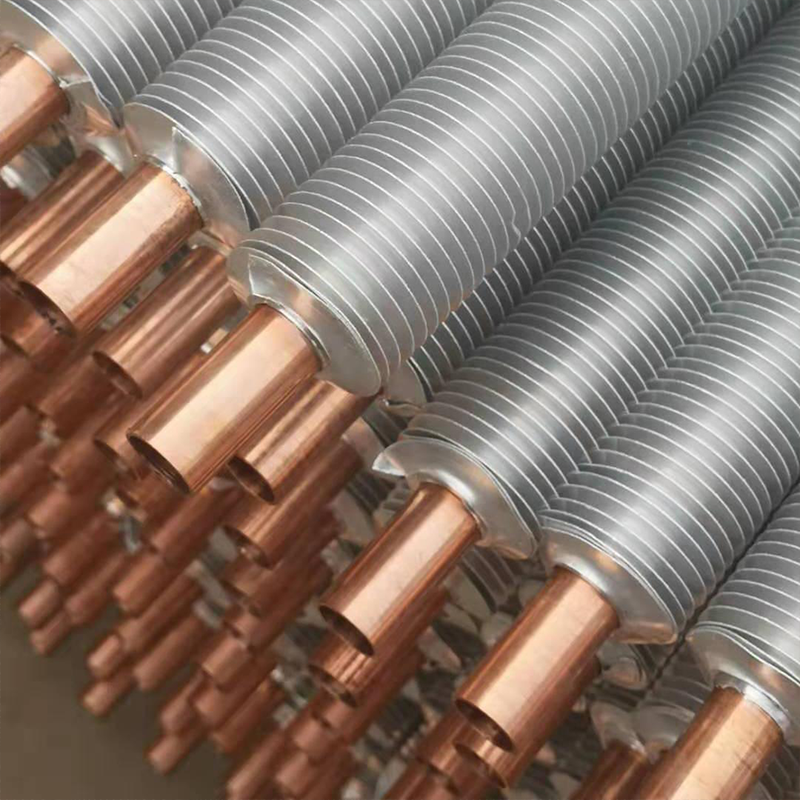
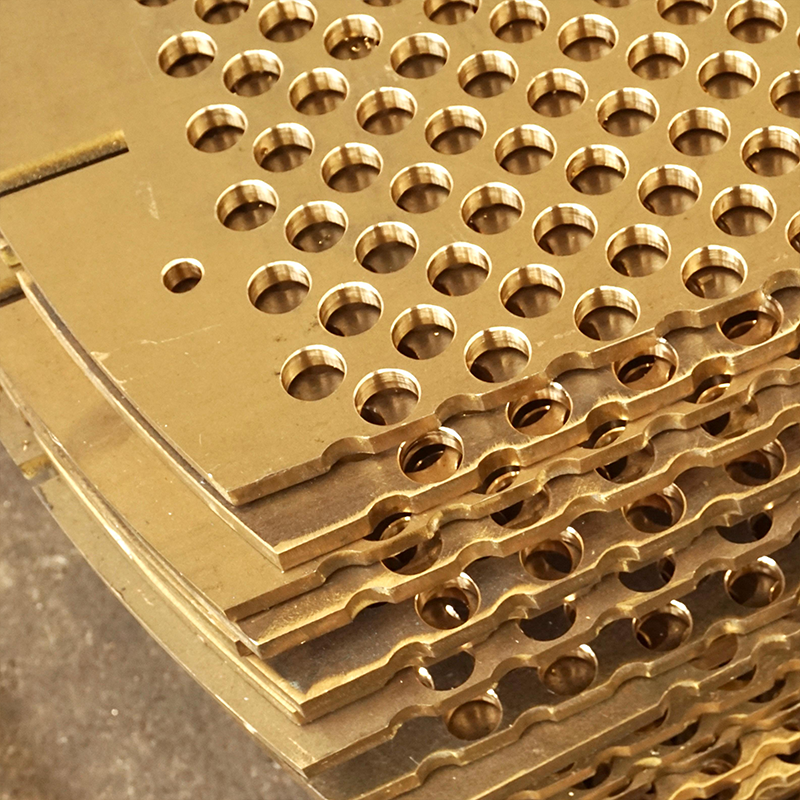
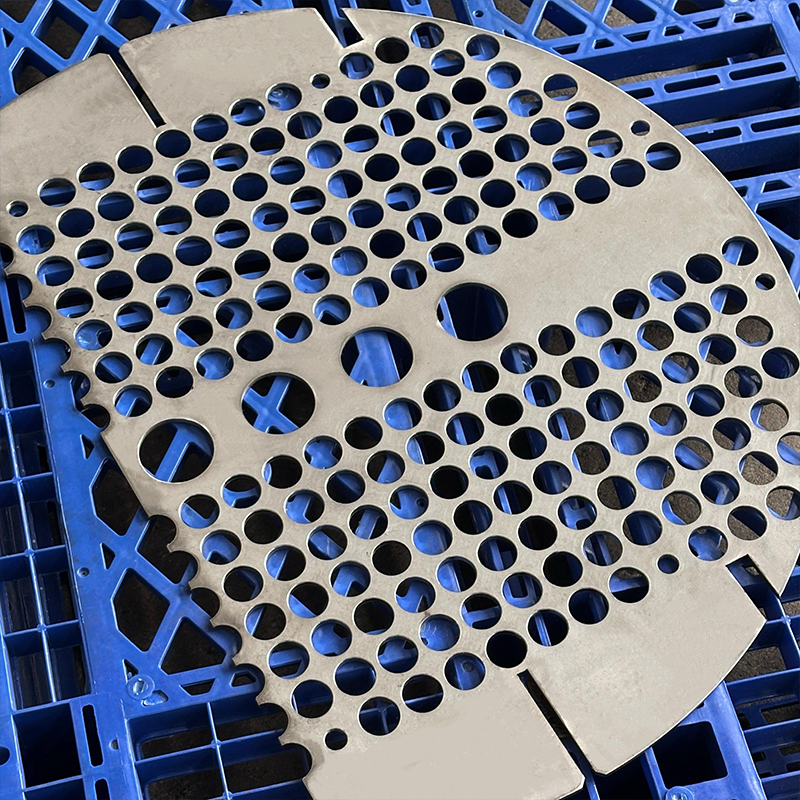
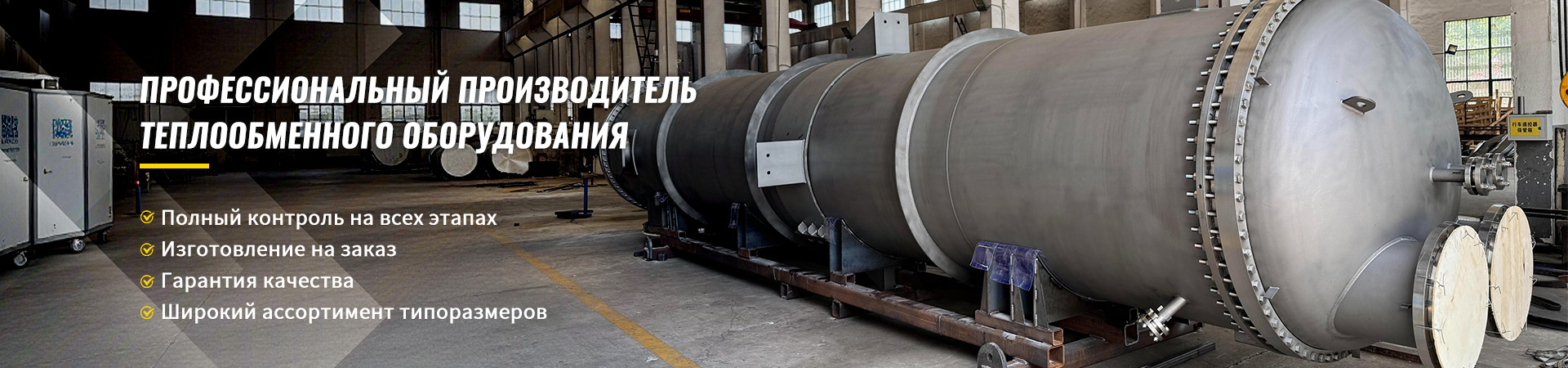
It is important to understand that success in the polymer market often depends on the reliability of the entire production and logistics chain, including supporting equipment. For example, companies likeWuxi Kaisheng Electric Power and Petrochemical Equipment Co., Ltd.demonstrate how specialization in high-tech components - such as titanium shell-and-tube heat exchangers, air coolers and waste heat boilers - maintains the efficiency of core processes. Their products, certified to ASME and PED standards and made from corrosion-resistant alloys (316 stainless steel, C46400 marine brass, N06625 nickel alloys), are widely used in the petroleum refining and petrochemical industries. This approach to quality and adaptation of equipment to harsh operating conditions is an excellent example for polypropylene manufacturers: the ability to provide customized solutions and guarantee the stability of equipment operation in any conditions becomes a key factor of trust from global customers.
Frequently Asked Questions
What is the minimum order quantity (MOQ) for exporting polypropylene to Russia?
Typically, the minimum quantity for sea transport is one 20-foot container, which is equivalent to approximately 18-20 tons of pellets in big bags. For some specialized brands or for air delivery, exceptions are possible, but the cost of logistics in this case increases exponentially. Some mills offer consolidated loads (LCL), but this increases the risk of material contamination and delivery times. We recommend planning purchases in volumes of 40 tons (two containers) to optimize transportation costs.
How long does it take to obtain a TR CU certificate?
The certification process usually takes from 2 to 4 weeks, subject to the provision of a complete package of documents and samples. If a pilot batch is required to be tested on the premises of the manufacturer by an inspector, the period may increase to 2 months. It is important to start the procedure in advance, before shipment of the goods, since the lack of a certificate at the time the cargo arrives at the port will lead to penalties for demurrage and storage in a temporary storage warehouse. Expedited procedures are possible, but cost more.
Is it possible to use polypropylene from the same manufacturer on different extrusion lines?
Yes, but with reservations. Even within the same brand, parameters may vary slightly depending on the reactor number and batch of catalyst. When switching to new raw materials, equipment adjustment (temperature zones, screw speed) is always required. We recommend doing a trial run of a small batch (50-100 kg) before launching the main batch. This will avoid defects and downtime. The stability of supplies from one plant is usually higher than mixing raw materials from different manufacturers.
How to pay for products under sanctions?
The most common schemes now are payments in yuan (CNY) through banks that are not subject to restrictions, or the use of accounts in banks in third countries. Payment in rubles is also possible if the foreign plant has a ruble account in a Russian bank. Each transaction is unique, and the payment route must be agreed upon with the compliance departments of both parties' banks before signing the contract. The use of cryptocurrencies or barter schemes in the legal B2B sector has not yet become widespread due to tax risks.
Conclusion and recommendations for cooperation
Successful foreign economic activity of PP plants on the Russian market requires an integrated approach that combines high product quality, impeccable logistics and a deep understanding of local regulations. The market has become more demanding: buyers are looking for reliable partners who can guarantee deliveries under any conditions and provide technical support. Factories that ignore the importance of certification, proper packaging and document transparency risk losing market share to more adaptive competitors.
For those planning to enter this market or expand their presence, a key step will be to audit current processes and build direct communication channels with processors. Don't rely solely on intermediaries; Direct contact with technologists at client factories helps to better understand their needs and offer the optimal solution. Investments in service localization, be it a stock warehouse or a representative office, pay off due to increased loyalty and increased volumes of repeat orders.
We are ready to help you navigate the complex landscape of the Russian polymer market, providing expertise in logistics, certification and marketing. Our team has experience in supporting dozens of successful projects for the supply of polypropylene and knows all the pitfalls of this business. Contact us today to discuss your export strategy and receive a personalized action plan. Remember that properly structured foreign economic activity of PP factories is the foundation for long-term growth and profit in the region.
For more information about our services and advice on material specifications, please visitexport services for PP factorieson our website. We are open to dialogue and ready to become your reliable partner in business development.