
Recycling of PE tanks”
2026-08-20
Recycling PE tanks: real savings or hidden risks?
Recycling polyethylene (PE) tanks is not just a budget saver, but a strategic solution for industrial plants looking to optimize capital costs without sacrificing reliability. In our practice, we have encountered situations where purchasing a used tank allowed us to reduce costs by 60-70% compared to a new analogue, but we also saw cases where such savings resulted in leaks and production downtime after three months of operation. The key to success lies in rigorously assessing the residual life of the material and understanding the chemical history of the previous contents. If you are considering purchasing used containers for storing water, industrial fluids or bulk materials, this article will give you specific tools for quality testing that are usually known only to manufacturers.
Why the used tank market is growing in 2025-2026
The industrial equipment market is undergoing a transformation. According to industry analysts, demand for remanufactured polymer containers in regions with developed logistics has grown by 24% over the past year. This is due not only to the desire to reduce costs, but also to stricter environmental regulations for plastic recycling. Businesses prefer to extend the life cycle of quality PE-HD (high-density polyethylene) products rather than sending them to be melted down. We are seeing a trend where large agricultural holdings and construction companies are creating their own fleets of recyclable packaging, carefully documenting the history of each unit.
However, it is important to understand the difference between a “refurbished” and a “just used” tank. A factory restoration includes sandblasting, checking seams and replacing hardware, while a private sale often means the container is “as is.” In one of our projects, the client purchased a batch of tanks without flaw detection, which led to microcracks in the welding zone the first time they were filled with an aggressive reagent. Losses from the spill exceeded the cost of new containers three times. Therefore, the reuse of PE tanks requires a disciplined approach to acceptance.
Technical criteria for assessing the condition of polyethylene
Polyethylene is a durable material, but it ages. The main enemy of PE is ultraviolet radiation and temperature changes. When evaluating a used tank, a visual inspection provides only 30% of the information. We need to look deeper. The color of the walls tells a story: if a gray or black tank has pronounced areas of fading to a light gray or whitish shade, this is a signal of degradation of the polymer chains. Such material becomes brittle. We use a simple test: hit the wall with your knuckle. The sound should be dull and dense. A ringing, high-pitched sound indicates a loss of elasticity and the beginning of the destruction process.
Wall thickness is the second critical parameter. Manufacturers include a safety margin, but mechanical damage or improper installation could thin the case. Take an ultrasonic thickness gauge. Measure the wall at three points: at the bottom, in the middle and at the neck. A spread of values of more than 15% of the nominal value indicates uneven wear or a manufacturing defect that has appeared over time. For containers with a volume of over 5000 liters, the minimum permissible wall thickness after years of operation should not fall below 4-5 mm, depending on the original specifications. Ignoring this rule is a direct road to rupture of the body under load.
Chemical compatibility is the most difficult aspect. Polyethylene is inert to many substances, but some organic solvents, oxidizers or petroleum products can cause swelling or a change in the structure of the polymer at the molecular level, even if the tank visually looks intact. If the previous owner stored diesel fuel in the container, and you plan to use it for drinking water, this option is categorically unacceptable. Residual hydrocarbons penetrate the pores of the material and are washed out over the years, poisoning the new contents. We always require a passport of previous contents. If it is not there, we consider the container to be conditionally suitable only for technical needs (watering, fire supplies), but not for the food industry.
Typology of used tanks and their applications
Not all used containers are created equal. The market offers several main categories, each of which has its own recycling restrictions.
- Vertical cylindrical tanks (silos):The most common type. Typically used to store water or liquid fertilizers. When purchasing, pay attention to the condition of the stiffeners. If they are deformed, it means that the tank was empty under the scorching sun or was not properly secured. Such containers are excellent for irrigation in agriculture, where cleanliness requirements are lower than in pharmaceuticals.
- Horizontal tanks:They often have internal piping or partitions. The difficulty of inspecting them lies in the inaccessibility of the internal seams. We recommend using an endoscope to check the internal angles. Horizontal tanks are ideal for mobile delivery of process water to construction sites, but require careful inspection of the support feet for corrosion (if they are metal) or cracks (if integrated into the body).
- Eurocubes (IBC containers):Metal cage and plastic flask. The risk here is double: corrosion of the frame and aging of the bulb. Used Eurocubes are often sold after storing food additives or glycerin - this is the best option for reuse. Avoid containers in which acids have been stored, as the fumes may damage the metal mesh from the inside, which is not visible from external inspection. Recycling of PE tanks in IBC format is popular for stormwater collection.
- Large capacity modular containers:Prefabricated structures from several sections. The weakest point is the flange connections between sections. The gaskets here lose elasticity faster than the plastic itself. When purchasing this type, be sure to plan a budget for a complete replacement of seals and fasteners. This is not a disadvantage, but a necessary maintenance procedure.
Process of preparation and rehabilitation of used tanks
Buying is only half the battle. To ensure safe recycling of PE tanks, professional training is required. Don’t believe sellers who say “wash it and it’s done.” Professional rehabilitation includes several stages, which we have practiced at hundreds of sites.
The first stage is deep cleaning. Regular water and a brush are not enough. We use a high pressure method (minimum 150 bar) using special detergents that are neutral to polyethylene. Alkaline solutions may leave a film that will subsequently react with the new product. Particular attention is paid to the bottom: sediment accumulates there, which may contain bacteria or active chemical compounds.
The second stage is decontamination. If there is doubt about the previous contents, treatment with ozone or steam under pressure is carried out. This allows you to destroy biological contaminants and neutralize volatile organic compounds. For food applications, this step is mandatory and must be confirmed by a laboratory wash.
The third stage is repair and modernization. Cracks in PE can be sealed with an extruder, but this requires skill. Improper welding creates a stress zone that will burst first. We recommend replacing all shut-off valves and pipes. Old taps often become sour or leak. Installing a new PVC or PP ball valve is inexpensive, but ensures the system is leak-tight. Also check the ventilation valves: a clogged air vent can cause the tank to collapse when pumping out liquid.
Comparative analysis: New vs Used tank
To make an informed decision, let's compare the parameters directly. The figures are taken from actual estimates of our projects for 2025.
| Criterion | New tank (PE-HD) | Used tank (after rehabilitation) |
|---|---|---|
| Purchase cost | 100% (base price) | 40-55% of the price of new |
| Delivery time | 4-8 weeks (production + logistics) | 3-7 days (in stock) |
| Warranty | 24-36 months from the manufacturer | Usually absent or 14 days for verification |
| Residual resource | 20-25 years | 5-10 years (depending on history) |
| Risk of hidden defects | Minimum (QC control) | Medium (expertise required) |
| Applicability for food water | Yes (subject to certificates) | Only after laboratory confirmation of purity |
As can be seen from the table, the savings are obvious, but they are accompanied by risks. If your project is temporary (construction for 1 year, seasonal irrigation), a used option is the ideal choice. You get a functional unit for half the price and do not worry about its fate after completion of the work. If you are building a stationary water supply system for a plant for decades, the overpayment for a new tank will be recouped by the absence of downtime and warranty support.
Legal aspects and certification
The recycling of PE tanks is governed not only by common sense, but also by regulations. In Russia and the EAEU countries, the key document is the Technical Regulations of the Customs Union (TR CU). Even for used equipment put into operation at a hazardous production facility, a declaration of conformity may be required.
If you plan to store fire water in a used container, make sure that its volume and design meet the requirements of the Ministry of Emergency Situations. Often old tanks do not have the necessary connections for connecting fire equipment or cannot withstand the design pressure of the liquid column. In the event of an accident, the insurance company may refuse to pay if it discovers the use of uncertified or faulty equipment.
For the food industry, the requirements are even stricter. It is extremely difficult to obtain sanitary and epidemiological certificates (SEZ) for used containers. The law defines this as “reuse of packaging”, which is only permitted under strict cleaning and control procedures. Our advice: use used PE tanks in the food chain only for technical needs (washing floors, watering areas), but not for storing raw materials or finished products, unless you have your own accredited laboratory for daily monitoring.
Frequently Asked Questions
Is it possible to weld a crack in a polyethylene tank yourself?
Technically possible, but we do not recommend doing this without special equipment. A regular soldering iron or hair dryer will not provide the required temperature and pressure for PE diffusion welding. The repair site will remain a weak link. Correct repairs are made with an extruder with an filler rod made of the same brand of polyethylene (PE-HD or PE-LD). If the crack is located in a stress zone (corner, bottom), self-repair is almost guaranteed to lead to a repeat failure in a month. It is better to call a specialist with hot welding equipment.
How long does a used tank really last after purchase?
It depends on the operating conditions. If the tank was stored indoors or under cover and used for neutral environments, it will last another 7-12 years. If it stood in the open air in the southern region and was exposed to UV radiation, its resource may be only 2-3 years. Polyethylene is irreversibly destroyed by the sun. We conducted tests on samples taken from the walls of old tanks: tensile strength decreased by 40% after 5 years of active insolation without stabilizers.
How to clean the tank from the smell of the previous contents?
The smell is a sign that the substance has been absorbed into the polymer structure. A simple wash won't help. An effective method: treatment with a caustic soda solution (for organics) followed by neutralization with acid, or the use of an ozonizer. Ozone oxidizes organic odor molecules. The procedure must be repeated 2-3 times. If the odor remains after three cycles of ozone treatment, it means that diffusion has occurred too deeply and the tank is unsuitable for storing sensitive products (water, food). Use it only for technical fluids with a strong odor.
Logistics and installation: hidden costs
The price of the tank is not the entire amount of the check. Transporting large containers (vertical or horizontal) requires trawls and manipulators. A used tank may have non-standard dimensions or a shifted center of gravity due to residual contents or design features. During loading, problems often arise with access to drain holes for complete emptying before transport.
We recommend budgeting at least 15-20% of the cost of the tank for logistics and installation. In addition, the base for a used container must be perfectly level. Old tanks are more sensitive to foundation distortions than new ones, since they already have residual deformations. Prepare a concrete slab or compacted sand bed. Do not simply place a heavy tank on the ground - this will lead to uneven settlement and rupture of the welds at the bottom.
When to choose new equipment: the role of specialized manufacturers
Despite the obvious savings when buying used containers, there are scenarios where compromises are unacceptable. If your project involves high pressures, extreme temperatures or harsh chemical environments (oil refining, petrochemical, energy), reliability becomes the number one priority. In such cases, turning to specialized manufacturers such asWuxi Kaisheng Electric Power and Petrochemical Equipment Co., Ltd., is the most sensible strategic move.
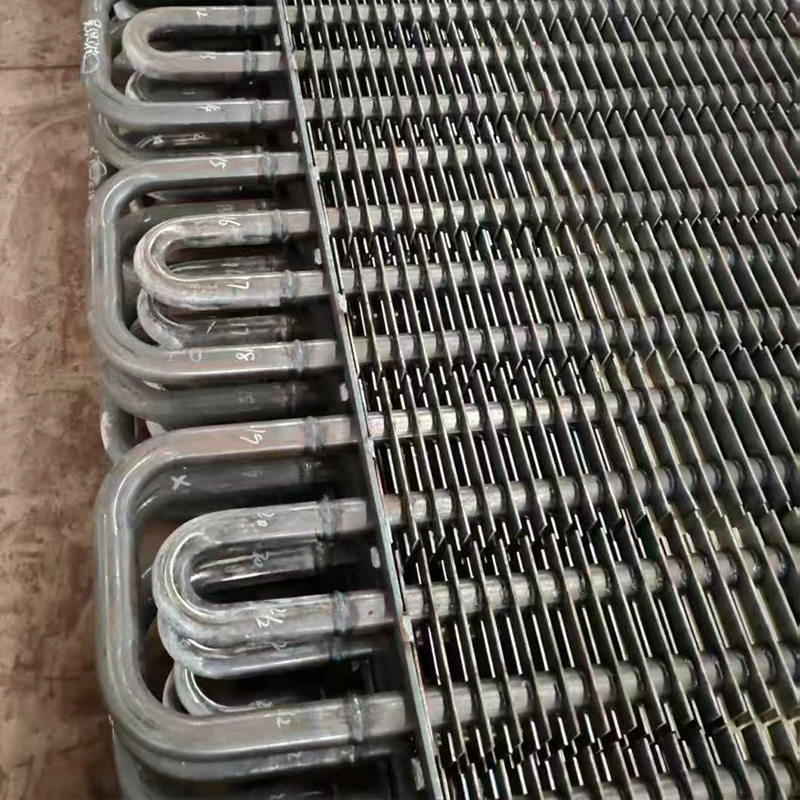
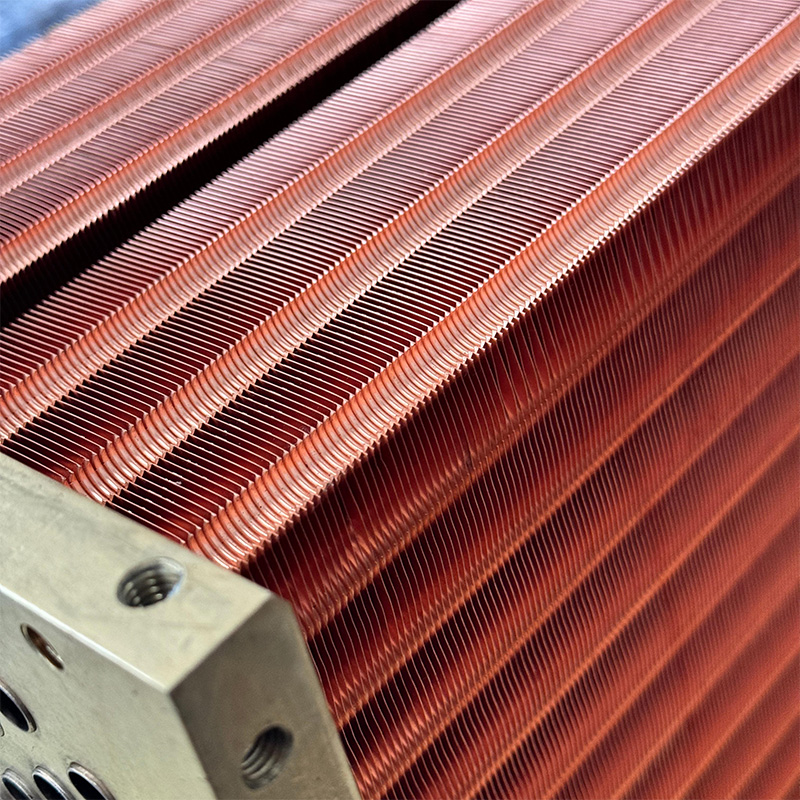
Wuxi Kaisheng specializes in the development and production of highly efficient heat transfer and processing equipment that operates in the most difficult conditions. Their portfolio includes titanium shell-and-tube heat exchangers, ASME high-pressure units, and exotic alloy solutions (N06625 nickel, C46400 marine brass, copper-nickel alloys) that provide unmatched corrosion resistance and thermal efficiency. Unlike the used tank market, Wuxi Kaisheng products are certified to international PED and ASME standards, which guarantees the absence of hidden defects and full quality control of materials - from 321 stainless steel tube sheets to finished waste heat boilers.
By choosing new equipment from a trusted manufacturer, you are investing not just in metal or plastic, but in the predictability of processes and personnel safety. For industries where a simple installation costs millions, or where the slightest leak can lead to environmental disaster, Wuxi Kaisheng's approach to creating custom solutions for specific customer needs is proving to be more profitable in the long run than trying to adapt used tanks.
Expert opinion and recommendations
Recycling PE tanks is a powerful budget optimization tool that works if done correctly. Don't chase the lowest price on the market. A cheap tank with an unknown history can become an expensive problem. Choose suppliers that allow you to inspect the product before purchasing and give honest information about the container's past use.
Our experience shows that the best candidates for used storage are containers for food ingredients (oils, syrups, water) or neutral chemical solutions. Avoid containers after aggressive environments unless you are prepared for complex rehabilitation. Always perform a water leak test before starting the main product. And remember: savings should not come at the expense of personnel safety and the environment.
If you doubt the suitability of a particular item or need help in selecting equipment for your tasks - be it rehabilitating a used tank or ordering a new high-tech device from market leaders like Wuxi Kaisheng, our specialists are ready to conduct an independent examination.
Contact us todayfor advice on the selection of reliable tanks. We will help you find a balance between price and quality so that your production runs smoothly. For a detailed catalog of available items, follow the link:catalog of polyethylene containers.