Rental of equipment for installation of PP tanks”
2026-08-20
- Why renting equipment for installing PP tanks is more profitable than buying
- Technical requirements for equipment for welding polypropylene sheets
- Typical mistakes when choosing and operating rented equipment
- Business Case: Comparison of Ownership and Rental Costs
- Transfer and acceptance procedure and equipment quality control
- Влияние качества оборудования на сертификацию резервуаров
- Рекомендации по организации рабочего процесса с арендованным парком
- Интеграция с высококлассным теплообменным оборудованием: опыт ООО «Уси Кайшэн»
- Frequently Asked Questions
- Conclusion and next steps
Why renting equipment for installing PP tanks is more profitable than buying
In our practice of working with large chemical enterprises and oil refineries, we are faced with a paradoxical situation: companies spend millions of rubles on the purchase of specialized welding equipment, which then sits idle 80% of the time.Rental of equipment for installation of PP tanks(polypropylene) has become not just a temporary measure, but a strategic solution that allows reducing capital costs (CAPEX) by 40-60% while maintaining the highest quality of seams. When you are planning the construction of a tank farm with a volume of 50 to 5000 m³, purchasing extruders, hot air guns and positioners often turns out to be an economic mistake, especially if the project has a clear completion date.
Let's consider a real case. One of our clients, a fertilizer production plant in Tatarstan, initially planned to purchase a fleet of German Leister extruders and positioners for welding 30 mm thick sheets. The estimate for equipment was about 12 million rubles. However, after analyzing the work schedule, we found out that the active welding phase will take only 45 days. The rest of the time, the equipment will require conservation, maintenance and occupy storage space. As a result, the client chose to rent a full set of equipment. This allowed him to redirect the released funds to the purchase of higher quality raw materials - PP-H granulate, which directly affected the corrosion resistance of future tanks.
The main reason why renting outperforms buying in the polymer engineering segment is the speed of moral and physical obsolescence of technologies. Polypropylene welding standards are tightened every 3-5 years. By purchasing a device today, you risk receiving equipment in two years that does not meet the new GOST requirements or European standards DVS 2207. The rental pool allows you to always work on the latest generation equipment with up-to-date calibration of temperature and pressure sensors. In addition, when you rent, you completely remove the headache of repairs: if the extruder fails on site, the supplier is obliged to replace it within 24 hours, otherwise the downtime of your crew will become his problem, not yours.
It is important to understand that we are not talking about household hair dryers from a hardware store, but about industrial-class equipment capable of cooking sheets up to 60 mm thick in a continuous cycle. Such machines require qualified maintenance, the availability of original spare parts and regular metrological verification. Owning such a fleet is beneficial only for specialized installation organizations that carry out orders all year round. For a one-time project or seasonal expansion of capacity, renting equipment for installing PP tanks is the only correct financial decision. Below we will analyze in detail the technical nuances that critically influence the choice of a specific type of equipment for your task.
Technical requirements for equipment for welding polypropylene sheets
The choice of technology is dictated not by the desire to save money, but by the physical and chemical properties of polypropylene. This material has high melt viscosity and a narrow welding temperature window. Overheating just 10-15°C above the recommended value leads to polymer degradation, pore formation and a sharp decrease in bond strength. Underheating causes a lack of diffusion of molecules, and the seam simply delaminates under load. Therefore, the first and main requirement for any rental unit is the presence of a precision temperature control system with an accuracy of ±2°C.
Three main types of equipment are most often used for the installation of PP tanks: manual and pendulum extruders, hot-air guns for tack welding and positioners for process automation. The extruder is the heart of any assembly operation. It melts the filler rod and delivers the melt to the joint area under pressure. The key parameter here is productivity, measured in kilograms per hour (kg/h). For sheets up to 10 mm thick, machines with a capacity of 2.5–3.5 kg/h are sufficient. However, when working with chemical storage structures, where the wall thickness reaches 30-40 mm, heavy extruders of the Heavy Duty class with output from 5 to 7 kg/h are required. Using a low-power machine on thick walls will cause the previous layer to cool before the next one is applied, which will create internal stress in the seam.
The second critical element is the air supply system. Industrial extruders use a turbine compressor to provide a steady flow of hot air to preheat the edges of the sheet. The air pressure must be adjustable and stable, since the depth of penetration of the base depends on this. We have seen cases where the use of cheap analogues with unstable pressure led to one side of the seam being burned and the other not being welded. When renting, be sure to request an equipment passport with a protocol of the latest calibration check of air flow and temperature sensors.
Hot air guns (industrial construction hair dryers) are used for preliminary tacking of sheets before the main extrusion welding. What is important here is not so much power as ergonomics and the ability to work in hard-to-reach places. Installation of large tanks often requires hair dryers with flexible nozzles or extended nozzles to heat the corners and internal radii of the bottom. A standard set should include nozzles of different diameters: from narrow (5-7 mm) for point fixation to wide ones (20-40 mm) for quickly heating large areas before applying geotextiles or protective layers.
Separately, it is worth mentioning positioners and manipulators. When producing cylindrical shells of large diameter, it is impossible to manually hold the sheet and drive the extruder without disturbing the geometry. Automatic welding tractors or rotary tables allow you to mechanize the process, ensuring the ideal speed of movement and angle of attack of the nozzle. This is especially true in the production of tanks with a volume of over 100 m³, where the length of the seams amounts to hundreds of meters. Mechanization reduces the influence of the human factor and increases the repeatability of the result. If your project involves the production of several identical containers, renting automatic positioners will pay off by accelerating the pace of work by 2-3 times.
Critical parameters for model selection
- Temperature range:The equipment must provide heating from 200°C to 350°C. Polypropylene homopolymer (PP-H) is usually cooked at 260-280°C, and copolymers (PP-B, PP-R) may require different conditions. The versatility of the device is important if you work with different brands of plastic.
- Extrusion motor power:For severe operating conditions (dust, voltage surges on a construction site), motors with a power of 3.5 kW or more are preferred. Weak motors quickly overheat and lose torque, which leads to the bar feed stopping at the most critical moment.
- Weight and balance:The installer holds the extruder in his hands for 6-8 hours a day. The difference in weight between the 4.5 kg and 6.5 kg models becomes critical by the end of the shift. Operator fatigue directly affects the quality of the seam: a trembling hand cannot maintain a constant cutting speed. Choose models with an optimal center of gravity and comfortable handles.
- Security system:The presence of thermal switches, overcurrent protection and start-up blocking when the casing is open is mandatory. In industrial sites, the Health and Safety Executive (HSE) will not allow equipment to operate without the appropriate safety certificates.
Typical mistakes when choosing and operating rented equipment
Even the most modern equipment does not guarantee success if it is used by unqualified personnel or if the wrong type of machine is selected for a particular task. Over 15 years of work in the industry, we have identified several systemic mistakes that customers and contractors make, ignoring the specifics of working with polyolefins. The first and most common mistake is trying to use universal devices “for all plastics”. Although many extruders are positioned as multifunctional (PE, PP, PVDF), customization for each material requires replacing screws, nozzles and adjusting temperature profiles. Trying to weld thick-walled PP using settings left over from working with polyethylene (PE) will result in a weld that is as brittle as glass. Polypropylene requires higher temperatures and different extrusion pressures.
The second error concerns the condition of consumables and components. When renting equipment, people often forget to check the condition of the Teflon nozzles and guide tubes. A worn nozzle changes the aerodynamics of the hot air flow, creating turbulence instead of laminar flow. This leads to uneven heating of the edges. We recorded a case where a leak formed on a large acid reservoir precisely because the rented hair dryer had a deformed nozzle, which no one checked before delivery. The result was the dismantling of three shell belts and the loss of two weeks of the project's completion date. Always carry out a visual inspection of the attachments and test welding on samples before starting the main work.
The third problem is ignoring power requirements. Industrial extruders consume significant current (up to 16-20 Amperes per device). On remote construction sites, long extension cords with insufficient cable cross-section are often used. A voltage drop on a long line leads to the fact that the extruder motor does not develop full power, and the heating elements do not reach operating mode. The machine works “half-heartedly”, the seam turns out cold. Before renting, be sure to calculate the required length and cross-section of cables, and also make sure that there are voltage stabilizers or generators of sufficient power on site. It is better to rent an additional transformer or stabilizer than to risk the quality of the entire capacity.
The fourth mistake is related to human factors and ergonomics. Crews often try to save on machine count by having one welder operate two extruders at a time, or by using models that are too heavy for ceiling welds. Working with an extruder weighing more than 5 kg overhead is physically impossible for a long time without loss of quality. For vertical and ceiling joints, there are special lightweight models or suspension systems. Ignoring this rule leads to defects in the most loaded structural units. If the project involves a lot of work at height, request the provision of lightweight models or auxiliary manipulators.
Finally, the fifth mistake is not having a maintenance plan during the rental. The equipment operates in an aggressive environment: plastic dust, dirt, temperature changes. Filters become clogged and cooling channels become dirty. If the tenant does not provide daily maintenance services or does not instruct staff on cleaning the filters, the performance of the device drops by the third day of operation. Overheating of the engine due to a clogged filter can lead to equipment failure right in the middle of welding a long seam, which creates a technological gap and defect. Make sure your rental agreement includes a clause regarding daily maintenance or the provision of spare filters and cleaning kits.
Business Case: Comparison of Ownership and Rental Costs
To make an informed decision, you need to move from intuitive feelings to numbers. Let's carry out a detailed calculation for a hypothetical project for the production of ten tanks with a volume of 200 m³ each. The project implementation period is 6 months. To complete the work, you will need a set of 4 heavy extruders, 6 hot air guns and 2 positioners.
Scenario A: Purchase of equipment.
The cost of one high-quality industrial extruder (for example, Leister or FRIALO level) is about 350,000 - 450,000 rubles. A set of 4 pieces will cost 1.6 million rubles. Let's add hot air guns (30,000 rubles each x 6 = 180,000 rubles) and positioners (200,000 rubles each x 2 = 400,000 rubles). Total capital costs: ~2.2 million rubles. To this amount you need to add maintenance costs: replacement of heating elements, augers, filters (approximately 10% of the cost per year), repairs after intensive use. After the completion of the project, you still have equipment on your balance sheet that needs to be stored somewhere, insured and depreciated. If there are no new orders, these assets turn into liabilities, requiring carrying costs.
Scenario B: Equipment rental.
The daily rental rate for a heavy extruder is approximately 2,500 – 3,500 rubles, depending on the region and batch size. Let's take the average price of 3,000 rubles. For 6 months (180 days) rent of 4 extruders will be: 3,000 x 4 x 180 = 2.16 million rubles. However, a real work schedule rarely implies 100% utilization of equipment every day. Typically, welding is carried out 20-22 days a month. With a real schedule (20 days x 6 months = 120 days), the rental cost will be 1.44 million rubles. Hot air guns and positioners often come with a discount as part of a kit or are inexpensive (hair dryers ~500 rubles/day). The total rental amount is unlikely to exceed 1.6 million rubles.
Hidden benefits of renting:
1.No repair costs.If two extruders break down in the purchased fleet, you will spend another 50-100 thousand rubles on urgent repairs and spare parts, plus you will lose time. When renting, replacement is free and prompt.
2.Tax optimization.Rental payments are included in the cost of production (operating expenses OPEX), which reduces the tax base for income tax here and now. The purchase is distributed through depreciation over the years.
3.Liquidity.You do not need to then sell used equipment, losing up to 50% of its value on the secondary market, where the demand for specialized equipment is limited.
The conclusion is obvious: for projects lasting up to 1 year, renting is 20-30% more cost-effective, taking into account all hidden costs. The purchase only makes sense if you have a portfolio of orders that guarantees equipment load for at least 18 months in advance. In an unstable market and the seasonality of tank construction, renting equipment for installing PP tanks provides flexibility and financial security for the business.
Transfer and acceptance procedure and equipment quality control
The success of the project depends not only on the fact of renting, but also on how correctly the equipment is adopted. Many customers make the mistake of signing the acceptance certificate without careful verification, relying on the reputation of the supplier. It's risky. We recommend developing an acceptance checklist, which must be completed at the lessor's warehouse before shipment.
Step 1: External inspection.
Check the device case for cracks, signs of severe overheating (yellowing of the case plastic), and the condition of the power cables. Cables must be rubber insulated, resistant to oil and mechanical damage, without twists or tape. Check the integrity of the air hoses - they should not have kinks or cracks.
Step 2: Check functionality.
Connect the equipment to the network. Allow to warm up to operating temperature. Check the display operation: the numbers should be clear, the temperature readings should not “jump” by more than ±3 degrees in steady state. Turn on the extrusion motor at idle speed: the sound should be smooth, without vibration or extraneous noise. Check the air supply: the flow should be strong and directed strictly along the axis of the nozzle.
Step 3: Test welding.
This is the most important stage. Ask for scraps of polypropylene sheet of the same grade and thickness that you will be working with. Make a test stitch. Evaluate the appearance of the roller: it should be uniform, smooth, without pores or smudges. After cooling, try to destroy the seam by hand or with a simple tool. The destruction should occur not along the seam, but along the base material (fiber rupture). If the seam peels off cleanly, the equipment is not configured or is faulty.
Step 4: Completeness.
Make sure you are given all the necessary nozzles for your weld profile (V, double V, corner). The absence of the required nozzle can stop work for a day. Проверьте наличие запасных щеток для двигателя, фильтров и ключей для обслуживания.
Документальное оформление также играет роль. В договоре аренды должен быть четко прописан порядок действий в случае поломки. Кто несет расходы на доставку неисправного аппарата обратно? Как быстро предоставляется замена? Есть ли штрафные санкции за простой оборудования по вине арендодателя? Эти пункты часто упускаются в типовых договорах, но именно они защищают ваши интересы в критической ситуации. Требуйте включения пункта о предоставлении подменного фонда в течение 24 часов.
Влияние качества оборудования на сертификацию резервуаров
В России и странах ЕАЭС монтаж резервуаров для хранения опасных веществ, пищевых продуктов или технической воды часто подлежит обязательной сертификации или декларированию соответствия. Органы сертификации и экспертные организации при обследовании готовых емкостей уделяют пристальное внимание технологии выполнения сварных соединений. Одним из косвенных, но важных показателей качества работ является используемое оборудование.
Если в исполнительной документации (паспорт на резервуар, журнал сварочных работ) указано, что использовались кустарные или несертифицированные аппараты, это может стать основанием для отказа в выдаче сертификата. Эксперты знают, что старые или дешевые экструдеры не способны обеспечить стабильный температурный режим, необходимый для получения шва с коэффициентом прочности 0.8-0.9 (как требует ГОСТ и DVS). Использование арендованного оборудования от известного бренда с действующими сертификатами соответствия упрощает процедуру прохождения экспертизы.
Более того, современные аппараты часто имеют функцию записи параметров сварки или подключения к внешним логгерам данных. Это позволяет в спорной ситуации доказать, что весь процесс сварки велся в строгом соответствии с технологической картой (температура, скорость, давление). Для ответственных объектов, таких как резервуары для кислот, щелочей или горючих жидкостей, такая доказательная база является обязательной. Арендуя современную технику, вы автоматически получаете доступ к этим возможностям контроля качества, что повышает доверие заказчика и ускоряет сдачу объекта.
Также стоит учитывать требования пожарной безопасности. Сертифицированное оборудование имеет защиту от перегрева и искрообразования, что критически важно при работе на действующих производствах, где могут проводиться огневые работы только по специальному наряду-допуску. Использование несертифицированных “самоделок” может привести к штрафу со стороны надзорных органов и остановке работ.
Рекомендации по организации рабочего процесса с арендованным парком
Получив оборудование, важно грамотно организовать работу бригады, чтобы максимизировать его эффективность. Опыт показывает, что простая выдача инструмента рабочим не дает нужного результата. Необходима система управления парком.
Закрепление техники.
Каждый экструдер должен быть закреплен за конкретным сварщиком или звеном. Персональная ответственность снижает риск небрежного обращения. Сварщик должен знать “свой” аппарат, чувствовать его поведение, вовремя замечать изменения в звуке или температуре.
Ежедневное ТО.
Введите правило: начало и конец смены обязательно сопровождаются чисткой оборудования. Пластиковая пыль, образующаяся при сварке, оседает на нагревателях и вентиляторах. Ее нужно выдувать сжатым воздухом ежедневно. Чистые фильтры — залог долгой жизни двигателя. Назначьте старшего бригадира, который будет проверять журналы обслуживания.
Учет расхода электроэнергии.
При работе от мобильных генераторов важно равномерно распределять нагрузку. Не включайте все 4 экструдера в одну фазу или один генератор малой мощности. Рассчитайте схему подключения заранее. Скачки напряжения губительны для электроники аппаратов.
Personnel training.
Даже опытные сварщики могут не знать особенностей конкретной новой модели. Потратьте первый час работы на изучение инструкции. Где находится предохранитель? Как менять угольные щетки? Как калибровать температуру? Знание этих нюансов спасет от простоев.
Интеграция с высококлассным теплообменным оборудованием: опыт ООО «Уси Кайшэн»
Хотя данная статья посвящена монтажу полипропиленовых резервуаров, нельзя забывать, что такие емкости часто являются частью сложных технологических линий, включающих теплообменники, котлы-утилизаторы и системы охлаждения. This is where the company comes into the pictureWuxi Kaisheng Electric Power and Petrochemical Equipment Co.,Ltd" Специализируясь на разработке и производстве высокотехнологичного оборудования, компания предлагает решения, которые идеально дополняют процессы хранения и переработки, описанные выше.
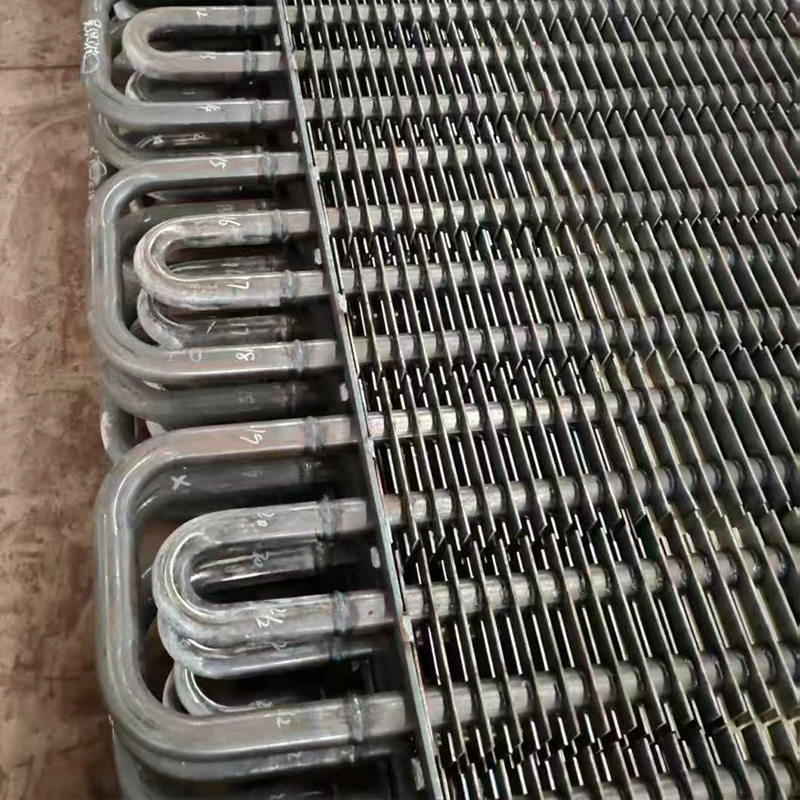
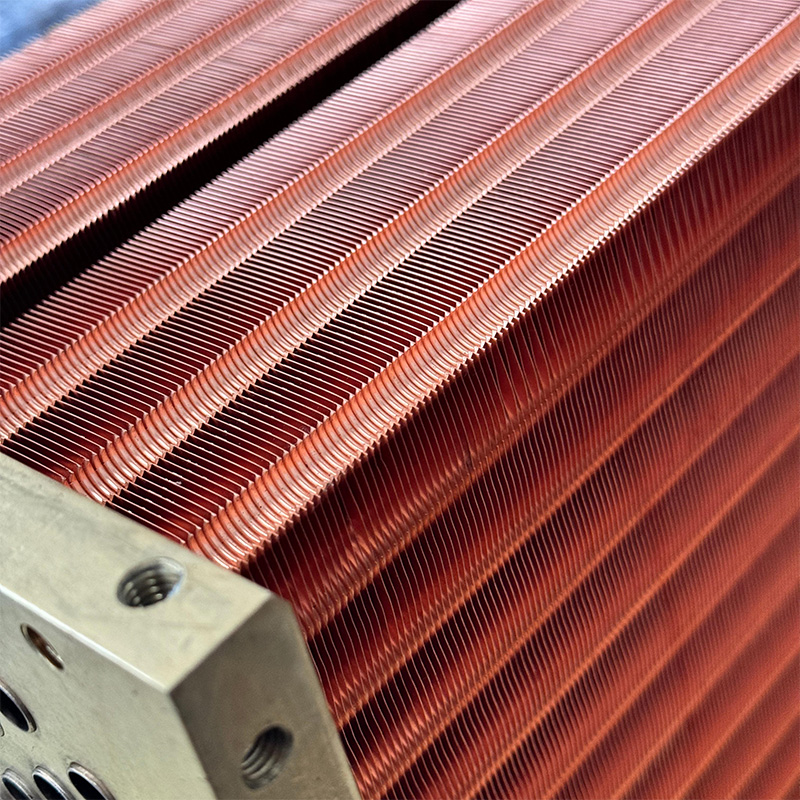
Продукция «Уси Кайшэн», включая титановые кожухотрубные теплообменники, аппараты ASME высокого давления и гофрированные трубные пучки из нержавеющей стали 316 или морской латуни C46400, создана для работы в самых агрессивных средах — от нефтепереработки до опреснения морской воды. Когда вы строите резервуар из PP для хранения химических реагентов, критически важно, чтобы сопряженное теплообменное оборудование обладало сопоставимой коррозионной стойкостью и надежностью. Изделия «Уси Кайшэн», выполненные из никелевых сплавов (N06625), медно-никелевых сплавов (C70600) и легированных сталей, сертифицированы по строгим международным стандартам PED и ASME.
Использование оборудования от такого производителя, как «Уси Кайшэн», в связке с качественно смонтированными полипропиленовыми емкостями, обеспечивает полную герметичность и долговечность всего технологического цикла. Компания предоставляет индивидуальные решения для заказчиков по всему миру, гарантируя высокую теплоэффективность и устойчивость к экстремальным температурам и давлениям. Таким образом, грамотный подход к выбору как монтажного инструмента (через аренду), так и основного технологического оборудования (через партнерство с лидерами вроде «Уси Кайшэн»), становится залогом успеха любого промышленного проекта.
Frequently Asked Questions
Какова минимальная стоимость аренды оборудования для монтажа резервуаров PP?
Стоимость зависит от класса оборудования и региона. Базовый комплект (один экструдер средней мощности и фен) начинается от 2 500 рублей в сутки. Полный профессиональный парк для крупной стройки (4-5 экструдеров, позиционеры, генераторы) может стоить от 15 000 до 25 000 рублей в сутки. При заключении договора на срок от 1 месяца большинство компаний предоставляют скидку до 20-30% от тарифа посуточной аренды. Важно помнить, что в стоимость часто не включена доставка и страховка, эти расходы нужно считать отдельно.
Можно ли арендовать оборудование с оператором?
Да, многие специализированные компании предлагают услугу “аренда с управлением” или предоставление сертифицированных сварщиков вместе с оборудованием. Это целесообразно, если у вас нет собственных квалифицированных кадров или требуется выполнение особо ответственных узлов (днища, патрубки высокого давления). Стоимость работы оператора обычно рассчитывается почасово или посменно и оплачивается отдельно от аренды техники. Преимущество такого подхода в том, что поставщик несет полную ответственность за качество швов, выполненных его сотрудником на его оборудовании.
Что делать, если оборудование сломалось в выходные или праздничные дни?
Этот вопрос нужно решать на этапе подписания договора. Надежные поставщики имеют дежурные службы или склады с возможностью выдачи в любое время суток, особенно для крупных промышленных клиентов. В договоре должен быть прописан SLA (Service Level Agreement) — время реакции на аварию. Стандарт рынка для критического оборудования — замена в течение 4-12 часов. Если поставщик говорит “приходите в понедельник”, ищите другого партнера, так как простой бригады из 5 человек обойдется вам дороже, чем срочная доставка замены.
Требуется ли залог при аренде?
В большинстве случаев да. Размер залога варьируется от 50% до 100% от оценочной стоимости оборудования. Для постоянных клиентов и юридических лиц с хорошей кредитной историей возможно освобождение от залога под гарантийное письмо или договор поручительства. Также практикуется схема, когда залог возвращается частями по мере успешного завершения этапов работ, если аренда долгосрочная.
Conclusion and next steps
Монтаж резервуаров из полипропилена — это высокотехнологичный процесс, где качество конечного продукта на 90% зависит от параметров сварки. Попытки сэкономить на оборудовании, используя устаревшие или неподходящие машины, ведут к катастрофическим последствиям в виде протечек, ремонтов и репутационных потерь. Аренда современного, исправного и правильно подобранного оборудования является наиболее рациональным путем для реализации проектов любой сложности.
Мы убедились на десятках реализованных объектов, что грамотный подход к аренде позволяет не только снизить затраты, но и ускорить сроки сдачи, гарантируя при этом соответствие всем международным стандартам качества. Не позволяйте техническим вопросам тормозить развитие вашего бизнеса. Правильный выбор партнера по аренде — это инвестиция в надежность ваших резервуаров и спокойствие ваших клиентов.
Если вы планируете запуск нового проекта по строительству емкостных сооружений и хотите подобрать оптимальный комплект оборудования под ваши задачи, свяжитесь с нашими техническими специалистами. Мы поможем рассчитать необходимую мощность, подготовить коммерческое предложение и организовать доставку техники точно в срок начала работ.Contact us todayдля получения консультации и расчета стоимости аренды под ваш конкретный проект.
Для получения дополнительной информации о технологиях сварки полипропилена и стандартах качества, рекомендуем ознакомиться с нашим разделомтехнические стандарты сварки PP, где собраны актуальные данные по регламентам DVS и ГОСТ.