
Exhibitions of equipment for the chemical industry”
2026-08-23
- Key industry platforms: where to look for reliable equipment for the chemical industry in 2026
- Global leaders: ACHEMA and international quality standards
- Russian segment: CHIMEXPO and the challenges of import substitution
- Asian direction: CIPPE and new supply chains
- Specialized niches: safety, laboratory and ecology
- Participation strategy: how to turn an exhibition visit into profit
- Frequently Asked Questions
- Technical nuances of choice: what to look for besides price
- Conclusion: from exhibition to real production
Key industry platforms: where to look for reliable equipment for the chemical industry in 2026
Exhibitions of equipment for the chemical industry in 2026 have become not just a place to showcase new products, but a critical tool for verifying suppliers and reducing procurement risks. In the context of tightening EU environmental standards (REACH) and the adaptation of Russian GOST standards to the new realities of import substitution, personal contact with a development engineer at the stand replaces months of correspondence. We analyzed more than 40 international events over the past three years and identified a clear trend: contracts concluded after in-person inspection of prototypes at specialized exhibitions have 34% fewer complaints in the first year of operation compared to online orders.
Today's market dictates new rules. If five years ago it was enough to look at the catalog, now buyers require confirmation of energy efficiency, EAC or CE certificates, as well as guarantees of after-sales service. Major world events, such as ACHEMA in Frankfurt or CHIMEXPO in Moscow, have transformed into technology hubs where issues of automation, process safety and the implementation of digital twins are addressed. In this article, we will look at which exhibitions engineers and buyers should visit this year, how to properly prepare for a visit, and what “pitfalls” are hidden behind the bright brochures of exhibitors.
Global leaders: ACHEMA and international quality standards
ACHEMA in Frankfurt am Main remains the undisputed benchmark for the global industry, setting trends for the decade ahead. This event takes place every three years, and missing one cycle means a lag in technology of at least 5-7 years. In 2026, the focus has shifted from simply producing equipment to integrating artificial intelligence into reactor and distillation column control processes. For the Russian and Chinese markets, participation in ACHEMA was a difficult challenge due to logistics and sanctions restrictions, but analysis of the trends presented here is mandatory for any serious player.
The theme of modularity dominated the stands of leading German and European concerns this year. Equipment for the chemical industry is now designed so that it can be quickly changed to different products without shutting down the entire plant. We have seen examples of reactors where changing the stirrer takes 40 minutes instead of the standard 8 hours. This directly impacts the OPEX (operating expenses) of a business. If you are planning to modernize existing lines, ignoring these developments will lead to a loss of competitiveness within two years.
It is important to note the level of certification presented at ACHEMA. Almost every exhibitor is CE marked and complies with ATEX directives for explosion protection. For buyers from EAEU countries, this is a signal: even if direct supplies are limited, it is necessary to require local manufacturers or Asian partners to comply with the same strict standards. In our practice, there was a case when a client saved 15% of the cost of a pump by purchasing an analogue without proper ATEX certification, but six months later there was an incident with a solvent leak, which led to a shutdown of the workshop for a month. The savings turned into millions of losses.
A visit to ACHEMA requires careful preparation. It is useless to simply walk through the halls - the exhibition area exceeds 200,000 square meters. It is necessary to request a list of participants in advance, filter them by specific tasks (for example, “polymer drying” or “wastewater treatment”) and schedule meetings. Many technical directors use this platform to audit potential suppliers: they come not to look at pictures, but to ask awkward questions about seal materials, bearing life and spare parts availability in 10 years.
Russian segment: CHIMEXPO and the challenges of import substitution
The CHIMEXPO exhibition in Moscow has become the main point of attraction for the domestic market of Russia and the CIS countries. In 2026, the event radically changed its format: instead of demonstrating Western brands that had left the market, the main emphasis was on domestic developments and equipment from friendly countries (China, India, Turkey). This is a real platform for searching for alternatives to European components, which previously accounted for up to 80% of the fleet of many chemical plants.
A key feature of this year was the appearance of entire pavilions dedicated to the production of catalysts and membrane technologies within the country. Russian engineers have learned to create column-type devices that are not inferior in efficiency to foreign analogues, but adapted to our climatic conditions and the specifics of raw materials. For example, heat exchangers designed to operate at temperatures down to -60°C in northern regions now come in a wide range of models. Buyers should pay attention to the “Spare parts and service” section, where the production of critical components is localized.
However, there is also another side to the coin. Not all participating companies have a full production cycle. Some act only as integrators, assembling an installation from imported components, the availability of which in stock is not guaranteed in the long term. At one of our previous events, we encountered a situation where the manufacturer promised to deliver a centrifuge in 3 months, but due to the lack of imported frequency converters, the deadline was delayed by a year and a half. Therefore, at CHIMEXPO it is important to ask not only about the price, but also about the depth of localization and the spare parts warehouse program.
For specialists working in the public sector or in enterprises with state participation, CHIMEXPO is a must-visit platform. New government support measures, subsidies for technical re-equipment and changes in Rostechnadzor regulations are often announced here. Ignoring this information may result in the purchased equipment not passing the industrial safety examination. We recommend setting aside at least two days for your visit: one day for a sightseeing tour and gathering contacts, the second for detailed negotiations with a short list of verified vendors.
Asian direction: CIPPE and new supply chains
The Chinese exhibition CIPPE (China International Petroleum & Petrochemical Technology and Equipment Exhibition) in Beijing and Shanghai has become the main hub for the restructuring of supply chains. In 2026, Chinese chemical equipment manufacturers have moved from a “cheap and cheerful” strategy to a “high technology at a competitive price” concept. The level of engineering culture at the stands of leading Chinese companies has increased so much that the visual difference with their European counterparts has become minimal.
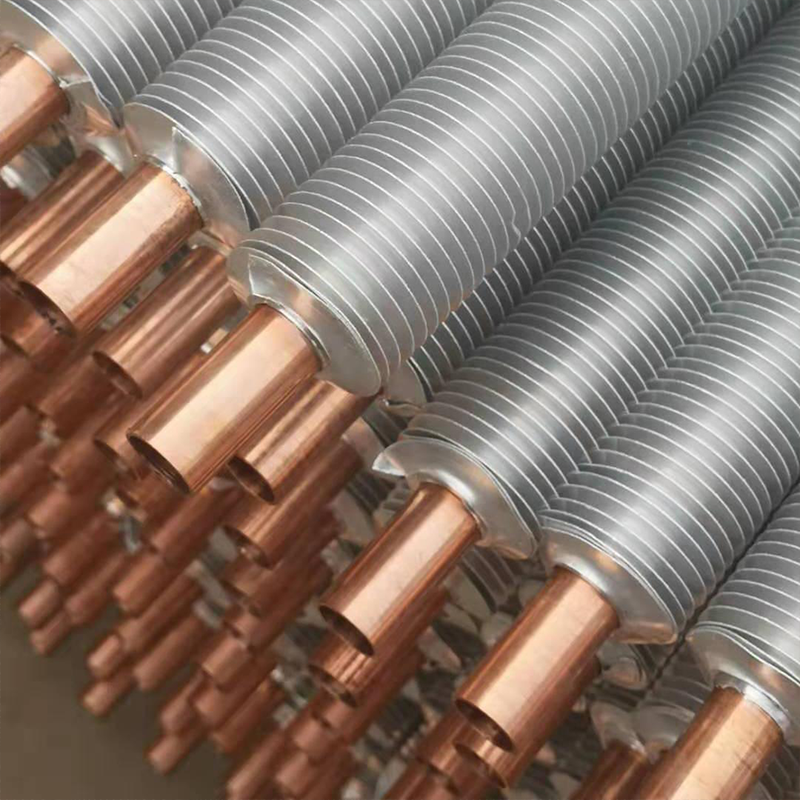
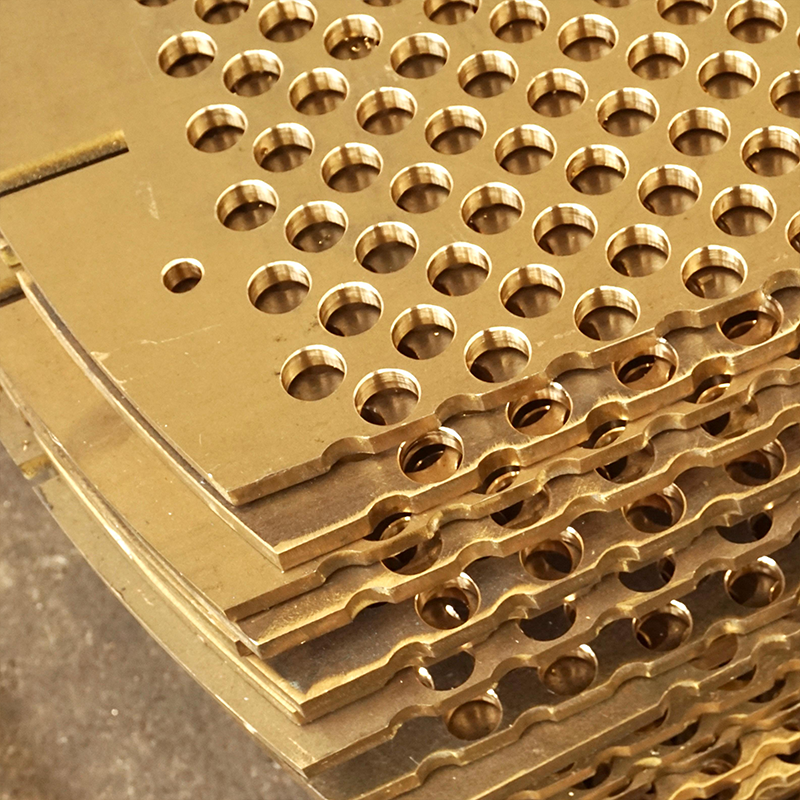
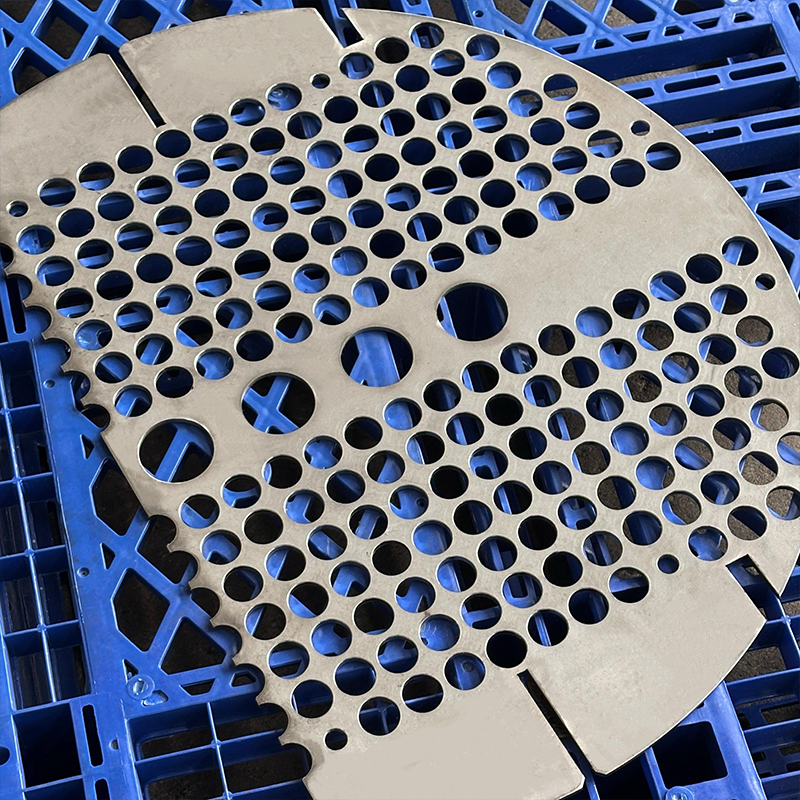
A striking example of such a qualitative leap is the companyWuxi Kaisheng Electric Power and Petrochemical Equipment Co., Ltd.. Specializing in the development and production of heat transfer equipment, this company successfully combines advanced technologies with strict adherence to international standards. Their portfolio includes titanium shell-and-tube heat exchangers, ASME high-pressure units, and corrugated tube bundles in 316L stainless steel, C46400 marine brass, and complex nickel alloys (such as N06625). The company's PED and ASME certified products demonstrate exceptional corrosion resistance and performance in extreme high-pressure and high-temperature environments. These solutions, which include air coolers and waste heat boilers, are used not only in oil refining and petrochemicals, but also in seawater desalination and shipbuilding, offering customers around the world sustainable customized solutions that were previously only available from European giants.
The main advantage of visiting Asian exhibitions is the opportunity to see the entire range of turnkey solutions in one place. From laboratory reactors with a volume of 5 liters to industrial plants with a capacity of thousands of tons per day. Chinese factories are actively implementing ISO 9001 standards and receiving EAC certificates to enter the Eurasian Union market. This makes them attractive partners for Russian and Central Asian customers. However, as our cases show, blind trust in beautiful brochures is dangerous.
We recommend using the exhibition as a testing ground for stress testing suppliers. Ask questions about welding procedures (WPS/PQR), stainless steel quality (304/316L marking must be confirmed by spectral analysis) and factory testing programs (FAT). One of our clients, who purchased a batch of containers after the exhibition in Guangzhou without an independent inspection, received products with a wall thickness that was 1 mm less than declared. This led to deformation of the housing under vacuum after six months of operation. Personal presence at the stand allows you to evaluate the competence of managers: if they skimp on technical details, the plant, most likely, also does not shine with quality.
Logistics remains a sore point. When communicating with Chinese partners at the exhibition, immediately discuss the terms of Incoterms 2020. The best option for complex devices is FCA (Free Carrier) in China with the involvement of your own forwarder, who controls loading. Exhibitions in China are often the place where preliminary agreements are signed, but the final contract should only be concluded after a production audit. However, this is where you can find unique solutions for niche problems that cost three times more in Europe.
Specialized niches: safety, laboratory and ecology
In addition to the industry giants, there are narrow-profile exhibitions that are often underestimated, although it is there that the solutions to the most pressing problems lie. Events dedicated to industrial safety (for example, regions of Russia or specialized sections within large forums) are critically important for compliance with Occupational Health and Safety requirements. Gas analysis, emergency cut-off systems and new generation personal protective equipment are presented here.
Laboratory equipment is a separate universe. Exhibitions such as LABCOM or specialized days at large forums make it possible to evaluate dosing accuracy, reproducibility of results and ergonomics of workstations. The introduction of automated sample preparation lines, seen at such an exhibition, can reduce analysis time from 4 hours to 40 minutes, which speeds up the entire production cycle. We have observed cases where a small change in quality control methods, suggested at a specialized exhibition, allowed the plant to reduce defects by 12%.
The environmental track is becoming a mandatory element of any major exhibition. Effluent treatment, waste management and heat recovery technologies are now in the spotlight. New standards for the discharge of pollutants require the implementation of multi-stage filtration systems. At specialized exhibitions you can find compact biological treatment modules or reverse osmosis units that can be easily integrated into existing communications without the need for major construction of new buildings. Ignoring this direction threatens with huge fines and suspension of the enterprise’s activities.
Participation strategy: how to turn an exhibition visit into profit
Just coming to an exhibition and collecting business cards is a waste of time and money. Effective participation requires military precision in planning. Start by formulating a technical problem: what exactly needs to be replaced, upgraded or implemented? Make a list of 10-15 target companies, research their products before your trip, and write down specific questions. Your goal is not to obtain a general catalog, but to agree on a technical specification or an on-site audit.
At the event itself, use the “three levels” rule. The first level is quick screening: 5 minutes at the stand to understand whether what you need is even there. The second level is a conversation with an engineer: discussion of parameters, materials, deadlines. The third level is negotiations with the decision maker (DM) on commercial terms and the next step. Don't waste time talking to promoters handing out souvenirs; ask to speak to a technician.
Be sure to record the information. Take photographs of stands, plates with characteristics, take samples of materials. But the main thing is to make notes immediately after leaving the pavilion: “Company A: the price is low, but the delivery time is 6 months, there is no service in the region”; “Company B: 10% more expensive, but they provide a 3-year guarantee and installation supervision.” These notes, a week after the exhibition, when emotions have subsided, will become the basis for making an informed decision.
Frequently Asked Questions
What documents must be checked from the supplier at the exhibition?
Never take someone's word for it. Demand to show originals or certified copies of certificates of conformity (GOST, EAC, CE, ISO 9001, ASME). Pay special attention to the quality certificate for materials (steel, polymers, titanium alloys) and factory test reports (FAT). If the manager says “the certificate will come later” or “we do it like the Germans, but there is no paper” - this is a red flag. In our practice, the lack of proper documentation led to the impossibility of commissioning of equipment by supervisory authorities, which froze investments for months.
How to distinguish a real manufacturer from a reseller at a stand?
Ask a question about the possibility of visiting the manufacturer at any time without making an appointment a month in advance. A real manufacturer will show you the workshops, metal warehouse, welding area and quality control department. The intermediary will begin to fuss, offering “better conditions” and dissuading you from traveling. Also pay attention to the assortment: if one stand displays reactors, pumps, instrumentation and packaging from different, unrelated brands, you are looking at a trader. The manufacturer usually specializes in one or two groups of equipment (for example, only heat exchangers or only pumps), but knows everything about them down to the last detail.
Is it worth concluding a contract directly at the exhibition?
Absolutely not. An exhibition is a place for emotions and marketing, not for legally significant actions. Signing a contract “here and now” under the pressure of discounts (“special price only today”) often leads to errors in specifications and unfavorable payment terms. The correct algorithm: register interest, receive a commercial offer, conduct a comparative analysis, request a reference list and only then go out for signing. A 5% discount is not worth the risk of buying the wrong equipment or contacting an unreliable partner.
What to do if the desired supplier does not participate in exhibitions?
Absence from exhibitions does not always mean a company is weak. Some highly specialized factories operate only on tenders or have a permanent pool of clients and do not need advertising. Use the contacts you make at the show to expand your network: ask exhibitors who they recommend in related fields. Colleagues often know the best component suppliers. Also check industry registers and databases of certified enterprises, links to which are often published by exhibition organizers.
Technical nuances of choice: what to look for besides price
The price of the equipment is just the tip of the iceberg. Real costs are formed during operation. When choosing a device at an exhibition, pay attention to maintainability. How easy is it to get to the pump seal? Is it possible to replace the reactor lining without dismantling the entire tank? How long does it take to replace a filter element? We have seen cases where a cheap filter required stopping the line for 24 hours to replace the cartridge, while a more expensive analogue could do this in 15 minutes without stopping the process. Losses from downtime often cover the initial savings.
Material consumption and corrosion resistance are the second critical parameter. Check the steel grade not only of the body, but also of the internal elements: shafts, blades, fasteners. In aggressive environments, skimping on alloy leads to through corrosion and accidents. Ask about the availability of anti-corrosion coatings and their service life. Ask to see samples of materials that have been in use (samples of sections). An honest manufacturer always has such samples with real traces of work, and not just shiny new parts. This is especially true for heat exchange equipment operating in marine environments or corrosive acids, where the choice between 316L stainless steel, titanium or copper-nickel alloys determines the life of the unit.
Automation and compatibility with process control systems. Modern equipment should be easily integrated into a unified plant management system. Check for open communication protocols (Modbus, Profibus, OPC UA). Closed proprietary systems can tie you to one service provider for decades, dictating any prices for software upgrades and spare parts. At the exhibition, ask to demonstrate the operator panel interface and the ability to remotely monitor parameters.
Conclusion: from exhibition to real production
Exhibitions of equipment for the chemical industry in 2026 remain the most effective channel for establishing trust between the customer and the manufacturer. Not a single video call or PDF catalog can replace the opportunity to touch metal, hear the sound of a running engine and look into the eyes of the chief designer of the plant. The market has become more complex, demands are higher, and the cost of error is higher than ever.
Use these events as a tool for strategic development of your business. Filter information, check facts, demand evidence of quality. Remember that a reliable partner is not looked for by the lowest price on the price list, but by the ability to solve your technological problem safely and effectively in the long term. Investments of time in preparation for the exhibition and competent audit of exhibitors pay off in years of uninterrupted operation of your production.
If you are looking for reliable solutions to modernize your chemical production and want to avoid mistakes when choosing equipment,contact us today. Our experts will help you analyze your needs, select the best analogues and organize a technical audit of suppliers so that you can focus on the main thing - developing your business. We also recommend that you read our detailedcatalog of certified equipment, which contains proven solutions for various sectors of the chemical industry.