
Polymer Processing Conferences 2026″
2026-08-23
- Key dates and geography of industry events in 2026
- Technological trends: from mechanical recycling to chemical depolymerization
- Equipment and automation: criteria for selecting production lines
- The role of specialized heat exchange equipment in new processes
- Market regulation and environmental standards EPR
- Recycling Economics: Profitability Calculation and Risk Management
- Networking and partner search: how to maximize the benefits of participation
- Frequently Asked Questions
- Conclusion and next steps
Key dates and geography of industry events in 2026
The calendar of polymer recycling conferences for 2026 has already been formed by leading international associations, and key events are shifting towards deep integration of recycling technologies with digital production management systems. Unlike previous years, when the focus was solely on raw material collection volumes, the 2026 agenda dictates stringent requirements for traceability of supply chains and the quality of recycled granules. The main venues for professional dialogue this year are located in three strategic locations: Central Europe (Germany/Austria), where new EU standards are being discussed; Asia (China/India), where large-scale production solutions are presented; and Russia/CIS, where the emphasis is on import substitution of equipment and the development of its own raw material base.
The first major event of the year is planned for January-February within specialized sections of global exhibitions, such as the K-exhibition (if the cycle coincides) or regional analogues like Chinaplas, where the “Polymer Processing Conference 2026” section is highlighted as a separate track. Here, engineers and buyers discuss not theory, but specific parameters of extrusion lines: productivity from 500 to 2000 kg/hour, degree of melt filtration and energy consumption per kilogram of product. We are observing a trend when technical reports precede commercial negotiations: companies come not for business cards, but with ready-made technical specifications for the modernization of workshops.
It is important to note that in 2026 the format of the events has been transformed. Classical lectures are giving way to workshops at existing production facilities. The organizers understand that it is critically important for listeners to see the operation of screw pairs in real time, evaluate the level of vibration of gearboxes and check the system for automatically changing filters under load. If you are planning to participate, I recommend requesting a technical tour program in advance, since the number of places in groups is limited by the safety requirements of the host factories. This is not just a tour, it is an opportunity to audit other people’s experience before implementing similar solutions at home.
Technological trends: from mechanical recycling to chemical depolymerization
The dominant theme of all specialized meetings in 2026 will be the transition from simple crushing and granulation to complex chemical processing processes. Mechanical recycling has reached its technological plateau in the PET and HDPE segment, and further growth in quality is only possible through the introduction of reactor technologies. At the conferences, experts will examine in detail the processes of pyrolysis and solvolysis, which make it possible to return polymers to the state of monomers, completely removing dirt and odors that are inaccessible to traditional washing methods.
In our practice, we encountered a situation where a client purchased a line for mechanical processing of polypropylene, expecting to receive granulate quality of primary raw materials, but received a product with an unstable MFI (melt index) and a yellowish tint. The problem was the accumulation of thermal-oxidative destruction during multiple remelting cycles. The solution, which was presented at one of the fall conferences in 2025 and will become standard in 2026, is hybrid lines, where the extrusion stage is complemented by a chemical cleaning or depolymerization unit. Such installations require a completely different design approach: we need reactors made of special alloys that are resistant to aggressive environments, and solvent recovery systems with an efficiency of at least 98%.
Discussion of chemical recycling methods at the 2026 forums will focus on the economics of the process. The cost of chemical recycling is still 2-3 times higher than mechanical recycling, but stricter legislation introduces taxes on primary plastic, which changes the equation. Packaging manufacturers are already willing to pay a premium for certified chemically recycled polymer, since only this allows them to meet brand requirements for recycled content in the product without loss of transparency or strength. Conference participants are encouraged to compare not only equipment CAPEX, but also OPEX, taking into account carbon tax and the cost of ISCC PLUS certificates.
A separate block of reports is devoted to new generation catalysts. Traditional zinc or aluminum catalysts are replaced with selective systems that allow the reaction to be carried out at lower temperatures (reducing energy costs by 15-20%) and obtaining a narrow fraction of products. Process engineers must understand that the choice of catalyst dictates the design of the entire reactor assembly. An error at the stage of selecting the type of equipment can lead to the line not reaching its designed capacity or producing defects during the first months of operation. Therefore, sections devoted to the chemistry of processes are mandatory for the chief technologists of enterprises to attend.
Equipment and automation: criteria for selecting production lines
The choice of equipment for polymer processing in 2026 is no longer just a matter of price per ton of capacity. Energy efficiency and the degree of automation became key decision-making factors. Modern extruders and granulators are equipped with IoT monitoring systems that transmit real-time data on the temperature of heating zones, melt pressure and torque to cloud servers. At industry conferences, cases are demonstrated where predictive analytics made it possible to prevent an emergency shutdown of a line 48 hours before auger bearing failure, saving the enterprise hundreds of thousands of rubles on downtime and repairs.
When evaluating OEM offerings at the 2026 trade shows, you need to pay attention to the following technical parameters, which are often ignored in marketing brochures:
- L/D ratio (length to screw diameter):For processing highly contaminated secondary raw materials, a ratio of 40:1 or higher is considered optimal. This ensures a longer degassing zone and high-quality homogenization of the melt. Lines with L/D 30:1, popular ten years ago, are now considered obsolete for high-quality applications.
- Filtration system:The presence of automatic change of filters (grids) without stopping the extruder is a mandatory requirement for a continuous cycle. Manual replacement of meshes leads to temperature fluctuations and degradation of the polymer. Check the replacement cycle time: it should not exceed 3-5 seconds.
- Specific energy consumption:Request from the supplier a graph of kWh/kg versus productivity. Modern machines with direct drive and inverter motor control show performance that is 20-25% better than classic gearbox designs.
- Screw and cylinder material:For abrasive fillers or contaminated raw materials, bimetallic surfacing or the use of Hastelloy-type alloys is necessary. Wear of a conventional nitrided layer can be more than 0.5 mm per month, which will critically change the channel geometry and reduce productivity.
One of our clients made a typical mistake by saving on a degassing system when purchasing a Chinese line. As a result, when processing PE film with residual moisture, the granulate turned out to be porous (“bubble effect”), which made it unsuitable for bottle blowing. Remaking the line and installing an additional vacuum zone cost 40% of the cost of the unit itself. At the 2026 conferences, vendors are offering complete turnkey solutions that include not only the extruder, but also dryers, dispensers and water treatment systems, ensuring that the entire circuit operates as a single organism.
Automation also concerns the sorting of raw materials. AI-powered optical scanners capable of distinguishing between polymer types and even colors with 99% accuracy are becoming the standard. Manual sorting on a conveyor belt in 2026 is seen as a temporary solution for low volumes. The integration of robotic arms for finished product removal and palletizing allows staffing in the granulation shop to be reduced to one operator per shift monitoring the control panel.
The role of specialized heat exchange equipment in new processes
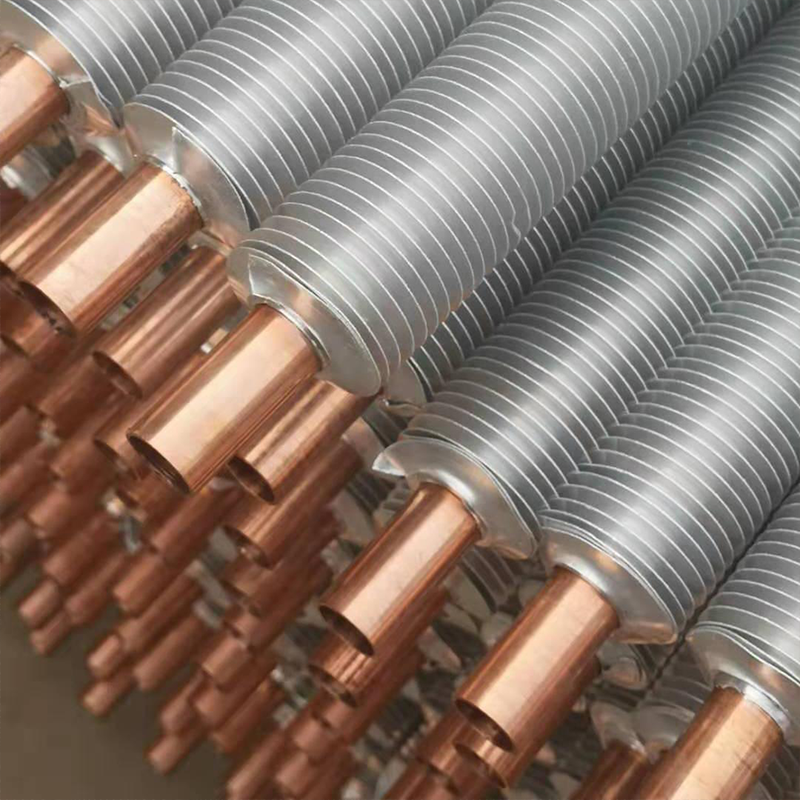
The transition to chemical recycling and the introduction of hybrid lines is creating unprecedented demand for high-tech heat exchange equipment. Pyrolysis and solvolysis processes require operation in harsh chemical environments at extreme pressures and temperatures, where standard carbon steel solutions quickly fail. This is where specialist manufacturers such asWuxi Kaisheng Electric Power and Petrochemical Equipment Co., Ltd.. The company specializes in the design and production of critical components for oil refining, petrochemical and energy-saving systems, ensuring the reliability of modern recycling plants.
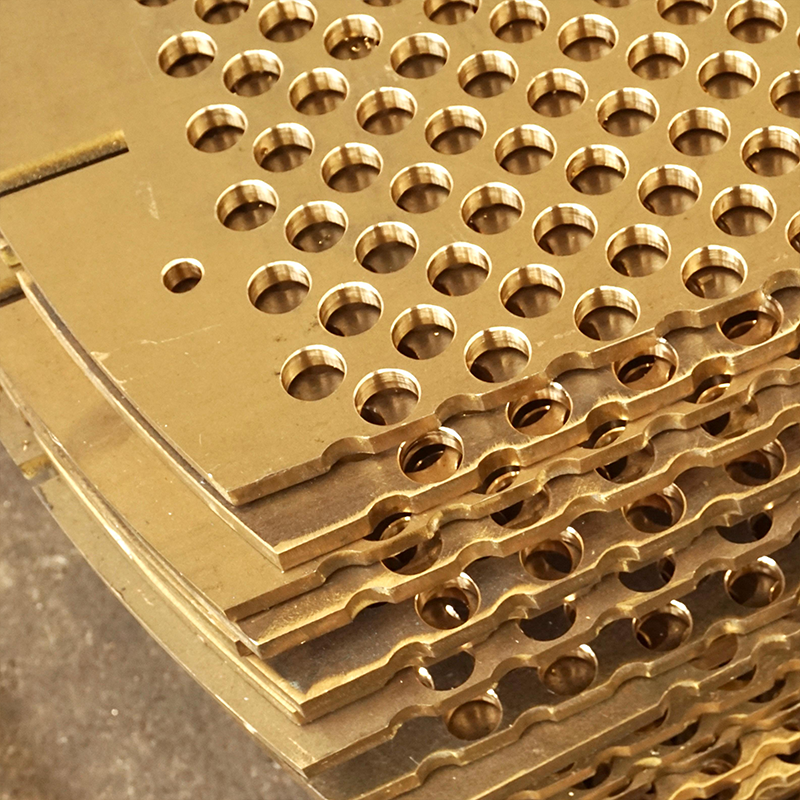
In the context of 2026 trends, Wuxi Kaisheng products are becoming an integral part of advanced processing lines. For depolymerization reactions that require reactors and heat exchangers made of special alloys, the company offerstitanium shell and tube heat exchangersand devices made of nickel alloys (for example, N06625), which have exceptional corrosion resistance. Of particular importance are316 stainless steel corrugated tube bundlesand C46400 marine brass alloys, which provide high thermal efficiency even when working with viscous polymer melts or aggressive solvents.
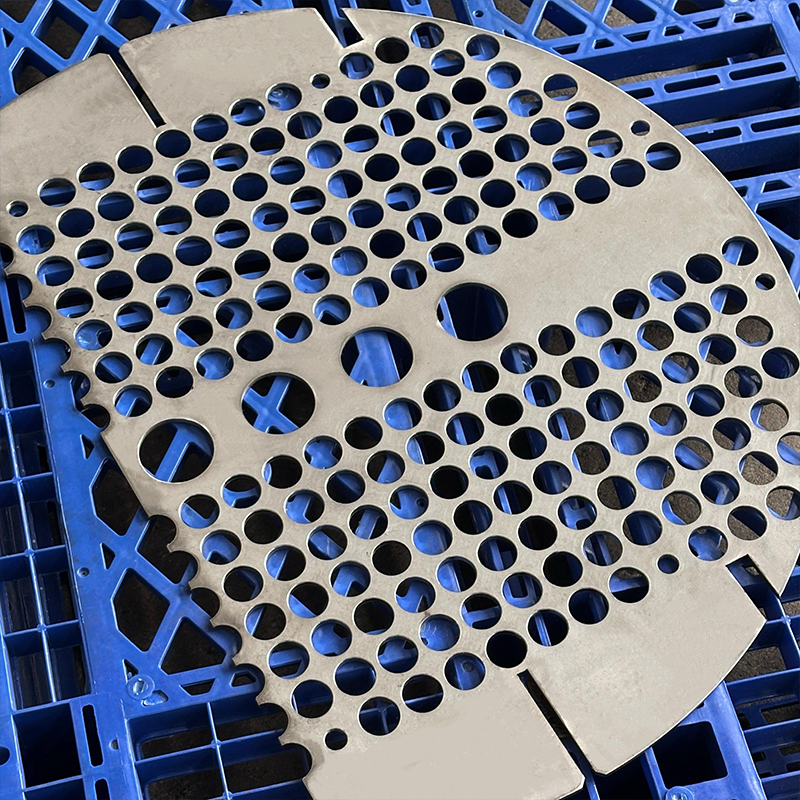
Certification of equipment according to international standardsPED and ASME, which all Wuxi Kaisheng products undergo, is a prerequisite for integration into global supply chains and obtaining ISCC PLUS certificates for the final product. Be itair coolersfor heat recovery systems, reducing energy consumption by 20%, orwaste heat boilersto harness waste heat from pyrolysis processes, the company's custom engineering solutions enable customers around the world to create sustainable and cost-effective production. Selecting a reliable partner to supply components such as 321 steel tube sheets or C70600 copper-nickel alloys has a direct impact on line life and process safety.
Market regulation and environmental standards EPR
The 2026 regulatory landscape has a direct impact on the economics of refineries. Extended Producer Responsibility (EPR) is entering a new phase, with environmental tax rates differentiated depending on the availability of a recycling certificate. This year's conferences serve as a platform to explain new regulations, especially regarding verification of origin of recyclable materials. Without digital labeling and a verified Mass Balance, products will not be able to qualify for benefits or preferences in government procurement.
In Europe and a number of CIS countries, mandatory quotas on the content of recycled plastic in packaging are being introduced. For example, for PET bottles the minimum recycled content must be at least 30%, and by 2030 this figure will increase to 60%. This creates a rush demand for food granules (rPET, rHDPE), which meets sanitary standards. Manufacturers that do not have lines with super-clean technology find themselves forced out of the premium segment of the market. Experts at forums are discussing ways to obtain permission from health authorities for contact of recycled plastic with food.
Certification according to ISCC PLUS or GRS (Global Recycled Standard) standards becomes a pass to international markets. Supply chain audits require transparency from waste collection to granulate dispensing. At conferences, representatives of certification bodies conduct seminars on the preparation of documentation. It is important to understand that obtaining a certificate is not a one-time action, but a process of ongoing monitoring. Any discrepancy in the balance of incoming and outgoing raw materials by more than 5% may cause the suspension of the certificate.
There is also the issue of carbon footprint. Buyers are increasingly asking for product data sheets showing CO2 emissions per unit of production. Recycling plastic has a significantly lower carbon footprint compared to producing virgin plastic from petroleum (the difference can be as much as 70-80%). However, if the plant uses coal-fired power generation or inefficient equipment, this advantage is offset. The 2026 conferences offer tools for calculating and optimizing the carbon balance of an enterprise, which directly affects the competitiveness of products in export-oriented markets.
Recycling Economics: Profitability Calculation and Risk Management
The financial sustainability of a polymer processing enterprise in 2026 depends on the volatility of prices for primary raw materials and logistics costs. Business margins often fluctuate in the range of 10-15%, so an error in cost calculation can lead to losses. At the economic sections of conferences, analysts present pricing models that take into account the seasonality of waste collection (in the summer the volume of PET containers increases, in the winter it decreases) and exchange rates, since many equipment components and additives are imported.
A critical factor is the cost of energy. Recycling is an energy-intensive process. Melting plastic requires a significant amount of electricity or gas. The introduction of heat recovery systems from cooling baths and compressors can reduce operating costs by 10-12%. Cases presented at conferences show that the payback period for such systems ranges from 18 to 24 months, which is acceptable for industrial investment. Ignoring an energy audit when launching a new line is a serious mistake that reduces profitability over the entire life cycle of the project.
Logistics of raw materials also plays a key role. Transporting lightweight plastic waste over long distances is not economically feasible. The trend for 2026 is the creation of a distributed network of small pressing and agglomeration points closer to the places of waste generation, with subsequent delivery of compacted raw materials to large deep processing plants. This reduces transportation costs per ton of processed product by 30-40%. Forum participants exchange experience in organizing such a logistics network and interacting with municipal operators.
Risk management also includes protection against unfair competition and dumping. The market is flooded with cheap, low-quality granulates produced in violation of environmental standards. Major players are lobbying for the introduction of minimum quality standards for recycled materials in order to weed out “garage” production. Buyers are advised to require test reports for each batch and carry out incoming inspections. Trust in the supplier, confirmed by participation in reputable industry associations and regular attendance at specialized conferences, becomes an important intangible asset.
| Comparison criterion | Traditional mechanical line (2020-2023) | Advanced Hybrid Line (Standard 2026) | Impact on business performance |
|---|---|---|---|
| Cleaning technology | Water washing, flotation, centrifuge | Washing + Chemical depolymerization / Super cleaning | Expansion of the sales market to the food sector (price premium +25%) |
| Process management | Manual configuration, local PLCs | Full automation, IoT, cloud analytics | Reduction of defects by 15%, reduction of personnel by 30% |
| Energy efficiency | Standard motors, gearboxes | Direct drive, heat recovery, frequency control | Reducing specific energy consumption by 20-25% |
| Flexibility of raw materials | Working with mono-fractions (only PET or only PP) | Possibility of processing mixed streams and complex composites | Independence from price fluctuations for certain types of waste |
| Compliance | Basic sanitary standards | ISCC PLUS, GRS, Food Contact Approval | Access to international brand tenders and export markets |
Networking and partner search: how to maximize the benefits of participation
Attending the Polymer Processing Conference in 2026 should not be limited to passively listening to presentations. The main value of such events is the opportunity for live communication with potential partners, equipment suppliers and regulators. Effective networking requires preparation: study the list of participants in advance, identify 5-10 key companies with whom you want to establish contact, and prepare specific questions. Don't ask “what do you do?”, this information can be found on the website. Ask about specific technical solutions, implementation experiences, and challenges they've encountered.
We recommend using coffee breaks and lunch areas for informal communication. It is on the sidelines that preliminary agreements are often concluded and contacts of decision makers are exchanged. Many participants come to conferences with the goal of finding alternative suppliers of raw materials or equipment, as supply chains have become less predictable. Openness to dialogue and willingness to share your own experiences (even negative ones) endear your interlocutors and build your reputation as an expert.
For equipment purchasers, visiting manufacturers' stands in combination with participation in technical seminars provides a unique opportunity to compare offers “live.” You can ask an engineer a question about the nuances of auger design or drive system and receive a qualified answer, not a memorized marketing phrase. This is also a chance to agree on demonstration tests of your raw materials on the vendor’s equipment before purchase, which significantly reduces the risks of unsuccessful implementation. Particular attention should be paid to sourcing critical components such as heat exchangers made of special alloys, where reliability and compliance with ASME/PED standards are determining factors for project success.
Don't forget about digital networking tools. Many 2026 conferences have their own mobile apps I have a meeting scheduling function. Use them to schedule short 15-minute slots with speakers that interest you. After the event, be sure to keep in touch with new contacts by sending a personalized email mentioning the topic of your conversation. Long-term partnerships in the recycling industry take years to build, and the conference is just the starting point.
Frequently Asked Questions
What is the average cost of attending international recycling conferences in 2026?
The cost varies depending on the format and status of the event. A basic ticket to attend talks usually ranges from 300 to 600 euros (or the equivalent in national currency). VIP packages, which include access to private meeting rooms, gala dinner and conference materials, can cost between 1,000 and 2,000 euros. For representatives of start-ups and small processing plants, organizers often provide discounted rates or free tickets for early registration. It is recommended to register 2-3 months before the event to save up to 30% of the cost.
Do conferences provide opportunities to demonstrate your own equipment?
Yes, most major conferences are held in parallel with exhibitions or have special demo areas. Renting a stand or space for demonstrating equipment is paid separately and depends on the area and location. This is an effective channel for promoting new technologies, since the target audience is already gathered in one place. Some organizers offer “speaker + exhibitor” packages, which allow you not only to show off your product, but also to give a presentation on its benefits, which significantly increases the confidence of potential clients.
How do I confirm that a processor is qualified to receive tax benefits after the conference?
Participation in the conference itself does not provide tax benefits. However, the knowledge and contacts obtained there help to correctly prepare the documentation for certification. To receive benefits, you must undergo an independent audit and receive a certificate of conformity (for example, according to the GOST standard or international analogues), confirming the percentage of processing and product quality. Conferences are useful in that they are attended by representatives of accredited certification bodies who can advise on the audit procedure and the necessary documents.
Does it make sense to go to a conference if my plant operates only in the domestic market?
Of course there is. Even if you do not plan to export, domestic markets are developing according to global trends. The requirements of large local customers (retail, food industry) for the quality of secondary raw materials are becoming stricter in sync with global ones. In addition, at conferences you can find suppliers of cheaper or higher quality equipment, spare parts and additives, which directly affects your cost. Exchange of experience with colleagues in solving local problems (logistics, personnel, interaction with supervisory authorities) is also invaluable.
Conclusion and next steps
The polymer processing industry is on the verge of a qualitative transformation in 2026. This year's conferences serve as a navigator into a world of new technologies, strict regulations and a changing economy. Ignoring these developments is tantamount to moving blindly in a highly competitive environment. Those companies that invest time and resources in training their employees, searching for advanced solutions and establishing partnerships on specialized sites will gain a decisive advantage in the struggle for raw materials and sales markets.
Don't delay planning your participation. Browse the event calendar, choose the ones that are most relevant to your business, and register in advance. Remember that first-hand information from technology developers and market leaders can save your budget from bad investments and open up new horizons for growth. In our practice, we have seen how one correct technical solution, found at such a meeting, increased the productivity of a workshop by 40% in the first year of operation.
If you are looking for a reliable partner for the supply of modern polymer processing equipment, including high-efficiency heat exchangers and components for chemical processes, or advice on the implementation of new technologies,contact us today. Our experts have a deep understanding of the requirements of 2026 and are ready to provide solutions that meet the highest industry standards. For more information on market trends, we recommend checking out our sectionpolymer market analytics.