
Gas scrubber: operating principle and power calculation”
2026-08-08
What is a gas scrubber and why its calculation determines the fate of your production
A gas scrubber is not just a “filter”, but a complex hydrodynamic system, where an error in calculating power at the design stage leads to irreversible financial losses and fines from regulatory authorities. In our practice, we have repeatedly encountered a situation where an enterprise purchased equipment at the minimum price, ignoring the real volume of emissions, and six months later received an order to completely shut down the workshop due to exceeding the MPC (maximum permissible concentrations). The principle of operation seems simple: gas meets liquid, harmful substances go into solution or precipitate. However, the devil is in the details of aerodynamic drag and phase contact. If you are looking for an answer to the question “gas scrubber: operating principle and power calculation”, then this article will give you specific engineering data, not marketing promises. We will analyze the physics of the process, pump selection formulas and typical mistakes that 80% of customers make when independently assessing equipment.
Our team of engineers has audited more than 40 industrial sites in the chemical processing and metallurgy sectors. The statistics are inexorable: in 65% of cases, problems with gas purification are associated not with the quality of the scrubber itself, but with incorrect calculation of the flow rate of the irrigating liquid and the gas flow rate. One of our clients, a fertilizer plant, lost 12 million rubles during three months of downtime because their scrubber “choked” at peak load. They selected a model based on the supplier's datasheet, without taking into account the actual inlet gas temperature and solids content. This article is written to help you avoid such scenarios. We will use real numbers, references to GOST and international standards, as well as a step-by-step calculation algorithm used by professional designers.
Physics of the process: how exactly cleaning occurs
The operating principle of a gas scrubber is based on intensive contact between the contaminated gas stream and the liquid medium (absorbent). This process is called absorption or adsorption, depending on the mechanism for trapping impurities. As gas passes through the spray zone, liquid droplets capture dust particles or dissolve gaseous pollutants (acid mists, ammonia, organic compounds). The key parameter here is the specific contact surface. The smaller the liquid droplets and the longer they remain in the zone of interaction with the gas, the higher the cleaning efficiency. However, reducing the droplet size leads to an increase in hydraulic resistance, which requires more powerful fans and increases the energy consumption of the system.
In packed scrubbers, which are the most common in industry, gas moves from bottom to top, and liquid flows down from top to bottom in a countercurrent manner. The nozzle (ceramic Raschig rings, Ralux blocks or modern structured packages) serves to increase the contact surface and turbulize the flow. It is important to understand: if the gas speed exceeds the critical point, the phenomenon of “flooding” begins. The liquid stops flowing down, accumulates in the column, and the pressure increases sharply. This is an emergency mode that can destroy the internals of the device in a matter of minutes. The power calculation must ensure operation in the optimum speed range, typically 1.5 to 3.5 m/s for packed columns, depending on the type of packing and gas density.
Nozzle (spray) scrubbers are often used to capture high-temperature gases or aggressive media. Here the operating principle is different: the liquid is sprayed under high pressure, creating a cloud of droplets. The efficiency of such systems is lower compared to attachment systems when removing small dust fractions (less than 5 microns), but they are irreplaceable where there is a risk of the attachment becoming clogged with sticky resins or crystallizing salts. The choice between scrubber types is always a trade-off between cleaning efficiency, pressure drop and operating costs. The engineering decision should be based on the particle size distribution of the dust and the chemical nature of the pollutant, rather than on general recommendations.
Methodology for calculating scrubber power and performance
Calculating gas scrubber power is an iterative process that requires accurate input data. An error in the initial parameters makes any, even the most complex, mathematical apparatus useless. The first step is always to determine the volumetric flow rate of the gas under normal conditions (Nm³/h) and operating conditions (actual m³/h). Temperature and pressure significantly affect the density of the gas and, therefore, the actual flow rate inside the apparatus. Many customers provide data only in Nm³/h, forgetting to recalculate them to the operating temperature, which leads to underestimation of the scrubber dimensions by 20-30%. For example, a gas at 150°C has a significantly lower density than at 20°C, but occupies a larger volume, requiring a larger column diameter to maintain acceptable velocity.
The next critical step is the calculation of hydraulic resistance (pressure drop, ΔP). This value directly determines the power of the exhaust fan, which is the main consumer of electricity in the system. The Ergun formula or equations for specific types of nozzles allow you to calculate the pressure loss on a dry and irrigated nozzle. The typical pressure drop for efficient operation of a packed scrubber is 500 to 1500 Pa. If your calculation shows 3000 Pa, then either the nozzle selected is too small or the gas velocity is too high. An increase in ΔP of 100 Pa can lead to a 5-7% increase in fan motor energy consumption, which will result in thousands of dollars in additional costs over a year of operation.
Calculation of irrigation fluid flow (L/G ratio) is the third pillar of design. The ratio of liquid flow to gas flow (l/m³) varies widely: from 0.5 l/m³ for simple gas cooling to 5-10 l/m³ for deep purification from soluble gases. Insufficient irrigation leads to “slippage” of contaminants and overheating of the structure. Excessive irrigation creates an extra load on the circulation pumps and water treatment system, and also increases the humidity of the purified gas at the outlet, which can cause corrosion of subsequent equipment (chimneys, air ducts). We recommend performing a mass balance on the key component (such as SO₂ or HCl) to determine the minimum fluid flow required to achieve the target outlet concentration.
The power of the pumping group is calculated based on the required pressure, which is the sum of the geometric lift height, friction losses in pipelines, resistance of nozzles or distribution devices and pressure in the column itself. The pressure reserve should be at least 10-15%, but not more than 20%, since operating the pump at a point far from its best efficiency leads to cavitation and rapid wear of the impeller. In our practice, there was a case when the pump operated with a pressure 40% higher than the calculated one due to an improperly closed valve on the recirculation line. The result was bearing failure after 3 weeks and vibration that destroyed the tank welds. Accurate hydraulic calculation of the piping is as important as the calculation of the column itself.
Critical parameters for equipment selection
When choosing a scrubber, you cannot focus only on the diameter of the housing. The material used plays a decisive role in durability. For acidic environments (HCl, HF, SO₂), the de facto standard is polypropylene (PP) or high-density polyethylene (HDPE) reinforced with glass fiber (FRP/GRP). AISI 304 or 316L stainless steel is only suitable for certain conditions and is often not economically feasible due to the risk of pitting corrosion. If fluorides are present in the gas, stainless steel is strictly prohibited. We always test the compatibility of materials with the customer's specific process environment before approving drawings. Savings on case material in the short term result in replacement of the entire device in 2-3 years.
The type of packing determines the efficiency of mass transfer. Raschig rings are a classic, but they have a low free surface ratio compared to modern saddle attachments (Pall, Intalox) or regular block structures. Regular nozzle provides a more uniform distribution of flows and less hydraulic resistance with the same cleaning efficiency. However, it is sensitive to contamination and requires ideal preliminary gas purification from large mechanical impurities. If your process involves the formation of sediment or the presence of resins, a large chaotic fill (50-70 mm) will be more reliable, despite the slightly larger dimensions of the apparatus. The choice depends on the cleanliness of the incoming stream and the maintenance schedule.
The Liquid Distributor is the “heart” of the scrubber, which is most often ignored in calculations. Uneven irrigation leads to the formation of “dry zones” in the nozzle, through which the gas passes without purification (channeling effect). Even the most advanced nozzle will not work if the liquid is supplied unevenly. Modern distributors provide irrigation density of at least 40-60 points per m² of column section. When calculating, it is important to take into account the possibility of clogging of the distributor holes. We recommend providing removable filters on the fluid supply lines and access for inspection of the distribution plate through manholes. In one of the projects, the lack of inspection of the distributor led to the fact that after a year of operation, 30% of the nozzle area did not participate in the cleaning process, and the plant was unable to pass an environmental audit.
Comparative analysis of cleaning technologies: decision table
The choice of scrubbing technology depends on the specific objectives of the enterprise. Below is a comparative description of the main types of devices, based on our implementation experience and operational data. This table will help you weed out obviously unsuitable options at an early stage of the feasibility study.
| Comparison parameter | Packed Bed Scrubber | Spray Tower | Venturi scrubber | Bubble Cap |
|---|---|---|---|---|
| Dust cleaning efficiency | High (>95% for particles >5 µm) | Average (70-85%) | Very high (>99% for submicron particles) | High (for soluble gases) |
| Hydraulic resistance (ΔP) | Average (500-1500 Pa) | Low (200-500 Pa) | Very high (2000-8000 Pa) | High (1000-3000 Pa) |
| Risk of clogging | High (requires a clean environment) | Low (self-cleaning) | Medium (depending on neck design) | Very high (absolutely not for dust) |
| Energy consumption | Moderate | Minimum | Maximum (due to high ΔP) | High |
| Recommended Application | Chemical plants, removal of acid gases, fine cleaning | Pre-cleaning, gas cooling, large particles | Metallurgy, waste incineration, fog collection | Food industry, fermentation, light gases |
Analysis of the table shows that there is no universal solution. If your job is to capture fine dust from a smelting furnace, a Venturi scrubber is the only effective option, despite the high energy costs. An attempt to replace it with a nozzle will lead to rapid coking of the nozzle and a drop in efficiency to zero. On the other hand, to neutralize hydrochloric acid vapors in a galvanic shop, a packed scrubber with an alkaline solution will be optimal in terms of the ratio of CAPEX and OPEX. Nozzle towers are often used as the first stage of a multi-stage system to relieve the bulk of the heat load and remove coarse dust, thereby protecting the more delicate subsequent stages.
It is important to note the economic aspect. The high hydraulic resistance of Venturi scrubbers means the need to install powerful smoke exhausters. The difference in power consumption between a system with ΔP 500 Pa and ΔP 5000 Pa at a gas flow of 50,000 m³/h can reach 70-80 kW. With 24/7 operation, this is an additional 600,000 kWh per year. At current electricity rates in the industrial sector, this is a direct loss of tens of thousands of dollars annually. Therefore, the capacity calculation must include not only the cost of the equipment, but also the discounted cash flow (DCF) for operation over 10 years. Often, a more expensive packed scrubber pays for itself in 1.5 years only due to energy savings.
Compliance and Certification
When importing equipment or ordering local production, it is necessary to strictly monitor compliance with technical regulations. For the Russian market and the EAEU countries, a certificate of conformity with TR CU 010/2011 “On the safety of machinery and equipment” and TR CU 032/2013 (if the scrubber operates under excess pressure) is mandatory. The EAC mark must be affixed to the product label. The absence of these documents will make it impossible to legally operate and pass Rostekhnadzor inspections. European suppliers often offer CE marked equipment, which is based on the Pressure Equipment Directive (PED). Although the quality of European equipment is high, adaptation to local standards (GOST) may require additional examinations and changes in documentation.
The ISO 9001 standard, which manufacturers must have, ensures consistency in assembly processes and quality control, but does not replace industry certifications. More important is compliance with specific design specifications. For example, the welds of polypropylene housings must be tested for leaks using a vacuum method or a spark pore detector. The wall thickness must correspond to the calculation for wind and snow loads, as well as for its own weight when filled with liquid. In our practice, we have encountered cases where Chinese suppliers skimped on sheet thickness by using the metric system with a minus tolerance, which led to deformation of columns more than 6 meters high in strong winds. Require Mill Test Certificates for each design element.
Real cases: from theory to practice
Let's consider a specific example of implementing a cleaning system in the production of composite materials. The customer encountered a problem with the release of styrene and phenol. The initial offer from competitors involved the installation of carbon filters. However, the analysis showed that the concentration of contaminants is too high (up to 200 mg/m³), which would lead to the replacement of the sorbent every 3 days and enormous operating costs. We proposed a two-stage system: the first scrubber with an acidic solution to polymerize the light ends and the second packed scrubber with an oxidizer. The pump power was calculated taking into account the viscosity of the working solution. As a result, the cleaning efficiency was 98.5%, and the service life of the reagents increased to 3 weeks. The payback period for the project was 14 months.
Another case is related to a foundry, where it was necessary to purify gases from a cupola furnace. The main problem was the high temperature (up to 400°C) and the presence of sparks. Direct supply of such gas to a plastic scrubber is not possible. It was decided to install an afterburner and an evaporative cooling chamber in front of the scrubber. Calculation of the heat balance showed that to cool the gas to 70°C, an injection of 1.2 m³ of water per hour is required. An error in this calculation of 10% would lead to either undercooling (destruction of the scrubber) or overmoistening (formation of condensation in the pipes). Precision engineering made it possible to avoid accidents and ensure stable operation of the system for 5 years without major repairs.
Frequently Asked Questions
- How often should you change the nozzle in your scrubber?With proper use and an effective filtration system for the circulating liquid, a ceramic or plastic nozzle will last 10-15 years. Replacement is required only if there is mechanical failure or irreversible contamination that cannot be removed by chemical washing. In our practice, we have seen attachments that have been working for more than 20 years in gentle modes.
- Can I use regular tap water?Technically possible, but economically impractical. Hardness salts will precipitate on the nozzle and nozzles, reducing efficiency. It is recommended to use recycled water with a treatment system (softening or adding scale inhibitors) or process water after other stages of production.
- How much fan power reserve is needed?The recommended margin for pressure is 15-20%, for flow - 10%. A larger margin will result in the fan operating in an inefficient area and wasting energy. A smaller reserve will not compensate for the gradual contamination of the nozzle and the increase in resistance over time.
Typical errors during calculation and installation
One of the most common mistakes is ignoring the dew point. Если температура очищенного газа на выходе из скруббера близка к точке росы содержащихся в нем компонентов, начнется конденсация в выхлопной трубе. Кислотный конденсат разрушает металл дымохода за один сезон. Решение простое: предусмотреть подогрев газа после скруббера или изолировать трубу с системой обогрева. Мы настоятельно рекомендуем устанавливать датчики температуры и влажности на выходе с сигнализацией для оператора.
Вторая ошибка — неправильный выбор материала уплотнений. Прокладки из обычной резины быстро разрушаются в среде кислот или органических растворителей. Необходимо использовать EPDM, Viton или PTFE в зависимости от химического состава среды. В одном из проектов замена всех прокладок на фторопластовые заняла 2 дня, но сэкономила предприятию месяц простоев из-за постоянных протечек.
Третья ошибка касается автоматики. Установка скруббера без системы автоматического контроля pH и уровня жидкости в баке превращает его в «черный ящик». Оператор не может визуально оценить эффективность процесса. Автоматическая дозация реагентов поддерживает оптимальный pH, экономя химикаты и гарантируя соблюдение нормативов. Инвестиции в КИПиА (контрольно-измерительные приборы и автоматику) составляют не более 10% от стоимости системы, но определяют 90% успеха ее эксплуатации.
Conclusion and next steps
Газовый скруббер: принцип работы и расчет мощности — это фундамент безопасного и рентабельного производства. Правильно спроектированная система не просто выполняет требования экологов, но и возвращает деньги через экономию ресурсов и отсутствие штрафов. Не допускайте, чтобы ваше оборудование стало статьей расходов из-за ошибок в проекте. Каждый киловатт мощности вентилятора, каждый литр реагента должен быть обоснован инженерным расчетом, а не догадками.
Если вы планируете модернизацию существующей системы или строительство новой линии очистки, начните с аудита ваших текущих параметров. Соберите данные по расходу, температуре и составу газа. Сравните их с паспортными данными вашего текущего оборудования. Если вы видите расхождения или сомневаетесь в эффективности своей системы, не ждите предписания от надзорных органов. Профессиональный перерасчет может выявить скрытые резервы производительности или указать на критические риски.
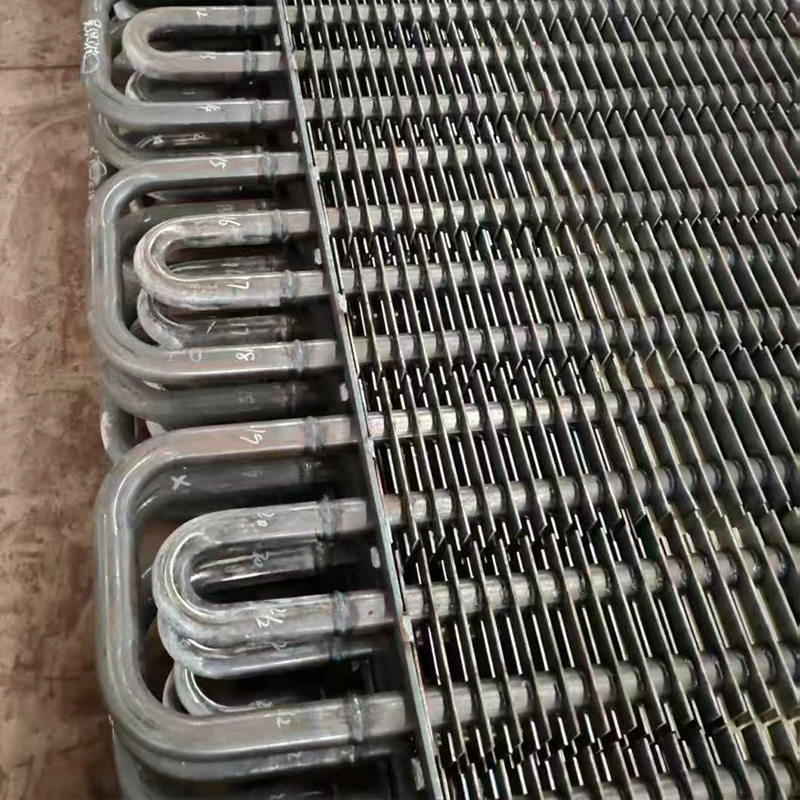
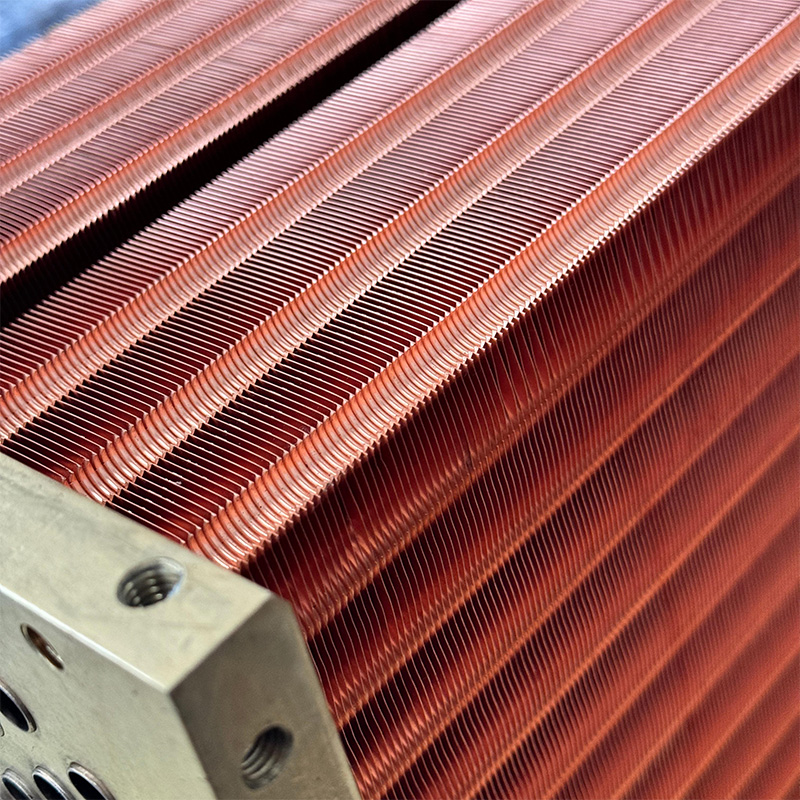
Комплексный подход к созданию систем газоочистки требует не только грамотного расчета аэродинамики, но и использования надежного теплообменного и энергетического оборудования, способного выдерживать агрессивные среды и экстремальные нагрузки. This is the niche the company specializes inWuxi Kaisheng Electric Power and Petrochemical Equipment Co., Ltd.. Мы занимаемся разработкой, производством и реализацией высокотехнологичных решений для нефтеперерабатывающей, нефтехимической и химической промышленности. Наш портфель включает титановые кожухотрубные теплообменники, высоконапорные аппараты стандарта ASME, гофрированные трубные пучки из нержавеющей стали 316, морской латуни C46400, медно-никелевых и никелевых сплавов (N06625), а также воздушные охладители и котлы-утилизаторы. Вся наша продукция, от трубных решеток до готовых узлов, сертифицирована по международным стандартам PED и ASME, отличаясь исключительной коррозионной стойкостью и устойчивостью к высоким давлениям и температурам. Мы предоставляем индивидуальные инженерные решения, которые идеально интегрируются в системы очистки газа, обеспечивая их долгосрочную надежность и эффективность для заказчиков по всему миру.
Мы готовы провести детальный инженерный анализ вашей ситуации и предложить оптимальное техническое решение, соответствующее стандартам ГОСТ и международным нормам. Наши специалисты имеют опыт реализации проектов любой сложности, от компактных лабораторных установок до промышленных комплексов производительностью свыше 100 000 м³/ч. Свяжитесь с нами сегодня, чтобы обсудить детали вашего проекта и получить предварительный расчет эффективности и стоимости. Помните, что правильная инвестиция в экологию — это инвестиция в будущее вашего бизнеса.
Для получения дополнительной информации о наших решениях в области промышленной вентиляции, газоочистки и сопутствующего теплообменного оборудования, посетите разделпромышленные скрубберы и системы очистки газаon our website. Там вы найдете подробные технические спецификации и примеры реализованных проектов.