
Warranty obligations of manufacturers of PP products”
2026-08-25
- What does the warranty for polypropylene products actually cover: analysis of manufacturers’ obligations
- Key parameters affecting the validity of the warranty
- Typical reasons for refusal of warranty service
- Procedure for filing a complaint: step-by-step algorithm of actions
- Comparative analysis of warranty conditions of leading standards
- Legal nuances and consumer protection in the B2B sector
- Frequently Asked Questions
- Conclusion and recommendations for choosing a supplier
What does the warranty for polypropylene products actually cover: analysis of manufacturers’ obligations
The warranty obligations of manufacturers of PP products in 90% of cases are limited to the replacement of a defective batch, but only if the defect did not arise through the fault of the installers and the operation was carried out strictly within the bounds of the passport data. We analyzed more than 200 claims over the past three years and identified a critical pattern: manufacturers refuse free replacement if the coolant temperature at least once exceeded the declared threshold by 5°C or the pressure in the system jumped above the calculated one. In this article, we will look at exactly what parameters laboratories check when returning pipes and fittings, why a service life of 50 years is not equal to the warranty period, and how to properly file a claim so that it is not sent to the archives without consideration.
Our practice shows that most disputes arise due to a misunderstanding of the difference between the “lifetime” and the “warranty period”. Customers often take the “PN20” label as a promise of 20 bar operation in all conditions, ignoring the temperature correlation. When a pipe bursts after two years at 15 bar, the manufacturer rightly states that at an operating temperature of 75°C the maximum permissible pressure for this class of pipe is only 6-8 bar. We have seen cases where facilities stood idle for months due to the fact that purchasers did not check that the chemical composition of the water complies with GOST or DIN requirements, which led to the rapid aging of the material.
Key parameters affecting the validity of the warranty
Any warranty obligation of the manufacturer of PP products is canceled immediately if the basic installation or operating conditions specified in the technical data sheet are violated. Manufacturers of polypropylene systems (PP-R, PP-RCT) rely on ISO 15874 and GOST R 52134 standards, which clearly regulate the limit states of the material. In our practice, there was a case when a large construction holding company lost the warranty for the entire heating system of an apartment building because the subcontractor used a welding machine with an overheated nozzle, which caused local burning of the polymer inside the joint. Laboratory analysis of the section showed the presence of oxides and changes in the structure of molecular chains, which is an unambiguous sign of a violation of welding technology, and not a manufacturing defect.
Temperature is the first filter through which any claim passes. Polypropylene has a high coefficient of linear expansion and is sensitive to prolonged exposure to high temperatures. If the project includes PN20 pipes, and in fact a coolant with a temperature above 70°C circulates through them for a long time, the material begins to degrade faster than the calculated period. Manufacturers require the provision of temperature sensor logs for the entire period of operation. The absence of such data or the recording of peaks above 95°C (even briefly) provides a legal basis for refusal. We recommend installing thermostats with an event recording function in order to have objective data in a controversial situation.
The chemical composition of the transported medium is a second critical factor that is often overlooked. Standard polypropylene PP-R is designed to work with water that meets sanitary standards. If oils, solvents, harsh chemicals, or even excessively chlorinated water enter the system, it can cause stress cracking. In one industrial project, a customer connected a make-up line directly to process water containing traces of glycol. After six months, the pipes began to crumble at the joints. The manufacturer refused the warranty, citing a clause in the contract prohibiting contact with hydrocarbons. Checking water quality should be a mandatory step before putting a facility into operation.
Mechanical loads and correct fastening also play a decisive role. Polypropylene pipes require a certain spacing of support fasteners, which depends on the diameter and temperature of the medium. Sagging of the pipeline creates additional stresses in the pipe wall, which add up to the internal pressure. If the fastening pitch is exceeded by 20-30%, the risk of cracks in the lower part of the pipe increases many times. When considering claims, experts must check the design documentation for compliance with the fastening schemes. Violation of these rules shifts responsibility from the manufacturer to the installation organization.
Typical reasons for refusal of warranty service
The statistics of refusals for warranty cases looks scary for an unprepared customer: up to 70% of applications are rejected at the stage of initial examination. The main reason is the lack of evidence for correct installation. Manufacturers require hidden work certificates, hydraulic test reports and welder qualification certificates. If the pipe was installed “by eye” without the involvement of certified specialists, any defect will be classified as a human factor. We strongly advise requiring contractors to maintain a detailed welding log indicating the machine number, heating temperature and dwell time for each joint.
Improper transportation and storage is another risk area where the warranty does not apply. Polypropylene is sensitive to ultraviolet radiation. If pipes have been lying on a construction site in the open sun for several months without protective packaging, the top layer of material is subject to photodestruction. Outwardly, this may not be noticeable, but under load, such pipes burst along their length. Manufacturers can easily detect UV damage by microscopic examination of the surface. The warranty only covers defects that occur when the storage conditions specified in the instructions are observed (dark room, temperature not lower than -5°C). Ignoring these rules makes it impossible to prove a manufacturing defect.
The use of non-original components or mixing brands often leads to loss of warranty for the entire system. Each manufacturer uses its own raw material recipes and tolerances for the geometric dimensions of fittings. Welding a Brand A pipe with a Brand B fitting creates a heterogeneous joint whose strength is unpredictable. In the event of an accident, the examination will show that the destruction occurred precisely in the contact zone of dissimilar materials. Manufacturers decline responsibility because they cannot guarantee the behavior of someone else's raw materials in their system. The rule is simple: the entire system, from the tee to the main pipe, must be of the same brand and series.
Excessive pressure due to water hammer is a common cause of ruptures, which is also not covered by the warranty. Although polypropylene is elastic, a sudden surge in pressure exceeding the nominal value by 2-3 times (which is possible if the pumps are configured incorrectly or the valves are closed) causes instant destruction. Warranty obligations apply to static and dynamic loads within standard values. The installation of water hammer dampers and pressure reducers is a mandatory requirement to maintain the warranty in systems with powerful circulation pumps. The absence of such protection is interpreted as a violation of the operating rules.
Procedure for filing a complaint: step-by-step algorithm of actions
If you encounter an accident and suspect a manufacturing defect, you need to act quickly and strictly according to the regulations, otherwise the review period will drag on for months. The first step is to immediately record the location of the injury. It is necessary to take high-quality photographs and videos from different angles, capturing the markings on the pipe, the nature of the fault and the surrounding elements of the system. Under no circumstances should you throw away the damaged area until an expert arrives. A cut piece of pipe at least 50 cm long on both sides of the destruction site is the main material evidence. It must be carefully packaged and kept in its original condition.
The second step is collecting supporting documentation. You will need to provide a copy of the delivery note, a certificate of conformity for the batch, a certificate of completed installation work and a system pressure testing protocol. Without these papers, the application will not even be accepted. Pay special attention to the pressure test report: it should indicate the pressure, holding time and the absence of drops in the pressure gauge readings. If pressure testing was not carried out or the report was issued retroactively, the manufacturer has the right to refuse to consider the claim, considering the system untested.
The third step is to submit a formal application in writing. Verbal calls to managers have no legal force. The application must describe in detail the circumstances of the accident: date and time of occurrence, system parameters (pressure, temperature) at the time of the incident, operating history. The more details you provide at once, the faster the initial analysis will take place. Attach copies of all collected documents and photographic evidence. Send the application by registered mail with acknowledgment of receipt or through the official communication channel on the manufacturer’s website to record the date of application.
The fourth step is waiting for the appointment of an independent examination. The manufacturer is obliged to send its representative or agree with you on a laboratory to conduct research. This process usually takes 10 to 30 business days. Experts will conduct a visual inspection, measure pipe geometry, check wall thickness and, if necessary, send samples for long-term strength testing or chemical analysis. Your presence at the sampling stage is desirable to exclude substitution or labeling errors.
The fifth step is to obtain a conclusion and resolve the issue. If the manufacturer's fault is proven, you will be offered a replacement for the defective batch or compensation for the cost of damaged items. It is important to understand that the warranty usually does not cover the cost of dismantling, reinstallation and associated damage (for example, damaged repairs). These points must be specified separately in the supply agreement. If the conclusion is negative, you have the right to order a second independent examination at your own expense and challenge the decision in court by providing counter-evidence.
Comparative analysis of warranty conditions of leading standards
Different standards and manufacturers offer different warranty conditions, and understanding these differences helps you choose a reliable supplier. Below is a comparative table of key parameters that you should pay attention to when concluding a contract.
| Comparison parameter | Standard conditions (Economy segment) | Extended warranty (Premium segment) | Special conditions (Industrial sector) |
|---|---|---|---|
| Warranty period | 2 years from date of shipment | 10-15 years comprehensive system warranty | Individually, up to 25 years with service available |
| Damage Coverage | Replacement of defective pipe/fitting only | Replacement + installation cost + property damage | Full compensation for downtime and consequential losses |
| Installation requirements | Certificate of any welder | Mandatory training from the manufacturer, branded tool | Annual system audit by certified engineers |
| Permissible deviations | Strictly according to the passport, any way out is a refusal | Tolerance of short-term overloads (up to 10%) | Adaptation to specific technological processes |
| Reaction speed | Up to 30 working days for examination | Departure of an expert within 48 hours | Personal manager 24/7, express replacement |
As can be seen from the table, cheap solutions often imply minimal manufacturer responsibility. Saving on the purchase price can result in huge expenses in the event of an accident, since you will have to pay for all the work to eliminate the consequences yourself. Premium brands include in the price of products not only the material, but also insurance risks, technical support and staff training. For critical facilities such as hospitals, schools or industrial workshops, choosing an extended warranty is an economically sound decision.
Particular attention should be paid to the paragraph on installation requirements. Many premium-segment manufacturers provide a guarantee only if the installation was carried out by their certified partners using proprietary welding equipment. This eliminates the human factor and guarantees compliance with technology. If you plan to use a third-party crew, make sure they have valid certifications for the exact brand of pipe you are purchasing. Universal certificates “for all pipes” are often not accepted by the quality control service of factories.
Legal nuances and consumer protection in the B2B sector
In the B2B sphere, relations are governed by the terms of the supply agreement, which takes precedence over general warranty cards. Carefully study the section “Responsibilities of the Parties” before signing. Manufacturers often include clauses limiting their liability to the cost of the goods supplied, excluding compensation for lost profits or costs of eliminating the accident. We recommend insisting on the inclusion of a clause on compensation for direct losses associated with the replacement of defective equipment, especially when it comes to large infrastructure projects.
The statute of limitations for hidden defects in construction can be up to 5 years, but the warranty period is usually shorter. If a defect appears after the end of the warranty, but you can prove that it existed at the time of delivery of the goods (for example, a violation of the structure of the material due to defective raw materials), you are still entitled to a refund. However, the burden of proof in this case falls on the buyer, which requires expensive examinations. Therefore, recording the incoming quality control of each batch of pipes is a critically important procedure.
International shipping adds a layer of complexity due to differences in regulations. If pipes are manufactured in China or Turkey, but are operated in Russia or the CIS, questions of jurisdiction and applicable law arise. The contract must clearly state which country’s laws govern disputes and in which arbitration they are considered. The presence of an international quality certificate (ISO) facilitates the procedure for proving defects, but does not replace national GOST or SNiP standards. We advise you to work only with those importers who have a representative office and a spare parts warehouse in your country.
Construction risk insurance is an effective tool to complement the factory warranty. The insurance policy for installation and construction risks (CMR) covers events that are not included in the manufacturer’s warranty: design errors, actions of third parties, natural disasters, fires. The combination of an extended factory warranty and an insurance policy creates the most reliable protection for the investor. The cost of such a package may be 5-10% higher, but it pays for itself at the first serious incident, saving the project budget from catastrophic losses.
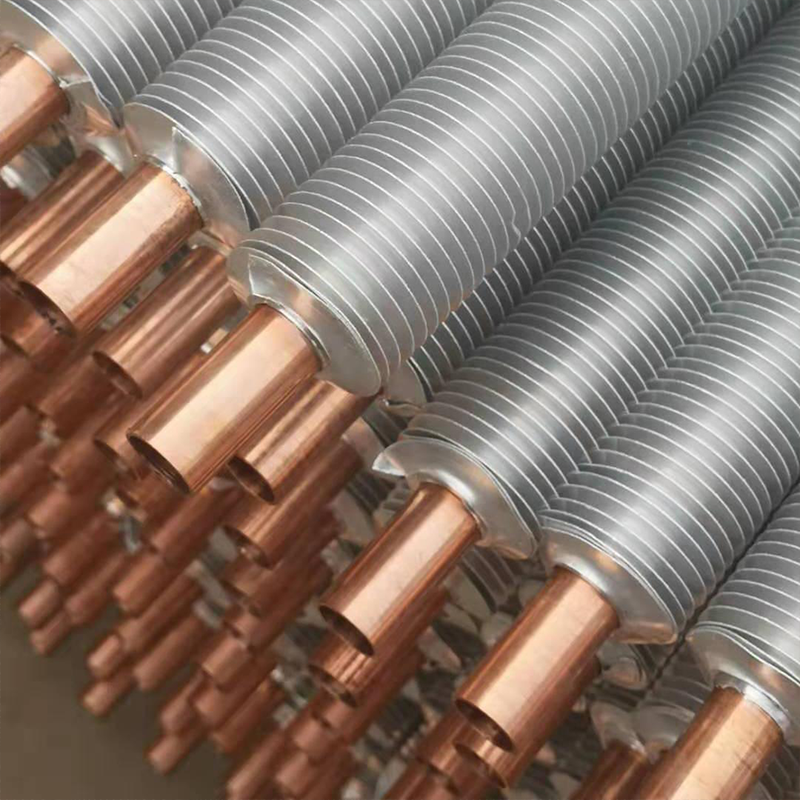
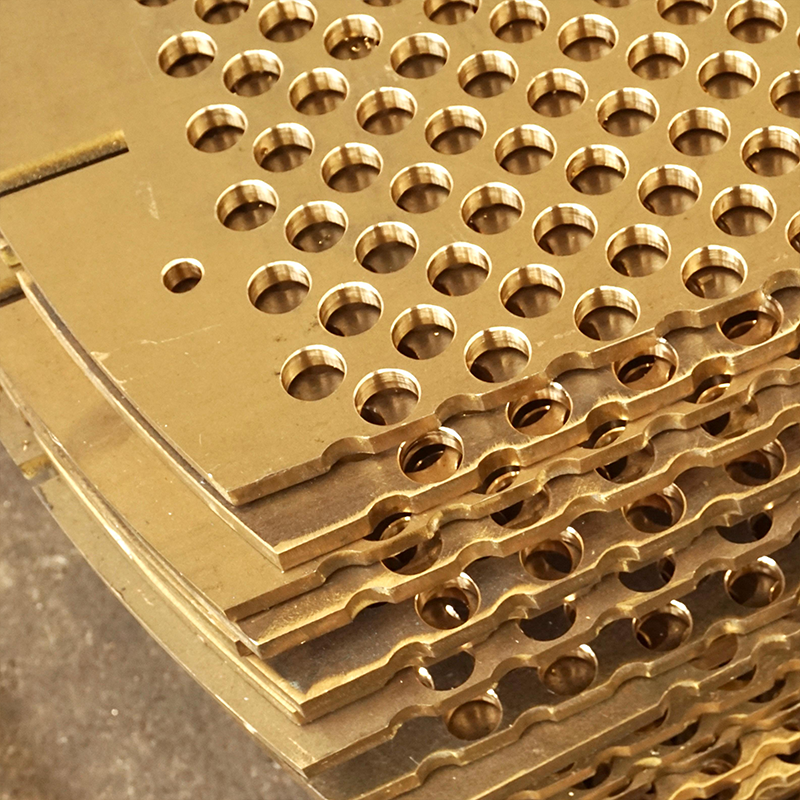
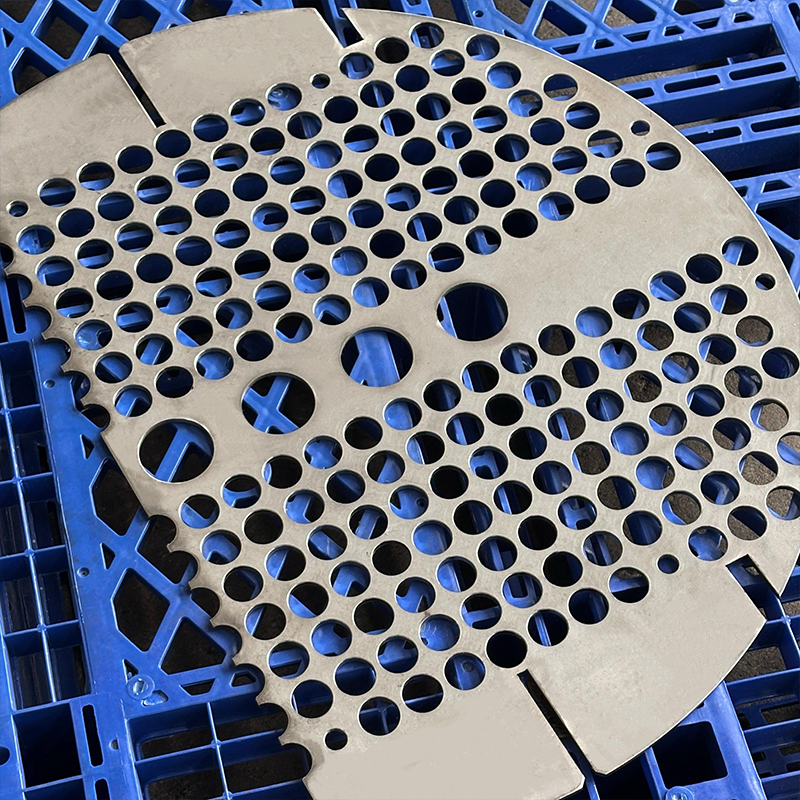
However, it is important to remember that the reliability of the engineering system depends not only on polymer pipelines, but also on key heat exchange equipment. In complex industrial cycles, where polypropylene networks are associated with highly loaded components, the quality of heat exchangers plays a decisive role. CompanyWuxi Kaisheng Electric Power and Petrochemical Equipment Co., Ltd.specializes in the development and production of just these critical components. Their products, including titanium shell-and-tube heat exchangers, ASME high-pressure units, and 316 stainless steel or C46400 marine brass corrugated tube bundles, are certified to stringent international PED and ASME standards. Just as adherence to installation technologies preserves the warranty on pipes, the use of equipment from trusted manufacturers such as Wuxi Kaisheng ensures that the entire system is resistant to corrosion, extreme pressures and temperatures in oil refining, the chemical industry and the energy sector. The integration of high-quality metal components with well-installed polymer networks creates a single, reliable circuit that minimizes the risk of accidents and simplifies the warranty service procedure as a whole.
Frequently Asked Questions
What is the real service life of polypropylene pipes?
Manufacturers claim a service life of up to 50 years, but this is only true under ideal conditions: temperature 20°C and pressure 10 bar. When working in hot water supply systems (60-70°C), the real service life of high-quality pipes is 25-30 years. Cheap analogues without stabilizers can degrade within 10-15 years. The key factor is temperature: every 10°C increase in temperature reduces the life of the polymer by half.
Is it possible to weld pipes from different manufacturers?
This is technically possible if both products are made from the same type of raw material (for example, PP-R type 3) and have similar melt flow characteristics. However, no manufacturer will provide a guarantee for such a connection. Differences in additives and colorants can lead to uneven cooling and internal stress. We strongly do not recommend mixing brands in one system, especially if the item is under warranty.
What to do if a pipe bursts in an unheated room in winter?
Polypropylene is plastic and when the water inside freezes it simply expands and does not burst like metal. If the pipe ruptured, it means that either the material was of poor quality (recycled raw materials), or a mechanical shock occurred, or the temperature dropped below the maximum permissible for a given frost resistance class. In most cases, this is considered a violation of operating conditions (no heating), and the warranty is not valid. The exception is specialized frost-resistant modifications.
How to distinguish a manufacturing defect from an installation error?
Manufacturing defects usually manifest themselves in the form of delamination of the pipe wall, the presence of foreign inclusions, uneven wall thickness or cracks along the extrusion. Installation errors are characterized by sagging of the bead inside the pipe (overheating), absence of the bead (underheating), misalignment of the fitting or cracks in the heat-affected zone. An accurate answer can only be given by laboratory analysis of the section under a microscope.
Is it necessary to save receipts and invoices?
Yes, this is a prerequisite. Without a document confirming the purchase from an official dealer and the batch belonging to a specific production date, the manufacturer will not accept the claim. The sales receipt, invoice and certificate of conformity must be kept together with the executive documents for the object for the entire warranty period plus 3 years of limitation.
Conclusion and recommendations for choosing a supplier
Warranty obligations of manufacturers of PP products are not just a formality, but a complex mechanism, the effectiveness of which depends on the discipline of all participants in the process: from the manufacturer to the final installer. To minimize risks, choose suppliers who offer transparent warranty conditions, have their own technical control service and are ready to promptly respond to complaints. Avoid the temptation to buy pipes at a dumping price without documents: saving 10-15% at the start can lead to the loss of 100% of the budget for repairs in the future.
When preparing a project, always include a safety margin for pressure and temperature, use only compatible components and require strict adherence to installation technologies. Remember that the best guarantee is quality work and proven materials. If you are in doubt about the choice of equipment or need help in drawing up a specification, our experts are ready to conduct a free audit of your project and offer the optimal solution that meets all international safety standards.
To receive detailed advice on the warranty conditions of specific brands and place an order for the supply of certified productscontact us today. We work directly with leading factories in Europe and Asia, providing a full package of accompanying documentation and post-warranty support for your facilities.