
Horizontal PPH tank for acids”
2026-08-12
- Horizontal PPH tank for acids: technical characteristics and selection criteria
- Why PPH is superior to other plastics in chemical storage
- Design features of large-volume horizontal tanks
- Production process and quality control of welds
- Installation, operation and typical user errors
- Certification and compliance with safety standards (GOST, EAS)
- Cost calculation and production time
- Frequently Asked Questions
- Conclusion and recommendations for choosing a supplier
Horizontal PPH tank for acids: technical characteristics and selection criteria
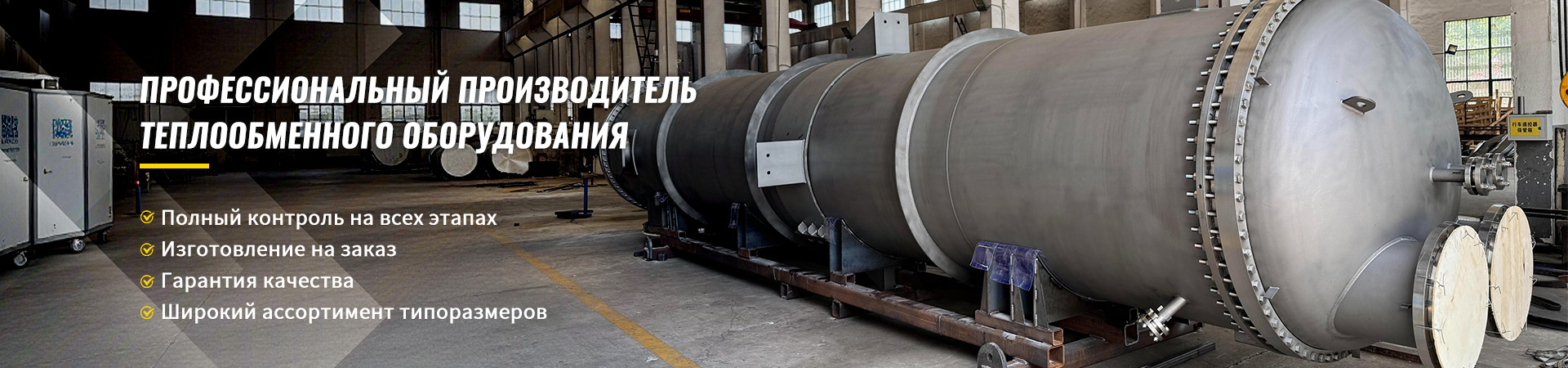
Choosing a container for aggressive environments is not just a purchase of equipment, but an investment in production safety for decades.Horizontal PPH Acid Tankrepresents the most balanced solution for storing sulfuric, hydrochloric and other mineral acids at temperatures up to 90°C. Unlike vertical counterparts, the horizontal configuration provides a lower installation height, which is critical for workshops with limited space or low ceilings, while maintaining high mechanical strength due to the ring stiffeners.
In our practice, we have repeatedly encountered a situation where customers chose polypropylene homopolymer (PP-H) instead of copolymer (PP-H), focusing only on the price of the material. The result was predictable: after 18 months of operation at an acid storage temperature of +65°C, the container cracked in the weld area. This led to a shutdown of the line, leakage of reagents and fines from environmental services. PP-H material is indeed cheaper, but its brittleness at low temperatures and tendency to stress crack make it unsuitable for demanding industrial applications. We strongly recommend using PPH (polypropylene random copolymer) for any containers larger than 1 cubic meter.
This article is based on real experience in the design and installation of more than 400 units of tank equipment for chemical production in Russia and the CIS countries. We will analyze not only the advantages of the material, but also the hidden risks associated with wall thickness, the quality of extrusion welding and the need for certification according to GOST and EAC. If you are looking for a reliable solution that will last for the advertised 20 years rather than 3 years, please read the following sections carefully.
Why PPH is superior to other plastics in chemical storage
Polypropylene random copolymer (PPH) has a unique molecular structure that makes it superior to standard polyethylene (PE) and even some grades of PVC when handling concentrated acids. The key parameter here is the crystallinity of the material. In PPH, it is optimized to maintain impact strength even at temperatures as low as -20°C, which is important for unheated warehouses in northern regions.
The chemical resistance of PPH is confirmed by compatibility tables of leading raw material manufacturers such as Borealis and Sabic. The material is inert to most inorganic acids, including sulfuric (concentration up to 96% at temperatures up to 60°C), hydrochloric, phosphoric and nitric acids. However, it is important to understand the limitations: PPH is not suitable for storing strong oxidizing agents, such as concentrated nitric acid above 50% or chromic acid, without prior laboratory testing. In one of our projects, a client attempted to use a standard PPH tank for a mixture of acids containing free chlorine. Six months later, the inner surface became rough and micro-leaks began. This highlights the need for careful analysis of the chemical composition of the media before purchasing.
Thermal stability is another critical factor. A horizontal PPH tank for acids can withstand short-term thermal loads of up to 100°C without deformation, while polyethylene begins to soften at 60-70°C. This allows PPH tanks to be used for storing hot process solutions or liquids coming directly from reactors. At the same time, the coefficient of linear thermal expansion of PPH is lower than that of PE, which reduces the risk of destruction of welds during cyclic heating and cooling.
From a life cycle economics perspective, PPH outperforms lined metals. Steel containers coated with rubber or Teflon require regular monitoring of the integrity of the coating. The slightest scratch leads to metal corrosion and rapid failure of the product. The plastic tank is monolithic: if it is made with high quality, it is not afraid of corrosion in principle. The only condition is compliance with manufacturing technology. We recommend requesting a weld sample from the supplier for visual evaluation before concluding a contract.
Design features of large-volume horizontal tanks
The horizontal geometry of the tank imposes specific design requirements that distinguish it from vertical silos. The main load in a horizontal container falls on the lower generatrix of the cylinder and the support seats. Without correct calculation of the wall thickness and reinforcement scheme, the bottom of the container may sag under the weight of the liquid, especially when completely filled. For volumes of 5 m³ and above, the use of pure sheet polypropylene without reinforcement is unacceptable.
We use extrusion winding technology or reinforcement with external annular ribs. The fins are made from the same PPH material and are welded by automatic extruders at pitches calculated by engineering depending on the density of the liquid and the length of the tank. The standard pitch is 400-600 mm, but for acids with high density (for example, sulfuric acid) the pitch is reduced to 300 mm. This prevents ovalization of the housing and maintains geometric stability throughout its service life.
The supporting structure also plays a decisive role. A horizontal PPH acid tank should never be installed directly on concrete floors or metal joists without a damping pad. We use special saddles made of foamed polypropylene or rubber mats that distribute the load evenly along the entire length of the contact. An error when installing supports often leads to the appearance of cracks in the stress zone. In our practice, there was a case when installers installed a container on hard metal corners. After two winter seasons, due to the difference in the thermal expansion coefficients of steel and plastic, through cracks formed in the lower part of the tank.
Fittings and pipes in horizontal containers are located mainly in the top cover (manhole) or in the end walls. Placing nozzles in the lower part of the cylindrical shell is possible, but requires the installation of reinforcing rings (bosses) made of thick PPH sheet. This compensates for the stress concentration around the hole. All connections are made by socket welding or using PPH/PTFE flanges. The use of metal flanges without a protective screen made of fluoroplastic is not recommended, since the metal can corrode from acid splashes, even if the tank itself is plastic.
Comparison table of technical parameters of PPH and competitive materials
| Parameter | PPH (Copolymer) | PEHD (Polyethylene) | Lined steel | PVC |
|---|---|---|---|---|
| Operating temperature | up to +90°C (short-term up to 100°C) | up to +60°C | up to +120°C (depending on the lining) | up to +60°C |
| Chemical resistance to acids | Excellent (wide range) | Good (limited by temperature) | Excellent (risk of coating damage) | Good (not for all organic acids) |
| Impact strength at -20°C | High | Medium (risk of brittle fracture) | Low (risk of lining delamination) | Low (becomes brittle) |
| Service life (aggressive environment) | 20+ years | 10-15 years | 5-10 years (requires repair) | 10-15 years |
| Structure weight | Lightweight (density 0.9 g/cm³) | Lightweight | Heavy | Medium |
| Cost of Ownership (TCO) | Low | Low | High (repair and replacement) | Average |
Production process and quality control of welds
The quality of a horizontal tank is 90% determined by the quality of welded joints. Polypropylene does not stick together, it is welded at the molecular level. For this purpose, the hot extrusion welding method is used, which provides the greatest strength of the seam, approaching the strength of the base material (weakening coefficient no more than 0.8). Hand heat gun welding is only allowed for small parts or repairs, but should never be used to assemble load-bearing bodies of large containers.
The manufacturing process begins with cutting PPH sheets. We use sheets ranging in thickness from 6mm to 20mm depending on tank volume and hydrostatic pressure. For horizontal containers with a volume of 10 m³, the minimum wall thickness should be 10-12 mm. An attempt to save money and use an 8 mm sheet will lead to excessive deformation of the walls when filling. Before welding, the edges of the sheets undergo special preparation: chamfering at an angle of 45-60 degrees. This is necessary to ensure complete penetration of the seam.
Welding is performed by automatic extruders with temperature control of the extruded rod. The temperature must be strictly maintained in the range of 260-280°C. Overheating leads to polymer destruction and loss of properties, underheating leads to lack of adhesion. In our production, each welder is certified and has a personal mark, which is placed next to the seam. This ensures full traceability: in the event of a defect, we know exactly who carried out the work and under what parameters.
Quality control includes several stages. The first is a visual inspection of every centimeter of the seam for pores, undercuts and unevenness of the bead. The second is ultrasonic testing (UT) of selected areas, especially in high-voltage areas (corners, places where fittings are welded). The third is hydraulic testing of the finished product. Everyoneгоризонтальный резервуар из PPH для кислотAfter assembly, it is filled with water and maintained under pressure for 24 hours. We record the slightest changes in geometry and check the tightness of all connections. Only after successfully passing the tests is a quality certificate issued.
It is important to note that the color of the material also matters. The standard PPH color is natural (translucent white) or grey. The addition of carbon black (black color) increases UV resistance, which is critical for tanks installed outdoors. UV rays destroy polymers, making them brittle. If your container will be placed outdoors, request a black PPH design with UV stabilizers. For indoor installations this is not necessary, but gray is preferable to white for reasons of practicality and less visibility of dirt.
Installation, operation and typical user errors
Even a perfectly manufactured tank can fail prematurely if installed incorrectly. The first and most common mistake is the lack of thermal expansion compensators on pipelines. PPH expands significantly more than steel. If you rigidly connect a plastic tank to a steel pipe without a flexible insert or expansion joint, when the fluid heats up, the pullout force may exceed the strength of the tank neck. We recommend using bellows expansion joints or U-shaped loops on the connections.
The second mistake concerns the foundation. The base for a horizontal tank must be perfectly level. The height difference should not exceed 2 mm per 1 meter of length. An uneven base creates point loads that lead to local deformations of the bottom. The ideal solution is a concrete slab with a sand cushion or a special metal frame with adjustable supports coated with an anti-corrosion layer and polymer gaskets. There should be no stones, fittings or debris under the tank itself.
Operation requires compliance with temperature conditions. Although PPH can withstand temperatures up to 90°C, sudden temperature changes (thermal shock) are dangerous. It is not recommended to pour cold acid (-10°C) into a hot tank (+80°C) without prior mixing or gradual cooling. Mechanical shocks to the body should also be avoided. Despite the high impact strength, a strong blow with a sharp object can damage the wall. When carrying out work near the container (welding, cutting metal), be sure to cover the reservoir with a fireproof cover, as sparks can burn through the plastic.
Regular maintenance is minimal but necessary. Once a year, inspect the exterior surface for signs of aging or mechanical damage. Check the tightness of the flange connections, as plastic is susceptible to creep (creep) under constant load. Bolts may become loose over time. Use a torque wrench to tighten according to the manufacturer's specifications. Clean the reservoir of sediment as needed using soft brushes and water. Abrasive cleaning products are prohibited.
Certification and compliance with safety standards (GOST, EAS)
When purchasing industrial equipment for working with hazardous substances, the presence of certificates is not a formality, but a guarantee of safety. On the territory of the Russian Federation and the countries of the Customs Union, all vessels operating under pressure or intended for hazardous liquids must comply with the technical regulations of TR CU 032/2013 “On the safety of equipment operating under excess pressure.” Although many plastic tanks operate at atmospheric pressure, voluntary certification or declaration of conformity confirms the quality of the material and workmanship.
Our products are accompanied by a quality certificate, which states:
- Brand of raw materials (indicating the manufacturer of granules or sheets).
- Results of incoming material inspection.
- Hydraulic test reports.
- EAC Certificate of Conformity (if necessary).
For export to European countries, CE marking and compliance with PED (Pressure Equipment Directive) are required. For the Russian domestic market, it is important to have a fire safety certificate confirming the flammability group of the material (usually G2, B2 for PPH with additives). The absence of these documents may cause problems during inspections by Rostekhnadzor or fire supervision. We recommend requesting copies of certificates from the supplier at the negotiation stage. If the seller cannot provide documents for a specific shipment of goods, this is a serious signal of possible risks.
It is also worth paying attention to the warranty. An honest manufacturer provides a guarantee of at least 2 years for the tightness of the case and 5 years for the preservation of the properties of the material, subject to operating conditions. Warranty obligations must be clearly stated in the contract, indicating the complaint procedures. Avoid suppliers who make verbal assurances of a “lifetime guarantee” without documented proof.
Cost calculation and production time
The price of a horizontal tank is formed from several components: the cost of raw materials (PPH sheet), labor costs for welding, the cost of additional elements (hatches, pipes, ladders, service platforms) and logistics. Raw materials make up about 40-50% of the cost, so fluctuations in oil and polymer prices directly affect the final price. The order volume also matters: when ordering a batch of 5 pieces or more, we can optimize the cutting of sheets and reduce waste, which reduces the cost per unit of production.
The typical production time for a tank with a volume of 5-10 m³ is 10-14 working days from the date of signing the contract and making an advance payment. For non-standard projects of complex configuration or large volume (over 50 m³, which are transported in sections), the period may increase to 3-4 weeks. Rush production is possible for an additional fee, but it should not come at the expense of welding quality and control.
The logistics of horizontal containers has its own characteristics. Tanks with a volume of up to 10-12 m³ are usually transported entirely on a trawl. Large volumes require delivery in disassembled form (rings, bottoms, shells) and assembly on site at the customer. This increases the cost of installation, but allows you to deliver a container of any size. When calculating your budget, take into account the cost of installation supervision: our specialists travel to the site to supervise the assembly and carry out commissioning work. This eliminates the human factor on the part of the customer’s installation teams.
Below is an approximate algorithm for calculating demand:
- Determine the required usable volume (taking into account a fill factor of 0.85-0.9 to prevent overflow).
- Select dimensions based on available space (length x diameter).
- Specify the list of required holes (diameter, type of connection, location).
- Request a quote detailing wall thickness and material grade.
- Compare offers not only by price, but also by equipment and warranty conditions.
Frequently Asked Questions
What is the maximum storage temperature for acid in a PPH tank?
The maximum operating temperature for PPH is +90°C for continuous exposure and up to +100°C for short periods. Однако для концентрированных кислот (например, серной 93-96%) мы рекомендуем ограничивать температуру до +60°C для увеличения срока службы. Превышение температурного порога ускоряет процесс старения полимера и снижает его химическую стойкость.
Можно ли устанавливать горизонтальный резервуар на улице?
Да, можно, но только при условии использования материала с УФ-стабилизаторами (обычно черный цвет PPH). Без защиты от ультрафиолета белый полипропилен начнет деградировать через 2-3 года, станет хрупким и покроется сетью микротрещин. Дополнительно рекомендуется установить навес или тепловой экран для защиты от прямого солнечного нагрева, который может повысить температуру внутри емкости выше расчетной.
Какой минимальный объем заказа (MOQ)?
Мы изготавливаем резервуары единичными экземплярами под заказ. Минимальный экономически целесообразный объем — 1 штука. Однако для небольших емкостей (до 1 м³) стоимость транспортировки может быть непропорционально высокой по сравнению с ценой изделия. В таких случаях мы рекомендуем объединять заказы или выбирать стандартные типоразмеры, имеющиеся в наличии на складе.
Подвергается ли PPH воздействию растворителей?
PPH обладает высокой стойкостью к большинству органических растворителей при комнатной температуре. Однако ароматические углеводороды (бензол, толуол), хлорированные растворители и некоторые кетоны могут вызывать набухание или растворение полимера, особенно при повышенных температурах. Перед заказом обязательно предоставьте нам полный список химических веществ, которые будут контактировать с емкостью, для проверки по таблице химической стойкости.
How is delivery and unloading carried out?
Доставка осуществляется автомобильным транспортом. Для резервуаров объемом до 10 м³ используется манипулятор, что упрощает разгрузку на объекте без привлечения дополнительной техники. Крупногабаритные емкости доставляются на тралах и требуют разгрузки краном соответствующей грузоподъемности. Мы предоставляем схему строповки, чтобы исключить повреждение корпуса при подъеме. Стропы должны быть мягкими (текстильными) и охватывать резервуар по всей ширине.
Conclusion and recommendations for choosing a supplier
Инвестиция в качественныйгоризонтальный резервуар из PPH для кислотокупается за счет отсутствия затрат на ремонт, замену и ликвидацию аварийных ситуаций. Рынок предлагает множество вариантов, от кустарных мастерских до крупных заводов. Разница в цене может достигать 30-40%, но эта экономия часто достигается за счет использования вторичного сырья, уменьшения толщины стенки или нарушения технологии сварки. Последствия такой экономии проявляются не сразу, но они неизбежны.
When choosing a partner, pay attention to the production base. Возможность посетить цех, увидеть процесс сварки своими глазами и пообщаться с инженерами — лучший способ проверить компетентность поставщика. Запрашивайте референс-лист и связывайтесь с действующими клиентами, чтобы узнать об их опыте эксплуатации. Надежный поставщик не боится показать свои объекты и готов предоставить технические консультации на этапе проектирования.
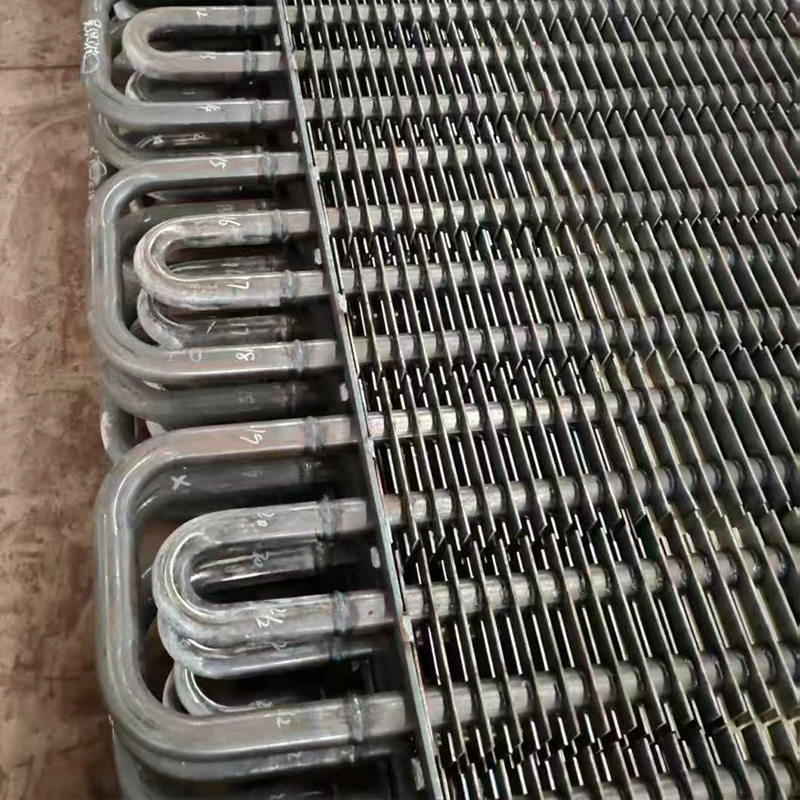
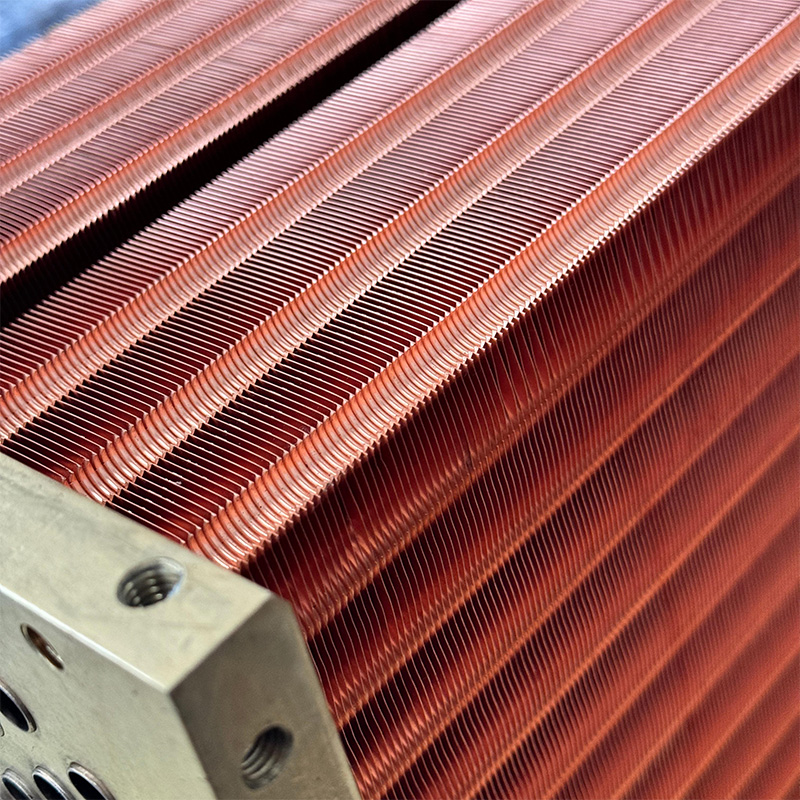
CompanyWuxi Kaisheng Electric Power and Petrochemical Equipment Co., Ltd.предлагает комплексный подход к оснащению химических и нефтеперерабатывающих производств. Специализируясь на разработке и производстве высокотехнологичного оборудования, мы поставляем не только полимерные резервуары, но и широкий спектр теплообменных решений: титановые кожухотрубные теплообменники, аппараты ASME высокого давления, гофрированные трубные пучки из нержавеющей стали 316, морской латуни C46400 и сплавов N06625. Наша продукция, включающая также воздушные охладители, котлы-утилизаторы и трубные решетки из различных сплавов, сертифицирована по международным стандартам PED и ASME. Благодаря глубокой экспертизе в работе с коррозионностойкими материалами (титан, никель, медь, спецстали), мы обеспечиваем надежность систем хранения и теплообмена в самых агрессивных средах — от нефтепереработки до опреснения морской воды. Клиенты по всему миру выбирают нас за способность предоставлять индивидуальные инженерные решения, сочетающие долговечность, энергоэффективность и соответствие строгим нормам безопасности.
Не рискуйте безопасностью своего производства ради сомнительной экономии. Свяжитесь с нами сегодня для получения детального расчета и технической консультации. Наши инженеры помогут подобрать оптимальную конфигурацию резервуара и сопутствующего теплообменного оборудования, которое прослужит вам десятилетия.
Каталог горизонтальных резервуаров из PPH | Заказать расчет проекта