
Level sensors for vertical PE tanks”
2026-08-18
- Selection of level sensors for vertical polyethylene tanks: criteria for reliability and compatibility
- Physics of the process: why conventional sensors do not work on polyethylene
- Comparative analysis of measurement technologies for plastic containers
- Critical installation errors and ways to eliminate them
- Certification and regulatory requirements in the Russian Federation and the EAEU
- Practical cases: solutions for different industries
- Economic justification and payback period
- Integrated approach: integration of storage and control systems
- Frequently Asked Questions
- Conclusion and recommendations for choosing a supplier
Selection of level sensors for vertical polyethylene tanks: criteria for reliability and compatibility
Selectionlevel sensors for vertical PE tanksis not just a purchase of a measuring instrument, but an engineering task to ensure the safety of chemical production. In our practice, we have repeatedly encountered situations where standard industrial sensors failed after 3–6 months of operation in high-density polyethylene (HDPE) containers. The main reason lies not in the quality of the sensor itself, but in ignoring the physical properties of the tank wall and the dielectric constant of the stored medium. Polyethylene, being an excellent insulator, creates specific conditions for the passage of electromagnetic waves and ultrasonic signals, which are radically different from the conditions in metal tanks. If you are planning automation of a reagent warehouse or dosing system, an error at the stage of selecting a measurement technology can lead to overflows, loss of expensive raw materials, or even depressurization of the container due to improper installation.
In this article we will analyze the technical nuances of installing level meters on plastic vertical tanks with a volume of 500 to 50,000 liters. We rely on real experience in implementing control systems at chemical enterprises in Russia and the CIS countries, where aggressive environments and environmental safety requirements dictate strict standards. You will learn why 80 GHz radar sensors are often preferable to ultrasonic sensors in winter, how to properly compensate for the effects of PE wall thickness, and what certificates (EAC, GOST) are required for legal use in industrial areas. Our goal is to give you a clear algorithm of actions that will allow you to avoid common mistakes and choose equipment that works reliably for years.
Physics of the process: why conventional sensors do not work on polyethylene
Polyethylene (PE) has a low dielectric constant (εr ≈ 2.2–2.4), which makes it transparent to many types of electromagnetic radiation, but at the same time creates problems for methods based on signal reflection from the interface. When you installlevel sensors for vertical PE tanks, you must take into account that the signal passes through the tank wall twice: when emitted and when received as a reflected echo. In metal tanks the wall is part of the measuring cell or shields external interference, while in plastic tanks the wall becomes an active element of the measuring path.
One of our clients, a liquid fertilizer manufacturer, encountered a situation where the ultrasonic sensor showed a stable level of “98%”, although the tank was empty. The reason turned out to be condensation of acid vapor on the inner surface of the lid and a change in the speed of sound in the gas space due to temperature. But the deeper problem was the resonant properties of the 10mm thick PE wall itself. The ultrasonic wave was partly reflected from the outer surface and partly from the inside, creating an interference pattern that the sensor electronics interpreted as the presence of liquid. We lost two weeks debugging the system before we realized that the problem was not in the calibration, but in the choice of the physical measurement principle.
For vertical polyethylene tanks, two parameters are critically important: the uniformity of the wall material and the absence of reinforcing elements in the measurement zone. Often tank manufacturers add UV stabilizers or use a multi-layer structure (such as three-layer coextruded polyethylene), which can diffuse the radar signal. Additionally, the vertical geometry of the tank means that any protrusions, stiffeners, or improperly positioned hatches will create false echoes. Unlike horizontal tanks, where the “dead zone” at the top is less critical, in high vertical columns (more than 3 meters high), the accuracy of antenna positioning becomes a decisive factor.
Thermal expansion of polyethylene also makes its own adjustments. When the temperature changes from -20°C to +40°C, the linear dimensions of the tank can change by several millimeters, which for containers 5 meters high gives an error in determining the volume of up to 1–2%. The sensor must have temperature compensation or dynamic recalibration capabilities. Ignoring this factor leads to a cumulative error in commodity product accounting systems. Therefore, when choosing a solution, be sure to request data from the supplier about the temperature drift of zero (zero point) for a specific model.
Action: Before ordering equipment, request a technical passport from the tank manufacturer indicating the exact grade of polyethylene (PE-HD, PE-LD, PP) and the wall thickness at the intended installation point. This will save you the cost of returning incompatible equipment.
Comparative analysis of measurement technologies for plastic containers
There are many solutions on the industrial automation market, but not all of them are equally effective for level control tasks in vertical PE tanks. To make an informed decision, you need to compare the leading technologies on key parameters: accuracy, environmental resistance, installation complexity and cost of ownership. Below is a detailed comparison table of the most common types of sensors, adapted specifically for operating conditions on polyethylene containers.
| Technology | Operating principle | Accuracy (mm) | Effect of foam/steam | Requirements for installation on PE | Price segment |
|---|---|---|---|---|---|
| Radar (80 GHz) | Pulse time-of-flight measurement (FMCW/Pulse) | ±1–2 mm | Minimum | Non-contact, external or flange installation. Requires line of sight. | High |
| Ultrasonic | Reflection of a sound wave from a surface | ±3–5 mm | High (foam dampens sound) | External installation only or via a special adapter. Sensitive to gas temperature. | Medium |
| Capacitive (probe) | Changing the Capacitance of a Capacitor | ±5–10 mm | Depends on the dielectric of the medium | Requires tapping into tank body. Risk of leakage if the seal is broken. | Low/Medium |
| Hydrostatic | Liquid column pressure measurement | ±0.5% of range | Does not affect | Insert into the bottom of the tank. Requires access to the bottom, difficult for ready-made PE containers. | Medium |
| Float (magnetostrictive) | Moving a magnet along a guide | ±1 mm | Does not affect | Requires installation of a guide pipe inside the tank. Difficult installation in narrow necks. | High |
80 GHz Radar Sensorsare today the gold standard for vertical polyethylene tanks. The narrow beam angle (about 4 degrees) allows internal tank structures such as baffles or inlets that are often present in large vertical tanks to be ignored. Due to the high frequency, the signal is reflected effectively even from media with low dielectric constant, which is critical for some organic solvents stored in PE. However, the cost of such devices is significantly higher than their analogues, which can be a limiting factor for projects with a tight budget.
Ultrasonic sensorsremain a popular choice due to their price/functionality, but there are risks associated with their use on open vertical PE tanks. During the cold season, the temperature difference between day and night causes condensation on the converter, which leads to false alarms. In addition, the speed of sound depends on the composition of the gaseous medium above the liquid. If volatile components evaporate in the tank, the gas density changes and the level readings begin to “float”. We recommend using this technology only in heated rooms or for non-aggressive aqueous solutions.
Capacitance probesrequire direct contact with the product, which implies a violation of the integrity of the wall of the polyethylene tank. For large volume vertical tanks, this poses a risk of leakage at the electrode entry point, especially given the tendency of PE to creep under load over time. However, for viscous media that form build-up on the walls (such as some adhesives or resins), the capacitive method may be the only workable option if you use a Teflon-coated probe with a build-up compensation feature.
Hydrostatic sensorsmeasure the pressure created by a column of liquid and are theoretically independent of the shape of the tank or the presence of foam. However, their installation in ready-made vertical PE tanks is often impossible without major modernization. It is necessary to cut the fitting into the lowest point of the tank, which for large plastic containers (cubes) is a complex technological operation requiring polyethylene welding and subsequent leak testing. This method is justified only at the production stage of the tanks themselves.
Action: If your budget allows, select an 80 GHz radar level transmitter with Dynamic False Echo Suppression. This is an investment that will pay off in the absence of downtime due to false alarms.
Critical installation errors and ways to eliminate them
Even the most expensive and accuratelevel sensor for vertical PE tankwill produce erroneous data if its installation technology is broken. Statistics of service visits show that up to 70% of problems with level measurement are associated not with a malfunction of the device, but with installation errors. Polyethylene is a specific material, and fastening methods usual for metal are often inapplicable or even harmful here.
The first and most common mistake is installing the sensor too close to the tank wall. In vertical tanks, the diameter can reach 2–3 meters, and installers often tend to install the device closer to the edge for ease of maintenance. However, when the tank is filled with liquid, it twists, forming a funnel, and the walls can deform (“breathe”) under the pressure of the column. A radar beam hitting a curved wall is reflected not into the antenna, but to the side, causing signal loss. The distance from the wall to the measuring point should be at least 1/6 of the diameter of the tank, but not in the very center if a stirrer or inlet pipe is located there.
The second mistake concerns sealing the insertion site. When installing contact sensors (capacitive, float) through a threaded connection in polyethylene, metal flanges without compensating gaskets are often used. Due to the different coefficient of thermal expansion of metal and PE, with seasonal temperature fluctuations the connection weakens and begins to leak. We have seen cases where acid leaked out unnoticed, corroding the foundation and surrounding structures. The correct solution is to use special adapters made of PVDF or PP with a tapered thread and an O-ring seal, or to weld a counter flange made of the same material as the tank.
The third problem is ignoring the Dead Band. Each sensor has a minimum distance from the sensor to the surface of the liquid, within which measurements are impossible. For vertical tanks 4–5 meters high, this distance seems insignificant, but if the technological process requires full level control (for example, 98–99% filling), then the standard dead zone of 200–300 mm can become critical. In such cases, it is necessary to select models with a reduced dead zone or programmatically adjust the measurement range, understanding that the upper 5% of the volume will not be controlled.
The fourth aspect is electrical interference. Vertical tanks are often located near pumping stations, frequency converters and power cables. Plastic does not shield electromagnetic interference, unlike metal. The signal cable from the sensor to the control cabinet must be laid in a separate metal pipe or shielded tray, with mandatory grounding of the shield on one side. Neglect of this rule leads to the fact that the level on the operator’s display “jumps” by several percent synchronously with the start of the pumps.
Action: Before final tightening of fasteners, test fill the tank with water and monitor the signal in real time through the service software. This will allow you to identify interference zones and adjust the antenna position before starting the process.
Certification and regulatory requirements in the Russian Federation and the EAEU
The operation of measuring equipment at industrial facilities is strictly regulated. Buyinglevel sensors for vertical PE tanks, you must ensure that the device complies with the technical regulations of the Customs Union. The absence of the necessary certificates may become the basis for orders from Rostechnadzor and production stoppage, which will entail losses many times greater than the cost of the sensor itself.
The main document is the Certificate of Conformity TR TS 012/2011 “On the safety of equipment for work in explosive environments.” Even if you store water, the proximity to other industries or the presence of solvent vapors may classify the area around the tank as an explosive hazard (Zone 1 or Zone 2). The sensor must be Ex marked (eg Ex ia IIC T4 Ga). It is important to check not only the availability of the certificate, but also its relevance in the RosAccreditation register. Fake documents are common, especially for equipment of dubious origin.
For the food and pharmaceutical industries, a certificate of compliance with hygienic standards (SHR) is additionally required. The material of the sensor housing and seals in contact with the product (even indirectly, through the PE wall) must not emit harmful substances. Materials such as PTFE (Teflon), PFA or high purity polypropylene are important here. Standards GOST R 52931 and international standards FDA 21 CFR Part 177 determine permissible migrations of substances.
It is also worth paying attention to the IP rating of the housing. For vertical tanks installed outdoors, the minimum acceptable level is IP65, but we strongly recommend IP66 or IP67. Polyethylene tanks are often washed with high-pressure washers (Kärcher and analogues), and a stream of water under a pressure of 100 bar easily penetrates the body of the device with insufficient tightness, damaging the electronics. In the Russian climate, frost resistance is also important: the operating temperature range should cover values from -40°C to +60°C, since the black plastic of the tank in the sun can heat up significantly higher than the air temperature.
Source:Official website of the Eurasian Economic Commission— register of certificates of conformity.
Action: Request from the supplier copies of TR CU certificates and a product passport indicating the operating temperature range and IP protection degree before signing the supply contract.
Practical cases: solutions for different industries
Theory is important, but real implementation experience gives a better understanding of how they worklevel sensors for vertical PE tanksin specific conditions. Let's look at two typical examples from our practice, demonstrating different approaches to solving automation problems.
Case 1: Acid warehouse at a chemical plant (Ural).
The task was to organize the accounting of hydrochloric acid (HCl 30%) in batteries of vertical tanks with a volume of 50 m³ each. The tanks are made of cross-linked polyethylene and installed in an open area. The previous system based on float magnetostrictive sensors failed within one year due to corrosion of the guide pipes and jamming of the floats by salt crystals.
Solution:80 GHz non-contact radar sensors were installed in a PVDF housing. The antennas are mounted on remote brackets above the hatches, which eliminated contact of the device with aggressive vapors. To compensate for the effect of condensation, a dynamic sensitivity threshold function was configured on the tank lid.
Result:The system has been working stably for 3 years. The measurement accuracy made it possible to reduce product losses during drainage by 1.5% due to more complete emptying of containers. Maintenance costs are reduced by 90% compared to the previous solution.
Case 2: Reservoirs for wastewater from treatment plants (Moscow region).
The object was a group of vertical storage tanks made of low-pressure polyethylene with a volume of 20 m³. The main problem was excessive foaming and the presence of floating contaminants on the surface, which completely blocked the operation of the ultrasonic sensors. In addition, the project budget was limited.
Solution:Instead of expensive radars, capacitive sensors with a flexible cable probe encased in FEP were used. The probe was lowered into a special protective pipe (standpipe) installed inside the tank. The pipe had holes in the lower part for the free flow of liquid, but protected the probe from direct exposure to foam and large fractions of debris.
Result:The cost of implementation has decreased by 3 times compared to the radar version. The system provides reliable overflow control and protection of pumps from dry running. The only drawback is the need to annually clean the protective pipe from biological fouling, which is included in the maintenance regulations.
These examples show that there is no universal solution. The choice of technology is always a compromise between cost, accuracy and operating conditions. The key to success is a detailed analysis of the process before purchasing equipment.
Action: Analyze your process using these case studies. Do you have foam? Aggressive couples? Budget restrictions? Answering these questions will narrow down your search for the ideal sensor.
Economic justification and payback period
The implementation of a modern level control system is often perceived by management as an expense item that does not bring direct profit. However, proper selectionlevel sensors for vertical PE tanksis able to generate a tangible economic effect already in the first year of operation. Let's calculate what the savings consist of.
The first is to prevent product loss. An overflow of an expensive reagent or raw material due to a failure of a mechanical float is a direct loss. The cost of one such incident can vary from 50,000 to 500,000 rubles, depending on the type of liquid and volume. Modern digital sensors with self-diagnosis function warn of a malfunction in advance, allowing you to prevent an accident.
Secondly, optimization of logistics. Accurate data on balances allows you to plan orders of raw materials “just in time” (Just-in-Time), avoiding overstocking of warehouses and freezing of working capital. An error of 5% in a warehouse with a volume of 1000 m³ is 50 tons of unknown stock. Reducing this uncertainty frees up capital.
Thirdly, reducing maintenance costs. Mechanical sensors require regular cleaning, lubrication and replacement of moving parts. Non-contact radar or ultrasonic devices require virtually no human intervention once set up. Savings on salaries for repair personnel and spare parts over 5 years can exceed the initial cost of the equipment by 2–3 times.
The payback period (ROI) for level automation projects averages from 6 to 18 months. For large continuous production operations, this period is reduced to 3-4 months by preventing just one major downtime. Investing in reliable sensors is a hedge against unexpected costs and a tool for increasing operational efficiency.
Action: Calculate the potential losses from one hour of downtime in your production and compare this amount with the cost of the proposed solution. This will help justify the budget to the finance department.
Integrated approach: integration of storage and control systems
The reliability of the entire level monitoring system directly depends on the quality of the tank itself and the associated process equipment. It is impossible to ensure stable sensor readings if the container is subject to deformation and the heat exchange processes inside it proceed unevenly. That is why, when designing storage units for aggressive media, it is important to choose a supplier who can offer a comprehensive solution that combines advanced materials and strict quality standards.
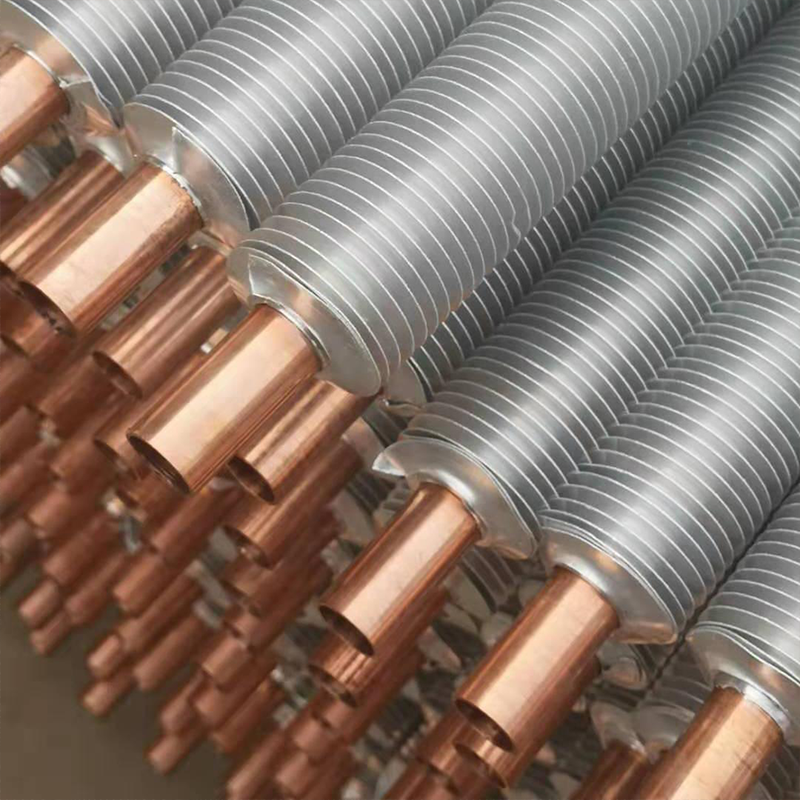
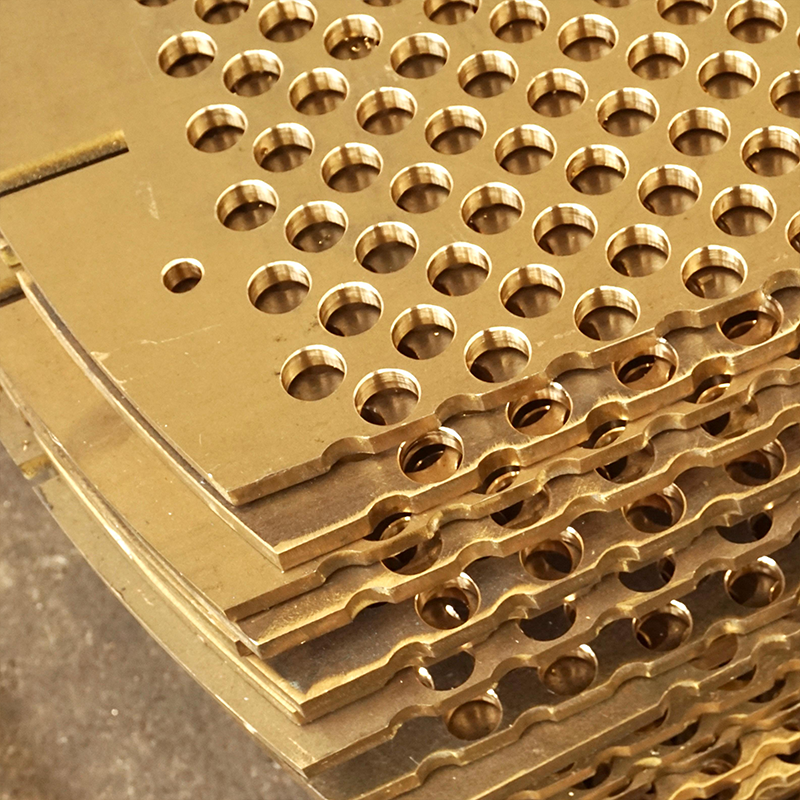
A striking example of this approach is the companyWuxi Kaisheng Electric Power and Petrochemical Equipment Co., Ltd.. Specializing in the development and production of high-tech equipment for the oil, gas and chemical industries, the company offers not just individual components, but integrated solutions. Their portfolio includes titanium shell-and-tube heat exchangers, ASME-standard high-pressure units, and corrugated tube bundles in 316 stainless steel, C46400 marine brass, and nickel-based alloys (N06625). This variety of materials makes it possible to create systems that are resistant to the most aggressive environments, which are often stored in polyethylene tanks.
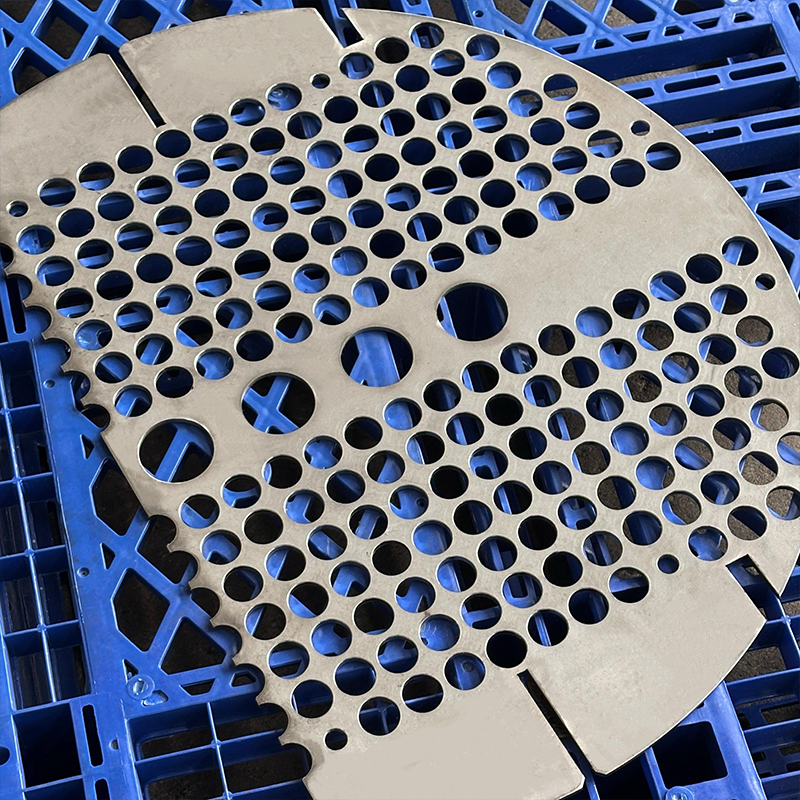
Wuxi Kaisheng LLC pays special attention to corrosion resistance and the ability of equipment to operate at extreme pressures and temperatures. The company's products, certified to PED and ASME standards, are widely used in seawater desalination, shipbuilding and energy conservation. The use of high-quality tubesheets made of 321 steel or C70600 copper-nickel alloys in adjacent system components (for example, in reagent heating circuits before entering the tank) guarantees the stability of the physical parameters of the environment. This, in turn, simplifies the task for level sensors, minimizing the influence of external factors on measurement accuracy. Collaboration with partners such as Wuxi Kaisheng LLC allows customers around the world to receive customized solutions where every element - from the heat exchanger to the level control system - works as a single, well-oiled machine.
Frequently Asked Questions
Is it possible to install a radar sensor on the outside of a plastic tank without insertion?
Yes, this is possible and is often the preferred option for PE tanks. Radar waves with a frequency of 80 GHz pass freely through a polyethylene wall if it is homogeneous and does not have metal reinforcement. The main condition is that the surface of the tank at the installation site must be flat, and the wall thickness should not exceed the recommendations of the sensor manufacturer (usually up to 20–30 mm). This installation maintains the tightness of the tank and simplifies maintenance of the device.
How does the color of a polyethylene tank affect the operation of the sensor?
The color of the tank (black, blue, white) has virtually no effect on the propagation of electromagnetic waves from the radar, since they are in a completely different spectrum than visible light. However, black color contributes to the strong heating of the tank in the sun, which can affect the temperature of the sensor electronics and the environmental parameters inside. For ultrasonic sensors, the gas temperature above the liquid is critical, so black outdoor tanks require additional thermal compensation or protective covers.
What should I do if there is a stirrer inside the tank?
The presence of a stirrer complicates the task, since the blades create powerful false echoes. In this case, it is necessary to use sensors with a narrow radiation angle (4°) and the Echo Mapping function. When first started, the system “remembers” reflections from the stirrer and ignores them in the future. It is also important to install the sensor so that the beam does not intersect the path of movement of the blades; this is usually done closer to the wall, but outside the vortex formation zone.
Do I need special calibration for different liquids?
For radar sensors, the dielectric constant of the liquid affects the strength of the reflected signal, but modern instruments automatically adapt to the signal strength. Calibration “for liquid” is usually not required; it is enough to enter the geometric parameters of the tank (height, diameter). The exception is liquids with very low dielectric constants (less than 1.6), which may require special adjustments to the receiver sensitivity.
Which data interface is better to choose?
The choice of interface depends on the architecture of your process control system. The 4-20 mA analog signal remains the most reliable and versatile interference-tolerant standard. Digital protocols (HART, Modbus RTU, Profibus) provide access to advanced diagnostics and parameter settings remotely. For new projects, we recommend using hybrid solutions (4-20 mA + HART), which provide both reliable control and the ability to intelligently monitor the status of the device.
Conclusion and recommendations for choosing a supplier
Automation of level control in vertical polyethylene tanks is a task that requires an integrated approach. You can't just buy the “most expensive sensor” and expect perfect results. It is necessary to take into account the physics of the process, the properties of the tank material, environmental conditions and regulatory requirements. Errors at the design stage are too expensive during operation.
We have seen in practice that the most effective solution for most tasks is modern radar level meters with a frequency of 80 GHz. They combine high accuracy, reliability and ease of installation on plastic containers. However, for specific applications (viscous media, limited budgets), other technologies such as capacitive or hydrostatic sensors may be optimal.
When choosing a supplier, pay attention not only to the price of the equipment, but also to the quality of technical support. The availability of engineers who can travel to the site to carry out commissioning and staff training is often more important than a 5-10% discount. Make sure that the equipment has a full package of permits for operation in the Russian Federation and the EAEU countries. Also consider partnering with an OEM, such as Wuxi Kaisheng LLC, who can ensure the reliability of not only the instrumentation, but also the entire tank process.
If you are faced with choosing a specific solution for your production, do not risk the resources of the enterprise. Entrust the task to professionals who understand the specifics of working with polymer tanks and aggressive environments. Correctly selectedlevel sensors for vertical PE tankswill become the foundation of a safe and efficient technological process.
Contact us todayfor a free consultation and audit of your current level measurement systems. Our experts will help you select the optimal equipment, calculate the estimate and prepare an implementation project with a guarantee of results.
Read also our materials on the topic:Radar Level Selection GuideandSafety precautions when operating polyethylene tanks.