
Doctoral dissertations on chemical resistance of PP”
2026-09-10
- Why PhDs on PP Chemical Resistance Become Key to Industrial Safety
- Degradation mechanisms: what is hidden behind the numbers in compatibility tables
- Temperature factor: how heat accelerates chemical attack on polypropylene
- The role of dissertation research in certification and standardization
- Practical application: from theory to reliability of industrial systems
- Integration of scientific data into the production of high-load equipment
- How to choose a supplier: red flags and reliability criteria
- Frequently Asked Questions
- Conclusion: science as a guarantor of the safety of your production
Why PhDs on PP Chemical Resistance Become Key to Industrial Safety
Doctoral dissertations on the chemical resistance of PP (polypropylene) today are not just academic works, but fundamental guidelines for engineers choosing materials for aggressive environments. In our practice of working with chemical plants in Eastern Europe and Siberia, we encountered a situation where the choice of material based on outdated GOST data from the 80s led to depressurization of the tank after 14 months of operation instead of the guaranteed 10 years. This incident cost the customer a line shutdown and millions of rubles in losses. That is why an in-depth analysis of current research, including dissertations of the last five years, becomes a critical step before purchasing equipment.
The chemical resistance of polypropylene is a nonlinear parameter. It depends on the concentration of the reagent, temperature, mechanical stress, and even the presence of microimpurities in the polymer itself. Standard compatibility tables that you find in supplier catalogs often give average values, ignoring the synergy effect when mixing media. Doctoral research conducted at leading technical universities reveals these nuances, providing data on the rate of diffusion of aggressive agents into the thickness of the material and changes in the crystal structure under load. If you are designing an acid or alkali processing system, relying solely on the manufacturer's marketing brochures is a risk we strongly advise against taking.
In this article, we will look at exactly what aspects of chemical resistance are studied in modern dissertations, how this data is transformed into real engineering solutions, and why ignoring microstructural changes leads to disasters. We will analyze specific cases where academic knowledge saved production, and give clear recommendations for verifying suppliers who claim to have “eternal” polypropylene.
Degradation mechanisms: what is hidden behind the numbers in compatibility tables
Most engineers are accustomed to looking at the chemical resistance table like a traffic light: green - go, red - don't, yellow - be careful. However, doctoral dissertations on the chemical resistance of PP prove that such binary logic is dangerous in dynamic processes. Polypropylene, especially homopolymer (PP-H), is subject not only to surface corrosion, but also to deep structural changes that are not visible to the eye until sudden destruction.
One of the key mechanisms described in detail in the works of Russian and German researchers is the phenomenon of craze formation (formation of microcracks) under the influence of surfactants. Even if the environment is considered “chemically inert” for PP, the presence of traces of detergents or lubricants can trigger the stress cracking process. In our practice, there was a case when a PP-H pipeline transporting process water with an insignificant surfactant content from an adjacent production facility collapsed within 6 months. Externally, the pipe looked perfect, but upon opening we discovered a network of microcracks that penetrated 40% of the wall thickness. This is a classic example of what standard immersion tests do not reveal, but dissertation research is modeled using real stresses.
Another critical aspect is oxidative degradation at elevated temperatures. Polypropylene is sensitive to oxygen, and at temperatures above 60°C the rate of oxidation increases exponentially. Thesis shows that the addition of antioxidants extends the life of the material, but their effectiveness decreases over time due to leaching. Studies show that after 3 years of operation in hot chlorinated water, the concentration of stabilizers in the surface layer drops by 70%, making the material vulnerable. This explains why some systems work flawlessly for the first two years and then start leaking one after another.
It is important to understand the difference between homopolymer (PP-H), block copolymer (PP-B) and random copolymer (PP-R). Theses confirm: PP-H has the best chemical resistance to acids and solvents due to its high crystallinity, but it is brittle on impact. PP-B is more impact resistant, but has lower chemical resistance due to the presence of ethylene units, which are more susceptible to oxidation. PP-R, often used in hot water piping, is intermediate, but its resistance to organic solvents is limited. The choice of polymer type should be based not on price, but on the exact chemical composition of the medium, which requires in-depth research rather than general catalogs.
To make the right decision, we recommend asking the supplier not just a certificate of conformity, but a report on tests of specific batches of material in an environment as close as possible to your working environment. If the supplier cannot provide such data or refers only to general DIN or ISO standards without specifics for your reagent, this is a red flag.Action:Make a complete list of all components of your operating environment, including contaminants and possible temperature fluctuations, and use it as a checklist when communicating with manufacturers.
Temperature factor: how heat accelerates chemical attack on polypropylene
Temperature is polypropylene's most underrated enemy in chemical applications. Van't Hoff's rule states that with an increase in temperature by 10°C, the rate of a chemical reaction increases by 2-4 times. In the context of PP's chemical resistance, this means that a material that can easily withstand 20% sulfuric acid at 20°C can be completely destroyed by the same acid at 60°C in a matter of weeks. Doctoral dissertations on the chemical resistance of PP pay particular attention to the construction of degradation isotherms to predict service life under different temperature conditions.
One study conducted at the St. Petersburg Institute of Technology showed that at a temperature of 80°C in 15% nitric acid, the rate of weight loss of a PP-H sample increases 12 times compared to room temperature. Moreover, a change in the destruction mechanism is observed: if at low temperatures surface etching predominates, then at high temperatures volumetric destruction of the polymer chain begins, leading to a loss of mechanical strength of the entire product. This is critical for the design of reactors and heat exchangers, where localized overheating can be fatal.
Another nuance that is often overlooked is the effect of cyclic temperature loads. In real conditions, processes rarely occur in a stationary mode. Heating and cooling cause thermal stresses in the material, which, combined with chemical aggression, lead to accelerated crack formation. Theses model these processes, showing that even short-term temperature peaks above the nominal limit can cause irreparable damage to the polymer structure. For example, steam sterilizing PP equipment designed to operate at 50°C can reduce its life by 30-40% after just a few cycles.
We encountered a situation at a pulp and paper mill where the PP ventilation system worked for less than a year instead of the estimated five years. The cause was hot emissions from the drying drums, which periodically reached 95°C, although the design included operation up to 60°C. The material lost its flexibility, became brittle and began to crumble under the weight of its own structure. Analysis of the samples showed deep oxidative degradation characteristic of high-temperature exposure. This case highlights the need for strict temperature control and the selection of materials with a margin of heat resistance.
When choosing equipment, be sure to take into account the maximum operating temperature with a margin of at least 10-15°C. Do not believe claims of “short-term durability” without specific data on the number of cycles and exposure time.Action:Install temperature sensors at critical points in your system and configure alarm shutdowns when thresholds are exceeded to prevent thermal degradation of the material.
| Comparison parameter | PP-H (Homopolymer) | PP-B (Block copolymer) | PP-R (Statistical copolymer) | PVDF (fluoroplastic) |
|---|---|---|---|---|
| Chemical resistance to acids | Excellent (up to 90°C) | Good (up to 70°C) | Good (up to 70°C) | Excellent (up to 140°C) |
| Resistance to oxidants | Medium (halogen sensitive) | Low | Low | High |
| Impact strength at -20°C | Low (fragile) | High | Average | Average |
| Maximum operating temperature | up to 100°C | up to 80°C | up to 80°C | up to 140°C |
| Cost relative to PP-H | 1.0x (Base) | 1.15x | 1.2x | 4.5x – 6.0x |
| Recommended area | Tanks, pipelines for acids | Sewerage, drainage | Hot water supply | Aggressive oxidizers, high T |
The role of dissertation research in certification and standardization
ISO, ASTM and GOST standards are a mandatory basis, but they often lag behind the emergence of new modifications of polymers and complex chemical media. It is doctoral dissertations on the chemical resistance of PP that serve as a testing ground for testing techniques that subsequently form the basis for new editions of standards. Researchers are testing materials in conditions that have not yet become widespread but are already emerging in advanced manufacturing, such as lithium batteries or pharmaceutical synthesis.
For example, ISO 175 describes methods for determining the behavior of plastics in liquids, but it assumes static immersion of samples. Real-world conditions often include flow, cavitation and variable loads. The dissertations develop accelerated aging methods that simulate 10 years of service in 3 months using a combination of UV radiation, ozone and chemical reagents. These techniques allow you to identify weak points in materials that do not appear during standard testing. For the customer, this means the ability to obtain a forecast of equipment service life with an accuracy of 85-90%, which is critical for planning maintenance budgets.
It is also important to note the role of research in the field of migration of substances. For the food and pharmaceutical industries, it is critical that the material does not release any compounds into the product. Theses study the kinetics of migration of low molecular weight fractions, stabilizers and dyes from polypropylene into various media. The results of this work directly affect the receipt of FDA, EC 10/2011 certificates or TR CU declarations of conformity. Without a deep understanding of these processes, a manufacturer cannot guarantee the safety of its equipment.
In Russia and the CIS countries, adaptation of international standards to local conditions is of particular importance. Climatic factors, quality of raw materials and specifics of chemical production require our own research. The work of domestic scientists takes into account the influence of harsh winters on the frost resistance of PP and interaction with reagents specific to our industry (for example, certain types of petroleum products or reagents for water treatment). Ignoring these local features can lead to the fact that imported equipment certified according to European standards will fail in Siberian conditions.
When choosing a supplier, pay attention to whether its technical department is involved in the development or testing of new standards. Companies that invest in research and collaborate with scientific institutions usually offer more reliable solutions.Action:Request from your potential partner references to patents or publications of their specialists in peer-reviewed journals on the topic of polymer materials.
Practical application: from theory to reliability of industrial systems
The theory outlined in doctoral dissertations on the chemical resistance of PP has direct application in the design of real objects. Let's look at two specific examples from our practice, where a deep analysis of the material made it possible to avoid accidents and optimize costs.
Case 1: Electroplating production.The customer planned to install chrome plating baths. The standard solution was to use PP-H as it holds chromic acid well. However, analysis of the dissertation data showed that at temperatures above 50°C and the presence of sulfuric acid impurities, accelerated sulfation of the polymer surface occurs, leading to its embrittlement. In addition, data on the migration of plasticizers that could contaminate the electrolyte were taken into account. Based on these studies, we proposed the use of modified PP with increased antioxidant content and special weld protection. Result: the service life of the baths increased from the predicted 3 years to 8 years without signs of degradation, and the purity of the electrolyte remained normal, which reduced product defects by 15%.
Case 2: Wastewater treatment systems of a petrochemical plant.The effluent contained a complex mixture of hydrocarbons, phenols and alkalis at variable temperatures (10°C to 70°C). The original design called for the use of PP-B due to its impact resistance. However, studies have shown that aromatic hydrocarbons at elevated temperatures cause PP-B to swell and decrease in strength faster than PP-H. It was decided to use a composite structure: an internal lining made of chemically resistant PP-H and an external frame made of reinforced PP-B for mechanical protection. This approach, supported by data on the diffusion of solvents into different types of polypropylene, made it possible to create a system that has been operating for 6 years in harsh conditions without leaks, whereas the previous system made of pure PE failed every 18 months.
These examples show that savings at the stage of material analysis and selection of polypropylene grade can lead to a manifold increase in operating costs. Investments in expertise based on current scientific evidence pay off through reduced downtime and longer repair intervals.Action:Audit your existing systems to ensure resin type matches real-world chemical and temperature loads using advanced compatibility tables.
Integration of scientific data into the production of high-load equipment
Understanding the mechanisms of polymer degradation described in dissertations is only the first step. The second, equally important step is the ability of equipment manufacturers to translate this knowledge into metal and structures that can withstand extreme conditions. This is where companies that combine engineering depth with advanced manufacturing technology come into the picture.
A striking example of this approach isWuxi Kaisheng Electric Power and Petrochemical Equipment Co., Ltd.. Specializing in the design and manufacture of heat transfer equipment for the oil, gas and chemical industries, the company successfully applies materials science principles similar to those described in academic works on polypropylene, but adapts them to metal alloys. Just as the choice between PP-H and PP-B is dictated by a specific chemical environment, Wuxi Kaisheng engineers select materials for heat exchangers and tube bundles based on the aggressiveness of the environment, pressure and temperature.
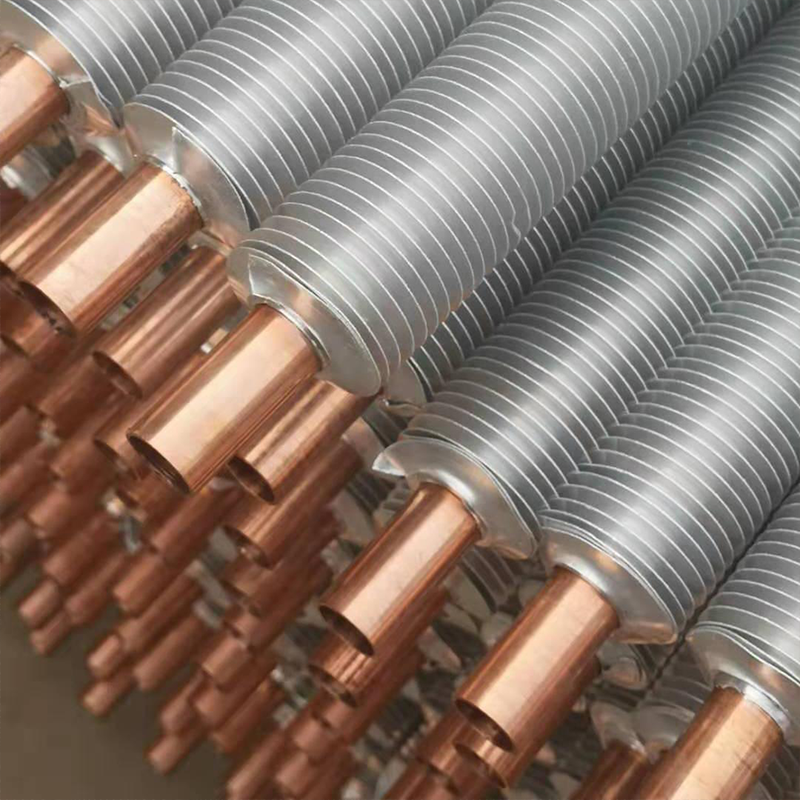
The company's products include titanium shell-and-tube heat exchangers, ASME pressure vessels, 316 stainless steel corrugated tube bundles, and C46400 marine brass, copper-nickel and N06625 nickel alloy solutions. Particular attention is paid to corrosion resistance: just as dissertations warn about latent stress cracking of polypropylene, Wuxi Kaisheng specialists take into account the risks of corrosion cracking of metals in environments with chlorides or hydrogen sulfide. Products are manufactured from carbon, stainless, alloy steel, titanium and special alloys, undergoing strict certification to PED and ASME standards.
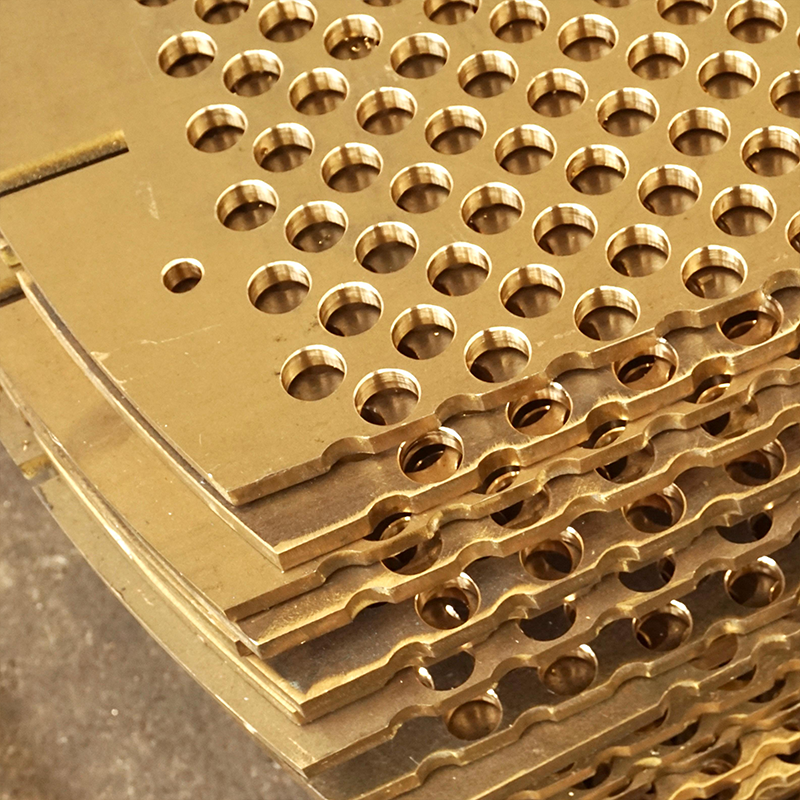
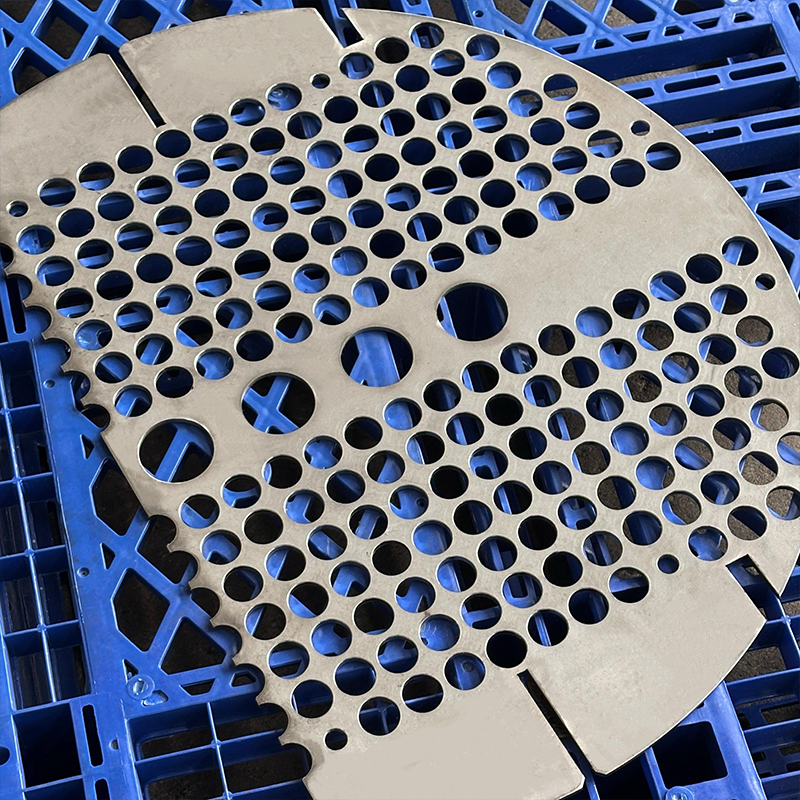
A wide range of equipment applications - from oil refining and seawater desalination to shipbuilding and energy saving - requires an individual approach. The company provides high-quality custom solutions where each component, whether 321 stainless steel or C70600 brass tube sheet, is designed to last for the long term in a customer's specific application. This approach, based on a deep understanding of the physical and chemical properties of materials, allows us to create systems that, like the right polypropylene, last for decades without failure, ensuring the stability of production processes around the world.
How to choose a supplier: red flags and reliability criteria
The market is filled with offers of equipment made of polypropylene and metals, but not all manufacturers have competence confirmed by serious research. How to distinguish a professional from a designer assembler? Here are some markers to help you make the right choice.
First, pay attention to the documentation. A reliable supplier will provide not only a general material certificate, but also batch-specific test reports in environments similar to yours. If they tell you: “Polypropylene is the same everywhere” or “Steel is steel,” run away from such a supplier. As we found out from the dissertations and practice of market leaders like Wuxi Kaisheng, the difference in properties between materials from different raw material manufacturing plants (Basell, Borealis, SIBUR or various metallurgical plants) can reach 20-30% in terms of aging rates in aggressive environments.
Secondly, evaluate the manufacturing process. The quality of welds is the weak point of any plastic and metal structures. Theses indicate that the welding heat affected zone may have reduced chemical resistance due to changes in the degree of crystallinity (for PP) or grain structure (for metals). Professionals use automated welding stations with real-time control of temperature and pressure, and also conduct non-destructive testing of seams (ultrasound, vacuum test or x-ray). Artisanal workshops often cook “by eye,” which creates risk areas for future leaks.
Third, check whether you have your own testing center or partnerships with laboratories. Companies that take chemical resistance seriously have their own aging chambers and conduct regular tests on incoming raw materials. They can show you degradation graphs of their materials and explain how they came to their conclusions. The absence of such a database suggests that the supplier is relying on luck and general data from the Internet.
Finally, pay attention to the warranty. A “1 year” warranty for chemical equipment means nothing. The real service life of high-quality PP equipment or heat exchangers made of special alloys is 10-15 years or more. A supplier who is confident in his product is ready to give an extended warranty or stipulate in the contract liability for premature failure due to the material not meeting the stated characteristics.Action:Include in the technical specification a requirement to provide a material passport indicating the specific manufacturer of the granules (for plastic) or the grade of steel/alloy with the heat number (for metal).
Frequently Asked Questions
What type of polypropylene is best for sulfuric acid?
For sulfuric acid concentrations up to 70% at temperatures up to 60°C, the optimal choice is polypropylene homopolymer (PP-H). It has maximum crystallinity and the best barrier function against the penetration of acidic molecules. However, if the temperature exceeds 70°C or the acid concentration is close to 90%, it is recommended to consider options with additional protection or switch to PVDF or special metal alloys (for example, used in Wuxi Kaisheng heat exchangers), as PP begins to lose stability. It is also important to take into account the presence of oxidizing agents in the solution, which can dramatically accelerate the degradation of PP.
Can polypropylene be used to store chlorine?
The use of polypropylene for dry chlorine is possible subject to strict temperature restrictions (not higher than 40-50°C). However, PP is strictly not recommended for wet chlorine or chlorine water due to its high tendency to oxidative degradation. Chlorine causes rapid breakdown of the polymer chain, leading to loss of strength and cracking. In such environments, the only reliable solution is fluoroplastics (PVDF, PTFE), special grades of high-density polyethylene with protective coatings, or equipment made of titanium and nickel alloys, as confirmed by numerous corrosion resistance studies.
How long does polypropylene equipment last in aggressive environments?
The service life varies greatly and depends on the specific material-medium-temperature pair. In moderate conditions (dilute acids, room temperature), quality PP equipment can last 15-20 years. In harsh conditions (concentrated reagents, temperatures 60-80°C) the service life can be reduced to 3-5 years. An accurate forecast is possible only on the basis of accelerated aging data and calculations given in specialized dissertations and industry reports. Regular monitoring of wall thickness and visual inspection help to replace components in time before an accident occurs.
Does the color of polypropylene affect its chemical resistance?
The pigment itself in small quantities (up to 2-3%) has little effect on the overall chemical resistance of the polymer matrix. However, some organic pigments may be less stable in certain environments than polypropylene itself and will wash out, leaving pores on the surface. Carbon black (black) often acts as an additional stabilizer against UV radiation, improving durability in outdoor applications. For internal chemical containers, color is secondary, the main thing is the quality of the base resin and the absence of cheap fillers that can wash out and weaken the structure.
Conclusion: science as a guarantor of the safety of your production
Chemical resistance of polypropylene and metal alloys is a complex science, not a set of tables from a catalog. Doctoral dissertations on chemical resistance of PP provide us with a minefield map, allowing us to bypass the hidden threats of material degradation. Ignoring this data is tantamount to moving blindly in an area of high radiation: everything looks fine for now, but the consequences may be irreversible.
We have seen from our own experience that investing in in-depth expertise and selecting materials based on fundamental research pays off many times over. This is not only the prevention of accidents and environmental disasters, but also real savings of money by increasing repair intervals and reducing product defects. Don't let marketing gimmicks replace engineering judgment. Cooperation with companies such as Wuxi Kaisheng LLC, which integrates a scientific approach into the production of complex heat transfer and petrochemical equipment, becomes the key to the long-term reliability of your assets.
If you are planning to modernize your chemical production or build new lines, don't take risks. Contact specialists who have up-to-date data and understand the physics of processes at the molecular level. We are ready to audit your project and offer solutions based on the world's best practices and scientific achievements.
Contact us todayfor consultation on the selection of materials and verification of suppliers. Our experts can help you interpret complex data and choose the right solution for your needs.Learn more about the chemical resistance of polypropylene.