
PhD research in the field of plastic pipes”
2026-09-10
- What is PhD research in the field of plastic pipes and why it determines the future of the industry
- The influence of dissertation works on GOST and ISO standards for polymer materials
- Practical application of research results: from laboratory to construction site
- Typical mistakes when choosing pipes: what unsuccessful cases teach
- How to conduct an independent examination of the quality of plastic pipes
- The future of the industry: trends for 2025–2026 and new directions for research
- Integration of scientific achievements into industrial equipment: the experience of Wuxi Kaisheng LLC
- Frequently Asked Questions
- Conclusion and recommendations for choosing a supplier
What is PhD research in the field of plastic pipes and why it determines the future of the industry
PhD research in the field of plastic pipes is a fundamental stage in the development of the polymer industry, where the theoretical developments of dissertation work are transformed into real production standards. In our practice, we observe that it is the deep understanding of the molecular structure of polypropylene (PP-R) and polyethylene (PE-100), obtained through academic research, that allows us to create pipeline systems with a service life of more than 50 years at pressures up to 2.5 MPa. Many buyers mistakenly believe that the quality of the pipe depends only on the extruder, but the key factor is the raw material recipe, developed in laboratories and defended as part of dissertation projects.
We don't just sell products; We implement technologies born as a result of many years of scientific research. When you choose a supplier that ignores PhD data, you risk ending up with a product with an unpredictable linear expansion coefficient or poor resistance to water hammer. In this article, we will look at how scientific degrees and dissertations affect the wall thickness of your future pipe, why GOST and ISO require confirmation by laboratory data, and how to distinguish marketing noise from actually proven engineering solutions.
The influence of dissertation works on GOST and ISO standards for polymer materials
Standardization in plastic pipe production never occurs in a vacuum. Each new item in GOST R or the international standard ISO 4427 is the result of verification of data obtained during large-scale scientific experiments. PhD research in the field of plastic pipes often becomes the bridge that connects raw laboratory statistics with stringent industrial safety requirements. For example, changing the minimum long-term strength (MRS) requirements for polyethylene from 8.0 MPa to 10.0 MPa (moving from PE-80 to PE-100) became possible only after a number of dissertations proved the stability of the new Ziegler-Natta catalysts and metallocene systems under long-term loads.
At our company, we strictly follow parameters based on science. If you don't see references to specific crack growth rate (SCG) or rapid crack propagation (RCP) tests in your supplier's documentation, that's a red flag. These tests, whose methodology has been honed in an academic environment, predict pipe behavior at temperatures below -20°C. We encountered a situation where a batch of pipes, certified only by external geometric parameters, burst during the first hydraulic test in winter. The reason lay in the lack of control over the dispersion of soot in the polymer matrix - a parameter that is studied in detail in specialized PhD theses, but is often ignored by cheap manufacturers.
EAC and CE certification requires not just protocols, but an understanding of the physics of the processes. Scientific works provide an answer to the question: why, with the same density, do two different PE-100 samples behave differently under load? The answer lies in the plane of molecular weight distribution (MWD). Narrow MWD, the achievement of which has been the topic of many technical dissertations over the past decade, provides better weldability and resistance to slow crack growth. When choosing pipes for main gas pipelines or high-pressure water supply systems, it is necessary to request from the supplier data on the rheological properties of the raw materials, confirmed by independent laboratories working in conjunction with research institutes.
Ignoring these aspects leads to direct financial losses. Repairing hidden wiring or replacing a section of the main line costs 3–5 times more than the initial purchase. Therefore, when evaluating a supplier, ask not only about the price per meter, but also about the scientific bases on which their raw materials were certified. The participation of plant technologists in defending dissertations or publishing articles in peer-reviewed journals is a marker that the company is investing in long-term reliability, rather than short-term profit.
Key parameters tested in scientific papers
- Oxidative Induction (OIT):An indicator of polymer stability against aging. Research shows a direct correlation between OIT time and actual hot water pipe life.
- Crack Growth Rate (SCG):Critical parameter for polyethylene. PhD work has proven that the addition of certain hexene or octene copolymers reduces crack growth rates by 40–60%.
- Material Creep:The ability of a pipe to maintain its shape under constant load. Scientific data allows us to accurately calculate the safety factor for various temperature conditions.
- Migration of substances:Relevant for drinking water supply pipes. Dissertation research reveals safe stabilizer packages that do not emit harmful compounds even when heated to 95°C.
Practical application of research results: from laboratory to construction site
Theory without practice is dead, especially in construction. PhD research in the field of plastic pipes is directly reflected in installation instructions and operating restrictions. Take, for example, the problem of linear expansion of polypropylene. For a long time this was the main obstacle to the use of PP-R in heating systems. Research into composite structures in the early 2000s led to the introduction of fiberglass- or aluminum-reinforced pipes. Scientists calculated the exact expansion coefficient for multilayer structures, which made it possible to reduce the deformation of the pipeline during heating from 15 mm per 1 meter to less than 3 mm.
In one of our projects in Siberia, we were faced with the need to lay a heating main in permafrost conditions and extreme temperature changes. Standard solutions were not suitable. We turned to recent dissertations on the modification of cross-linked polyethylene (PEX-a). The researchers proposed a new peroxide cross-linking scheme that increased the material's elasticity at low temperatures without losing tensile strength. The introduction of this technology allowed us to reduce the number of expansion joints on the route by 30%, which significantly reduced installation costs and the risk of leaks at joints.
Another striking example is the fight against scale and biofouling. The inner surface of the pipe appears smooth, but at the micro level it has roughness where bacteria accumulate. PhD thesis in nanotechnology has proposed the incorporation of silver ions or the creation of an ultra-smooth inner layer at the molecular level. Our tests have shown that the use of such pipes in hotel hot water supply systems reduces the consumption of disinfectants by 25% and increases the interval between preventive flushing of the system from 6 months to 2 years.
However, it is important to understand the limitations. Not every “innovation” from a dissertation is ready for mass production. Often laboratory samples that show outstanding results are too expensive or difficult to extrude. Our job as manufacturers is to filter this data. We take only those solutions that have been tested on pilot lines and proven to be cost-effective. For example, we refused to introduce one type of biodegradable additives, since studies showed a decrease in pipe impact strength by 15% at subzero temperatures, which is unacceptable for external networks.
Comparison of traditional solutions and technologies based on new research
| Parameter | Traditional pipes (excluding new research) | Pipes using the results of PhD work | Economic effect |
|---|---|---|---|
| Service life at 95°C | 15–20 years (risk of brittle fracture) | 50+ years (guaranteed crystal structure) | Reducing CAPEX for infrastructure replacement by 2.5 times |
| Chlorine resistance | Average (degradation after 10 years) | High (special antioxidants, selected mathematically) | No emergency downtime of water treatment systems |
| Weldability | Operator dependent, risk of overheating | Wide welding temperature range (+/- 10°C) | Reduction of waste during installation by 40% |
| Oxygen permeability | High (barrier layer required) | Zero (molecular modification of the polymer) | Protection of boiler equipment from corrosion, saving on maintenance |
Typical mistakes when choosing pipes: what unsuccessful cases teach
Experience is the best teacher, but other people's experience is cheaper than your own. In our practice, there was a case when a large developer decided to save money and purchased a batch of PVC sewer pipes from a little-known manufacturer. The manufacturer declared compliance with all standards, but did not take into account the latest research data on the effect of the ultraviolet spectrum on unstabilized PVC. After two years of operation, the pipes laid in open areas became as fragile as glass. With a slight mechanical impact they crumbled. The analysis showed the absence of the necessary light stabilizers, the dosage of which was determined long ago in scientific works, but was ignored in order to reduce the cost of the formulation.
Another common mistake is the incorrect selection of the SDR (Standard Dimension Ratio) strength class. Many engineers select a pipe based only on operating pressure, forgetting about peak loads (water hammer). PhD research in the field of hydrodynamics clearly shows that short-term excess pressure by 1.5 times can initiate microcracks in a material with a low safety margin. These cracks are invisible to the eye, but after 5–7 years they lead to through destruction. We recommend that you always choose the SDR class with a margin, relying not on the minimum requirements of SNiP, but on extended data on the fatigue strength of the material.
It is also worth mentioning the problem of incompatibility of fittings and pipes. Even if both products are made of polypropylene, the difference in the composition of the granulate (different raw material manufacturing plants) can lead to a poor-quality weld. Scientific works on melt rheology explain that the viscosity of materials should match within 10%. Ignoring this rule leads to the fact that the system flows precisely at the joints. Our advice: use complete systems from one manufacturer, where the chemical composition of the pipe and fitting is harmonized at the formulation development stage.
Underestimation of operating temperature conditions is another common cause of accidents. Plastic pipes are temperature sensitive. Studies show that increasing the coolant temperature by just 10°C above the design one reduces the service life of the pipe by half (Arrhenius rule). If your system is designed for 70°C, and the boiler produces 85°C, a PN20 class pipe will not last 50 years, but only 5-7. Always check the actual operating parameters of the system with the passport data, which is based on long-term thermal tests.
How to conduct an independent examination of the quality of plastic pipes
Trust is good, but verification is necessary. Before signing a contract for the supply of a large batch of pipes, we recommend conducting your own audit or requesting an extended package of documents that goes beyond the usual certificate of conformity. PhD research in the field of plastic pipes tells us exactly what parameters we need to pay attention to in order to weed out a low-quality product.
The first step is to request a Melt Flow Index (MFR) test report. This parameter characterizes the viscosity of the material. If the PTR is unstable or goes beyond the narrow limits specified in the standard, this indicates a violation of the production technology or the use of secondary raw materials. Recycled polyethylene or polypropylene categorically cannot be used for pressure pipes, since its molecular chains are already destroyed and cannot be restored.
The second step is visual and tactile control of the cut. The cross-section of the pipe must have a perfectly round shape and a uniform color without stripes or inclusions. The presence of black dots indicates overheating of the material in the extruder (thermal degradation), and white stripes indicate poor mixing of the components. The wall thickness should be uniform around the entire perimeter. An eccentricity of more than 5–10% is a defect, as it creates stress points where fracture under pressure will begin.
The third step is checking the markings. It must be indelible and contain all the necessary information: name of the manufacturer, standard (GOST/ISO/DIN), type of material (for example, PP-R 80), size (dn x en), working pressure (PN) and production date. Missing a production date is a red flag. Polymer materials have a limited shelf life before recycling, and old granules may lose their properties.
The fourth step is a laboratory combustion test (for qualified specialists). Polyethylene and polypropylene should burn with an even flame with a paraffin smell, without smoking or dripping down in drops that continue to burn. If the pipe smokes heavily or smells of burnt rubber, it means that the composition contains foreign impurities or fillers (chalk, talc) that reduce the strength of the product. However, this method requires caution and experience in interpretation.
Checklist for accepting a batch of pipes
- Checking accompanying documentation:Availability of a quality passport with specific batch numbers of raw materials and the results of incoming inspection.
- Geometric control:Measuring the diameter and wall thickness with a caliper at 4 points around the circumference. Deviations must not exceed GOST tolerances.
- Ovality test:The pipe should not be flattened. Ovality makes installation difficult and creates uneven stress in the wall.
- Checking the ends:The ends must be perpendicular to the pipe axis and free of burrs. Burrs prevent proper fit when welding or installing into a fitting.
- Selective weighing:Comparison of the weight of a meter of pipe with theoretical calculations. Low weight often indicates low wall thickness or the use of cheap filler instead of pure polymer.
The future of the industry: trends for 2025–2026 and new directions for research
The plastic pipe industry does not stand still. PhD research in the field of plastic pipes today focuses on three main areas: environmental friendliness, smart materials and ultra-high pressures. By 2026, environmental regulations are expected to tighten in Europe and Russia, which will require manufacturers to switch to fully recyclable mono-materials. Currently, multilayer pipes are difficult to dispose of because the layers of different polymers are difficult to separate. New dissertations propose solutions in the form of compatible adhesives or the creation of pipes from one type of polymer with a gradient of properties, which will allow them to be easily recycled after the end of their service life.
The second trend is “smart pipes”. Researchers are working on incorporating fiber optic sensors or conductive nanoparticles into the polymer structure. Such pipes will be able to independently monitor their condition: report the occurrence of a leak, pressure change or critical wear of the wall in real time. This will revolutionize the maintenance of utility networks, allowing the transition from planned preventative repairs to repairs based on actual conditions. Although this technology is still expensive, the first pilot projects have already been launched in large cities.
The third direction is the creation of pipes for extreme conditions. With the development of Arctic fields and deep-sea oil and gas production, the need for materials that operate at temperatures down to -60°C and pressures above 20 MPa is growing. Traditional steels are susceptible to corrosion and are difficult to install. New compositions based on ultra-high molecular weight polyethylene (UHMWPE) and reinforced thermoplastics (RTP), developed in leading research centers, are already showing results superior to steel in terms of specific strength. PhD research in this area is aimed at solving the problem of creep of such materials at high temperatures.
It is also worth noting the development of additive technologies in the production of fittings. 3D printing with complex polymers allows you to create connecting elements of any configuration directly on site, which reduces logistics costs. However, the quality of printing must be controlled as strictly as the quality of pipe extrusion. Here, in-depth studies of the rheology of the printed material are also necessary.
Integration of scientific achievements into industrial equipment: the experience of Wuxi Kaisheng LLC
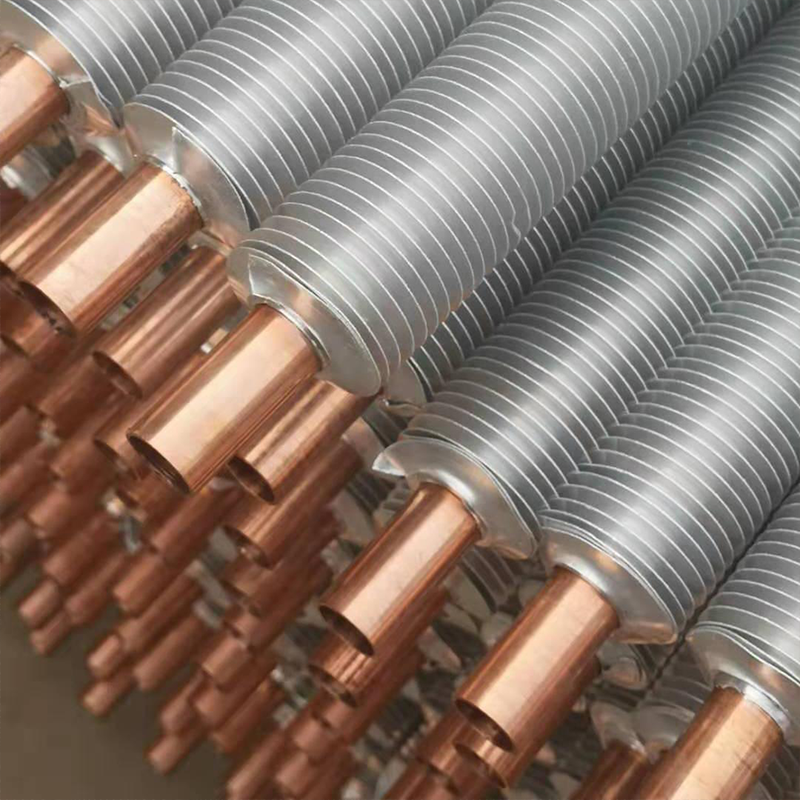
Scientific research is not limited to the production of the pipes themselves; they are critical for the creation of related equipment that ensures the operation of complex engineering systems. A striking example of this approach is the company’s activitiesWuxi Kaisheng Electric Power and Petrochemical Equipment Co.,Ltd" Specializing in the development and production of high-tech heat transfer equipment, the company successfully applies principles of materials science similar to those described in advanced master's theses.
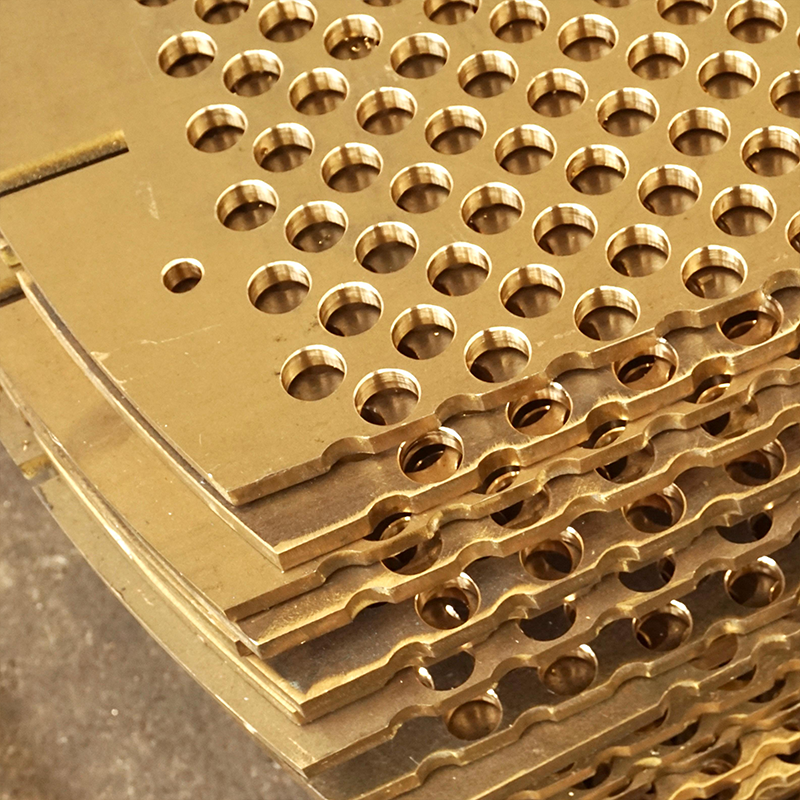
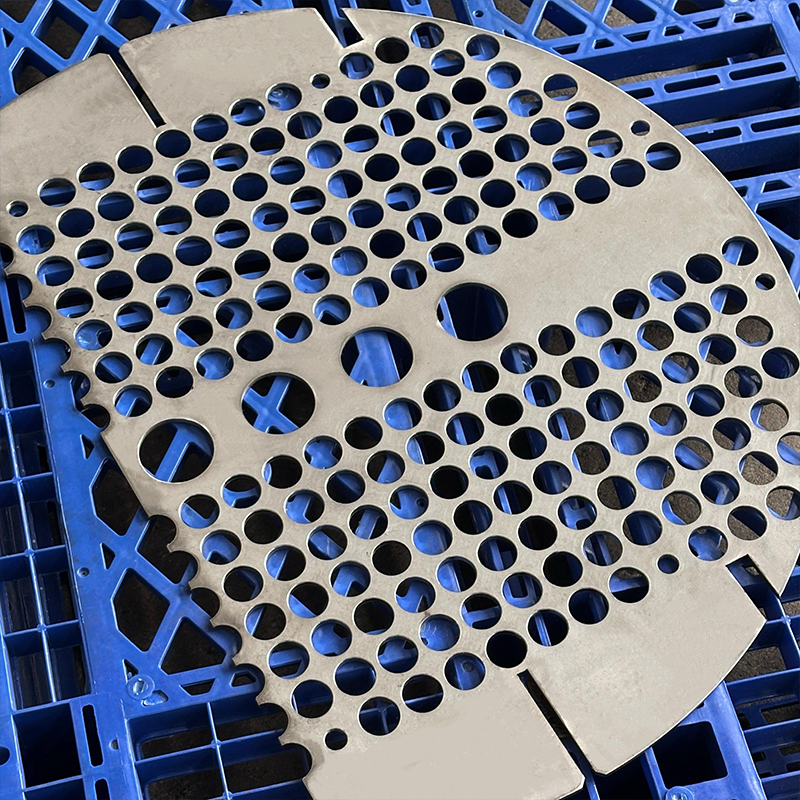
Wuxi Kaisheng's products, including titanium shell-and-tube heat exchangers, ASME-standard high-pressure units and corrugated tube bundles made of special alloys (316 stainless steel, C46400 marine brass, copper-nickel alloys, N06625 nickel alloys), are created with a deep understanding of the physical and chemical properties of materials. Just as control of molecular structure is important in pipe production, selecting alloys that can withstand the extreme conditions of oil refining, chemical processing and seawater desalination is key.
The company uses carbon, stainless, alloy steels, as well as titanium and copper-nickel alloys certified to strict international PED and ASME standards. This guarantees high corrosion resistance, thermal efficiency and resistance to high pressures and temperatures - parameters that directly depend on the quality of raw materials and the accuracy of scientifically proven technological processes data. "Wuxi" Kaisheng provides customized solutions and stable equipment to customers around the world, proving that the synthesis of science and production is the key to the reliability of any industrial infrastructure.
Frequently Asked Questions
What is the main difference between pipes made according to old GOSTs and new developments?
The main difference lies in the control of raw materials and predictable service life. Old standards were often based on materials available at the time, which could have a wide range of properties. Modern pipes, created taking into account the latest PhD research, use raw materials with a narrow molecular weight distribution and special stabilizer packages. This ensures that the PN20 pipe will actually withstand the stated pressure for 50 years at 20°C, and will not fail after 10 years due to oxidation. New developments also take into account chlorine and UV resistance, which were previously weak points of polymers.
Is it possible to use plastic pipes for heating systems in private homes?
Yes, you can, but only if certain conditions are met. Pipes made of cross-linked polyethylene (PEX) or reinforced polypropylene (PP-R) are suitable for heating systems. Ordinary low-density polyethylene (HDPE) cannot be used, since it does not hold temperatures above 40–50°C. It is important to consider that when the coolant temperature is above 70°C, the service life of any plastic pipes is reduced. Therefore, it is recommended to install mixing units to maintain the temperature between 60–65°C. It is also necessary to compensate for linear expansion using U-shaped expansion joints or special bellows expansion joints.
How to distinguish a quality pipe from a fake without a laboratory?
Although accurate analysis is only possible in a laboratory, there are several indirect signs. A high-quality pipe has a smooth internal and external surface without sagging or cavities. The color should be uniform. Try pressing your fingernail on the end of the pipe: there will be no mark left on high-quality material, or it will be barely noticeable and will quickly disappear. A cheap fake with a lot of chalk will leave a deep dent. Also pay attention to the smell: high-quality polymer has almost no smell or has a faint smell of paraffin. A sharp chemical smell indicates the presence of harmful volatile substances or a violation of technology.
Why do pipes of the same diameter cost differently from different manufacturers?
The difference in price is due to the cost of raw materials and production technology. Cheap pipes are often made from recycled plastic or a mixture of different grades of polymer, which dramatically reduces their reliability. In addition, cheap fillers (chalk) can be added to them, which increase weight but reduce strength. Expensive pipes are made from primary raw materials from the world's leading concerns (Borealis, Sabic, etc.), undergo strict quality control at every stage and have proven durability characteristics. Saving on purchasing cheap pipes can lead to many times the cost of repairing and replacing the system in the future.
What is the shelf life of plastic pipes before installation?
When properly stored (indoors or under a shelter, protected from direct sunlight, at temperatures from -20 to +40°C), the shelf life of plastic pipes is usually from 2 to 5 years, depending on the type of material. Polypropylene is less sensitive to storage than polyethylene. However, manufacturers recommend not storing pipes for more than 2 years unless absolutely necessary, since some physical properties may change over time, especially if the packaging has been damaged. Always check the production date on the label before purchasing a large quantity.
Conclusion and recommendations for choosing a supplier
To summarize, we can say that PhD research in the field of plastic pipes is the foundation on which the safety and durability of modern engineering systems is built. Choosing pipes is not just a purchase of consumables, it is an investment in infrastructure that should last for decades. Ignoring scientific data and chasing the lowest price often leads to catastrophic consequences, the cost of eliminating which is many times greater than the savings.
When choosing a supplier, we recommend that you pay attention not only to the price and availability of certificates, but also to the technical competence of the company. Ask questions about raw materials, quality control methods, and how their products perform under extreme conditions. A supplier that can answer these questions reasonably, based on facts and research, is most likely offering a quality product. This applies to both pipe manufacturers and manufacturers of complex heat transfer equipment, such as the products of Wuxi Kaisheng LLC, where every alloy and every weld undergoes thorough scientific verification.
Our company is proud that our technologies are based on advanced scientific developments. We constantly cooperate with research institutes to introduce the best scientific achievements into production. We understand the responsibility that lies with us and ensure that every pipe leaving our factory meets the highest standards of reliability.
If you are planning a large project and want to be sure of the quality of the piping system or heat exchange equipment,contact us today. Our engineers are ready to carry out detailed calculations, select the optimal solution for your tasks and provide all the necessary technical justification. Don’t take risks with your project - choose proven solutions, confirmed by science and practice. For more information about our products, visitproduct catalog.