
Durability of polypropylene lining in acids”
2026-08-16
- Why polypropylene lining lasts longer in aggressive acids: real operating experience
- Chemical resistance of polypropylene: myths and reality in different types of acids
- The influence of welding technology on the tightness and service life of the lining
- Design features and fastening methods: preventing peeling
- Comparative Analysis: Polypropylene vs. Other Thermoplastics in Acid Environments
- Economic efficiency and calculation of lining payback period
- Integrated solutions for the oil and gas and chemical industries
- Frequently asked questions about the use of polypropylene lining
- Conclusion: Investing in the reliability of your production
Why polypropylene lining lasts longer in aggressive acids: real operating experience
The service life of a polypropylene lining in acidic environments directly depends on the correct choice of raw material grade, welding technology and compliance with temperature conditions. In our practice, we have observed cases where the cladding failed after 6 months instead of the guaranteed 10 years due to the use of a homopolymer instead of a copolymer when working with oxidizing agents. The key factor in durability is not just the thickness of the sheet, but the chemical resistance of a particular modification of PP (PP-H, PP-B or PP-R) to a specific type of acid at a given temperature. If you are designing a container for sulfuric acid concentrations greater than 70%, standard polyprolene can degrade in a matter of weeks.
Many buyers make the mistake of focusing only on the price of the material, ignoring the parameters of creep and impact strength at low temperatures. We analyzed more than 200 projects for chemical protection of tanks in Russia and the CIS countries and identified a clear correlation: the use of sheets less than 8 mm thick in tanks with a volume of over 50 m³ leads to deformation of the walls under hydrostatic pressure already in the second year of operation. The durability of polypropylene lining in acids is the result of an engineering calculation, and not a lottery. Below we will look at the technical nuances that distinguish a reliable solution from a temporary patch.
Chemical resistance of polypropylene: myths and reality in different types of acids
Polypropylene is often called a universal material, but this is a dangerous oversimplification. Its behavior changes dramatically depending on the type of acid, its concentration and process temperature. The homopolymer (PP-H) exhibits outstanding resistance to inorganic acids such as hydrochloric acid (HCl) and phosphoric acid, even at high concentrations. However, upon contact with strong oxidizing agents, for example, nitric acid or a chromium mixture, the polymer chains begin to break down, which leads to a loss of mechanical strength and the appearance of microcracks.
In our practice, there was a case at a metallurgical plant in the Chelyabinsk region, where the customer insisted on using standard PP-H for the lining of an pickling tank containing a mixture of nitric and hydrofluoric acids. After 4 months, the cladding lost its tightness in the welds. Laboratory analysis showed deep oxidation of the surface layer of the material. Solving the problem required a complete replacement of the lining with a specialized copolymer with stabilizer additives or a transition to PVDF, which increased the project budget by 40%, but ensured a service life of more than 8 years.
The temperature factor plays a critical role. When the ambient temperature increases by just 10°C, the rate of the chemical corrosion reaction can double. For polypropylene, the maximum operating temperature in aggressive environments is usually +90...+95°C for short-term loads and +80°C for continuous operation. Exceeding this threshold by even 5 degrees accelerates the aging process of the material and reduces its resistance to stress cracking. Therefore, when choosing a material, always ask the supplier for a chemical resistance chart specifically for your acid-concentration-temperature combination.
Particular attention should be paid to organic acids such as acetic or formic. Although polypropylene is generally resistant to them, the presence of impurities or changes in the pH of the environment can cause the material to swell. Swelling leads to a change in the geometric dimensions of the sheets, which creates excess stress at the points of attachment to the metal body of the container. As a result, the lining may peel off from the wall or tear in the fixation zones. We recommend that samples be pre-tested in a real-life operating environment before full-scale installation.
To ensure maximum durability, it is necessary to take into account not only the main operating environment, but also possible emergency situations or equipment flushing regimes. Tanks are often washed with alkaline solutions or solvents after working with acids. Polypropylene has good alkali resistance, but some organic solvents can cause it to dissolve or become severely soft. A comprehensive analysis of all chemical impacts throughout the entire life cycle of equipment is a mandatory design stage.
Table of chemical resistance of polypropylene in basic acids
| Acid type | Concentration (%) | Max. temperature (°C) | Recommended grade PP | Limitations and risks |
|---|---|---|---|---|
| Sulfuric (H₂SO₄) | < 70% | 80 | PP-H (Homopolymer) | At concentrations >70% oxidation and brittleness are possible |
| Hydrochloric (HCl) | Up to 37% | 90 | PP-H / PP-B | High durability, the risk is minimal if the temp. regime |
| Nitrogen (HNO₃) | <20% | 60 | PP-H (with caution) | Strong oxidizing agent. Not recommended for long-term use |
| Phosphoric (H₃PO₄) | Up to 85% | 85 | PP-H | Excellent durability, suitable for most applications |
| Fluorescent (HF) | Any | 70 | PP-H/PVDF | PP is stable, but requires control of the cleanliness of welds |
| Acetic (CH₃COOH) | Up to 80% | 75 | PP-B (Copolymer) | Risk of swelling at high temperatures and concentrations |
The data in the table are averaged and are based on DIN 8077/8078 standards and practical operating experience in the Russian climate. Actual performance may vary depending on the presence of mechanical impurities, abrasive wear and cyclic loads. Always request current chemical resistance certificates from the material manufacturer before purchasing.
The influence of welding technology on the tightness and service life of the lining
Even the highest quality polypropylene sheet will not provide durability if the installation is carried out with violations of technology. More than 60% of lining failures occur not due to destruction of the material itself, but due to defects in welds. Extrusion welding, which is the main method for joining sheets with a thickness of 4 mm or more, requires strict control of parameters: air flow temperature, filler rod feed speed and pressure roller pressure.
In our practice, we encountered a situation at a petrochemical plant where a new lining began to leak three weeks after commissioning. Upon opening, it turned out that the installers used a different brand of filler rod (PP-R instead of PP-H), which had a melting point 15°C lower than the bulk of the sheet. This led to the formation of a thermal stress zone and subsequent cracking of the seam under the influence of vibration of the pumping equipment. The lesson was learned: monitoring the compatibility of materials is the responsibility of technical supervision.
The quality of edge preparation also plays a decisive role. Sheets thicker than 6 mm require V-shaped cutting of edges at an angle of 45-60 degrees. If the angle is too sharp, the filler material will not penetrate into the depth of the weld, resulting in lack of penetration. If the angle is too wide, it creates excess burr that is difficult to remove and creates stress concentration zones. We use specialized carbide-tipped cutters that provide the ideal channel geometry for welding.
The welding temperature must comply with the recommendations of the material manufacturer. For polypropylene, the optimal hot air temperature is 280-310°C. Overheating leads to destruction of the polymer, the appearance of bubbles and a decrease in the strength of the seam to 50% of the strength of the base material. Underheating leads to a lack of adhesion between layers. Our welders use digital temperature controllers with an accuracy of ±5°C and are regularly certified to ISO 9606-2 standards.
No less important is the stage of quality control of finished seams. Visual inspection allows you to identify obvious defects: pores, undercuts, unevenness of the roller. However, for critical objects we always use the spark testing method using a vacuum box or a high-voltage pore detector. This method allows you to detect through micropores and lack of penetration that are invisible to the eye. Only after passing 100% seam inspection is the lining considered ready for use.
Environmental conditions during installation also affect durability. It is not recommended to weld polypropylene at air temperatures below +5°C without preheating the sheets and organizing a greenhouse. Cold material cools too quickly, not having time to form a monolithic connection with the additive. In winter, we use mobile heated boxes, which allows us to maintain high quality work all year round.
Design features and fastening methods: preventing peeling
Polypropylene lining works in difficult conditions of constant contact with an aggressive environment and temperature changes. The metal body of the container and the polymer lining have completely different linear expansion coefficients. When heated, polypropylene expands much more than steel. If compensation for these movements is not provided, enormous internal stresses will arise in the material, leading to separation of the lining from the walls or rupture of sheets.
Traditional adhesive bonding of polypropylene to metal is not possible due to the low surface energy of plastic. Therefore, mechanical fixation methods are used. The most common option is to use anchors with caps, which are welded to a metal body, and then melted and pressed into the body of a polypropylene sheet. The distance between anchors should be calculated based on the thickness of the sheet and the expected temperature range. Typically the pitch is 200-300 mm.
However, simply installing anchors does not guarantee success. Proper placement of compensation zones is critical. In large containers, we introduce a system of “floating” sheets, where the central part of the lining is not rigidly fixed and can move freely relative to the walls, compensating for thermal expansion. Rigid fastening is carried out only around the perimeter and in the corners. An error in the design of this system leads to the fact that the sheet swells with a “bubble” or, conversely, breaks away from the anchors when cooling.
Particular attention should be paid to the design of corners and transitions. The inner corners of containers are high-risk areas. Stresses often accumulate here, and it is more difficult to ensure high-quality welding. We use the technology of seamless molding of corners from a single sheet (where dimensions allow) or use special corner profiles welded in the factory. The rounding radius of the internal corners must be at least 30-50 mm to avoid creases in the material during installation.
Communication penetrations (pipes, hatches, level sensors) are another weak point. Improper sealing of these components allows acid to enter the space between the lining and the metal, causing hidden corrosion of the housing. We use a multi-stage sealing system using fluoroplastic tapes and special pressure flanges made of polypropylene. Each pass must be tested separately before delivery of the object.
It is important to remember that polypropylene has a creep effect. Under the influence of its own weight and hydrostatic pressure of the fluid, the material can slowly deform over time. For vertical walls more than 3 meters high, we recommend reinforcing the structure with additional stiffeners or increasing the thickness of the sheet in the lower third of the container. Ignoring this factor leads to sagging of the lining and disruption of the geometry of the apparatus.
Comparative Analysis: Polypropylene vs. Other Thermoplastics in Acid Environments
The choice of lining material often comes down to a dilemma between cost and performance. Polypropylene occupies the niche of the “golden mean”, but in some cases it is inferior to competitors, and in others it is superior to them. Understanding these differences allows you to avoid overpaying for redundant features or, conversely, making risky decisions.
Compared to polyethylene (PE-HD), polypropylene has superior heat resistance. PE-HD begins to soften already at +60...+70°C, while PP retains its shape up to +90°C and above. For processes involving hot acids or steam cleaning, polypropylene is the only cost-effective solution. In addition, PP has better UV resistance, which is important for open tanks.
Compared to PVC, polypropylene is lighter (density ~0.9 g/cm³ versus 1.4 g/cm³), which simplifies installation and reduces the load on supporting structures. PVC is brittle at low temperatures and does not withstand impact loads well, while polypropylene copolymers (PP-B) maintain impact strength even at -20°C. However, PVC may be preferable in some specific organic environments where PP is susceptible to swelling.
The main competitor in the high chemical resistance segment is PVDF. This material is superior to polypropylene in its resistance to oxidizing agents, halogens and high temperatures (up to +140°C). But the price of PVDF is 4-5 times higher than that of PP. Our experience shows that replacing PP with PVDF is only justified when working with concentrated oxidizing agents or at temperatures above 100°C. In other cases, overpayment does not provide a proportional gain in service life.
Below is a comparison table of the key characteristics of lining materials:
| Parameter | Polypropylene (PP-H/PP-B) | Polyethylene (PE-HD) | Polyvinyl chloride (PVC) | PVDF |
|---|---|---|---|---|
| Operating temperature (max) | 90-100°C | 60-70°C | 60°C | 140°C |
| Resistance to oxidants | Medium/Low | Low | Average | Excellent |
| Impact strength (-20°C) | High (for PP-B) | High | Low (fragile) | Average |
| Density (g/cm³) | 0.90 – 0.91 | 0.94 – 0.96 | 1.38 – 1.40 | 1.76 – 1.78 |
| Material cost | Low | Low | Average | Very high |
| Weldability | Excellent | Excellent | Good (glue+welding) | Requires experience |
The choice in favor of polypropylene is justified in 80% of applications in electroplating, metal pickling and water treatment. It provides an optimal balance of price and durability, subject to the correct selection of the brand and high-quality installation. If your task involves working with hot nitric acid or chlorine, saving on material will result in an accident.
Economic efficiency and calculation of lining payback period
When assessing the durability of polypropylene linings in acids, it is necessary to consider the total cost of ownership (TCO), not just the purchase price of the material. A cheap lining that requires repairs every two years costs the enterprise more than a high-quality solution with a service life of 10-15 years. The cost of equipment downtime, waste disposal and re-installation often exceeds the initial savings by 3-4 times.
Let's consider a real case of a galvanizing shop. They originally used a rubber liner that lasted about 3 years. The replacement cost was 15,000 euros, including a simple line. The transition to a 10 mm thick polypropylene lining cost €22,000. The estimated service life was 12 years. Over 12 years, tire operation would require 4 replacements for a total amount of 60,000 euros plus losses from downtime. Savings from switching to PP amounted to more than 35,000 euros, not counting the reduced risk of environmental fines due to leaks.
An important factor in economic efficiency is the maintainability of polypropylene. Local damage can be eliminated directly on site without dismantling the entire lining. Extrusion welding technology allows you to quickly seal a crack or hole, returning the equipment to service in a few hours. In comparison, repairing glass enamel or rubber lining often requires sending the container to the factory and a long drying/vulcanizing period.
It is also worth considering the weight of the structure. Polypropylene is lighter than steel and many other plastics. This allows savings on metal support frames and foundations, especially when constructing large tanks. Reducing the load on the load-bearing elements of the building can provide significant savings at the stage of capital construction of a new workshop.
Investments in high-quality polypropylene lining pay off due to the uninterrupted operation of the technological process. In today's automated production environment, stopping a line due to tank corrosion can cost thousands of dollars per hour. The reliability of the lining becomes a factor in the strategic safety of the enterprise. We recommend that you include in the project budget a reserve for the use of premium materials and the involvement of certified installers, as this is insurance against multimillion-dollar losses.
Integrated solutions for the oil and gas and chemical industries
Selecting the right lining is only part of the challenge of ensuring process equipment reliability. In industries such as oil refining, petrochemicals and energy, not only internal tank protection is critical, but also the efficiency of heat exchange systems operating in extreme conditions of high pressure, temperature and corrosive environments. This is where the need to use specialized equipment that can withstand decades of intensive use comes to the fore.
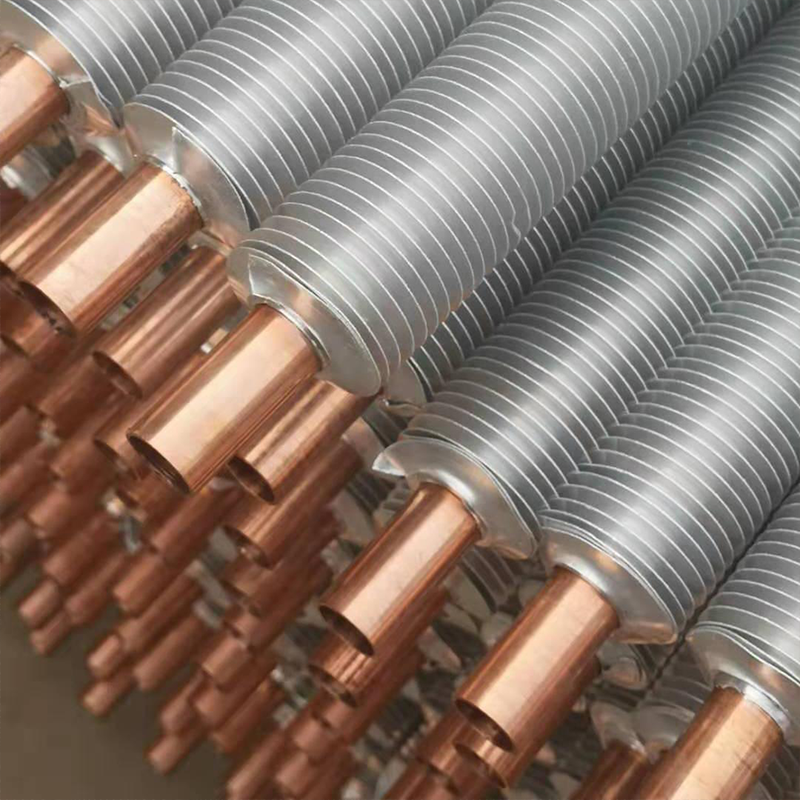
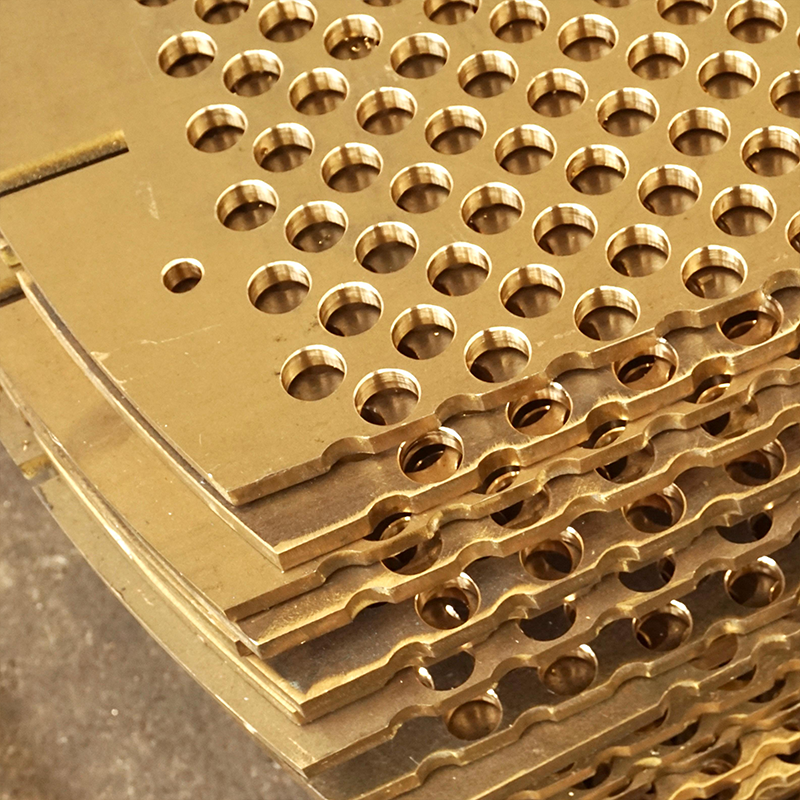
Wuxi Kaisheng Electric Power and Petrochemical Equipment LLC specializes in the development and production of highly efficient solutions specifically for these sectors. Our product portfolio complements vessel protection systems by offering advanced heat exchangers and components such as titanium shell-and-tube heat exchangers, ASME high-pressure vessels and 316 stainless steel corrugated tube bundles. We also manufacture marine alloy assemblies (C46400 brass, C70600 copper-nickel alloys) and high-temperature nickel alloys (N06625) that are essential in installations for seawater desalination and deep oil refining.
Our approach is similar to the principles described above for polypropylene lining: durability is achieved through careful selection of materials and adherence to strict quality standards. All our products are certified to international PED and ASME standards, which guarantees their safety and reliability in the harshest conditions - from arctic latitudes to tropical climates. By providing customized engineering solutions, we help customers around the world create sustainable production chains where every element, be it a polymer tank lining or a titanium heat exchanger, works as a single, reliable machine.
Frequently asked questions about the use of polypropylene lining
What is the actual service life of a polypropylene lining?
If the temperature regime is observed (up to 80-90°C) and the absence of aggressive oxidizing agents, the service life of a properly installed polypropylene lining is 10-15 years. Under conditions of moderate loads and room temperature, this period can reach 20 years or more. The critical factor is the quality of the welds and the absence of mechanical damage during installation.
Can polypropylene be used for nitric acid?
The use of polypropylene for nitric acid is limited. For concentrations up to 20% and temperatures up to 40-50°C, the use of PP-H is acceptable with reservations. At higher concentrations and temperatures, polypropylene undergoes rapid oxidative degradation. In such cases, we strongly recommend using PVDF or fluoroplastic, despite their high cost.
How to check the quality of welds after installation?
The main method of control is visual inspection to ensure that the roller is even and free of pores. For critical facilities, spark testing (vacuum box or high-voltage detector) is required, which reveals through defects. It is also possible to select witness samples for laboratory tensile testing to confirm the strength of the connection.
What to do if a leak is detected in the lining?
It is necessary to immediately empty the container from the aggressive environment, rinse it with water and dry the damaged area. The repair is carried out by extrusion welding using a filler rod of the same grade as the base sheet. It is important to clean and chamfer the repair area before applying new material. Self-repair without qualifications can aggravate the situation.
Does ultraviolet radiation affect the durability of polypropylene?
Yes, regular polypropylene is sensitive to UV radiation and can become brittle if exposed to the sun for a long time. For external tanks, it is necessary to use sheets with UV stabilizers (usually black or with special additives) or provide a protective coating or casing. This extends the service life of the external lining elements.
Conclusion: Investing in the reliability of your production
The durability of polypropylene linings in acids is not an accident, but the result of competent engineering. From choosing the right brand of polymer (PP-H vs PP-B) to the pinpoint precision of welding every millimeter of the seam - each stage affects the final result. An attempt to save on materials or qualifications of installers inevitably leads to accidents, downtime and environmental risks, the cost of which is many times greater than the initial benefit.
We have seen too many examples where the “cheap solution” became the most expensive in the history of the enterprise. Our mission is to help you avoid these mistakes by providing not just a material, but a comprehensive technical solution, proven over years of operation in the harshest conditions. Properly selected and installed polypropylene protection will provide a reliable shield for your equipment for decades.
If you are considering upgrading your tank fleet or are experiencing frequent corrosion problems, don't take any chances. Entrust the calculation and installation to professionals with proven experience.Contact us todayto obtain advice from a process engineer and calculate the cost of the project, taking into account all the nuances of your production task. We are ready to offer solutions that work.