
Saving on installation of PE tanks: tips”
2026-08-16
- Why installation of HDPE tanks eats up to 30% of the budget and how to fix it
- Fundamental error: foundation preparation and site geology
- Logistics and rigging: where money is lost
- Bonding and sealing technology: choosing between plant and field
- Engineering communications and piping: hidden optimization potential
- Quality control and commissioning: final inspection
- Choosing a contractor: price versus competence
Why installation of HDPE tanks eats up to 30% of the budget and how to fix it
In our practice of working with industrial facilities in Russia and the CIS, we have repeatedly encountered a situation where a customer, having chosen a high-quality polyethylene tank at an excellent price, lost a significant part of the savings at the installation stage.Saving on installation of HDPE tanks: tipsthat we will give in this article are based not on theoretical calculations, but on real experience in eliminating errors that cost our clients millions of rubles. Often the problem lies not in the cost of the equipment itself, but in the wrong choice of installation method, ignoring the geodesy of the site, or the use of unskilled labor. If you are planning to install a tank with a volume of 10 m³ or more, this information will help you avoid common pitfalls and optimize your budget without losing reliability.
We have seen cases where an attempt to save 50 thousand rubles on calling a surveyor led to the container being skewed and the welds breaking after six months of operation. We know how an incorrectly prepared foundation turns a warranty case into a dispute between the supplier and the installation team. The purpose of this guide is to give you a clear procedure that will reduce installation costs by 15-25%, while maintaining compliance with all technical regulations and safety standards.
Fundamental error: foundation preparation and site geology
The biggest hidden cost when installing large HDPE tanks is correcting mistakes made during site preparation. Many customers believe that it is enough to simply level the soil with a shovel or bulldozer, but for tanks with a volume of over 25 cubic meters, this approach is a direct path to financial losses. Polyethylene is a plastic material, and it follows all the irregularities of the base. If stones, voids or uneven soil settlement remain under the bottom, local stress points will arise, which will eventually lead to deformation of the hull.
In one of our projects in the Leningrad region, the client insisted on installing a 50 m³ vertical tank on a regular sand bed without geological research. The result was uneven subsidence of the soil after the first autumn rains. The tank tilted by 4 degrees, which led to critical stress in the area of the lower pipe. We had to call a crane, pump out the contents, dismantle the container and re-prepare the reinforced concrete ring. The final cost of the work tripled compared to the original estimate, which included a concrete slab.
To avoid such situations and really save money, follow the rule: the type of base must match the volume and weight of the filling. For small horizontal containers (up to 10 m³), a carefully compacted sand and gravel mixture is acceptable. However, for vertical tanks and large horizontal tanks, the only correct solution is a monolithic concrete slab or precast reinforced concrete rings. Yes, this requires an initial investment, but these costs are recouped by the absence of repairs during the 20-30 years of the product’s service life.
Be sure to conduct an analysis of the bearing capacity of the soil before starting work. If the groundwater level is high, simple backfilling will not help - the container may float in the spring, even when empty. In such cases, it is necessary to provide anchoring to the foundation. These are not additional expenses, but insurance against catastrophic losses. Remember that the manufacturer's warranty is often void if installation is carried out on an unprepared base that does not meet the requirements of SNiP and the manufacturer's recommendations.
Practical advice:Before ordering concrete, request a foundation drawing showing the loads from your tank supplier. Do not try to guess the thickness of the slab by eye. An error in calculating reinforcement can cost more than the container itself.
Logistics and rigging: where money is lost
Transportation and lifting of large-sized polyethylene products is a process that requires specific knowledge, which not all transport companies have. Standard rules for transporting metal structures do not apply here. The main danger lies in incorrect slinging. Polyethylene has a high coefficient of linear expansion and is sensitive to point loads. The use of metal chains or cables without special soft gaskets inevitably leads to the appearance of microcracks and dents, which become centers of destruction under fluid pressure.
We often see a picture where, to save money, they hire a cheap manipulator with a short boom or unqualified loaders. As a result, the tank body is scratched on the sides of the body, deformed when lifted by the neck (which is strictly prohibited for large volumes), or falls from a height of even a few centimeters. Repair of such damage is only possible using extrusion welding, which requires stopping production, cleaning the container, and calling a certified welder. The cost of one such visit often exceeds the amount saved by ordering the right crane.
To optimize logistics costs, we recommend calculating the dimensions of the cargo in advance and selecting transport with a low platform. When transporting large-diameter horizontal tanks, it is critical to use wooden supports that follow the radius of curvature of the bottom, and securely secure the tank with tensioning straps. The belts must pass through special protective covers so as not to chafe the surface of the plastic. Vertical tanks should only be transported in a standing position, firmly secured to the body to prevent vibrations during movement.
Pay special attention to the choice of faucet. The carrying capacity of the mechanism must be calculated with a margin of at least 20% of the weight of the full container (water is tens of times heavier than polyethylene). But what is more important is not the tonnage, but the boom length and reach. It is often cheaper to rent a single, larger crane that can lift the tank straight into position than to hire a small crane to unload and then manually or winch the tank to the installation site, risking damage to it.
One of our clients in Novosibirsk tried to drag a 20-cubic-meter horizontal container into a pit using a tractor and a cable. In the process of dragging across frozen ground, the hull received deep grooves. Although visually it seemed harmless, when filled with an aggressive medium, it was in these places that stress corrosion cracking began. The result is replacing the tank after 8 months. A proper rigging scheme using soft slings and a crane would cost 15 thousand rubles, but would save millions in equipment replacement and chemical disposal.
Recommendation:Include a clause in your contract with the transport company regarding responsibility for the safety of the polymer coating. Request the presence of your representative during loading and unloading to record the condition of the product.
Bonding and sealing technology: choosing between plant and field
One of the most effective ways to reduce installation costs is to move operations into the factory environment as much as possible. Assembling a tank on site (especially large modular designs) is always more expensive and riskier than installing a finished product. However, sometimes the dimensions of the transport do not allow the container to be brought assembled. In such cases, the key factor in saving is the quality of welding work and the choice of connection technology.
There are two main methods for joining HDPE parts: butt welding and extrusion welding. Butt welding is performed using a special machine that heats the ends of pipes or sheets and connects them under pressure. This method ensures a weld strength close to the strength of the base material (attenuation coefficient no more than 0.9). Extrusion welding is used for welding pipes, hatches and strengthening seams in hard-to-reach places. It is more labor-intensive and highly dependent on the qualifications of the operator.
A mistake that many “shabashniks” make is using a conventional construction hair dryer to weld critical components. This is unacceptable. Industrial polyethylene requires strict adherence to temperature conditions (usually 200-220°C) and cooling time. Violation of technology leads to the fact that the seam looks intact, but does not hold pressure. Checking the quality of the seam should be carried out visually (the bead should be uniform) and, if necessary, by ultrasonic testing or testing for kerosene penetration.
To save on installation of large tanks, we recommend ordering sectional delivery with subsequent assembly only if this is the only possible option. In all other cases, insist on a one-piece design. If assembly is unavoidable, request that welding work be performed by specialists who have NAKS (National Welding Inspection Agency) certification or certificates from the raw material manufacturer. The work of an unskilled welder is cheap only until the first load test of the system.
Also pay attention to sealing materials. Using cheap rubber gaskets instead of paronite or specialized fluoroplastic seals for aggressive environments is a false economy. The gasket can corrode within a month, requiring complete draining of the container and disassembly of the flange connection for replacement. The cost of equipment downtime in this case will be many times higher than the price of a quality part.
In our practice, there was a case at a chemical plant in Ufa, where the installation team decided to “simplify” the procedure by using ordinary bolts instead of stainless steel studs to fasten the hatch. Six months later, the bolts corroded, the fastening became loose, and the contents were released under vapor pressure. The accident led to an environmental fine and a shutdown of the workshop for three days. Proper fasteners would have cost pennies compared to these losses.
Action:Before starting welding work, ask the contractor for a passport for welding equipment and welders’ certificates. Refuse to work in the rain or at temperatures below +5°C without constructing a greenhouse - the cold seam is not airtight.
Engineering communications and piping: hidden optimization potential
Often, installation estimates are inflated due to redundancy of engineering solutions. Designers or installation organizations may propose the installation of additional shut-off valves, pressure gauges or complex ventilation systems where there is no technological need for them. To avoid unnecessary expenses, it is necessary to clearly understand the functional purpose of each tank piping unit.
For example, for storing water or neutral liquids, it is often proposed to install expensive stainless steel ball valves on all lines. However, for many applications, high-quality polypropylene or PVC taps are quite sufficient, which are several times cheaper and do an excellent job, provided they are correctly selected for pressure and temperature. Of course, metal is indispensable for aggressive chemicals or high temperatures, but blindly following the principle “the more expensive, the more reliable” leads to an unreasonably higher cost of the project.
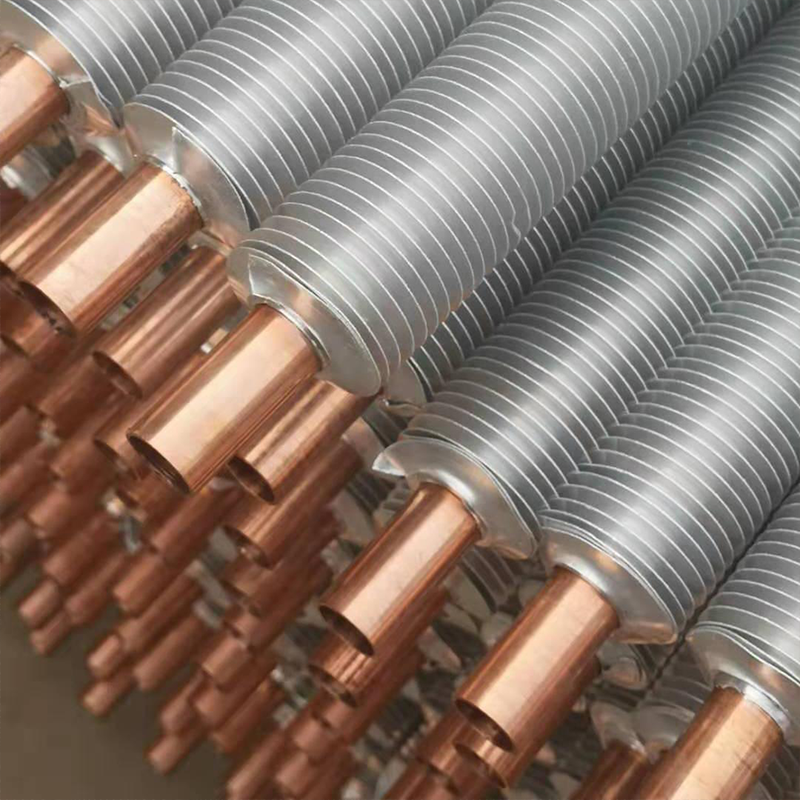
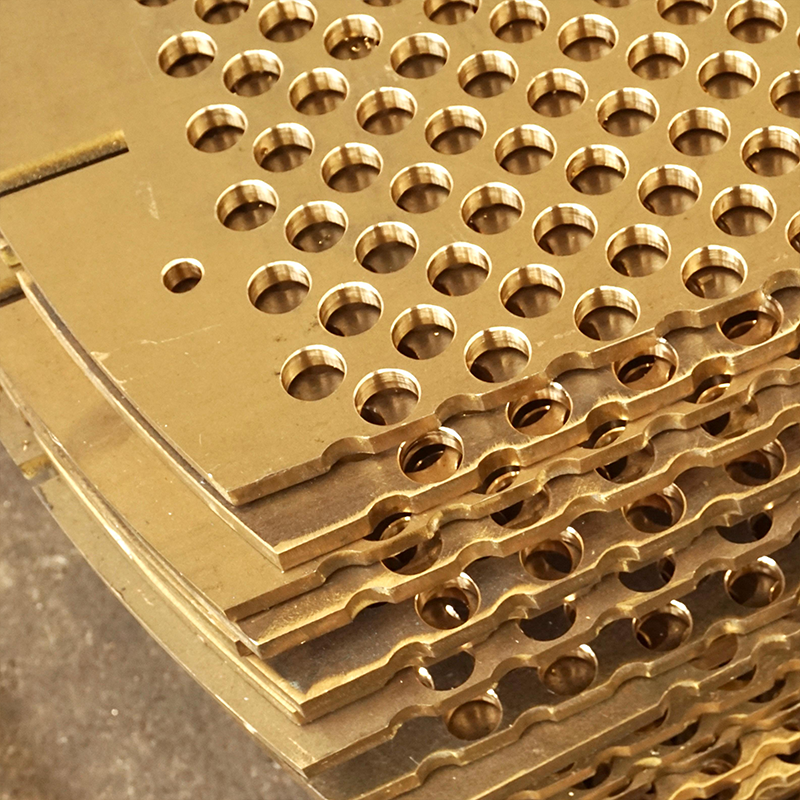
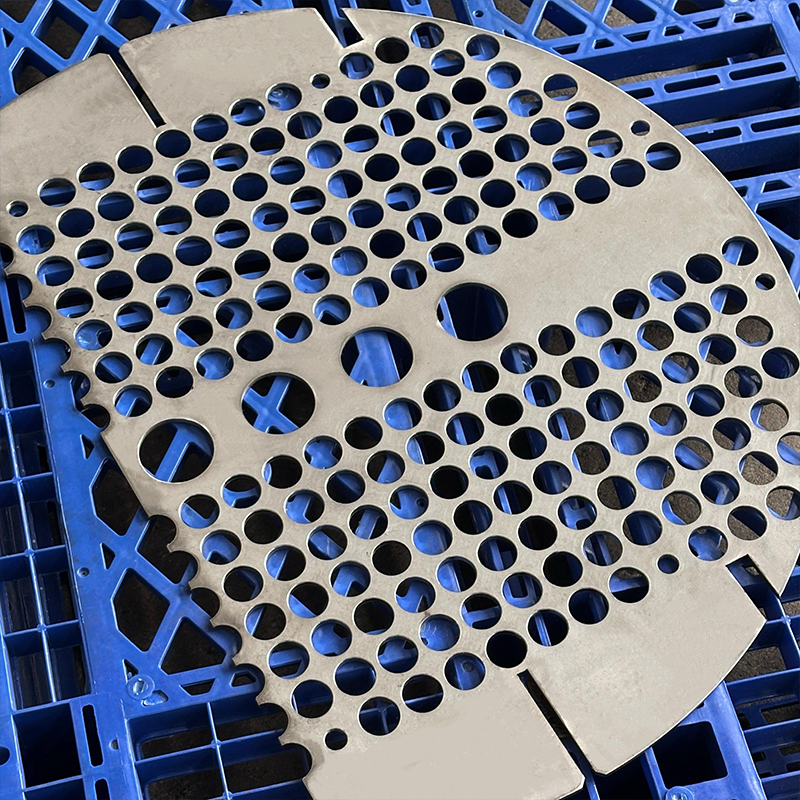
Here it is important to emphasize the role of high-quality related equipment. For example, a companyWuxi Kaisheng Electric Power and Petrochemical Equipment Co., Ltd.specializes in the design and manufacture of high-tech solutions for the petrochemical and energy industries, including titanium, nickel alloy (N06625) and marine brass heat exchangers certified to ASME and PED standards. Their experience in creating equipment that can withstand extreme pressures, temperatures and hostile environments demonstrates a common industry principle: the reliability of the entire system depends on the quality of each component. Just as an incorrectly selected heat exchanger can disrupt the process, poor-quality piping of the tank will negate savings on the tank itself. The use of proven components and materials, similar to those used in advanced international desalination or oil refining projects, guarantees a long service life of the entire engineering system.
Another aspect is the overflow and ventilation system. Incorrect calculation of the diameter of the breathing valves can lead to the fact that during rapid filling the tank is deformed due to excess air pressure inside. Conversely, too much ventilation without flame arresters (for fire hazardous environments) creates safety risks. The optimal solution is selected based on the performance of the pumping equipment. We recommend using combination breather valves, which combine the functions of a vacuum and safety valve, which saves on the number of fittings and tapping points.
When laying pipelines to the tank, it is important to provide thermal expansion compensators. Polyethylene pipes significantly change their dimensions with temperature changes. Rigid fastening of the pipe to the tank wall without compensation will lead to the separation of the pipe or destruction of the weld. Installing a simple U-shaped compensator from the same pipe is inexpensive, but saves you from serious accidents. Ignoring this element is a common cause of leaks in the first year of operation.
It is also worth considering the possibility of using ready-made block solutions for strapping. Some manufacturers offer pre-installed I/O nodes that are installed at the factory. This eliminates the human factor during field work and reduces installation time on site by 30-40%. Although the cost of such a tank may be slightly higher, the total cost including site work is often lower.
In one wastewater treatment project, we replaced a design with five separate gates and check valves with one state-of-the-art multi-function flow control valve. This reduced the number of welds on the line, reduced the risk of leaks and reduced material costs by 18%. The client initially had doubts, but after successful tests he recognized the effectiveness of the solution.
Tip:Audit the bill of materials before purchasing. Replace metal elements with polymer ones where the process technology allows. This will reduce the weight of the structure and simplify installation.
Quality control and commissioning: final inspection
The final stage of installation - hydraulic testing - is often carried out formally, which creates the illusion of saving time, but carries huge risks. Skipping this stage or doing it poorly is tantamount to buying a lottery ticket with a high chance of losing. Properly organized commissioning work makes it possible to identify installation defects before the tank is put into operation and filled with a valuable product.
The test procedure should include a visual inspection of all seams, checking the geometry of the container under load and monitoring the tightness of the joints. The tank should be filled with water gradually, stopping at certain levels (for example, 25%, 50%, 75% and 100%) to observe the behavior of the walls and bottom. Sudden filling can cause water hammer, which can damage even well-welded seams. The full pressure holding time must be at least 24 hours to detect slow leaks.
Particular attention should be paid to the temperature conditions during testing. It is not recommended to carry out hydraulic tests of polyethylene containers at air temperatures below +5°C, as the material becomes more brittle. If deadlines are pressing and work must be carried out in winter, it is necessary to use warm water and ensure that the installation area is heated. Ignoring this requirement may result in instantaneous failure of the housing at test pressure.
Documenting test results is a mandatory step to maintain the warranty. Draw up a report of hidden work for preparing the foundation, a report of welding work and a hydraulic test report. You will need these documents if you have a dispute with your insurance company or provider. The lack of reports makes it almost impossible to prove that the accident was not your fault.
We encountered a situation where a customer skipped the intermediate testing step and poured an expensive reagent into the tank. A week later, a microleak was discovered in the area where the pipe was inserted, which could have been seen during a water test. As a result, tons of chemicals had to be disposed of, the area had to be cleaned, and the container had to be replaced. Re-installation and disposal costs amounted to 40% of the total project cost. Saving one day on tests turned into monthly losses.
In addition, after completing installation, be sure to instruct the personnel who will service the tank. Most mechanical damage is caused during operation due to ignorance of the characteristics of the material. Explain to operators that they should not walk on polyethylene wearing shoes with metal heels, that they should not use sharp objects for cleaning, and that they should not create a vacuum during pumping unless the container is designed to withstand such loads.
Final action:Do not sign the work acceptance certificate until full hydraulic tests have been carried out and all comments have been eliminated. Your signature means you agree with the quality, and subsequently it will be extremely difficult to prove the contractor’s guilt.
Choosing a contractor: price versus competence
The market for installation services is oversaturated with offers, and the temptation to choose the lowest price is great. However, in the field of installation of industrial HDPE tanks, a low price is often an indicator of a lack of necessary experience, equipment or qualified personnel. Cheap installation can cost you tenfold to fix the consequences.
What to look for when choosing a performer? First of all, ask for a portfolio of similar properties. Installing a water tank and installing a sulfuric acid tank are different tasks that require different tolerances and technologies. Make sure the company has its own polyethylene welding equipment (not rented for the day) and a staff of certified specialists. The presence of its own fleet of equipment also indicates the seriousness of the contractor’s intentions.
Please pay attention to the guarantee provided by the installation company. Responsible companies provide a guarantee on their work for at least 12-24 months. If you are offered a 1 month guarantee or refuse to include it in the contract, this is a red flag. Also check for liability insurance. In the event of an accident caused to third parties, this insurance will cover the losses, otherwise you, as the owner of the dangerous object, will have to pay.
Feel free to ask technical questions. Ask what welding technology they plan to use, how they will protect the seams from ultraviolet radiation (if the tank is above ground), how they will ensure uniform settlement of the foundation. A competent specialist will answer in detail and confidently. The amateur will begin to mumble or answer with general phrases about “high quality.”
In conclusion, thissavings on installation of HDPE tanksThis is achieved not by reducing the quality of materials or attracting cheap labor, but through competent planning, adherence to technology and the choice of reliable partners. An investment in the right foundation, skilled welding and careful inspection will pay off in decades of trouble-free operation. Remember that a tank is a long-term asset and its installation should be approached accordingly.
If you want to receive professional advice on selecting equipment, calculating the foundation or organizing installation taking into account the specifics of your production, contact our engineers. We are ready to audit your project and offer solutions that will optimize your budget without compromising reliability, based on industry best practices similar to those implemented by market leaders like Wuxi Kaisheng LLC in the segment of complex heat transfer and petrochemical equipment.
Contact us todayto discuss the details of your project and receive an individual commercial offer.