
European quality standards for PE sheets”
2026-08-19
- What are European quality standards for PE sheets and why are they critical?
- Key EN standards and technical requirements for polyethylene
- Safety and environmental requirements: REACH, RoHS and Food Contact
- Quality control: test methods and typical defects
- Import and logistics problems: how to avoid risks
- How to choose a reliable supplier: checklist for the buyer
- Experience of Wuxi Kaisheng LLC in ensuring the quality of materials
- Frequently Asked Questions
- Conclusion and next steps
What are European quality standards for PE sheets and why are they critical?
European quality standards for PE sheets are a strict set of technical regulations, safety standards and environmental requirements that determine the permissible limits for impurity content, mechanical strength and durability of polyethylene products on the EU market. Unlike general descriptions of the properties of plastic, these standards are based on specific harmonized EN standards, REACH directives and food safety requirements (EU) No. 10/2011, compliance with which is a prerequisite for the legal import and use of the material in construction, packaging and mechanical engineering. If you plan to purchase polyethylene sheets for projects in Europe or for export there, ignoring these specifications will not just result in the product being returned, but can lead to serious legal consequences and loss of reputation for the supplier.
In our practice of working with industrial customers, we have repeatedly encountered a situation where a batch of sheets that ideally complied with the internal standards of the manufacturing country was rejected by European receivers due to the lack of a substance migration certificate or the thickness not meeting DIN tolerances. One of our clients, a tank manufacturer, lost three weeks of downtime and incurred losses of €45,000 because it used PE sheet with recycled content above the acceptable threshold of 2%, which was in breach of contractual obligations to a German partner. This case clearly demonstrates: European standards are not bureaucracy, but measurable physical and chemical parameters that must be included in the order specification at the design stage.
This guide goes into detail about the structure of regulatory requirements, quality verification methods and practical steps for choosing a reliable supplier who can guarantee that products meet the most stringent criteria of the Old World. We will not use abstract formulations about “high quality”, but operate with specific numbers, standard numbers and laboratory test results.
Key EN standards and technical requirements for polyethylene
The foundation on which all European quality standards for PE sheets are built is the standard system of the European Committee for Standardization (CEN). As a purchasing or manufacturing engineer, understanding the differences between basic material standards and finished product standards is a critical skill. A mistake in selecting a reference to a standard in a technical document can result in you receiving a material with completely different properties than expected.
Basic standards for raw materials: EN ISO 1872 and EN 1556
The main document regulating the properties of the polymer raw materials itself is a series of standardsEN ISO 1872. In particular, Part 1 (EN ISO 1872-1) establishes a designation system for polyethylene, including density, melt flow index (MFR/MFI) and additive content. For sheet metal, the most commonly used grades are PE-HD (high-density polyethylene) and PE-LD (low-density polyethylene). The density for PE-HD in the European classification should be in the range from 0.940 to 0.965 g/cm³. A deviation of even 0.005 g/cm³ can dramatically change the impact strength and chemical resistance of the sheet.
The standard operates in parallelEN 1556, which specifies requirements for polyethylene pipes and fittings, but its principles are often extrapolated to sheet material for tanks and piping systems. The most important parameter here is the material class PE 80 or PE 100. The figure indicates the minimum required strength (MRS) in MPa multiplied by 10. That is, PE 100 guarantees a long-term strength of at least 10 MPa at 20°C for 50 years. When purchasing sheets for welded structures (for example, chemical baths), the PE 100 class requirement is the de facto standard for critical components.
We recommend that you always request a quality certificate from the supplier, which clearly states the batch number and a reference to the specific EN ISO 1872 standard. If the document only lists the internal factory standard (TU or Q/XYZ), this is a red flag for the European market. The lack of reference to an international standard makes it impossible for an independent examination of the material in the event of a dispute.
Standards for finished semi-finished products: DIN 16930 and DIN 16931
Although EN standards are pan-European, Germany and a number of neighboring countries still actively use DIN standards, which often have tighter tolerances. For HDPE sheets, the key isDIN 16931, and for low-density polyethylene -DIN 16930. These documents regulate not only the chemical composition, but also the geometric parameters of the finished sheet.
According to these standards, the deviation in thickness for sheets up to 10 mm thick should not exceed ±0.3 mm, and for sheets over 30 mm thick the tolerance is ±1.0 mm or ±3% of the nominal value. In our practice, we have seen cases where Asian suppliers supplied sheets with a nominal thickness of 10 mm, but the actual thickness ranged from 8.5 to 9.2 mm. For a European customer who calculates the load on the structure based on the design thickness, such a deviation is a critical defect. Moreover, DIN standards require strict flatness: sheet warping should not exceed 3 mm per linear meter.
Another important aspect is color and transparency. The standard specifies that natural (undyed) PE-HD should have a milky white, translucent appearance free of foreign matter. The presence of black spots, unfused particles or uneven coloring indicates a violation of the extrusion technology or the use of contaminated recyclate. Visual inspection according to DIN 16931 is the first stage of acceptance and any visual defect entitles the buyer to initiate a complaint procedure.
When creating a technical specification for a purchase, be sure to indicate: “Compliance with DIN 16931, tolerance class B.” This automatically screens out manufacturers that only work to low “general purpose” standards.
Safety and environmental requirements: REACH, RoHS and Food Contact
Mechanical strength is only half the story. Modern European quality standards for PE sheets place a huge emphasis on chemical safety and environmental friendliness of the material. Even if the sheet can withstand stress, it may be banned from sale in the EU due to excess concentrations of certain chemicals.
REACH Regulation and Restriction of Hazardous Substances
Regulations(EC) No 1907/2006 (REACH)is the cornerstone of European chemical legislation. It requires registration, evaluation and authorization of chemicals. For the manufacturer or importer of PE sheets, this means the obligation to ensure that the material does not contain substances from the Candidate List in concentrations higher than 0.1% by weight.
Particular attention is paid to phthalates, heavy metals (lead, cadmium, mercury) and polycyclic aromatic hydrocarbons (PAHs). Often the problem arises not with the polyethylene itself, which is inert, but with additives: UV stabilizers, fire retardants or dyes. For example, the use of certain types of carbon black as a pigment for black PE sheets may result in benz(a)pyrene limits exceeded if the carbon black raw material was of poor quality.
In 2024, the list of substances subject to authorization was expanded to include new types of phenolic antioxidants. We strongly advise that you require an updated REACH declaration of conformity from the supplier, dated in the current year. A three-year-old declaration has no legal force, as the lists of prohibited substances are regularly updated by the ECHA (European Chemicals Agency).
Source: European Chemicals Agency (ECHA)
Food contact: Regulation (EU) No. 10/2011
If PE sheet is planned to be used for the manufacture of cutting boards, food storage containers, silo liners or elements of packaging lines, it must strictly complyRegulation (EU) No. 10/2011about materials and products intended for contact with food. This is one of the most difficult standards to meet.
The essence of the requirement is to limit the migration of substances from plastic into food. Tests are carried out using food simulants (water, acetic acid, ethanol, olive oil) at different temperatures and exposure times. The total migration should not exceed 10 mg/dm² surface, and the specific migration of individual substances should not exceed the established limits (SML).
A common mistake made by suppliers is the use of technical polyethylene with the addition of recycled materials for food applications. European regulations strictly prohibit the use of post-consumer recyclate in food contact unless it has undergone a special EFSA (European Food Safety Authority) approval process, which is extremely rare for PE. In our laboratory, we conducted tests on sheets declared as “food grade”, which, upon contact with a fatty environment, emitted odors and changed the taste of the simulant. Such batches were immediately rejected.
To confirm compliance, the supplier must provide a Declaration of Compliance (DoC), which specifies the conditions of use (temperature, type of food, contact time) and the results of migration tests. Without this document, the use of PE sheet in the food industry in the EU is illegal.
RoHS Directive and Fire Resistance
Although the directiveRoHS (2011/65/EU)mainly concerns electronic equipment, it influences the choice of additives for PE sheets used in device housings or electrical cabinets. The ban on lead, mercury, cadmium and hexavalent chromium applies to all components, including polymer ones.
As for fire resistance, the standard applies hereEN 13501-1, classifying the reaction to fire. Regular polyethylene is flammable and classified as Class E or F. Construction applications often require Class D-s2, d0 or higher, which is achieved by adding fire retardants. However, the addition of flame retardants may reduce mechanical properties and make processing more difficult and may require additional REACH testing. Therefore, the choice of fire-resistant PE sheet is always a compromise that must be justified by the design.
Before ordering a shipment for construction or electronics, clearly define the required fire safety class and ensure that the flame retardants used do not fall outside the REACH list.
Quality control: test methods and typical defects
Trust, but verify - this principle works best in the B2B sector. European quality standards for PE sheets require not only the availability of paper certificates, but also the possibility of physical verification of the properties of the material. Understanding control methods will help you competently draw up technical specifications and conduct incoming inspection at your warehouse.
Laboratory tests: what to check first
The most informative and quickest test is to determine the melt flow index (MFR/MFI) according toISO 1133. This parameter characterizes the viscosity of the polymer. For extrusion of PE-HD sheets, MFR in the range of 0.2–0.6 g/10 min (at 5 kg load) is typically used. If the MFR value is significantly higher (e.g. 1.5 g/10 min), this indicates a low molecular weight, which will lead to brittleness of the sheet and poor weldability. If it is lower, there will be problems with extrusion and internal stresses.
The second critical test is determining the density byISO 1183. As mentioned earlier, density directly correlates with hardness and chemical resistance. The measurement is carried out using hydrostatic weighing or a gradient column. Deviation from the declared density class is unacceptable.
Tensile test (ISO 527) determines the tensile strength and elongation. For high-quality PE-HD, the tensile strength should be at least 20-25 MPa, and the elongation at break should be more than 400-600%. Low elongation indicates degradation of the polymer or the presence of a large amount of fillers (chalk, talc), which is a common way for unscrupulous manufacturers to reduce the cost of products.
We recommend including in the contract a clause stating the buyer's right to conduct an independent examination in an accredited laboratory (for example, SGS, TUV, Bureau Veritas) at the seller's expense in the event of non-conformities.
Typical defects and their causes
Even if the recipe is followed, errors in the production process can lead to defects. Here are the main defects that are detected during visual and instrumental inspection:
- Internal stresses and warping:They arise due to uneven cooling of the sheet during the extrusion process. Such a sheet may crack or become severely deformed when cutting or drilling. Testing: cutting out a sample and placing it in a heating cabinet or observing its behavior during storage.
- Non-floats and fisheye:Small spots or inclusions that have not melted completely. This is a sign of contamination of the raw material or a malfunction of the extruder screw. Such places are stress concentrators and points of initiation of destruction under load.
- Bubbles and voids:Often found in thick sheets (over 30 mm) due to insufficient extruder pressure or moisture in the raw material. Bubbles sharply reduce the load-bearing capacity of the sheet.
- Surface roughness:A high-quality extruded sheet should have a smooth, matte or glossy surface (depending on the roll settings). Roughness makes cleaning difficult (critical for the food industry) and impairs adhesion when printing or gluing.
In one case, we discovered a batch of sheets with ideal mechanical properties, but with microscopic pores on the surface. The investigation revealed that the manufacturer used granulate that was stored in a damp area and was not dried before extrusion. The water turned into steam, creating microvoids. For normal tasks this would not be noticeable, but for vacuum forming dies this batch became unsuitable.
Always perform a spot check of the geometry and surface of each pallet when accepting a large order. Don't rely solely on the factory certificate.
Import and logistics problems: how to avoid risks
Purchasing PE sheets outside the European Union is associated with a number of specific risks associated not only with the quality of the product, but also with logistics, customs clearance and documentary support. European quality standards for PE sheets also apply to the import process, requiring transparency in the supply chain.
Customs barriers and anti-dumping duties
The European Union periodically introduces protective measures against the import of plastic products from certain countries. These could be anti-dumping duties or quotas. Before placing an order, you must check the current status of the product according to the HS code (usually 3920 10 for polyethylene). Ignoring this aspect can increase the cost of a batch by 30-50%, making the project economically unfeasible.
In addition, the CBAM (Carbon Border Adjustment Mechanism) mechanism has come into full force since 2023, although at the moment it mainly concerns steel and cement, with plans to expand to the polymer industry in the future. This means that importers will have to declare the carbon footprint of their products. Manufacturers using dirty energy or inefficient technologies will be at a disadvantage.
Logistics risks and packaging
PE sheets are sensitive to transport conditions. Prolonged exposure to direct sunlight (UV radiation) during shipping or outdoor storage can trigger photo-oxidative degradation of the polymer before the product reaches the customer. Even if the material contains UV stabilizers, their resource is limited.
European packaging standards require the use of durable wooden pallets (IPPC marking is often required for phytosanitary control) and reliable stretch packaging with moisture protection. Damage to sheet corners during loading and unloading is a common problem. We recommend requiring cardboard or soft plastic corner protectors to be installed on all four corners of each sheet in the pallet.
In our practice, there was a case when a container with PE sheets stood for three weeks in the sun in the port of Hamburg due to a strike. The top layers of the pallets turned yellow and became brittle, despite the presence of stabilizers. The client was forced to dispose of 15% of the lot. We now include in contracts a clause requiring the use of opaque covering film or transportation in closed containers.
Documentary support
For smooth customs clearance and quality confirmation, a complete package of documents is required:
- Commercial invoice and packing list.
- Bill of Lading.
- Certificate of Origin - important for applying preferential duty rates.
- Technical Data Sheet with actual batch test results.
- Declaration of conformity REACH and, if necessary, for food contact.
- ISO 9001 certificate for the manufacturing plant (copy).
Missing any of these documents can result in cargo being held up in customs for weeks until requests are resolved. Make sure that all documents are completed in English or the language of the destination country, without errors in the product name and codes.
Prepare a complete package of documents in advance, even before the goods are shipped from the sender’s factory.
How to choose a reliable supplier: checklist for the buyer
Selecting a PE sheet supplier that can consistently comply with European quality standards requires a systematic approach. Price should not be the only criterion. Cheap material often results in high costs for processing, scrap and equipment downtime.
Production Capability Audit
The ideal option is a personal visit to the plant or a remote audit via video link. What to pay attention to:
- Equipment:Availability of modern extrusion lines with automatic thickness control systems (beta sensors). Manual thickness adjustment is a sign of outdated production.
- Raw material warehouse:Is the granulate stored in dry, closed areas? Is there a division by brands and colors? Mixing leftovers from different batches is a recipe for inconsistent quality.
- Laboratory:Does the plant have its own laboratory for operational control of MFR, density and color? Or do they send samples to an outside lab every six months? Operational control is critical.
- Management system:Current ISO 9001 certification is the minimum. Ask to see internal audit reports and the complaints register.
Sample request and test batch
Never place a large order without testing samples first. Request samples of sheets of the same thickness and grade you plan to purchase. Conduct your own tests or send them to an independent laboratory. Compare the data obtained with the data in the technical data sheet.
If possible, order a trial order with a volume sufficient for a full process test on your equipment (cutting, bending, welding). Evaluate the behavior of the material in real conditions: how it cooks, whether it cracks when bending, what is the shrinkage.
Legal guarantees
The contract must clearly state:
- Specific standards (EN, DIN) that the product must comply with.
- Permissible deviations in dimensions and properties.
- Procedure for filing a complaint and deadlines for consideration.
- Supplier liability for losses caused by hidden defects (including production interruption costs).
- Guaranteed compliance with REACH and other EU regulations.
Avoid vague statements like “high quality” or “standard performance.” Use only measurable quantities.
Use this checklist when evaluating each potential partner to minimize supply risks.
Experience of Wuxi Kaisheng LLC in ensuring the quality of materials
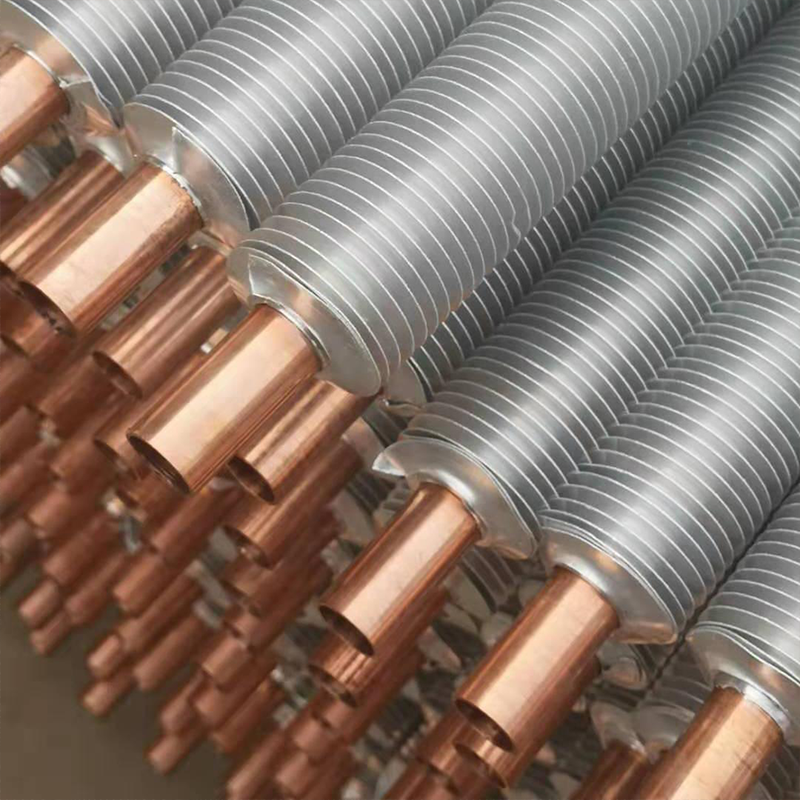
Understanding the importance of compliance with international standards comes not only from theory, but also from many years of practice in the production of complex engineering equipment. A striking example of this approach is the company’s activitiesWuxi Kaisheng Electric Power and Petrochemical Equipment Co.,Ltd" Although the company's core competency is the design and manufacture of heat transfer equipment (including titanium shell-and-tube heat exchangers, ASME units, 316 stainless steel corrugated tube bundles and C46400 marine brass), their quality philosophy directly intersects with the requirements of polymer materials.
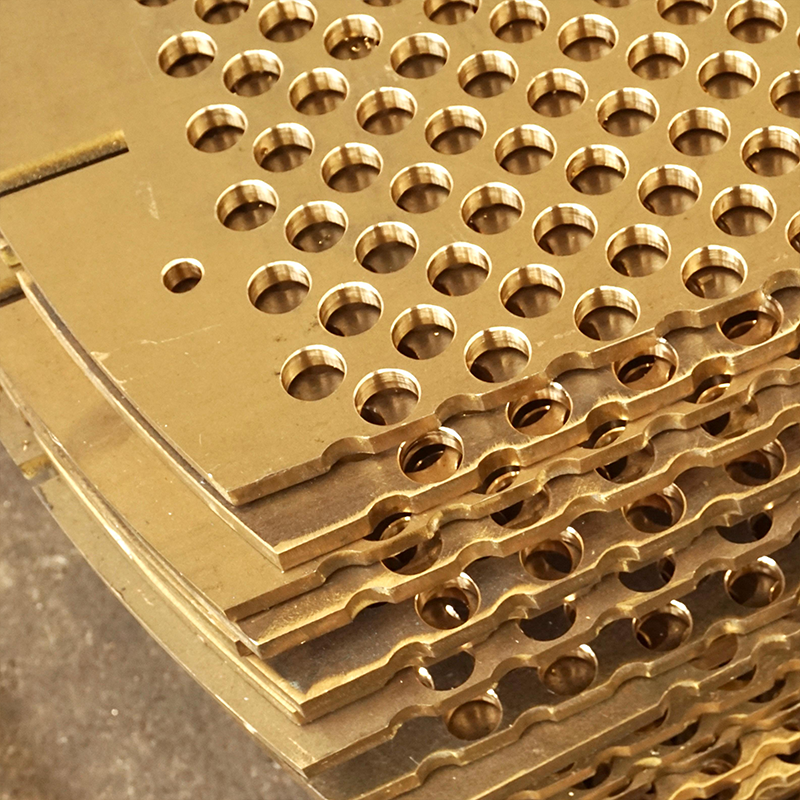
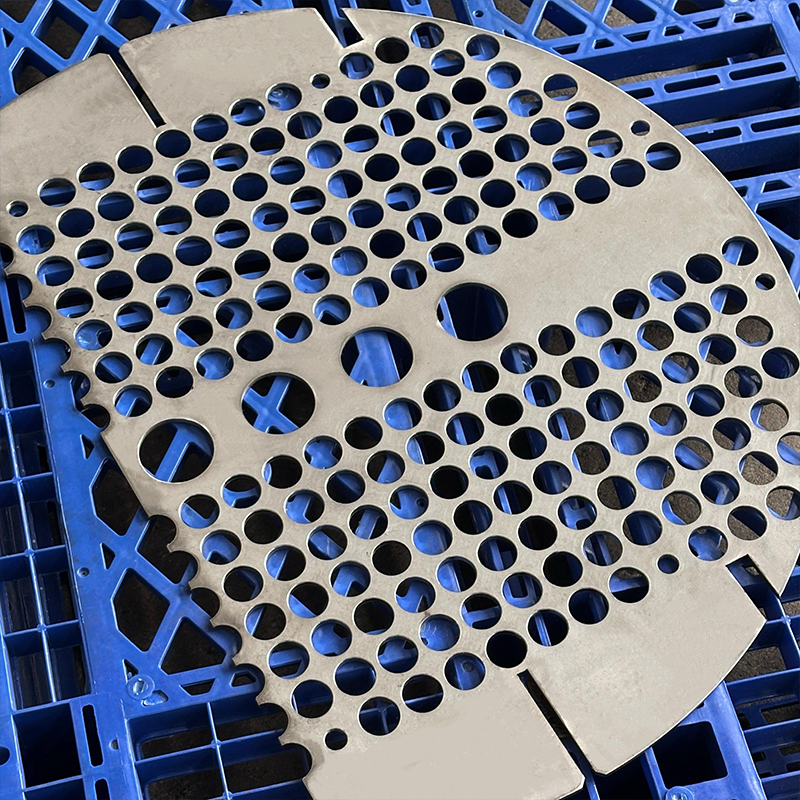
Wuxi Kaisheng products, which also include air coolers, waste heat boilers and tube sheets made of various alloys (nickel N06625, copper-nickel C70600, etc.), are widely used in aggressive environments of oil refining, petrochemicals and seawater desalination. In industries where equipment operates under high pressure and temperature and where corrosion resistance is critical, using certified materials is a safety issue and not just a formality. The company strictly follows the standardsPED(Pressure Equipment Directive) andASME, which requires careful incoming inspection of all components, including sealing elements and insulating materials, which are often made of polymers.
The experience of Wuxi Kaisheng demonstrates that a reliable supplier must provide not only the product itself, but also full documentary evidence of its characteristics. Just as they guarantee the high thermal efficiency and sustainability of their heat exchangers to customers around the world, PE sheet suppliers must ensure supply chain transparency and every batch meets the stated specifications. The tailor-made solutions that the company offers its customers are based on a deep understanding of the requirements of the end application, be it shipbuilding or energy-saving systems. The same principle should be the basis for choosing a supplier of polyethylene sheets: the ability to adapt to the strict technical requirements of the project and guarantee consistency of quality.
Frequently Asked Questions
What is the difference between PE-HD and PE-LD in terms of European regulations?
The difference is fundamental and is enshrined in different standards. PE-HD (high density polyethylene, >0.940 g/cm³) is regulated by standards such as DIN 16931 and is characterized by high rigidity, strength and chemical resistance, but less elasticity. It is used for structural elements, containers, pipes. PE-LD (low density polyethylene, 0.910–0.925 g/cm³), regulated by DIN 16930, is more flexible, transparent and frost-resistant, but less durable. Standards for the migration of substances and acceptable additives for them may differ, especially in the food segment. The choice depends on the task: you need rigidity - take HD, you need flexibility and impact strength at low temperatures - LD.
Can recycled polyethylene (recycled) be used in accordance with EU regulations?
Yes, you can, but with serious restrictions. The use of recyclate is allowed for technical purposes (construction, non-critical structures) if the material meets the same physical and mechanical requirements as the primary polymer. However, for food contact, the use of post-consumer recyclate is virtually prohibited without specific approval from EFSA. In addition, when using recyclate, it is more difficult to guarantee the stability of the composition and the absence of prohibited substances according to REACH, therefore, enhanced incoming control and a declaration from the supplier about the origin of the raw materials are required.
What is the shelf life of PE sheets and how should they be stored correctly?
Polyethylene itself does not have a strict shelf life, but its properties degrade over time under the influence of external factors. When properly stored indoors, away from heat sources and direct sunlight, PE sheets retain their properties for at least 2-3 years. The main enemy is ultraviolet radiation. If the sheets do not contain UV stabilizers (black sheets usually contain carbon black, which is a stabilizer), they begin to lose strength after just a few months in the sun. Sheets should be stored on flat pallets, in a horizontal position, to avoid sagging and deformation.
What to do if a batch of sheets does not pass the incoming inspection?
Immediately isolate the lot to prevent accidental use in production. Record defects in photos and videos, draw up a report of discrepancies with witness signatures. Contact the supplier with a copy of the report and laboratory test results (preferably from an independent laboratory). According to the terms of most contracts and the Vienna Sales of Goods Convention, the buyer has the right to demand replacement of defective goods, a proportionate reduction in price, or termination of the contract with a refund. Act quickly as there is a limited time frame for reporting hidden defects.
Conclusion and next steps
Compliance with European quality standards for PE sheets is not just a formality, but a strategic advantage that opens access to premium markets and protects your business from legal and financial risks. From selecting the right raw materials (PE 80/100) to complying with REACH regulations and DIN geometry control, every step requires attention and professionalism. The market is saturated with offers, but only a few suppliers are able to guarantee stable compliance with all these stringent requirements on an ongoing basis.
Don't let quality issues slow down your projects. Investments in supplier verification and careful incoming control pay off many times over, saving you from downtime and loss of reputation. If you are looking for a reliable partner capable of supplying PE sheets that fully comply with EN, DIN and EU standards, our team is ready to help.
We conduct a full audit of the supply chain, provide samples for testing and guarantee documentary evidence of the quality of each batch.Contact us todayto discuss your technical requirements and receive a commercial offer adapted to European standards.
For more information about our products and services, please visitdetailed description of polyethylene sheets.