Logs of welding work at PE pipe sites”
2026-09-11
- Why a logbook for welding HDPE pipes is not just a formality, but legal insurance for the object
- Regulatory framework and documentation requirements: GOST, SP and internal regulations
- Magazine structure: analysis of key parameters and their impact on seam quality
- Step-by-step instructions for keeping a journal: from preparation to filing the archive
- Typical filling errors and methods for preventing them
- Digitalization: transition to electronic journals and monitoring systems
- The role of quality equipment in ensuring the reliability of industrial systems
- Frequently Asked Questions
- Conclusion: The quality of documentation is a mirror of the quality of installation
Why a logbook for welding HDPE pipes is not just a formality, but legal insurance for the object
In our practice of working with pipeline systems made of low-density polyethylene (HDPE), we have repeatedly encountered a situation where the absence or incorrect maintenance of a log of welding work became the reason for refusal to accept entire sections of the pipeline. The log of welding work at PE pipe sites is a primary document that records each joint, heating parameters and crimping pressure, without which the guarantee for the connection is considered invalid. Many foremen and technical supervisors perceive this document as a bureaucratic burden, filling it out “retroactively” before handing over the project. This is a fundamental mistake that can cost the company millions of rubles in the event of an accident or litigation.
According to current regulations, including SP 468.1325800.2020 and the requirements of gas distribution organizations, each joint must have a unique number associated with a specific welder, machine and time stamp. We have seen cases when, during hydraulic tests, a pipe ruptured not along the body of the material, but precisely at the seam. In the absence of a detailed log recording the heater temperature and cooling time, it is impossible to prove that the technology was followed. As a result, the contractor is forced to replace kilometers of already buried pipe at his own expense. A properly completed log is your only proof that the work was performed in accordance with the pipe and equipment manufacturer’s regulations.
The purpose of this guide is to explain not only how to fill out the fields, but also to explain the physical meaning of each parameter. We will show why a pressure deviation of 0.1 MPa or a reduction in cooling time of 30 seconds changes the molecular structure of the polymer, making the joint brittle. You will receive a clear algorithm of actions for maintaining documentation that will satisfy the strictest Rostechnadzor inspector. Start viewing the magazine not as a report for show, but as a passport to the quality of your object.
Regulatory framework and documentation requirements: GOST, SP and internal regulations
The basis for maintaining any executive documentation in Russia are codes of rules and state standards. For polyethylene pipes, the key document isSource: SP 468.1325800.2020 “Gas distribution systems”, which directly indicates the need to fix welding parameters. However, many experts limit themselves only to this document, losing sight of the requirements of pipe manufacturers (for example, Gazprom Plast, Polymergaz) and manufacturers of welding equipment (Georg Fischer, Ritmo, Elektrosvar). These requirements are often more stringent than general building codes.
In particular, the quality certificate for a coil or strand of HDPE pipe contains recommendations on welding temperature conditions depending on the grade of raw material (PE80 or PE100). Ignoring this data when filling out the log leads to a violation of the technology. For example, for PE100 SDR11 material, the temperature of the heating element must be strictly maintained in the range of 220±10°C. If in the log you indicate the average value “220°C” without actual measurements during the shift, and the actual temperature fluctuated from 205 to 235°C due to a malfunction of the thermostat, such a joint is considered a defect. The inspector has every right to require destructive testing of such a connection.
It is also important to take into account regional characteristics. In the northern regions (Yamalo-Nenets Autonomous Okrug, Khanty-Mansi Autonomous Okrug) there are additional winter coefficients and requirements for protecting the welding area from wind and snow, which should be reflected in the “Notes” column or in a separate work log. The absence of a record that welding was carried out under a tent at a temperature of -15°C automatically makes the entry in the welding log illegitimate. We recommend that you always keep on hand the current versions of GOST R 54967 standards (for oil and gas pipelines) and installation instructions for the specific brand of pipe used at the site.
Each section of the log must be signed by responsible persons: the site foreman, the work supervisor and the customer’s technical supervision representative. An electronic signature is allowed only if the facility is maintained in a digital document management system (DIS), however, a paper copy is still required by most operating organizations. Ensure that the log forms you use are approved by the project's chief engineer before excavation work begins.
Magazine structure: analysis of key parameters and their impact on seam quality
A typical welding log for polyethylene pipes is a table where each line corresponds to one completed joint. It would seem that the structure is simple, but the depth of understanding of the data in the columns distinguishes a professional from an amateur. Let's consider the critical parameters that must be present in the document and that experts pay attention to during an audit.
Joint number and date.The numbering should be end-to-end for the entire facility or for each pipeline string separately, depending on the requirements of the project. A failure in numbering (omissions, duplicates) immediately raises suspicions of data falsification. The date and time of completion of welding is important for reference to weather conditions. If welding was carried out at night or in the rain, this should be correlated with the work log.
Pipe diameter and SDR.Here it is indicated not just “110 mm”, but the exact name: “PE 100 SDR 11 pipe, Ø110 mm”. Wall thickness (SDR) directly affects heating and cooling times. An error in this column leads to incorrect calculation of time intervals. For example, the heating time for SDR 11 and SDR 17 with the same diameter differs by almost one and a half times. The entry “water pipe” is not allowed.
Connection type and equipment.The method must be specified: butt welding, electrofusion welding or socket welding. For butt welding, the serial number of the welding machine must be indicated (for example, “Butt welding machine Hydra-160, serial number 4582”). This is necessary to track equipment calibration. If the device has not passed the verification of pressure gauges and temperature sensors, all joints made by it may be canceled.
Process parameters (Temperature, Pressure, Time).This is the heart of the magazine.
- Heater temperature:Fixed before the start of melting of each joint or series of joints. The acceptable range is narrow. An excess leads to degradation of the polymer (overheating), a decrease leads to a lack of diffusion of molecules (lack of penetration).
- Pressure:Indicated in MPa. It is important to distinguish between the pressure of burr creation (melting) and the heating pressure. Often magazines write one average value, which is incorrect. The pressure must correspond to the calculated value, depending on the area of the piston of the apparatus and the SDR of the pipe.
- Stage times:Divided into reflow time, carriage movement time, warm-up time under pressure and cooling time. The most common mistake is shortening the cooling time. Haste here is fatal: releasing pressure before complete cooling leads to internal stresses in the seam, which will manifest themselves after a year of operation.
Welder's mark.Each certified welder has a personal mark (stamp), which he places next to the seam on the pipe and in the magazine. This ensures personal responsibility. In our practice, there was a case when a series of defective joints was identified precisely by the mark of one specialist whose hands were “shaking” due to fatigue. Without this column it is impossible to find the culprit.
Control results.The column is filled in after a visual inspection (assessment of the height and width of the burr) and, if necessary, after instrumental control (ultrasonic testing, X-ray or mechanical testing of witness samples). The “Visual inspection: Quality Control” entry must be deciphered: what specific defects were looked for (edge displacement, burr contamination) and what the verdict was.
Fill in each column legibly with a ballpoint pen with blue or black ink. Corrections are allowed only by crossing out and writing the correct value next to the certification with the signature “Corrected Believe.” Using a corrector (“stroke”) invalidates the page.
Step-by-step instructions for keeping a journal: from preparation to filing the archive
To ensure that the journal becomes a reliable control tool and not a source of problems, follow this algorithm. It is compiled on the basis of real cases of successful delivery of gas supply facilities and water utilities.
- Preparation of forms and instruments.Before going to the site, print out a sufficient number of sheets of the magazine, allowing for a margin of 15-20% in case of errors. Prepare a hard tablet, as writing “on your knee” in the dirt will inevitably lead to unreadability. Make sure that the technician has an up-to-date table of welding modes for the diameters and SDR pipes used, printed and laminated.Common mistake:the use of old mode tables from PE80 pipes for new PE100 pipes, which leads to technological defects.
- Initial registration of equipment and personnel.On the title page or in the “General Data” section, enter a list of all welding machines with the numbers of verification certificates and a list of welders with the numbers of their NAKS certificates (or internal plant certificates). The validity period of the documents must cover the entire construction period. If the deadline expires during the work process, arrange re-certification in advance, otherwise the joints made by the overdue specialist will have to be redone.
- Shift fixation of parameters.At the beginning of each shift, the welder must check the temperature of the heater and record it in the log. Do not write “220” on all lines for the day. The actual temperature may vary. Record actual values every 2-3 hours or before welding each diameter. When electrofusion welding, save receipts (printouts) from the barcode scanner and file them in a journal or number them in the order in which the work was performed. The receipt is irrefutable proof of compliance with the welding cycle.
- Visual inspection and marking.Immediately after the joint has cooled (but before removal from the machine, if possible, or immediately after), carry out a visual inspection. Measure the burr height with a caliper and check for symmetry. Record the results in a journal. At the same time, paint the joint number and the welder's mark on the pipe next to the seam with paint or a permanent marker. The number on the pipe and the number in the magazine must match 100%.Attention:If the number is erased or becomes unreadable before the object is delivered, it will be extremely difficult to restore the identity of the joint.
- Registration of acts of hidden work.The welding log is the basis for signing acts for hidden work (trench preparation, pipe laying, backfilling). Acts are signed as they are completed, but reference to the joint numbers from the journal is required. Do not accumulate acts “for later”. The technical supervision inspector, seeing the act signed retroactively, has the right to reject the entire site.
- Delivery and archiving.Upon completion of work, the magazine is bound, pages are numbered, and a table of contents is compiled. The document is bound, sealed by the organization and signed by the chief engineer. Attached to the journal are copies of certificates for pipes, passports for fittings, certification protocols for welding technology (if a new technology was used) and a list of defects (if they were eliminated). This set is handed over to the customer and to the archive.
Remember that a journal is a living document. It should be carried out in parallel with the production of work, and not in the change house in the evening from memory. Human memory is unreliable, especially after a 10-hour shift in the field.
Typical filling errors and methods for preventing them
An analysis of thousands of pages of logs that went through our examination revealed a consistent set of errors. Knowing these “rake” will help you avoid returning documentation and financial losses.
Mistake #1: “Copy-paste” of parameters.The most common sin. The welder or foreman fills in the time and pressure columns with the same numbers for all 50 joints per shift. In reality, even a new device gives an error, and the human factor (the speed of movement of the carriage) varies. Inspectors know this trick. If they see identical data down to the second, they initiate random destructive testing of the joints. Our advice: vary the data within acceptable limits, reflecting the real situation. If welding took longer due to a gust of wind, write this down in a note.
Mistake #2: Lack of reference to the weather.Welding of HDPE pipes is sensitive to the environment. The column “Air temperature” or “Weather conditions” is often ignored in the log. Meanwhile, at temperatures below +5°C, the cooling time must be increased. If the log says “+20°C”, but according to weather services it was “-5°C” that day, the document is considered falsified. Always record the actual conditions and protective measures taken (heaters, heaters).
Mistake #3: Inconsistency of numbers.The joint number in the log does not match the number marked on the pipe or the number in the ultrasonic testing report (UTC). This creates chaos when searching for a specific defective area. Implement the rule: “No number on the pipe - no entry in the log.” Monitor this daily.
Mistake #4: Ignoring “witness patterns.”When welding large diameters (more than 160 mm) or in critical gas pipelines, welding of control samples (witness joints) for mechanical tests is required. The results of these tests (laboratory reports) are often forgotten to be filed in the journal or their numbers are indicated in the appropriate column. Without laboratory test reports, the journal is considered incomplete.
Mistake #5: Using pencil or erasable ink.Documentation is executed only with a ballpoint pen. The pencil is strictly prohibited, as it allows you to change the data unnoticed. Any corrections must be visible and certified.
We encountered a case where, due to an error in the units of measurement (they recorded bars instead of MPa without recalculation), the pressure test in the log looked 10 times less than the standard one. This almost led to a stop in construction and a call to the commission. Check your units of measurement!
Digitalization: transition to electronic journals and monitoring systems
The industry is slowly but surely moving towards becoming paperless. Modern welding machines with CNC and data transmission modules allow you to automate the logging process. Such systems (for example, based on Georg Fischer devices or domestic developments with loggers) record the entire welding cycle in the device’s memory: pressure graph, temperature graph, stage times.
This data can be uploaded to Excel or specialized software for generating an electronic journal. The advantages are obvious: the human factor is eliminated (parameters cannot be “attributed”), data is protected from forgery, and a digital twin of the pipeline is formed. For facilities being built as part of the Digital Energy program or for large oil and gas companies, the presence of such electronic logs is becoming a mandatory requirement.
However, it is still difficult to completely abandon paper. The requirements of many state examinations and old standards are still focused on paper with “live” signatures. Therefore, the optimal strategy for 2024-2025 is a hybrid one. Maintain electronic records for internal quality control and analysis, while duplicating key data in a paper log for supervisory authorities. Use QR codes: place a sticker with a QR code on the pipe next to the seam, which leads to a digital copy of the welding report for that joint. This increases transparency and trust on the part of the customer.
The implementation of digital solutions requires staff training. Welders must be able to work with the machine interface, and engineers must be able to work with data decoding software. Investments in this training pay off in reduced scrap rates and faster delivery times.
The role of quality equipment in ensuring the reliability of industrial systems
Although this article focuses on the documentation of polymer piping, the principles of careful inspection and compliance are universal throughout the industry. The reliability of any energy or petrochemical system depends not only on correct installation, but also on the quality of the main equipment. A striking example of an approach where every parameter matters is the company’s activitiesWuxi Kaisheng Electric Power and Petrochemical Equipment Co., Ltd..
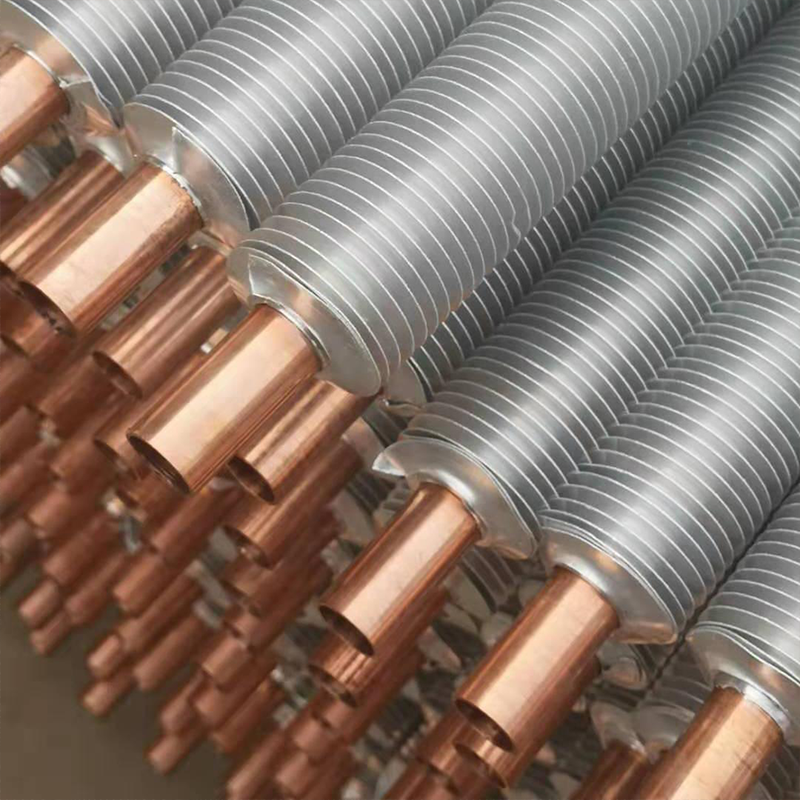
Specializing in the design and manufacture of high-tech heat transfer equipment, the company demonstrates the same level of attention to detail required by maintaining welding logs. Wuxi Kaisheng's products, including titanium shell-and-tube heat exchangers, ASME high-pressure units and corrugated tube bundles made from 316 stainless steel, C46400 marine brass or N06625 alloys, are manufactured to the strictest international PED and ASME standards. Just as incorrect welding temperatures can destroy the molecular structure of polyethylene, the slightest deviation in the alloy composition or weld quality of the metal elements of a heat exchanger can lead to corrosion and accidents in the hostile environments of oil refining or water desalination.
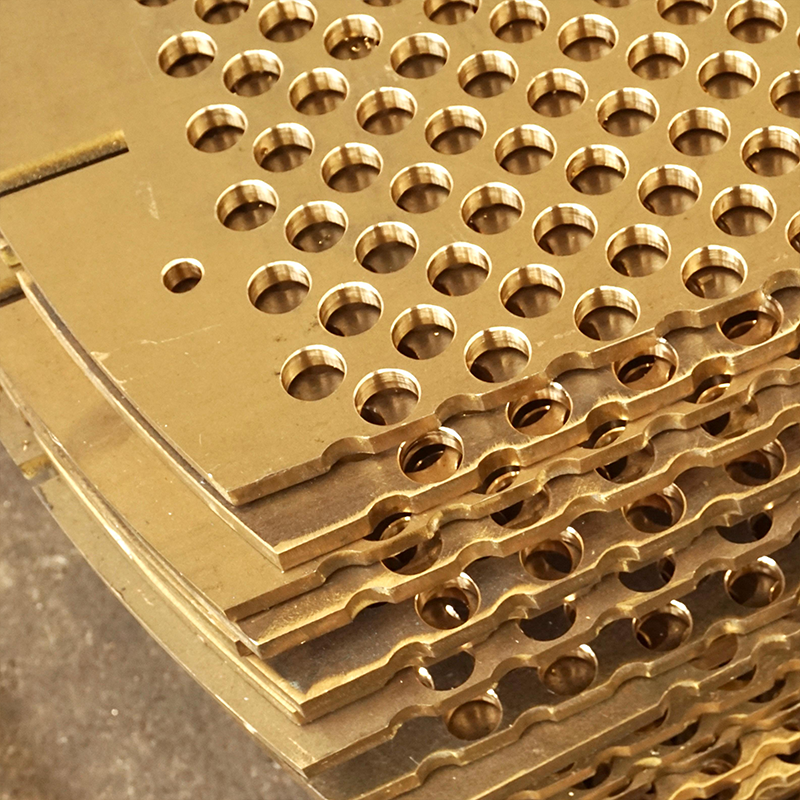
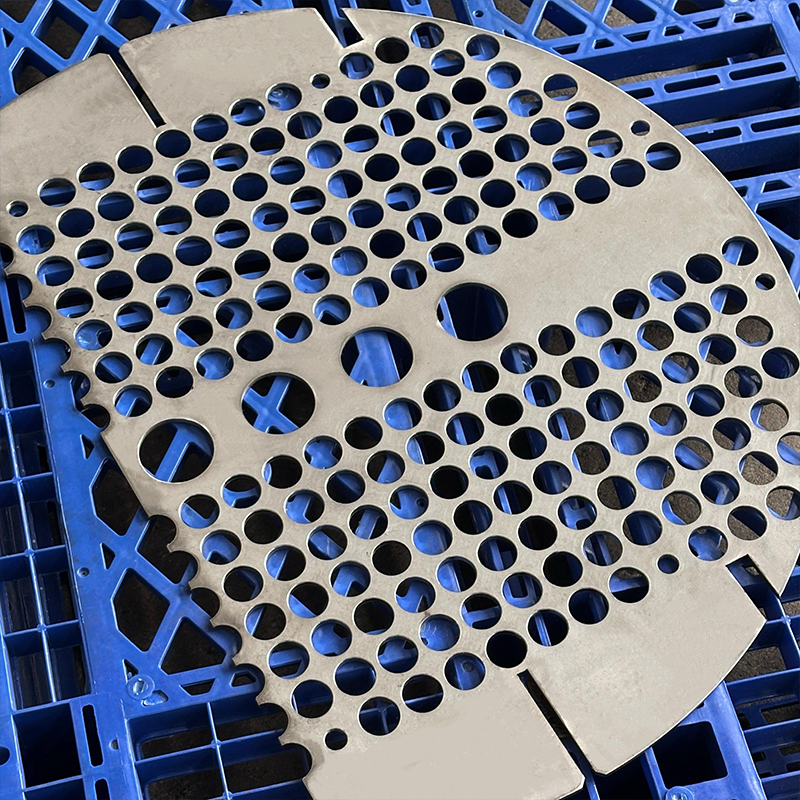
The company provides customized solutions to global customers, ensuring that every component - from 321 steel tube sheet to air cooler - has the required corrosion resistance and resistance to extreme pressures and temperatures. This systematic approach to quality, combining advanced production technologies and strict control, is the foundation of safety for both complex metal assemblies and polymer highways, which we discussed above.
Frequently Asked Questions
Who is responsible for maintaining a proper weld log?
Personal responsibility for the accuracy of the records lies with the work producer (foreman) or the site foreman under whose supervision the welding work is performed. It is he who checks the data entered by the welder and endorses the pages of the journal. The welder is responsible for the correct execution of the technology and the initial recording of parameters. The chief project engineer is responsible for the overall organization of document flow and compliance of log forms with project requirements. If a forgery is detected, criminal or administrative liability may be assigned to any of these persons, depending on the degree of guilt.
Is it possible to keep a journal electronically without duplicating it on paper?
At the moment (2024-2025) it depends on the specific customer and type of object. For private developers and some industrial facilities, an electronic log with an enhanced qualified electronic signature (ECES) may be sufficient. However, for main gas transportation facilities included in the Rostechnadzor system, and for connection to the networks of the State Unitary Enterprise “MOSGAZ” or similar structures in the regions, a paper original often remains a mandatory requirement until the registers are completely digitalized. We recommend that you clarify this issue in the Technical Specifications (TOR) before starting work, so as not to redo the documentation.
What to do if an error is detected in an already completed log?
Do not under any circumstances use correction fluid (“shading”) or tear out pages. Correct correction algorithm: Carefully cross out the erroneous value with one horizontal line so that it remains readable. Write the correct value next to it. After this, make a note “Believe the Corrected”, put the date of the correction and your signature. If the error is critical (for example, incorrect joint number), it is better to draw up a new sheet and attach it to the journal with a link to the sheet being replaced, certified by the signature of the chief engineer. Transparency of corrections is more important than perfect cleanliness of the form.
How long should a welding log be kept?
The storage period for as-built documentation, including welding logs, is regulated by the list of standard management archival documents. For capital construction projects, the storage period is usually the entire service life of the facility (50 years or more), since the log may be required when investigating accidents, reconstruction or repairs. In practice, after putting the facility into operation, the original log is transferred to the customer (operating organization), and the contractor keeps a certified copy for the duration of the warranty (usually 3-5 years), and then transfers it to his archive according to the nomenclature of cases.
Conclusion: The quality of documentation is a mirror of the quality of installation
The log of welding work at PE pipe sites is not just a set of numbers. This is the story of your pipeline, told in the language of technology. A well-filled magazine indicates a high production culture, team discipline and respect for the customer. It protects your interests in controversial situations and confirms the competence of your company.
Don't waste time filling out the fields. Spending 2 minutes recording real parameters will save weeks of nerves and millions of rubles in the future. Implement modern control methods, train personnel and remember: the reliability of a gas or water pipeline begins with the correct seam, and the guarantee of this seam is an honest entry in the log. Whether you are working with polymer pipes or installing complex heat exchangers made from special alloys, the principle remains the same: quality is determined by attention to detail at every stage.
If you require the development of individual log forms for the specific requirements of your project, consultation on the certification of welding technology or an audit of existing as-built documentation,contact us today. Our experts will help bring your documents into full compliance with the requirements of GOST and supervisory authorities, ensuring trouble-free delivery of the facility.