
As-built documentation for the installation of PP tanks”
2026-09-11
- What is the as-built documentation for the installation of PP tanks and why the service life of the tank depends on it
- Regulatory framework and quality control standards for polypropylene structures
- Step-by-step algorithm for generating a set of as-built documentation
- Critical errors during registration and real consequences for business
- Specifics of testing welded joints and non-destructive testing methods
- An integrated approach to quality: from documentation to high-tech equipment
- Digitalization and modern requirements for data archiving
- Frequently Asked Questions
- Conclusion and recommendations for choosing a contractor
What is the as-built documentation for the installation of PP tanks and why the service life of the tank depends on it
As-built documentation for the installation of PP tanks is not just a folder with papers for submitting the facility to technical supervision, but an actual safety data sheet for your chemical infrastructure. In our practice of working with industrial facilities in Russia and the CIS countries, we have repeatedly encountered a situation where the lack of correct hidden work reports or welding protocols led to a refusal of warranty service at the first crack in the housing. Polypropylene (PP) is a capricious material: it is sensitive to welding temperatures, cooling rates and surface cleanliness. If these parameters are not documented at the time of installation, it is almost impossible to prove the guilt of the installers six months later. That is why proper maintenance of as-built documentation becomes a critical factor influencing the durability of the tank even more than the wall thickness.
According to current standards, including the requirements of SP 70.13330 and industry standards for polymer structures, a set of documents must confirm the compliance of each seam with design solutions. We have seen cases where customers saved money at the work acceptance stage, accepting the object “by eye,” and after a year lost tons of aggressive reagents due to brittle fracture of the joint. Properly completed documentation allows you to track the chain of responsibility: which welder welded this unit, with what apparatus, at what ambient temperature. This is not bureaucracy, it is a risk management tool. If you plan to operate the tank for more than 5 years, the requirement for a full package of as-built documentation must be specified in the contract with the contractor as a mandatory condition of payment.
Regulatory framework and quality control standards for polypropylene structures
The basis for the formation of any package of documents are state standards and codes of practice, adapted to the specifics of thermoplastics. Unlike metal tanks, where GOST 23118 dominates, for PP tanks the key ones are SP 298.1325800.2016 “Polymer structures. Design rules” and guidelines for welding with an extruder and hot air. It is important to understand that direct copying of requirements from steel structures is unacceptable: polypropylene has a different coefficient of linear expansion and requires specific non-destructive testing methods. For example, visual inspection of a seam on metal and on plastic is assessed according to completely different criteria of fillet width and the presence of pores.
In our work, we strictly focus on the requirements of the raw material manufacturer (for example, Borealis or Sabic) and the technical regulations of the Customs Union. There is often confusion between DIN 16963 standards (German standards for welding plastics) and Russian SNiPs. In practice, when handing over objects to Russian technical supervision, local standards have priority, but they are often referred to the technological maps of the material manufacturer. We recommend including in the contract a reference to the specific welding standard that will be applied. This eliminates disputes during acceptance: if the project indicates “welding according to DIN 16963 part 4,” then the acts must comply with this standard, and not abstract “general construction standards.”
Particular attention should be paid to certification of materials. Each sheet of polypropylene used in the construction of a tank must have a quality certificate indicating the grade of raw materials, density (usually PP-H, PP-B or PP-R), and yield strength. The absence of this data in the as-built documentation makes it impossible to calculate the strength of the structure in the future. We encountered a situation where a contractor used sheets of recycled polyethylene instead of virgin polypropylene, and this was only revealed when we tried to chemically analyze the sample after two years of use. The result was the dissolution of the bottom of the tank. Therefore, the requirement to attach copies of certificates for each batch of sheet material to the executive documentation is not a whim, but a necessity.
For objects subject to industrial safety examination, the requirements of the Federal Norms and Rules (FNR) are additionally applied. Although plastic tanks rarely qualify as hazardous production facilities (HPF) on their own, they are often part of process lines that operate under pressure or with toxic substances. In such cases, the form of the executive documentation becomes more stringent: the presence of a representative of Rostechnadzor during hydrotesting and the execution of relevant acts are required. Ignoring this nuance can lead to a fine and production stoppage. Always check the status of your tank in the project declaration before starting installation.
Step-by-step algorithm for generating a set of as-built documentation
The process of collecting documents begins long before the welder turns on the machine. The mistake many foremen make is trying to formalize everything after the fact. Real experience shows that documentation should be carried out in parallel with installation, step by step. Below is a proven algorithm that we use at our facilities to guarantee acceptance without any comments.
- Preparation and incoming inspection of materials.The first step is to record the receipt of materials at the site. This includes incoming inspection logs, which record batch numbers of PP sheets, their thickness, geometric dimensions and the results of visual inspection for scratches or contamination. Original quality passports and certificates of conformity from the manufacturer must be filed with this section. Without a signed incoming inspection report, any subsequent work is considered illegitimate. We require suppliers to provide wet stamped documents immediately upon shipment to avoid wasting time later.
- Certification of technology and personnel.Before starting welding work, it is necessary to approve the Technological Map (TC) for welding specific components. It specifies the temperature of the hot air, the feed rate of the filler rod, the angle of inclination of the nozzle and the pressure of the pressure roller. At the same time, the welders’ certificates are checked: they must have permission to work specifically with polypropylene and the specified type of equipment. In our practice, there was a case when a certified metal welder tried to weld PP, which led to overheating and destruction of the material. The Welding Technology Certification Protocol (WATC) is the foundation for the legitimacy of the entire installation.
- Geodetic layout and installation of the foundation.PP tanks require a perfectly level base, since plastic does not compensate for uneven foundations with its rigidity, like steel. At this stage, acts of geodetic alignment of axes and acts of readiness of the foundation for installation are drawn up. Deviations of the foundation plane are recorded (the permissible value is usually no more than 3-5 mm for the entire length of the circle or perimeter). If the base is concrete, a waterproofing certificate must be applied, since direct contact of concrete with some brands of PP under certain conditions may be undesirable, or a damping layer is required.
- Housing installation and welding work (Hidden work).This is the most voluminous section. This includes General Work Logs (KS-6a) and, most importantly, Welding Work Logs. For each weld (or selectively, depending on the requirements of the project), a weld control card is filled out. The weld number, date, name of the welder, and machine parameters are recorded. Particular attention is paid to reports on hidden work: welding the bottom, installing embedded parts, installing pipes before installing the cover. As soon as the sheet is welded to the bottom or a partition is installed inside, access to this unit is closed, and the act must be signed immediately.
- Testing and final acceptance.The final stage includes visual inspection of all seams, checking the geometry of the tank (deviation from the vertical walls, ovality) and hydraulic tests. A hydraulic test report for tightness and strength is drawn up, which records the holding time under pressure, water temperature and absence of leaks. An as-built diagram of the tank is also drawn up with all the actual dimensions and references. Only after this act is signed by the customer is the object considered installed and ready for operation.
Each of these steps requires discipline. Omitting a signature in the welding log at stage No. 4 will make it impossible to sign the test report at stage No. 5. We recommend appointing a person responsible for maintaining documentation from among the engineering staff even before the team enters the site.
Critical errors during registration and real consequences for business
Statistics from our audits over the past three years show that more than 60% of polypropylene tanks are delivered with violations of the as-built documentation. Most often, problems are systemic in nature and are revealed at the most inopportune moment - during an accident or a routine inspection by supervisory authorities. Let's look at the most common mistakes that even experienced builders make, and the price they have to pay for them.
Mistake #1: Not linking welding parameters to weather conditions.Polypropylene is extremely sensitive to ambient temperature and wind load. Welding at temperatures below +5°C without heaters or with winds exceeding 5 m/s leads to rapid cooling of the seam and the formation of internal stresses. The documentation often simply states “welding completed” without indicating the air temperature.Real case:In winter, a neutralization tank was installed at a facility in Siberia. The documentation was submitted perfectly, but without indicating the temperature. A month later, when filling it with hot water for the first time, the housing burst along a vertical seam. The examination showed brittle fracture due to an incorrect heating-cooling cycle. The insurance company refused to pay, citing a violation of the installation technology, which was not reflected in the work log (no record of heating the welding zone). Losses amounted to more than 4 million rubles plus production downtime.
Error No. 2: Substitution of concepts in acts of hidden work.A situation often occurs when acts for hidden work are signed “retroactively” or without inspection at all. The installers welded the pipe, covered it with thermal insulation or sheathed the body, and only then issued a certificate.Consequences:If a leak occurs in the area of the pipe, it is impossible to determine whether there was high-quality welding of the weld root. Technical supervision has the right to demand opening of the structure at the expense of the contractor. In one of the projects, we had to dismantle half of the lining of an acid tank to prove the quality of the welding of the embeds, since the reports did not include a photograph of the assembly before closure. This delayed the launch of the line by two weeks.
Mistake #3: Materials do not match the project.The estimate included PP-H (homopolymer) with a wall thickness of 20 mm, but in fact, PP-B (block copolymer) or sheets with a thickness of 18 mm were brought and welded. In this case, the documentation copies the passports for the design material. This is a gross violation. Different brands of polypropylene have different chemical resistance. PP-B is less resistant to oxidizing agents than PP-H.Risk:If an aggressive environment designed for a homopolymer gets into such a tank, rapid degradation of the material will begin. In court proceedings, falsification of documentation is classified as fraud, and liability moves from civil to criminal for the chief engineer of the project.
There is only one way to avoid these pitfalls: implementing step-by-step control. Do not allow the accumulation of papers “at the end of the month”. Require that hidden work reports be signed daily, upon completion of the volume. Take photographs of each critical node with a date and time stamp. It will take an extra 10 minutes a day, but it will save millions in the future.
Specifics of testing welded joints and non-destructive testing methods
The quality of a PP tank is 90% determined by the quality of the welds. Therefore, the section of the as-built documentation regarding welding control is the most important. Unlike metal, where ultrasonic testing (UT) and x-rays are widely used, for polypropylene these methods have limitations and require special equipment and calibration. The main inspection method accepted by most customers and regulatory authorities is visual measurement inspection (VII) in combination with bending or tensile tests on witness samples.
The executive documentation must include VIC maps. They record the external parameters of the seam: the width of the reinforcement, the presence of undercuts, pores, and lack of penetration. Permissible deviations are strictly regulated. For example, the height of the seam reinforcement when welding with an extruder should be 10-20% of the thickness of the base material, but not more than 3-4 mm. The presence of through pores or cracks is unacceptable. We recommend including photographs of seams with a scale bar overlaid in your reports. This simple action eliminates 80% of the technical customer’s questions.
An important element is mechanical testing of witness samples. The welder must weld a control sample daily (or on each shift, or when changing a batch of material) under the same conditions as the main tank. This sample is then tested for tensile or bending. The tear should occur along the base material and not along the seam. If a sample breaks along a seam, the technology is broken, and all seams welded during this shift must be redone. The protocols of these tests are filed in the general work log. Ignoring this requirement is a common mistake that leaves the customer without evidence of welding quality.
For critical components operating under vacuum or pressure, penetrant testing (color flaw detection) is sometimes used to detect surface cracks. However, the use of ultrasound for PP requires a highly skilled operator, since the structure of the polymer strongly scatters the signal. If the project requires ultrasonic testing, make sure that the as-built documentation contains a certificate from a laboratory that has the right to carry out ultrasonic testing of polymer structures, and not just metal. It often happens that a laboratory is licensed for metal, but does not have calibrated settings for plastic, which makes such protocols fictitious.
An integrated approach to quality: from documentation to high-tech equipment
Proper documentation management is only one side of the reliability coin of an industrial facility. The other side is the use of certified equipment of the highest class, capable of operating in the most aggressive environments described in your projects. This is where companies likeWuxi Kaisheng Electric Power and Petrochemical Equipment Co., Ltd..
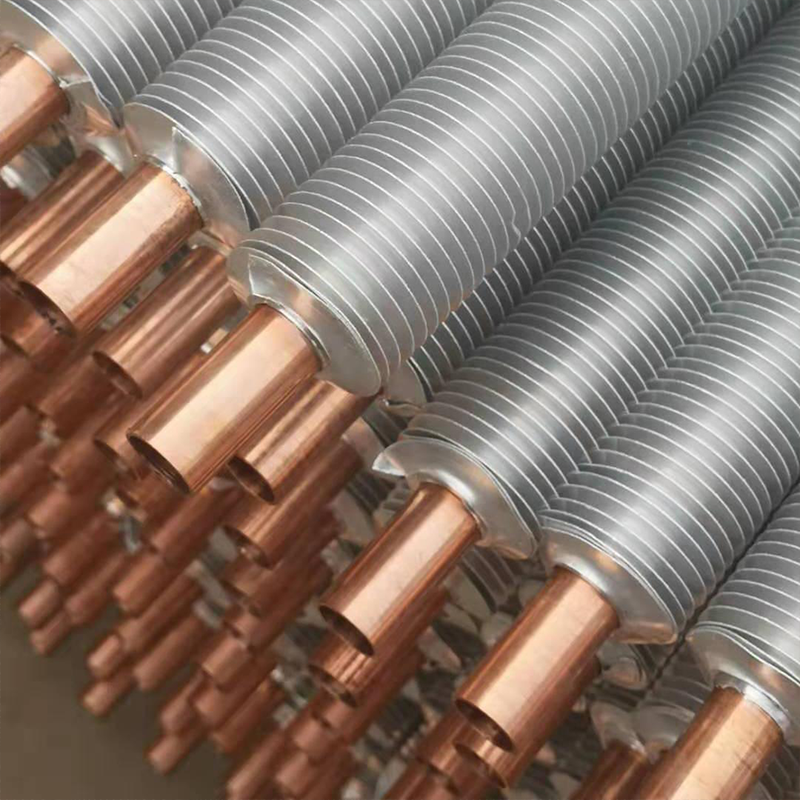
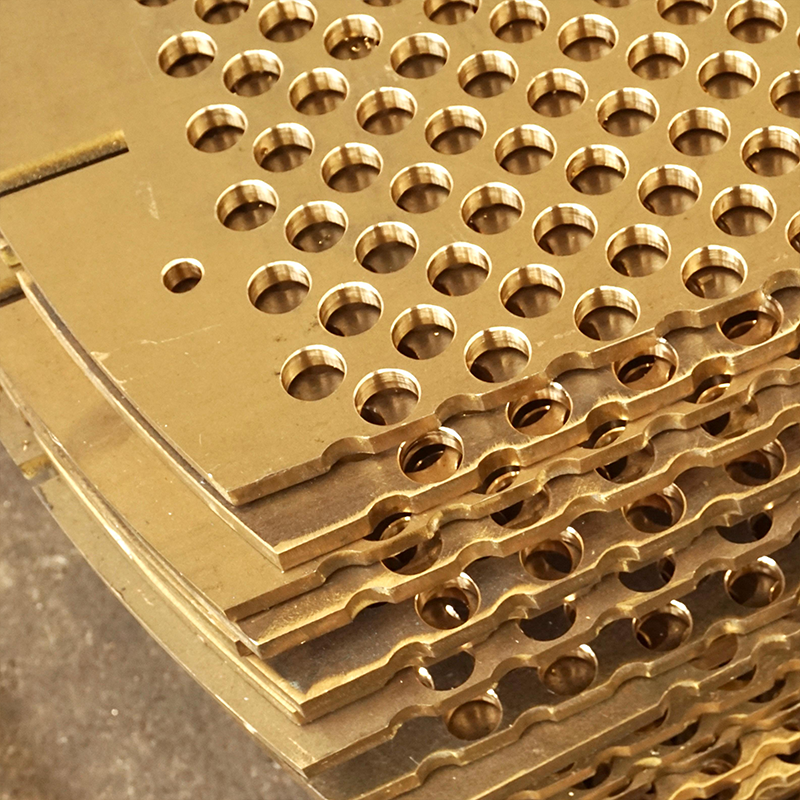
Specializing in the design and manufacture of heat transfer, power and petrochemical equipment, Wuxi Kaisheng demonstrates the same level of attention to detail and standards required for perfect as-built documentation of PP tanks. Their products, including titanium shell-and-tube heat exchangers, ASME high-pressure systems and 316 stainless steel or C46400 marine brass corrugated tube bundles, are manufactured to the strictest international PED and ASME standards.
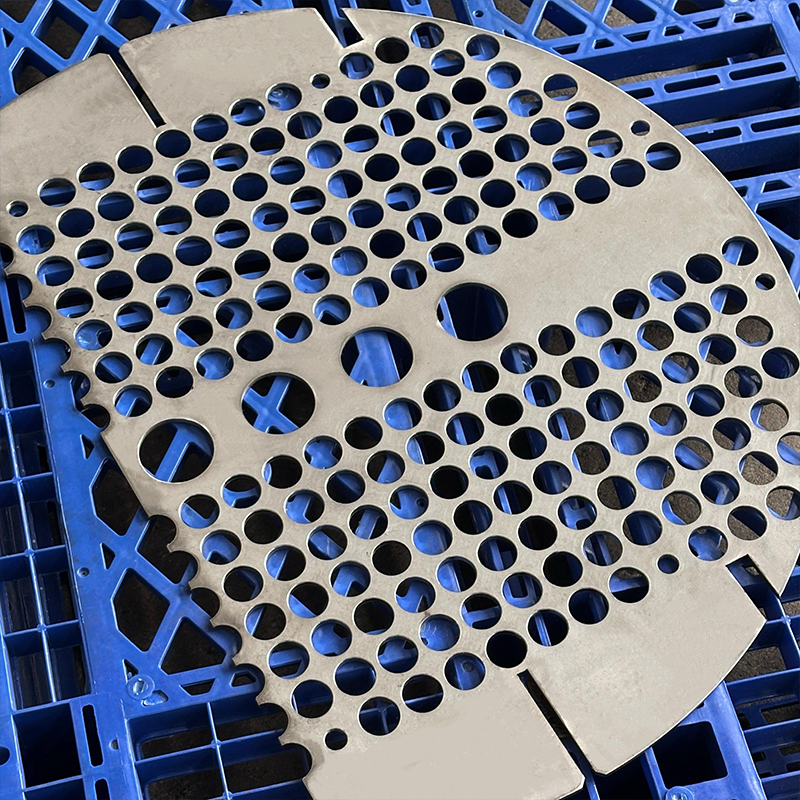
Why is this important in the context of our topic? Because the quality philosophy is the same. Just as every seam on a polypropylene tank must be documented and inspected, every component from Wuxi Kaisheng, be it N06625 alloy tubesheet or air cooler, goes through multiple inspections. The use of materials with proven corrosion resistance and quality certificates (similar to the requirements for a passport for PP sheet) ensures that your process equipment will last for decades, even in oil refining, seawater desalination or chemical synthesis environments. Cooperation with such suppliers who provide complete packages of documents for each product greatly simplifies the formation of general as-built documentation for your facility and reduces the risks when passing examinations.
Digitalization and modern requirements for data archiving
The industrial construction market is moving towards digitalization, and the installation of polymer tanks is no exception. Traditional paper journals are increasingly being supplemented or replaced by electronic forms. This is dictated not only by convenience, but also by the requirements of large customers (oil and gas sector, chemical industry), who are implementing BIM design systems and digital twins of assets.
Modern as-built documentation for the installation of PP tanks increasingly includes QR codes placed directly on the tank body or in the product passport. Scanning such a code gives access to cloud storage, where scans of all certificates, welding logs and photo reports are uploaded. This allows operating personnel to instantly obtain information about the wall material or welding parameters of a specific unit without searching through the archives. We are already implementing such projects: each sheet of the tank is marked and its number is linked to the database. During repairs after 10 years, the engineer knows exactly what rod and what temperature were used when installing this sector.
Photographic recording is becoming a mandatory standard. Just an “act” is no longer enough. Geotagging of photographs is required: the image of the seam must contain a time stamp and coordinates of the shooting location. This eliminates the possibility of falsifying reports (“Photoshop” or using old photographs from other objects). In our practice, we use specialized applications for smartphones that automatically generate a report with unchangeable metadata. This increases trust on the part of technical supervision and speeds up the process of signing acts.
However, it is worth remembering that electronic document management (EDF) in construction is regulated by strict rules. For an electronic act to have legal force, it must be signed by a qualified electronic signature (CES) of all participants in the process. A simple scanned copy of a paper act with a facsimile in most cases is not accepted by courts as evidence. Therefore, the transition to digital requires preparation of infrastructure and personnel training. But the trend is obvious: waste paper is becoming a thing of the past, giving way to structured data.
Frequently Asked Questions
What is the shelf life of as-built documentation for a polypropylene tank?
According to the legislation of the Russian Federation (List of standard management archival documents), as-built documentation for capital construction projects is stored until the object is liquidated. For tanks that are part of a hazardous production facility, the deadlines may be extended. In practice, we recommend storing documents indefinitely or at least for the entire life of the tank (20-30 years), since they may be needed during reconstruction, technology changes, or accident investigations. Loss of documents complicates the renewal of a license to operate a hazardous facility.
Is it necessary to take an x-ray of the seams of a polypropylene tank?
No, radiographic inspection of polypropylene seams is not a mandatory requirement of most building codes and is rarely used in practice due to low image contrast and the difficulty of interpreting defects in the polymer structure. The main method remains visual measurement control and mechanical testing of witness samples. X-ray can be assigned individually by the design organization for particularly critical units, but this is the exception, not the rule, and requires special justification in the project.
Who has the right to sign hidden work certificates for plastic welding?
Concealed work certificates (ACW) are signed by a representative of the person carrying out construction (contractor) - usually a work performer or a foreman, and a representative of the person exercising construction control (customer or technical supervision). The welder puts his signature in the welding work log, but not in the hidden work report. It is important that the technical supervision representative has access to control polymer structures. If the customer does not have such a specialist on staff, he is obliged to involve a third-party expert organization, otherwise the signature may be declared invalid.
What to do if during installation it turns out that the grade of polypropylene does not correspond to the project?
Work must be stopped immediately. You can’t continue editing “in the hope that it will pass.” It is necessary to initiate a procedure for making changes to the design documentation. The designer must perform a verification calculation of strength and chemical resistance for the grade of material actually used. If the new brand meets the technology requirements, a replacement approval letter is issued, and only after this work continues with updated documentation. Using material without approval is a defect that will have to be redone at your own expense, no matter how good the material appears visually.
Conclusion and recommendations for choosing a contractor
As-built documentation for the installation of PP tanks is a mirror of the professionalism of your team. Chaos in paperwork almost always means chaos in welding and installation technology. A reliable contractor is not afraid to require documents to be signed every day and provides transparent data about each stage of work. Saving on documentation is an illusory benefit that results in huge risks during operation.
When choosing a contractor, pay attention not only to the price per kilogram of welding, but also to the presence of a full-time PTO (production and technical department) engineer who specializes specifically in polymer structures. Request examples of previously submitted as-built documentation: if you see general phrases there and the absence of specific welding parameters, run away from such a company. A quality tank starts with a quality work log. A similar principle applies when selecting suppliers of key process equipment: partnerships with companies such as Wuxi Kaisheng ensure that every component of your system is accompanied by comprehensive technical documentation and meets global quality standards.
We are ready to help you audit existing documentation or take on the full installation cycle with guaranteed examination. Our experience allows us to minimize risks and ensure long service life of your containers.Contact us todayfor consultation on your project, and we will tell you how to properly organize document flow specifically for your case.
Don't forget that it's correctas-built documentation for the installation of PP tanks- this is the only insurance that really works in case of unforeseen situations. Invest in order now so you don't pay for chaos later.