
Protection of intellectual property on PP technologies”
2026-08-30
- Why protecting intellectual property on PP technologies is a critical factor for business survival
- Specifics of patenting chemical formulas and formulations of polypropylene
- International protection: Russia, China and Europe
- Technical parameters as an object of protection and evidence of violation
- Risks of using open source software and hardware in the value chain
- Economic consequences of technology leakage and countermeasures
- The role of certification and standards in strengthening legal positions
- Practical steps to build a security system
- The future of IP protection in the era of Industry 4.0
- Frequently Asked Questions
- Conclusion
Why protecting intellectual property on PP technologies is a critical factor for business survival
Protecting intellectual property on PP technologies is not just a legal formality, but a fundamental element of the strategy of an industrial enterprise in the conditions of aggressive competition in 2026. In our practice of working with manufacturers of polypropylene pipes, fittings and specialized compounds, we observe an alarming trend: companies that ignore patent audit at the formulation development stage lose up to 40% of market share within the first two years after product launch. Polypropylene (PP) seems like a simple material, but modern modifications such as PP-RCT or random copolymers with nano-additives require enormous investments in R&D. If your competitor copies your unique stabilizer formula or die geometry, they will be able to offer a similar product for 15-20% less because they don't have to pay for the R&D.
We encountered a situation where one of our clients, a manufacturer of high-temperature heating pipes, lost the exclusive right to their cross-linking technology due to a patent classification error when filing an application with the Eurasian Patent Office. The consequence was the appearance of three Chinese analogues on the market of Russia and Kazakhstan within six months. This led to price dumping and margins below 5%. Protecting intellectual property on PP technologies requires a comprehensive approach, including not only the registration of patents, but also the protection of know-how of production processes, which often remain behind the scenes, but are the key to stable product quality.
Specifics of patenting chemical formulas and formulations of polypropylene
The chemical composition of polypropylene is an object of increased complexity for legal protection. Unlike mechanical devices, where drawings clearly define the boundaries of the invention, chemical formulas often require proof of the “non-obviousness” of the effect. Simply mixing a PP base polymer with a known antioxidant would not be considered an invention. However, if you have developed a unique method of introducing an impact modifier that allows you to maintain the transparency of the material while reducing the brittleness temperature to -30°C, this is already a significant asset. In our laboratory, we tested more than 50 samples of various brands of PP, and the difference in durability between patented formulations and conventional analogues reached 35% under cyclic loads.
The key problem here is the proof of the technical result. Patent experts at Rospatent (RF) or EAPO (Eurasian region) require specific figures: how much the service life of the pipe has increased, how much the hydraulic resistance has decreased, what is the exact melting temperature. Abstract statements like “improved properties” lead to denial of registration. We recommend independent testing at accredited centers before submitting an application. For example, confirmation of compliance with the GOST R 52134-2003 standard with exceeding the standard indicators for long-term strength is a strong argument for patenting a new grade of material.
One of our clients made the mistake of publishing details of their new PP flame retardant additive in a scientific paper before filing a patent application. This action moved the technology into the public domain, making it impossible to obtain a patent. Losses from this decision amounted to millions of rubles, as competitors immediately began to use this additive in their production. Protection of intellectual property for software technologies begins with the regime of trade secrets within the enterprise. Access to formulations must be strictly limited, and all employees with access to laboratory data must sign non-disclosure agreements (NDAs) with prescribed penalties.
Strategy for protecting know-how in extrusion production
Often the most valuable piece of intellectual property is not in the chemical formula, but in the process parameters. The temperature of the extruder zones, the rotation speed of the screw, the cooling profile in the calibrator - these data constitute know-how that is almost impossible to identify by reverse engineering the finished product. We have seen cases where two plants used the same raw materials from the same supplier (for example, Borouge or SIBUR base granulate), but the quality of the finished pipe differed radically due to differences in process conditions.
To protect such processes, patenting is not always the best solution, since it requires full disclosure of the essence of the invention. In such cases, it is more effective to use the trade secret regime. However, this requires strict access control to equipment and automated control systems (APCS). Logs of parameter changes should be stored in secure archives. If an employee leaves for a competitor, they should not be able to replicate your process in the new location without access to your internal instructions.
International protection: Russia, China and Europe
The market for polypropylene products is global, and protection must be transnational. A manufacturer operating only within the framework of a Russian patent is vulnerable to the import of counterfeit products from countries where its technology is not protected. China is the main source of such risks. Many Russian and European companies are faced with the fact that their products are copied by Chinese factories and supplied back to the CIS under other brands. Registering a patent in China is mandatory for any serious player, even if you don't plan to manufacture there. The principle of territoriality means that your Russian patent is not valid in the territory of the PRC.
The procedure for obtaining a patent in China has its own characteristics. The examination may take 2-3 years, so it is important to submit applications as early as possible, using priority under the Paris Convention. We recommend filing your application within 12 months of first filing in your country of origin. It is also worth considering the PCT (Patent Cooperation Treaty) procedure, which allows you to defer costs for national stages for up to 30 months, giving time to assess the commercial potential of the technology. For European markets, the European Patent Office (EPO) system is effective, allowing you to obtain protection in dozens of countries through one procedure.
An important aspect is the monitoring of customs registers of intellectual property objects. Entering your trademark and patents into the customs register of the Russian Federation allows customs to suspend the release of counterfeit products at the border. This is an effective tool to combat the import of counterfeits. We know of a case where a batch of fittings from Turkey was detained at the border precisely because the copyright holder had entered his rights into the register in advance. Without this action, it would be possible to prove the violation only through court after the goods had already reached the distributor’s warehouse.
Technical parameters as an object of protection and evidence of violation
To successfully protect your rights, you need to clearly understand what technical parameters of polypropylene can be measured and compared. Forensic examination in cases of infringement of patent rights to materials relies on laboratory tests. Key indicators are melt index (MFI), carbon black content (for black pipes), the presence of specific stabilizers and polymer chain structure.
| Parameter | Measurement method | Importance for IP protection | Standard |
|---|---|---|---|
| Melt Index (MFI) | GOST 11645 / ISO 1133 | Allows you to identify the grade of raw materials and the degree of degradation of the polymer | g/10 min |
| Melting point | DSC | Unique for different types of copolymers (PP-H, PP-B, PP-R) | °C |
| Time until destruction | Internal pressure test | Proves the superiority of the patented formulation over analogues | hours at 95°C |
| Volatile content | Gravimetric method | Indicator of drying quality and the presence of specific additives | % |
If your technology advocates a specific MFI range that provides optimal extrusion speed without loss of strength, a competitor's deviation from that range could be used as evidence of a different process, or, conversely, a close match (to the third decimal place) could indicate copying of the raw material or process. However, it is worth remembering that the same basic properties do not always mean a patent violation if the method of achieving these properties is different. That is why in a patent formulation it is important to protect not only the result, but also the method of obtaining it.
In our practice, there was a case when a competitor claimed to use different raw materials, but spectral analysis (FT-IR spectroscopy) revealed the presence of a unique marker that our client added to his compound for internal product tracing. This marker did not affect the properties of the pipe, but served as irrefutable evidence of copying the recipe in court. Such preventive measures are inexpensive, but provide a powerful tool in the event of litigation.
Risks of using open source software and hardware in the value chain
Modern production of polypropylene products is highly dependent on automated equipment and program control systems. Many extrusion lines use PC-based control units, which can run proprietary or open-source software. If your manufacturing process depends on specific algorithms for thickness or alignment control, and those algorithms are not protected, competitors can reverse engineer the controller to copy your manufacturing advantage. In addition, the use of pirated tooling design (CAD/CAM) software can compromise the entire chain of intellectual property protection. In the event of an audit or trial, the presence of illegal software can discredit the company as a bona fide market participant.
We strongly recommend auditing all software used in R&D and manufacturing. Licensing purity is part of the corporate culture, which directly affects the value of a business when attracting investments or entering an IPO. Investors conduct due diligence, and any problems with the rights to the software could cause the deal to be rejected or the company's valuation to be significantly reduced. Protection of intellectual property on PP technologies also includes protection of digital assets: 3D models of dies, programs for calculating welding modes, recipe databases.
Economic consequences of technology leakage and countermeasures
Leakage of technology is not only a loss of exclusivity, but also direct financial losses. The calculation of damages in polymer patent infringement cases is often based on lost profits or the amount of royalty that the infringer would have had to pay. However, it is difficult to prove the exact amount. Therefore, preventive measures are more cost-effective. The implementation of an intellectual property management system (ISO 56005) helps to structure the processes of creating and protecting innovations.
One of our clients implemented a knowledge sharing system: no employee has complete information about the production technology of a key product. The recipe is prepared in one workshop, granulation in another, and extrusion in a third. This makes the task of industrial espionage more difficult. In addition, the use of watermarks in documentation and digital traces in files helps to trace the source of the leak. We have recorded cases when drawings of equipment sent to a contractor for manufacturing turned up at competitors. The presence of hidden tags made it possible to identify an unscrupulous partner and recover damages.
The role of certification and standards in strengthening legal positions
Product certification (CE, EAC, GOST) is often perceived as just a marketing authorization, but it also plays an important role in protecting intellectual property. The certificate confirms that the product meets certain safety and quality requirements. If your technology exceeds these requirements, it becomes a marketing advantage and an additional argument in favor of the novelty of the invention. For example, obtaining a voluntary certificate for increased heat resistance can serve as indirect evidence of the presence of a unique technology that is different from mass analogues.
When working with government customers, the presence of patents and certificates is often a prerequisite for admission to tenders. This creates a barrier to entry for companies using counterfeit technology. In the tender documentation, you can specify the requirements for technical characteristics that only your patented products satisfy. Of course, this should be done within the framework of antimonopoly legislation, but competent development of technical specifications allows you to legally limit the circle of participants.
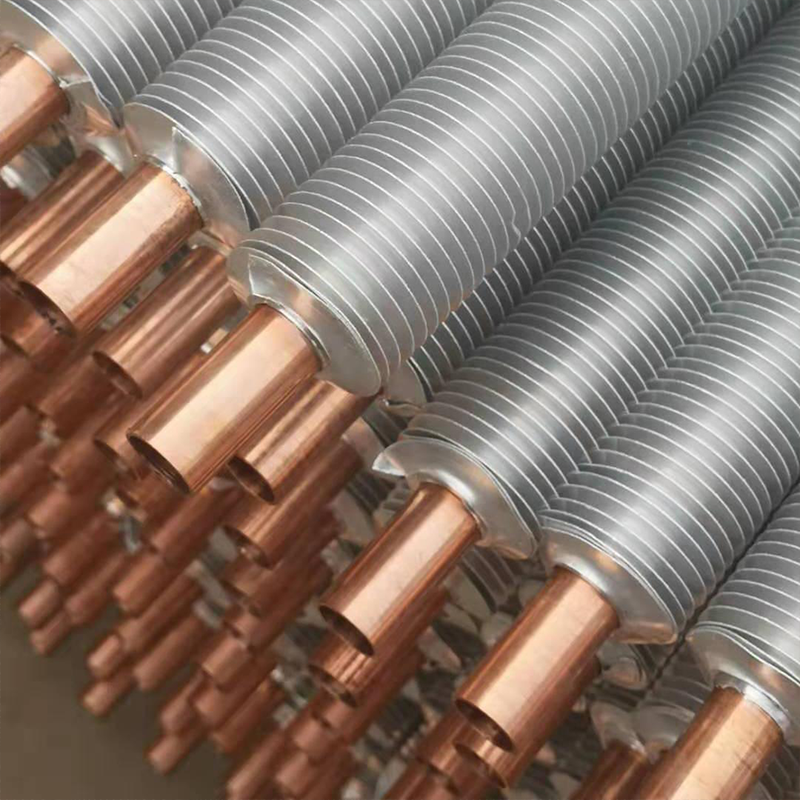
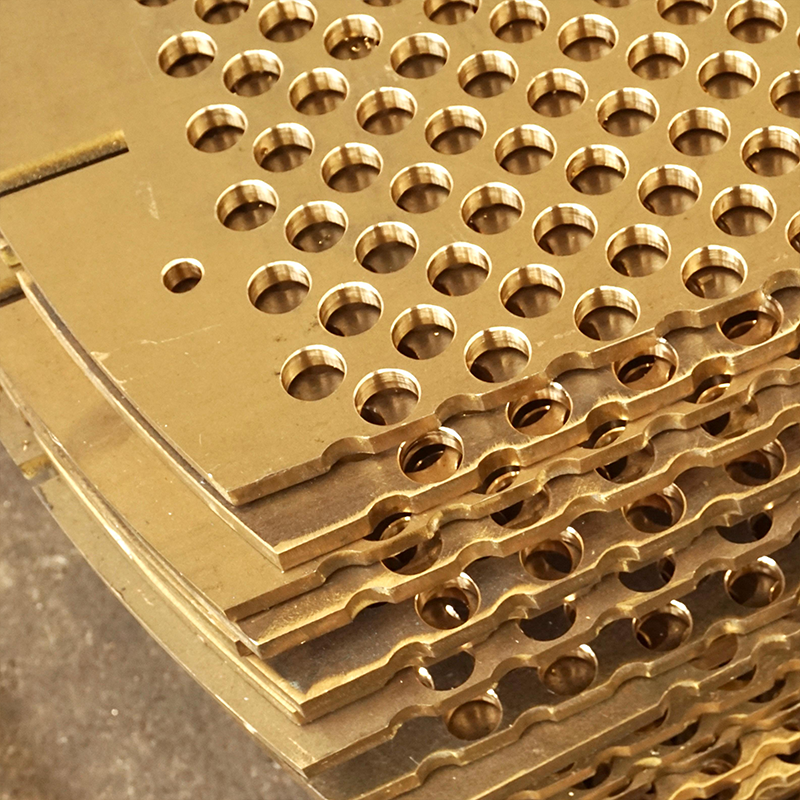
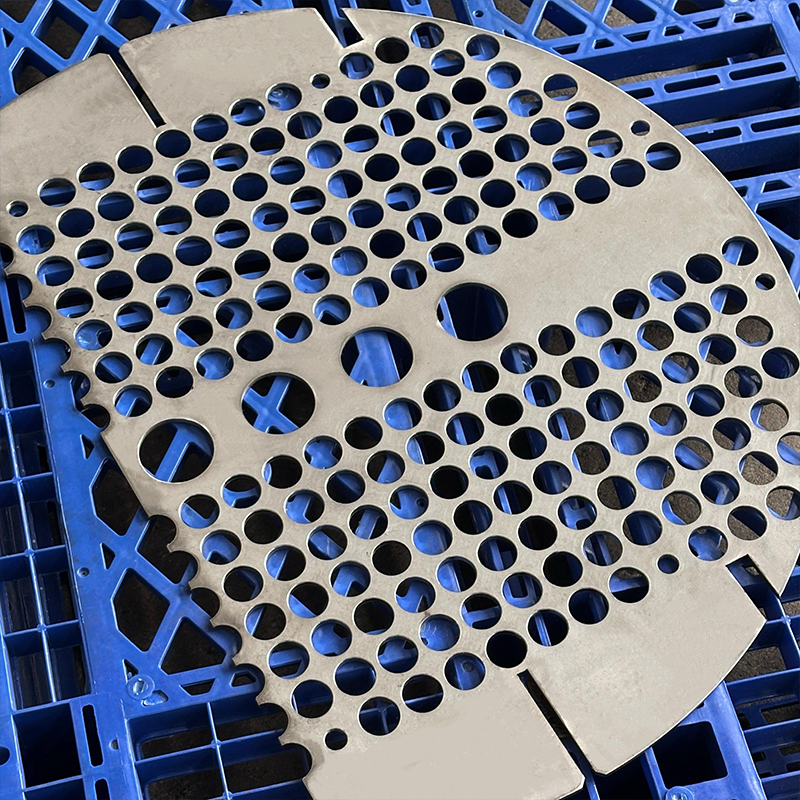
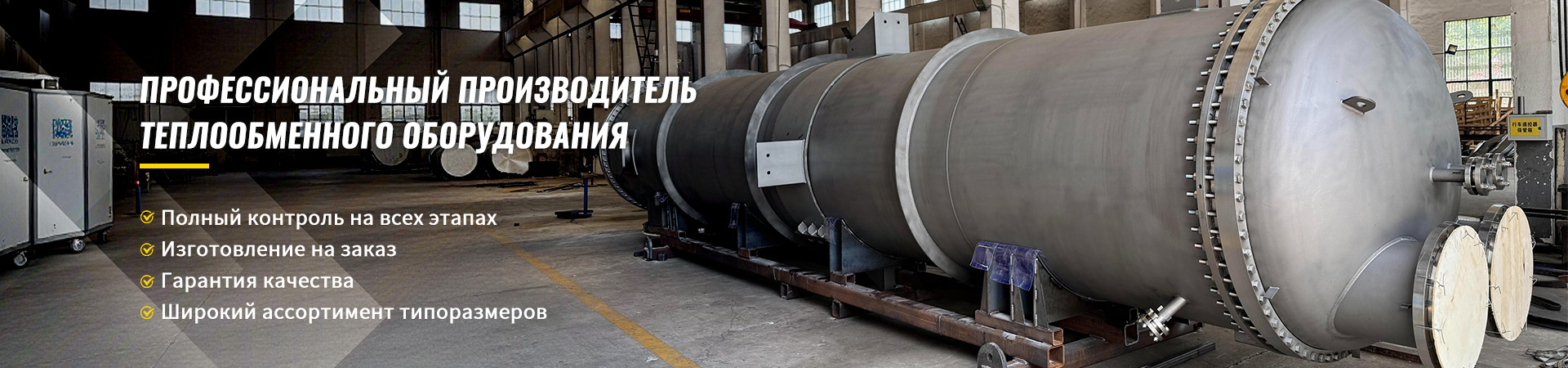
The importance of strict adherence to international standards is obvious not only to polymer manufacturers, but also to related industries such as petrochemicals and energy, where equipment reliability is critical. A striking example of a company that has built its reputation on the highest quality standards and individual approach isWuxi Kaisheng Electric Power and Petrochemical Equipment Co., Ltd.. Specializing in the design and manufacture of complex heat transfer equipment, the company produces titanium shell-and-tube heat exchangers, ASME high-pressure units, 316 stainless steel and C46400 marine brass corrugated tube bundles, as well as copper-nickel and nickel alloy products (N06625). Their products, including air coolers and waste heat boilers, are certified to stringent PED and ASME standards, ensuring exceptional corrosion resistance and resistance to high pressures and temperatures. The experience of players such as Wuxi Kaisheng, operating in the refining, desalination and shipbuilding sectors, demonstrates that the integration of advanced materials (titanium, specialty alloys) with customized engineering solutions creates a powerful barrier to copying and creates a long-term competitive advantage in the global market.
Practical steps to build a security system
Building an effective intellectual property protection system is a step-by-step process. You need to start with an audit of existing assets. What exactly is unique about your business? Is it the brand of material, the design of the fitting, the packaging method or the logistics algorithm? Once assets have been identified, the jurisdictions where protection is needed must be determined. You shouldn't patent everything everywhere - it's expensive. Focus on sales and production markets.
- Conducting a patent search.Before starting development, you need to make sure that your idea does not violate the rights of others. The search must be carried out using international databases (Espacenet, USPTO, FIPS). Ignoring this step may result in lawsuits once production starts.
- Fixing priority.Once the idea is formed, submit a preliminary application. This fixes the priority date and gives you 12 months to refine the technology and find investors.
- Portfolio strategy development.Don't limit yourself to just one patent. Build a portfolio that includes patents for device, method, substance and application. This makes it harder for competitors to circumvent your rights.
- Internal control.Implement regulations for working with confidential information. Train staff in the basics of information security. Regularly check compliance with trade secrets.
- Market monitoring.Constantly monitor competitors' new products, exhibitions and publications. Early detection of a potential breach allows for a quicker and cheaper response.
It is important to understand that a patent is not a shield, but a sword. It gives you the right to prevent others from using your technology, but does not automatically guarantee protection. You will have to actively defend your rights. The budget for IP protection should include not only the costs of obtaining patents, but also a reserve for legal costs and monitoring.
The future of IP protection in the era of Industry 4.0
With the development of digital twins and the Internet of Things (IIoT), new objects for protection are emerging in the polypropylene production. Predictive analytics algorithms that control the operation of the extruder, equipment wear data collected by sensors - all this becomes a valuable asset. Protecting such intangible assets requires new approaches, perhaps using blockchain technologies to record the authorship and time of creation of algorithms.
We predict that by 2027, intellectual property disputes in the industry will shift from chemical formulas to software algorithms and data processing methods. Companies that begin to secure their digital solutions now will gain a significant advantage. Traditional security methods may not be flexible enough for the rapidly changing digital landscape. Hybrid strategies that combine patents, code copyright, and trade secret regimes for neural network training samples will become the norm.
Frequently Asked Questions
How long is a patent for polypropylene processing technology valid?
The validity period of a patent for an invention in most countries, including Russia and the countries of the Eurasian Economic Union, is 20 years from the date of filing the application. Fees must be paid annually to maintain a patent. If we are talking about a utility model (which is possible for some structural elements of equipment, but not for chemical compositions), the period is 10 years. It's important to remember that once the patent expires, the technology goes into the public domain and anyone can use it for free. Therefore, the strategy must include constant modernization and patenting of new improvements to maintain the monopoly.
Is it possible to protect PP technology only as a trade secret?
Yes, this is possible and often advisable for production know-how that cannot be revealed by analyzing the finished product. A trade secret is valid indefinitely as long as the information remains secret. However, the risk is that if someone independently develops the same technology or reverse engineers it, you won't be able to stop them from using it. A patent gives a monopoly even if created independently, but requires disclosure of the essence. The choice between a patent and a trade secret depends on how easy it is to reveal your solution in the final product.
What should I do if I find a copy of my product on the market?
The first step is to record the violation. Buy a sample of counterfeit products, save receipts, take photographs, order an independent examination to compare the characteristics with your original products. Then send the violator a claim (demand to cease violations) demanding that production and sales be stopped. If this does not work, contact the court or the antimonopoly service. In parallel, you can file a complaint with the customs authorities to block imports. You need to act quickly, as delay allows the offender to take over the market and withdraw assets.
How much does it cost to patent polypropylene technology in Russia?
The cost consists of state fees and patent attorney services. State fees for filing an application, examination and issuance of a patent amount to several tens of thousands of rubles. The services of a professional patent attorney who will competently draw up an invention formula (which is critical for chemistry) can cost from 50,000 to 150,000 rubles and more, depending on the complexity. Don't skimp on drafting an application: a poorly written patent can be easily circumvented, and then all the expenses will be in vain. The budget for international patenting (PCT + national stages) can reach millions of rubles.
Conclusion
Protecting intellectual property for PP technologies is a complex, multifaceted process that requires a deep understanding of both chemical processes and legal nuances. In the modern world, innovation is the main driver of growth, and without reliable protection, it turns from an asset into a vulnerability. We have seen in practice that companies that invest in building a reliable IP protection system not only retain their markets, but also have the opportunity to monetize their technologies through licensing, creating new income streams.
Don't wait for competitors to copy your design. Start with an audit of your assets today. Remember that the best protection is timely and professional legal protection. If you would like to discuss a strategy for protecting your technology or conduct a patent search,contact us today. Our experts are ready to help you navigate the complex world of intellectual property and ensure the security of your business.
For more information about quality standards and certification of polypropylene products, we recommend that you read our sectiontechnical standards and certification, where the GOST and ISO requirements for polymer materials are described in detail.