Patenting new methods of welding polyethylene”
2026-08-31
- A direct answer to the question about patenting polyethylene welding
- Patentability Criteria: Why Most Applications Are Rejected
- Step-by-step guide to filling out an application to Rospatent
- Technical nuances: what exactly can be patented in HDPE welding
- Typical mistakes and risks of loss of rights
- International protection: strategies for entering the global market
- Cost-effectiveness and patent monetization
- The influence of GOST and ISO standards on the patenting procedure
- Frequently Asked Questions
- Conclusion and next steps
A direct answer to the question about patenting polyethylene welding
Patenting new polyethylene welding methods in 2026 is a complex but critical process for protecting intellectual property and gaining a competitive advantage in the piping market. If you have developed a unique technology for butt, electrofusion or extrusion welding that increases weld strength, reduces cycle time or allows you to work at extreme temperatures, you need to immediately register priority through Rospatent (RF) or international offices (EAPO, WIPO). In our practice, we have seen companies lose millions of rubles in investment simply because they published a description of the method in a technical article before filing an application, thereby destroying the novelty of the invention. Key rule: patent application first, then any public demonstrations.
The process is not limited to filling out formulas; it requires a deep understanding of the physics of the polymer melting process, melt rheology, and cooling thermodynamics. The patent office will look not just for a “new method,” but for a technical result that cannot be obtained by known methods. For example, if your method allows you to weld pipes of different grades of HDPE (PE80 and PE100) without loss of tightness at a pressure of 16 bar, this is a strong argument. However, if you simply changed the heating temperature by 5 degrees without justifying the effect on the crystal lattice, the application will be rejected as an obvious solution.
In this article, we will analyze a step-by-step algorithm of actions based on real experience in introducing innovations into industry, consider typical errors that lead to failure, and analyze the current requirements of GOST and ISO standards that affect patentability. We will not use general phrases - only specific data, deadlines and technical nuances that engineers and lawyers face in the field.
Patentability Criteria: Why Most Applications Are Rejected
The main reason for refusal to issue a patent for polyethylene welding methods is the lack of an “inventive step” attribute. Rospatent experts check the database of existing solutions over the past 20 years. If your method differs from the prototype only in minor parameters, which any specialist in the field of polymers could select experimentally, a patent will not be issued. The novelty must be absolute: no open publication in the world before your priority date should contain a description of an identical combination of parameters.
The technical result must be reproducible and measurable. You cannot patent “improved seam quality” without specific numbers. The application must indicate: by what percentage the tensile strength has increased, how the cooling time has changed, what is the energy savings per joint. For example, a method that allows one to reduce the temperature of a heating element from 220°C to 205°C through pulsed action must be accompanied by data on the retention of polymer molecular weight in the fusion zone. Without laboratory test reports, such claims are considered unfounded.
Particular attention is paid to industrial applicability. The method must be implementable on commercial equipment, and not just in a laboratory setting. If the implementation of your method requires a unique device that does not exist in nature, you will have to patent the device at the same time. Often we are faced with a situation where inventors describe an ideal process, ignoring the actual tolerances of the equipment and the human factor. The patent must protect technology that can be scaled on a construction site in conditions of dust, wind and temperature changes.
It is important to understand the difference between an invention patent and a utility model. For methods of welding polyethylene, only an invention is suitable, since utility models in the Russian Federation are protected only by devices, and not methods. The term of a patent for an invention is 20 years, which provides long-term protection. However, maintaining a patent in force requires annual payment of fees, the amount of which progresses. This is an economic filter: if your technology is not profitable or is not licensed, it becomes unprofitable to hold the patent.
Before filing an application, conduct a preliminary patent search in the FIPS, Espacenet and USPTO databases. Don't rely on free online services with superficial results. Hire a professional patent attorney who specializes in polymer chemistry and mechanical engineering. An error in the drafting of claims can narrow the scope of legal protection to such an extent that competitors can easily circumvent your patent by changing one minor parameter. Your goal is to create a “patent umbrella” around the technology that covers all possible implementation variations.
Step-by-step guide to filling out an application to Rospatent
The patenting process begins long before a visit to the office. The first stage is fixing the idea and conducting R&D. You must clearly formulate the problem that your method solves. For example: “Elimination of the formation of an oxide film when welding large-diameter pipes in winter conditions.” Next comes the experimental testing stage. You need to carry out a series of welds, make control samples (joints) and subject them to mechanical tests for tensile, flattening and bending in accordance with GOST 15150 and ISO 13953. The results of these tests will form the basis for the description of the technical result.
- Preparation of description and claims.This is the most critical stage. The description should reveal the essence of the method so completely that a specialist can reproduce it, but not provide unnecessary details that will narrow the protection. A claim is a legal document that defines the boundaries of your monopoly. It consists of a restrictive part (features known from the prototype) and a distinctive part (new features). Each point of the formula must be justified by examples of implementation. A mistake here is costly: a formula that is too narrow is easily avoided, while a formula that is too broad is rejected by the expert.
- Preparation of abstract and drawings.The abstract serves for informational purposes and does not affect the scope of rights, but must clearly reflect the essence. Drawings, diagrams and graphs are required if they help to understand the process. For welding methods, this could be process thermograms, electrode layouts, or graphs of temperature versus time. All designations on the drawings must be explained in the description. Do not use color images unless absolutely necessary, as the publication is in black and white.
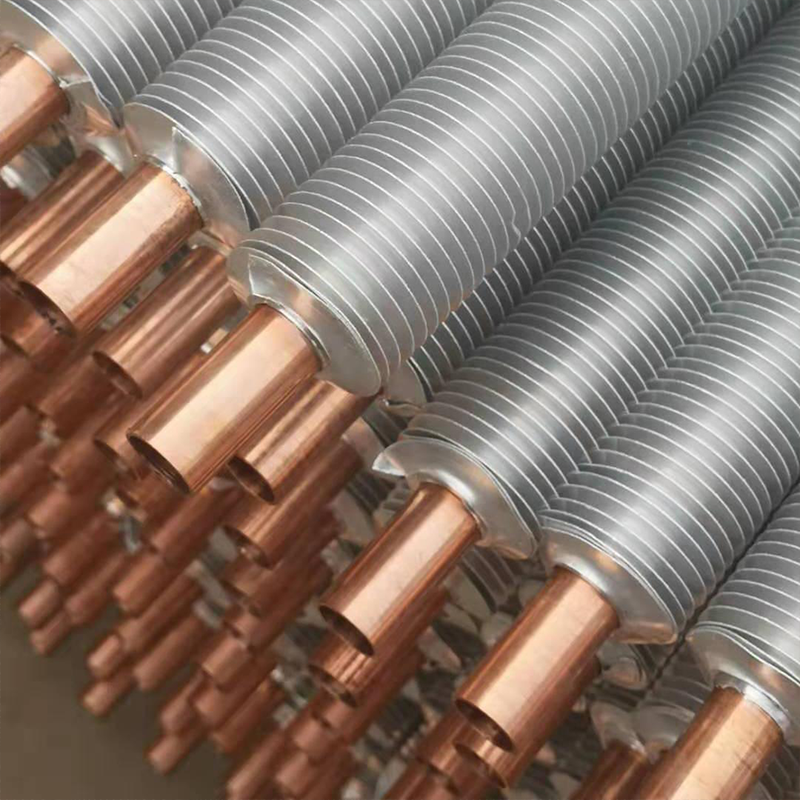
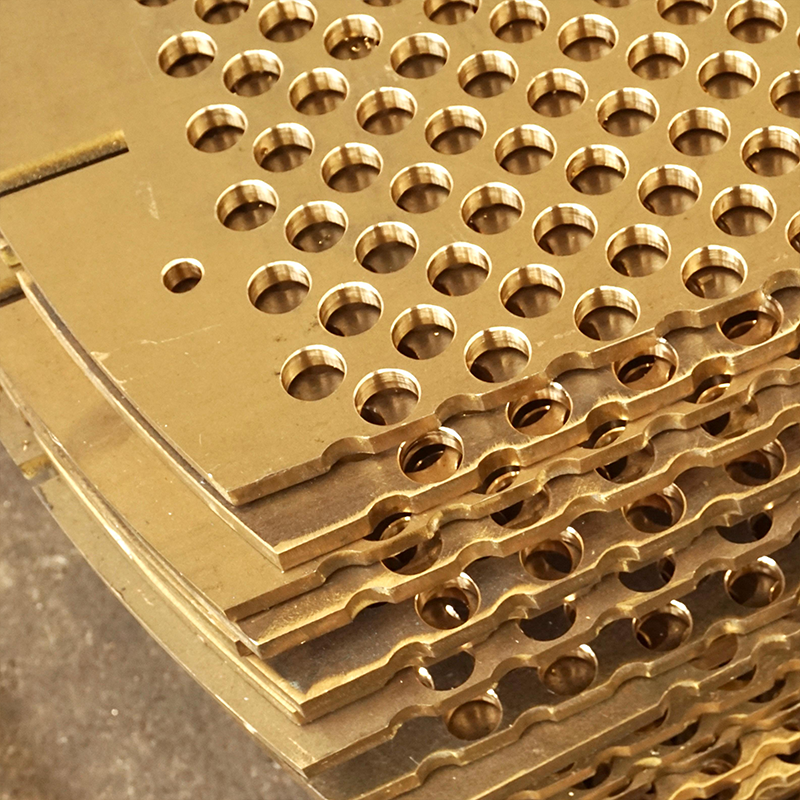
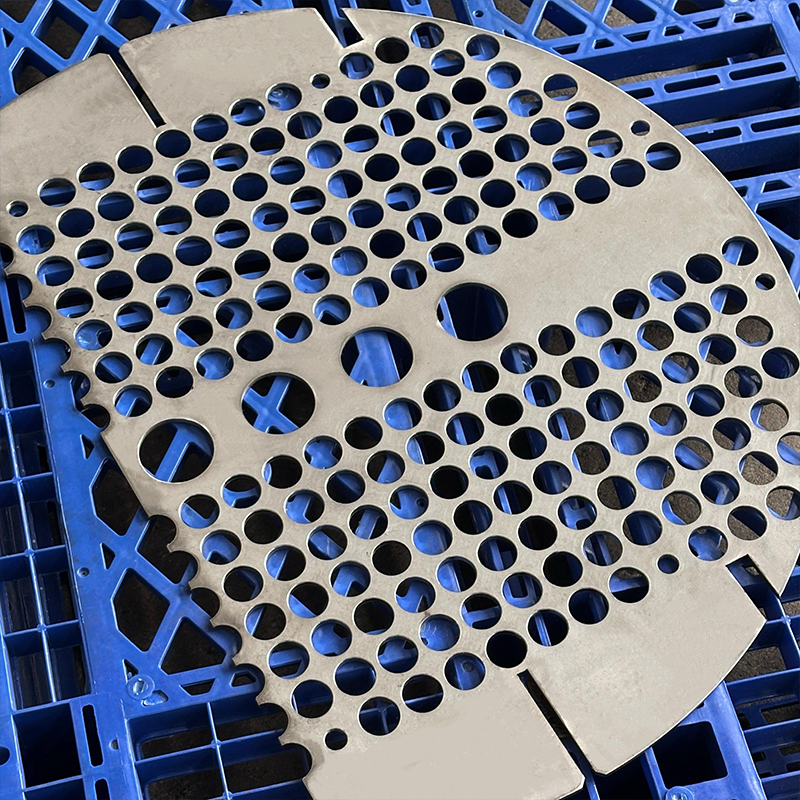
- Preparation of description and claims.This stage requires not only theoretical knowledge, but also an understanding of real production conditions. The experience of companies such as Wuxi Kaisheng Electric Power and Petrochemical Equipment LLC demonstrates the importance of integrating innovation into existing technological chains. Specializing in the design and manufacture of complex heat transfer and petrochemical equipment - from titanium shell-and-tube heat exchangers to high-pressure ASME systems - the company faces the need to protect unique solutions in the field of welding dissimilar metals and alloys (for example, N06625 nickel alloys or C46400 marine brass). Their approach shows that a successful patent strategy is built on a deep knowledge of materials science: whether it is carbon steel, titanium or copper-nickel alloys, each material dictates its own requirements for the thermodynamics of the process. PED and ASME certified products used in the harsh environments of oil refining and water desalination require impeccable seam reliability. Therefore, when preparing an application, it is important to emphasize not just the novelty of the method, but its ability to provide high corrosion resistance and resistance to extreme pressures and temperatures, which is a critical factor for industry leaders supplying equipment around the world.
- Submitting an application and paying fees.The application is submitted electronically through the FIPS portal or State Services, which gives a 30% discount on fees. The set of documents includes: application, description, formula, abstract, drawings, document on payment of state duty. Benefits are provided for individuals and small businesses. It is important to correctly identify applicants and authors. Authorship is inalienable, and the right to a patent can be transferred to a company. An error in names or addresses will result in lengthy correspondence and loss of time.
- Formal examination.At this stage, the correctness of the documents is checked, the presence of all components and payment of fees. Typically this stage takes 2 months. If deficiencies are found, you will receive a notification requiring them to be corrected within a specified period (usually 2 months with the possibility of extension). Ignoring the notice will result in the application being considered withdrawn. Here it is important to promptly respond to the examiner’s requests by providing missing certificates or clarifications.
- Substantive examination.The longest and most difficult stage, which can last from 12 to 18 months. The patent examiner conducts an in-depth analysis of novelty and inventive step. He sends requests indicating the found analogues. Your task is to convincingly prove that your method does not follow explicitly from these analogues. It is often necessary to amend the claims to make them closer to the prototype in order to be registered. Correspondence with an expert requires high qualifications; At this stage, the participation of a patent attorney is mandatory.
After successfully passing the examination, a decision is made to issue a patent. After paying the final registration and publication fee, the patent is entered into the State Register of Inventions of the Russian Federation and published in the official gazette. From this point on, you have the exclusive right to prevent others from using your method without permission. Remember that a patent is only valid in the territory of the country where it was issued. For protection in export markets, it is necessary to use the PCT (Patent Cooperation Treaty) procedure or file national applications in each country of presence within 12 months from the priority date.
Technical nuances: what exactly can be patented in HDPE welding
Many engineers mistakenly believe that the polyethylene welding process itself can be patented. This is impossible, since the basic principles (heating, pressure, cooling) are well known. Specific parameter control algorithms, unique sequences of actions, or non-standard process conditions are patented. Let's look at specific examples of patented objects that have a real chance of being registered.
Algorithms for temperature-time regimes.Standard welding modes are prescribed in the instructions of pipe and equipment manufacturers. However, if you have developed a method of stepped heating, where the temperature changes not linearly, but according to a complex law to compensate for the thermal conductivity of thick-walled pipes, this may be an invention. For example, a method of preheating the pipe ends with infrared radiation of a certain wavelength before contact with the heater to remove moisture and volatile fractions. Here it is important to prove that this approach reduces the porosity of the weld by a specific amount compared to the classical method.
Combined methods of influence.Traditional welding uses only heat and pressure. Innovative methods may include ultrasonic activation of the melt, applying a magnetic field to the orientation of macromolecules, or using laser radiation to locally heat the fusion zone. Patenting of such hybrid technologies is promising, as they provide a qualitative leap in the properties of the compound. For example, the use of ultrasound during the cooling phase makes it possible to relieve internal stresses and prevent the formation of cracks during operation in seismically active zones.
Methods for surface preparation and environmental control.Welding polyethylene is sensitive to dirt and humidity. The method of automatically cleaning the ends with a jet of dry ice or plasma immediately before welding, integrated into the operating cycle of the device, is a patentable solution. Methods of creating an inert gas environment (nitrogen, argon) around the weld zone to prevent oxidation can also be protected if this environment is formed in a special way, for example, using flexible sealed chambers placed on the pipe.
Real-time diagnostics and quality control.Methods that allow assessing the quality of a weld not after the fact (destructive testing), but during the welding process, are in high demand. This could be electrical resistance analysis in electrofusion welding with on-the-fly parameter adjustments, or acoustic emissions in butt welding. If your method allows you to automatically stop the process and signal the operator about a defect before the joint cools down, this is a serious invention that increases the reliability of pipelines.
It is important to note that the software that controls the welding machine itself is difficult to patent (usually as an object of copyright), but if it implements a new technological method, it can be part of a patent for the invention “Welding method... implemented by a device...”. In the claims, the steps of a program are described as steps of a method. Don't try to patent a mathematical model or theory—patent law protects technical solutions to problems, not scientific discoveries.
Typical mistakes and risks of loss of rights
In our practice, there was a case when a large plant developed a unique technology for welding pipes for arctic conditions. The engineers were so proud of the result that they presented it at an industry conference in Moscow, published an article in the Oil and Gas Business magazine, and even showed a video of the process on YouTube. Only then did they turn to patent attorneys. The result was predictable: the application was rejected due to loss of novelty. The information became publicly available before the priority date. This example shows that privacy discipline is more important than PR speed.
Another common mistake is choosing the wrong IPC (International Patent Classification) class. Polyethylene welding applications often fall under B29C (Plastics Processing), but may involve both F16L (Piping) and G01N (Testing). If an application is incorrectly classified, it may end up with an examiner who is not a polymer specialist, increasing the number of unfounded refusals and requests. Always indicate several IPC indices so that the application falls into the right group of experts.
Underestimating the cost of maintaining a patent also leads to losses. Many companies receive a patent and forget about it. After 3-4 years, a notice of non-payment of the annual fee is received. If you do not pay it within the grace period (6 months with penalties), the patent will terminate early. Restoring rights is extremely difficult and expensive. In addition, a patent that is not used (products are not manufactured on it, licenses are not issued) may become subject to compulsory licensing by third parties if they prove that the lack of access to the technology harms the public interest.
There is also a danger from incorrectly drafting a contract for the alienation of rights or a license agreement. If you transfer rights to an equipment manufacturing company, make sure that the agreement is registered with Rospatent. Without registration, the transfer of rights is considered failed for third parties. We have seen situations where a startup sold technology to an investor, received money, but the patent remained in the name of the individual author. If a startup went bankrupt or there was a conflict, the investor lost everything, since legally the technology did not belong to him.
You should also be wary of “patent trolls” who monitor new publications and try to find formal inconsistencies in order to challenge your patent in the Chamber of Patent Disputes. To minimize this risk, the description of the invention should be as detailed as possible, with many examples of implementation. The wider the base of evidence of the method’s performance given in the text of the patent, the more difficult it is to revoke it in court.
International protection: strategies for entering the global market
The Russian pipeline market is huge, but modern methods of welding polyethylene are in demand on the global market. If you plan to export equipment or license technology to the CIS countries, Europe or Asia, a national Russian patent is not enough. It is valid only on the territory of the Russian Federation. For international protection, there is the PCT (Patent Cooperation Treaty) system administered by WIPO (WIPO). Filing an international application through Rospatent as the receiving office allows you to defer costs for the national phases for 30 months.
This delay gives you time to evaluate the commercial potential of the technology. You receive an international search report indicating how new your invention is on a global scale. If the report is positive, you can confidently invest in document translation and payment of duties in specific countries (USA, China, Germany, Kazakhstan, etc.). If the report is negative, you can refuse to proceed further, losing only part of the funds, but saving hundreds of thousands of dollars on unpromising foreign applications.
When choosing countries for patenting, consider the specifics of the market. Europe has strict requirements for environmental friendliness and safety (DIN, EN standards), so the emphasis in the application should be on the absence of harmful emissions and energy efficiency. In China, production volume and speed of implementation are important; there is a high risk of copying, so obtaining a PRC patent is critical to protect against local manufacturers. In the EAEU countries (Belarus, Kazakhstan), the Eurasian Patent Organization (EAPO) operates, which allows you to obtain one patent valid in eight states at once, which is more convenient and cheaper than a set of national patents.
Be aware of language barriers. Translating patent documentation is not just a linguistic task, but a technical one. An inaccurate translation of the term “creep” or “rheology” can distort the meaning of the claim and render the patent useless or even dangerous (by revealing secrets without proper protection). Use only certified patent translators with polymer expertise. Errors in translation during the national phase of the PCT are extremely difficult and expensive to correct.
The “patent basket” strategy involves filing applications not only for the main method, but also for related improvements, equipment modifications and new applications. This creates a dense patent field that is difficult for competitors to break through. For example, having patented a basic welding method, file additional applications for a method for preparing edges for this method and for a temperature control device for it. This multi-layered protection significantly increases the value of your intellectual property when valuing a business or selling a license.
Cost-effectiveness and patent monetization
A patent for a polyethylene welding method is not just a piece of paper for a tick, but an asset that can be monetized in various ways. Direct sale of a patent (alienation of the exclusive right) is possible, but most often owners prefer licensing. A license agreement can be exclusive (rights are transferred to one licensee) or non-exclusive (licenses are issued to multiple companies). Royalties are usually calculated as a percentage of the proceeds from the sale of equipment or the number of meters of pipe welded.
The presence of a patent increases the investment attractiveness of a company. Venture funds and state development institutions (for example, the Innovation Promotion Fund in the Russian Federation) are more willing to finance projects protected by intellectual property. A patent confirms that the technology is unique and has market value. In addition, a patent allows you to participate in government tenders for the supply of innovative products, where the presence of protection documents is often a mandatory requirement or gives additional points.
A patent also serves as a defensive tool. If a competitor sues you for infringing on their rights, having your own patent portfolio allows you to take a countersuit position or offer cross-licensing. This evens out the power in the patent wars. In the polyethylene welding industry, where the market is divided between several large players, the ability to block the release of competitive products through the courts is a powerful lever of pressure.
However, costs need to be assessed honestly. Obtaining and maintaining a patent in multiple jurisdictions can cost tens of thousands of euros per year. If a technology has a short life cycle (for example, it quickly becomes obsolete due to the emergence of new materials), patenting may not be economically feasible. In such cases, it is better to use the trade secret (know-how) regime. But for welding methods that are easily identified when analyzing the finished product (the seam can be examined under a microscope to determine the structure of the polymer), the know-how mode does not work - a competitor can easily copy the technology using reverse engineering. Therefore, patenting remains the only reliable method of protection.
Cost, income and comparative approaches are used to estimate the value of a patent. The income method is the most accurate: it is based on the forecast of additional profits that the use of technology will bring in comparison with the best available analogue. If your method reduces defects by 5% in a billion-ruble factory, the savings will be 50 million per year. Part of this amount is the real cost of your patent. Prepare this calculation before negotiating with investors or buyers.
The influence of GOST and ISO standards on the patenting procedure
Developers of new welding methods must take into account the strict limits of existing standards. In Russia, this is GOST R 58107-2018 "Polyethylene pressure pipes. Butt welding", GOST 32415-2013 and a series of standards ISO 21307, ISO 12176. The patented method should not contradict mandatory safety requirements, but it may offer alternative ways to achieve the same goals or superior results. Rospatent experts often request an opinion on the compliance of a method with current standards.
If your method is fundamentally different from the standard modes specified in GOST, you may need to develop your own Technical Conditions (TU). Patent and specification go hand in hand. A patent protects an idea, and specifications regulate its practical application in production. The presence of approved specifications strengthens the applicant’s position during the examination, proving industrial applicability. Moreover, when changes are made to national standards in the future, patent authors can lobby for the inclusion of their methods as recommended, which opens up access to a huge government procurement market.
Certification of welding equipment and certification of welding technology (NAKS in Russia) are separate procedures that do not replace patenting, but complement it. To legally use the method at hazardous production facilities (high-pressure gas pipelines), the technology must be certified. The patent facilitates this procedure, as it provides a scientific basis for the reliability of the method. However, remember that the presence of a patent does not guarantee automatic certification by NAKS; it is still necessary to undergo real testing at the test site.
ISO international standards are constantly updated. Follow the work of the technical committees of ISO/TC 138 (Plastics pipes, fittings and valves for the transport of liquids). Participation in the development of standards allows you to introduce your patented solutions into world practice. If your method becomes part of an international standard, the value of the patent increases many times over, since its use will become virtually mandatory for all manufacturers following the standard (so-called standard-essential patents, SEP).
When describing your invention, be sure to reference the specific standards that your method improves or modifies. This shows the expert that you have deep knowledge of the subject area and understand the place of your development in the industry. Avoid criticizing standards as such; position your solution as an evolutionary development that allows you to overcome the limitations of current regulations in specific conditions.
Frequently Asked Questions
How long does it take to obtain a patent for a welding method in Russia?
On average, the procedure takes from 18 to 24 months from the date of application. Accelerated examination is possible for an additional fee and reduces the period to 6-8 months, but requires compelling reasons, for example, readiness for production or the presence of an investment contract. Don't plan a product launch relying on a quick patent; start the process early.
Is it possible to patent a welding method if the equipment is already sold?
Yes, but only if the method itself was not disclosed in the equipment instructions or promotional materials before the date of application. If the equipment is sold, but the algorithm for its operation is hidden in the firmware and is not described in the documentation, the novelty can be preserved. However, if the method can be easily determined by analyzing the operation of the device (“reverse engineering”), the risk of loss of novelty is high. It is better to apply before sales begin.
What is the likelihood of success when applying independently?
The statistics are inexorable: more than 60% of applications filed without the participation of a patent attorney are rejected or require such significant improvements that the scope of protection becomes insignificant. The specific language in patent law differs from technical language. Saving on specialist services at the start often leads to loss of rights in the future. We recommend that you contact only accredited specialists.
What should I do if I find out that a similar method has already been patented?
Don't give up. Analyze the formula of someone else's patent. Perhaps it is formulated narrowly. You can develop a workaround by changing a key feature, or improve an existing method to make it more efficient and patent your improvement (a dependent patent). The use of a dependent patent is possible only with the consent of the owner of the main patent, which opens up opportunities for negotiations and cross-licensing.
Do I need to patent a method if I only work within one company?
Yes, if you want to protect yourself from employees leaving for competitors with your technology. The patent belongs to the company, not to the employee-inventor (if it is a work invention). Even without licensing plans, a patent increases a company's balance sheet and protects know-how from leakage, since publishing a patent establishes your authorship and priority, making it harder for the idea to be stolen.
Conclusion and next steps
Patenting new methods for welding polyethylene is a strategic move that requires careful preparation, deep technical knowledge and legal literacy. In an environment of growing competition and stricter quality requirements for pipeline systems, intellectual property is becoming the main asset of innovative companies. Don't let your designs go unprotected: the risk of copying is too great, and the cost of losing the market is disproportionate to the cost of patenting.
We recommend starting with an audit of your technology: identify unique features, conduct a preliminary search and evaluate commercial potential. Do not delay submitting your application until the product is completely ready—fix your priority as early as possible. Remember that every day a technology is publicly demonstrated without patent protection, it moves closer to the point where it enters the public domain.
If you are ready to transition your innovation to protected asset status, contact us today for a consultation with specialized patent attorneys. We will help you draw up a defense strategy, prepare documents and negotiate with departmental experts. Your technology deserves reliable protection and decent monetization.
For more information about our industrial patenting services, please visitprofessional support for patenting inventions, where you will find detailed cases and tariffs.